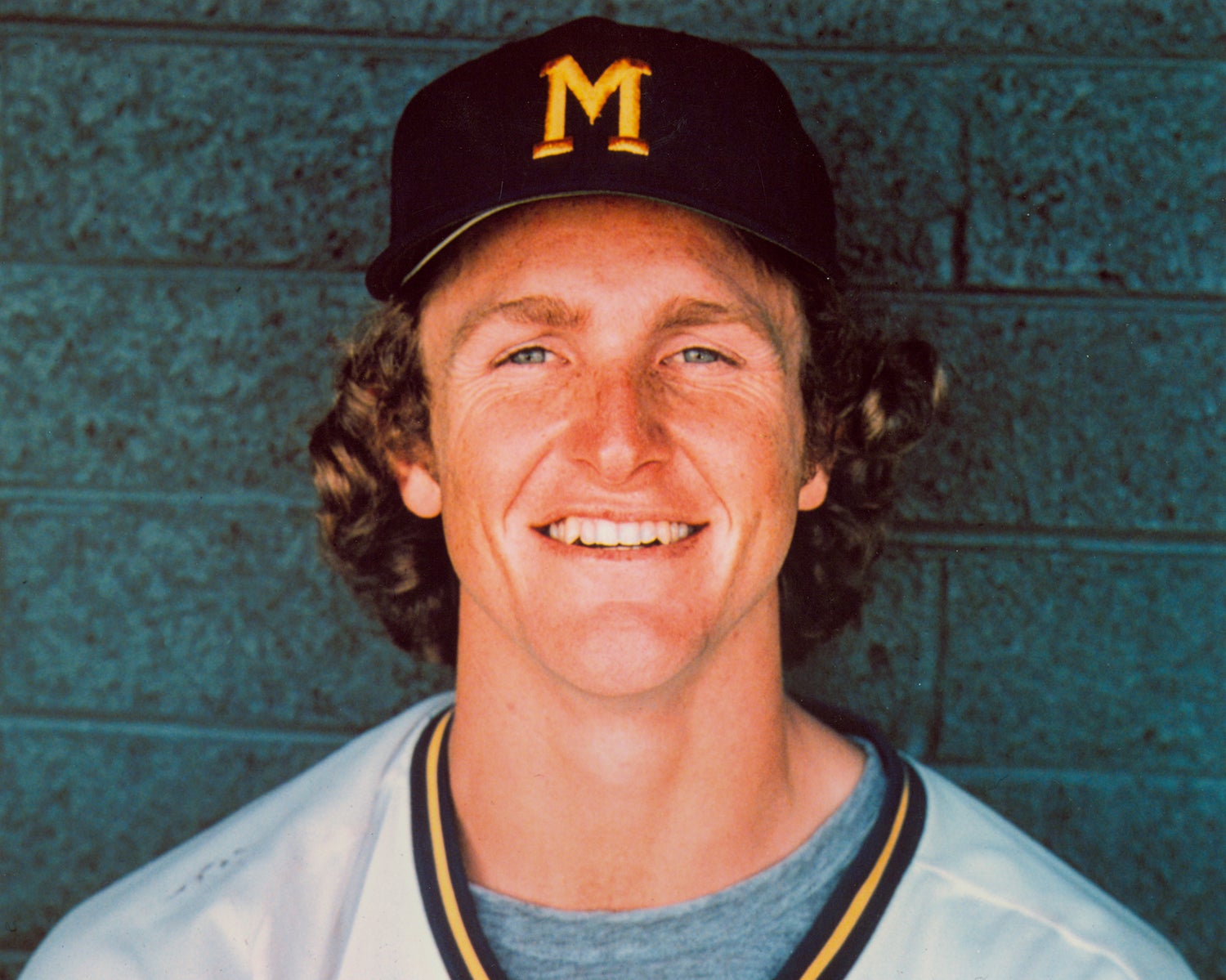
#CardCorner: 1981 Topps Jim Dwyer
One of only three players in big league history to appear in at least 1,300 games yet come to bat fewer than 3,300 times, Jim Dwyer nevertheless carved out a reputation as a player winning teams wanted on their roster.
He also has a space in Cooperstown via a bat that showcased his unique talent as a pinch-hitter.
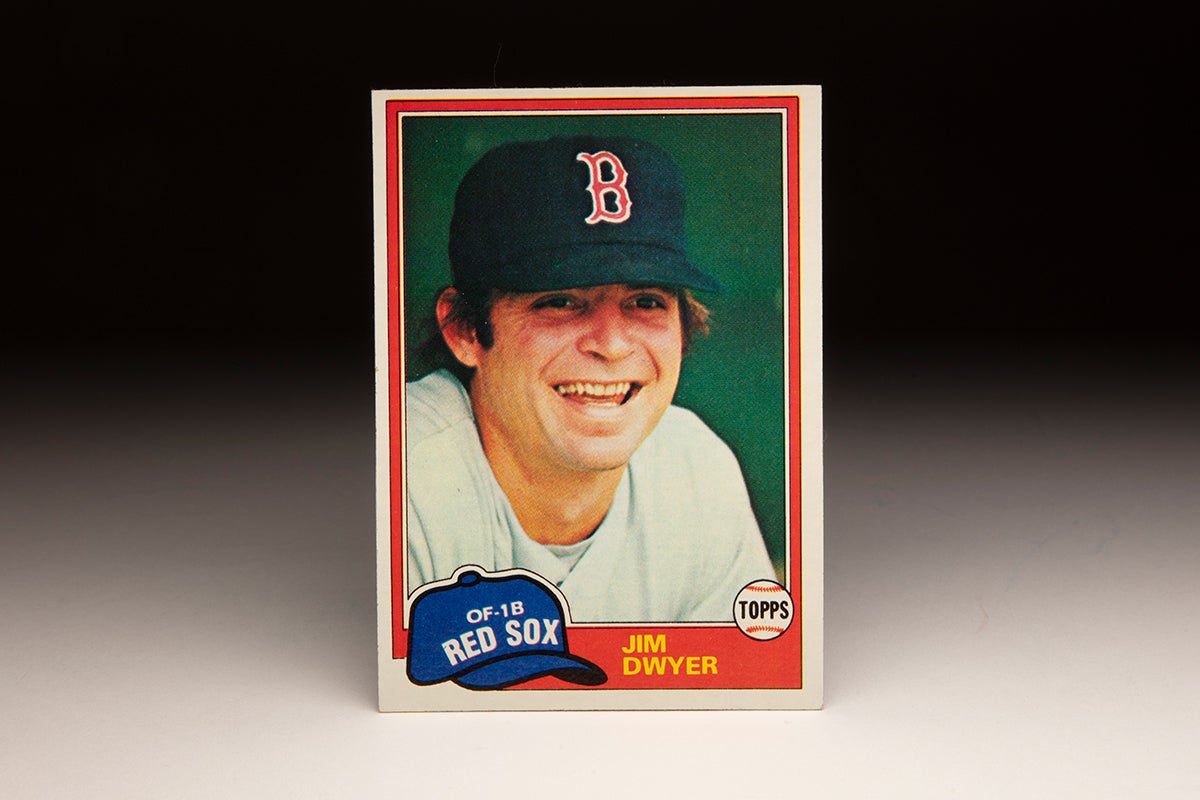
James Edward Dwyer was born on Jan. 3, 1950, in Evergreen Park, Ill. His father operated a tavern in Tinley Park, about 25 miles from downtown Chicago, and Dwyer came of age loving baseball.
“I was always a Cub fan,” Dwyer told the Southern Illinoisan of Carbondale, Ill., in 1977.
After graduating from St. Laurence High School in Burbank, Ill., in 1968, Dwyer enrolled at Southern Illinois University in Carbondale. By his junior season, the lefty-swinging Dwyer was a star – batting .413 while leading the Salukis to the College World Series. With teammates that included future big leaguers Duane Kuiper and Joe Wallis, Dwyer was named the team’s MVP and led Southern Illinois to the championship game before the Salukis fell to Southern California.
Dwyer, who hit .381 with five steals in the CWS, decided to forgo his senior season and turn pro.
“I used to be a dead pull hitter,” Dwyer told the Southern Illinoisan in 1978. “(University of Southern Illinois baseball coach Richard) Itchy (Jones) changed me. He taught me to use the whole field when I hit. That probably helped me more than anything.”
Though undersized at 5-foot-10 and 175 pounds, Dwyer showed enough hitting talent to entice the Cardinals to take him in the 11th round of the 1971 MLB Draft. He signed 11 days later and was soon playing for Cedar Rapids of the Class A Midwest League, where he hit .313 with a .400 on-base percentage over 58 games.
In 1972, Dwyer advanced to Class A Modesto of the California League and was among the loop’s best hitters with a .325 batting average and 87 runs scored in 92 games when he was promoted to Double-A Arkansas. Though he hit just .253 in 44 games while adjusting to more advanced pitching, Dwyer was only a year away from making the big leagues.
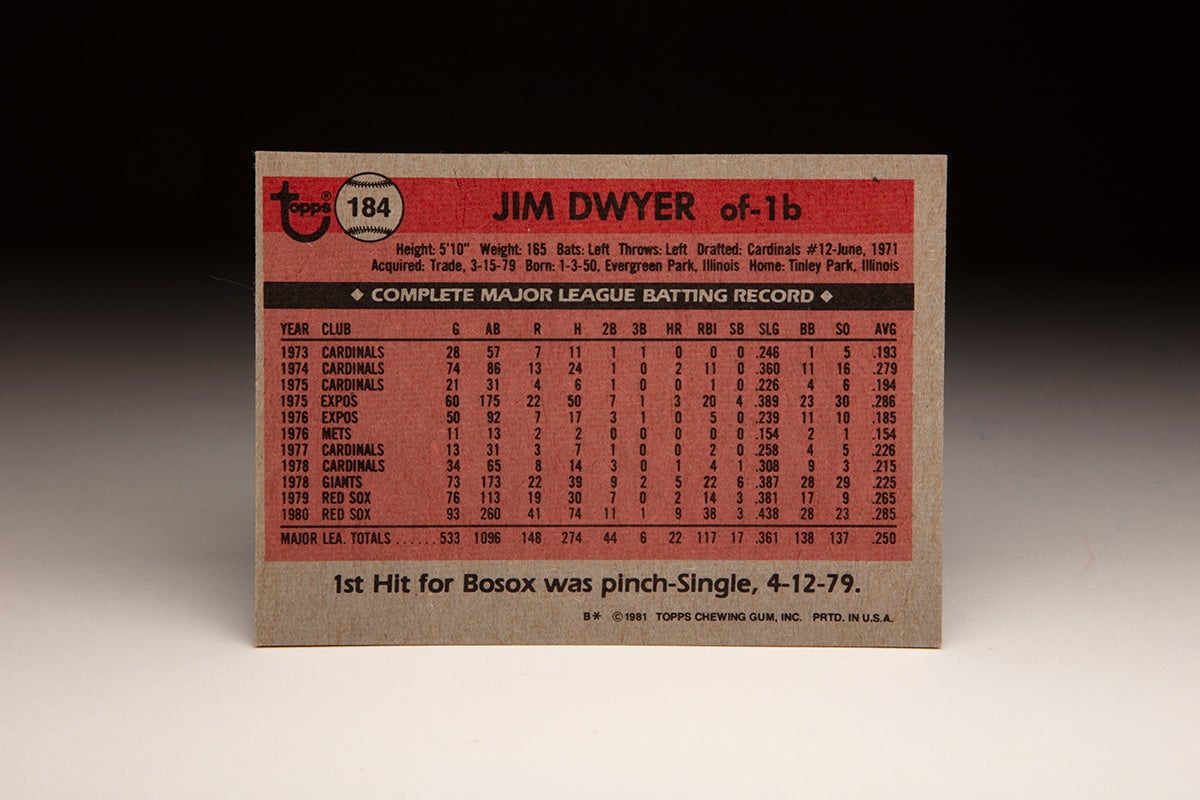
In 1973, Dwyer was assigned to Triple-A Tulsa and was hitting .424 over 47 games when the Cardinals called him up to the big leagues on June 9.
“He swings at strikes,” Dwyer’s Tulsa teammate Al Hrabosky told the St. Louis Post-Dispatch. “The last time I saw him play, he had an 18-game hitting streak broken. He walked three times. A lot of guys might have been swinging at bad pitches to try to keep the streak going, but he wouldn’t.”
Dwyer made his big league debut on June 10 but was unable to duplicate his success in the minors. He was hitting .193 with no homers and no RBI through 28 games when the Cardinals returned him to Tulsa. He wound up leading the American Association in hitting with a .387 average in 87 games but had only one home run.
“He can hit the long ball once in a while,” Hrabosky said. “But I think that’s his secret – he hasn’t been trying to.”
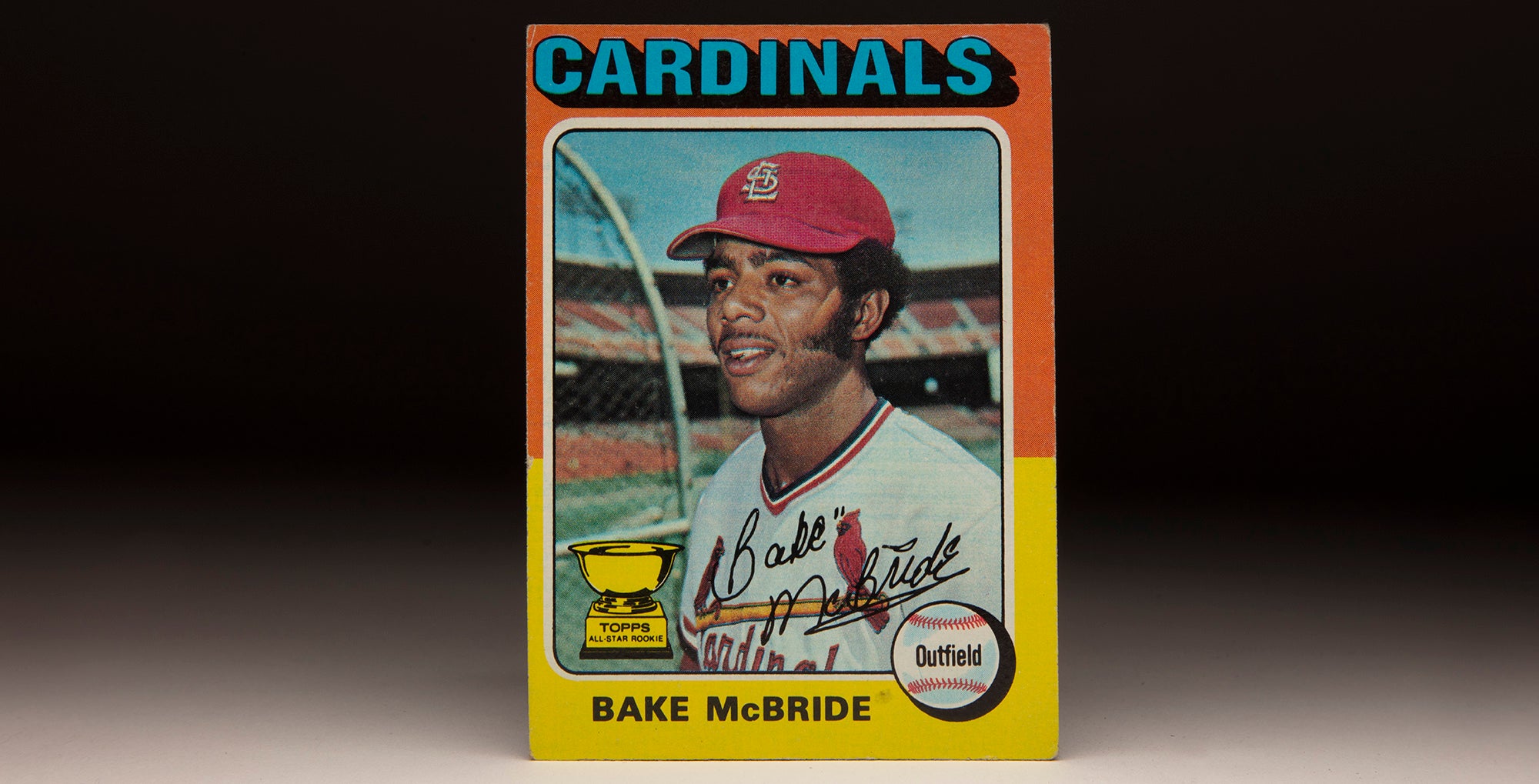
Dwyer made the Cardinals’ Opening Day roster in 1974 and appeared as a pinch-runner in the season’s first game. But with Lou Brock, Bake McBride and Reggie Smith ensconced in the outfield, Dwyer had little chance to play. He was sent back to Triple-A in late April before returning in June – getting a first-hand look at Brock’s assault on the Modern Era stolen base record that summer.
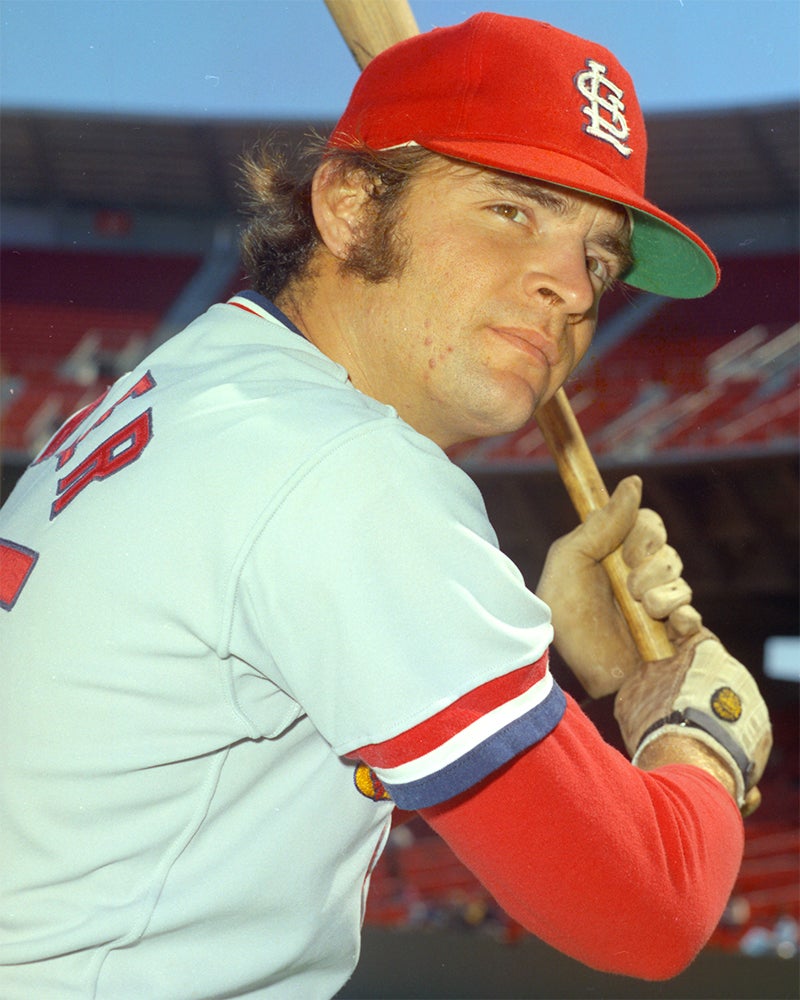
Dwyer finished the year batting .279 in 74 games – 52 of which came as a pinch-hitter. He hit .336 with a .460 OBP in 36 games for Tulsa.
“There’s not much future for a left-handed outfielder with this club,” Cardinals teammate Joe Torre told the Dayton (Ohio) Daily News about Dwyer. “Not with Lou Brock, Reggie Smith, Bake McBride and José Cruz around. I was surprised when they kept him the first part of this season.
“(But) when you hit a ton like Jim did, it forces a team to bring you up no matter if every outfielder you got is a lefty.”
Cardinals manager Red Schoendienst summed it up nicely, saying: “How do you keep sending a kid back who hit .385 in Triple-A ball?”
But the Cardinals found a way. After Dwyer appeared in 21 games at the start of the season and hit just .194, St. Louis sent him back to Tulsa. He hit .404 in 33 games for the Oilers before being traded to Montreal in exchange for infielder Larry Lintz on July 25.
“I blew my chance with the Cardinals,” Dwyer told the Southern Illinoisan in 1977. “I just wasn’t in the right spot at the right time.”
But Dwyer found opportunity with Montreal. Expos manager Gene Mauch told Dwyer he’d play regularly against right-handed pitching.
“I was shaky at first,” Dwyer told the Southern Illinoisan. “But after one month of hitting about .200, I realized Mauch was serious about playing me.”
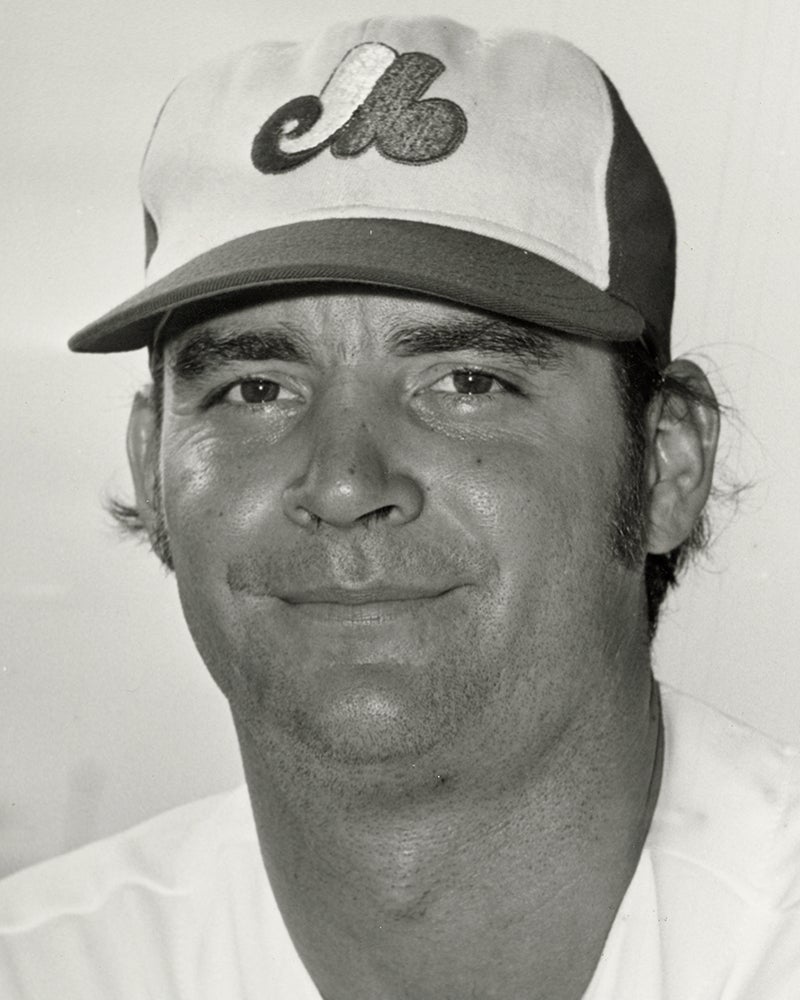
Dwyer got regular starts in left field for the Expos and hit .286 with three home runs and 20 RBI in 60 games. But he was relegated to the bench at the start of the 1976 season under new manager Karl Kuehl, and Dwyer was hitting .185 through 50 games when he was traded to the Mets with Pepe Mangual in a July 21 deal that sent Wayne Garrett and Del Unser to Montreal.
“I didn’t lose that job in Montreal,” Dwyer told the Southern Illinoisan in 1978. “It was taken away from me.”
Dwyer appeared in 11 games for the Mets and also spent time at Triple-A Tidewater. Then on Dec. 8, 1976, he was dealt to the Cubs as part of a three-way trade that sent Pete LaCock from Chicago to Kansas City.
Dwyer was pleased to return to his hometown but once again found himself in the minor leagues when the new season began. Assigned to Triple-A Wichita, Dwyer pummeled American Association pitching, hitting .332 to win his second Triple-A batting crown. He posted a .459 OBP (on the strength of 108 walks) and totaled 38 doubles, 12 triples, 18 homers, 70 RBI, 28 steals and 113 runs scored.
Though he was aided by the Aeros’ park – which had a short right field fence that was only 312 feet down the line and 345 to the power alley – Dwyer’s plate discipline was not a product of any home field advantage.
The Cubs brought him to Chicago in September but he never played a game for the team. Dwyer, understanding that he could be a free agent at the end of the year if he was unsigned, would not agree to a contract with Cubs general manager Bob Kennedy.
Reportedly furious with Dwyer, Kennedy told Dwyer to pack his bags. The Cubs waived Dwyer on Sept. 7, and six days later Dwyer agreed to a deal with the Cardinals.
“Bob seemed pretty upset,” Dwyer told the Chicago Sun-Times. “Well, I was a little upset myself. If he feels like I’m stabbing him in the back, well, I’m trying to make a career for myself.
“Bob did give me a major league salary for playing in Triple-A, but if he wants to be that way about it, well, I got more money last year. He cut me.
“I’d rather play in the big leagues for a minor league salary instead of the other way around. Any player would.”
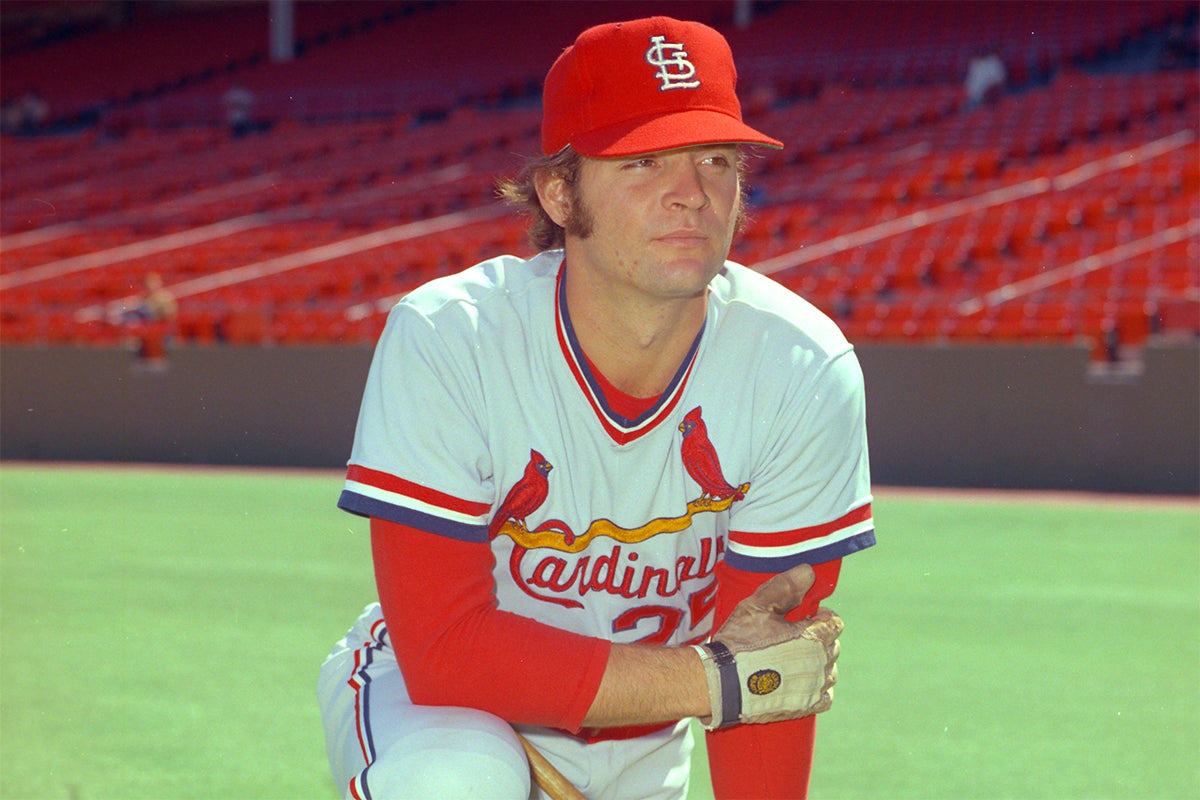
Dwyer played 13 games for the Cardinals at the end of the 1977 season, batting .226. Then after appearing in 34 games for St. Louis in 1978, the Cardinals traded him to the Giants on June 15 to complete a deal that had sent pitcher Frank Riccelli to St. Louis in 1977.
Dwyer was now playing for his fifth big league team (counting two stints with St. Louis) in six seasons but was not willing to walk away from his dreams.
“I could always get a regular job, I guess,” Dwyer told the Southern Illinoisan at the start of the 1978 season, referencing the accounting degree he had earned at Southern Illinois. “But I don’t want to. I’m making a good living and having a good time. I love baseball and I want to stick around until I can’t play it anymore.”
Dwyer played in 73 games for San Francisco in 1978, hitting .225 with a .327 OBP. For the second straight winter, he torched pitching in the Puerto Rican Winter League and found himself with the Red Sox when Boston purchased his contract from the Giants on March 15, 1979.
Now able to stick on an American League roster thanks to the flexibility of the designated hitter, Dwyer – at age 29 – began to settle into a bench role that would suit him well.
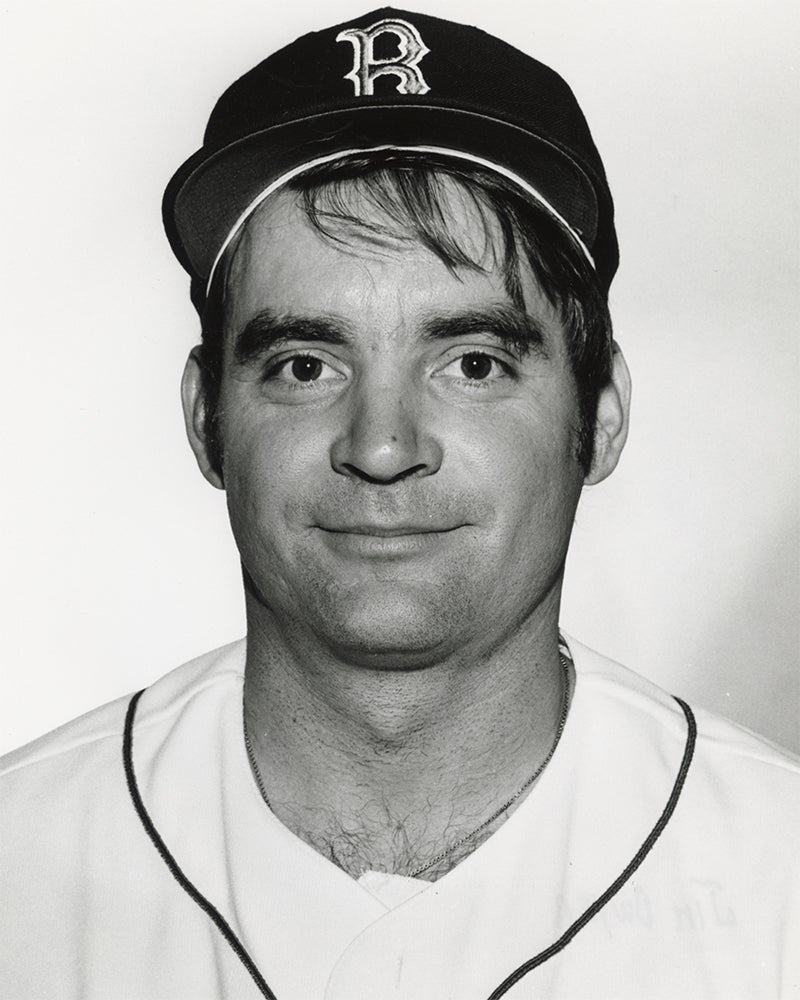
In 1979, Dwyer impressed the Red Sox’s brass in Spring Training with his all-around game and his hustle, which often resulted in dirty uniforms and earned him the nickname Pig Pen.
“It’s funny, I had never heard of Dwyer before we got him, so I asked (coach Eddie) Yost about him, and he tells me he saw him four years ago and the guy can’t play,” Red Sox manager Don Zimmer told the Transcript-Telegram of Holyoke, Mass. “So I asked someone else and they say the same thing. Then I started asking people who had seen him play in the past couple years and they say he is a good player. It looks like the guy has just developed into a good player the past couple years.”
Dwyer hit .265 with a .361 OBP in 76 games in 1979, totaling 30 runs scored, two homers and 14 RBI. In his second game with the Red Sox on April 12, his two-run, pinch-hit single in the ninth inning off Milwaukee’s Bill Castro gave Boston a 12-10 win and marked the team’s first pinch-hit RBI since the 1977 campaign.
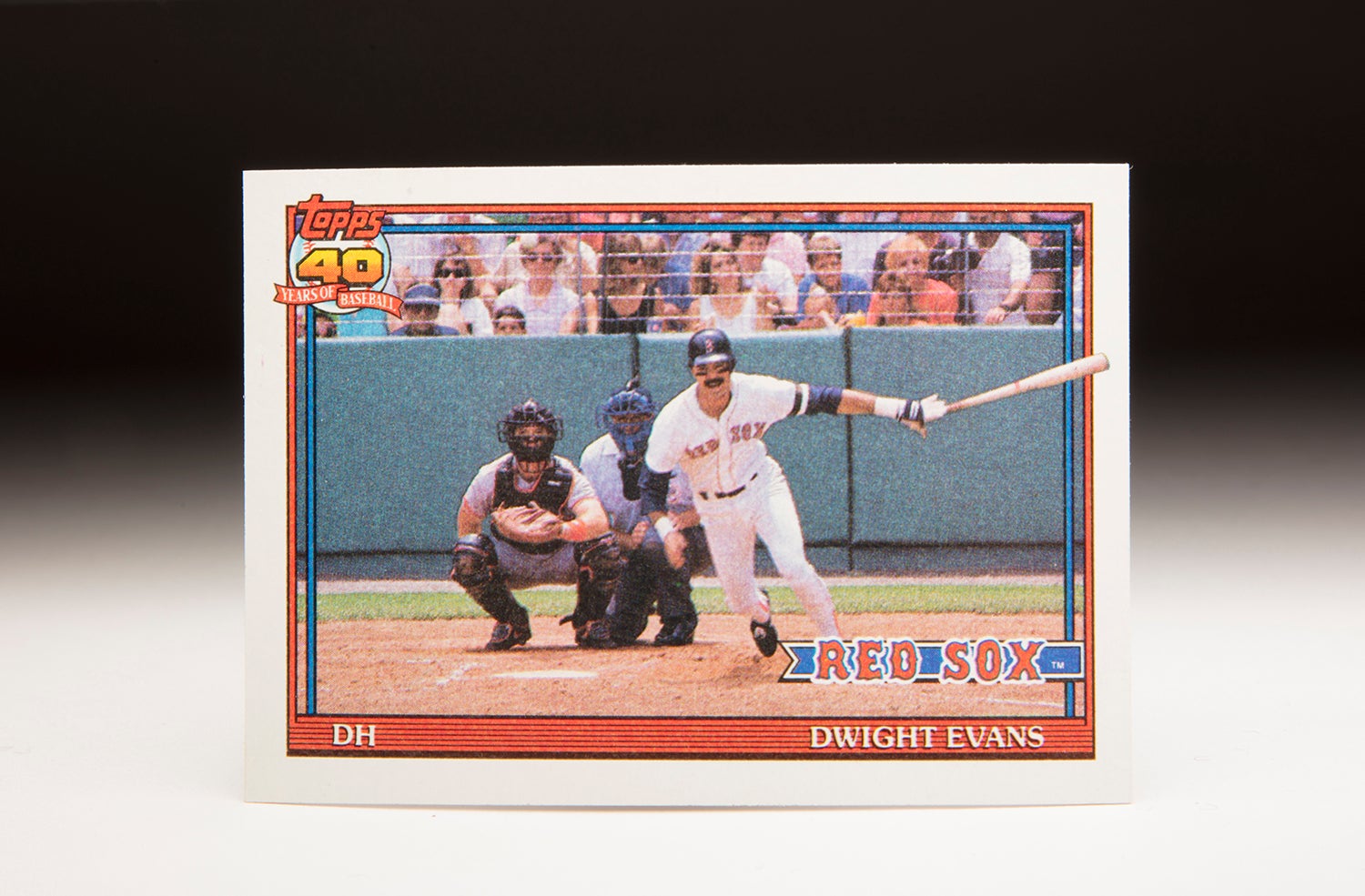
Then in 1980, with Fred Lynn injured and Dwight Evans struggling, Dwyer got into the lineup and got red hot – going 10-for-23 (.435) with four homers and eight RBI over a six-game stretch from May 17-23.
“This is the best series I’ve ever had in the big leagues,” Dwyer told the Associated Press of three games against Toronto during that stretch. “It was a season in one series for me.”
Dwyer batted .285 for the season with career-highs in at-bats (260), runs (41), homers (nine) and RBI (38). Still, Dwyer longed for more playing time.
“I’ve never gotten the chance, and I don’t know if I ever will,” Dwyer told the Associated Press about his chance to play regularly after hitting two home runs in a game for the second time in the season on Sept. 8, 1980, against Cleveland.
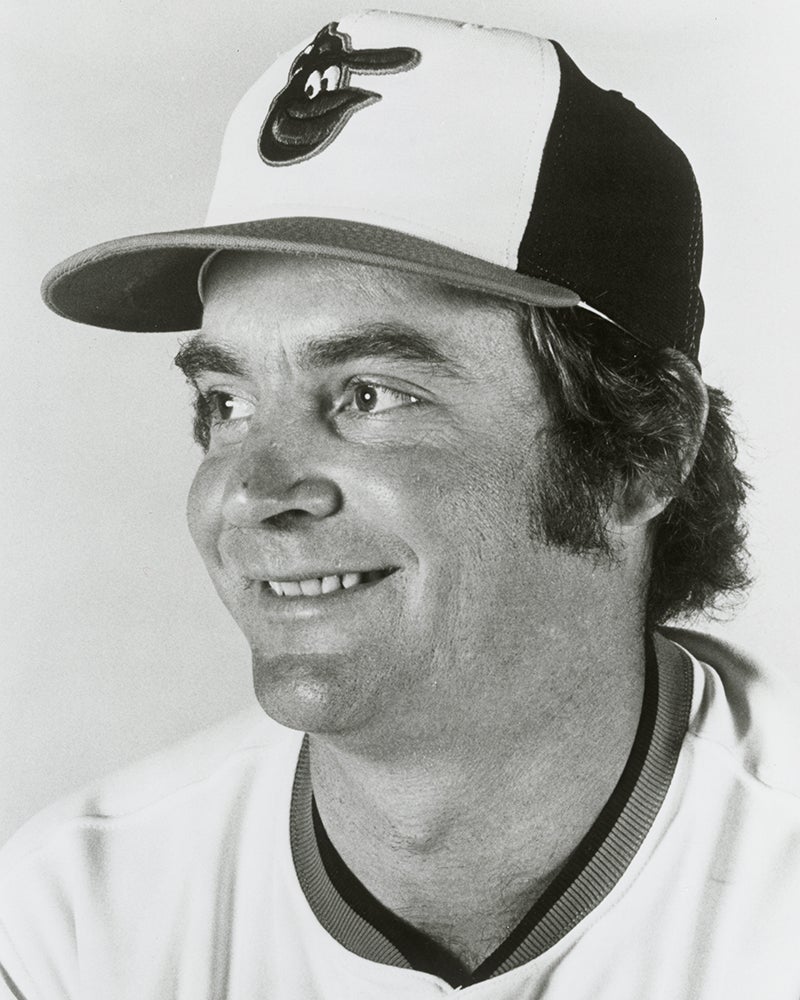
Dwyer became a free agent after the 1980 campaign and was selected by 11 teams in the re-entry draft – two short of the maximum. On Dec. 23, 1980, Dwyer signed a three-year deal with the Orioles. It would mark the start of the most successful stretch of Dwyer’s career.
“Jim’s hitting and fielding ability should be a real asset to our club,” Orioles general manager Hank Peters told United Press International. “I feel we have certainly strengthened our depth.”
Dwyer hit just .224 in 68 games in 1981 but improved to .304 with a .407 OBP in 1982 – and he nearly powered Baltimore to a playoff spot.
At the start of play on Sept. 30, the Orioles found themselves trailing the Brewers by four games in the AL East. The teams were scheduled to end the season with a four-game series in Baltimore, and Dwyer helped close the deficit to three games the day before that series started. Trailing the Tigers 5-2 to start the ninth inning and with future Hall of Famer Jack Morris on the mound for Detroit, the Orioles rallied for four runs – with Dwyer driving in the tying run with a single off Dave Tobik that scored Mike Young.
In that game, Dwyer went 2-for-2 with three walks. He had doubled in his final plate appearance the day before, giving Dwyer a string of six straight PAs where he reached base. Remarkably, he was only halfway done with his hot streak.
The next day, Baltimore won the opening game of a doubleheader against Milwaukee 8-3 as Dwyer went 3-for-3 with a run scored before he was pinch-hit for by Dan Ford in the seventh inning. He did not play in the nightcap as Baltimore won 7-1 but went 2-for-2 with two walks and a run scored as the Orioles won 11-3 on Saturday to move into a tie with the Brewers atop the division. Dwyer had now reached base in 13 straight plate appearances, just three short of Ted Williams’ record.
But on Sunday, Oct. 3, Don Sutton outdueled Jim Palmer as Robin Yount hit two home runs and scored four times in a 10-2 victory that gave Milwaukee the division crown. Dwyer went 1-for-3 with a walk in that game, with his streak ending when he grounded out to Sutton in the second inning.
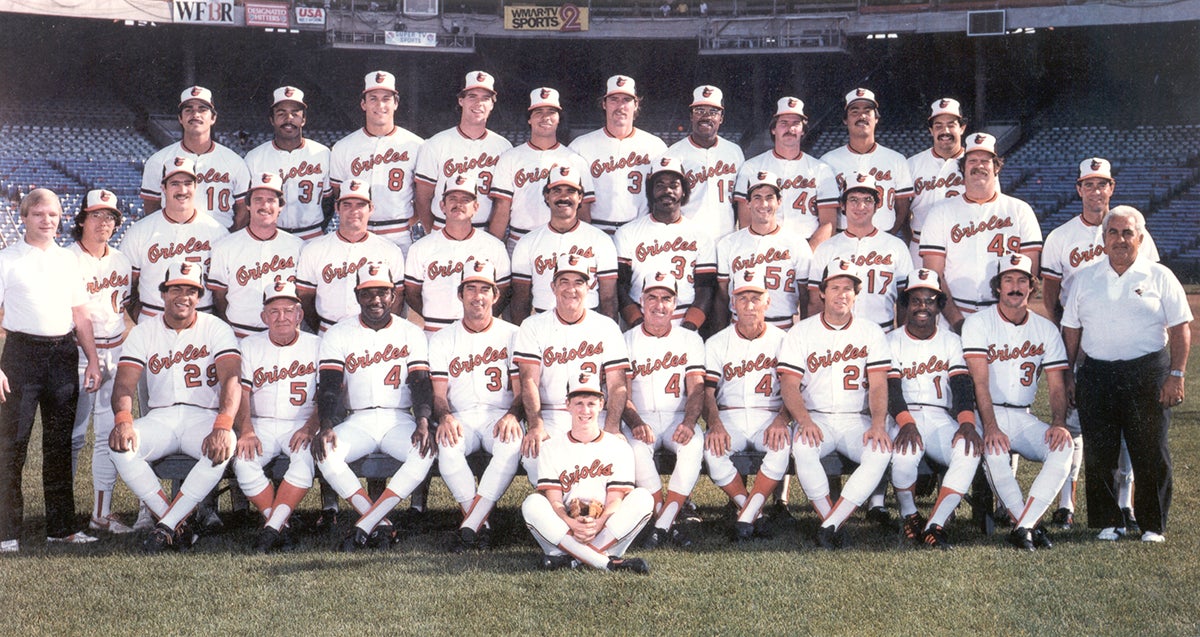
In 1983, however, the Orioles couldn’t be stopped. Under new manager Joe Altobelli – who replaced Earl Weaver after the 1982 season – Dwyer played in 100 games, often platooning with Dan Ford in right field, and batted .286 with 17 doubles, eight home runs and 38 RBI. His three-run, third-inning home run off Milwaukee’s Chuck Porter would give Baltimore a lead it would not relinquish in a 5-1 victory over the Brewers on Sept. 25 that clinched the AL East title.
Dwyer appeared in two games in the ALCS vs. the White Sox, lining out as a pinch-hitter in Game 1 before going 1-for-3 with a double and a run scored in Game 3. The Orioles advanced to the World Series against the Phillies, and Dwyer became the 18th player in history to homer in his first World Series at-bat in Game 1. He made his second Fall Classic start in right field in Game 4, going 2-for-5 with a double and two runs scored – including the eventual game-winner in a 5-4 victory.
The next day, Baltimore won the title to give Dwyer a World Series ring.
Arthroscopic surgery on his left knee sidelined Dwyer for six weeks in 1984, and he finished the season batting .255 in 76 games. Then in 1985, Dwyer played in 101 games – starting in right field or left field for much of the first two months – and batted .249 with seven home runs, 36 RBI and 37 walks while hitting .362 with runners in scoring position.
A free agent once again after the season, Dwyer and his agent – future Hall of Famer Jim Bunning – were looking for a two-year contract and thought they might have one with the Cubs. But when that offer never materialized, Dwyer agreed to a one-year deal with a club option with the Orioles worth $450,000, a raise from the $375,000 he made in 1985.
Weaver had returned to the Orioles’ dugout in the middle of the 1985 season, and Dwyer knew that his role with the club would likely be limited to pinch-hitting as he entered his age-36 campaign.
“I thought I needed the second year (on the contract) because I know what pinch-hitting for Earl is going to be like,” Dwyer told the Baltimore Sun, referring to Weaver’s known preference to stick with his regulars. “I’m not going to get many at-bats, and it’s going to be hard to put up any numbers on the board. When you’re my age and you put up 90 or 100 at-bats, people assume you’re finished. I don’t think the numbers reflect what I can do.”
Dwyer, however, showed what he could still do on Aug. 6, 1986. That day, he was one of three players to hit grand slams in that game – with Baltimore’s Larry Sheets and the Rangers’ Toby Harrah also hitting grand slams to set a new record in Texas’ 13-11 win. Dwyer’s bat from that day is part of the Hall of Fame’s collection.
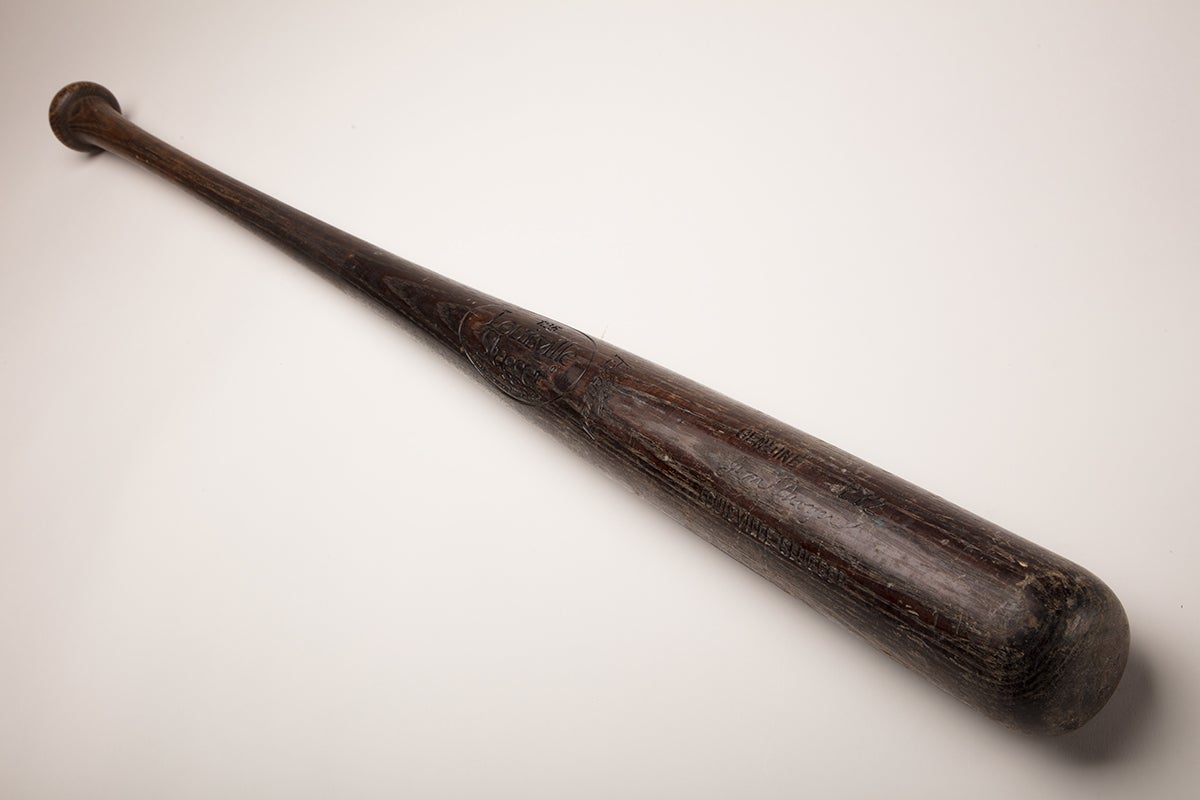
Dwyer put up very similar numbers in 1986 compared to his 1985 totals, batting .244 with 13 doubles, eight homers and 31 RBI in 94 games – statistics that were deflated when he hit .068 (3-for-44) over his final 32 games.
The Orioles did not pick up Dwyer’s contract option but did bring him back for 1987, signing him to a one-year deal worth about $307,000 (with incentives) on Nov. 17, 1986.
“Hey, let’s face it,” Dwyer told the Baltimore Sun. “At my age, you can’t be too picky. I didn’t want to be switching teams now.”
Dwyer gave the Orioles everything they could ask in 1987, hitting a career-high 15 home runs (the only season of his career where he reached double-digits) with 54 runs scored, 33 RBI and 37 walks in 92 games. On Sept. 6, his pinch-hit, two-run, walk-off home run against Dennis Eckersley gave Baltimore a 7-6 win and established a new Orioles record for home runs as a pinch-hitter with nine. He finished the year with 82 career pinch-hits.
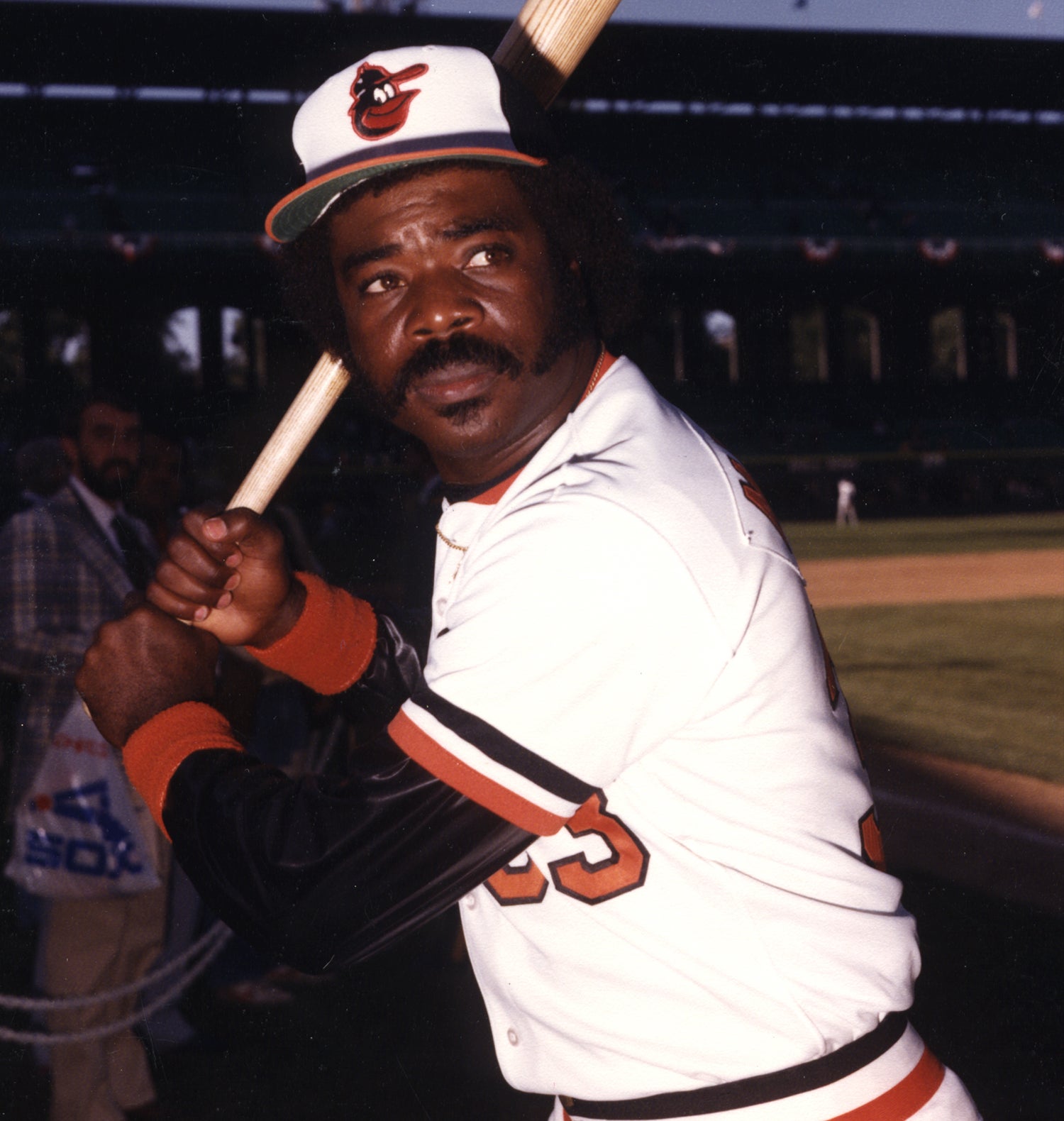
Dwyer returned to the Orioles on another one-year deal for 1988 – a season in which Baltimore started 0-21. Dwyer appeared in only 35 games before being traded to the Twins on Aug. 29 for a player to be named later who turned out to be minor leaguer Doug Kline. At the time of the trade, the only current Orioles player who had been with the franchise longer was Eddie Murray.
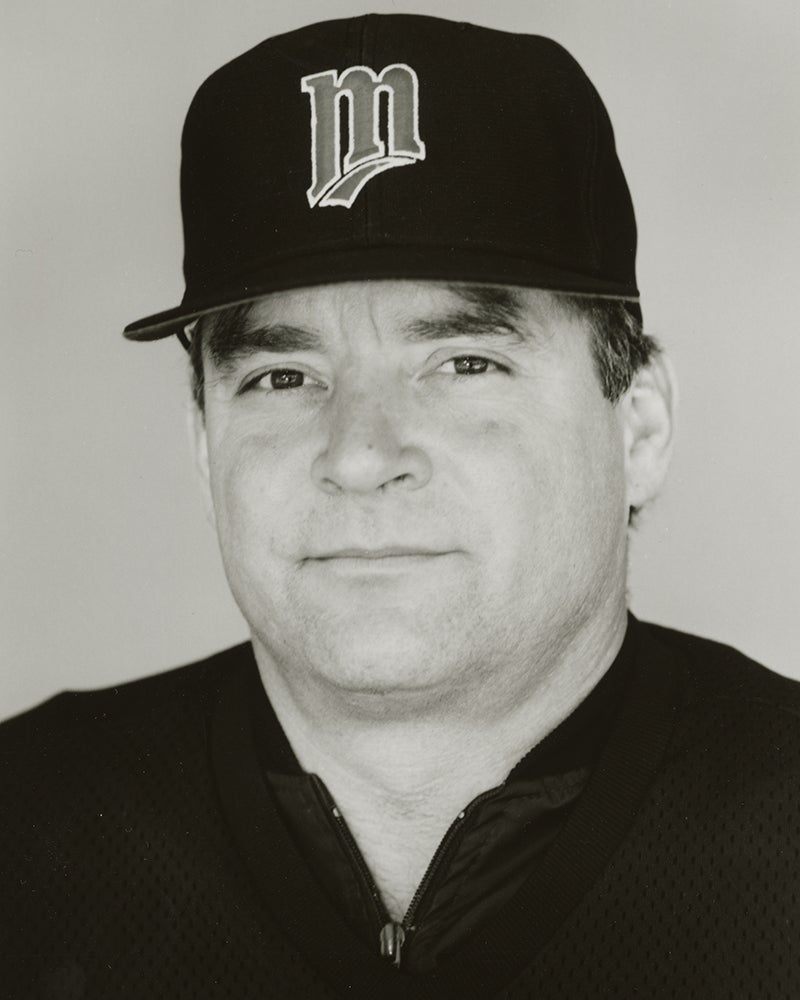
Dwyer finished the season batting .255 in 55 games and began the 1989 season as Minnesota’s lefty option at DH. He was batting .316 with a .390 OBP over 88 games when the Twins traded him to the Expos on Aug. 28 in a deal that brought outfielder Alonzo Powell to Minnesota. He appeared in 13 games for the Expos – all as a pinch-hitter – and then was traded back to Minnesota on Jan. 12, 1990, in exchange for a minor leaguer.
After hitting just .190 over 37 games in the first season of the new decade, the Twins released Dwyer on June 22. Twelve days prior, Dwyer became the 12th player in history with at least 100 career pinch-hits – although his career total would eventually be revised to 103. It would be the last hit of his big league career.
The Twins offered Dwyer a minor league coaching position but Dwyer continued to work out in hopes of landing with a new team. But he would not play in the big leagues again.
Dwyer did play in the Senior Professional Baseball Association in the fall of 1990 with the Sun City Rays, but the league folded midway through the season.
Dwyer managed the Class A Kenosha Twins of the Midwest League in 1992 then moved with the franchise when the team became the Fort Wayne Wizards, managing the squad in both 1993 and 1994. He stayed with the Twins in various minor league roles for the rest of his coaching career, working for over a decade as the hitting instructor for the Class A Fort Myers Miracle.
Over 18 big league seasons, Dwyer hit .260 with a .353 OBP, totaling 719 hits, 115 doubles, 77 homers and 349 RBI. He drew as many walks (402) as he totaled strikeouts, and his 103 career pinch-hits still rank in the Top 20 all-time.
For a player who spent almost a decade just trying to hold on to a big league roster spot, Dwyer’s legacy is one of success in one of the game’s most difficult roles.
“Pinch-hitting is the hardest job I’ve ever had to do,” Dwyer told the Southern Illinoisan in 1977. “Anybody who knew anything about baseball would know I could play in the major leagues.”
Craig Muder is the director of communications for the National Baseball Hall of Fame and Museum