#CardCorner: 1988 Topps Jim Gott
As future Hall of Fame manager Jim Leyland worked to revive the Pittsburgh Pirates in the late 1980s, one of the final pieces of the puzzle was finding a reliable closer.
Then on Aug. 3, 1987, the Pirates made a seemingly under-the-radar move when they selected Jim Gott off waivers from the San Francisco Giants. That night, Gott entered the Pirates’ game against the Cubs at Three Rivers Stadium with two on and two out in the ninth and Pittsburgh clinging to a 6-3 lead.
Gott allowed a single before fanning Dave Martinez to preserve the 6-4 win, earning the first of what would be 47 saves for the Pirates in less than two seasons. Soon, Pirates broadcaster Lanny Frattare would be yelling “Gott ’em!” on an almost nightly basis as Gott closed games with an enthusiastic flourish.
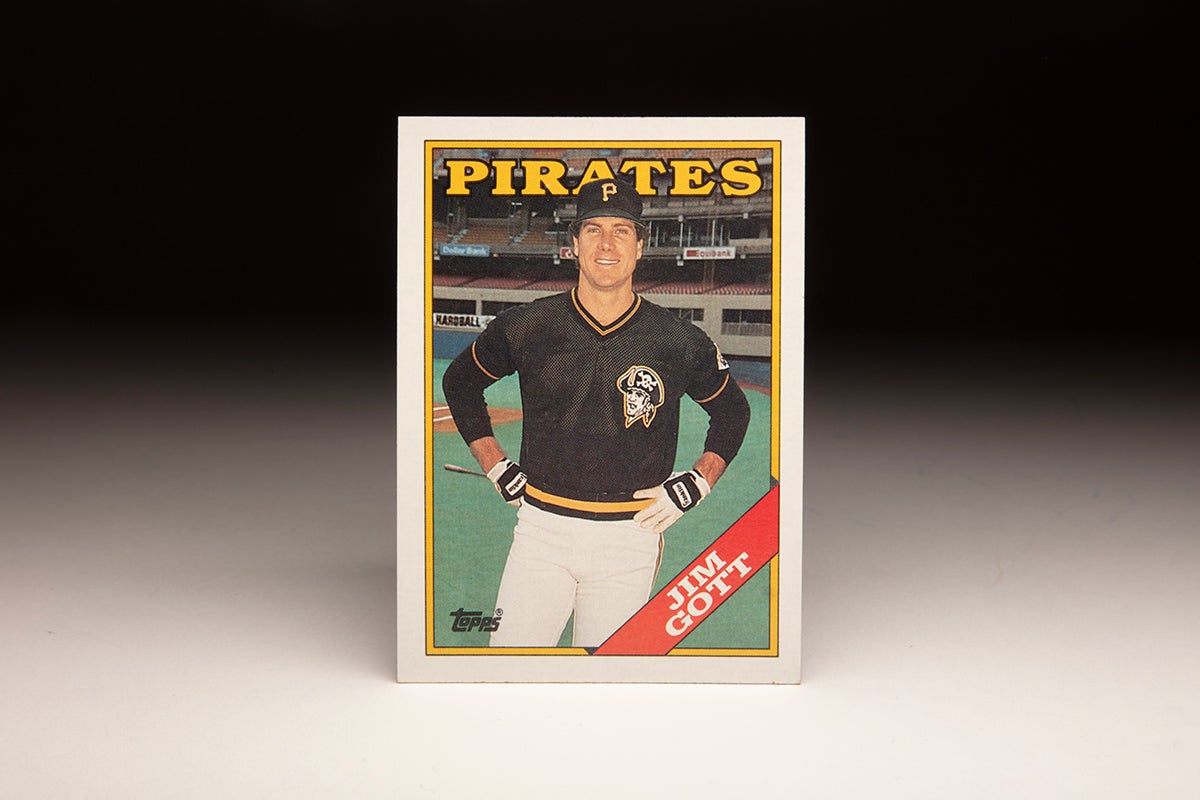
Born James William Gott on Aug. 3, 1959, in Hollywood, Calif., Gott grew up in San Marino just outside Pasadena. His father was a pitcher but was injured early in his career and went into the computer industry and helped his son advance in the youth leagues by recording his motion so they could study his pitches.
By the time Gott reached Little League, he was a star and was regularly named to all-star teams in both baseball and football.
As a senior for San Marino High School, Gott excelled both on the mound and at the plate, hitting better than .400 while leading the Titans to the California Interscholastic Federation championship. At 6-foot-4 and more than 200 pounds, Gott attracted attention from baseball scouts as well as college football coaches and committed to play for Brigham Young University as a linebacker.
But when the Cardinals selected him in the fourth round of the 1977 MLB Draft – the Padres selected Ozzie Smith two picks later – Gott chose baseball when St. Louis enticed him with a significant signing bonus.
Gott credited his high school baseball coach, Mickey McNamee, with helping him find his calling on the diamond.
“I had a chaotic life in high school,” Gott told the San Marino (Calif.) Tribune in 2014. “I was being pursued by scouts and recruiters and Mickey gave me a sense of safety and calm. He did so much for me.”
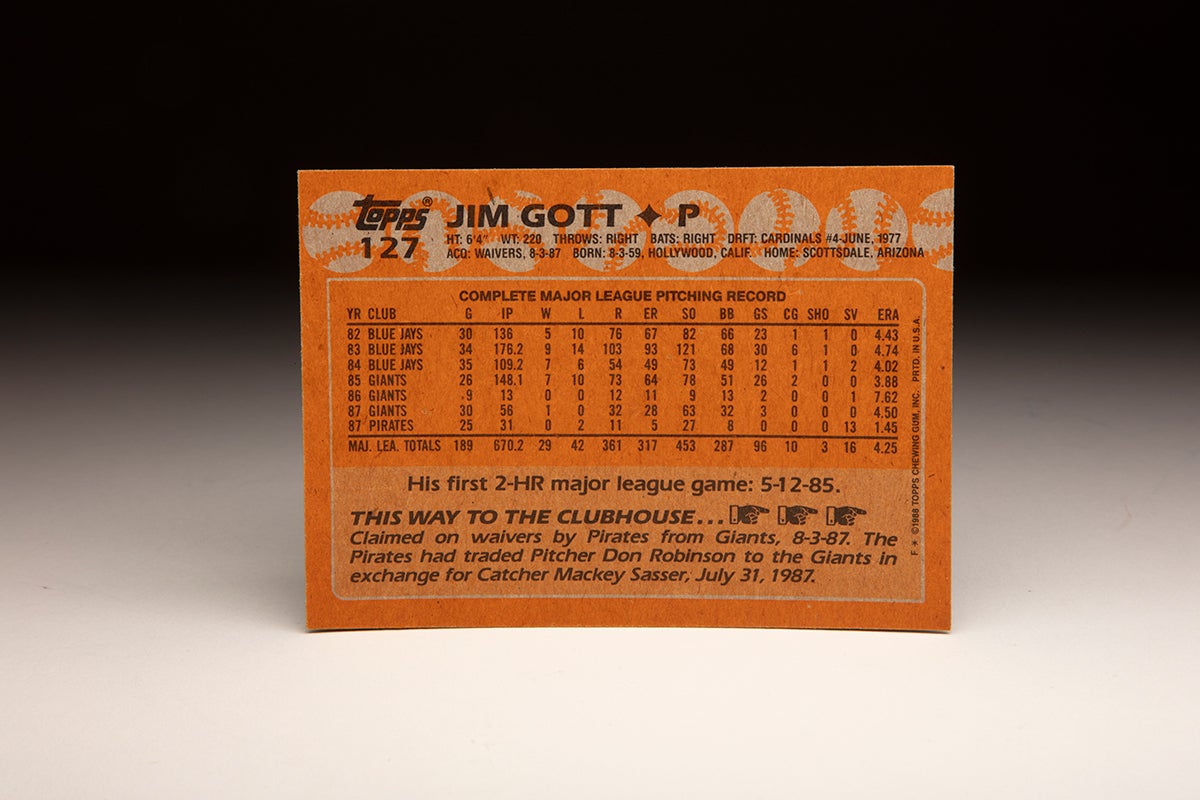
The Cardinals sent Gott to Calgary of the Pioneer League in the summer of 1977, and he made 14 starts while going 3-4 with a 9.55 ERA. Control was Gott’s major challenge as he walked 83 batters in 65 innings.
In 1978, Gott began the season with Gastonia of the Class A Western Carolinas League and fared much better. In his first four starts, Gott was 3-1 with a 0.78 ERA and 25 strikeouts in 24 innings. He was 9-6 overall when the Cardinals promoted him to St. Petersburg of the Florida State League, where he went 1-3 with a 1.29 ERA in five starts. On the season, Gott walked 125 batters while striking out 145 over 173 innings at Gastonia and St. Petersburg.
Gott began the 1979 season with St. Petersburg but was sent back to Gastonia after once again struggling with his control. He also made two appearances for Double-A Arkansas that season, finishing with a 5-9 record and 5.76 ERA over his three stops. He walked 114 batters over 100 innings.
Spending the entire 1980 season with St. Petersburg, Gott went 5-11 with a 4.60 ERA while walking 113 batters over 137 innings. That left him with 435 walks over his first 475 pro innings – an average of 8.2 walks per nine innings pitched.
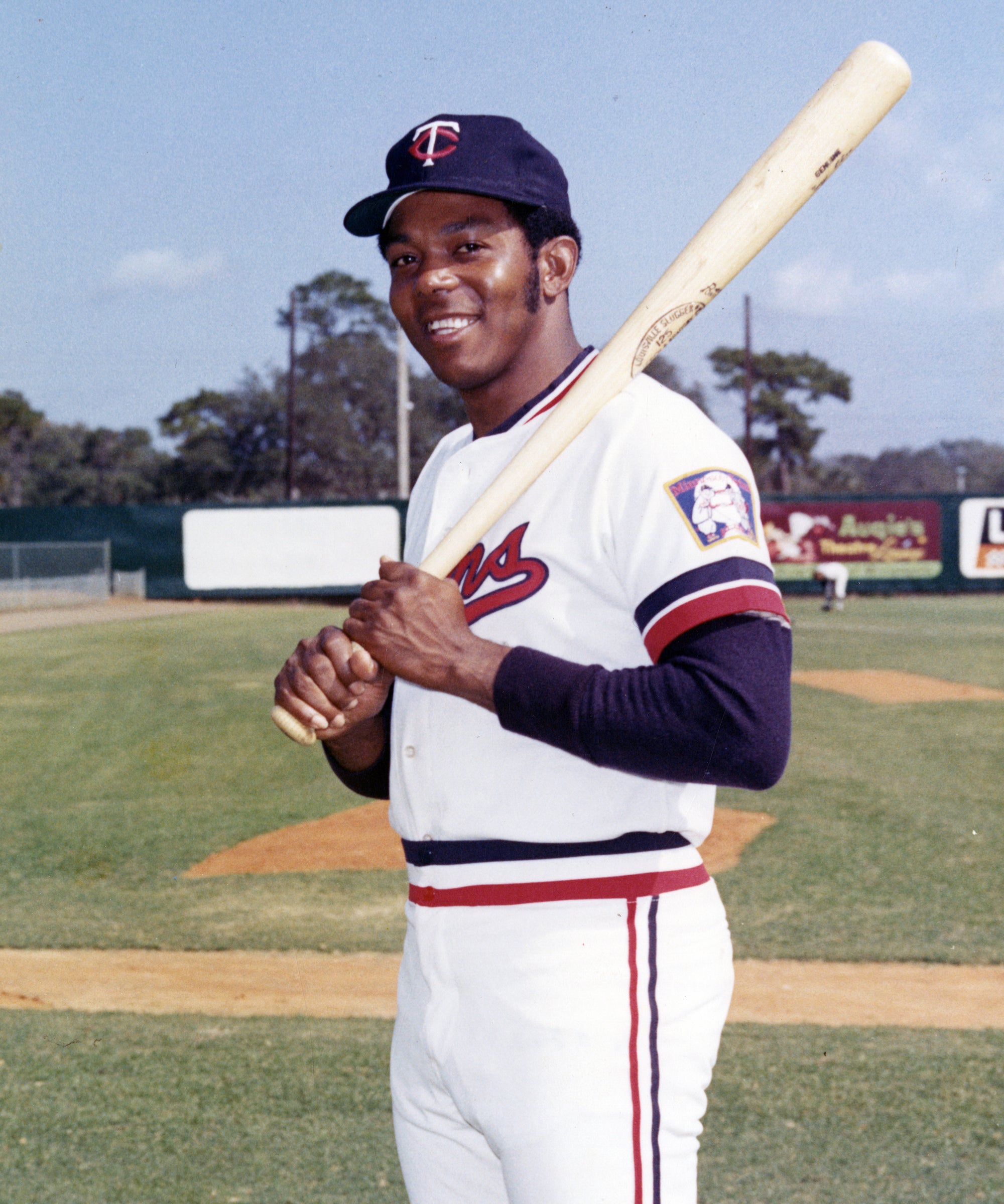
Gott pitched winter ball in Mexico following the season and credited manager Tony Oliva for helping him mature as a pitcher. Then in 1981, Gott began to harness his fastball and went 5-9 with a 3.44 ERA for Double-A Arkansas while walking 65 batters in 131 frames. But when the Cardinals left Gott off their 40-man roster following the season, the Blue Jays – who had just completed their fifth season in the American League – selected Gott with the first pick in the Rule 5 Draft.
“(Gott) is comparable to a younger Jim Clancy,” Blue Jays scout Al LaMacchia told the Toronto Star. “Only (Gott) has better arm action. You’ve got to take a chance on an arm like that.”
Gott’s fastball was clocked at around 92 mph during winter ball in Mexico but was reportedly sitting at 94 mph at Arkansas – much better than the average big league fastball at that time. The Blue Jays had reportedly been interested in Gott as early as 1979 but rejected a deal that would have sent outfielder Jesse Barfield to the Cardinals in exchange.
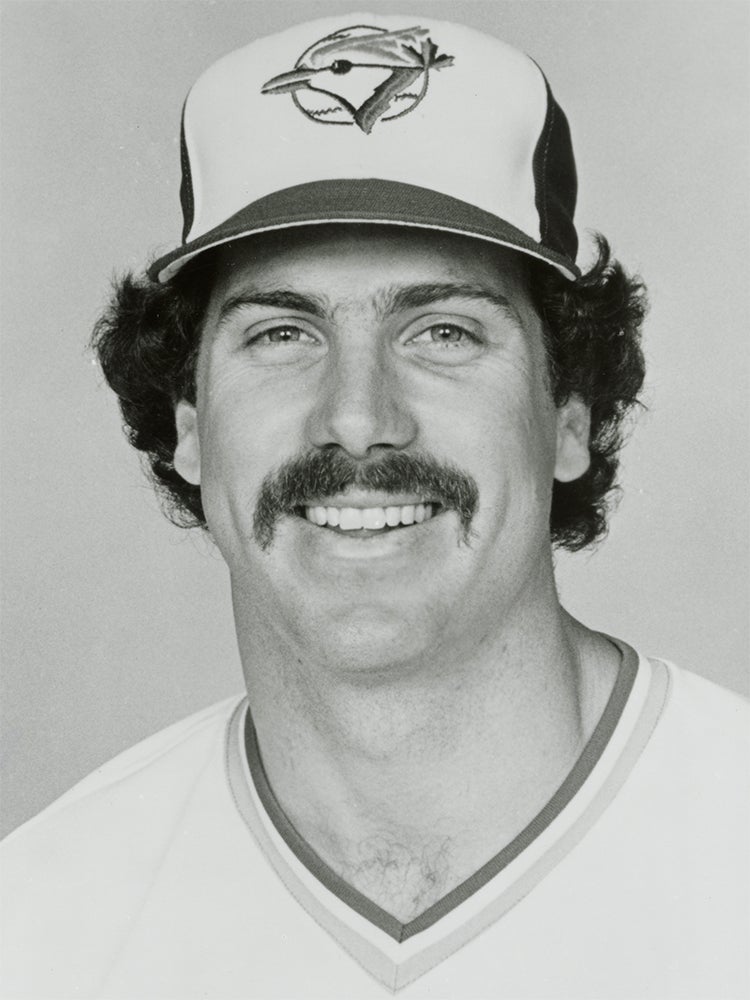
Now with a path to the majors, Gott would have to be kept on the Blue Jays roster for the entire 1982 season or be offered back to the Cardinals for one half of the $25,000 draft price. Even a bout with hepatitis following his stay in Mexico during winter ball didn’t slow down Gott in Spring Training.
“I think I finally put it together,” Gott told the Star about his Mexican winter league performance, where he fanned 110 batters while walking only 28 in 91 innings for Guasave. “The Cards showed confidence in me at the start, but not in the last couple of years. I needed somebody to believe in me.”
Gott found that person in Blue Jays manager Bobby Cox.
“Gott has…opened everybody’s eyes down here,” Cox told the Canadian Press near the end of Spring Training. “His problem through the past, I guess, was a control problem. But he sure hasn’t shown it down here yet and he sure didn’t show it down in Mexico.”
Gott worked out of the Blue Jays bullpen for the first few weeks of the 1982 season, then blanked the Rangers over six innings in his first big league start on May 16. Two rocky starts followed before Gott got back on track.
Blue Jays pitching coach Al Widmar advised Gott to adopt a more over-the-top delivery in Spring Training, and Gott picked up his first big league win on May 30 vs. the Orioles when he allowed just one hit and no runs over six innings.
“My last few times out, I started throwing from three-quarters,” Gott told the Associated Press after his victory. “Al reminded me again (about throwing over the top) during a workout the other day, and something finally clicked in my head.”
That day, however, would be remembered in baseball history for something other than Gott’s performance. Cal Ripken Jr. played third base for the Orioles that afternoon at Baltimore’s Memorial Stadium, going 0-for-2 with a walk off Gott in the fifth inning. It would be the first of a record 2,632 straight games that Ripken would play.
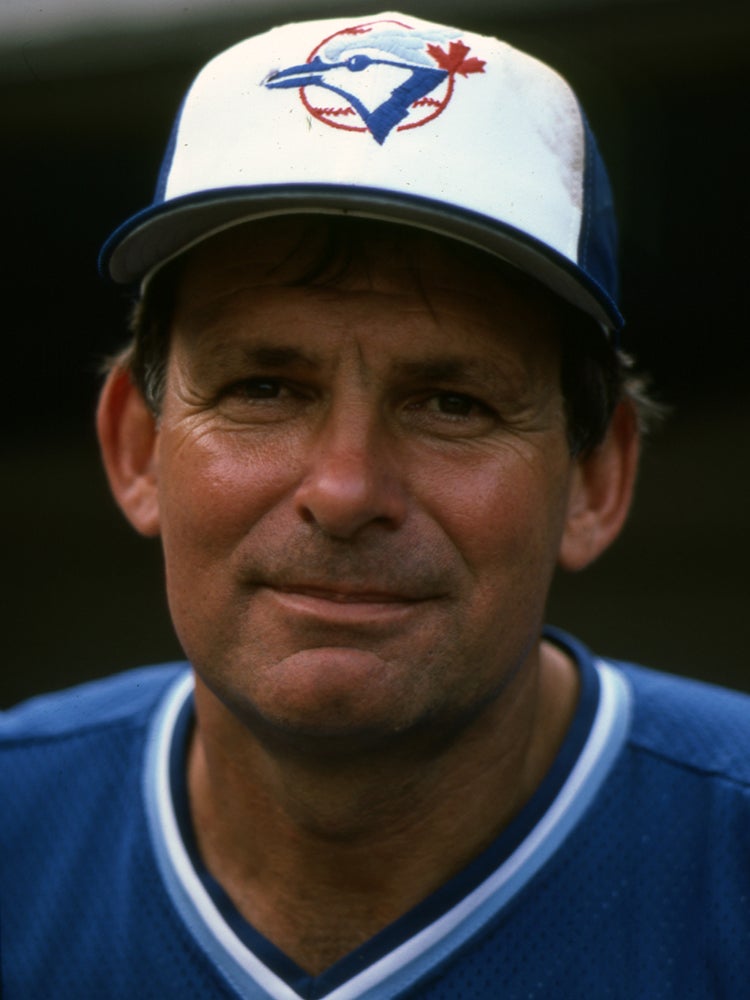
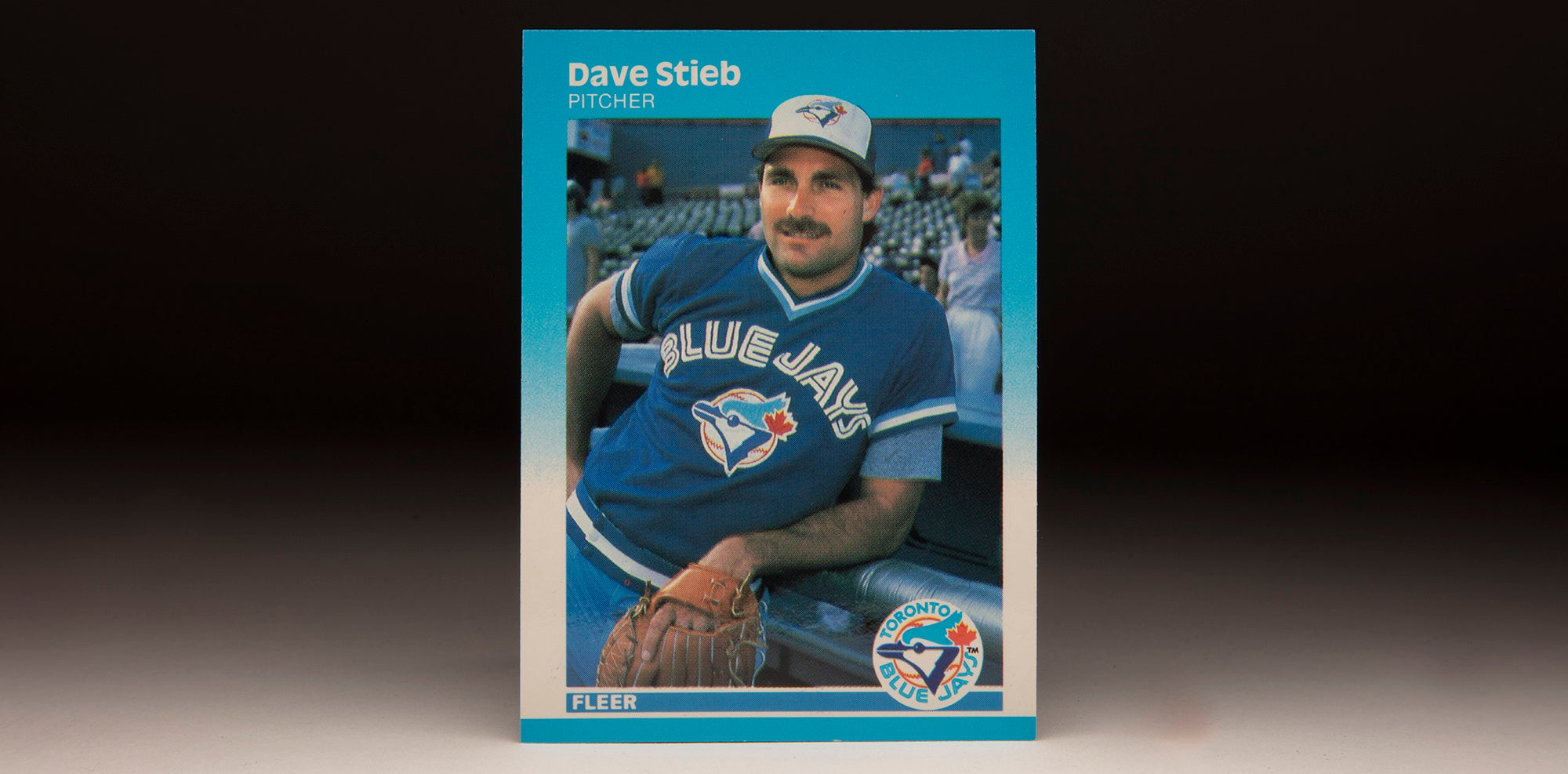
Gott finished the season with a 5-10 record and 4.43 ERA over 30 appearances, including 23 starts. He struck out 82 and walked 66 over 136 innings, joining a young rotation that also included Dave Stieb, Luis Leal and Jim Clancy – a quartet that was considered the envy of most teams.
Gott began the 1983 season in the rotation and started the Blue Jays’ third game of the season. He battled control issues early on but rallied to a 5-6 record heading into July before six losses in eight decisions prompted a move to the bullpen. When he returned to the rotation in September, Gott recorded his second career shutout in a 7-0 win over the Angels on Labor Day.
Gott finished the season with a 9-14 record and 4.74 ERA over what would turn out to be a career high 176.2 innings.
“I think too much sometimes,” Gott told the Toronto Star in 1983. “I put a lot of pressure on myself and after a bad start it gets worse and worse.”
In 1984, the Blue Jays tried to limit Gott’s “thinking time” when they moved him to the bullpen in July. Armed with his fastball/slider combo, Gott recorded his first save on July 31 against the Royals.
“Don’t call me Goose,” Gott told reporters after his teammates compared him to then-Padres relief ace Goose Gossage. “Just call me Jim. (It’s) nice to get that (first save) out of the way and go from here.”
Pitching out of the bullpen for the rest of the year, Gott finished with a 7-6 record, two saves and a 4.02 ERA over 109.2 innings. The Blue Jays finished second in the AL East and appeared poised to challenge for the postseason in 1985 – but Gott would not be with them.
On Jan. 26, 1985, Gott was traded to the Giants with two minor leaguers in exchange for veteran lefty reliever Gary Lavelle.
“I think Jim needed a change,” outfielder Dave Collins, a teammate of Gott’s in Toronto, told the Oakland Tribune. “He’d been in the organization a few years and he just seemed to struggle a little bit. I think the change is going to do him good.”
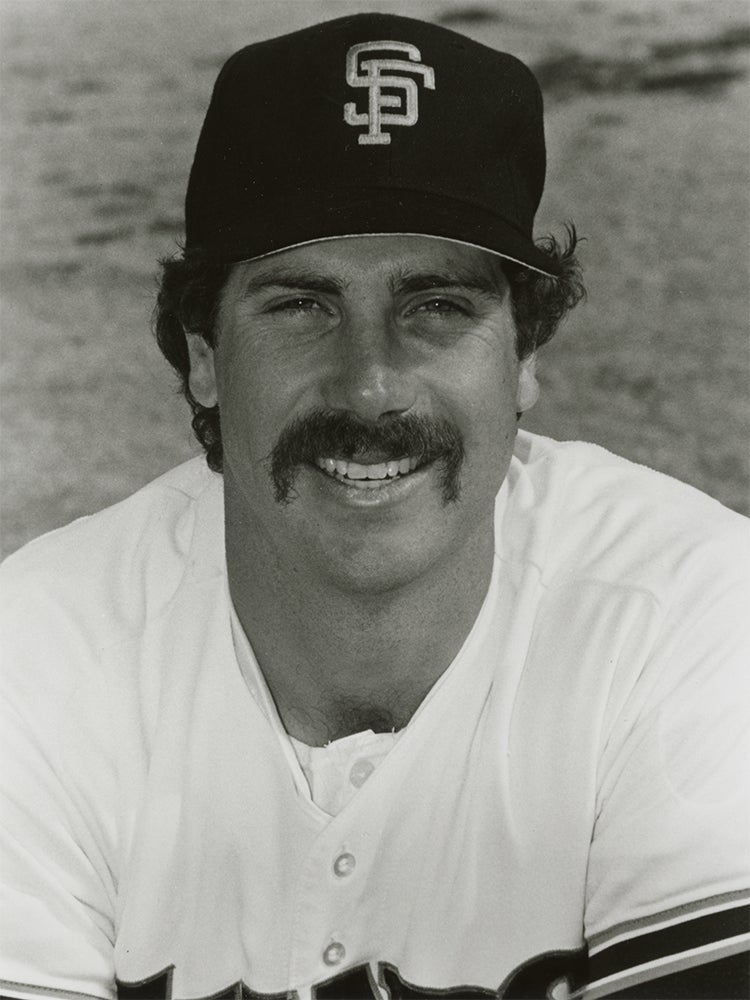
Gott used his study of hapkido – a Korean martial art – to focus on the 1985 campaign and began the year as the Giants’ fifth starter. He enjoyed the National League’s non-use of the designated hitter, totaling two doubles and three home runs in 51 at-bats that year while showing off the batting form that resulted in his blasts being tagged “Gott shots” in high school.
“I enjoy (hitting),” Gott told the Associated Press after hitting two home runs against the Cardinals on May 12. “In the American League, I’d come back to the dugout between innings and think about nothing but pitching, maybe think too much. Now I get to hit, and that allows me to take my mind off pitching some.”
But on Aug. 14, 1985, Gott threw a slider against the Astros and later said “it didn’t feel like my arm came back after its follow-through.” He was diagnosed with a sore arm and received cortisone injections, finishing the year with a 7-10 record and 3.88 ERA over 148.1 innings.
Then in 1986, the pain returned in Gott’s arm. He reached out to his friend Roger Clemens, who advised him that the discomfort he was describing sounded similar to the rotator cuff issue Clemens went through in 1985.
Gott appeared in just 13 innings over nine games in 1986 before undergoing shoulder surgery by Dr. James Andrews in June. He did not pitch again that season.
“For most of my career, I was a happy-go-lucky guy,” Gott told the San Marino (Calif.) Tribune about how the surgery refocused him on his career. “I didn’t make waves.”
The Giants put Gott in the bullpen to start the 1987 season before giving him a few spot starts in May and June. He was 1-0 with no saves and a 4.50 ERA over 30 games when the Pirates claimed him off waivers.
Finally, Gott found himself with the right team at the right time.
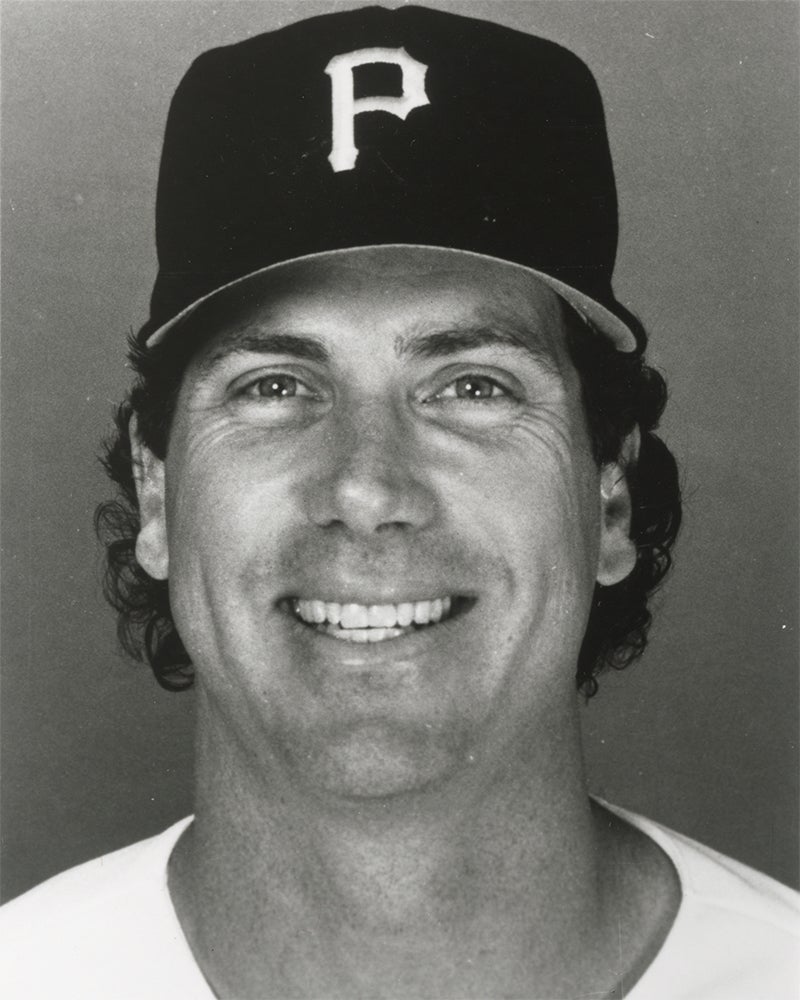
After absorbing a loss in his third game with Pittsburgh, Gott posted saves in nine of his next 13 appearances – including seven in a row from Aug. 24 through Sept. 11. The Pirates won 27 of their final 38 games in 1987, with Gott recording 13 saves in just 25 appearances while posting a 1.45 ERA.
Meanwhile, the Giants won the National League West – a fact that did not bother Gott in the least.
“You bet I’m pulling for them,” Gott told the AP in September. “If they win, they’ll owe me some money (a playoff share). Plus, I still have a lot of friends over there.”
The Pirates finished the year 80-82 and began 1988 with postseason aspirations. With Gott – who signed a two-year deal worth $1.1 million that would take him through 1989 – as the closer and Jeff Robinson as a setup man, Pittsburgh shortened games as Leyland enjoyed what he would rarely have later with the Pirates: A trusted closer.
On Sept. 20, Gott entered the game against the Cardinals in the ninth inning and needed just one pitch to retire Pedro Guerrero and preserve Pittsburgh’s 5-1 win. It was Gott’s 32nd save of the season, which eclipsed Kent Tekulve’s 31 in setting a new Pirates’ standard.
“Only one person gets to get that kind of numbers,” Gott told the Pittsburgh Post-Gazette. “But the best thing about it is that it means the team’s winning. And there are four other (relievers) contributing. It’s significant for all of us.”
Gott finished the year with a 6-6 record, 34 saves (second in the NL) and a 3.49 ERA over 67 games. The Pirates finished 85-75 and in second place in the NL East, seemingly poised for contention in 1989. But injuries would derail those hopes.
Gott was ineffective in Spring Training, and Leyland took notice.
“If Gott can’t do it,” Leyland told the Pittsburgh Post-Gazette in early April, “we’re in trouble.”
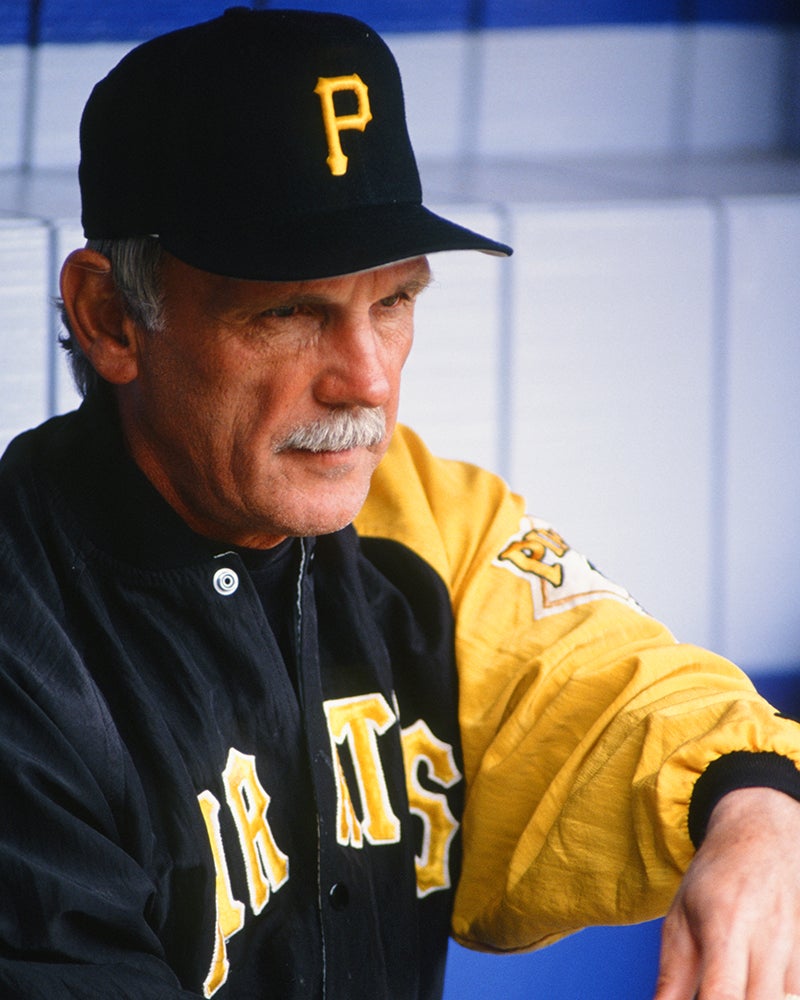
Then in the Pirates’ third game of the season, Gott was summoned in the bottom of the eighth against Montreal with the game tied at 2 after three straight hits by the Expos off starter John Smiley. He walked Andrés Galarraga before striking out Hubie Brooks for the first out of the inning.
But on the slider that got Brooks, Gott felt something in his right elbow.
Tim Wallach followed with a single to give Montreal a 3-2 lead. Then, Gott threw four straight sliders to Dámaso García – the last of which brought a sharp pain. The next pitch was a fastball that resulted in a groundout – but it was also the final pitch of Gott’s season. He walked off the mound and into the clubhouse.
“I’ve been a little suspicious of his health all spring,” Leyland told the Post-Gazette. “There’s no way Jim Gott had the kind of spring he had if he’s (healthy). He only really popped the ball a couple of times all spring.”
On May 12, Gott had surgery to remove a bone spur and repair his medial collateral ligament. It effectively ended the Pirates’ season.
“When we were coming out of Spring Training, I thought we had a chance to win the division,” Leyland told USA Today in June when the Pirates had dropped to 23-35.
Gott pitched in the Instructional League late in the season before becoming a free agent when his contract expired. On Dec. 7, 1989, Gott returned home to Los Angeles when he signed a one-year deal with the Dodgers that would be worth a maximum of $1 million if he stayed healthy.
“He’s making a lot of sacrifices with this contract,” Gott’s agent, Jim Bronner, told the Los Angeles Times. “But he wants to play for the Dodgers.”
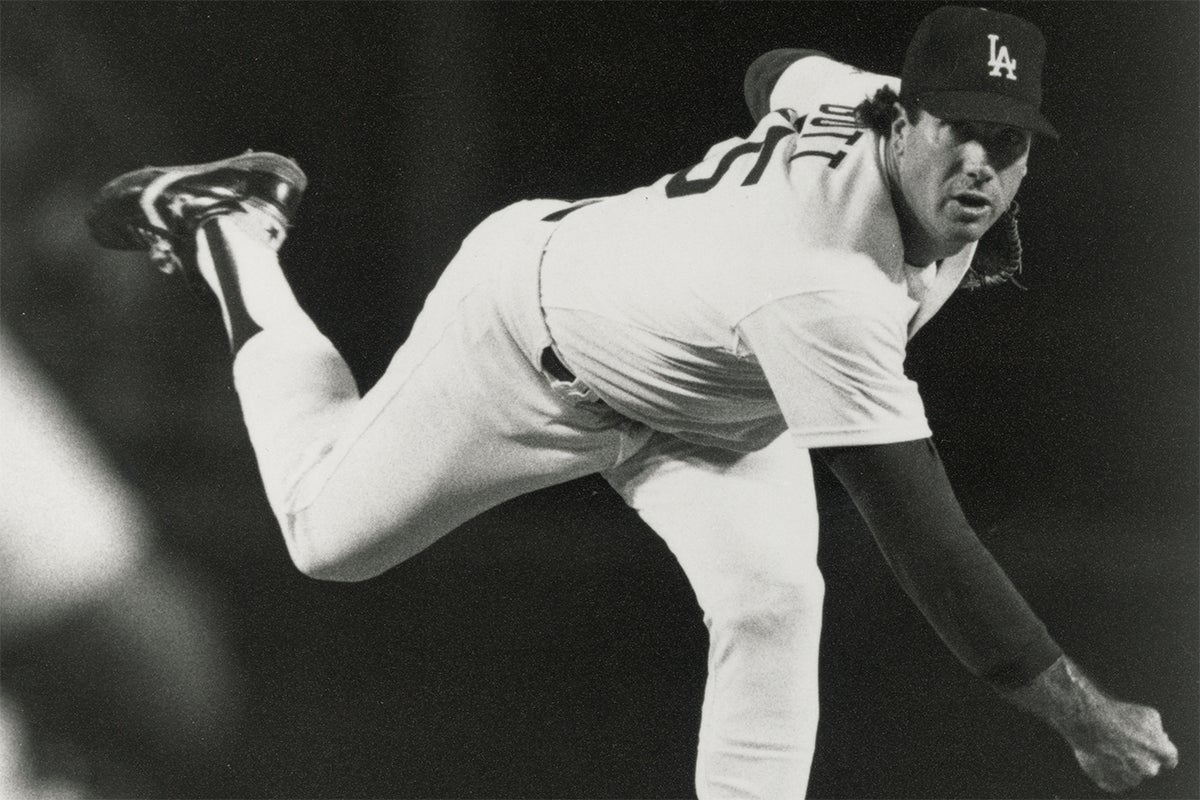
Because of ongoing elbow rehab, Gott would not make his Dodgers debut until May 27, 1990. But over the final four months of the season, Gott found his form and ended the year with a 3-5 record, three saves and a 2.90 ERA over 50 appearances out of the bullpen.
Still, Gott wondered what might have been had he stayed healthy in Pittsburgh.
“Before Spring Training this year, I was very hurt that I wasn’t coming back to the Pirates,” Gott told the Post-Gazette. “I felt I’d finally found my niche with the Pirates. I really believed I could contribute and be a dominating force in the major leagues.
“I loved Pittsburgh. If I was still playing there, I would have wanted to live there after I retired.”
But Gott was more than comfortable in his hometown. Eligible for arbitration following the 1990 season, Gott asked for $1.95 million but settled with the Dodgers for $1.725 million before the case went to trial. Working in a veteran bullpen that also featured former Pirates star John Candelaria, Gott went 4-3 with two saves and a 2.96 ERA over 55 appearances for a Los Angeles team that won 93 games to finish in second place in the NL West.
In 1992, Gott was even better. He once again avoided arbitration by signing a one-year deal worth $2.125 million, then appeared in what would be a career-best 68 games, going 3-3 with six saves and a 2.45 ERA. He was one of few bright spots for the Dodgers, who lost 99 games – their most ever in Los Angeles and the most for the franchise since the Brooklyn Superbas went 53-101 in 1908.
The Dodgers brought Gott back in 1993 with a two-year deal worth $3.6 million. And when new closer Todd Worrell was sidelined with a sprained elbow early in the season, Gott slid into the role of stopper and allowed just one earned run in his first 18 appearances – bringing back memories of his dominant days in Pittsburgh.
“Jim Gott of the Pittsburgh Pirates,” is how Dodgers manager Tommy Lasorda greeted Gott after Gott saved a 2-1 win over the Braves for Orel Hershiser on April 10.
Gott remained the closer until the final two weeks of the season, finishing with a 4-8 record, 25 saves (then second on the Dodgers’ all-time single-season list) and a 2.32 ERA in 62 games.
Gott returned to a setup role in 1994 but struggled for the first time in his Dodgers career, going 5-3 with two saves and a 5.94 ERA in 37 games in that strike-shortened season. When the Dodgers outrighted him off the roster in October, Gott elected to become a free agent.
He returned to Pittsburgh on April 7, 1995, signing a one-year deal worth $900,000. But after earning the closer’s role, Gott was besieged by shoulder pain and spent multiple stints on the disabled list.
On Aug. 14, the Pirates announced that Gott would undergo shoulder surgery and miss the rest of the season. He would not pitch in the big leagues again.
“I wanted to get 12 saves,” said Gott, who finished the year with a 2-4 record, three saves and a 6.03 ERA in 25 games. “That would have given me 100 for my career. I wanted more than anything else to accomplish some of what I helped do in 1987.”
Gott stayed active in the game immediately after his retirement, hosting radio pregame and postgame shows around Dodgers games and engaging fans at Dodger Stadium in trivia contests.
“The ballpark is like home to Jim,” Gott’s wife, Cathy, told the San Marino Tribune in 2002. “He loves the game of baseball and all of its traditions. He is really happy here.”
Gott also poured his passion into his family, establishing organizations to help developmentally challenged children. Two of the Gotts’ sons were diagnosed with autism.
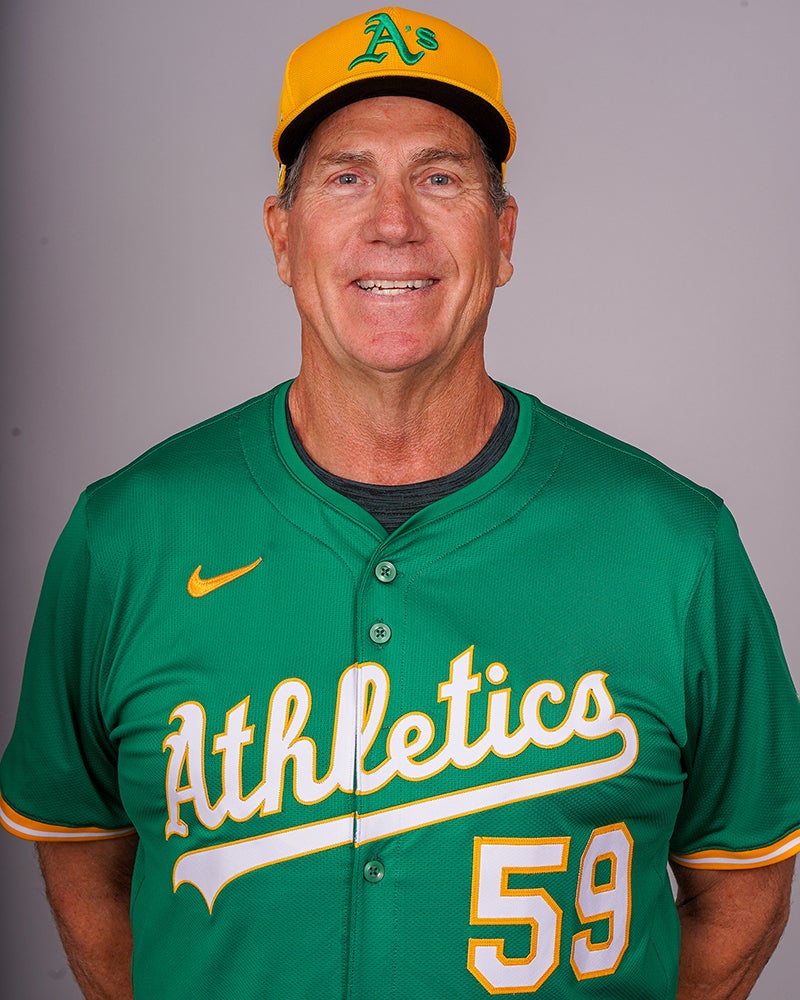
Gott later coached in the minor leagues with the Angels before becoming the Phillies’ bullpen coach in 2018, a role he held for three seasons. He later coached in the Athletics’ organization.
In 14 big league seasons, Gott was 56-74 with 91 saves and a 3.87 ERA over 554 games. And though he never pitched in the postseason or earned an All-Star Game selection, Gott left his mark with an infectious enthusiasm that helped him navigate the roller coaster ride that constitutes an MLB career.
“I remember Jim Leyland sat us down (in 1987) and told us there are two kinds of players,” Gott told the Post-Gazette at the end of his career. “There are those who tease, guys who have the ability but only show it when they’re about to be sent down. And there are those guys who go all out all the time, guys who remain consistent for 162 games.
“That’s the kind of player he wanted us all to become. And that really hit home.”
Craig Muder is the director of communications for the National Baseball Hall of Fame and Museum