Reggie rises to the top with A’s
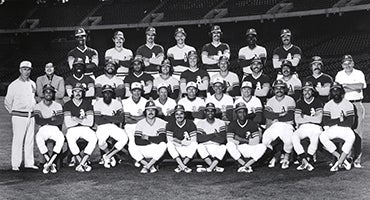
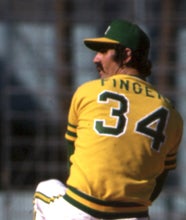
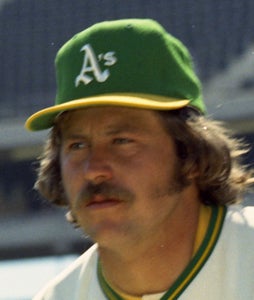
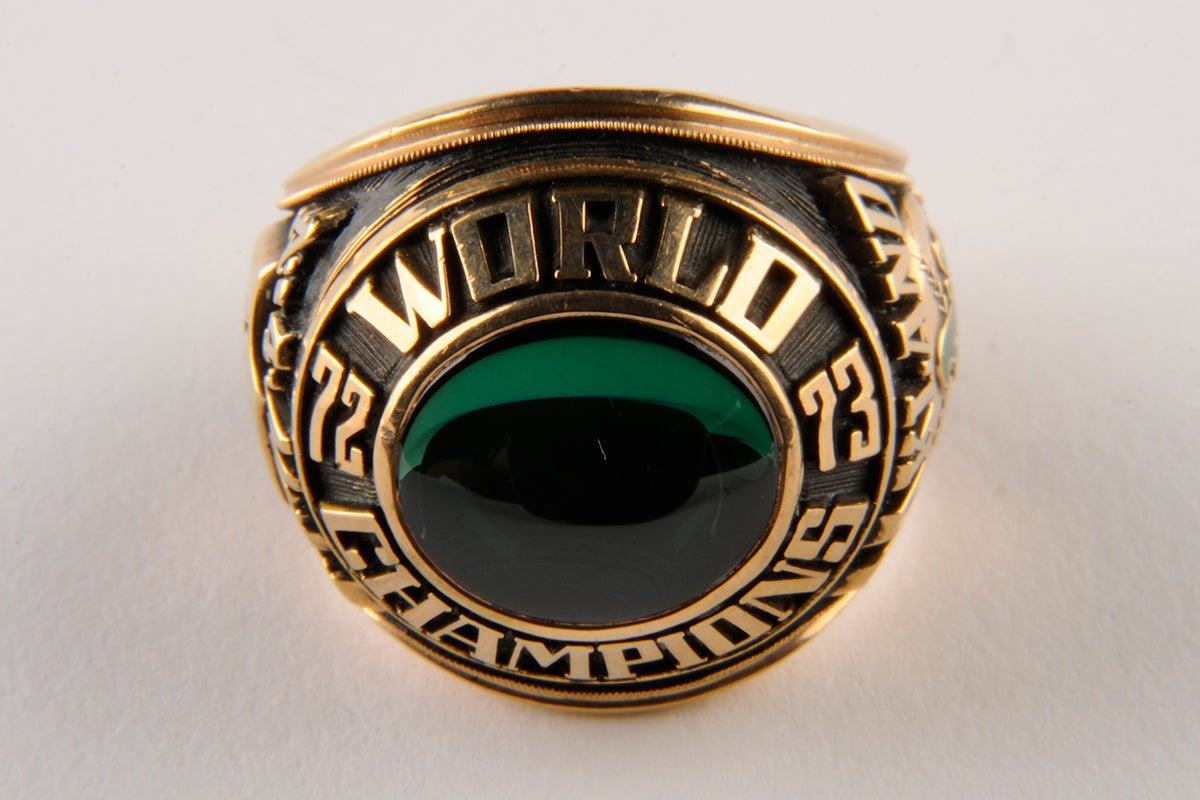
In a World Series that featured controversy throughout seven hotly contested games, Reggie Jackson rose above the tumult to lead the Oakland Athletics to another title.
For Jackson, it was another postseason success in a career that was defined by October baseball.
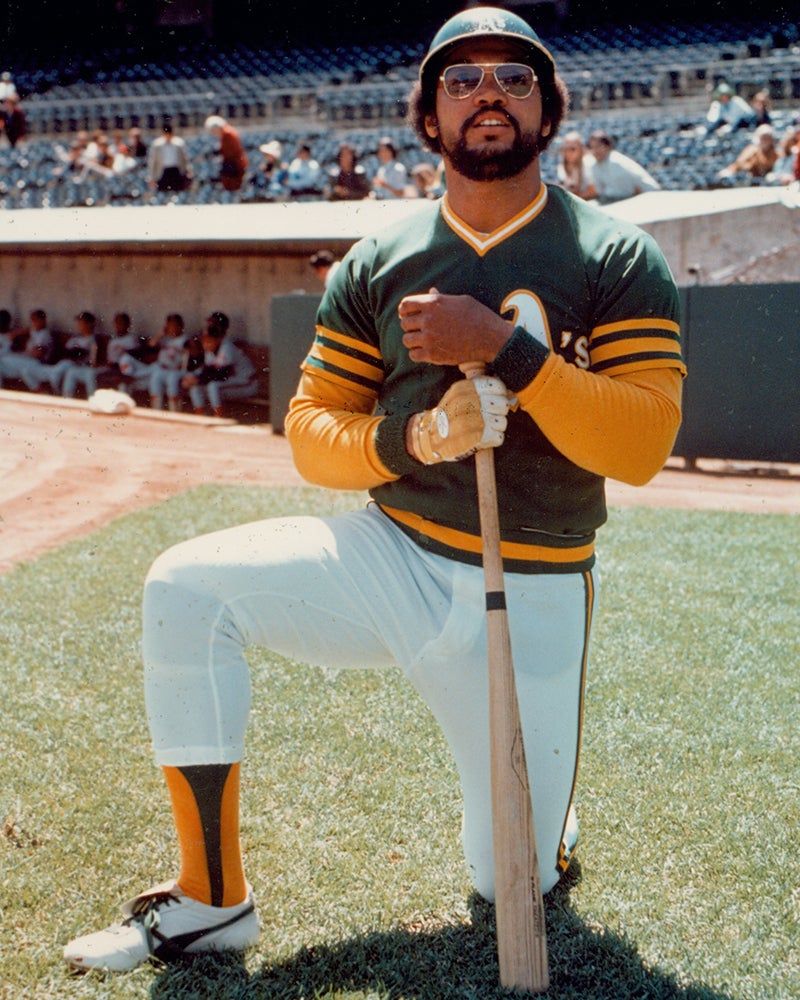
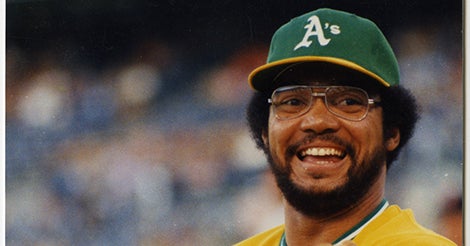
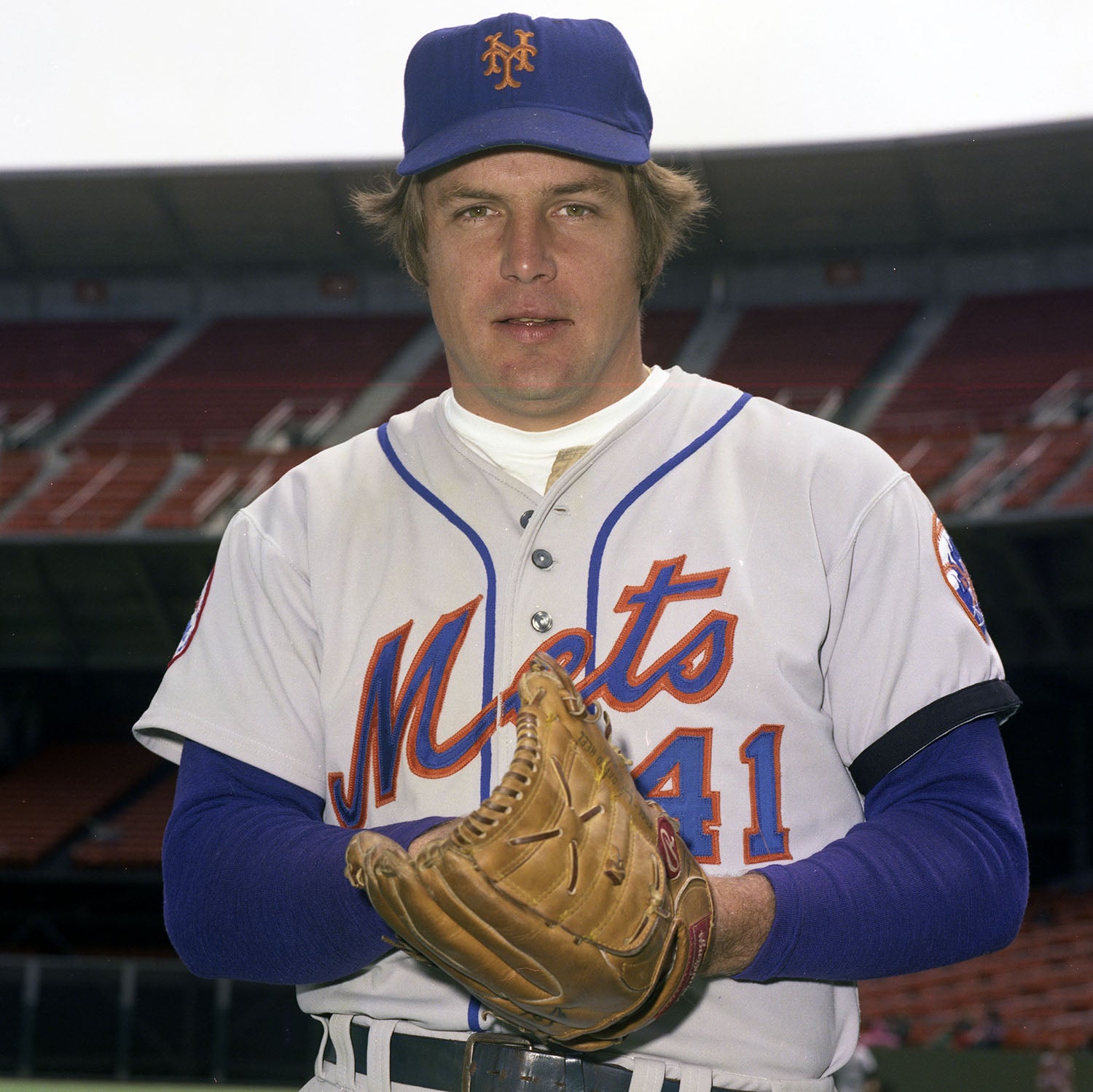
On Oct. 21, 1973, Jackson was named the World Series Most Valuable Player following Oakland’s 5-2 win over the New York Mets in Game 7. The Athletics’ outfielder hit a two-run home run off Jon Matlack in the third inning, turning a 2-0 lead into a 4-0 advantage that put Oakland in control.
Jackson also made two fine catches in the field as the A’s rallied from a three-games-to-two deficit to claim the crown.
“I can’t believe it,” Jackson told the Associated Press. “I’m the MVP. I thought Bert Campaneris or Rollie Fingers or Joe Rudi or Catfish Hunter would get it.”
Jackson hit .310 during the World Series with three doubles, a triple, a homer and six RBI. But in Games 3, 4 and 5 at Shea Stadium in New York, Jackson was a combined 1-for-12.
“I told myself that if I didn’t get a few hits soon, I’d be the goat,” Jackson told the AP. “I’m glad I got a few hits.”
With the A’s facing elimination in Game 6, Jackson went 3-for-4 with two RBI, including a pair of RBI doubles off Tom Seaver. Then in Game 7, Jackson added to his award-winning numbers. In the weeks following the World Series, Jackson would be named the American League’s MVP – matching his award from the Fall Classic.
It was a remarkable run – especially considering the pressure Jackson was under throughout the season’s final month. For several weeks, Jackson had been guarded by FBI agents after threats were made on his life.
Prior to the start of the American League Championship Series vs. Baltimore, Jackson was called to Oakland-Alameda County Coliseum by team owner Charlie Finley, who informed Jackson that the FBI had learned of a threatening letter.
“Now that the Series is over, I can tell the story,” Jackson told the AP. “The letter said that if I played in the playoffs and the World Series, it would be the last time I would play in any baseball games.”
The threats were part of a World Series tableau that featured the attempted suspension of A’s second baseman Mike Andrews during the World Series and the resignation of Oakland manager Dick Williams immediately following Game 7.
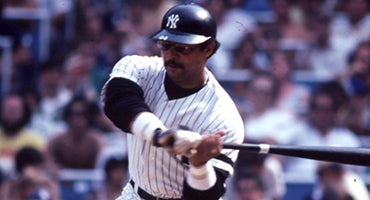
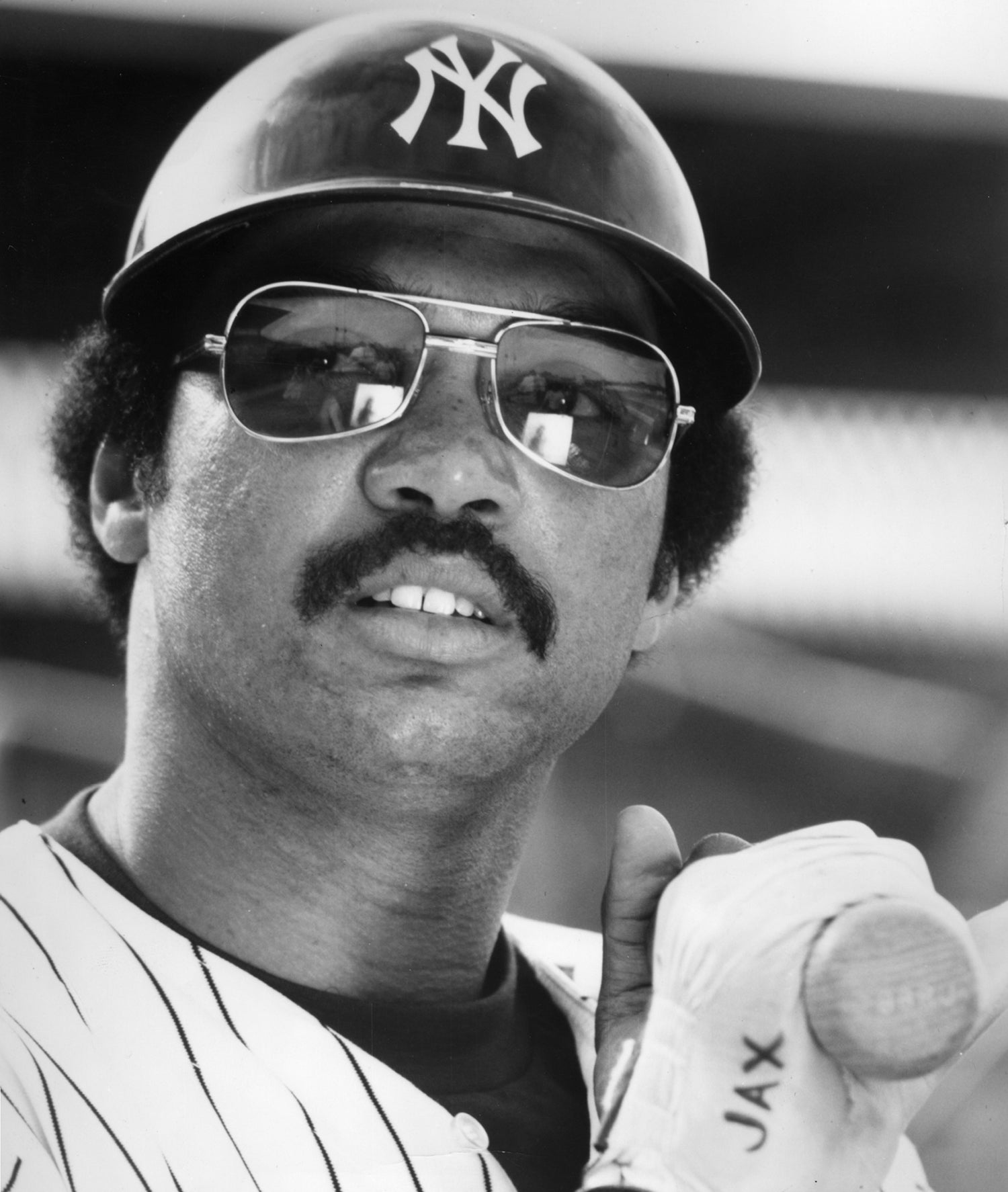
But the Athletics kept winning – and captured their third straight title in 1974. Jackson was traded to the Orioles prior to the 1976 season and then joined the Yankees as a free agent following that campaign. In 1977, he won another World Series MVP with New York – becoming the first player to win the award with two different teams.
Jackson was elected to the Hall of Fame in 1993.
Craig Muder is the director of communications for the National Baseball Hall of Fame and Museum