Banks secures NL MVP
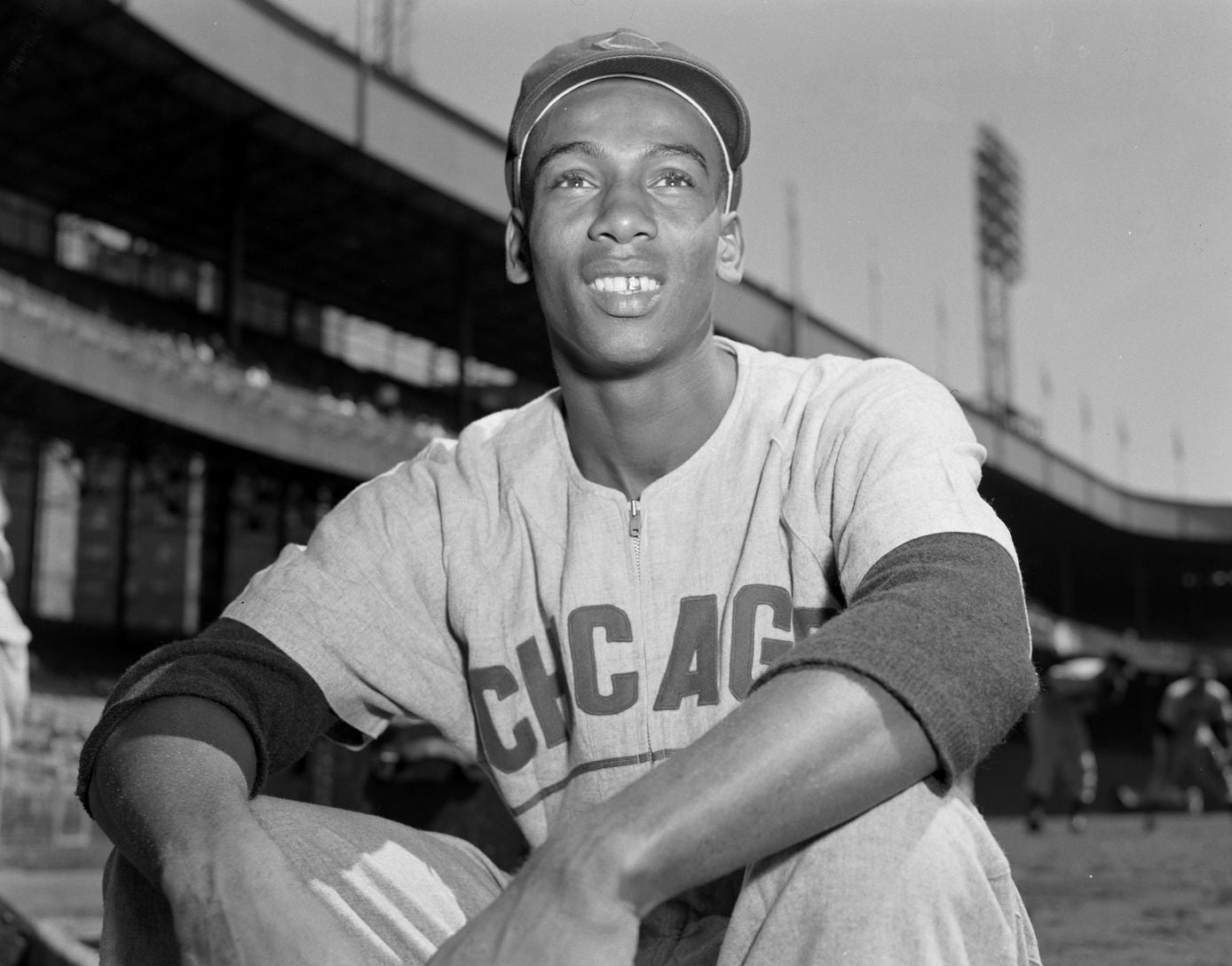
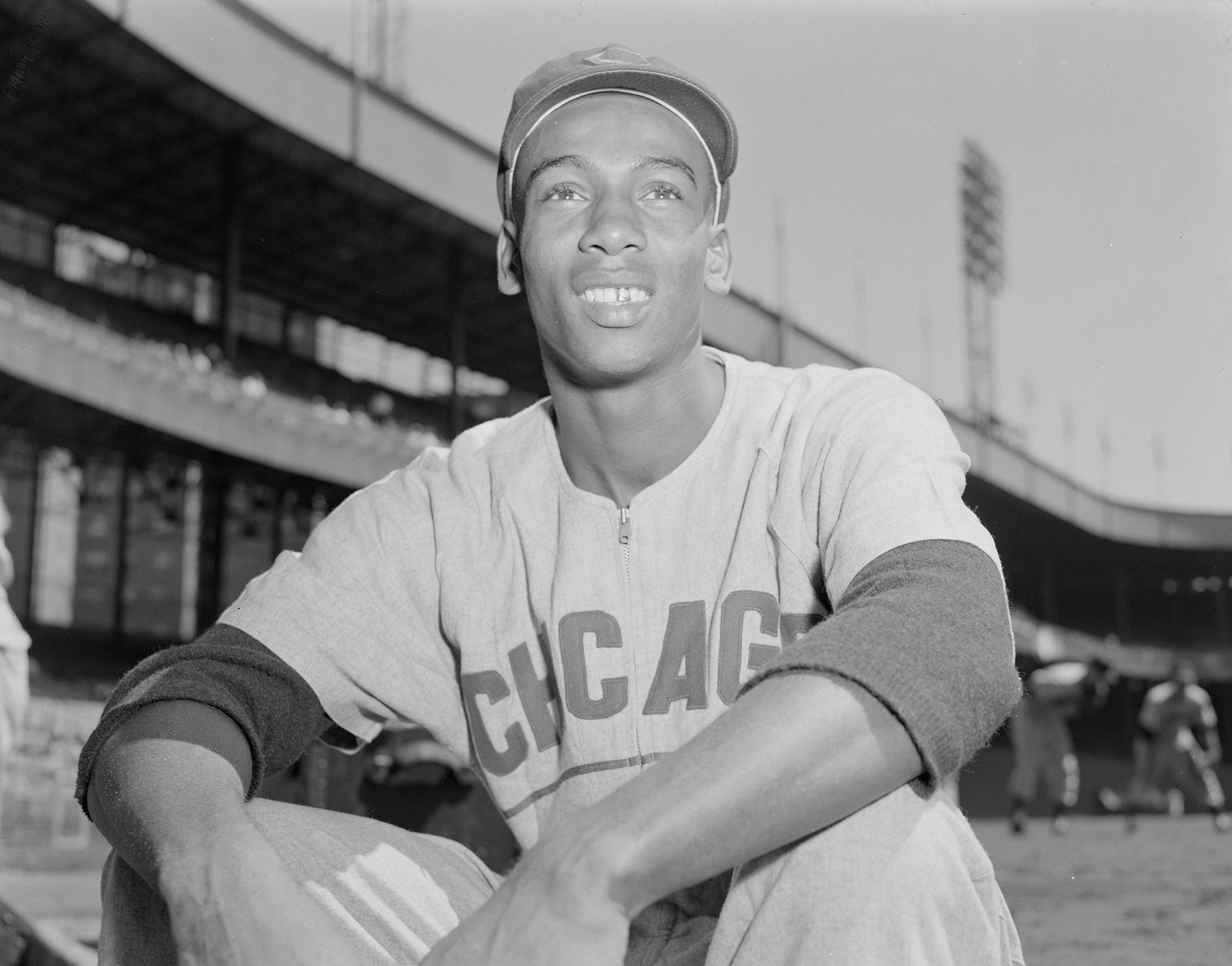
By the end of the 1958 season, Ernie Banks was easily the most accomplished power hitter of any shortstop in history.
He was also the National League’s Most Valuable Player.
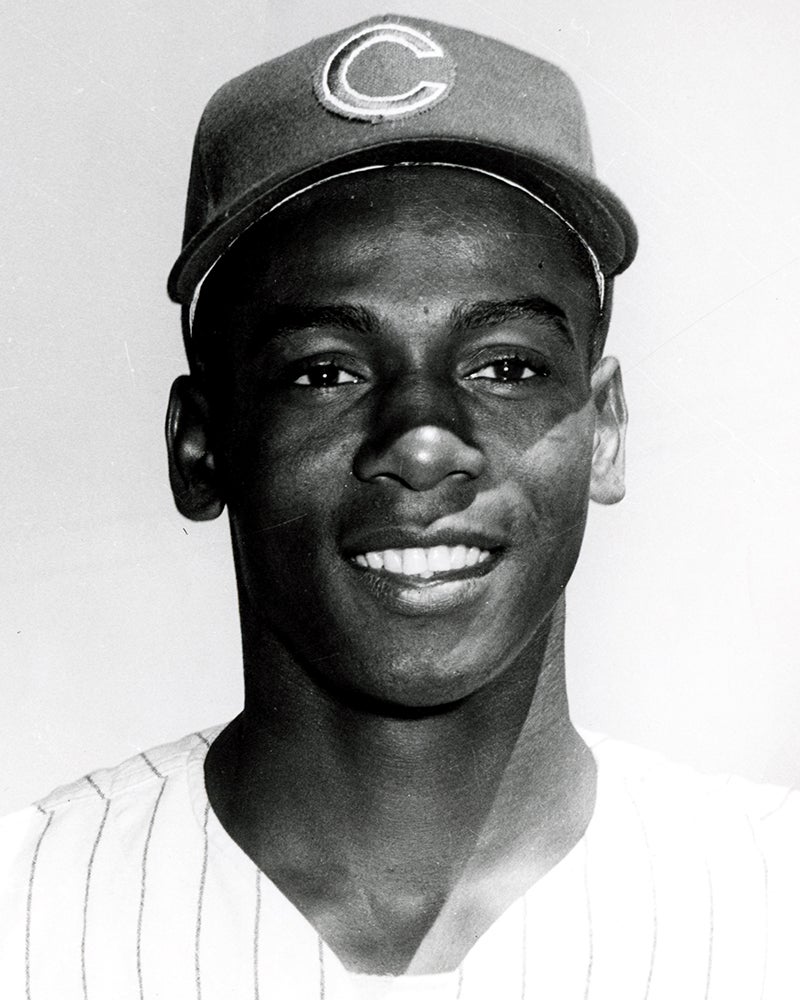
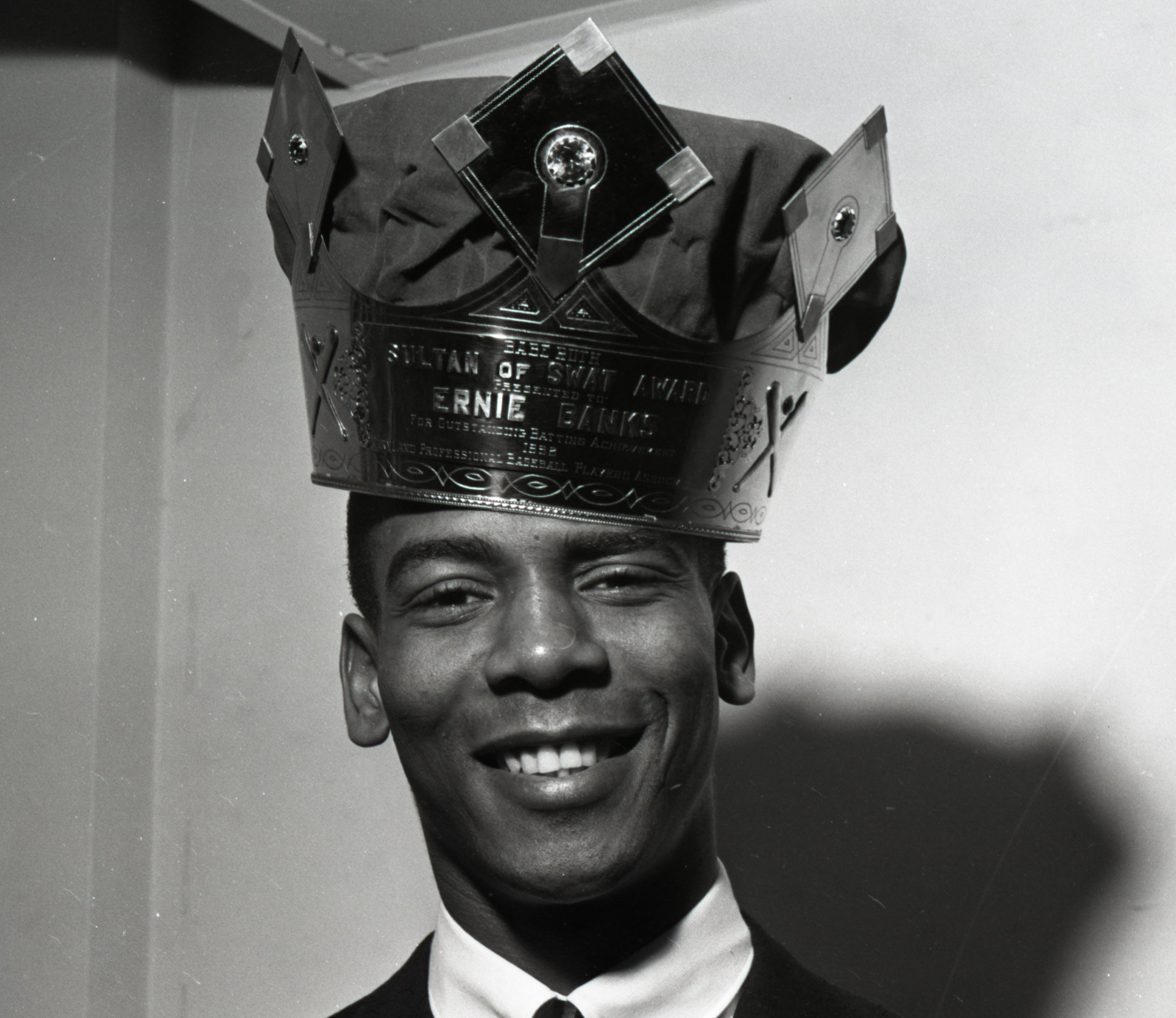
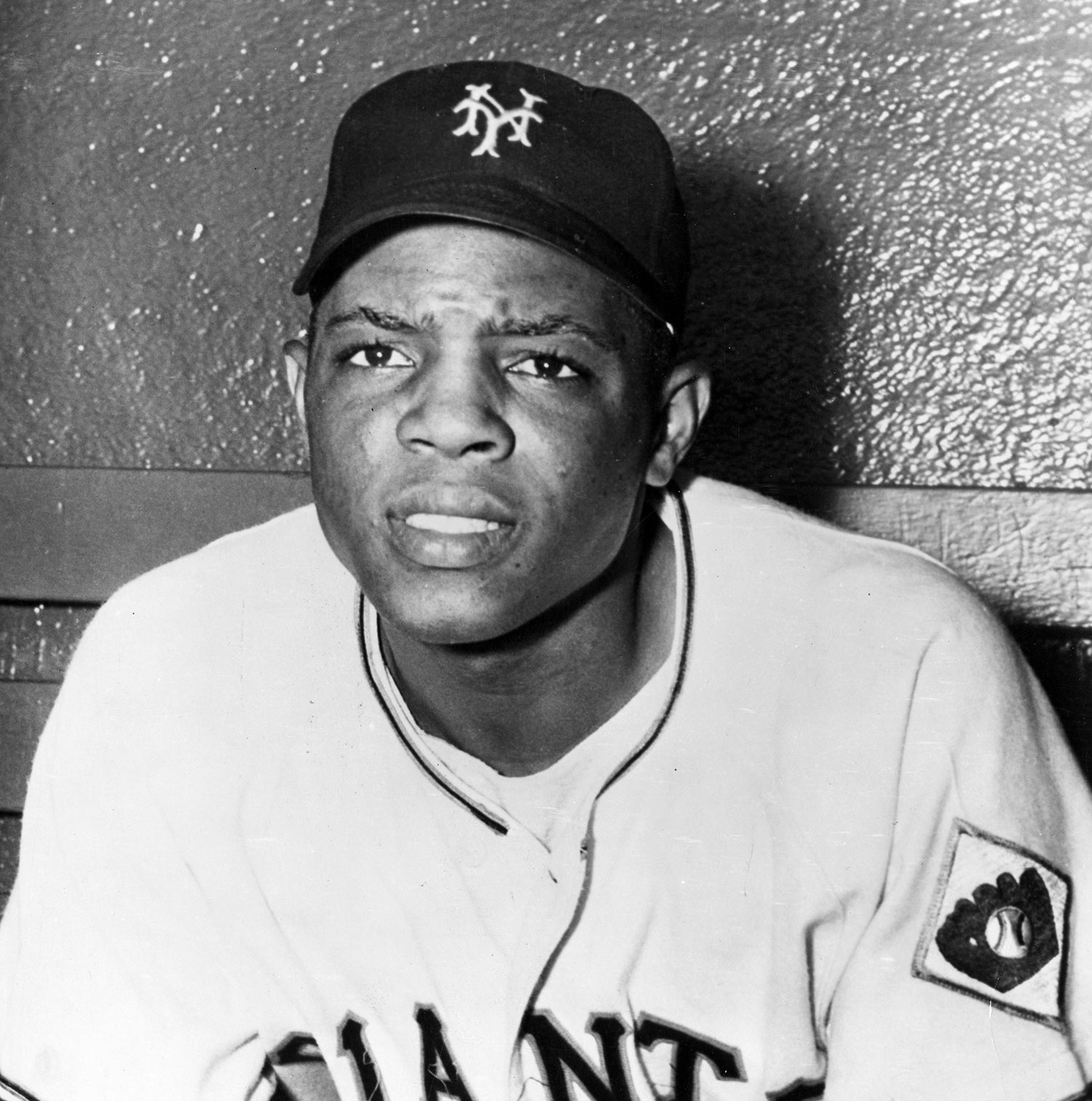
On Nov. 25, 1958, the Baseball Writers’ Association of America announced that Banks had won the NL MVP vote in a landslide. He received 16 of the 24 first-place votes, topping second-place Willie Mays by 98 points (283 to 185).
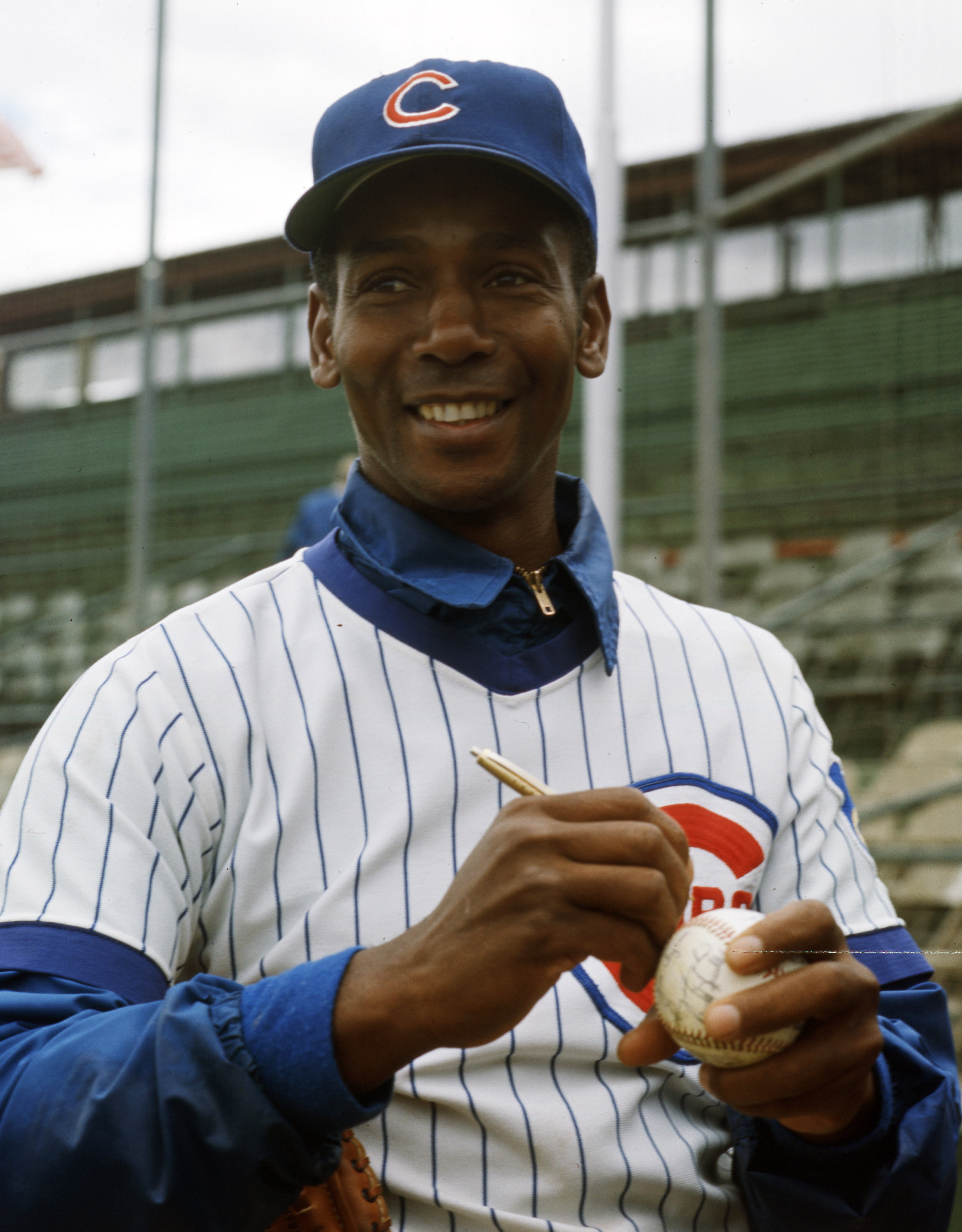
In just his fifth full season with the Cubs, Banks was the toast of Chicago.
“I still can’t believe it,” Banks told the Chicago Tribune as reporters gathered in his Chicago apartment after the announcement. “So many (National League players) had good years.
“This is the goal of every player. The only thing that could make me happier would be the Cubs winning a pennant.”
The Cubs went 72-82 in 1958, finishing fifth in the National League. But Banks did everything in his power to create victories. He finished with MLB-leading totals in home runs (47) and RBI (129) while batting .313 and leading the NL with a .614 slugging percentage.
His 379 total bases also led the majors, breaking the record for shortstops (players who appeared in at least 50 percent of their season’s games at short) of 355 he set three years earlier. By the end of the 1960 season, Banks owned the top five total bases seasons for shortstops in MLB annals.
“I’m anxious to get started toward next season,” Banks told the Tribune.
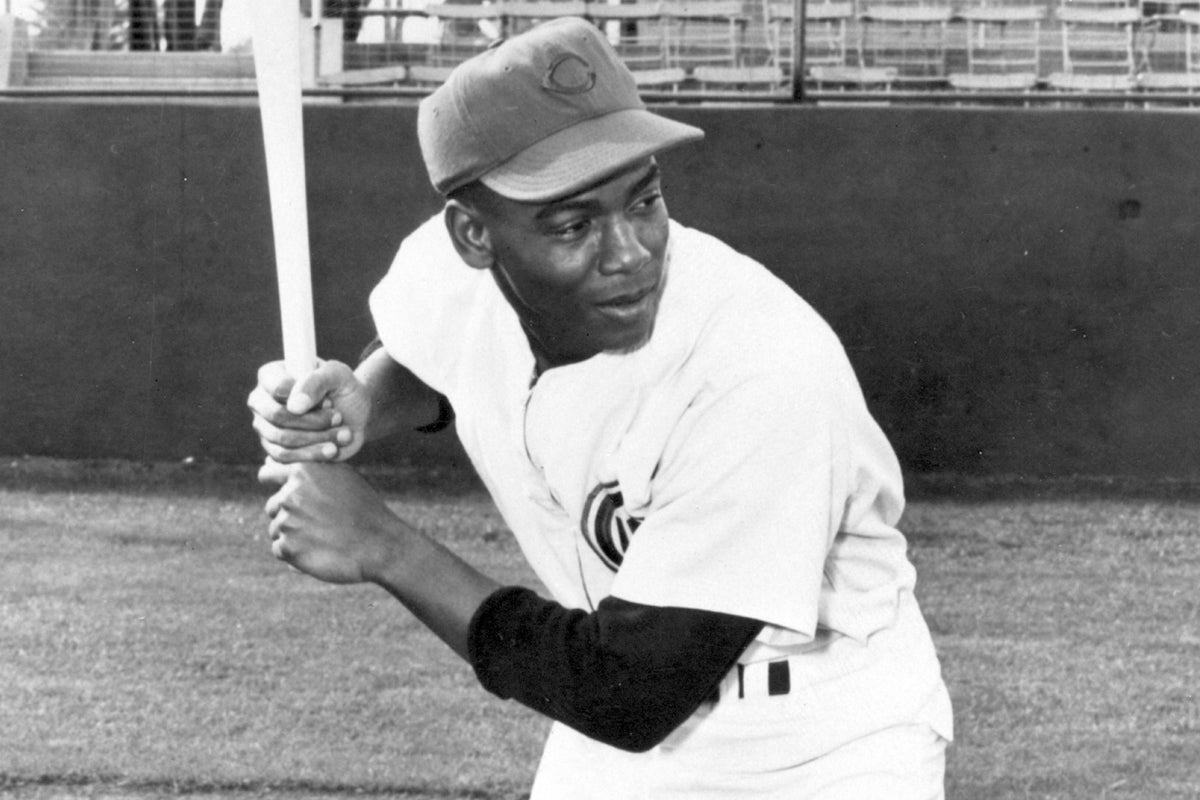
In 1959, Banks would again win the NL MVP Award, leaving little question about who was considered the best shortstop in the game. He would even win a Gold Glove Award for his defensive play in 1960 before transitioning to the outfield in 1961. The next year, Banks would move to first base and remain there for his final 10 seasons.
By the time he retired, Banks totaled 512 home runs, 1,636 RBI and 4,706 total bases. Only five shortstops in the game’s history have more total bases.
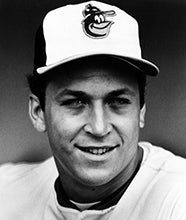
“Ernie was the first to make people view shortstop as a position of power and he was one of the all-time greats,” Cal Ripken Jr. told the Hall of Fame. “But what I will remember is his happiness and his love of the game.”
Banks was inducted into the Hall of Fame in 1977, becoming just the eighth player to be elected in his first year of BBWAA eligibility since the inaugural Class of 1936.
Craig Muder is the director of communications for the National Baseball Hall of Fame and Museum