CONTEMPORARY BASEBALL ERA BALLOT
Managers, umpires and executives considered for Hall of Fame election for the Class of 2027.
Four managers and four executives comprise the Contemporary Baseball Era non-player ballot, which features candidates whose primary contribution to the game came since 1980.
The results of the Contemporary Baseball Era Committee vote will be announced live on MLB Network at 8 p.m. ET on Sunday, Dec. 6.
SANDY ALDERSON
Sandy Alderson became the Athletics general manager at age 35 and built the team that won three American League pennants and a World Series title from 1988-90. Alderson later worked in the Commissioner’s Office as executive vice president for baseball operations before serving in the front office of the Padres and the Mets, where he led both franchises to Postseason berths.

Rich Pilling/MLB Photos
DUSTY BAKER
Dusty Baker managed the Giants, Cubs, Reds, Nationals and Astros for 26 seasons, totaling 13 Postseason appearances, 10 first-place finishes and the 2022 World Series title. A three-time Manager of the Year Award winner (1993, 1997, 2000) and three-time runner-up, Baker led his teams to the Postseason in each of his final eight seasons as a manager. He was a two-time All-Star as a player over a 19-year career that featured a World Series win with the 1981 Dodgers.
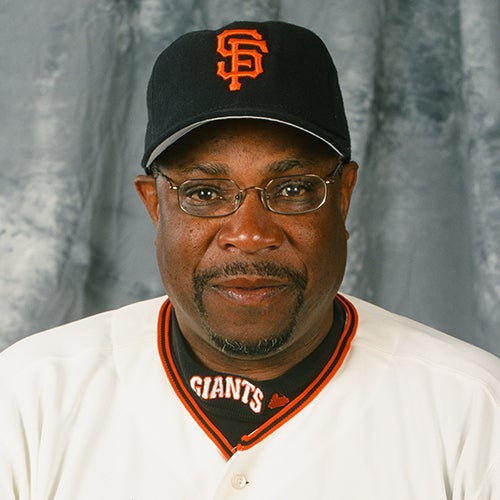
MLB Photos
BRUCE BOCHY
Bruce Bochy managed the Padres, Giants and Rangers over 28 seasons, amassing 2,252 wins and leading his clubs to nine Postseason berths, six first-place finishes and four World Series titles. The 1996 National League Manager of the Year, Bochy finished in the top three of the MOY voting seven times. Bochy, who played nine seasons in the big leagues as a catcher, is one of only six managers in history with at least four World Series wins.
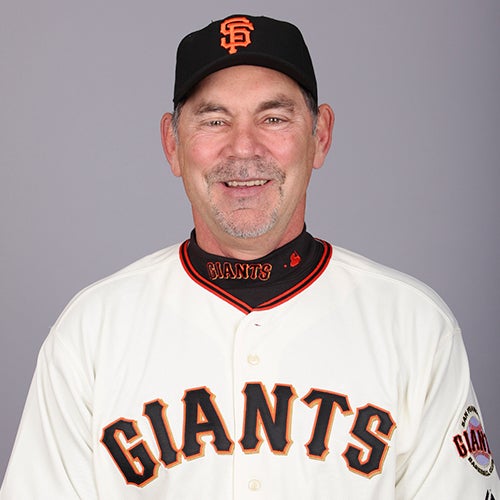
Jason Wise/MLB Photos
JOE MADDON
Joe Maddon managed the Angels, Rays and Cubs over 19 seasons, winning 1,382 games while leading his team to the Postseason eight times. A three-time Manager of the Year Award winner, Maddon led the Rays to their first American League pennant and first winning season in franchise history in 2008 and skippered the Cubs to their first World Series win in 108 years in 2016.
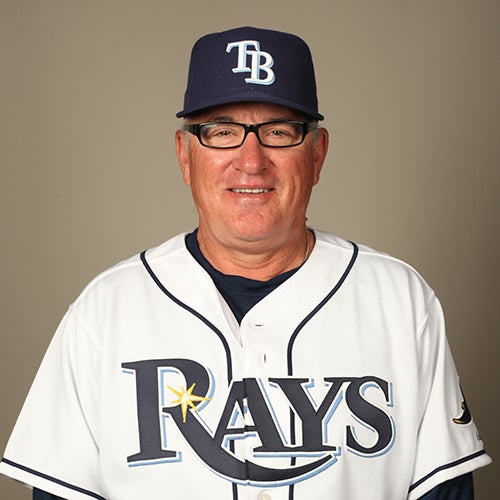
Tampa Bay Rays
LOU PINIELLA
Lou Piniella managed 23 seasons for the Yankees, Reds, Mariners, Rays and Cubs, winning 1,835 games. Piniella skippered the Reds to the 1990 World Series title and led the 2001 Mariners to an American League record 116 victories. Piniella guided his clubs to seven Postseason appearances and was named Manager of the Year in his league three times (1995, 2001, 2008) following an 18-year playing career that saw him hit .291 and take home World Series rings with the 1977-78 Yankees.
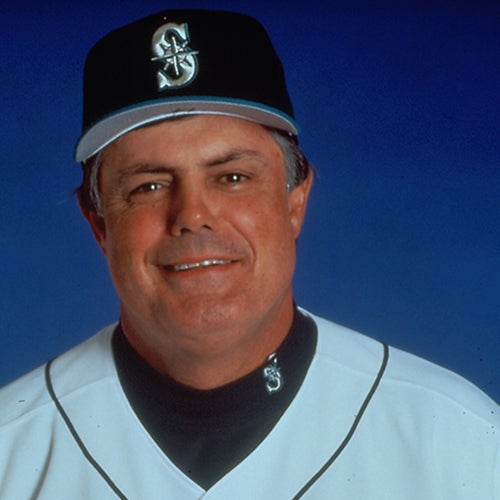
National Baseball Hall of Fame and Museum
BRIAN SABEAN
Brian Sabean joined the Yankees front office after a stint as head coach at the University of Tampa and helped sign and develop many of the players who powered New York to four World Series titles from 1996-2000. Joining the Giants early in the new decade, he became the team’s general manager following the 1996 season and built the teams that won three World Series titles from 2010-14. His 18 years as general manager of the Giants marked the longest tenure by a GM in franchise history.
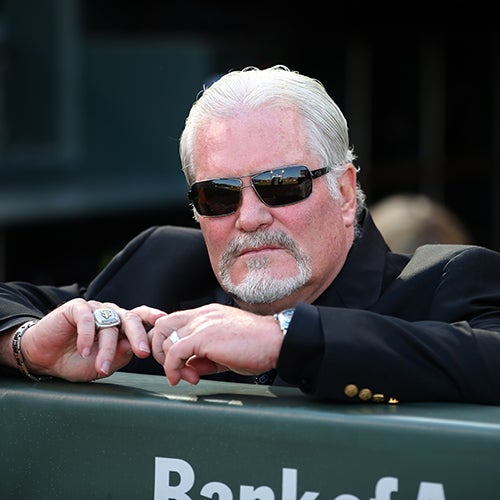
Brad Mangin/National Baseball Hall of Fame and Museum
TED TURNER
Ted Turner purchased the Atlanta Braves in 1976 and quickly established the team on the national level by putting their games on his WTBS television station, which was beamed to cable providers across the country and established a new template for distribution. Turner led the team as the Braves became a dynasty, winning 14 straight division titles (1991-2005) in completed seasons, an MLB record.
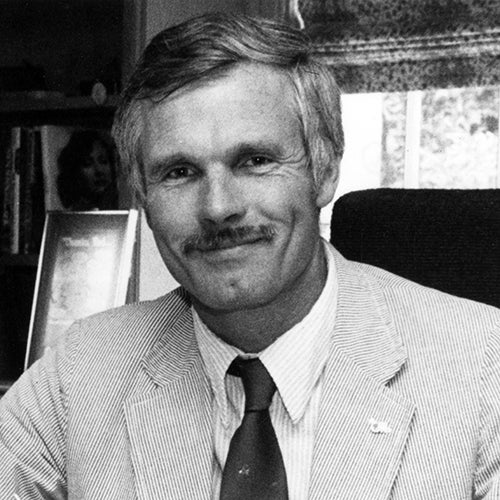
National Baseball Hall of Fame and Museum
BILL WHITE
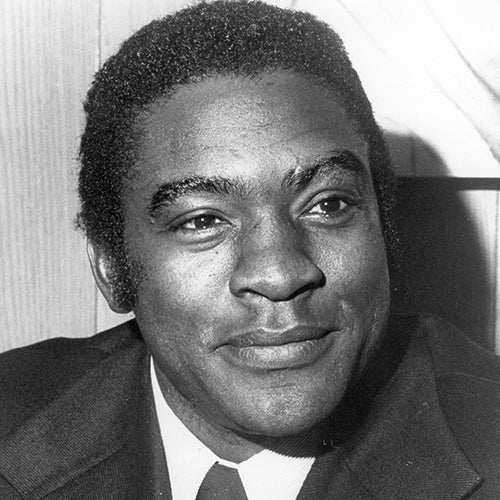
Bill White served as the president of the National League from 1989-94 following a successful career as a player and broadcaster. An eight-time All-Star and seven-time Gold Glove Award-winning first baseman, White presided over the addition of the Marlins and the Rockies to the NL and helped consolidate both the American and National leagues under one administrative umbrella. He was named the Hall of Fame’s Buck O’Neil Lifetime Achievement Award winner in 2026.
National Baseball Hall of Fame and Museum
ABOUT THE ERAS COMMITTEES
The Era Committees consist of three different electorates: The Classic Baseball Era, consisting of the period prior to 1980 and including Negro Leagues and pre-Negro Leagues stars; and the Contemporary Baseball Era, consisting of the period from 1980 to present day. The Contemporary Baseball Era is split into two separate ballots – one ballot to consider only players who made their greatest impact on the game since 1980, and another composite ballot consisting of managers, executives and umpires whose greatest contributions to the game have come since 1980.
Eras considered for yearly induction over the upcoming years are as follows:
2027 – Contemporary Baseball Managers/Executives/Umpires
2028 – Classic Baseball
2029 – Contemporary Baseball Players
2030 – Contemporary Baseball Managers/Executives/Umpires.
2031 – Classic Baseball
2032 – Contemporary Baseball Players
Both the ballot and electorate are created anew with each cycle for consideration.
Any candidate who appears on a ballot and does not receive votes from at least five of the 16 voters will not be eligible to be placed on the ballot within its next three-year cycle. Any such candidates would remain eligible to return to an Era Committee ballot in the following election cycle. Any candidate that does not receive at least five of 16 votes in multiple appearances on Era Committee ballots will not be eligible for future ballot consideration.
FREQUENTLY ASKED QUESTIONS
How were the Contemporary Baseball Era finalists selected?
The eight Contemporary Baseball Era finalists were selected by the BBWAA-appointed Historical Overview Committee from all eligible candidates among managers, umpires and executives whose most significant career impact was realized since 1980.
Who is eligible for the Contemporary Baseball Era ballot?
Managers and umpires with 10 or more major league seasons and retired for at least five years. Candidates who are 65 years or older are eligible six months following retirement.
Executives retired for at least five years. Active executives 70 years or older are eligible for consideration regardless of the position they hold in an organization and regardless of whether their body of work has been completed.
All candidates must not be on Baseball’s Ineligible List.
How many votes are needed to earn election?
Any candidate who receives votes on 75 percent of the ballots cast by the committee will earn election to the National Baseball Hall of Fame.
Who determines the Contemporary Baseball Era ballot?
The Contemporary Baseball Era managers/executives/umpires ballot was determined this fall by the Historical Overview Committee, comprised of 11 veteran historians: Adrian Burgos (University of Illinois); Bob Elliott (Canadian Baseball Network); Steve Hirdt (historian); La Velle Neal (Minnesota Star Tribune); David O’Brien (formerly The Athletic); Jose de Jesus Ortiz (Our Esquina Media), Jack O’Connell (BBWAA); Jim Reeves (formerly Fort Worth Star-Telegram); Glenn Schwarz (formerly San Francisco Chronicle); Susan Slusser (San Francisco Chronicle); and Mark Whicker (formerly Southern California News Group).
Who are the voters on the Contemporary Baseball Era Committee?
The 16-member Hall of Fame Board-appointed electorates charged with the review of the Contemporary Baseball Era managers/executives/umpires ballot will be announced later this fall.
When does the Contemporary Baseball Era Committee meet?
The Contemporary Baseball Era Committee will meet to discuss and review the candidacies of the eight finalists on Dec. 6 in San Diego, Calif.
When is the 2027 Induction Ceremony?
Any electees from the Contemporary Baseball Era Committee will be inducted in Cooperstown on July 25, 2027, along with any electees who emerge from the 2027 Baseball Writers’ Association of America election, to be announced on Jan. 19, 2027.
ERA COMMITTEES ELECTION RULES
The Era Committee has been a part of the Hall of Fame voting process since the first class of electees in 1936, with the first Era Committee electees coming in 1937.
BBWAA ELECTION RULES
Since 1936, the Baseball Writers' Association of America has held the exclusive voting privilege to consider recently retired players for the National Baseball Hall of Fame.
FUTURE ELIGIBLES
Provided that they remain retired, the following are partial lists of former Major League ballplayers who will become eligible for consideration by the BBWAA for election into the Hall of Fame in upcoming years.