Depth of Field: Apple donation highlights broadcast evolution
The National Pastime’s most enduring moments, as fresh in the minds of baseball fans today as when they were first recorded, play on repeat in Cooperstown.
How those stories are shared – bursting from black and white into color with growing screens and ever-changing equipment – is another layer of history.
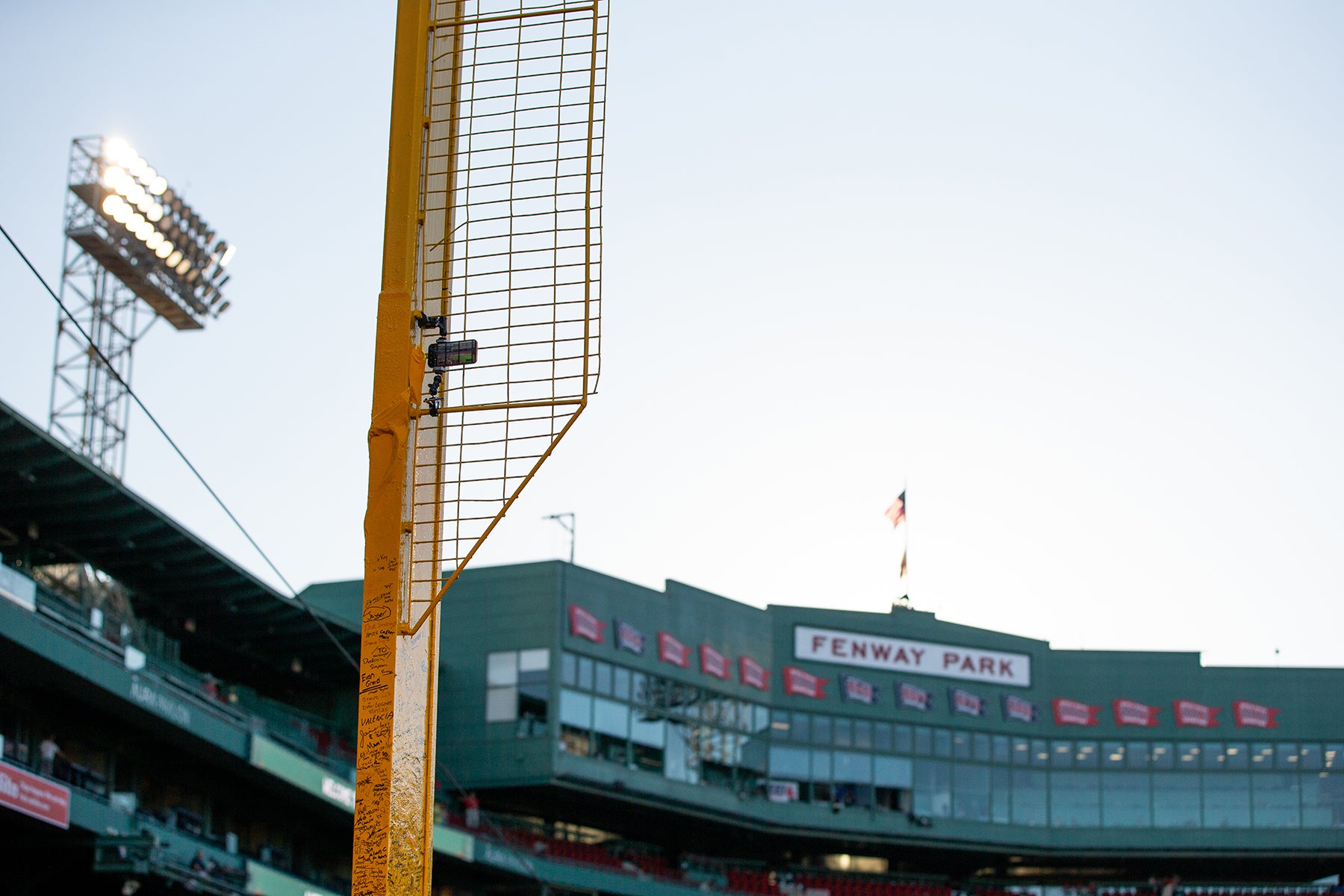
Among the artifacts recently accessioned into the Museum’s permanent collection is an authenticated iPhone 17 Pro used during an Apple TV broadcast of Friday Night Baseball. The Sept. 26, 2025 matchup between the Boston Red Sox and Detroit Tigers incorporated live game footage from four devices, marking the first use of an iPhone as a primary camera in a professional sports broadcast.
Transmission methods have advanced rapidly since the first televised game between Princeton and Columbia on May 17, 1939. In the decades that followed, the share of American households with TV sets soared, and television’s status as a cultural staple collided with baseball’s golden age.

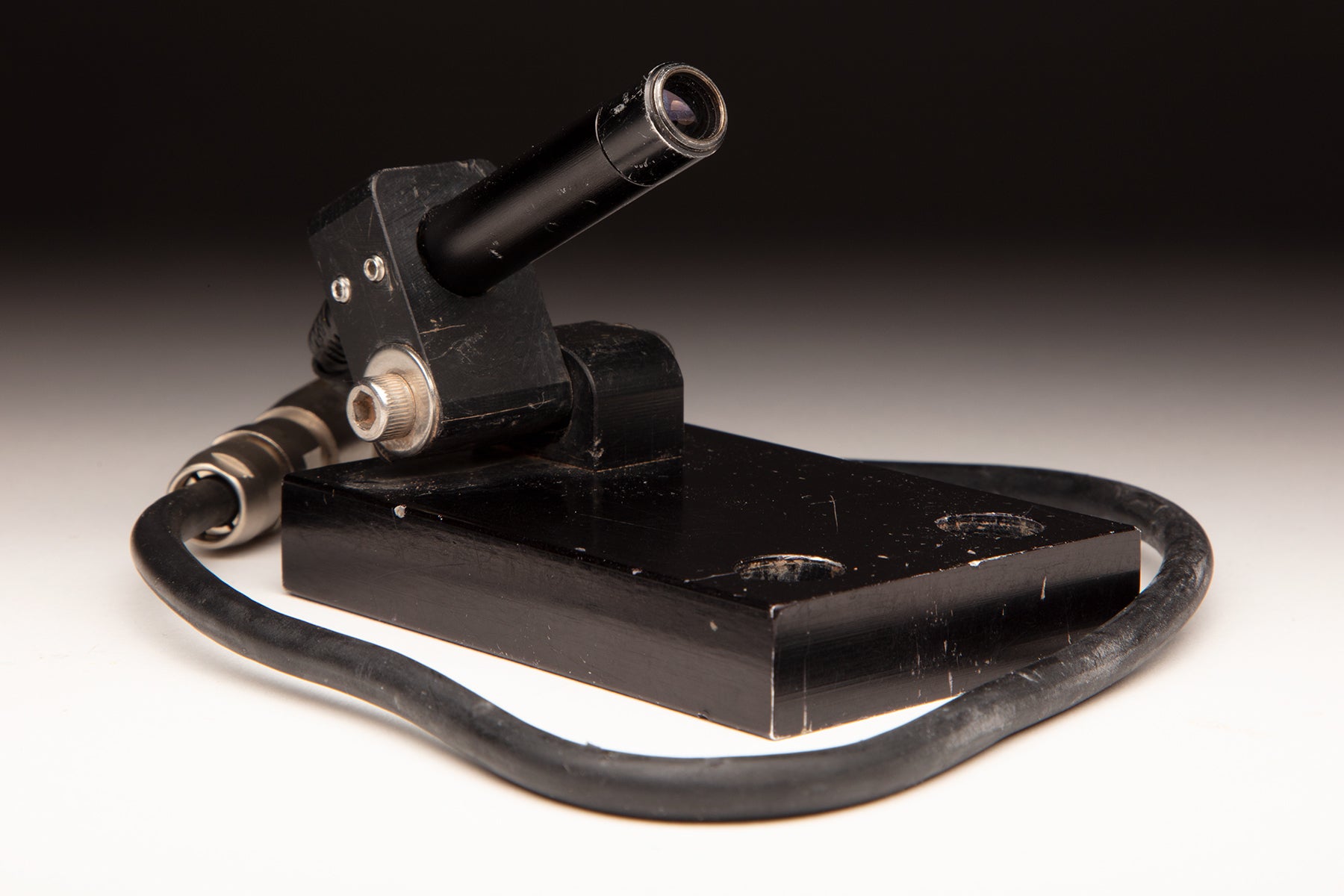
Expansion bred innovation: More networks meant more competition, and new styles of game presentation were a way to stand out from the crowd. Split screens and instant replay ushered in smaller, more portable cameras, including the “Catcher-Cam” that debuted on FOX in 1997. One model includes a camera fitted inside the left-side ear protector of a two-piece mask, while other versions approved for in-game use were mounted on the top of hockey-style masks.
Where some perspectives demonstrated the real-time speed of the game, the Diamond Cam made players seem larger than life. Devices embedded in front of home plate, including one used during Game 3 of the 2007 World Series, provided a dramatic shot as hitters swung for the fences.
Modern broadcasts give directors a multitude of options from which to choose, including those recorded from cable-suspended systems and drones. The ballpark atmosphere contributes to the viewing experience as much as the action on the field, and Friday Night Baseball used an iPhone to capture fan reactions as an operator roamed Fenway Park.
Other iPhones were mounted at key vantage points, including a Green Monster scoreboard panel and Pesky’s Pole in right field. The latter angle created a thrilling view of Ceddanne Rafela’s walk-off triple as fans from the front row to the upper deck leapt to their feet and Red Sox players spilled out of the dugout.
This pocket-sized piece of history, which is now preserved at the National Baseball Hall of Fame and Museum, proves that no lens is too small to capture a big play.
Kourage Kundahl is the director of digital content at the National Baseball Hall of Fame and Museum