#CardCorner: 1983 Donruss Julio Franco
The milestone for batting excellence has long been 3,000 hits. When Julio Franco reached that total in 1998 with the Chiba Lotte Marines of the Japan Pacific League, he was not yet 75 percent of the way to his final professional hit total of 4,008.
Few batters of the Expansion Era hit as well or as long as the three-time All-Star from the Dominican Republic.
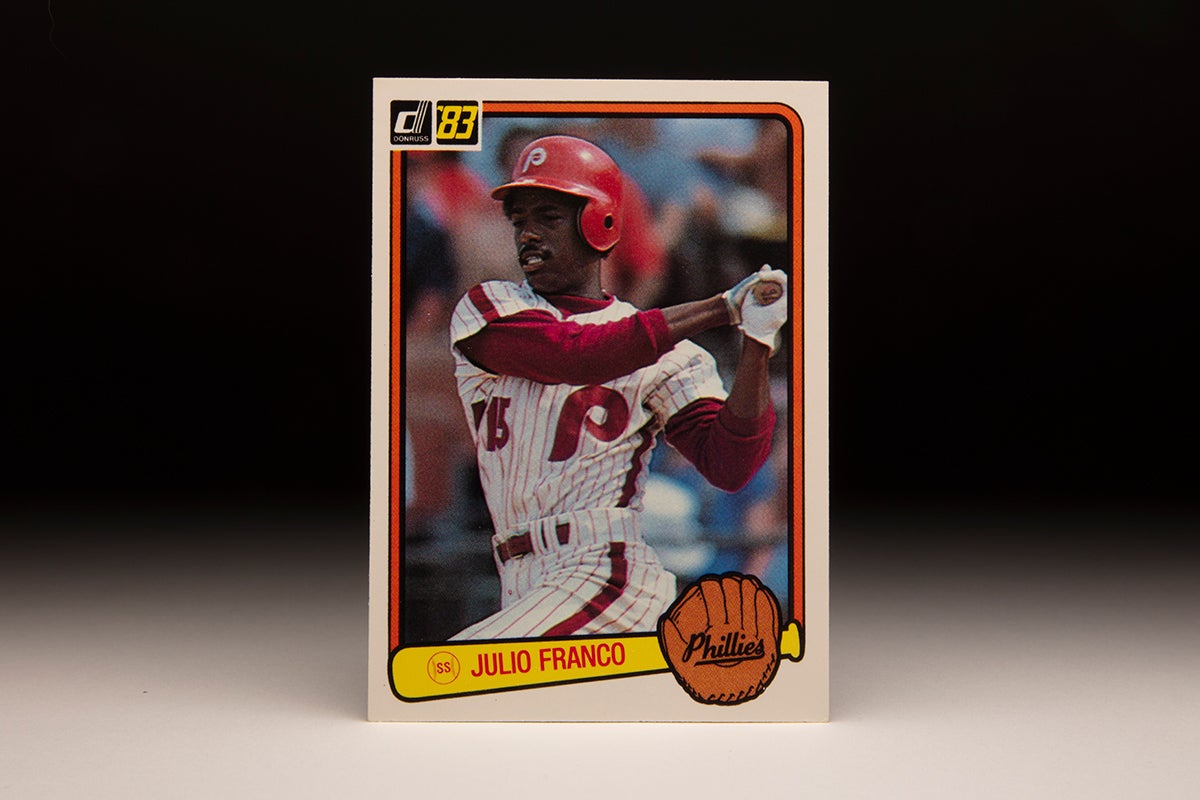
Born Julio Cesar Franco on Aug. 23, 1958, Franco grew up in Consuelo just outside of San Pedro de Macorís, a hotbed for talent thanks to a government program that built baseball facilities. But Franco’s first love was basketball.
He was a starter at age nine on his local youth baseball team but quit organized ball three years later.
“I got sick of playing baseball every day,” Franco told the Cleveland Plain Dealer in 1983. “Basketball was different. I couldn’t get enough.
“I became a professional because that is what I always wanted to be – baseball, basketball or soccer. I didn’t know which, but I wanted to be one of them.”
At Divine Providence High School in San Pedro de Macorís, Franco played basketball – averaging more than 20 points per game – and soccer.
“I didn’t want to play (baseball) for the school,” Franco told the Plain Dealer. “The coach always said do this, and do that, and be early. I want to do what I want.”
But Franco continued to play pickup baseball games and was spotted by Phillies scout Quique Acevedo. He signed with the Phillies for a $4,000 bonus on April 23, 1978 – with the team believing he was 16 years old. Franco was actually 19.
“Age is only a number,” Franco told journalists in 2002 when questions about his age arose.
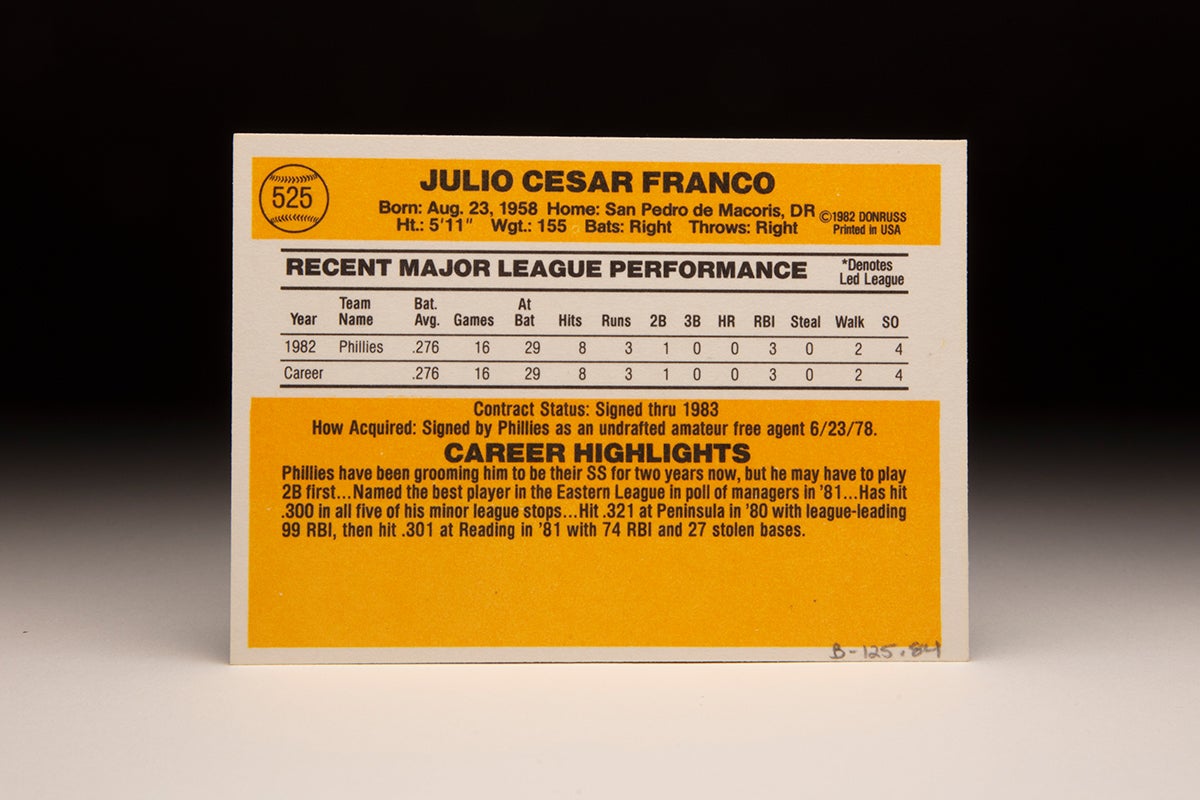
Sent to Butte, Mont., in the Pioneer League that summer, Franco – who was in excellent shape and was mature for his age – batted .305 with three home runs and 28 RBI in 47 games. He moved onto Central Oregon of the Class A Northwest League a year later, batting .328 with 22 steals in 71 games.
Then in 1980, Franco established himself as a topflight prospect by hitting .321 with 105 runs scored, 25 doubles, 11 homers and 99 RBI for Class A Peninsula of the Carolina League.
“(Franco is) the best all-around player that I’ve seen at this level,” Peninsula manager Bill Dancy told the Philadelphia Inquirer.
In 1981, Franco spent the season at Double-A Reading, where he batted .301 with eight homers, 74 RBI and 27 steals. He also made 30 errors, which was an improvement over the 42 he committed in 1980.
“He’s got a little hot dog in him,” Reading manager Ron Clark told the Inquirer. “And we’re not going to try to take that away from him. But the main thing we’ve stressed, he’s got a job to do.
“I don’t care if he makes the spectacular plays. All I want is the routine plays.”
His bat, however, was big league-ready.
“This is going to sound strong, but he knows as much about hitting as anyone I’ve seen,” Cleveland scout Birdie Tebbetts told the Plain Dealer while reminiscing about scouting Franco. “Even now, he knows everything about every pitcher there is.”
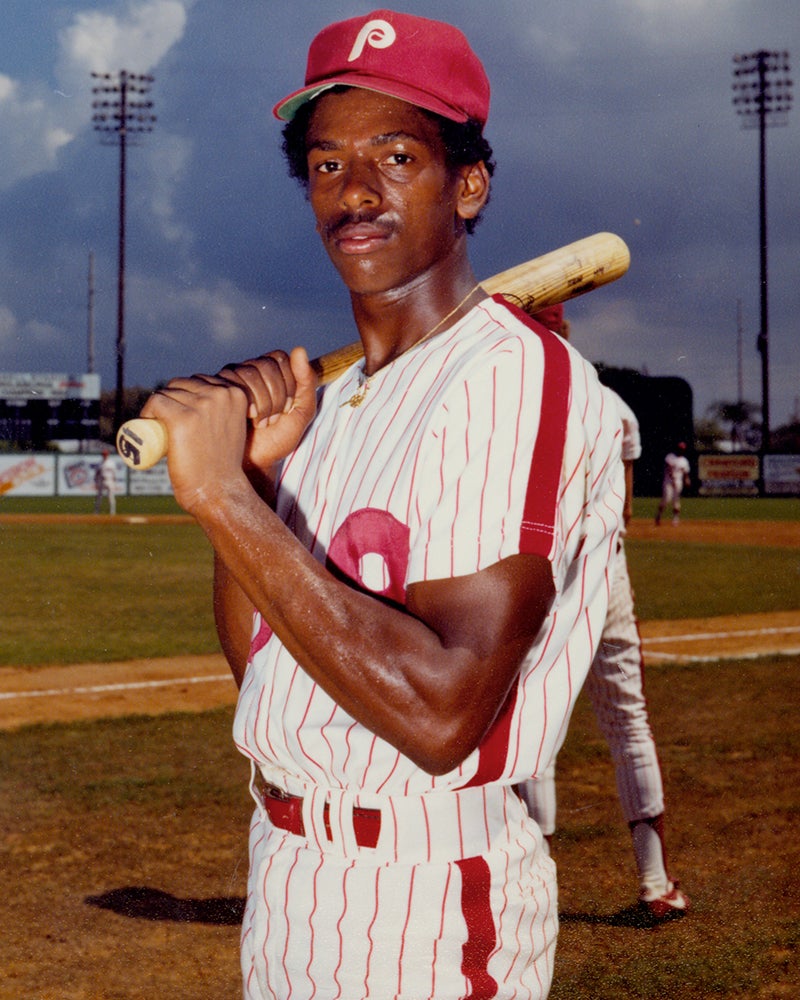
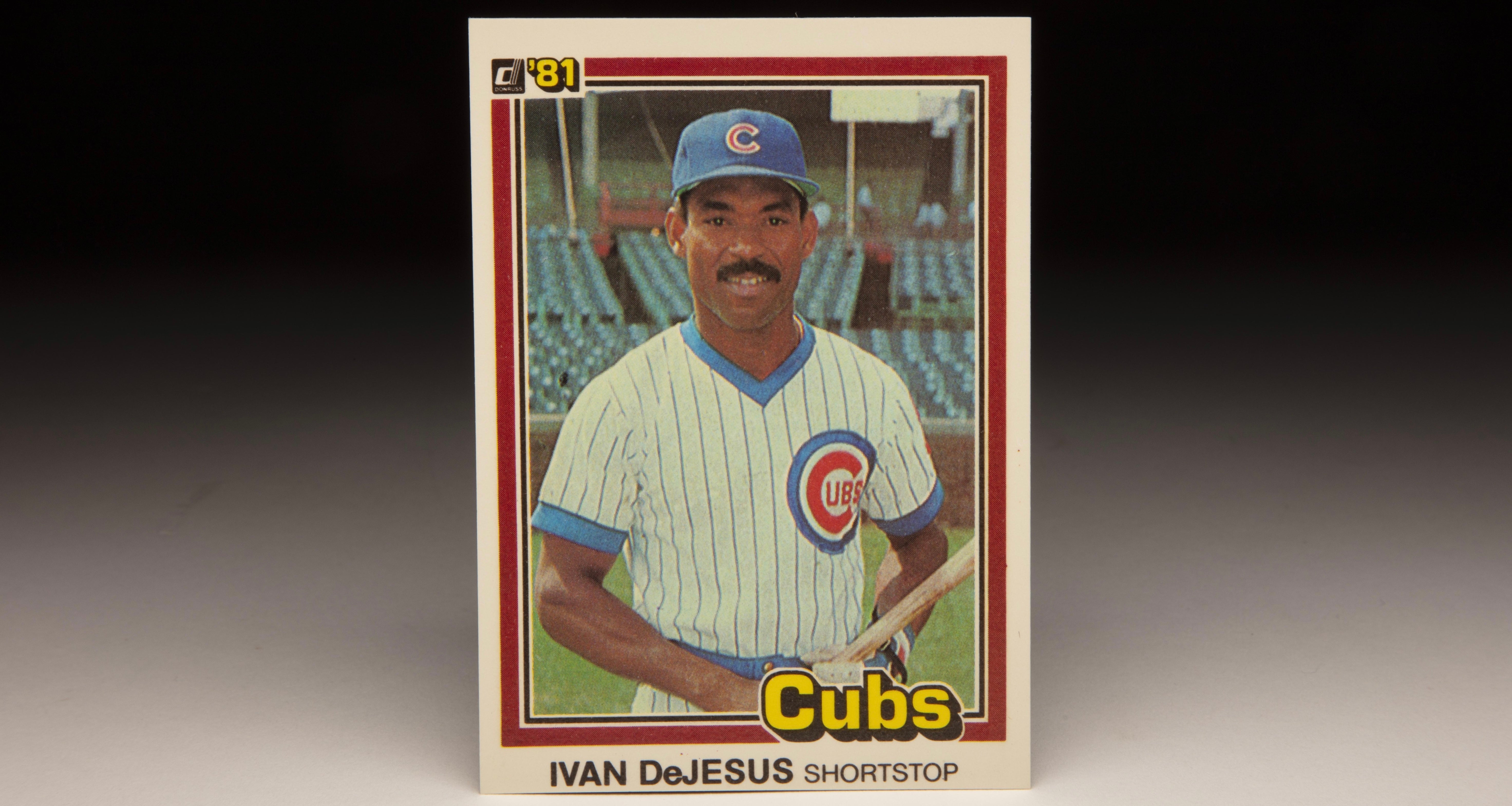
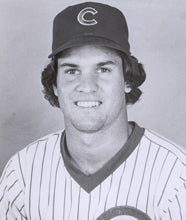
Franco was promoted to Triple-A Oklahoma City in 1982. But before that season, the Phillies made a trade that would impact Franco. On Jan. 27, 1982, the Phillies acquired shortstop Iván de Jesús from the Cubs in exchange for Larry Bowa and Ryne Sandberg. The move made the Phillies younger but also cost them a future Hall of Famer.
The deal, however, was made with Franco’s future in mind.
“In two years if we think Julio Franco is ready, we’ll be able to get more from de Jesús than a 38-year-old Bowa,” Phillies owner Bill Giles told the Asbury Park (N.J.) Press after the trade.
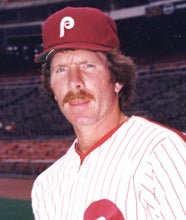
Franco hit .300 with 21 homers, 66 RBI and 33 steals in 120 games for Oklahoma City. He made his big league debut on April 23, starting at shortstop for the remainder of the month while Mike Schmidt was injured and de Jesús took Schmidt’s place at third base.
Franco returned to Triple-A in May when Schmidt got healthy before being recalled in September. In 16 games with the Phillies, Franco batted .276. It would be the only games Franco would play with the Phillies during his career.
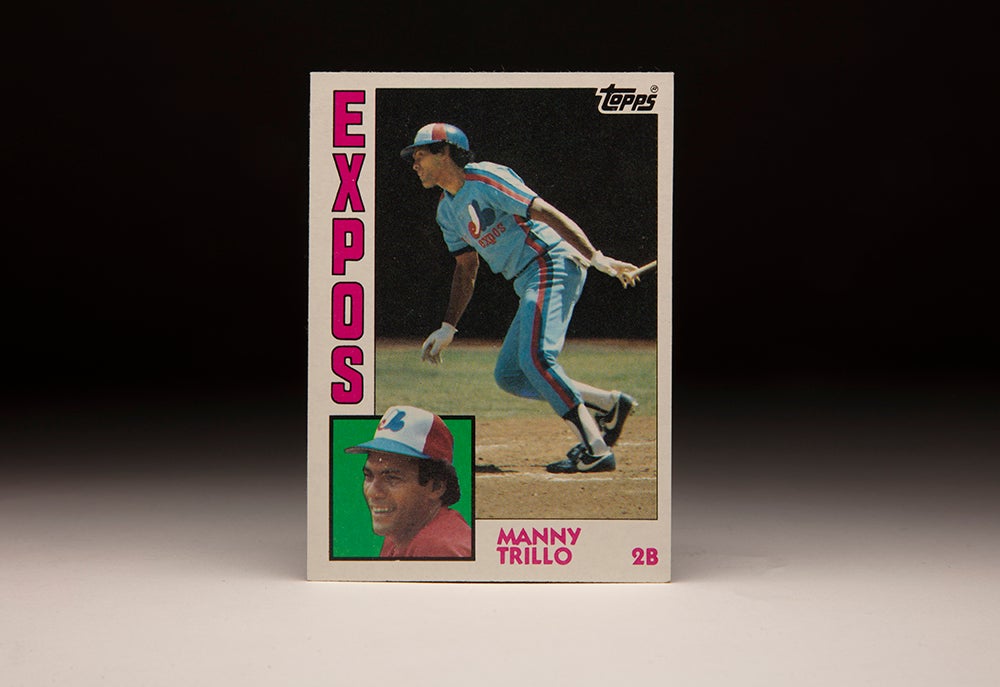
On Dec. 9, 1982, Franco was the key return in a 5-for-1 trade that also brought Jay Baller, Manny Trillo, George Vukovich and Jerry Willard to Cleveland in exchange for Von Hayes.
The Indians made Franco their Opening Day shortstop, and – after a slow first month – he began to hit as he did in the minors. He pushed his batting average into the mid-.280s by July and finished at .273 with 24 doubles, eight homers, 80 RBI and 32 steals. He also committed 28 errors but got on-the-job training with Trillo, who provided Franco with Gold Glove Award-caliber advice before being traded to the Expos in August.
“When I came up to Oakland, Dick Green taught me a lot,” Trillo told the Plain Dealer. “Now it’s time to pay my dues. Julio has a lot of potential and he wants to learn. I like to help a kid like that.”
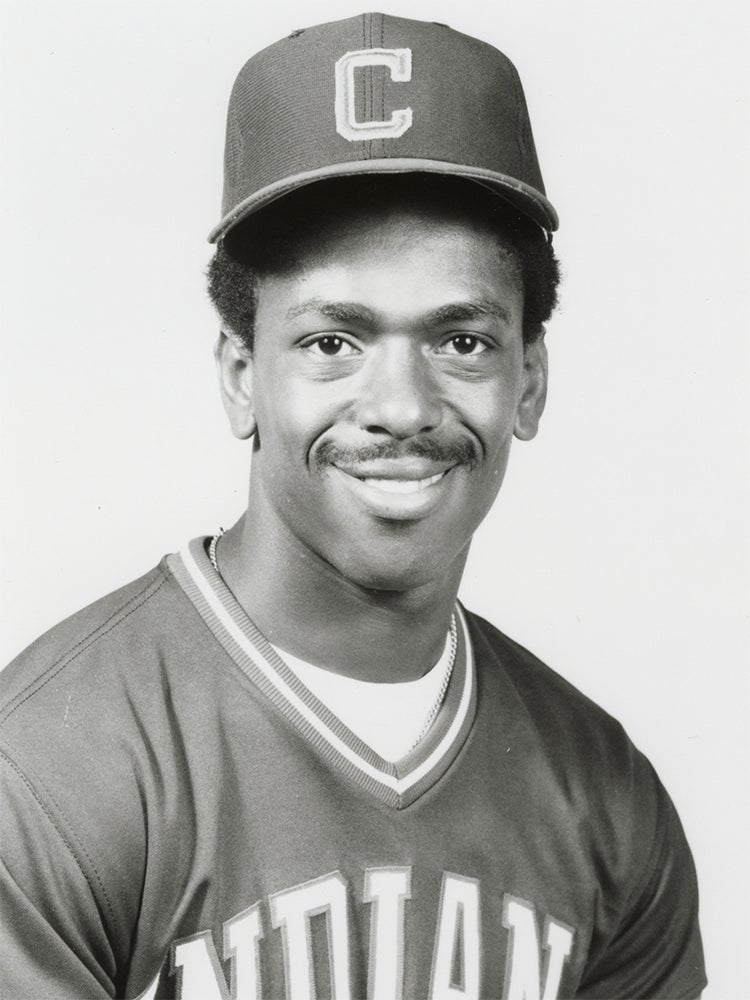
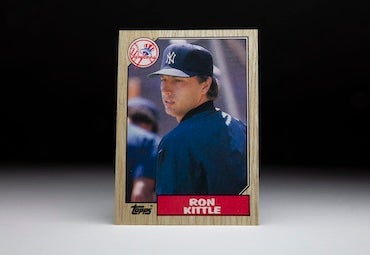
Franco finished second in the American League Rookie of the Year voting, ahead of Orioles pitcher Mike Boddicker but behind Ron Kittle in balloting where only three players received votes. Many observers felt, however, that Franco had the brightest future of the three.
“He reminds me of Magic Johnson of the Lakers, the way he loves to play,” Cleveland pitching coach Don McMahon told the Plain Dealer. “Julio is going to be a superstar.”
Franco continued to excel at the plate over the next two seasons, batting .286 with three home runs and 79 RBI in 1984 and then following that up with a .288 mark, 33 doubles, six home runs and 90 RBI in 1985. But his troubles in the field got worse, as he led the American League with 36 errors in each season.
Off the field, Franco was arrested in the Dominican Republic for possession of a handgun without a permit before the 1984 campaign. Eligible for arbitration entering 1985, Franco and the Indians agreed to a deal worth $430,000 plus $50,000 in incentives.
In June of 1985, Franco was suspended for two days without pay and fined $200 by Indians manager Pat Corrales after missing a game for what was described as a personal problem. His issues drew the ire of some Cleveland fans – but management knew they had a unique talent on their roster.
“When Julio goes out on the field, it’s like an actor being on stage,” Corrales told the Plain Dealer. “He needs the reaction from the crowd. He’s an entertainer and this is his stage.
“Julio just loves the game of baseball.”
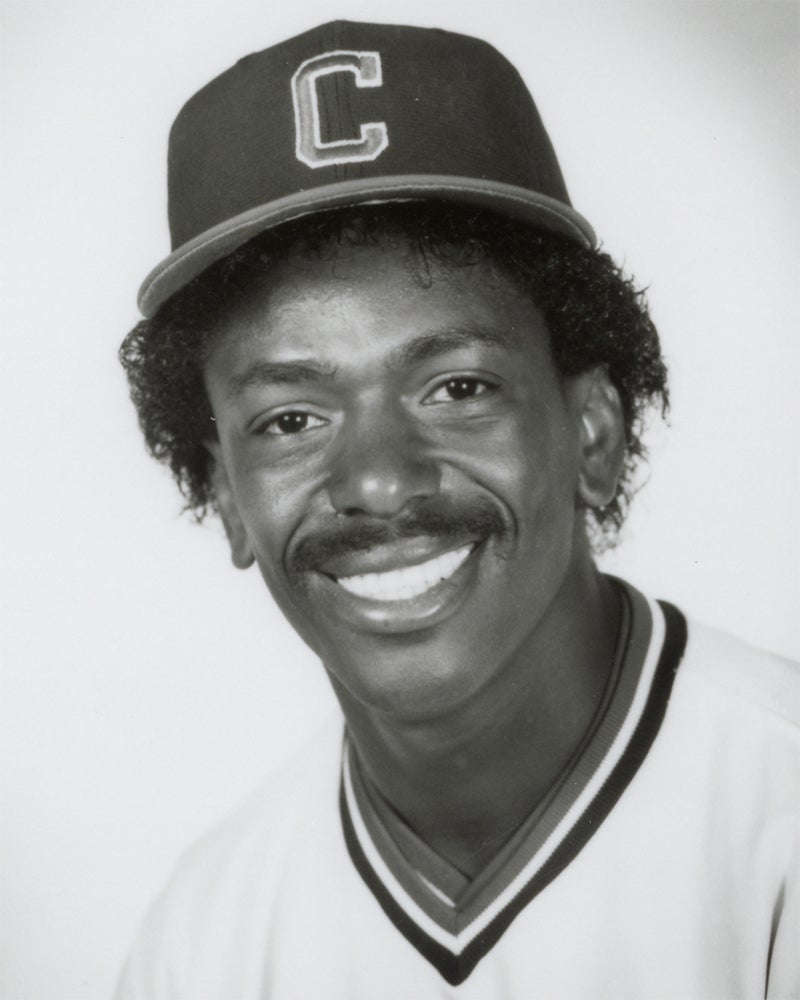
In 1986, Franco and the club could not come to an agreement. An arbitrator picked Cleveland’s offer of $575,000 instead of the $740,000 Franco sought. He tallied 180-plus hits for the third straight year while batting .306 with 10 homers and 74 RBI. Then in 1987, Franco improved his average to .319. But he was passed over for an All-Star Game selection once again.
“Julio hid his disappointment pretty well,” Franco’s wife, Carmen, told the Plain Dealer. “But you know it really hurt him. He really wanted to make the team.”
In February of 1988, Franco signed a two-year deal with Cleveland worth a reported $2.2 million with an option for 1990 worth $1.25 million. At the same time, the Indians announced they were moving Franco to second base.
“I don’t think he wants to play second base,” Franco’s agent John Davimos told the Plain Dealer. “But if they somehow convince Julio that it would help the club win, I think he’d play anywhere.”
Cleveland posted 84 wins in 1986, the first winning season Franco had experienced with the Indians. But the team regressed to 61 wins in 1987.
Franco posted his typical numbers – .303 batting average, 10 homers, 54 RBI, 25 steals – in 1988, earning the first of four straight Silver Slugger Awards at second base and even earning some down-ballot AL Most Valuable Player votes. And although the Indians improved to 78 wins, general manager Hank Peters – who was hired after the 1987 campaign – was embarking on a massive rebuild that would bear fruit in the mid-1990s.
On Dec. 6, 1988, Cleveland traded Franco to the Rangers in exchange for Jerry Browne, Oddibe McDowell and Pete O’Brien.
“We heard what people said about him before we made the trade, but we didn’t pay much attention to it,” Rangers manager Tom Grieve told the Houston Chronicle midway through the 1989 season. “The biggest thing we knew about Julio Franco was that he could hit.
“All we could go by is what we saw. And what we saw was a good ballplayer who could help our club.”
Franco had his best year to date at the plate in 1989, batting .316 with 31 doubles, 13 homers, 92 RBI and 66 walks en route to a .386 on-base percentage. He was also named to his first All-Star Game.
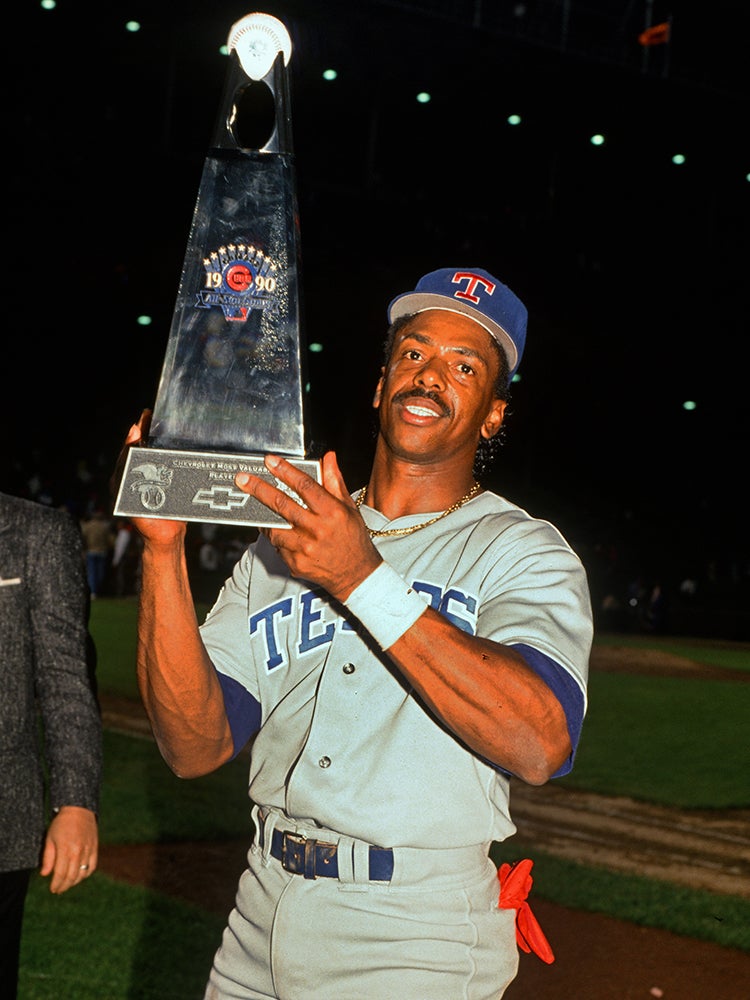
The following year, Franco was the Rangers’ only All-Star representative and took center stage when he belted an 0-and-2 fastball from Reds fireballer Rob Dibble into right field for a seventh-inning double, scoring Sandy Alomar Jr. and Lance Parrish with the game’s only runs.
Franco was named the game’s Most Valuable Player.
“I knew (Dibble) was going to throw something hard, and I was looking to go to right field with the pitch,” Franco told the AP. “I had never seen him before. Everybody told me he threw hard.”
Franco took his game to the next level in 1991, hitting .341 to lead the majors in batting average. He set career-highs with 108 runs scored, 201 hits, 15 homers and 36 steals despite a mid-season health scare when he experienced chest pains. The discomfort was later diagnosed as a caffeine overdose.
In 1992, however, Franco had his first brush with major injury. He was diagnosed with bursitis in his right knee in Spring Training and it was later reclassified as a bone bruise. He appeared in just 35 games that season, batting .234.
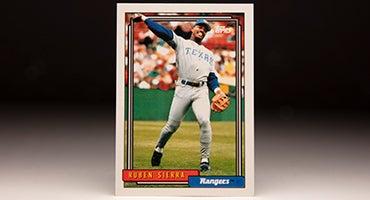
Franco bounced back in 1993, batting .289 with 14 homers and 84 RBI. His five-year stretch with Texas was the most productive of his career as he averaged .307 and topped the 6.0 WAR figure twice in his four full seasons. Franco also was popular and respected in the clubhouse – and was credited with helping youngster Rubén Sierra blossom into a superstar.
“I like to have fun,” Franco told the Houston Chronicle. “When you get to do this for a living, it’s supposed to be fun.”
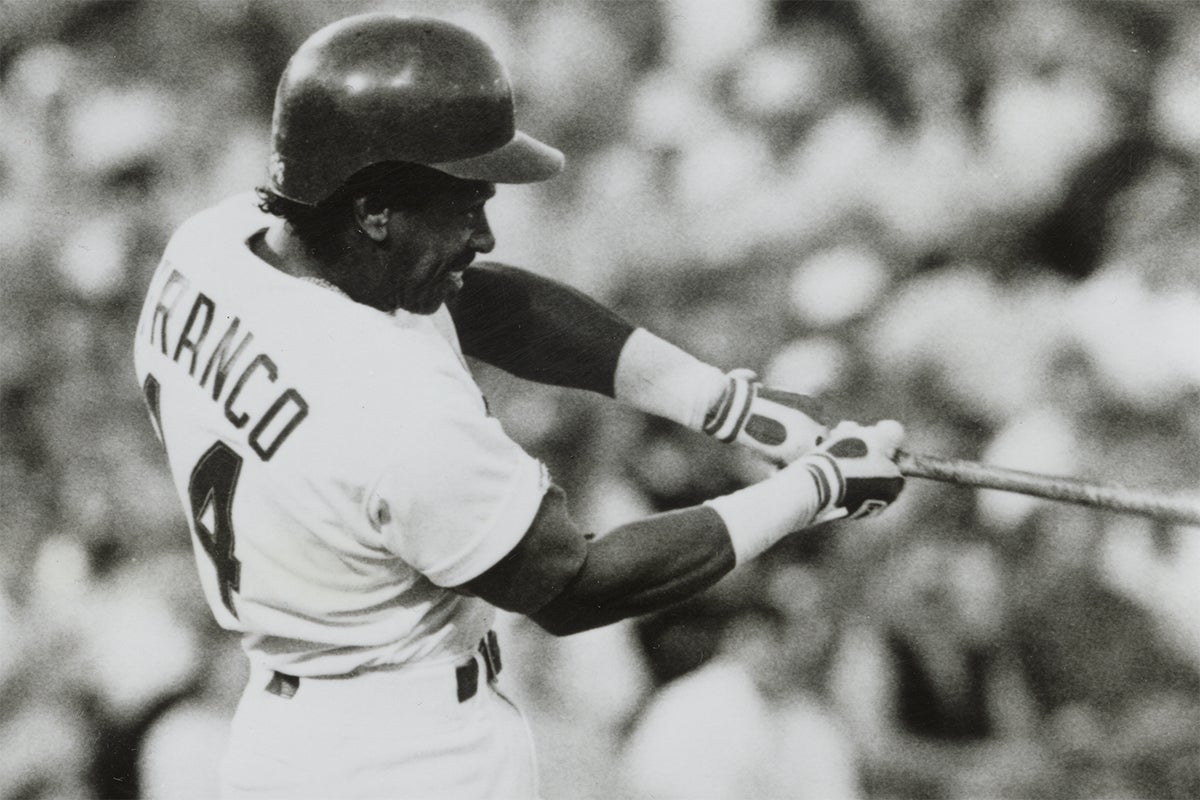
But when he became a free agent following the 1993 season, Franco found it was time to move on. He signed a one-year deal with the White Sox worth $1 million plus reachable incentives that could add another $1.5 million to his total.
“I wanted to go to a club that can win – I’m not getting any younger – and I think Chicago is going to win it all next year,” Franco told the Fort Worth Star-Telegram. “I’m not disappointed (in leaving the Rangers). I came here to do my job, and I did my job 100 percent of the time I was on the field.”
Franco did his job again in 1994, serving as the White Sox’s primary DH and hitting .319 with 20 homers and 98 RBI in just 112 games in that strike-shortened season. Chicago was in first place in the AL Central when the season was interrupted, denying Franco a chance at his first taste of the postseason.
With the work stoppage dragging on into December, Franco decided – coming off what seemed to be the start of the second half of his career – to sign a one-year contract with the Chiba Lotte Marines of the Japan Pacific League. Worth $3.5 million, it was the largest contract in NPB history to that point.
Franco hit .306 with 10 homers and 58 RBI in 127 games with Chiba Lotte in 1995 while winning a Gold Glove Award at first base. He played for manager Bobby Valentine, who became one of Franco’s biggest supporters.
“He was like a father to me,” Franco told the Staten Island Advance about his relationship with Valentine. “When I was in Cleveland, I was immature. I was moody and hard to get along with in the clubhouse.”
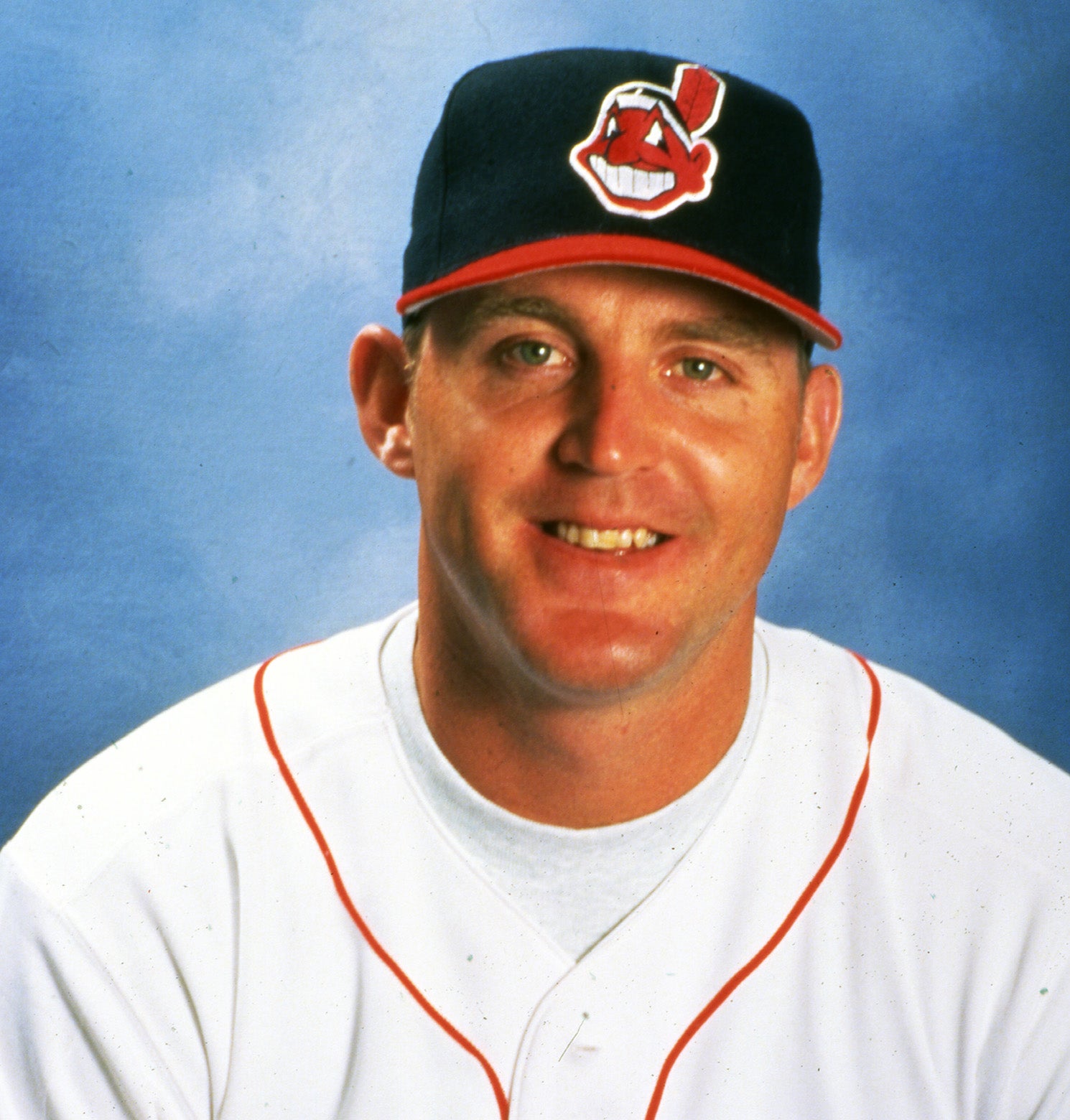
But Franco had a second act in Cleveland still to come when he signed a two-year deal worth $5 million with the team on Dec. 7, 1995. The Indians had already sold every ticket at Jacobs Field for the entire 1996 season, and bringing Franco back helped the franchise connect with its immediate past.
“All of us were extremely impressed with Julio Franco,” Cleveland general manager John Hart told the AP. “We still feel he is in the prime of his career and he’s in outstanding physical shape.”
Known for his adherence to his physical program, Franco was listed at a trim 160 pounds (on a 6-foot frame) for most of his career. His muscular build was evident each time he stepped into the batter’s box and cocked his bat toward the pitcher.
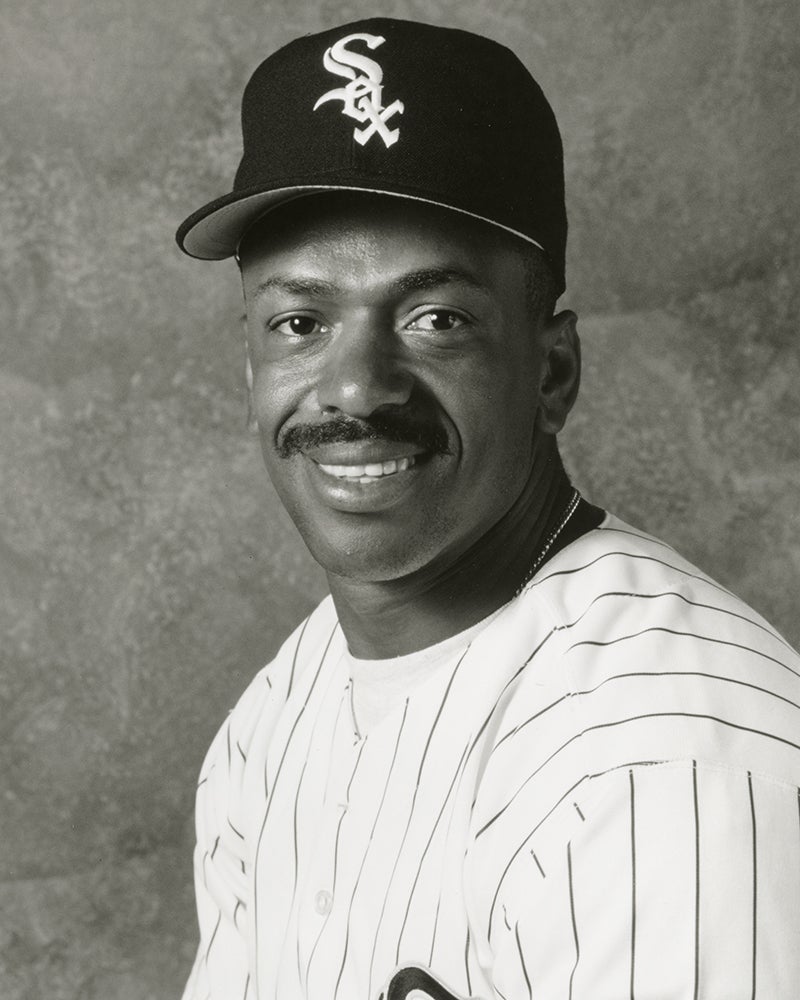
In his age-37 season in 1996, Franco batted .322 with a .407 on-base percentage, playing each of his 97 games in the field at first base while also serving as a DH. He finished with 14 homers and 76 RBI in 112 games to help Cleveland win a second-straight AL Central title, giving Franco a chance to play in the postseason for the first time.
But he hit just .133 (2-for-15) in a four-game loss to Baltimore in the ALCS.
In 1997, Cleveland moved future Hall of Famer Jim Thome from third base to first base and repositioned Franco at second. Franco blistered the ball at the plate for the first two months of the season and was hitting .331 entering June. But a protracted slump – and a lack of RBI – cost him playing time to Tony Fernández as the summer progressed.
“I don’t know if Julio is physically tired, but he might be mentally tired,” Cleveland hitting coach Charlie Manuel told the Akron (Ohio) Beacon Journal. “I’ve never seen him swing at so many bad pitches, and overswinging isn’t his style.”
After a flurry of moves on July 31, the Indians designated Franco for assignment. He went home to the Dominican Republic for a few days before signing with the Brewers on Aug. 13.
“His offensive abilities are going to be a big plus for us down the stretch,” Brewers general manager Sal Bando told the AP.
Franco hit .241 in 42 games with Milwaukee, finishing the season with a .270 batting average and a career-worst 116 strikeouts. He returned to the Chiba Lotte Marines in 1998, batting .290 with 18 homers and 77 RBI. Then in 1999, he began the season in the Mexican League with the Mexico City Tigers, posting an other-worldly .541 on-base percentage in 93 games. On Sept. 22, he made his only big league appearance of the season for Tampa Bay, striking out against the Angels’ Mike Magnante.
Franco then played for Samsung in the KBO in 2000, hitting .327 with 22 homers and 110 RBI in Korea. He returned to the Mexican League in 2001 – hitting .437 in 110 games – before the Braves purchased his contract on Aug. 31.
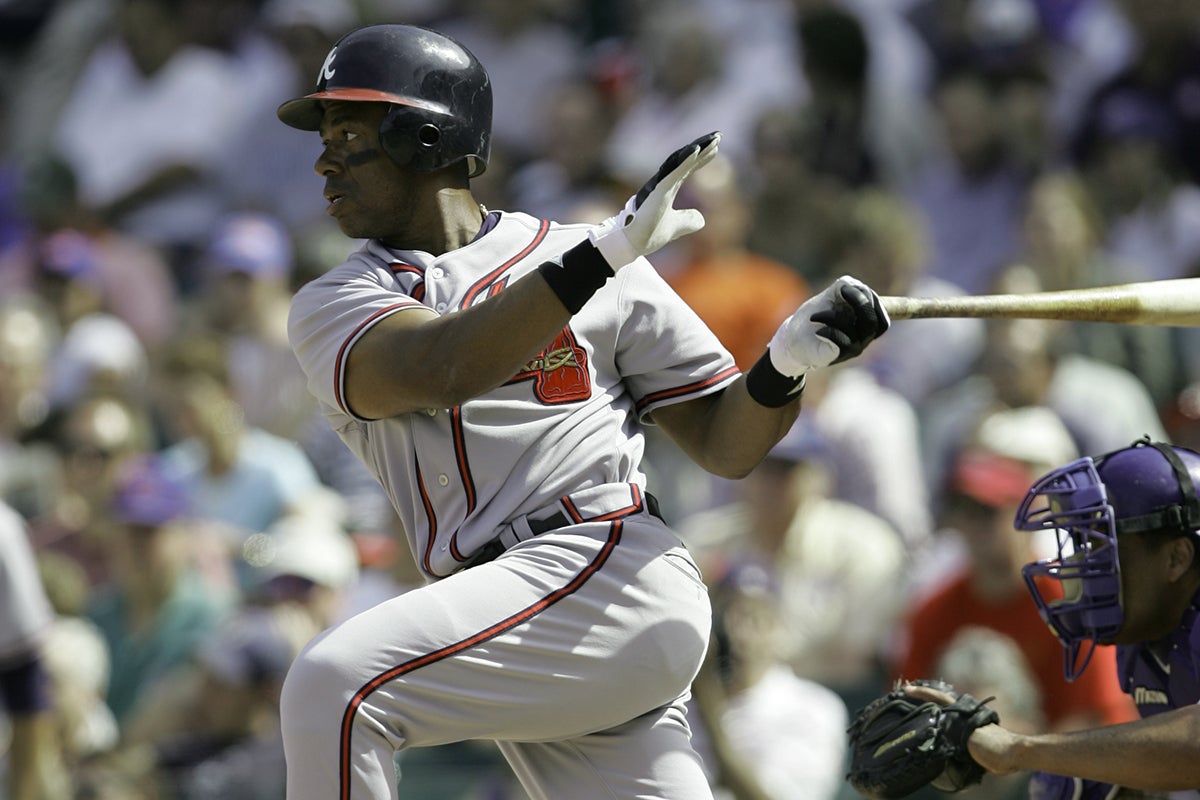
At age 43, Franco hit .300 with three homers and 11 RBI in 25 games to help Atlanta advance to the postseason. In eight games in the NLDS and NLCS, Franco batted .278 (10-for-36) with two homers, five runs scored and three RBI as the Braves’ regular first baseman.
Incredibly, it would be the first of five seasons Franco would play for the Braves.
For the next four seasons, Franco served as a platoon first baseman for an Atlanta team that advanced to the postseason each year. He never hit less than .275 and started eight of the Braves’ 19 postseason games in that span.
Working on a series of one-year contracts, Franco set several records, including becoming the oldest regular position player and becoming the oldest player to hit a home run, hit a grand slam and steal two bases in one game.
“His (hand-eye) coordination is better than a lot of 20-year-olds,” Braves hitting coach Terry Pendleton told the AP about Franco in 2005 when the 46-year-old Franco was wowing observers in Spring Training. “When Julio goes bad, it will be because of his eyes. It’s not going to be because of his physical strength. It will be because he can’t see.”
On Dec. 9, 2005, the Mets signed Franco to a two-year contract worth $2.2 million.
“There are guys that are special as far as longevity,” Mets general manager Omar Minaya told the AP. “The only way we were going to be able to get (Franco) here was for two years.
“I’ve told Julio that as long as I’m in the organization I think I want Julio to be a part of my organization.”
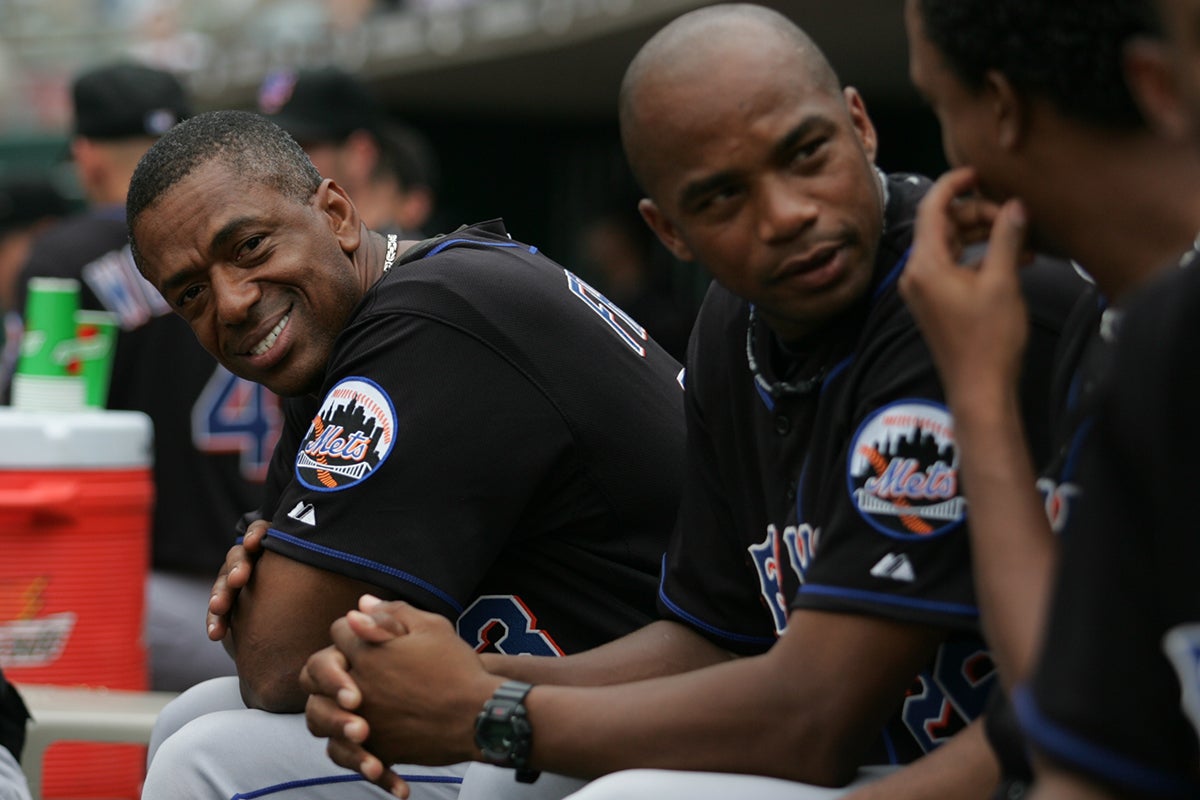
Franco batted .273 in 95 games for the Mets in 2006 but finally began to show signs of age the next year, hitting .200 in 40 games before the Mets released him on July 16. Three days later, he returned to the Braves – hitting .250 in the final 15 games of his big league career.
But Franco continued to play, suiting up for 36 games for Quintana Roo of the Mexican League in 2008 before retiring that May. Then in 2014, Franco returned as a player/coach for the Fort Worth Cats of the independent United Baseball League. Playing in seven games, Franco recorded six hits in 27 at-bats.
In 23 big league seasons, Franco batted .298 with 2,586 hits (which at one time was the top total among all Dominican players), 407 doubles, 173 homers, 1,194 RBI, 281 steals and 917 walks. When all his pro seasons are tallied, Franco finished with a .308 batting average, 622 doubles, 457 steals and 4,008 hits.
For Franco, it was all a product of his love for the game.
“They’ve got a lot of good shortstops in the big leagues,” Franco told the Philadelphia Inquirer in 1981. “But I don’t just want to be good. I want to be the best. But you’ve got to pay for that. You’ve got to pay a lot. You’ve got to work hard and play hard.”
Craig Muder is the director of communications for the National Baseball Hall of Fame and Museum