Long May It Wave
American flag saved during a major league game tells the story of service and sacrifice.
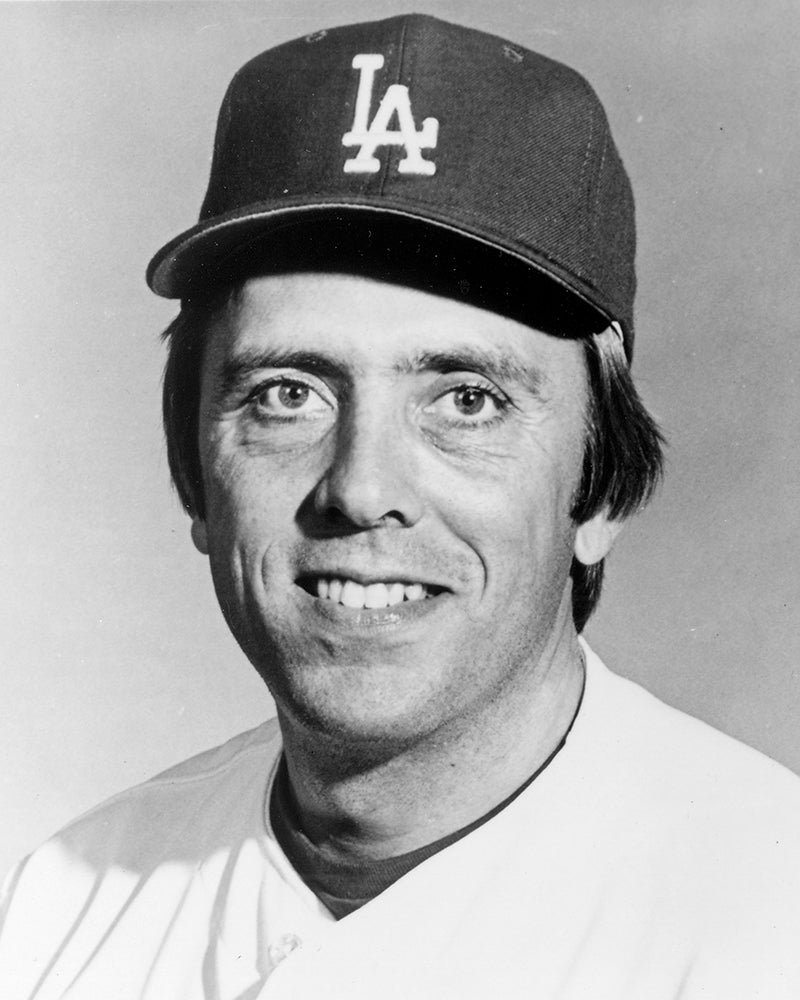
On April 25, 1976 – before the game that day – most probably I was with my family. I was in my fifth season with the Cubs, but I grew up in that area, in Santa Monica, Calif. It was a chance to see my mom and my family while we were in town to play the Dodgers.
It was a normal day, a normal game, until the bottom of the fourth inning. There had already been a pitch or two thrown. All of a sudden, I heard off to my right some noise coming from the crowd that was unusual.
I looked over and saw these two guys running on the field – and I could tell that one of them had something tucked under his arm, but I couldn’t tell what it was. They went past my teammate José Cardenal in left field and went into shallow left-center, and then I saw what they had. They unfurled this American flag and laid it down on the ground. They got on their knees next to it, and I could see, with the sunshine, a big reflection off of a large can of lighter fluid.
I could tell they were going to douse the flag. And I was mad.
I was already irritated because they entered the field; they disrupted the game. And when they began to douse the flag with lighter fluid, I was angry.
At the time, I was five years out of the Marine Corps Reserves. I had been brought up to respect the flag, this country, what that flag stood for – the rights and freedoms, as well as those who protected those rights and freedoms. What these guys were trying to do was wrong.
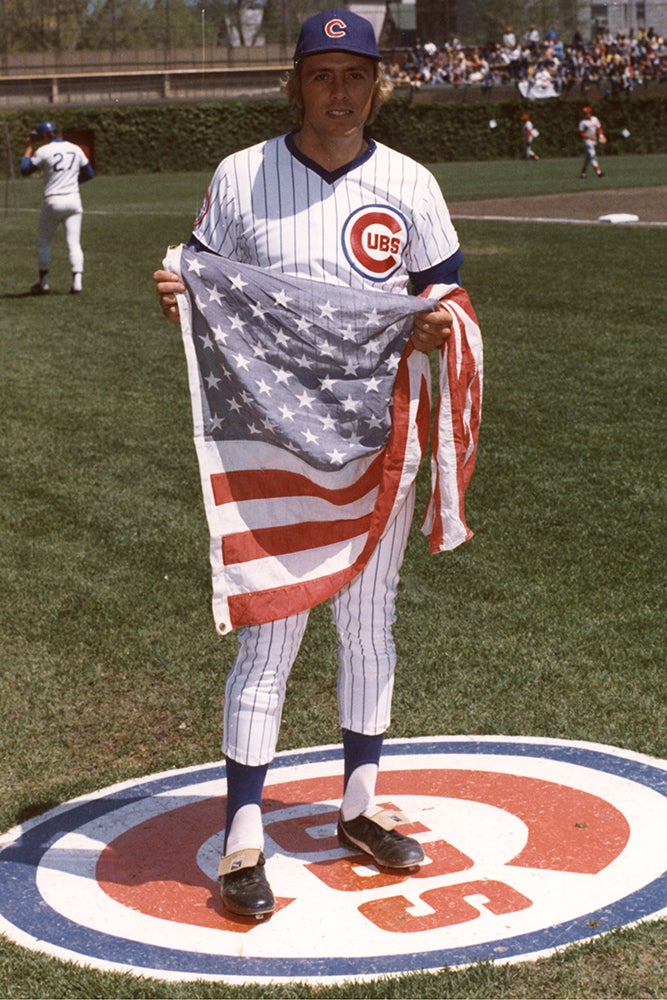
I started to run at them. I guess the wind blew out the first match, and the second match was struck just as I got there. But if they didn’t have the flag, they could not burn it. So I grabbed it and continued to run. The guy threw the can of lighter fluid at me, missed, and I kept going. I gave the flag to one of the Dodgers pitchers, Doug Rau, who came out of the dugout. Then, Tommy Lasorda, who was in his last year as the Dodgers’ third base coach, ran past me, toward these guys, who by this time were being escorted off the field. Tommy was yelling everything that a longshoreman would utter.
On this date in 1976, Rick Monday made a great play: pic.twitter.com/bKUzTXZT2K
— Los Angeles Dodgers (@Dodgers) April 25, 2014
We started the game again and people in the stadium reacted. But I don’t think I got the flavor of that moment until after the game in the locker room. Then, we left Dodger Stadium and bused to San Diego, which is a military town, and there was more attention there.
After the game, I requested to have the flag returned to me. They had to use it during the court case against the two people, but when the Dodgers came into Wrigley Field later that season, Al Campanis, the general manager of the Dodgers, presented me with the flag. My family has kept it ever since.
I’m very proud that I was able to be close enough to react and do what I thought was right. I respect those who have protected our rights and freedoms, including their families. Some of those people paid the ultimate price.
We take the flag from time to time to places, including Walter Reed Medical Center. That started when we were contacted by a helicopter pilot who had a flag on the windshield in his medevac helicopter over Baghdad during the Iraq War. He asked if we could get our flag to Los Angeles to a park where he grew up so it could fly there.
I’m most proud of my wife, Barbaralee, who made contact with a group called the Patriot Guard Riders. With their escort, we took that flag from Vero Beach, Fla., to Los Angeles – 14 states in 14 days. We stopped at veterans hospitals along the way, and that’s when Barbaralee said to me: “We have to do something about this, to make things better.”
On a trip to Walter Reed, there was a young lieutenant who had not been there very long, and his wife and doctor were there with us. We asked if he would like to see the flag and take a picture with it.
Barbaralee took the flag out of its case, and while he had it, the lieutenant said to the doctor: “I got a piece of shrapnel that’s coming up and it’s starting to bleed. Mrs. Monday, please take the flag.”
Barbaralee said: “Lieutenant, it’s OK.”
He said: “No, ma’am. I will die protecting the rights and freedoms of that flag, but I will not bleed on it.”
You talk about an impactful statement – from someone who has been injured representing the United States of America. When I tell that story, I still get emotional.
You never know when you’re going to touch someone, somehow, someway.
I was the grand marshal in a parade in Charlotte, N.C., a number of years ago. Barbaralee and I were in the parade and we had brought the flag with us. Along the parade route, there were a number of people who would hold up a shadow box of a folded flag.
One of them said: “This is my father.” Another said: “This is my husband.”
It really encapsulated that it’s more than just a piece of cloth.
It represents people. And it represents rights and freedoms.
Rick Monday has been a Dodgers broadcaster for 34 seasons, after playing 19 seasons with the Athletics, Cubs and Dodgers
Hall of Fame Military Classic
Join us in Cooperstown this Memorial Day Weekend as the National Baseball Hall of Fame and Museum salutes all who served.
Memories and Dreams
This story previously appeared in Memories and Dreams, the award-winning bimonthly magazine exclusively available to supporters of the Museum's Membership Program.