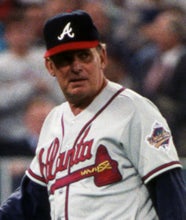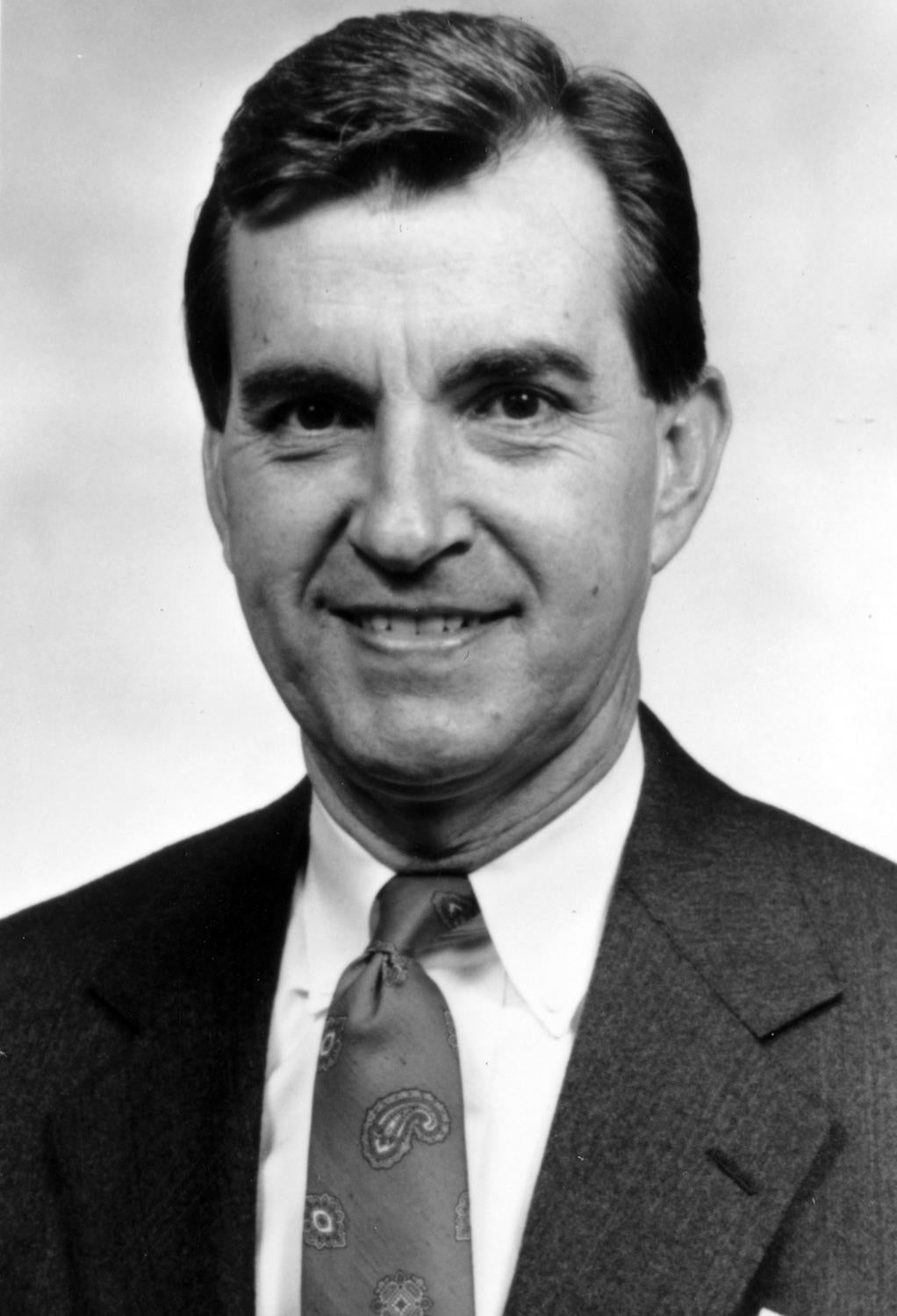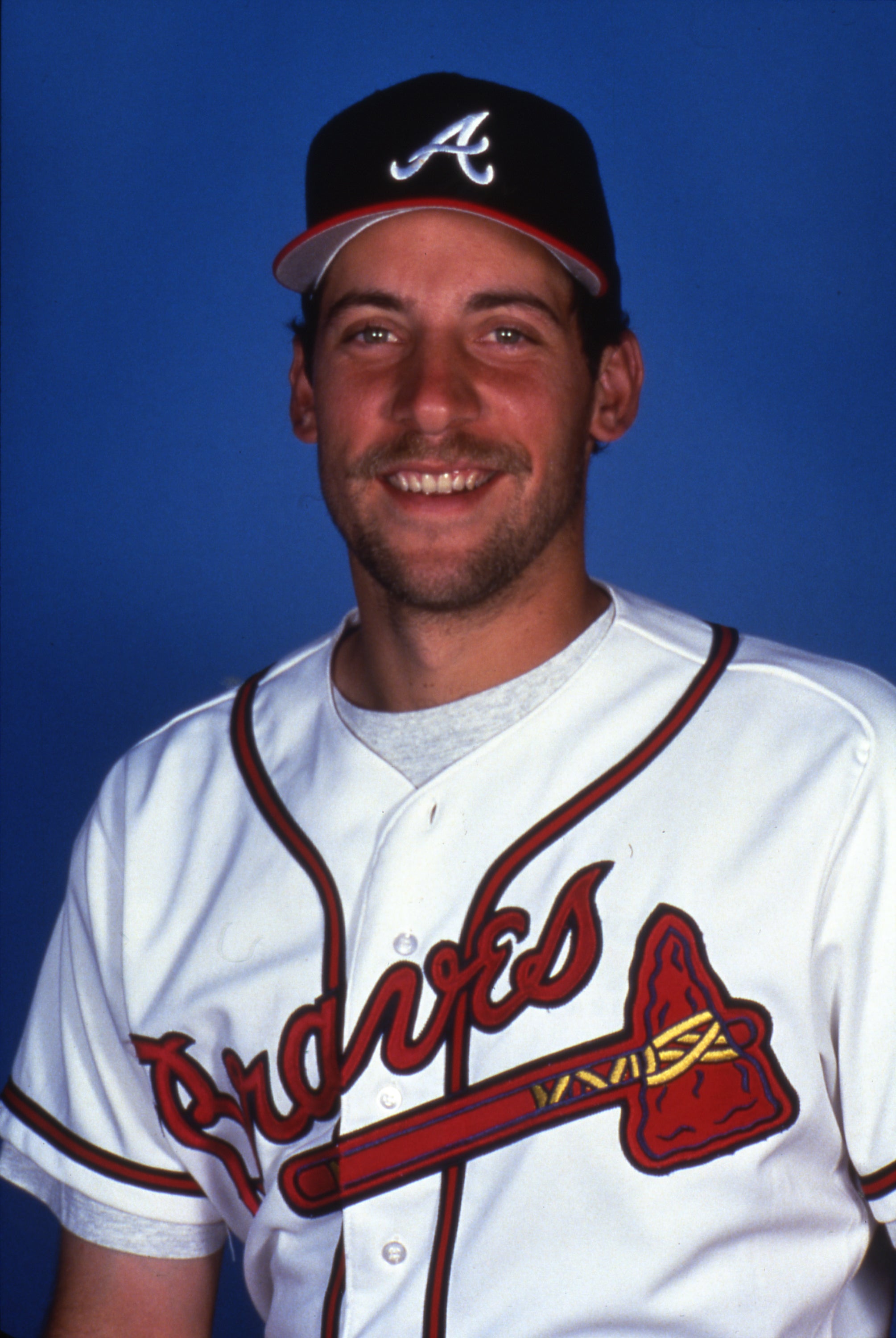
Managing Expectations: Bobby Cox’s winning ways led to Hall of Fame
For nearly two decades, the Atlanta Braves defined excellence on the diamond.
Bobby Cox guided those teams to greatness.
Cox, 84, passed away on May 9, 2026, in Marietta, Ga. Over 29 seasons as a big league manager, Cox earned loyalty and respect from his players with his steady hand and passionate heart.
“One of the greatest leaders to step into the dugout, Bobby Cox was the heart and soul of a Braves team that saw unprecedented success,” said Jane Forbes Clark, Chairman of the National Baseball Hall of Fame and Museum. “Following his induction in 2014, Bobby quickly became an active member of the Hall of Fame family. He dearly loved the Museum and all it represents, serving on several Hall of Fame committees and repeatedly demonstrating why he earned heartfelt respect from his players and friends. His presence will be deeply missed in Cooperstown.”
Born May 21, 1941, in Tulsa, Okla., Robert Joe Cox grew up near Fresno, Calif., and earned a contract with the Dodgers as an amateur free agent in 1959. He toiled in the minor leagues for most of the 1960s before winning the New York Yankees’ third base job in 1968. But after two seasons, he was returned to the minors.
Cox’s story, however, was only beginning. The Yankees made him the manager of their Class A Fort Lauderdale team in 1971, and Cox immediately showed that his ability to get the most from his players – along with his passion for the game – would bring success in the dugout.
By 1973, the 32-year-old Cox was skippering the Yankees’ top farm club in Syracuse, where he led the Chiefs to winning records in each of his four seasons. In 1977, Cox was the Yankees first base coach – helping New York win its first World Series title in 15 years.
Now a rising star, Cox was hired by the Braves on Nov. 22, 1977, with team owner Ted Turner giving Cox a two-year contract to turn around a club that had lost 101 games the previous season. By 1980, Cox had the Braves above .500, but after a 50-56 record in the strike-shortened 1981 season, Turner reluctantly parted ways with his manager.
Cox quickly landed as the skipper of the Blue Jays, a team who had never had a winning record in five seasons in the American League. But by 1983, Cox had turned Toronto into one of the AL’s best young clubs. In ’85, the Blue Jays won the AL East title before falling to the Royals in the ALCS. Cox was named the AL Manager of the Year.
Turner then brought Cox back to Atlanta when he named him the club’s general manager on Oct. 22, 1985. Charged with building the Braves into contenders, Cox worked diligently to reinvigorate the team’s farm system. The Braves suffered through five straight losing seasons starting in 1986, but Cox had planted the seeds for what would become one of baseball’s great dynasties.
On June 22, 1990, Cox returned to the dugout as the Braves manager. Three months later, he relinquished his general manager duties to newly hired John Schuerholz.
Within a year, the Braves were a playoff team.
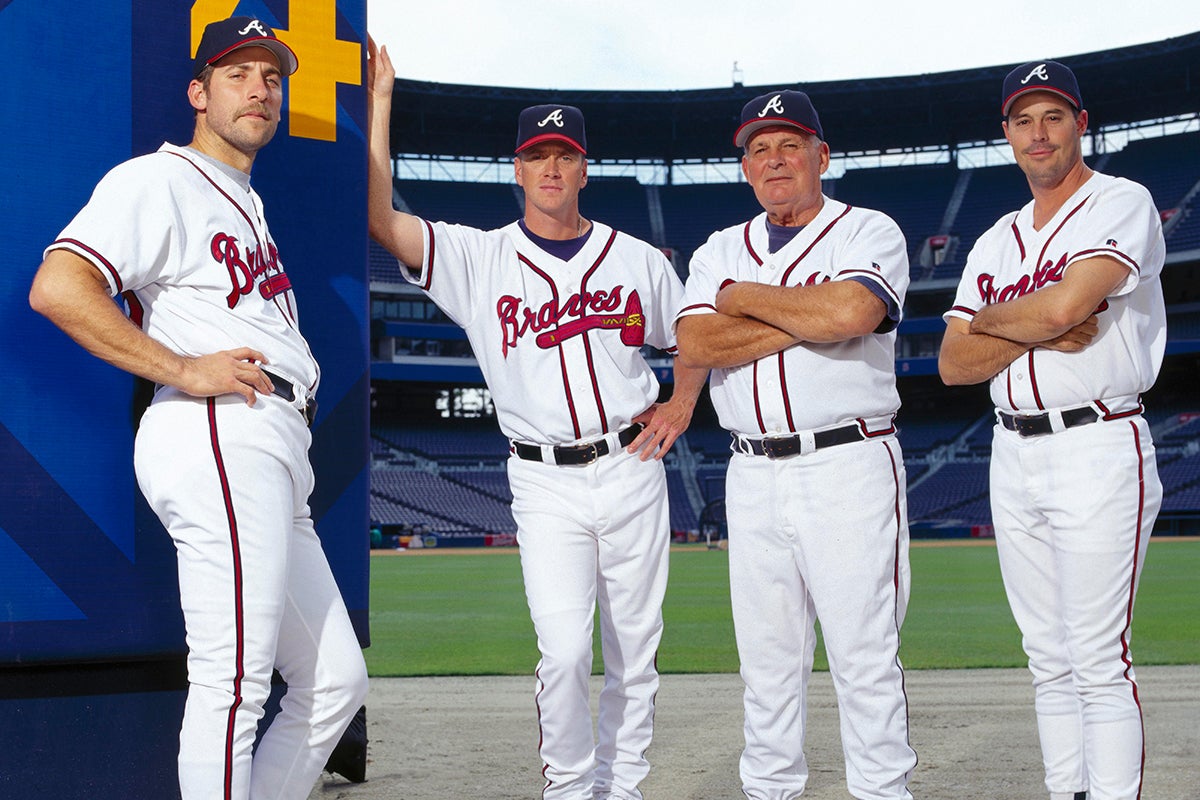
Atlanta went from worst-to-first in 1991, winning the first of 14 straight full-season division titles. In that record-setting stretch, the Braves won five National League pennants and the 1995 World Series, topping the 100-win mark six times. Cox was named National League Manager of the Year in 1991, 2004 and 2005 – becoming the first skipper to win the award in back-to-back seasons.
“A small part of Bobby Cox changes you as a baseball player,” said Hall of Fame pitcher John Smoltz, who played for 18 seasons under Cox. “Twenty years with the man changes your life.”
Cox managed through the 2010 season, advancing to the Postseason for the 16th time during his final campaign. He finished with 2,504 wins – fourth on the all-time list – and a .556 winning percentage.
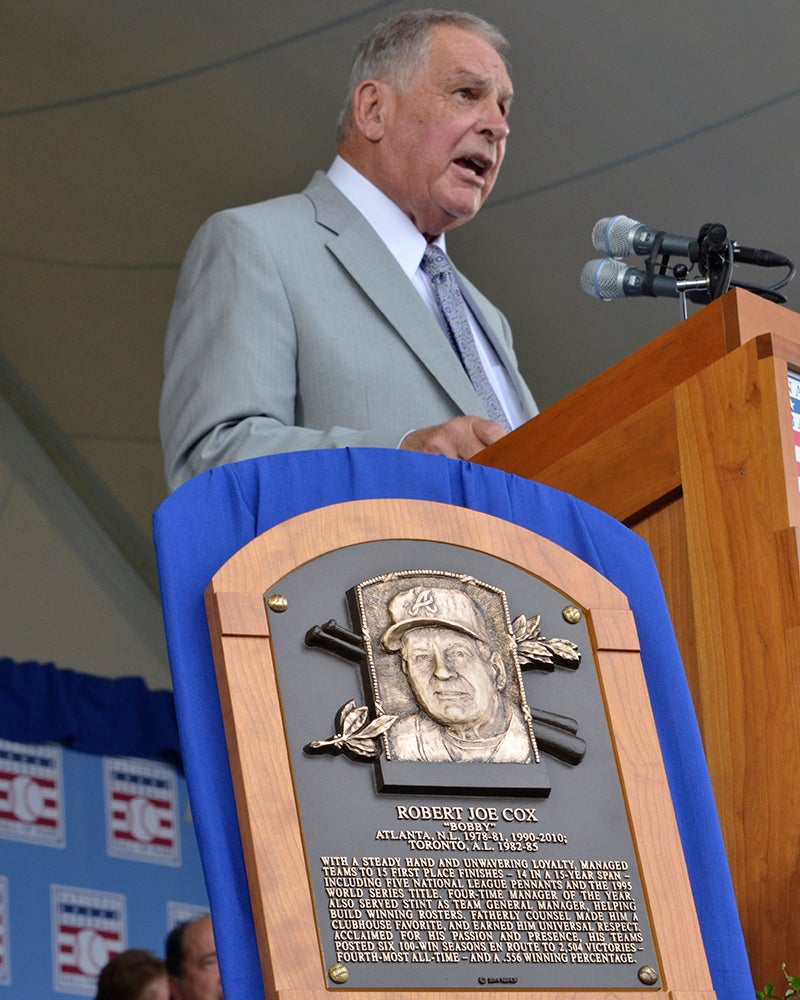
He was inducted into the Hall of Fame in 2014.
“(Cox) was the single greatest influence on me as a player, in terms of teaching the game, respecting the game, carrying yourself the right way on and off the field,” Hall of Fame pitcher Tom Glavine said. “All that stuff was important. He was very much like a fatherly figure in that regard.”