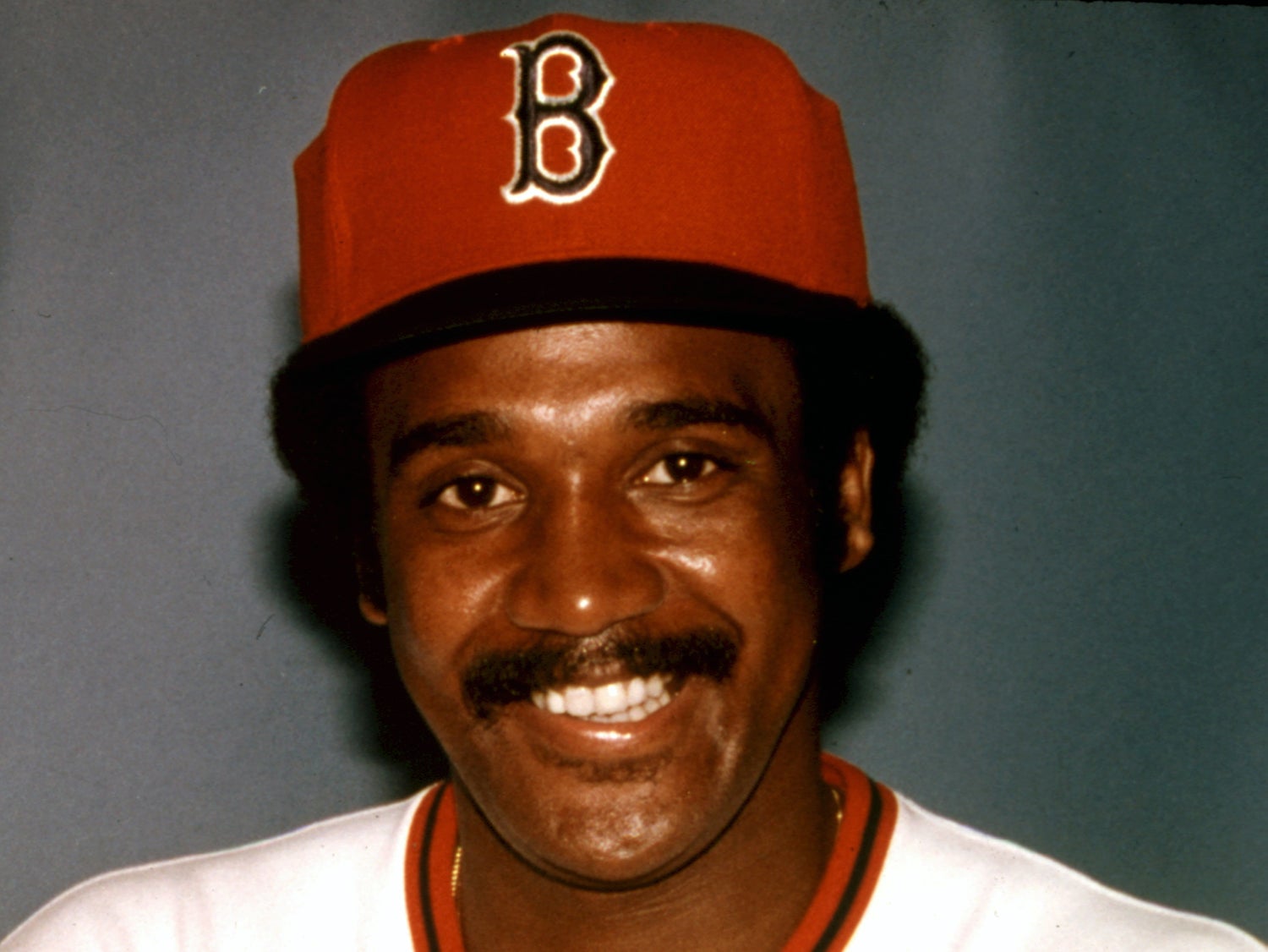
#CardCorner: 1975 Topps Rick Burleson
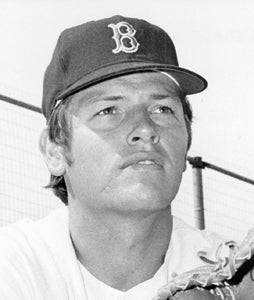
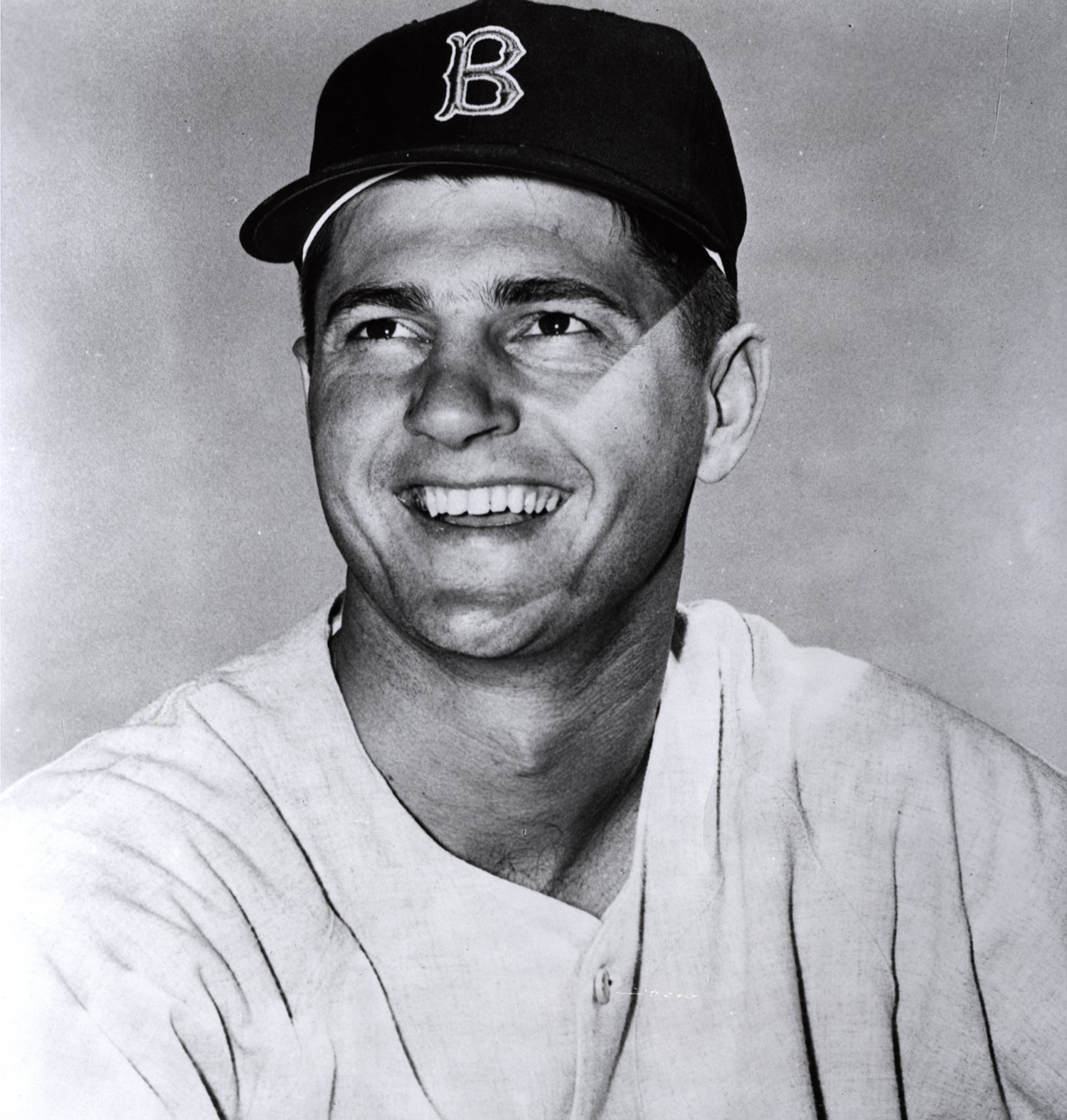
For eight seasons in the 1970s and early 1980s, Rick Burleson was considered one of the best – and toughest – shortstops in the game.
Multiple shoulder injuries derailed his career, but Burleson remains for many Red Sox fans the definition of what a middle infielder should be.
“I can name a hundred kids with the arm or legs that Burleson has,” Red Sox farm director Ed Kenney told The Boston Globe in 1975. “But they don’t put it together the way he does. The main reason he is in the major leagues today are his desire and determination.”
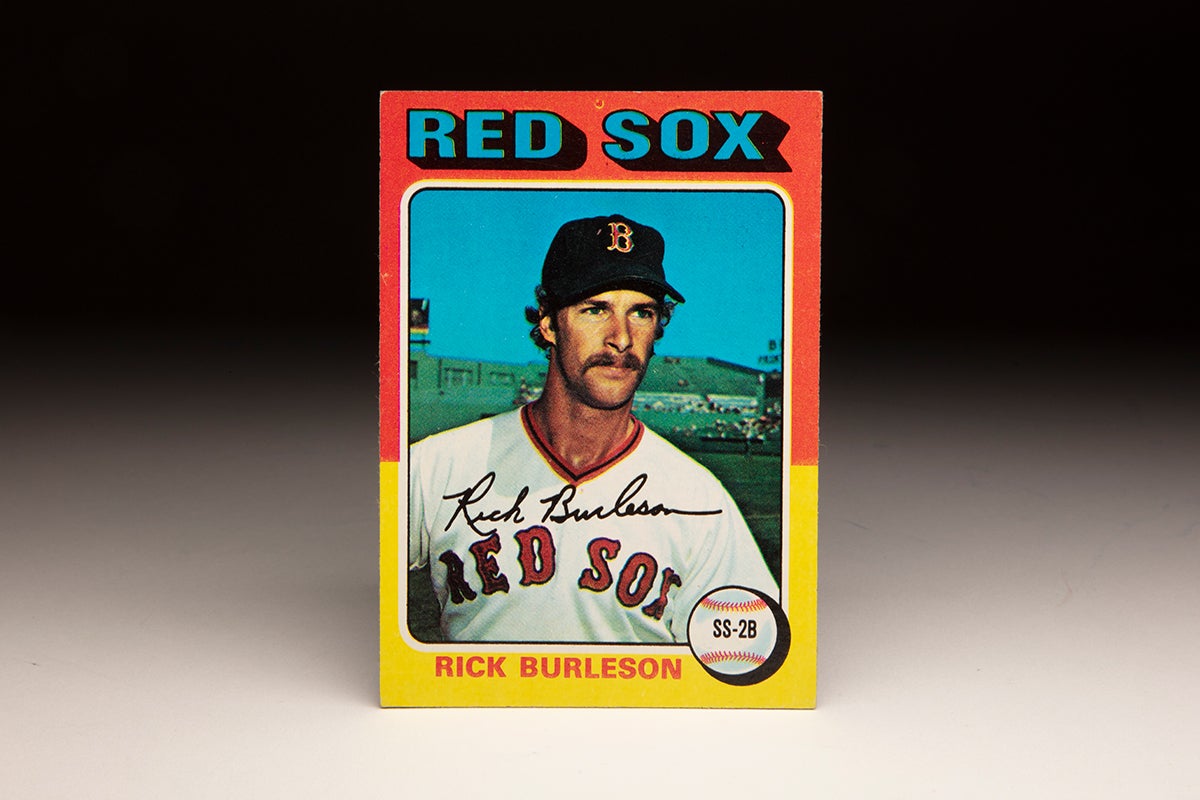
Born Richard Paul Burleson on April 29, 1951, in Lynwood, Calif., Burleson grew up in Downey – halfway between Los Angeles and Anaheim. Demonstrating leadership ability at a young age, Burleson – whose playing size in the majors was a modest 5-foot-10 and 165 pounds – was asked by his junior high principal in Downey to police a playground that was being ruled by bullies.
Burleson soon had things in order.
The shortstop on the 1969 Connie Mack League champions, Burleson was selected in the eighth round of the 1969 MLB June Draft by the Twins but opted instead to enroll at Cerritos Junior College near his home. After a semester there, Burleson was selected by the Red Sox with the fifth overall pick in the January 1970 MLB Draft for collegians.
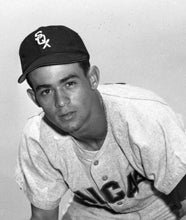
The Cardinals chose Bucky Dent with the pick after Burleson – and though Dent did not sign with St. Louis, his path would cross again with Burleson’s before the decade was done.
Burleson, meanwhile, signed with Boston and was sent to Class A Winter Haven of the Florida State League, where he hit .220 in 118 games while totaling 626 total chances at shortstop.
Burleson began the 1971 season with Class A Greenville of the Western Carolinas League but was soon promoted to Class A Winston-Salem. In 106 combined games, he hit .271 while establishing himself as a solid defender despite his average measurables.
“There were a lot of guys with more talent, but he just passed them,” Red Sox executive Haywood Sullivan told The Globe in 1975. “He’s just a hard-nosed kid who likes to win and who knows what it takes. He’s not the kind of guy who goes 3-for-4 in a loss and says, ‘Well, I’ve got mine.’”
The Red Sox promoted Burleson to Double-A Pawtucket in 1972, and Burleson hit .236 with a .335 on-base percentage while earning a spot on the Eastern League All-Star team.
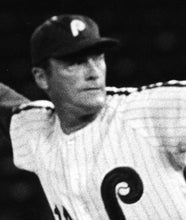
“He’s the type of guy that would hit .240 every branch of baseball he’d play,” Reading Phillies manager Jim Bunning said of Burleson, adding that he thought Burleson was the best shortstop in Double-A.
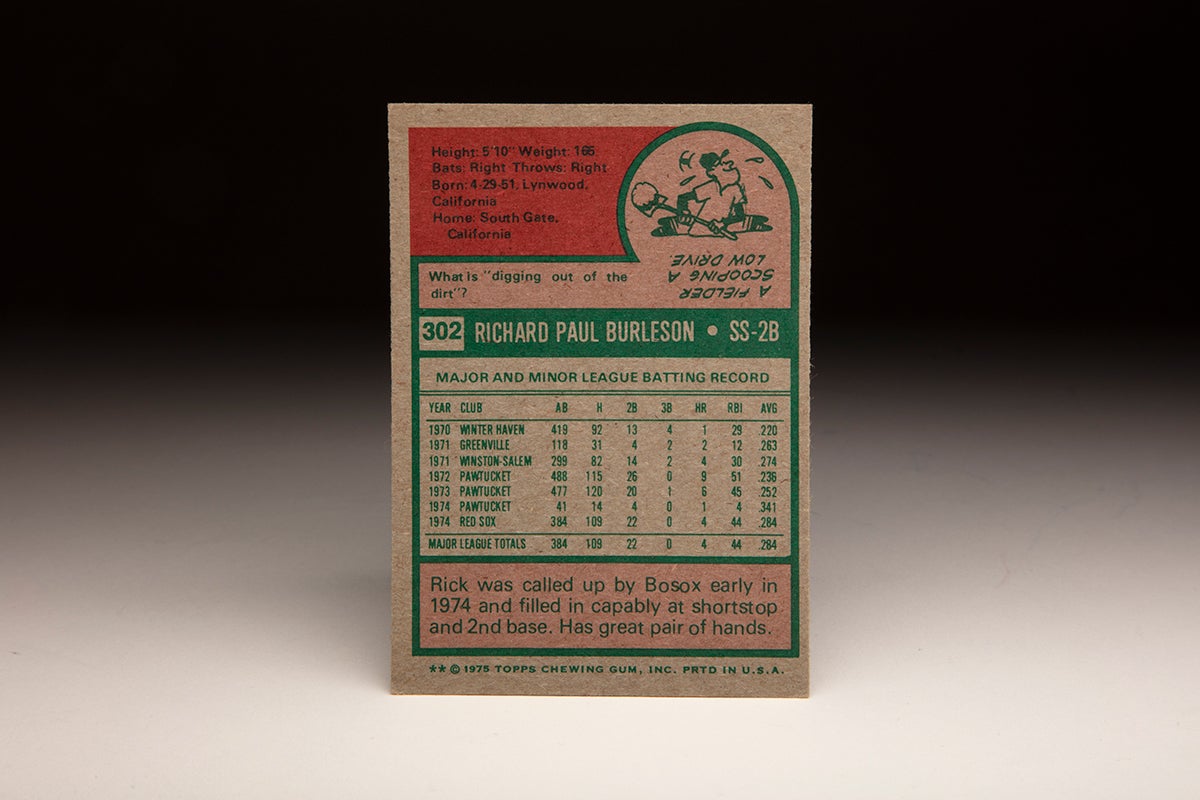
Pawtucket became the Red Sox’s Triple-A team in 1973, and Burleson – after spending Spring Training with the big league club – hit .252 in 146 International League games that year. Burleson played winter ball in Venezuela for manager Luis Aparicio, who had been the Red Sox’s starting shortstop for the past three seasons, and was advised by Aparicio to try a smaller glove to improve his fielding. But Burleson reverted to a bigger model in the spring of 1974.
“Balls I would get normally were bouncing off the glove,” Burleson told The Globe. “When I went back to the bigger glove (after the first month of the 1974 season), I got better.”
With Burleson and another youngster, Mario Guerrero, apparently ready at shortstop, the Red Sox released Aparicio on March 26, 1974. The Red Sox made Guerrero their starting shortstop and sent Burleson back to Pawtucket.
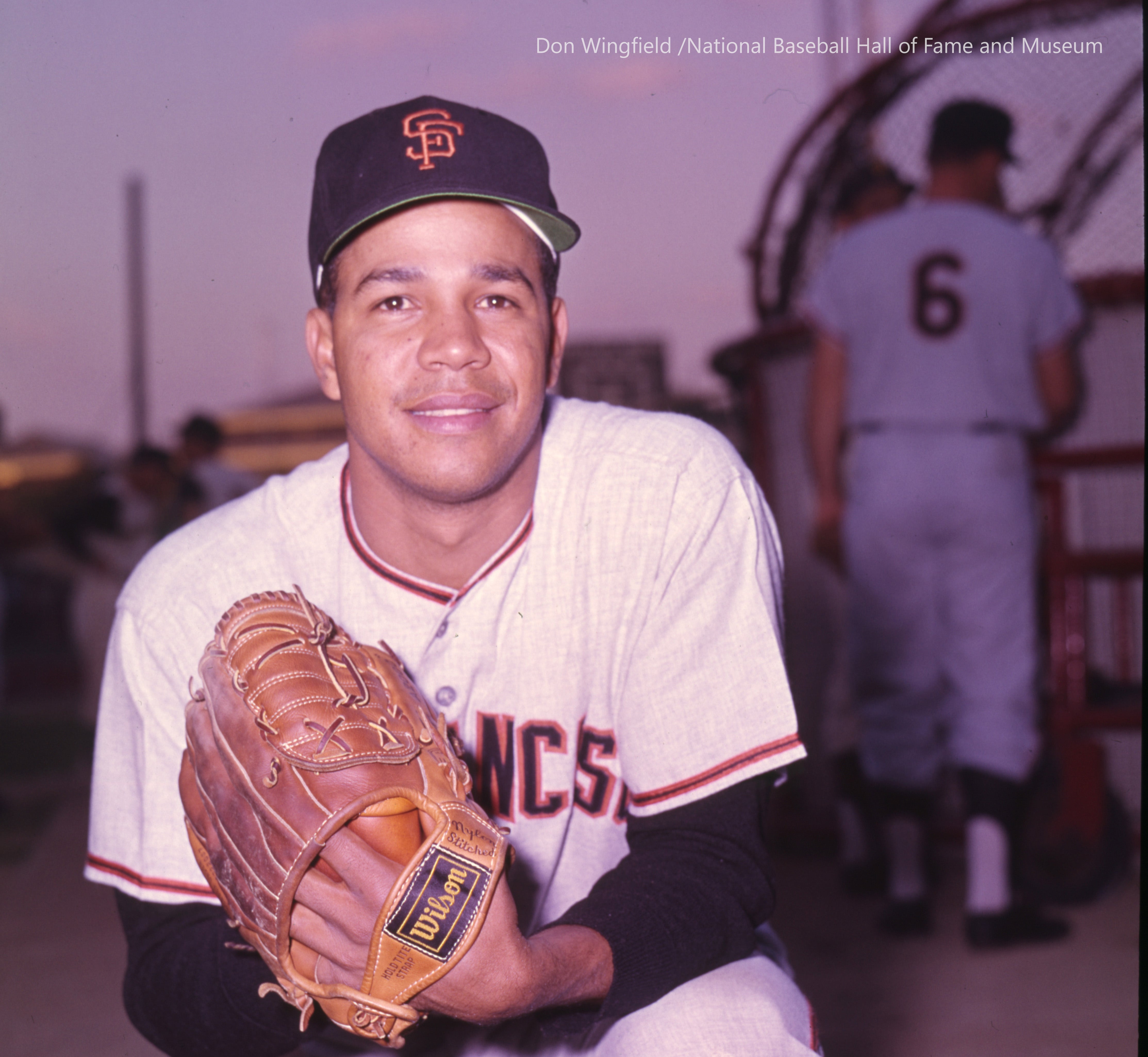
But with Guerrero hitting just .221 heading into May and Burleson batting .341 at Triple-A, the Red Sox brought Burleson to Boston. In an inauspicious debut on May 4 against Texas, Burleson tied an American League record by committing three errors in his first game – including a miscue on a Jeff Burroughs bunt that led to Texas’ only run in a 1-0 win.
A day later, however, Burleson redeemed himself with a three-run homer in the seventh inning that proved to be the difference in a 10-8 Boston win. The victory gave Juan Marichal his first American League win in his third start for the Red Sox.
Starting in June, Red Sox manager Darrell Johnson put Guerrero and Burleson in the lineup together, with Burleson at second base and Guerrero at short. This arrangement lasted until mid-July when Guerrero injured a knee, causing Johnson to move Burleson to shortstop.
Burleson finished the year batting .284 with 22 doubles, four homers and 44 RBI in 114 games while posting a .957 fielding percentage in 88 games at shortstop. He finished fourth in the American League Rookie of the Year balloting – two spots behind Dent, who was then with the White Sox.
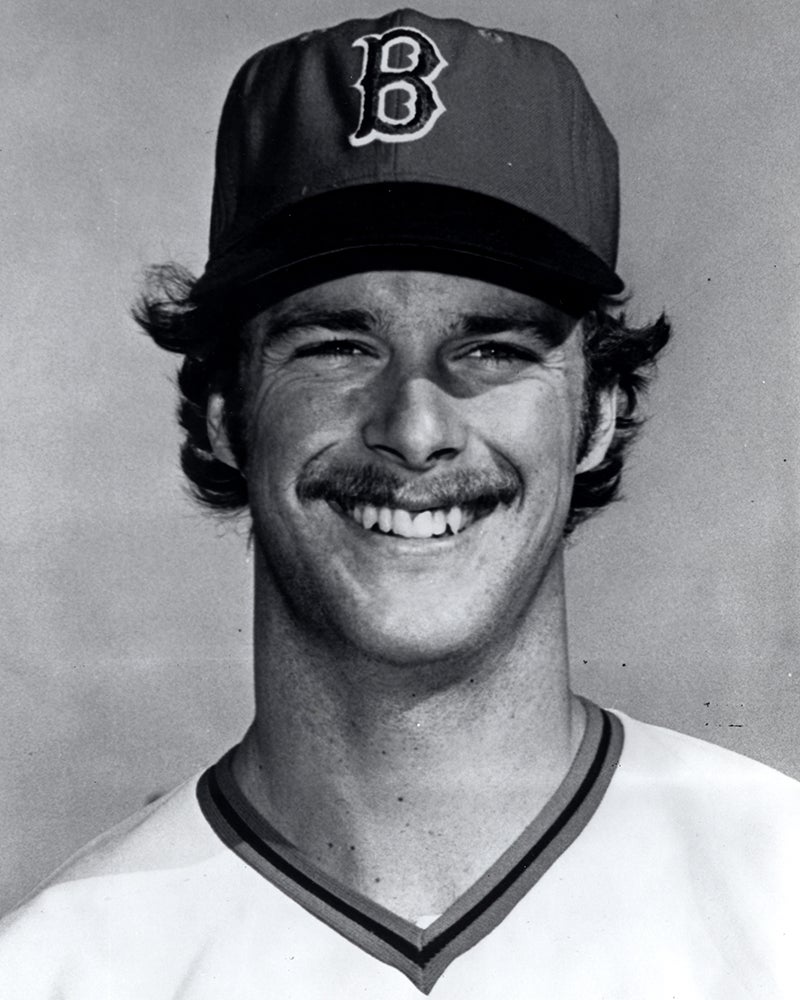
Burleson also played 31 games at second base in 1974, and from virtually the moment he took over at shortstop for the Red Sox, skeptics suggested his range might make him better at second. But Burleson – whose confident nature earned him the nickname “Rooster” – resisted that analysis.
“I want to stay at short because I think I’m one of the best all-around shortstops in the league,” Burleson told The Globe in 1977. “Defensively, there might be one better and offensively a couple with more power, but I don’t think there are any better all-around.
“After four or five more years at short, maybe then I could switch to second. But right now, somebody has got to be pretty good to take the job away from me.”
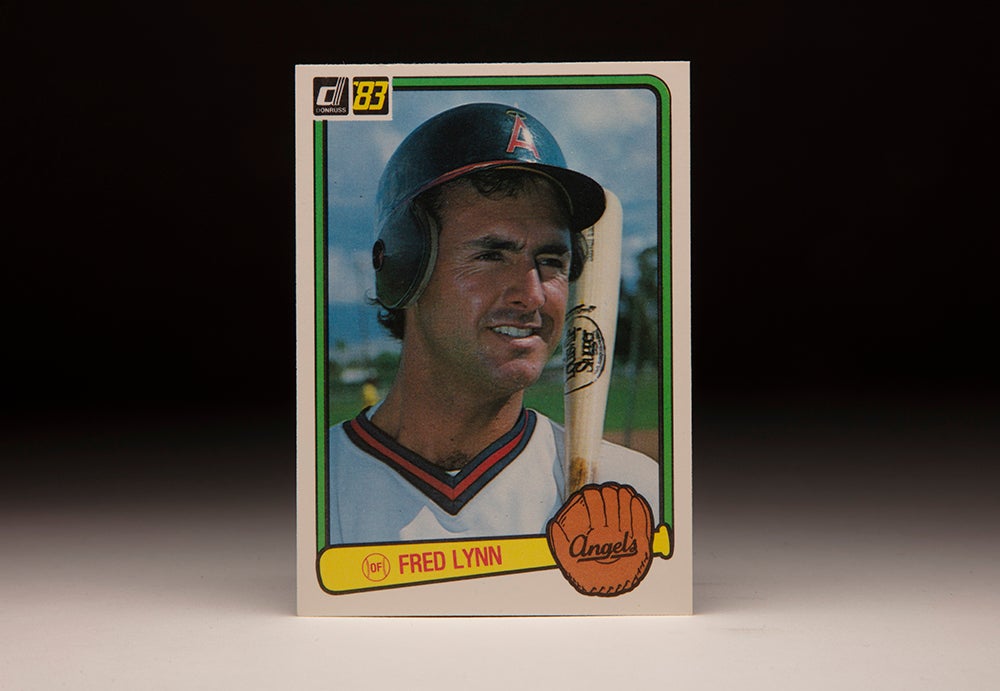
Nobody was going to do that in 1975. Making the first of six straight Opening Day starts at shortstop for Boston, Burleson hit safely in seven of his first eight games. His batting average remained above the .260 mark for most of the year until a late-season slump left him at .252 with 25 doubles, six home runs and 62 RBI. For someone who hit out of the seventh, eighth or ninth hole for most of the season, Burleson’s production – for that era – was considered much better than average. He finished 13th in the AL Most Valuable Player voting – the third best of any Red Sox player behind Fred Lynn (who won the award) and Jim Rice (who finished third).

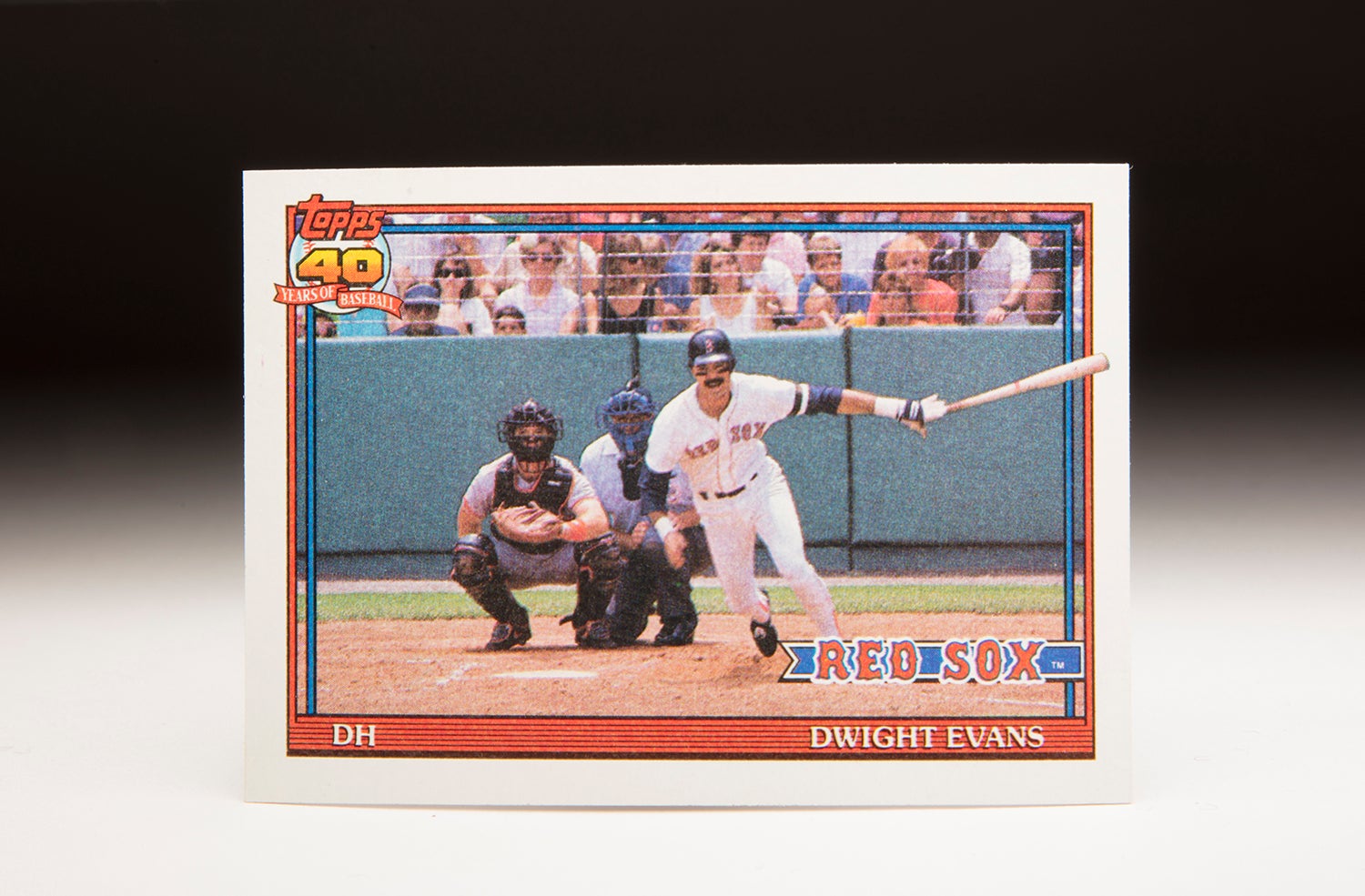
In the ALCS vs. the three-time defending World Series champion Athletics, Burleson helped Boston take control of Game 1 in the seventh inning. He doubled off Ken Holtzman to score Dwight Evans and give the Red Sox a 3-0 lead then scored on a Juan Beníquez single. Boston won that game 7-1 and took Game 2 by a score of 6-3 (Burleson had a single).
Then in Game 3, Burleson doubled with one out in the fifth against Holtzman (starting on just two days’ rest) and scored on a Denny Doyle single to give the Red Sox a 2-0 lead. And with Boston clinging to a 5-3 lead in the bottom of the eighth with runners on first and third and one out, Burleson started a double play on a Joe Rudi grounder that ended the threat.
The Red Sox wrapped up the 5-3 victory to sweep the series and advance to the Fall Classic.
“When we won these first two games against the A’s at (Fenway Park), we knew it would be just a matter of time before we won the series,” Burleson told the Associated Press. “But I was surprised we won it in three straight.”
Awaiting the Red Sox in the World Series were the powerful Cincinnati Reds, who had won 108 games in the regular season but had failed in two previous trips to the Fall Classic in the 1970s. What followed was a World Series that would be forever remembered for a Game 6 moment that gave Burleson a place in Cooperstown.
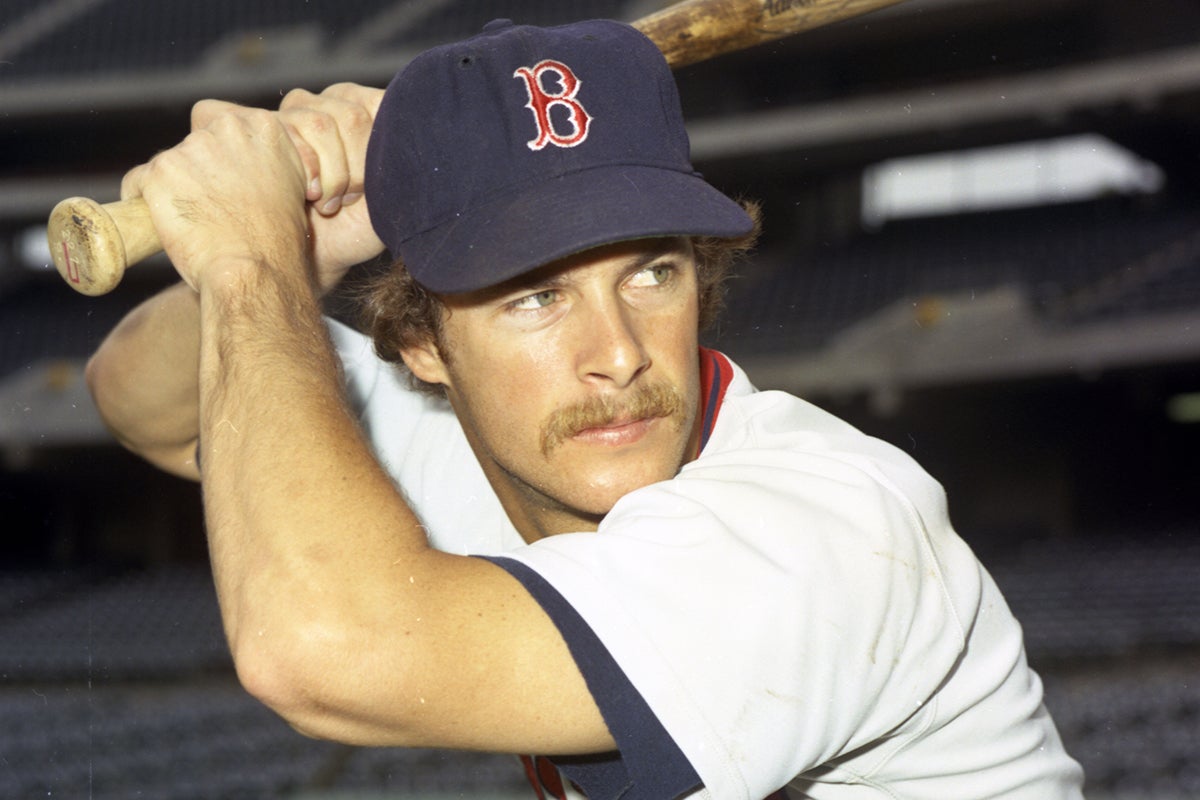
Burleson had three hits in Boston’s 6-0 win in Game 1. The Reds won the next game by a 3-2 score and followed with a 10-inning, 6-5 win in Game 3. The critical play came in the bottom of the 10th when – with César Gerónimo on first and no one out – Ed Armbrister laid down a bunt in front of the plate. Carlton Fisk grabbed the ball but was momentarily shielded by Armbrister, and Fisk’s throw to second base ticked off the glove of the leaping Burleson, putting runners on second and third. The Red Sox argued that Armbrister should have been called out for interference, but home plate umpire Larry Barnett ruled no interference occurred.
Merv Rettenmund followed with a strikeout but Joe Morgan singled Gerónimo home to give the Reds the victory.
The Red Sox bounced back to win Game 4 as Burleson had a hit, a run scored and an RBI – all coming in the fourth inning as Boston turned a 2-0 deficit into a 5-2 lead that would become a 5-4 victory.
The Reds, however, won Game 5 to move within one win of the title. After three days of rain in Boston delayed Game 6, the teams played a back-and-forth affair that saw Cincinnati take a 6-3 lead into the bottom of the eighth. After Fred Lynn and Rico Petrocelli reached base to start the frame, Dwight Evans fanned and Burleson hit a fly ball to left.
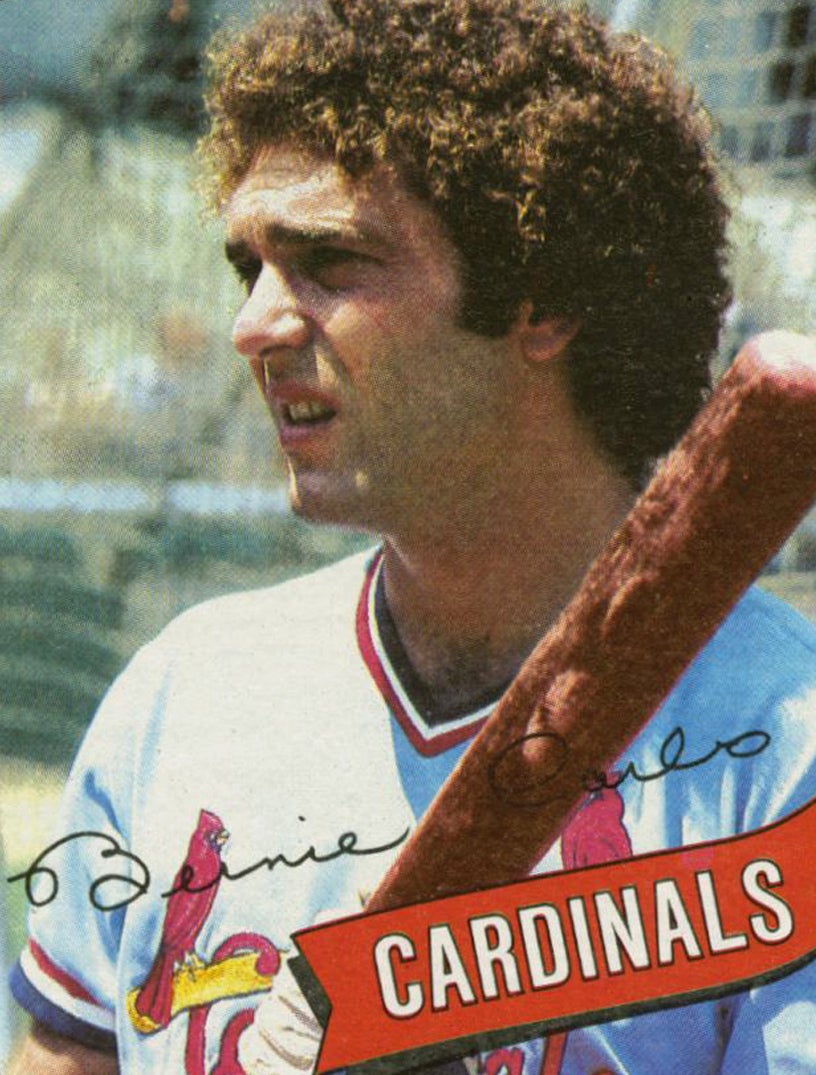
Bernie Carbo then stepped to the plate – pinch-hitting for pitcher Roger Moret – and hit a three-run homer to tie the game.
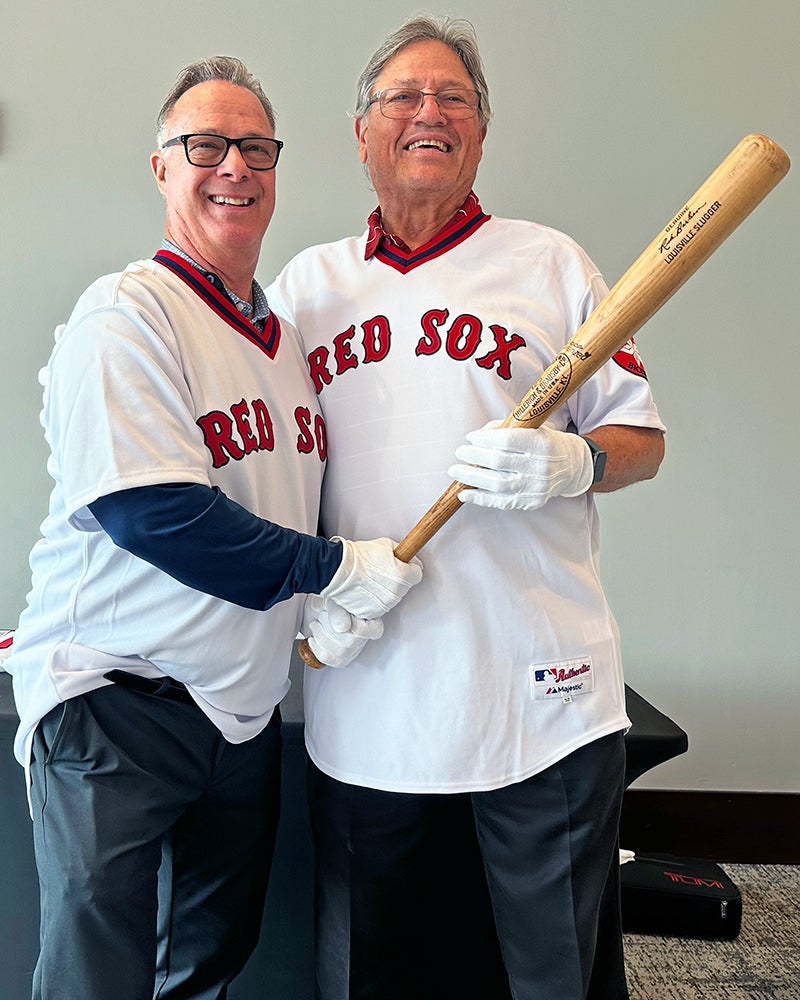
Finally, in the bottom of the 12th, Fisk was set to lead off against Pat Darcy. Exhausted from a long game and season, Fisk borrowed Burleson’s bat – a lighter model than his own.
“We used the same model bat, but I used the longer bat and the heavier bat,” Fisk told a Hall of Fame audience in 2015. “I had picked up my bat, and it just felt heavy. So I went over to Burleson and said, ‘Rooster, let me use your bat.’”
Two pitches later, Fisk blasted a home run off the Fenway Park foul pole. Fisk kept the bat – and today it is preserved in Cooperstown.
Fisk said Burleson never asked for the bat to be returned.
“And he wouldn’t have gotten it back even if he did,” Fisk said.
Game 7 proved to be another thriller as Boston took a 3-0 lead before Cincinnati rallied to win 4-3. Burleson finished the World Series batting .292 (7-for-24) with four walks and just one charged error.
Even without a World Series ring, Burleson was part of a young core of players – including Fred Lynn, Jim Rice and Fisk – that had the Red Sox positioned to be contenders for years. But Fisk, Lynn and Burleson all declined to sign their 1976 contracts following the December 1975 ruling that made Andy Messersmith and Dave McNally free agents.
With the threat of free agency looming, the Fenway Park fans were vocal in expressing their disappointment. But Fisk and Burleson both agreed to multi-year contracts on Aug. 3, 1976 – ending the saga.
“At least I know where I’m going to be for a couple years,” Burleson told The Globe. “I’d rather play for the Red Sox than any other team in baseball.”
Burleson hit .291 in 1976 with 27 doubles, seven homers, 42 RBI, 14 steals and 60 walks, while leading AL shortstops with 285 put outs. But the Red Sox were unable to repeat as AL East champions. Then in 1977, Burleson hit leadoff in each of his 154 games as the powerful Boston lineup blasted 213 home runs. Burleson led all MLB batters in at-bats (663) while hitting .293 with 36 doubles, seven triples, three homers, 52 RBI and 80 runs scored. He was named to his first All-Star Game and started for the AL at shortstop, helping the Red Sox win 97 games and finishing 22nd in the AL MVP vote.
But Boston fell two-and-a-half games short of the Yankees in the AL East.
The 1978 race would be even closer.
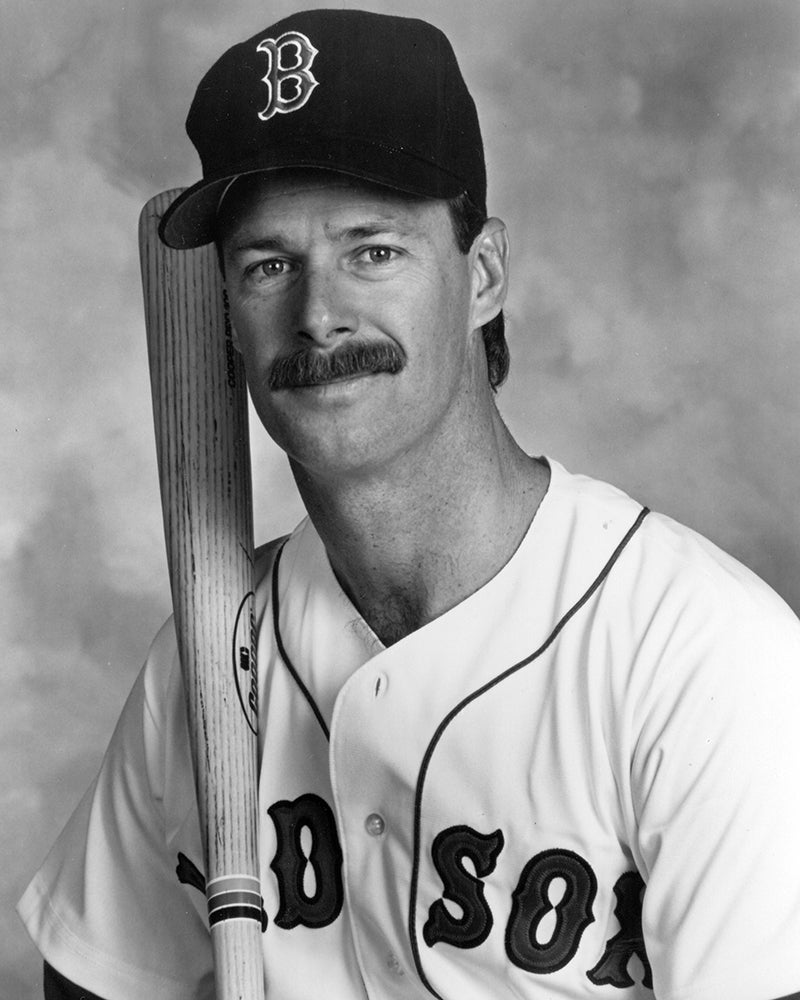
Burleson was part of a league-wide offensive slump in 1978, hitting just .248. But he still tallied 32 doubles, five triples, five homers and 49 RBI and made the All-Star team while helping Boston get out to a double-digit lead in the AL East.
The Yankees, however, recovered with a furious late-summer run, and the teams finished in a dead heat atop the division.
In a legendary one-game playoff on Oct. 2 at Fenway Park, Burleson doubled to lead off the sixth inning and scored on Rice’s single to give Boston a 2-0 lead. But in the top of the seventh, Bucky Dent – who was selected immediately after Burleson in the January 1970 Draft – hit a three-run home run to give New York the lead.
Then in the bottom of the ninth – with New York leading 5-4 – Burleson was once again at the center of the action. He drew a one-out walk off Goose Gossage, and Jerry Remy followed with a line drive to right field. Yankees outfielder Lou Piniella lost the ball in the blinding late-day sun, and the ball bounced just to the left of him. With a stabbing motion, Piniella stuck out his glove and snatched the ball with his arm fully extended.
The fact that Piniella momentarily lost the ball and then was able to catch it on a bounce forced Burleson to stop at second base. This proved to be pivotal when Rice followed with a fly ball to right that likely would have scored Burleson to tie the game. Instead, Burleson advanced to third base – and was stranded there when Carl Yastrzemski popped to third to end the game and the Red Sox’s season.
The Boston media bandied the question of Burleson’s decision to stop at second for months to come, noting that Red Sox third base coach Eddie Yost – who had the whole play in front of him – was waving Burleson to third base almost immediately.
“When Jerry hit the ball, I couldn’t go right away,” Burleson told The Globe. “I didn’t know if Piniella was going to catch the ball. Then I saw the expression on his face, saw that he didn’t know where the ball was, and I started running. When I turned, I saw he had the ball and it was too late.”
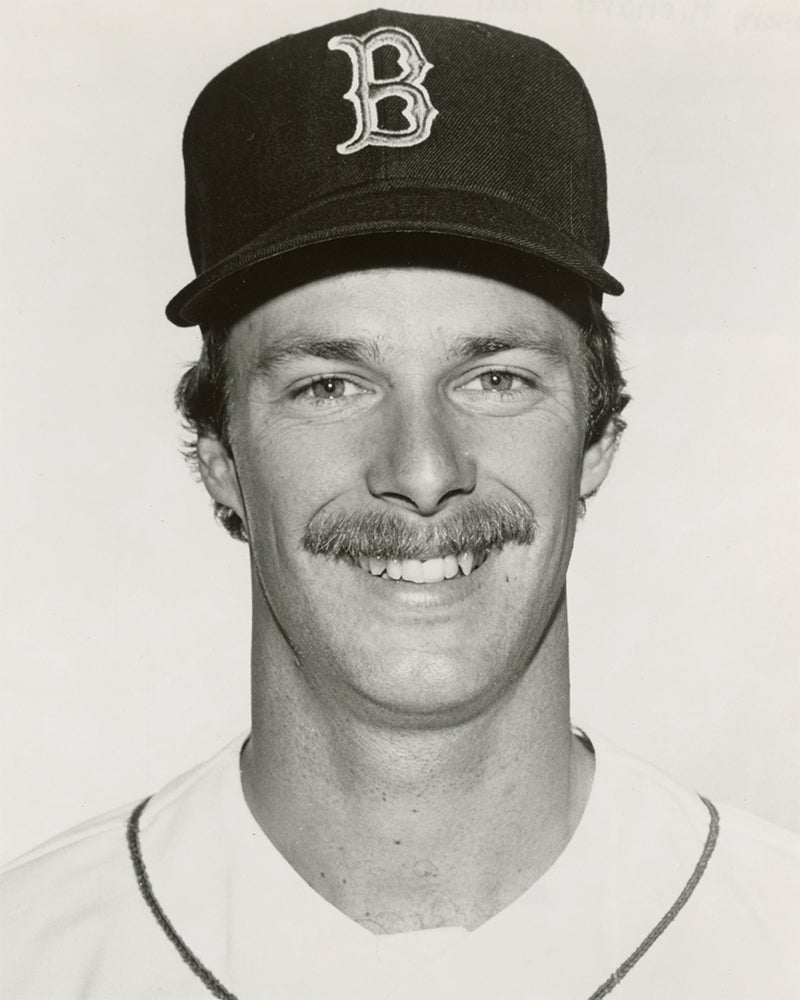
In 1979, the Red Sox won 91 games but finished third in the AL East. Burleson hit .278 with 93 runs scored, 32 doubles, five triples, five homers and 60 RBI while leading AL shortstops with a .980 fielding percentage. He won a Gold Glove Award, was named to the All-Star team and earned the team MVP award from the Boston chapter of the Baseball Writers’ Association of America.
In 1980, the Red Sox fell to 83-77 but Burleson remained on top of his game, batting .278 with 89 runs scored, 29 doubles, two triples, eight home runs, 51 RBI and 62 walks. He also led AL shortstops in assists (528), put outs (301) and double plays (147). He was again voted the Red Sox’s team Most Valuable Player.
Widely considered one of the best and most durable shortstops in the game, Burleson was looking for a new contract – the Red Sox held an option on his deal for 1981 – and was reportedly asking the Red Sox for a multi-year deal worth upwards of $800,000 per season. The Red Sox balked at that price, and with Burleson indicating he would become a free agent after the 1981 season, Boston traded Burleson to the Angels on Dec. 10, 1980 – a blockbuster deal that also sent Butch Hobson to California as the Angels returned Mark Clear, Carney Lansford and Rick Miller to Boston.
The Angels soon signed Burleson to a six-year deal worth $4.65 million – making him the highest-paid shortstop in history.
Burleson said that the Red Sox never made a serious attempt to sign him.
“I’m just glad I’m going to California,” Burleson told the AP.
Orioles manager Earl Weaver was glad Burleson was leaving the AL East.
“He’s the best shortstop in baseball,” Weaver told The Globe. “A trade for the best shortstop in baseball is a helluva trade.”
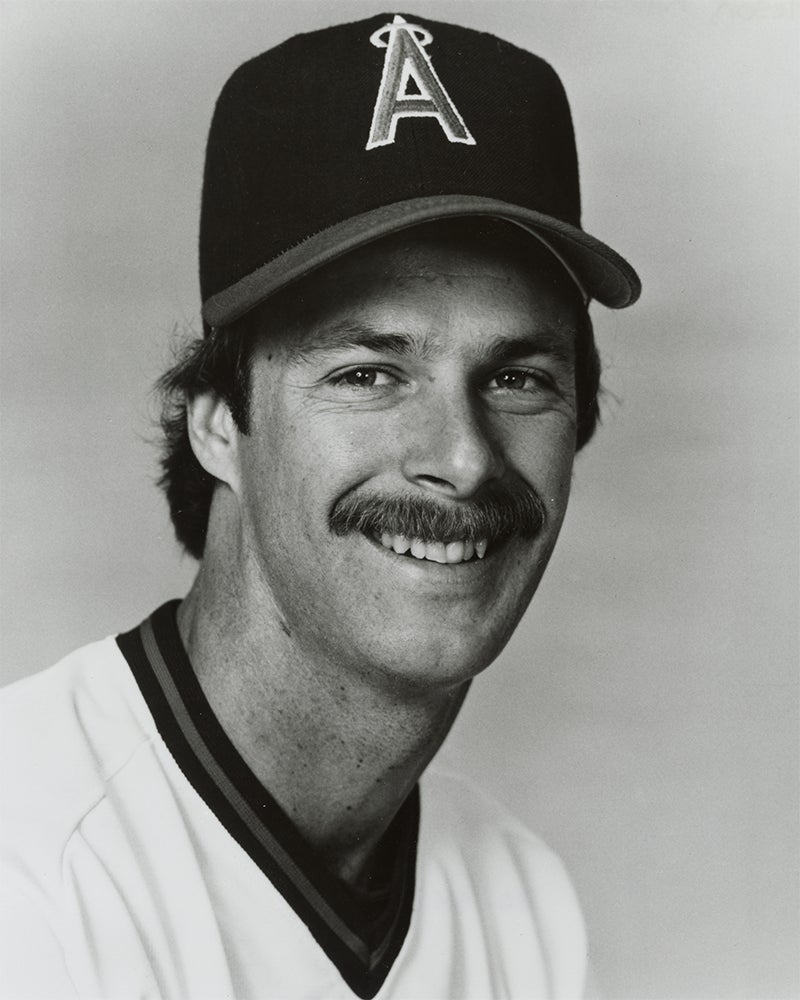
In 1981, Burleson turned in a typical season – batting .293 with 17 doubles, five homers and 33 RBI in an AL-leading 109 games in that strike-shortened season. He led AL shortstops in put outs, assists and double plays while earning a Silver Slugger Award and another All-Star Game selection. But the wear and tear of playing virtually every day in the big leagues for eight seasons began to take a toll on Burleson’s right arm.
Thus began a four-year saga where Burleson suffered setback after setback.
During an April 17, 1982, game against the Twins, Burleson made a throw from deep short and immediately felt pain in his right shoulder. He underwent rotator cuff surgery 10 days later – a procedure that, at the time, usually signaled the end of a career. He did not play in another game in 1982.
“Rick can’t even pick up his arm right now,” former teammate Dwight Evans told the Hartford Courant a few days after the injury. “He’s going to have to spend a lot of time at home. He’ll be like a caged-in lion wanting to come back.”
The rehab process lingered into 1983, and Burleson played his first game of that season on June 30. He appeared in 33 total contests that year – but rarely two games in a row. And though he batted .286, his arm was not responding.
“I’d never had a serious injury, never really sat out for any length of time before,” Burleson told the Los Angeles Times. “I thought I was OK at times (in 1983), but I really wasn’t. I tried to come back too soon. If I had sat out all of ’83, I’d have been in good shape for ’84.”
But during Spring Training in 1984, a new tear was discovered in Burleson’s right rotator cuff. He worked his way back to play in seven games at the end of the season – all of which came as a pinch-hitter or pinch-runner.
Then, on New Year's Eve, Burleson was working out in a gym when he dislocated his right shoulder while lifting weights. The accident also damaged a nerve, leaving him with diminished feeling in his hand.
Burleson missed all of 1985, calling some Angels games on TV while rehabbing his shoulder. In four seasons from 1982-85, Burleson played in just 51 games.
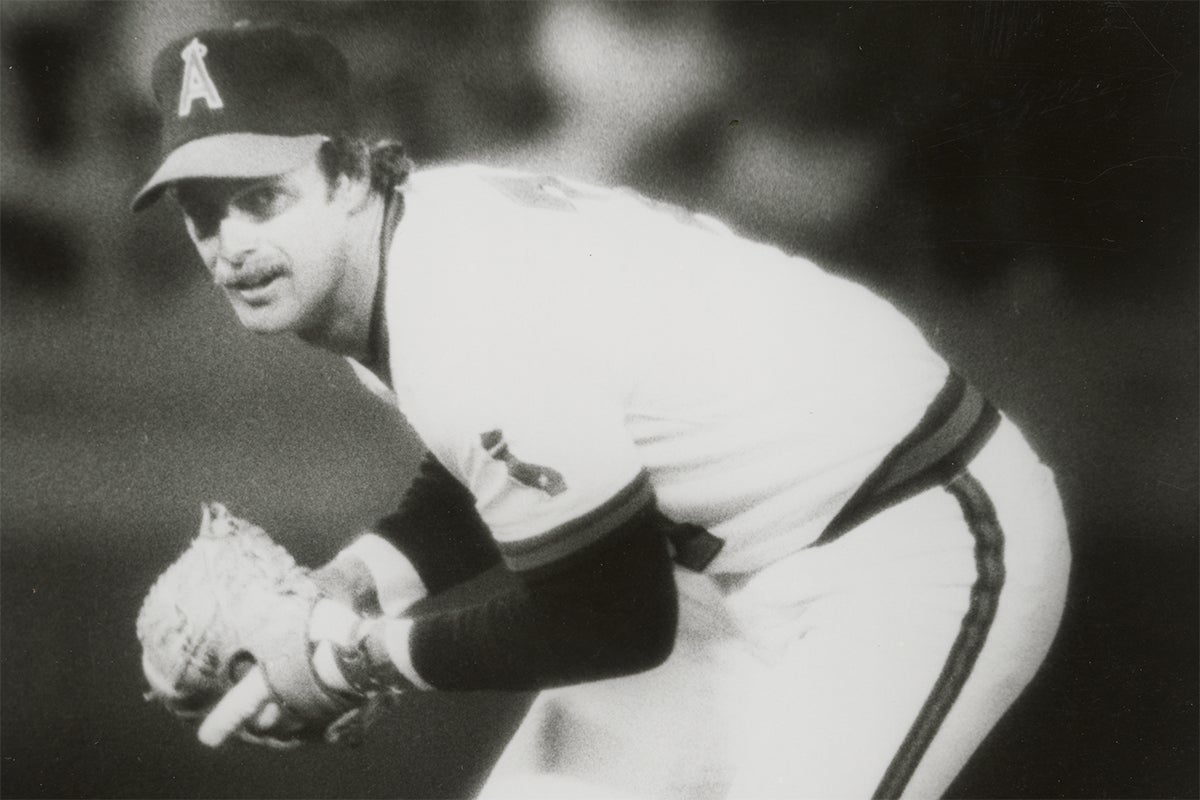
But by 1986, Burleson felt like he had a chance to become the Angels’ second baseman. He worked tirelessly, determined to give the Angels something in the last year of his contract.
“It would be one of the highlights of my career to come back after this long,” Burleson told the Los Angeles Times in Spring Training in 1986. “I mean, when I was traded here, I was really excited about the opportunity to play in front of my family and friends. Then we had the strike, then I got hurt. Nobody has really seen me.
“I feel that second base can be won if I can show I can play every day. I’m going to camp with the idea of being in the lineup, rather than sitting and filling a utility role. I’m ready for the challenge.”
Burleson was so good during the spring that he won the Opening Day shortstop job, pushing Dick Schofield – who had started at short the last two seasons – to the bench. But by mid-April, Schofield had regained the starting job and Burleson moved to a utility role.
Though he was not happy with the move to the bench, Burleson nevertheless helped the Angels win the AL West, batting .284 over 93 games with 14 doubles, five homers and 29 RBI.
Waiting for the Angels in the ALCS were the Red Sox, and Burleson appeared in four of the seven games against his former team – starting at DH in Game 2 and then at second base in the epic Game 5. Angels manager Gene Mauch pinch-hit for Burleson with Rob Wilfong in the seventh inning, and Wilfong’s double scored Devon White to give the Angels a 4-2 lead.
Wilfong later tied the game at 6 in the bottom of the ninth with an RBI single, but the Red Sox went on to win 7-6 to remain alive in the series. Boston won the next two games – with Burleson getting two hits in an 8-1 loss in Game 7.
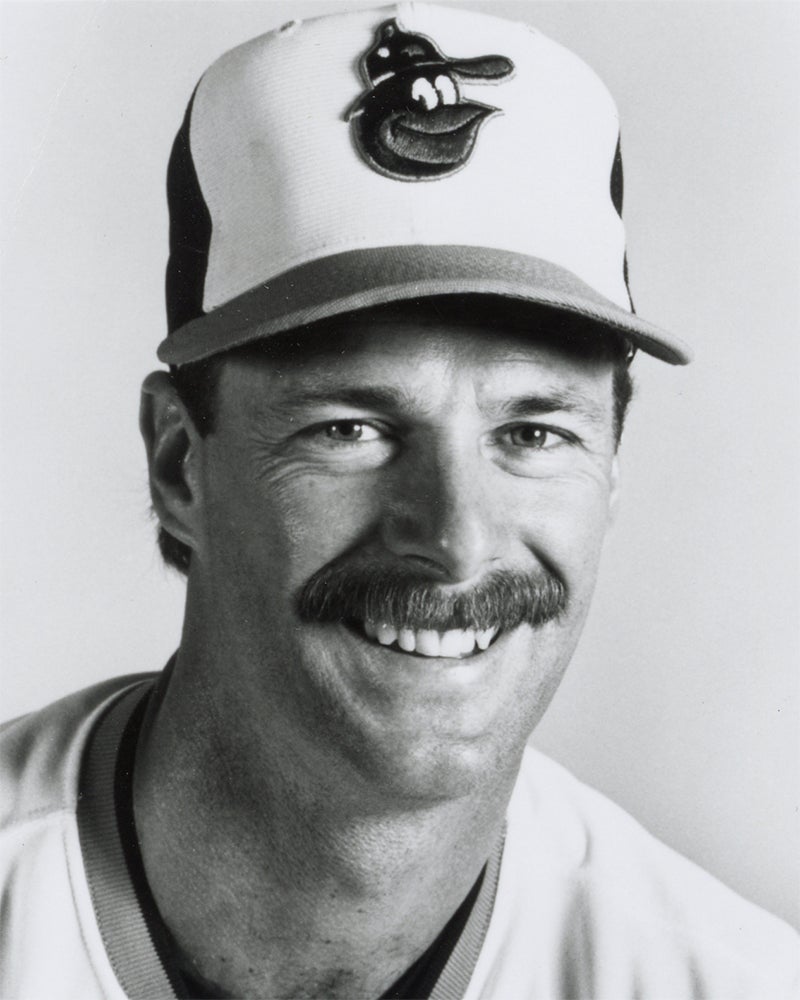
On Jan. 7, 1987, Burleson signed a one-year deal with the Orioles – with an option for 1988 that vested if he played in 100 games – worth a reported $440,000 with incentives.
“The Orioles haven’t told me where I’ll be playing, but I’m hoping to get a chance to play second (base),” Burleson told the Baltimore Sun. “I wanted to go to a team which was interested in winning, not rebuilding. I wanted to go to a team where I had a chance to play.”
But under new manager Cal Ripken Sr., the Orioles sunk to 67-95 – their most losses since 1955. Burleson was the Opening Day starter at second base but could not find his footing at the plate.
He was hitting .209 with 14 doubles, two homers and 14 RBI through 62 games when the Orioles released him on July 11. He would not play in the major leagues again.
Burleson quickly transitioned to his post-playing career, joining the Athletics’ organization in 1989 and becoming a coach for manager Tony La Russa in 1991. He joined former Red Sox teammate Butch Hobson’s coaching staff in 1992 in Boston as the team’s hitting coach before becoming the team’s third base coach the following year.
In 1995, Burleson became the Angels’ third base coach under manager Marcel Lachemann, who was starting his first full year as the team’s skipper. Burleson returned to that position in 1996 – a trying year that saw Lachemann fired en route to 91 losses for the Angels.
“I’ll take some blame,” Burleson told the Los Angeles Times about the Angels’ struggles in 1996. “To put it all on the manager (Marcel Lachemann) is a cop-out. We’re all in this mess together, and the answer isn’t to let him go.”
But with Lachemann gone, Burleson moved onto the Mariners and became a minor league manager. He spent the next 11 seasons at different minor league levels with the Mariners, Dodgers and Reds, reaching Triple-A Louisville in 2003 and 2004 but mostly managing Class A or Rookie League ball. He later coached in the minors with the Diamondbacks.
In 13 seasons as a player, Burleson hit .273 with 1,401 hits, 256 doubles, 50 homers and 449 RBI. But the numbers tell only part of the story of a shortstop whose determination and will made him one of the most respected players in the game.
Underneath that intensity, however, lived a love for the game to which he dedicated his career.
“The only way I’ll ever quit,” Burleson told the Los Angeles Times in 1986, “is if it isn’t fun.”
Craig Muder is the director of communications for the National Baseball Hall of Fame and Museum