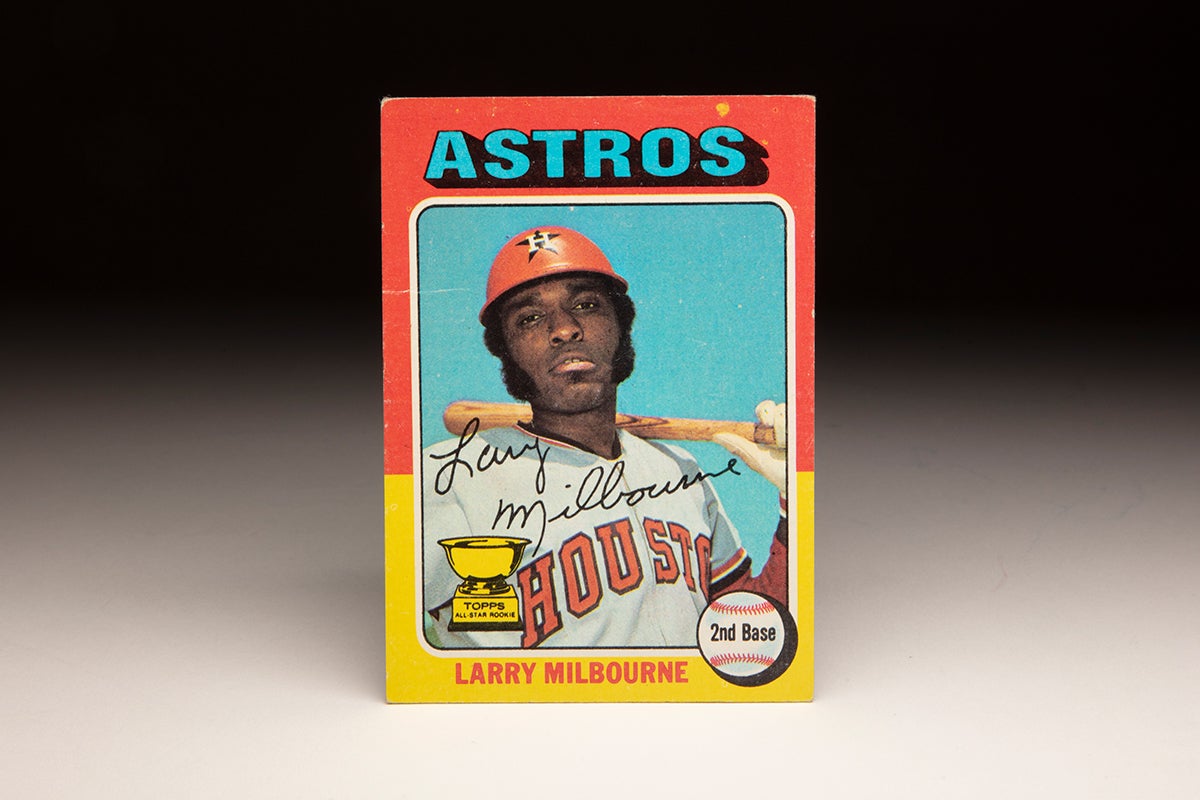
#CardCorner: 1975 Topps Larry Milbourne
Until Mike Trout’s eighth season with the Angels, Larry Milbourne held the distinction of playing in the most MLB games for any graduate of Millville (N.J.) Senior High School.
And while Trout is now the most famous baseball alumnus of the school, Milbourne carved out a respectable 11-year big league career where he was often involved in some of the most unique transactions of his era.
Born on Valentine’s Day 1951 in Port Norris, N.J., Lawrence William Milbourne came of age in a baseball family. His father, Paul, was an accomplished amateur player who tried out with the Philadelphia Stars of the Negro National League and was friends with Hall of Famer Monte Irvin.
By the time he was a sophomore at Millville Senior High School, Milbourne was playing regularly for the baseball team. He hit .333 as a junior and improved to .439 as the team’s shortstop in 1969 as a senior, drawing interest from big league scouts while being named all-state.
On June 18, 1969, the freshly graduated Milbourne signed as an amateur free agent with the Baltimore Orioles, who sent him to Bluefield of the Appalachian League. Milbourne hit .305 with 49 runs scored and 10 steals in 69 games.
But due to what Milbourne described to the Millville Daily as a questionable attitude and “a bad head,” he drew his release from the Orioles on April 7, 1970.
Milbourne soon enrolled at Cumberland County College (now a part of Rowan College of South Jersey) and worked in a glass factory before giving the pros another shot and signing with the San Francisco Giants on April 2, 1971.
“You really appreciate how good baseball is after you’ve worked in a factory for a while,” Milbourne told the Tulsa World in 1973.
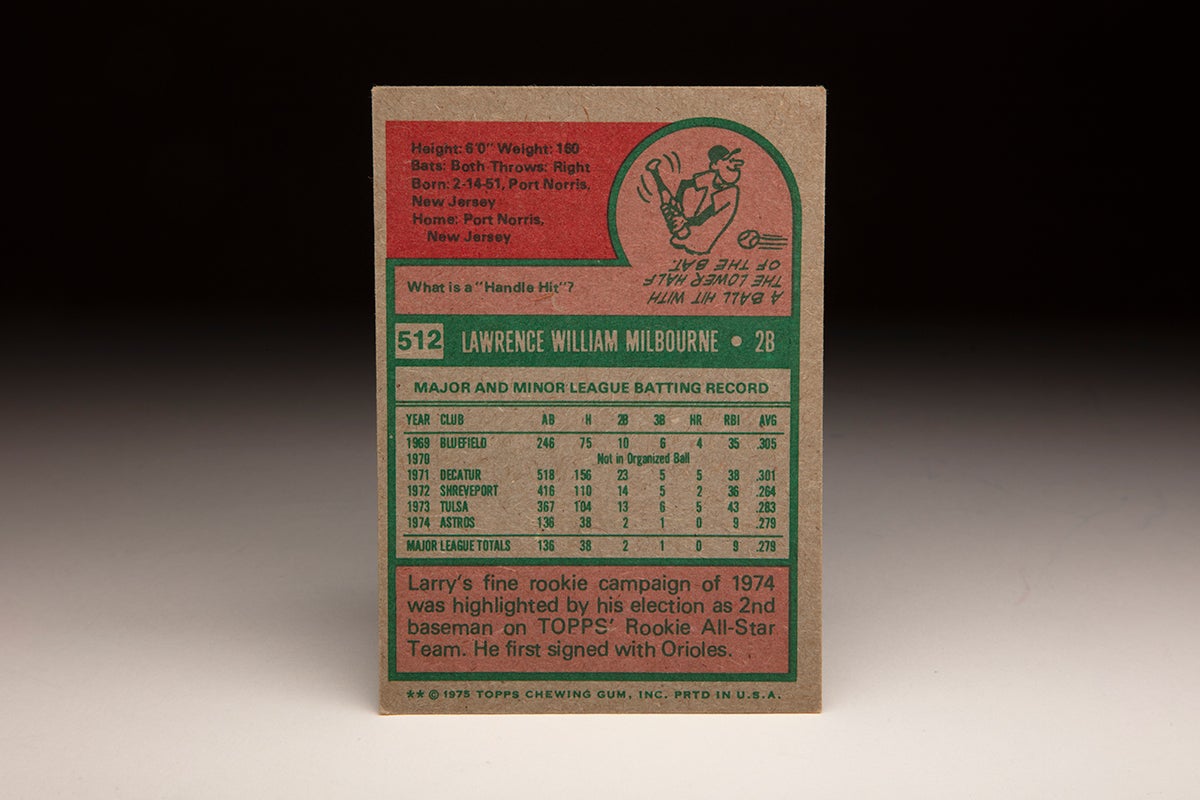
Milbourne played the 1971 season with the Decatur Commodores of the Class A Midwest League, where he hit .301 with 21 steals in 123 games.
That fall, Milbourne was selected by the Angels in the minor league draft. It would be the first of three straight years where Milbourne was drafted in the offseason as teams took a chance on his athleticism and versatility.
In 1972, Milbourne appeared in 122 games for Shreveport of the Double-A Texas League, batting .264 with 15 steals while playing all of his contests at second base. The Cardinals then took Milbourne in the minor league draft 365 days after the Angels did, and St. Louis assigned him to Triple-A Tulsa of the American Association.
“I guess it’s because I’m a tense player,” Milbourne told the Tulsa World about why he thought the Angels exposed him to the minor league draft. “I let the little things get to me.”
Milbourne hit .283 for the Oilers and appeared ready for a shot at the big leagues as the Cardinals sent him to the Florida Instructional League following the season, where the natural right-hander learned to switch-hit.
But the Cardinals couldn’t find room for Milbourne on their 40-man roster that December, and the Astros selected him in the Rule 5 Draft. Faced with the choice of keeping Milbourne on their roster for the whole season or having to offer him back to the Cardinals, the Astros made Milbourne their utility infielder for the 1974 campaign.
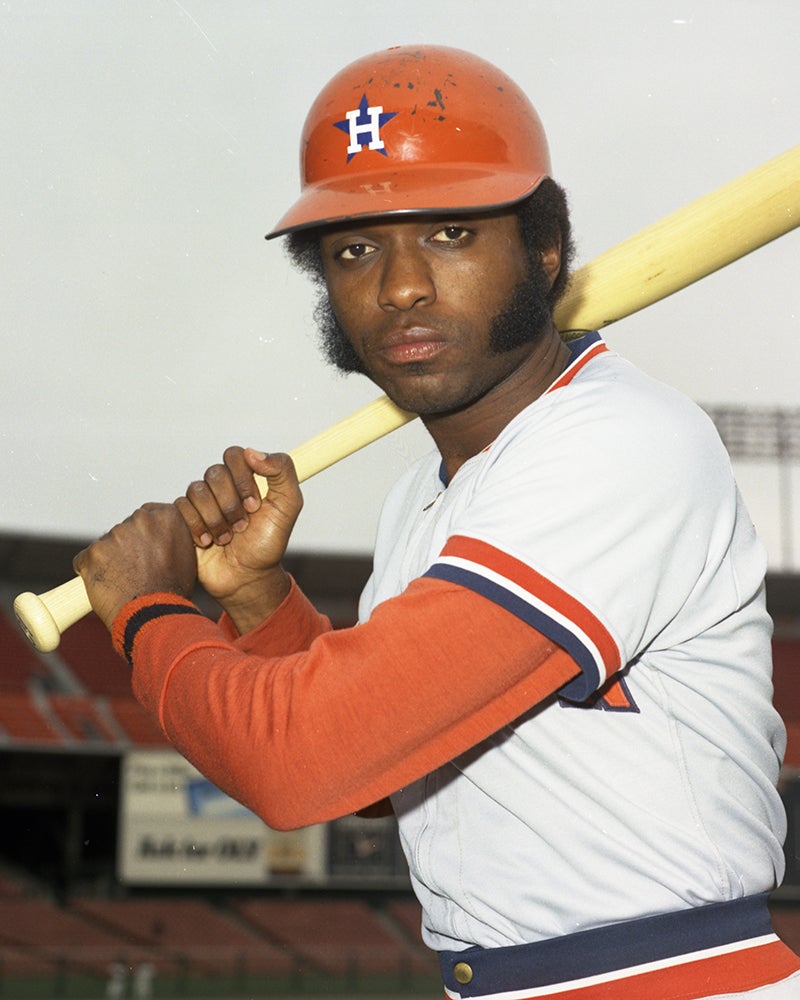
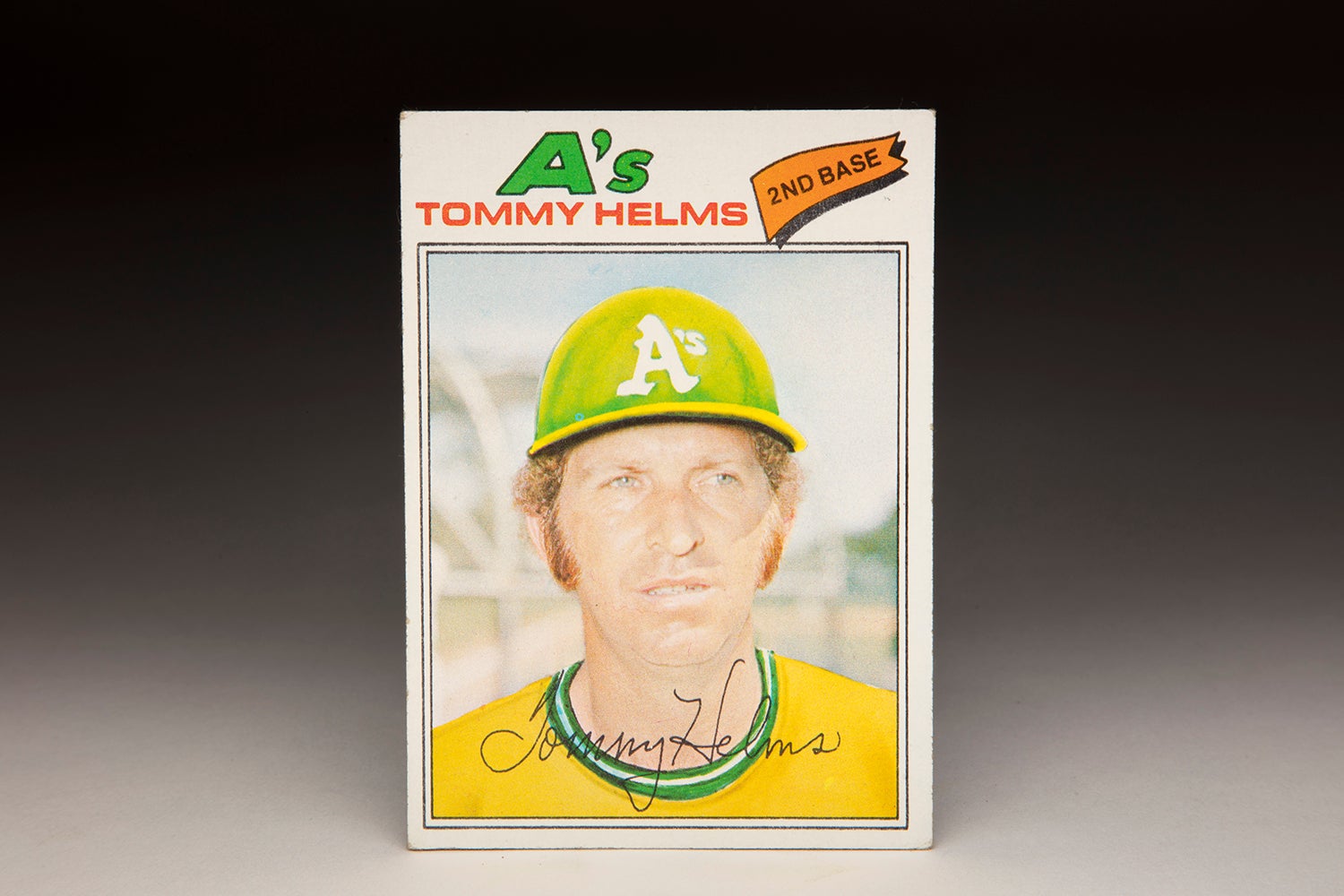
On April 6, Milbourne debuted as a pinch-runner for Tommy Helms and then replaced Helms at second base for the final three innings of the Astros’ game against the Giants. Five days later, Milbourne made his first start and collected his first hit – an RBI single off Joe McIntosh – in a 9-1 win over the Padres.
He played 112 games that year, including 33 starts (29 coming at second base), and batted .279 with 31 runs scored in 148 plate appearances. Milbourne was selected to the Topps Major League Rookie All-Star Team following the season.
Milbourne then played winter ball in the Dominican Republic.
“I went there to work on switch-hitting, stealing bases and my overall game,” Milbourne told the Millville Daily. “I feel that winter ball gave me a big jump on Helms and (Rob Andrews) for the starting (second base) job (in 1975).”
But despite Helms transitioning into a bench role in 1975, Milbourne did not see regular starting assignments. Rob Andrews, who was acquired from the Orioles following the 1974 season, got the bulk of the work at second base as Milbourne hit .212 in 73 games between stints for Triple-A Iowa.
In 1976, however, Milbourne won the Opening Day job at second base. He was hitting .295 through April but slumped in May, leading the Astros to recall Andrews from Triple-A and put him in the starting lineup. Milbourne then reprised his utility role before being sent to Triple-A in June, where he hit .325 in 71 games for the Memphis Blues before being recalled in September.
“(Astros manager) Bill Virdon called me into his office and said I wasn’t covering enough ground (at second base),” Milbourne told the Bridgeton (N.J.) Evening News. “That’s when they told me they were going to bring up Andrews. They said he could cover more range. I think they really wanted him to play anyway.”
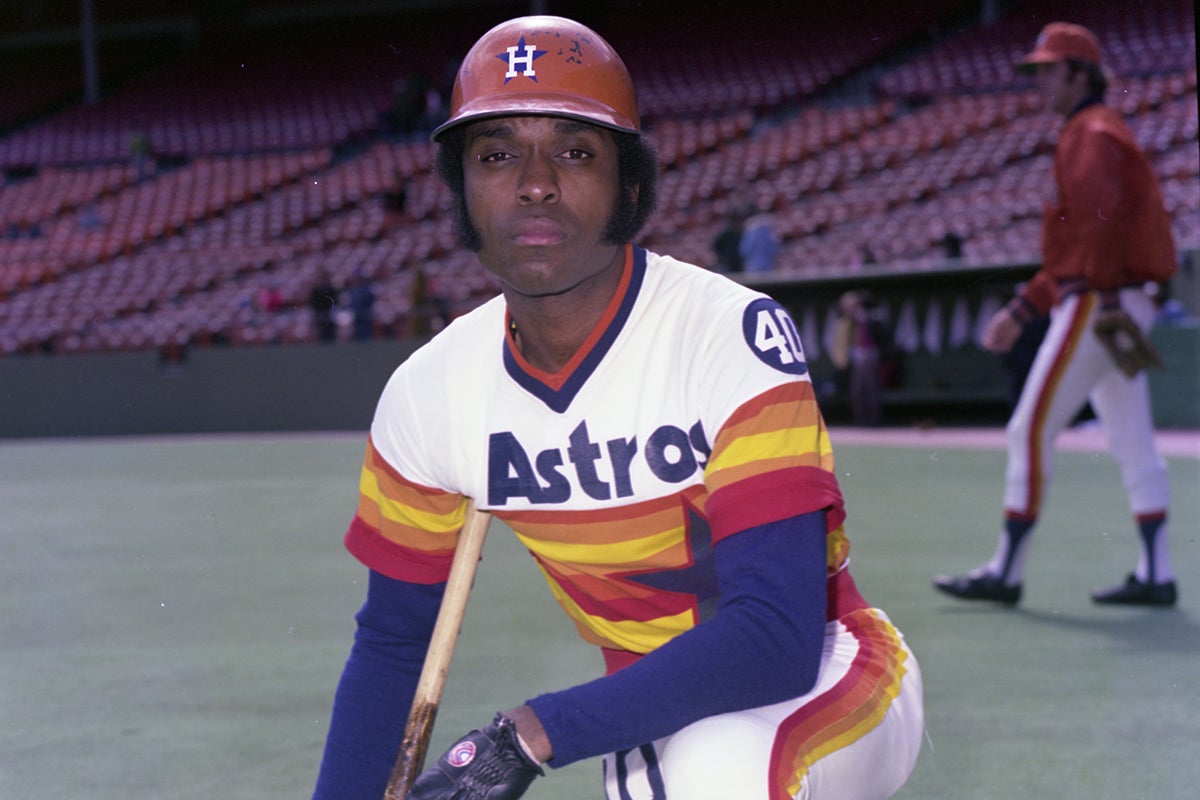
Milbourne already had his eye on his next stop – even before he was sent to Triple-A. With Seattle and Toronto set to debut in 1977, Milbourne saw the opportunity that would eventually take him out of Houston.
“I just want to go where I can play,” Milbourne told the Evening News. “They’re not going to keep both of us (himself and Andrews). One of us will be traded and it will be me.”
Milbourne proved correct when the Astros sent him to the Mariners on March 30, 1977, in exchange for pitcher Roy Thomas. Seattle put Milbourne into the lineup at second base starting in the second game of the season. And in the franchise’s third game on April 8 vs. the Angels, Milbourne doubled off John Verhoeven in the bottom of the ninth to score José Báez and give the Mariners their first American League victory.
“I think this victory got us over the hump,” Milbourne told the Associated Press of the 7-6 win, which followed two shutouts at the hands of the Angels as Frank Tanana and Nolan Ryan started on the mound for California. “After the first two games where we didn’t get any runs, we were kind of wondering whether we ever would.”
Milbourne and Báez shared the second base duties for much of the 1977 season, with Milbourne batting .219 over 86 games. The following season, Milbourne assumed more of a utility role, making a combined 57 starts at second, shortstop, third base and DH while also pinch-running 25 times. He hit just .226 in his 93 games but fanned only six times over 247 plate appearances.
No player with at least 200 plate appearances had struck out as few times in one season since 1962.
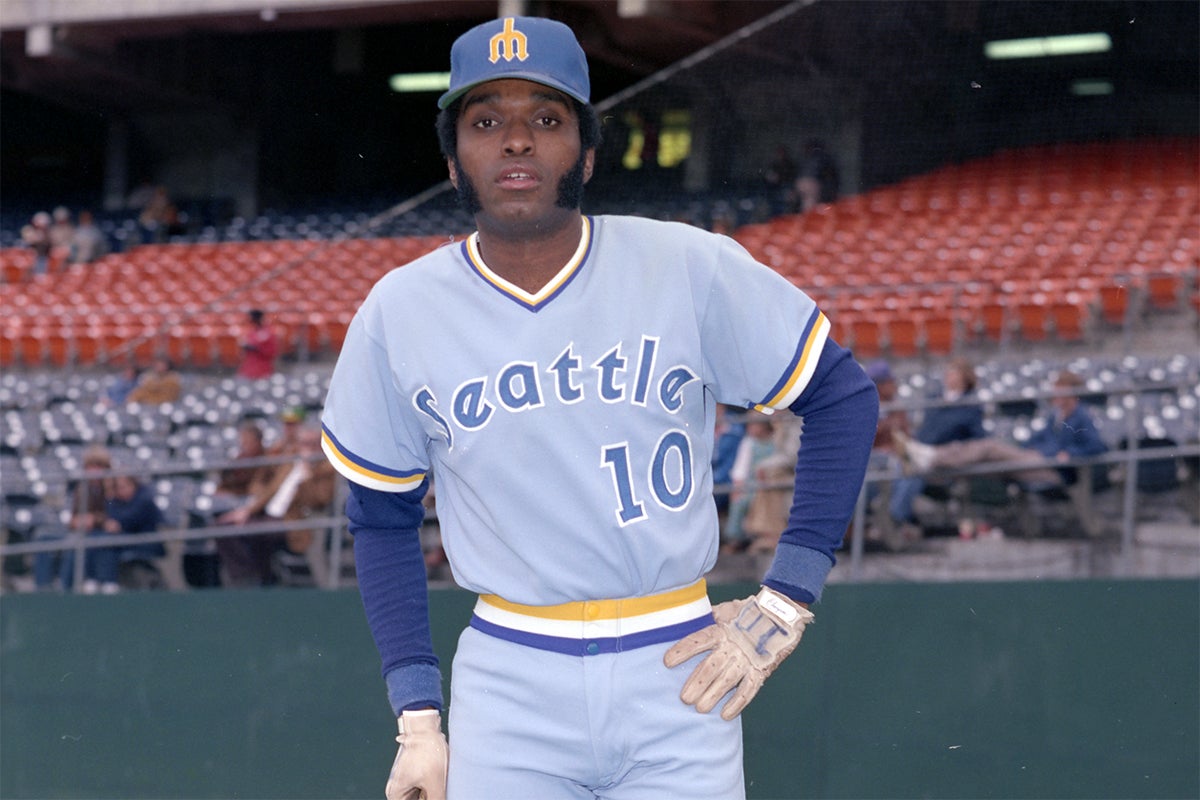
Milbourne also hit the first grand slam of his life on July 15 against Cleveland – a game where he hit the only two home runs of that season, one right-handed and the other left-handed.
“That’s the first time since I’ve been playing baseball that I’ve ever had a slam, and that includes Pony League, Babe Ruth (League), everything,” Milbourne told the Tacoma News Tribune. “After that one, I was just floating.”
Milbourne spent much of the summer of 1979 as the Mariners’ starting second baseman while Julio Cruz – who stole 59 bases in 1978 – recovered from a thumb injury. For the season, Milbourne played in 123 games while batting .278 with 13 doubles, 40 runs scored and 26 RBI. He also batted .400 as a pinch-hitter.
Milbourne attributed his improved play to his newfound Christian beliefs and to work with Mariners coach Vada Pinson – whom Milbourne credited for the rest of his career with helping him embrace the role as a utility player.
“Religion has helped me on and off the field,” Milbourne told the Everett (Wash.) Daily Herald. “If you don’t have mental toughness, it is hard to play the game.”
Milbourne also realized that in baseball’s young free agency era, his value as a utility player was growing.
“I want some security,” Milbourne told the Daily Herald. “I want a three- or four-year contract. I want more money.”
The Mariners agreed with Milbourne and gave him a three-year contract worth more than $200,000 that would take him through the 1982 campaign. But after Milbourne hit .264 with 31 runs scored and 26 RBI in 106 games in 1980, the Mariners decided to go in a different direction.
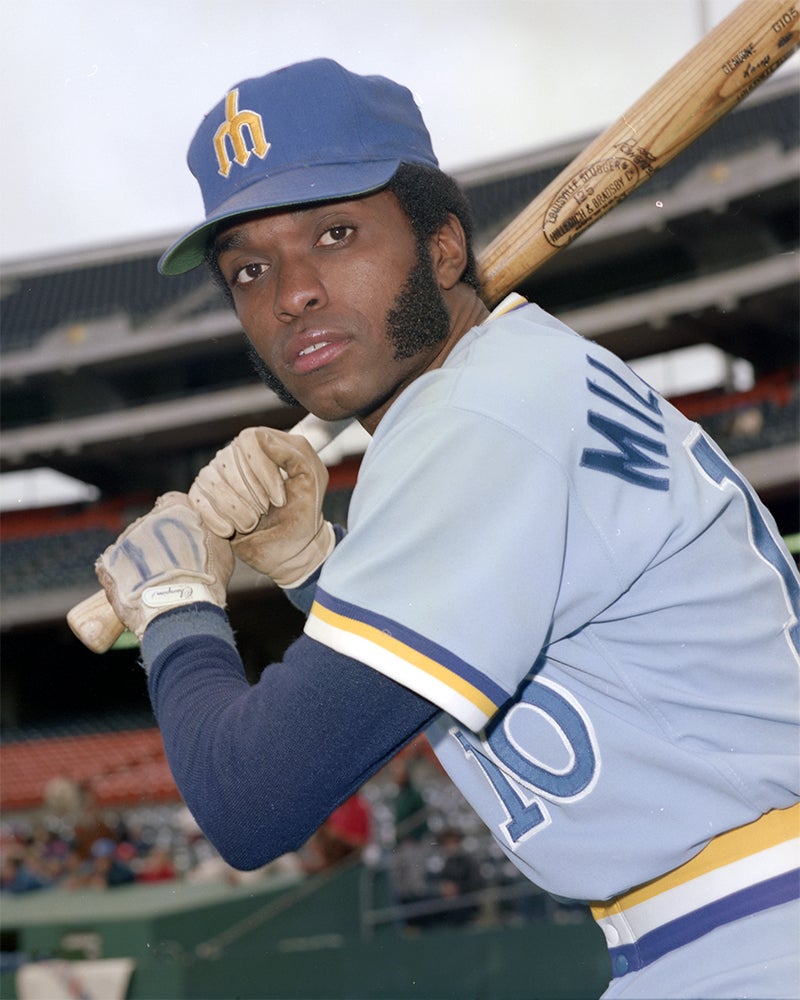
On Nov. 18, 1980, Seattle traded Milbourne and a player to be named to the Yankees in exchange for catcher Brad Gulden and $150,000. Ironically, Gulden became the player to be named later when the Mariners sent him back to the Yankees on May 18, 1981.
“I consider myself a pretty good utility player,” Milbourne told the Bridgeton Evening News. “But the thing about a utility ballplayer is, if I’m going to play that role, I want it to be on a winning team.
“When I first heard about the trade, I was very excited. The whole thing about the Yankees and winning…the pinstripes…the whole attitude will be all different. I’m 30 years old and right now I want the World Series.”
Milbourne would get where he wanted to go – and do so with one of the best hitting stretches of his life.
Milbourne appeared in 61 games in the strike-shortened 1981 season, including 39 at shortstop. He hit .313 with a .351 on-base percentage, helping New York win the first half American League East title.
With regular shortstop Bucky Dent sidelined with a right hand injury (which required surgery to repair torn ligaments) in August that would cost him the rest of the season, Milbourne stepped into the lineup.
“I know a lot of people questioned my durability,” Milbourne told the Staten Island Advance that September. “But I don’t think I’m going to get worn out. This is too exciting.”
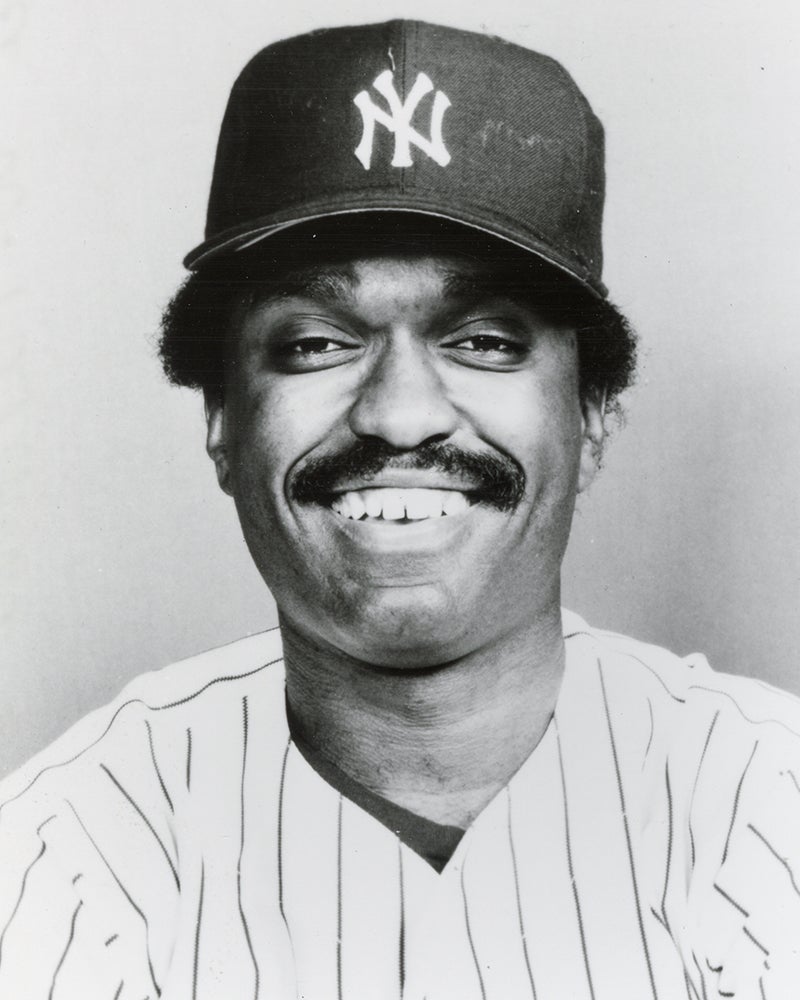
Milbourne made his postseason debut in Game 1 of the ALDS vs. the Brewers, recording a hit and scoring a run. The Yankees won the series in five games, with Milbourne going 3-for-4 with two runs scored in the decisive Game 5, igniting a four-run, fourth inning rally – with a leadoff single off Moose Haas – that turned Milwaukee’s 2-0 lead into a 4-2 Yankees advantage.
“I didn’t sleep before that first playoff game with Milwaukee,” Milbourne told the Los Angeles Times. “I knew I’d do a relatively decent job in the regular season but I thought I might feel pressure or put pressure on myself in the playoffs.
“That game meant more to me than any of the games I’d played in September. It was the turning point.”
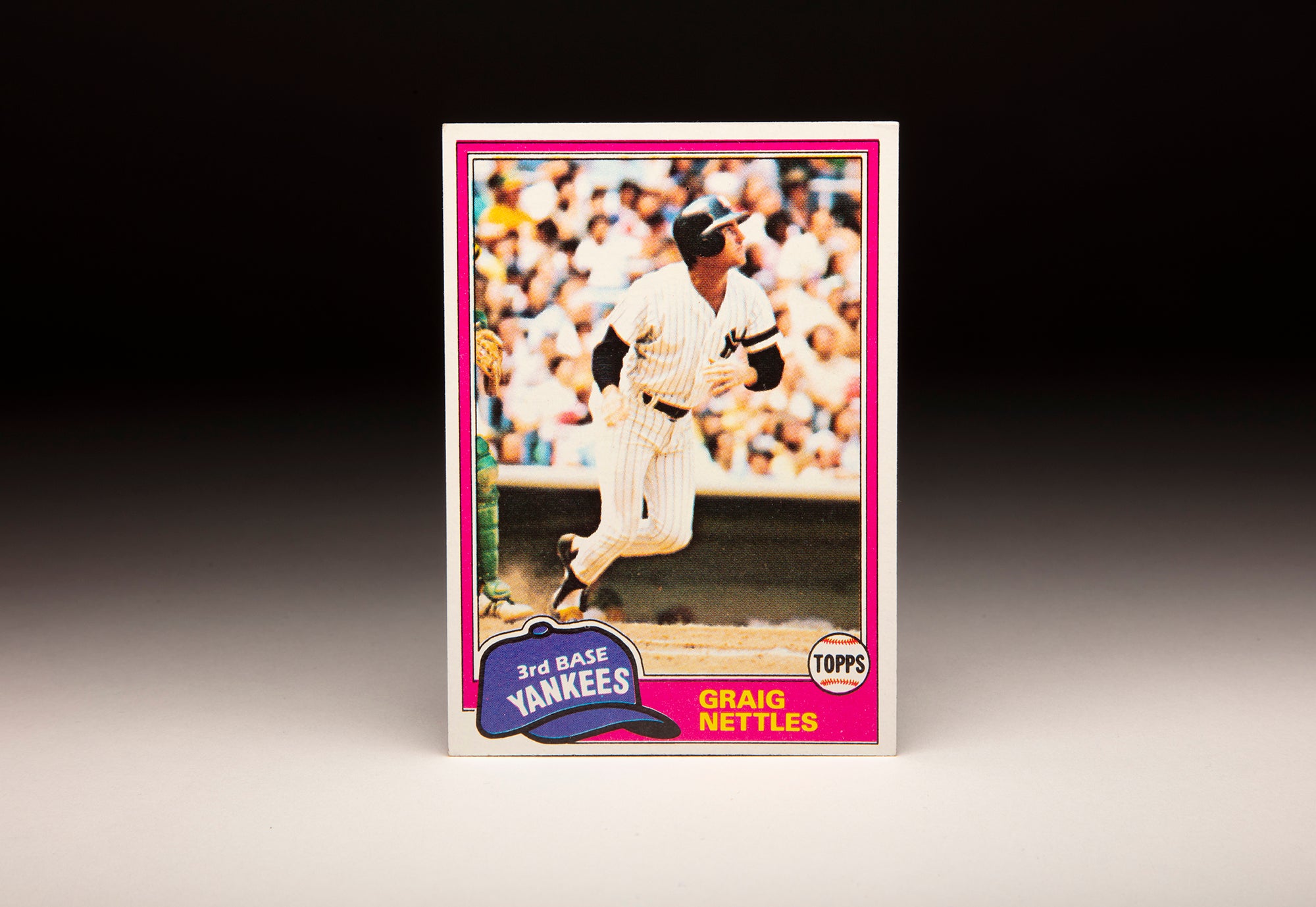
Milbourne had three more hits in Game 1 of the ALCS vs. the Athletics, scoring the Yankees’ first run on a three-run, first-inning double by Graig Nettles that gave New York all its runs in a 3-1 win. He totaled six hits in 13 at-bats in the series (for a .462 average) and scored a team-high four runs as the Yankees swept Oakland in three games.
Nettles’ nine RBI earned him ALCS Most Valuable Player honors, but Milbourne was just as important to the Yankees’ cause.
“There was anxiety,” Nettles told the Los Angeles Times about Milbourne replacing Dent in the Yankees’ lineup. “We didn’t know that much about Larry Milbourne. When we saw him do the job, a lot of that anxiety was removed.”
In Game 1 of the World Series against the Dodgers, Milbourne went 0-for-4 but scored a run in New York’s 5-3 win. Then in Game 2, Milbourne’s fifth inning double off Burt Hooton scored Willie Randolph with the game’s first run. The Yankees went on to win 3-0 and looked like they would soon capture their 23rd World Series title.
“I’ve always wanted to play in (a World Series) and when I was traded here, I knew I’d have the chance because the Yankees are always a contending club,” Milbourne told the Los Angeles Times after Game 2. “I never dreamt, though, that I’d be a starter, that I’d be making the type of contributions that I have.”
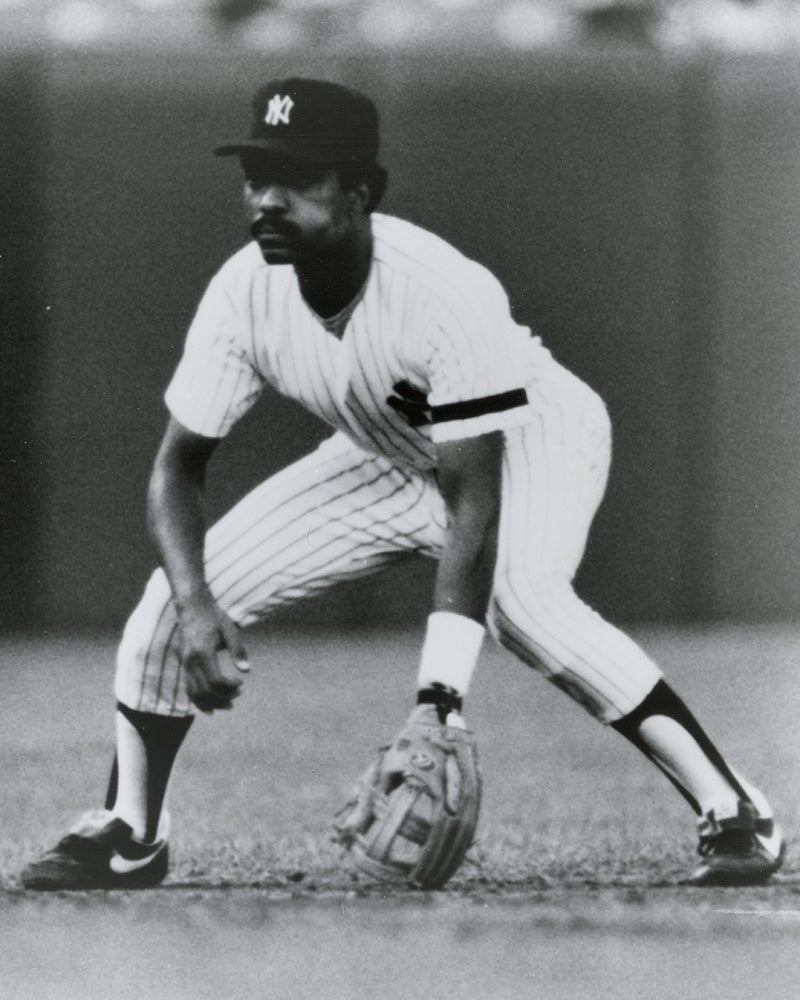
Milbourne went 2-for-2 with two walks in Game 3 – a contest where the Dodgers rallied from a 4-3 deficit to win 5-4. Milbourne had a hit in both Game 4 and Game 5 and drew two walks in Game 6. But the Dodgers won each game to capture the title in six contests.
In 14 postseason games, Milbourne batted .327 with 10 runs scored, four walks and four RBI.
“Larry is a perfect example of what has been so good about this club over the years since I’ve been here,” Dent told the Miami Herald in the spring of 1982. “When guys go down, there is always another guy who can come in and do the job.”
Milbourne happily embraced his return to a utility role in the spring of 1982, and his play in the fall of 1981 earned him the most regular action of his career in ’82. But it did not bring him any stability when it came to work locations.
After appearing in just 14 games for the Yankees in the new season, Milbourne was traded to the Twins as part of a five-player swap that brought catcher Butch Wynegar to New York.
Minnesota was at the start of a challenging season where the team would rack up 102 losses, bottoming out at 18-56 (a .243 winning percentage) just before the All-Star break. But Milbourne was only with the Twins until July 3 when Minnesota sent him to Cleveland in exchange for outfielder Larry Littleton.
“I don’t want to talk about (the trade to Cleveland),” Milbourne told the Bridgeton Evening News after the transaction. “That’s it.”
Despite the turmoil, Milbourne set single-season marks for games played (125), plate appearances (453), hits (107) and walks (20) in 1982. But he was unhappy in Cleveland and requested a trade.
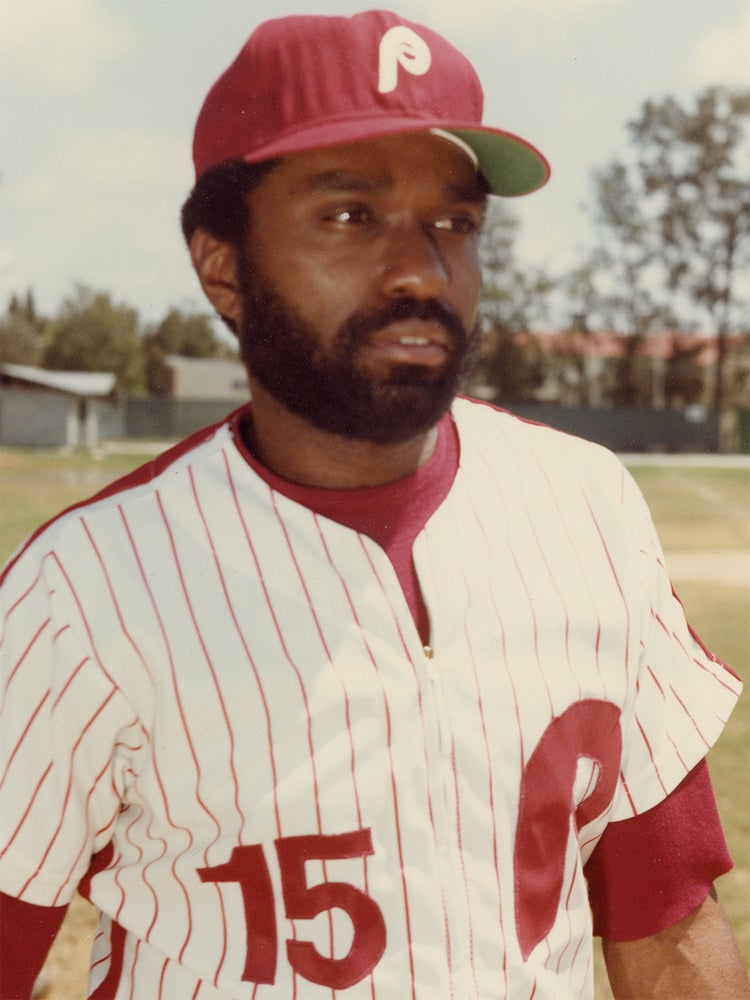
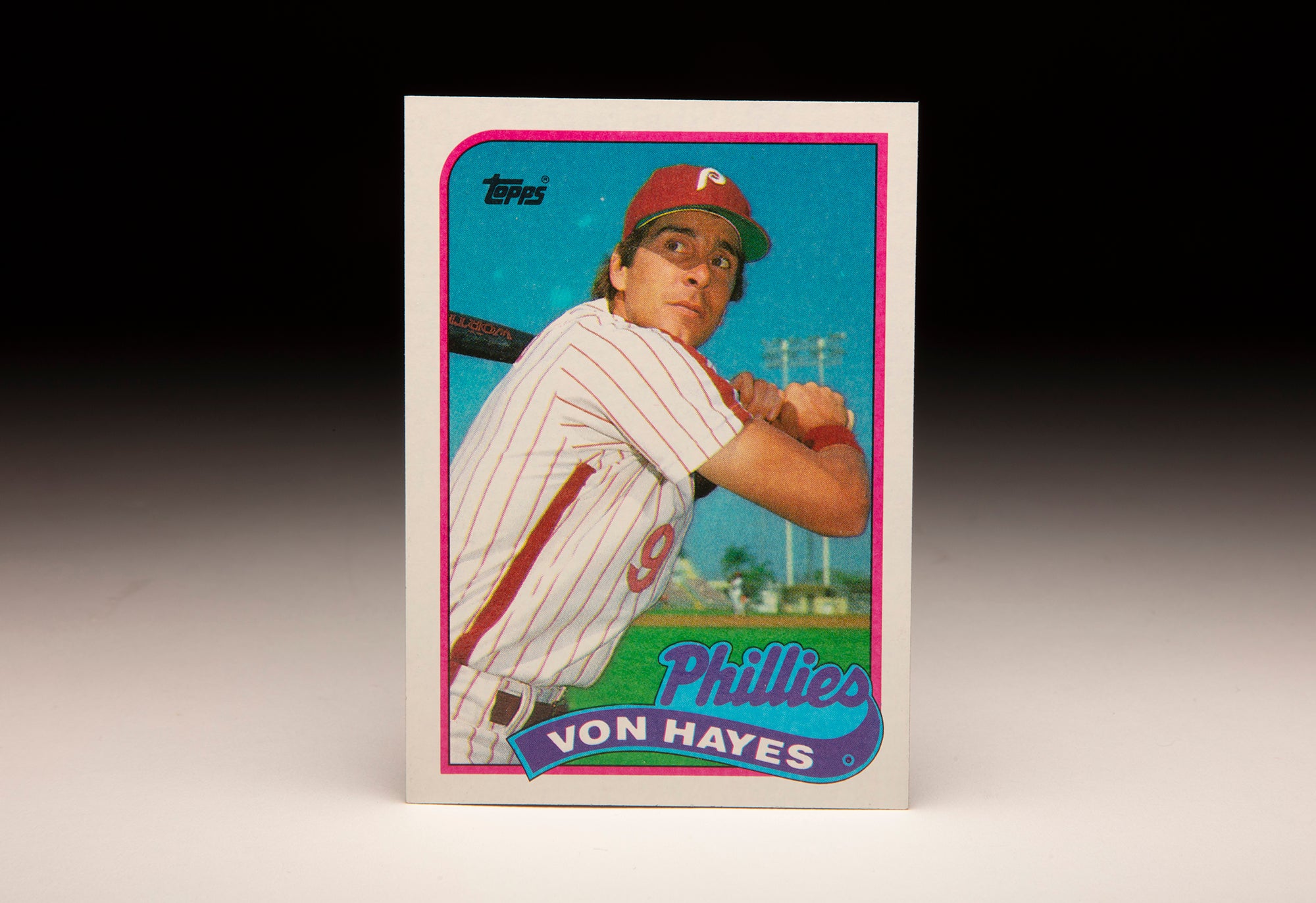
On Dec. 9, 1982 – the same day that the Indians received five players from the Phillies in exchange for Von Hayes – Cleveland sent Milbourne to Philadelphia for a player to be named in a deal that ended up being a cash transaction.
“I don’t want to be traded too many more times,” Milbourne told the Bridgeton Evening News. “I just want to stay put in one place. This moving around all the time is getting to me.”
The Phillies would go on to win the National League pennant in 1983, but Milbourne would be back in New York by then. After appearing in 41 games for Philadelphia – including 13 starts at second base early in the season – Milbourne returned to the Yankees on July 16 when the Bronx Bombers purchased his contract.
He had been buried on the Phillies’ bench for nearly a month.
“I didn’t say anything, but the last month or so was really hard for me,” Milbourne told the Camden (N.J.) Courier-Post. “I just didn’t understand completely why I went so long without playing.”
Milbourne played 31 games with New York and finished the season hitting .221 in 72 combined games. Milbourne briefly left the team on Aug. 5 when his name was not listed on the lineup card for a game against Detroit, sparking speculation that the Yankees were trying to send Milbourne to the minors. But he quickly returned to the team when teammate Oscar Gamble called to tell him the omission was an accident.
Then on his 33rd birthday, Milbourne was traded back to Seattle in exchange for Scott Nielsen and a minor leaguer.
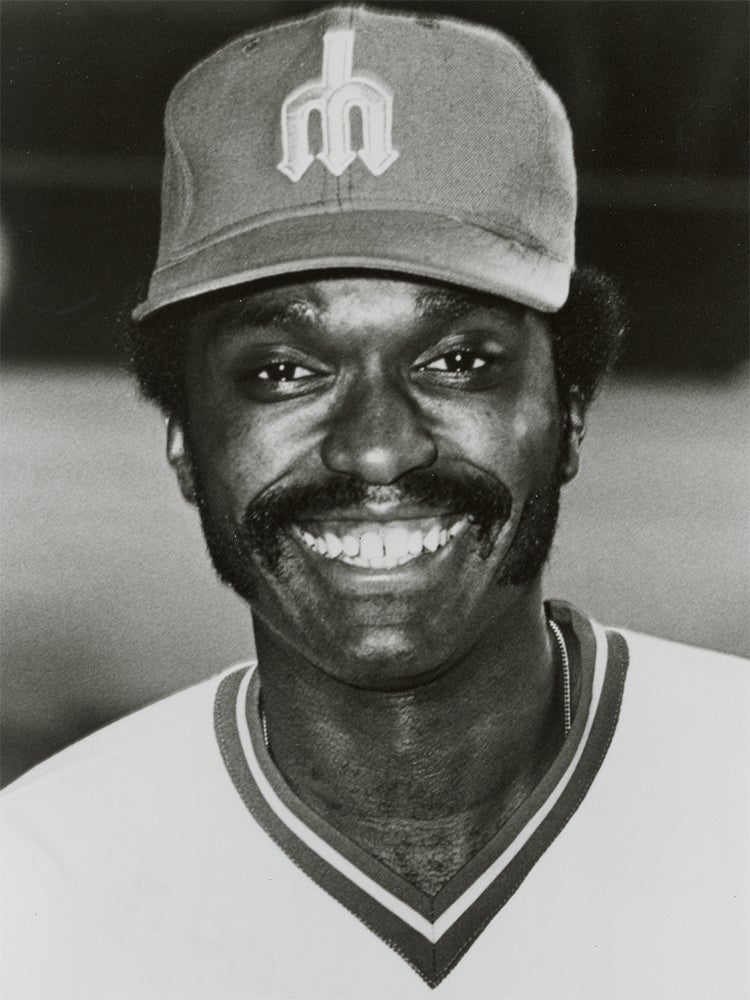
In what would be his final big league season, Milbourne spent the 1984 campaign as a utility player for Seattle, batting .265 over 79 games. He came to Spring Training in 1985 with Seattle but was hampered by a wrist injury that was later diagnosed as a ligament problem. He appeared in nine games on a rehabilitation assignment with the Mariners’ Triple-A team in Calgary that summer but was designated for assignment in July, leading to his eventual release on Aug. 2 – a move that ended his career.
“That’s my only regret,” Milbourne told the Millville News in 1990, “that my career didn’t end on the field.”
Milbourne served as a coach following his playing days, working with Mets’ minor leaguers when he was hired in the fall of 1987. He later played for the St. Lucie Legends, the Gold Coast Suns and the Orlando Juice of the Senior Professional Baseball Association in 1989 before managing the St. Louis Cardinals’ affiliate in the Arizona League in 1990 and the team’s Class A team in Savannah, Ga., in 1991. In 1992, Milbourne managed the Lethbridge Mounties of the Pioneer League.
Following his coaching career, Milbourne remained visible in his hometown area at autograph shows and was elected to several halls of fame. He remains one of the most recognizable athletes in New Jersey history.
Over 11 big league seasons, Milbourne hit .254 over 989 games. And though he was rarely a regular, Milbourne’s determination gave him a career in a sport he truly loved.
“I know I can play in this league,” Milbourne told the Bridgeton (N.J.) Evening News in 1976. “If I’m given the chance.”
Craig Muder is the director of communications for the National Baseball Hall of Fame and Museum