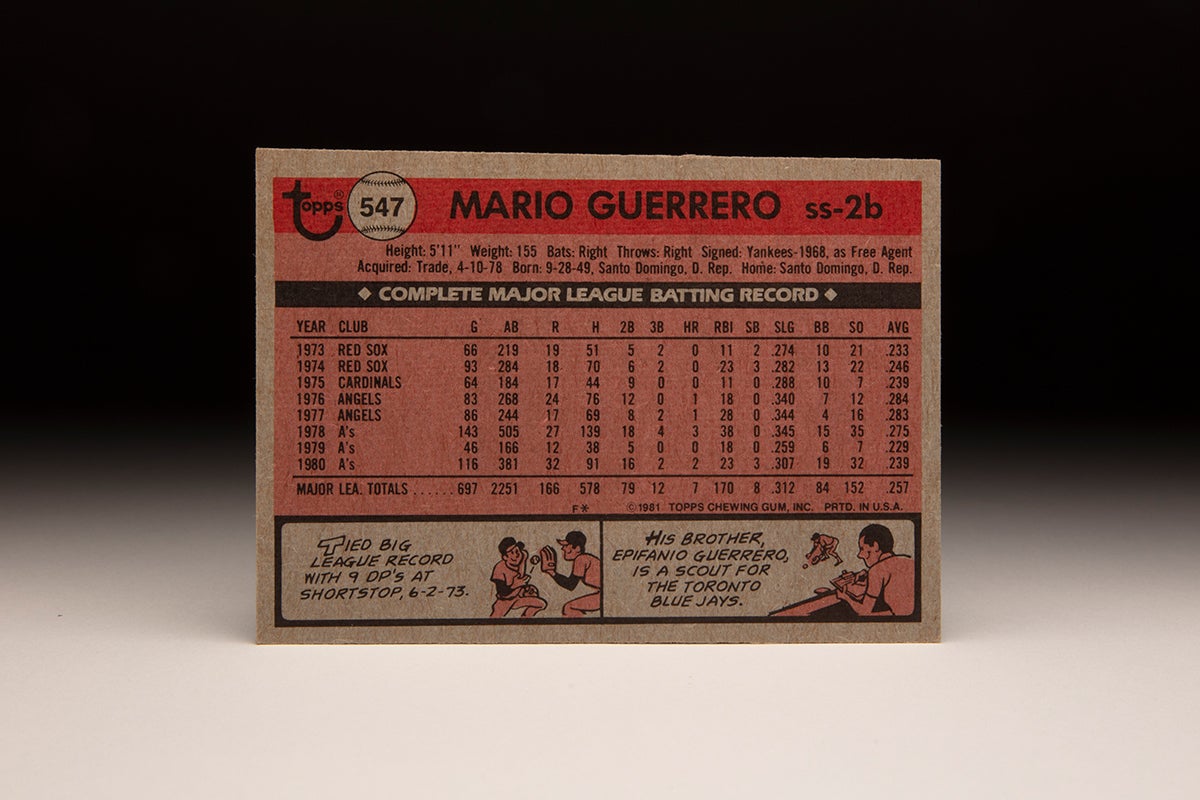
#CardCorner: 1981 Topps Mario Guerrero
Epy Guerrero was one of the most celebrated scouts of his era, signing more than four dozen future big leaguers out of Latin America.
But while Epy could only dream of a big league career, his brother, Mario, spent eight seasons in the majors and was part of two of the biggest trades of the 1970s. The brothers later ran the Epy Guerrero Sports Complex, helping send dozens of prospects to the Blue Jays and other big league teams.
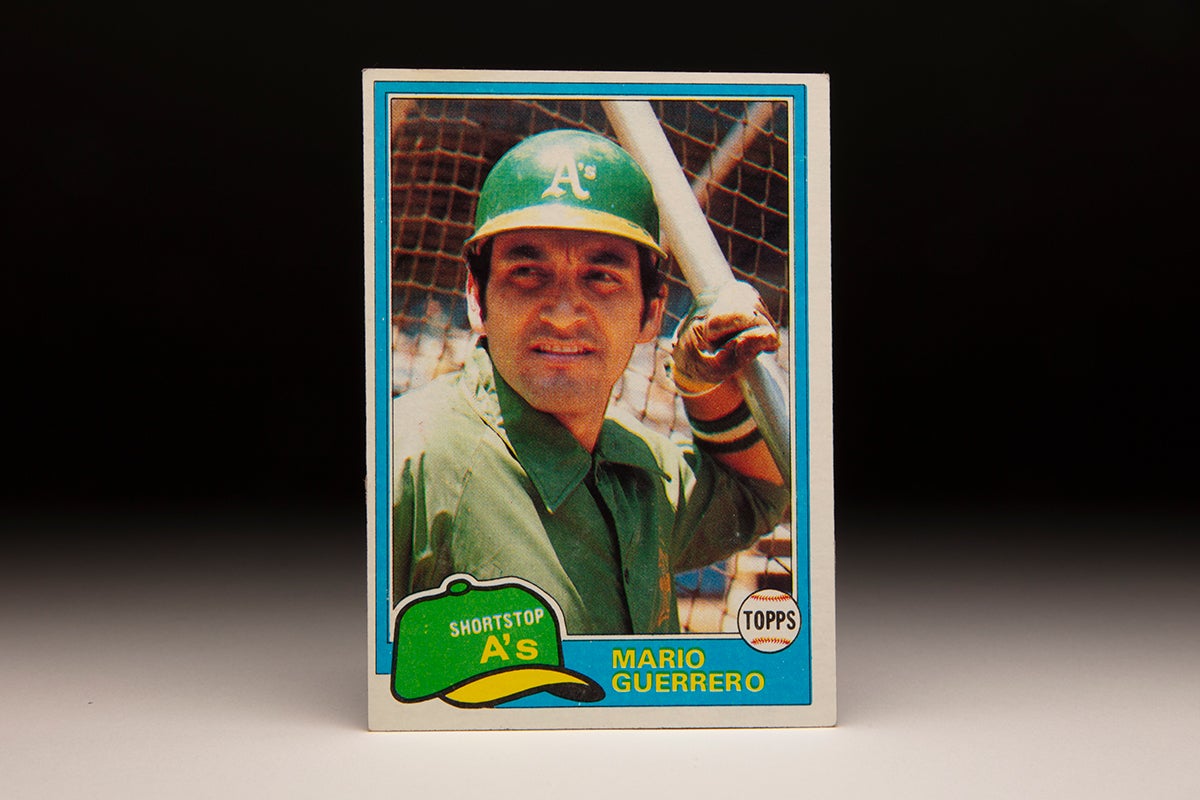
Born Sept. 28, 1949, in Santo Domingo, Dominican Republic, Mario Miguel Guerrero was seven years younger than his brother, Epifanio. Epy signed with the Milwaukee Braves in 1960 and played for two years in the team’s system before being released. Returning home to Santo Domingo, Epy worked in his father’s grocery business before going to work for the Astros as a scout.
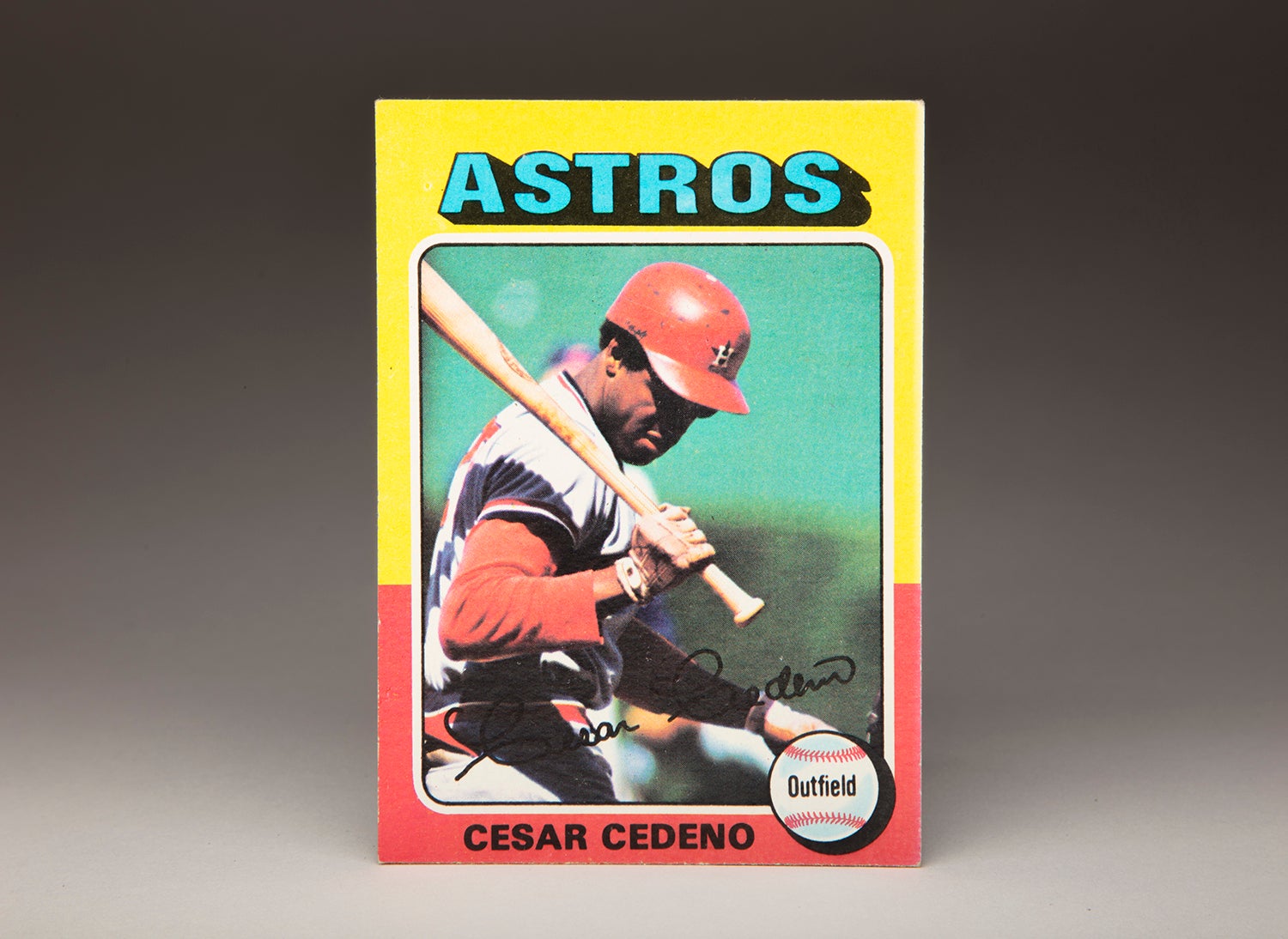
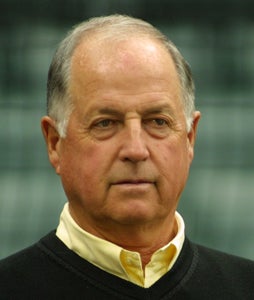
With Houston, he met up with future Hall of Famer Pat Gillick, who was building the Astros farm system. Guerrero helped Houston sign future All-Star César Cedeño, and Gillick brought Guerrero with him to the Yankees and then the Blue Jays as he moved up the baseball ladder.
Mario, meanwhile, signed with the Yankees as an amateur free agent on April 27, 1968, after attending La Salle College in Santo Domingo.
“I loved going to school,” Guerrero told The Recorder of Greenfield, Mass., in 1974. “But by the time I was 14, 15, the scouts were offering me money to sign a contract. My father said no. He said I was too young, and the money wasn’t enough to quit school for. But I didn’t care anything about the money. I just wanted to play baseball.”
Guerrero was sent to Class A Fort Lauderdale of the Florida State League, where he hit .227 in 91 games while being charged with 25 errors at shortstop.
In 1969, Guerrero played for Class A Kinston of the Carolina League, batting .282 in 132 games while committing 45 errors. But he was named to the league’s All-Star team and was quickly establishing himself as a big league prospect.
In 1970 – after being invited to Spring Training by the Yankees – Guerrero hit .241 in 139 games for Manchester of the Double-A Eastern League. And though he made 44 errors, the Yankees put him on their big league roster following the season before assigning him to Triple-A Syracuse in 1971 along with second base prospect Fred Frazier.
“(Guerrero) may swing the better bat,” Syracuse Chiefs general manager Tex Simone told the Syracuse Herald-Journal at the start of the season. “That’s what they think up (in the Yankees’ front office).”
Guerrero proved the Yankees’ brass correct, batting .290 in 116 games that year while cutting his errors at shortstop to 26. But Guerrero would never play a game for the Yankees following a trade that helped shape the Yankees’ championship teams of the late 1970s.
On March 22, 1972, the Red Sox sent reliever Sparky Lyle to New York in exchange for first baseman Danny Cater and a player to be named later. Lyle went on to lead the American League in saves with 35 that year, finishing seventh in the AL Cy Young Award voting and third in the AL Most Valuable Player race. Cater, meanwhile, hit .237 in 92 games for Boston.
But as the media roasted the Red Sox for the trade, the deal was quietly completed on June 30 when Guerrero – who was hitting close to .300 for Syracuse – was identified as the player to be named.
In 131 combined games between Syracuse and Boston’s Triple-A team in Louisville, Guerrero hit .292.
“All the time, for those two months,” Guerrero told the Orlando Sentinel in 1973 about his time with Syracuse the year before, “the Yankees knew they had traded me to Boston but didn’t tell me. When they thought they might want me to be their shortstop in the big leagues, they kept me at that position. But then the manager (Frank Verdi) didn’t seem to care where I played and they moved me around.”
With future Hall of Fame shortstop Luis Aparicio nearing the end of his career, the Red Sox kept Guerrero on their 1973 Opening Day roster. He debuted in the big leagues as a mid-game replacement for Aparicio on April 8 at Fenway Park, going 2-for-3 and scoring a run to put Boston up 3-2 in what became a 4-3 Red Sox win.
“He has to be a utility player if he makes it with us, so I want to see him at all positions,” Red Sox manager Eddie Kasko told the Sentinel toward the end of Spring Training.
But Aparicio got off to a good start and was hitting better than .290 by the end of May, relegating Guerrero to rare appearances off the bench. In one of those games on June 2, Guerrero tied a big league record for shortstops by participating in five double plays in one game.
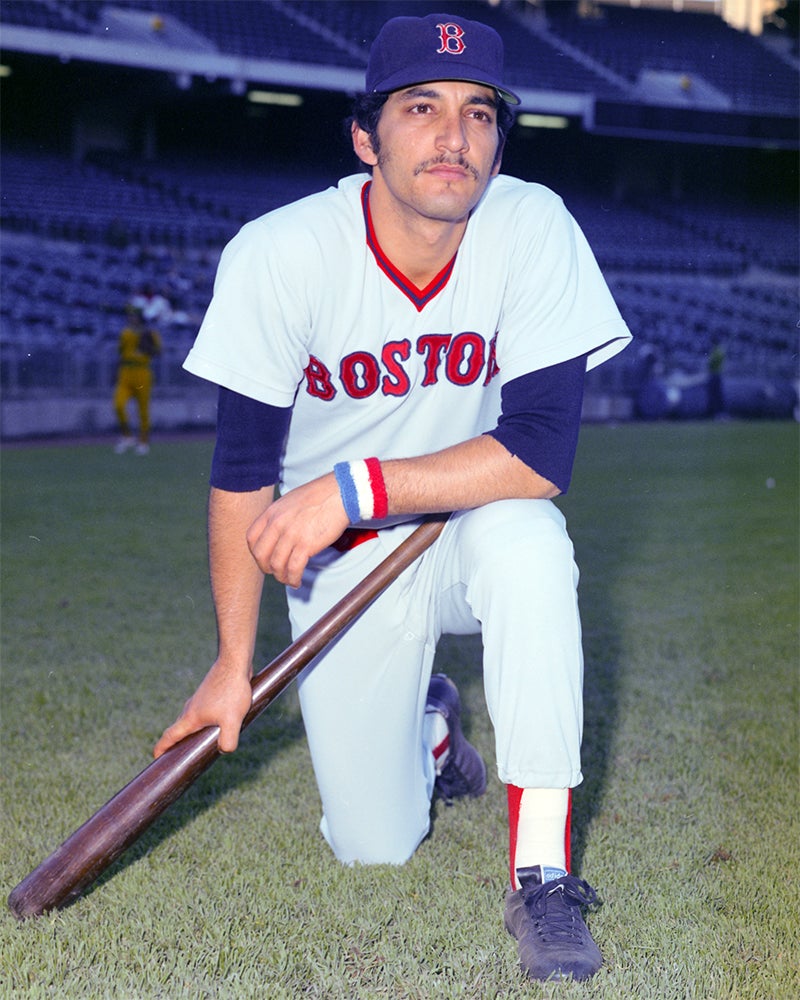
When second baseman Doug Griffin was sidelined with a broken hand in June, however, Guerrero stepped into the lineup and held his own at bat and in the field.
He saw semi-regular play at shortstop the rest of the year as Kasko gave the 39-year-old Aparicio regular rest, batting .233 over 66 games while committing only eight combined errors at shortstop and second base.
When the Red Sox released Aparicio just days before the start of the 1974 season, it opened the door for Guerrero to take the starting shortstop job. But after starting on Opening Day and hitting well for about a week, Guerrero slumped at the plate. The Red Sox responded by calling up prospect Rick Burleson in May, and after pairing Guerrero and Burleson at shortstop and second base, respectively, for most of June, Burleson took over at short for the rest of the season.
The Red Sox had started the year on a roll but suffered a cruel blow when catcher Carlton Fisk injured his left knee when he reached for a high throw from Guerrero in the ninth inning of a June 28 game vs. Cleveland. The Indians’ LeRon Lee crashed into Fisk, scoring the winning run and damaging Fisk’s knee ligaments.
Fisk, who was hitting .299 at the time for the first-place Red Sox, missed the rest of the season as Boston finished third in the AL East. Guerrero later suffered his own knee injury in July and shared time with Burleson when he returned, finishing the year with a .246 batting average and 13 errors in 93 games.
Burleson, meanwhile, finished fourth in the AL Rookie of the Year voting. And Guerrero was traded to the Cardinals on April 4, 1975, for a player to be named later that became pitcher Jim Willoughby.
The Cardinals sent Guerrero to Triple-A Tulsa, where he hit .278 in 31 games before being called up to St. Louis.
“I know the Cardinals have tried to get me the last two or three years,” Guerrero told the Tulsa World. “This time I went to the (Red Sox’s front office) and asked to be traded.”
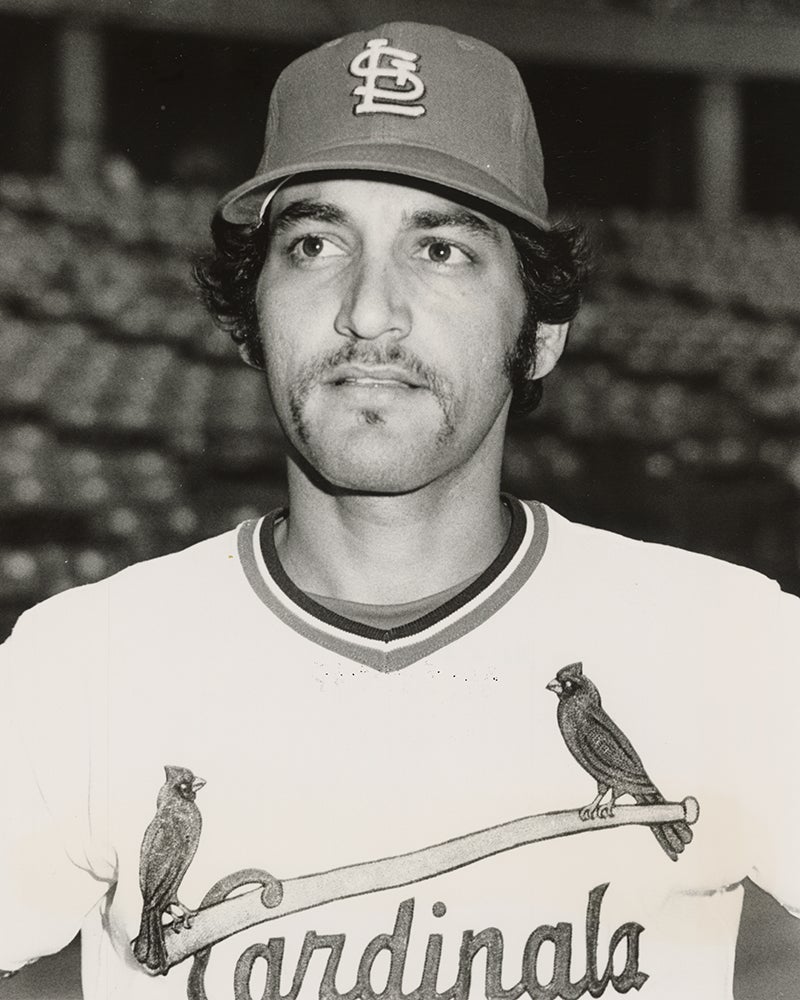
Guerrero batted .239 in 64 games – all at shortstop – for the Cardinals in 1975 before finding himself back in Tulsa to start the 1976 campaign. After batting .235 in 29 games for the Oilers, Guerrero was traded to the Angels on May 29 in exchange for two minor leaguers.
Finding his niche as a utility infielder, Guerrero hit .284 in 83 games for the Angels that year, backing up Jerry Remy at second base and Dave Chalk at shortstop. Following the 1976 season, the Angels dipped into the new free agent market and signed Baltimore second baseman Bobby Grich with the intention of moving him to shortstop. But Grich suffered a back injury that limited him to 52 games, giving Guerrero a chance to play more often. He hit .283 and committed just two errors over 86 games – 43 of which came at shortstop or second base.
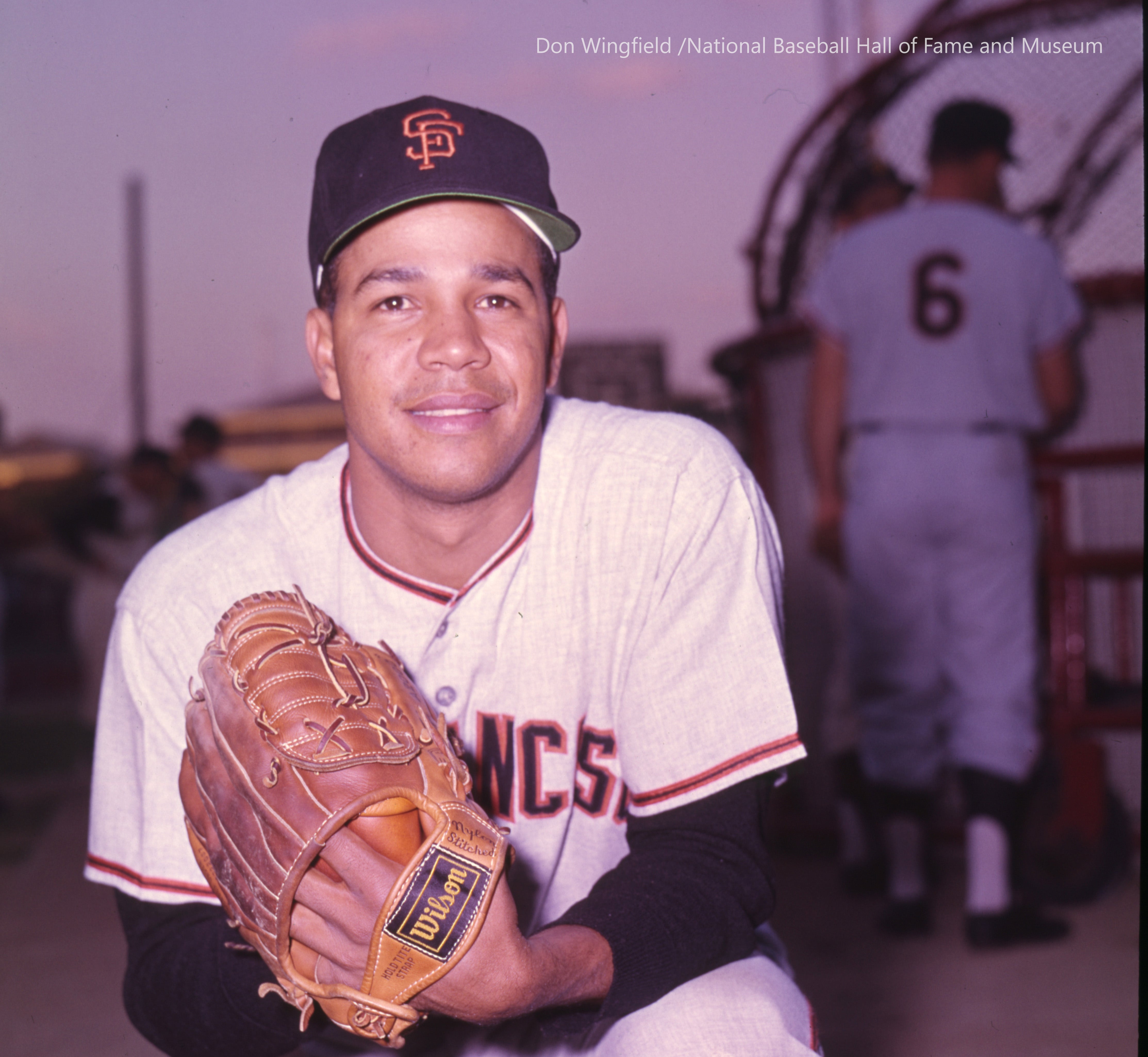
Now a free agent, Guerrero was selected by eight teams in the re-entry draft. He signed a three-year contract with the Giants, whom he had followed as a youngster thanks to the standout pitching of Dominican national hero Juan Marichal. Guerrero, his wife, Teresa, and their children soon moved to the Bay Area – but Guerrero would never play for the Giants.
On March 15, 1978, the Giants acquired superstar pitcher Vida Blue from the Athletics in exchange for six players – Gary Alexander, Dave Heaverlo, Phil Huffman, John Henry Johnson, Gary Thomasson and Alan Wirth – along with $300,000 and a player to be named. On April 7 – after much haggling – Guerrero was identified as that player.
It was widely reported that Athletics owner Charlie Finley insisted on Guerrero as opposed to Johnnie LeMaster, with whom the Giants preferred to include.
“I know I could play shortstop for the Giants,” Guerrero told the Pacifica Tribune after the trade. “But we plan to stay here. I like it here.”
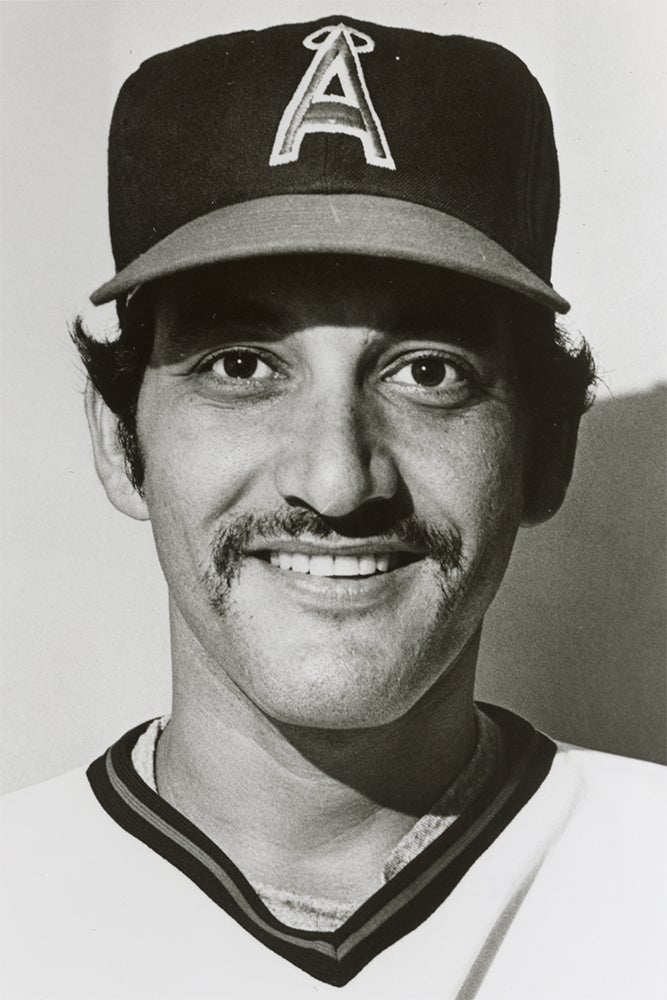
Guerrero enjoyed his finest big league season in 1978, appearing in 143 games for the A’s, including 137 starts at shortstop. He batted .275 with three home runs, 38 RBI and 18 doubles. Remarkably, he scored only 27 runs in 505 at-bats – joining Leo Cárdenas of the 1972 Angels as the only two players in history to have a 500 at-bat season and score fewer than 30 runs.
But while he ranked third among AL shortstops with 258 putouts, he also committed 26 errors.
In 1979, new manager Jim Marshall made Rob Picciolo his Opening Day shortstop, relegating Guerrero to a bench role. He then injured his left wrist and was hit on the head by a ball in batting practice, sidelining him until April 25. Guerrero soon asked to be traded and left the team temporarily.
In only 46 appearances that year, Guerrero hit .229 as the A’s lost 108 games.
But in 1980, the Athletics hired Billy Martin. Famous for his ability to turn teams around, Martin rallied his troops to 83 wins – an improvement of 29 games over the previous season. Guerrero started at shortstop on Opening Day and quickly became one of Martin’s biggest supporters.
“Billy is the first manager I’ve played hard for,” Guerrero told the Sacramento Bee. “Billy is the only guy I’ve played ball for who tried to help me. Everything I knew about baseball before, I learned by myself. Nobody taught me.
“(Martin) doesn’t bother you as long as you play hard.”
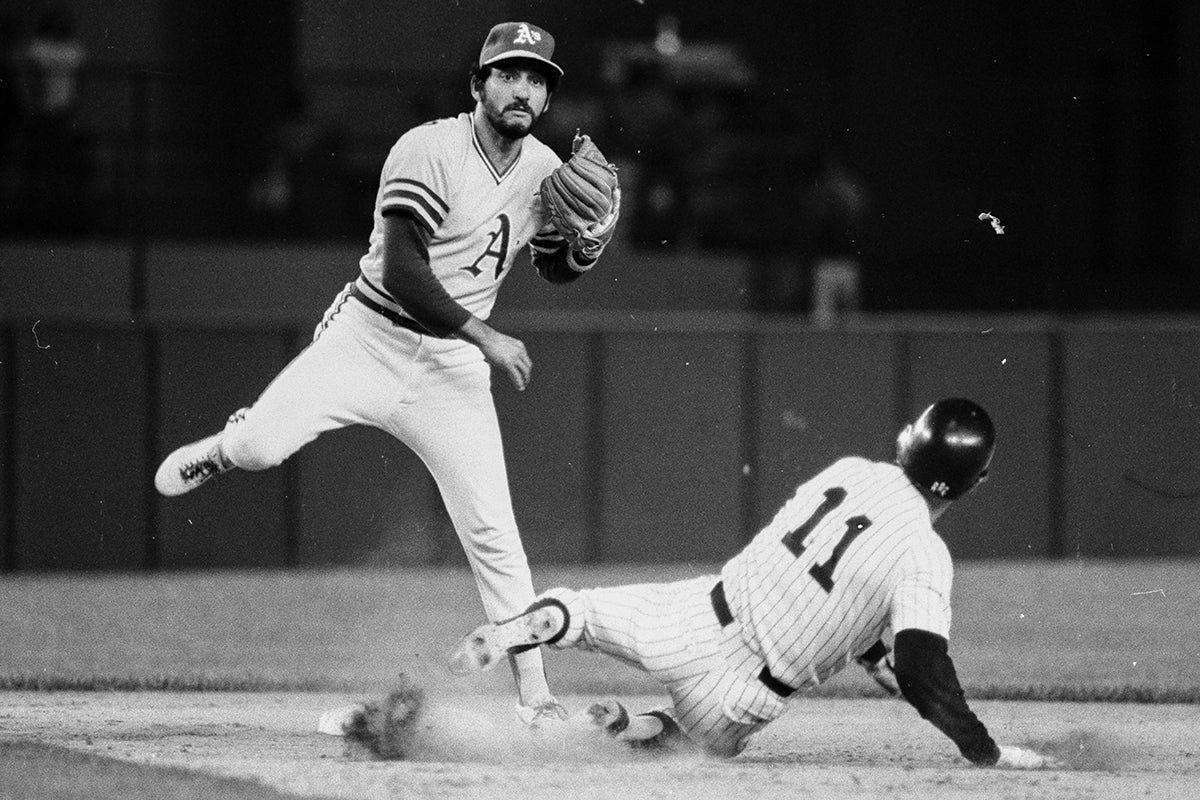
Guerrero appeared in 116 games that year, batting .239 with 16 doubles, two homers, 23 RBI and 32 runs scored. His .962 fielding percentage was .001 points short of the league average for shortstops.
But the Athletics decided to go back to Picciolo in 1981 and dealt Guerrero to the Mariners on Dec. 6, 1980. He hit .268 in 12 games for Seattle during the Cactus League season but often clashed with teammates.
After playing pepper with some Cubs players and fans during a March 31 exhibition game in Mesa, Ariz., Guerrero found himself released by the team the next day.
“We gave him a chance,” Mariners manager Maury Wills told the Tacoma News Tribune. “We didn’t ask him to be friends with the players or eat with them. All we asked was that he worked.”
Some of Guerrero’s teammates went on the record about his work habits.
“I kept a diary of what Guerrero did and didn’t do,” Jim Anderson, who was competing with Guerrero for the shortstop job, told the News Tribune. “I was just wondering if they would let him get away with it.
“When we came to Spring Training, (Wills) said the job was open to whoever won it. If winning it meant working hard, I wanted to make sure.”
Anderson was the Mariners’ Opening Day starter at shortstop. Guerrero did not play in the big leagues again.
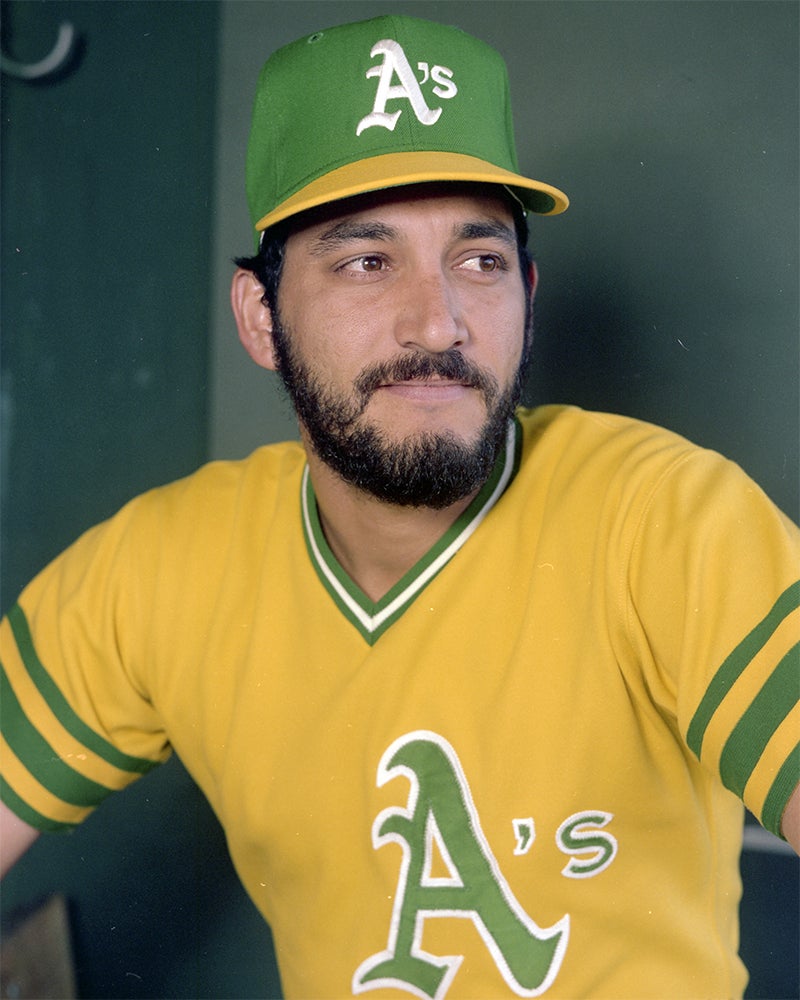
After trying to revive his playing career for a couple years, Guerrero transitioned into his second career as an agent. He joined forces with his brother Epy, who in 1977 had borrowed money to buy a house and land in Villa Mella, located about a dozen miles north of Santo Domingo. The Blue Jays helped Epy build a complex where he could train and nurture prospects, and Mario became an instructor.
“I go over there almost every day and help with the kids,” Mario told the Washington Post News Service in 1986. “I teach them how to take ground balls, how to throw, how to hit. That way, I see the kids every day, and when they’re big, maybe they won’t forget me, and maybe they’ll (sign) with me.”
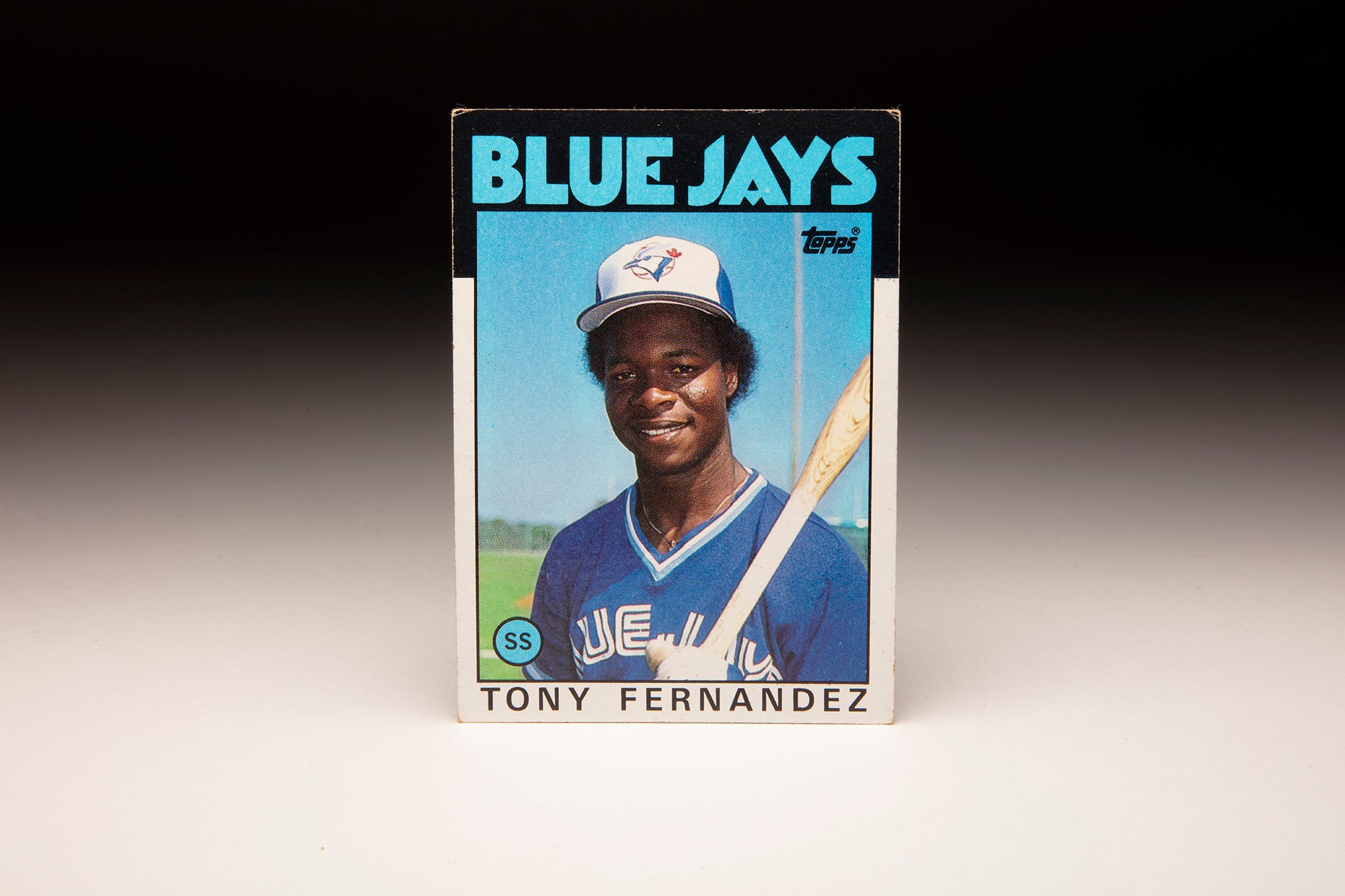
Mario’s most prominent client became Tony Fernández, who came through the Blue Jays system to become a five-time All-Star.
“I went with Mario because he was Epy’s brother,” Fernández told the Washington Post News Service. “I thought: ‘Epy has given me the chance to be a pro player, so why not give Mario the chance to be the agent?’”
Guerrero eventually went to work for Davimos Sports Management in Boca Raton, Fla., as a recruiter. He later played in the Senior Professional Baseball Association, batting better than .300 for the Winter Haven Super Sox in 1989.
Guerrero continued to work as an agent and found himself in the news again in 2004 when he sued former National League Rookie of the Year Raúl Mondesi, who was then with the Pittsburgh Pirates. Guerrero claimed that Mondesi promised him one percent of his future earning in exchange for helping him with his career – a figure that would amount to about $640,000. Guerrero had sued several players starting in 1998, claiming that they all agreed to similar deals. Many of those players settled out of court.
A Dominican court sided with Guerrero in his claim, and Mondesi – who denied Guerrero’s charges – left the Pirates to deal with the matter on May 7, saying he would not play again until it was settled and that he feared for his family’s safety. The Pirates, who were withholding Mondesi’s pay due to the court order, released him on May 21 – and though he returned to the majors with the Angels nine days later, he played in only 34 games that season.
Guerrero, meanwhile, continued to teach youngsters in the Dominican. His brother, Epy, passed away on May 23, 2013, and Mario died on July 2, 2023, in Santo Domingo.
Over eight big league seasons, Mario Guerrero batted .257 with 578 hits in 697 games. And though he did not become an MLB star, Guerrero did help begin what became the famous shortstop pipeline from the Dominican Republic.
“I always believed I’d get (to the big leagues) someday,” Guerrero told syndicated columnist Joe Fitzgerald in 1974. “But I don’t want to sound cocky and say that I think I’m good. I’d rather have somebody else say it.”
Craig Muder is the director of communications for the National Baseball Hall of Fame and Museum