#CardCorner: 1989 Fleer Otis Nixon
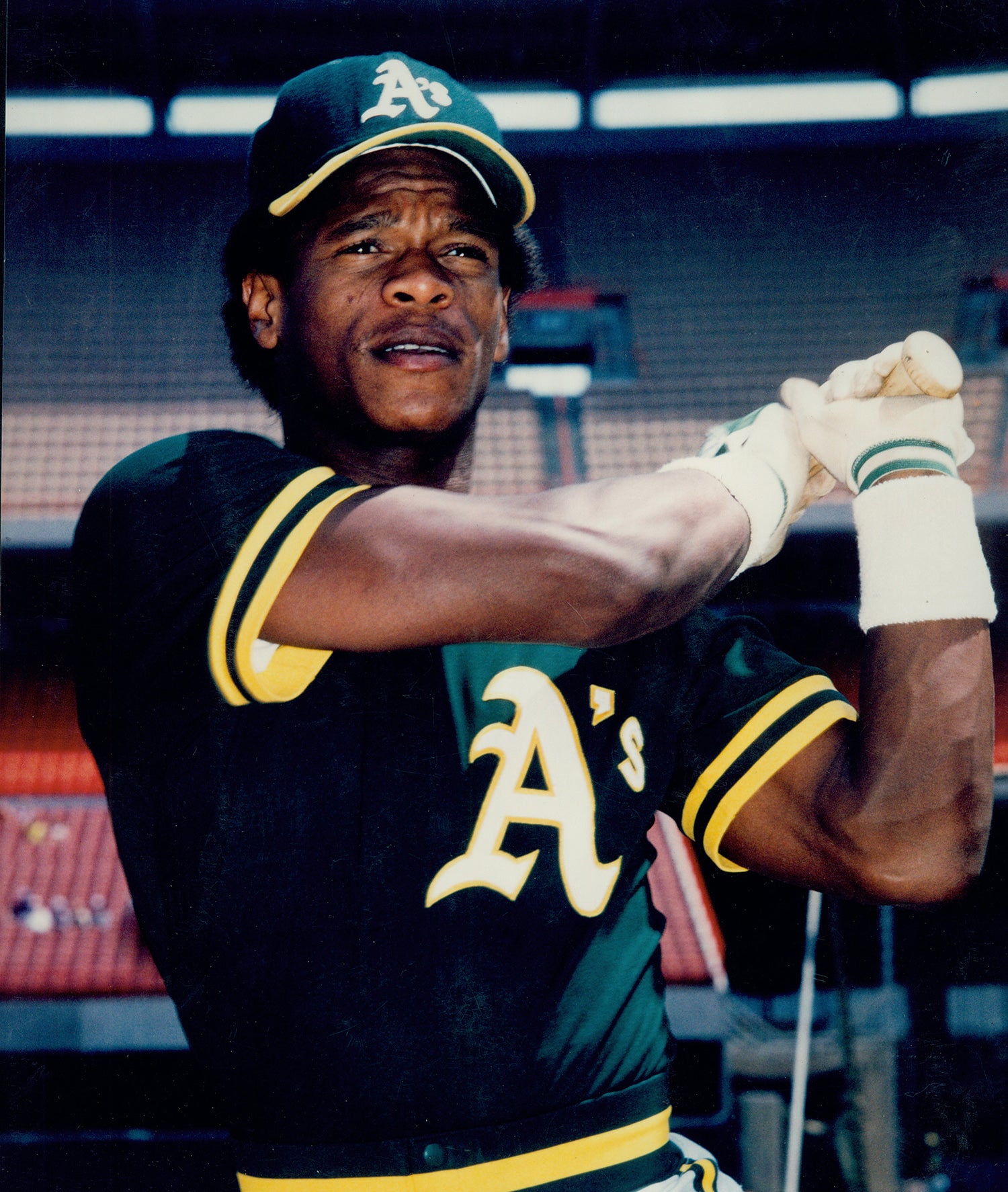
Otis Nixon flew through the 1980s and ’90s as one of the most prolific base thieves of his era, compensating for a lack of power with solid on-base numbers and at least 35 steals every season from 1988-98.
And though addiction sometimes derailed his career, Nixon always managed to find work in the outfield on some of the game’s best teams.
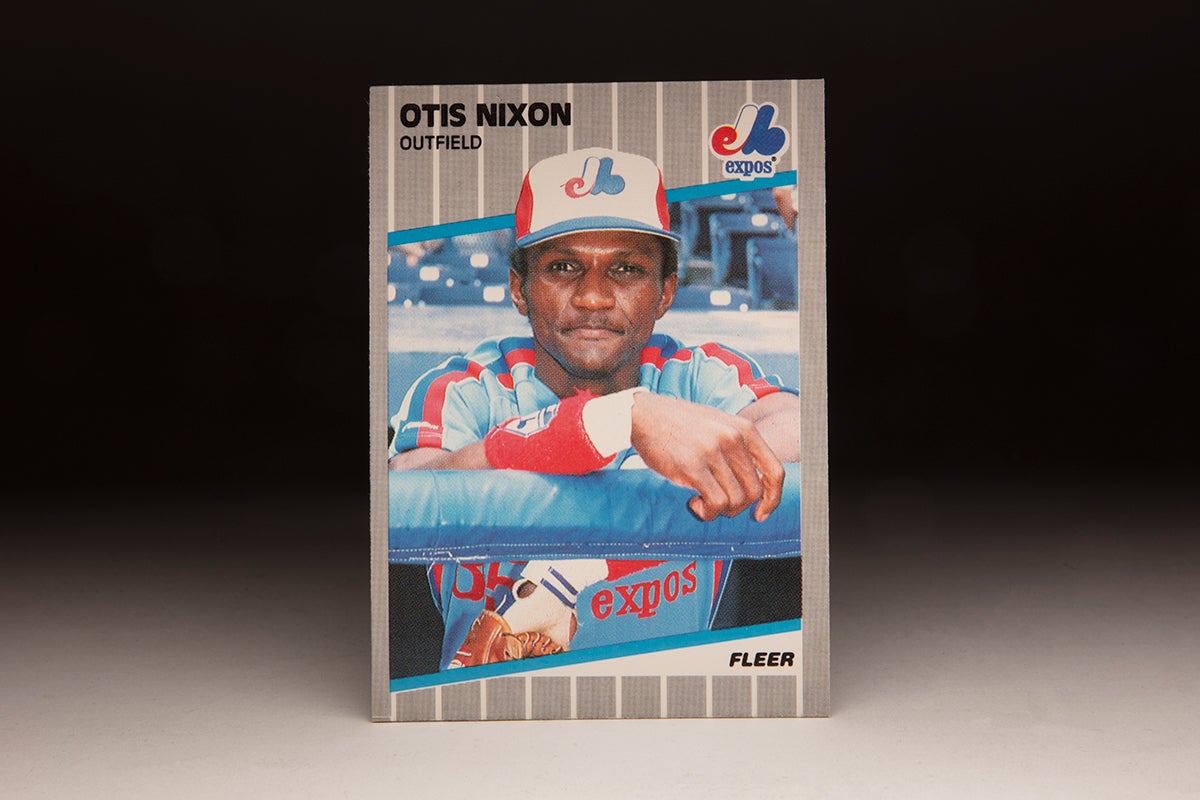
Born Jan. 9, 1959, in Evergreen, N.C., Nixon was raised on a tobacco farm but quickly found his niche in sports. He starred in Little League and at West Columbus High School in Cerro Gordo, N.C., but was not selected in the 1977 MLB Draft after graduation.
“There ain’t a whole lot to do (in a small town),” Nixon told the Daily Dispatch of Henderson, N.C., in 1992. “You either farm or you play baseball.”
Nixon enrolled at Louisburg College, a two-year school located northeast of Raleigh, N.C. He fell under the tutelage of coach Russ Frazier, who instructed Nixon to choke up on the bat.
“To this day,” the switch-hitting Nixon told the Daily Dispatch, “I still choke up on the bat.”
But Nixon nearly followed a different sports path.
“Otis came within an inch of not playing baseball,” Frazier told the News and Observer of Raleigh, N.C., in 1997. “He was down in Evergreen and worked for Bill Johnson, who practically raised him. He was going to (North Carolina) A&T to play football; nobody was really after him to play baseball.
“(Bill Johnson) brought Otis up here, and I worked him out. When I first walked up to the field, he was hitting because I was a little late. It was pretty obvious what he could do. Then when he ran, there was no question. The stuff he had you couldn’t teach.”
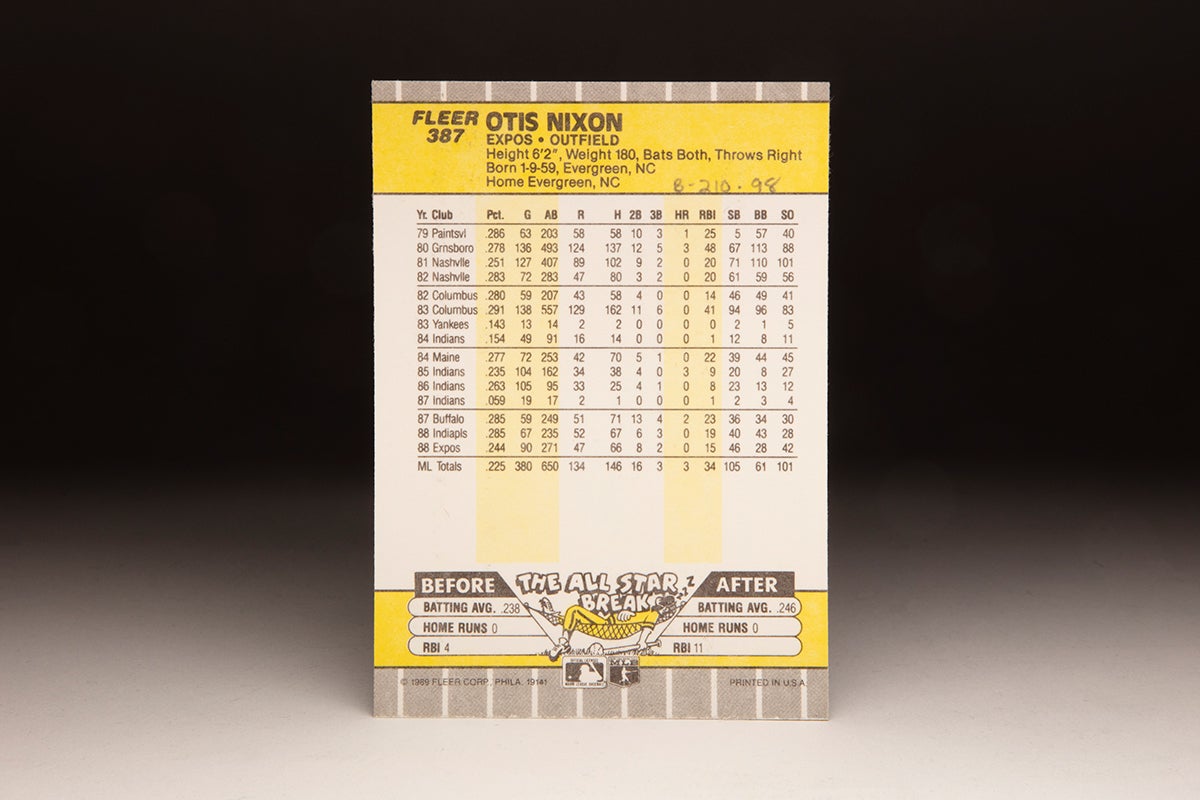
Nixon was selected in the 21st round of the June 1978 MLB Draft by the Reds – one pick before the Pirates took future All-Star pitcher Dave Dravecky – but Nixon chose to return to school. The Angels then selected Nixon with the fourth overall pick in the January 1979 MLB Draft for college players, but once again Nixon returned to Louisburg.
In his second collegiate season, Nixon hit .324 with 28 steals while helping the Hurricanes advance to the NJCAA World Series. Then in the June 1979 secondary phase (for college players) of the MLB Draft, the Yankees took Nixon with the third overall pick. This time, Nixon – who received his degree from Louisburg in 1979 – signed a pro contract.
A year later, Nixon’s brother Donell – who would also attend Louisburg College – was drafted in the 10th round of the June MLB Draft by the Mariners and would play four MLB seasons from 1987-90 for the Mariners, Giants and Orioles.
Otis, meanwhile, was sent to Paintsville, Ky., of the Appalachian League by the Yankees in the summer of 1979. Nixon hit .286 with a .441 on-base percentage while playing third base for Paintsville but recorded just five steals in eight attempts over 63 games. But starting in 1980 with Class A Greensboro of the South Atlantic League, Nixon established himself as one of the top stolen base threats in all of baseball. He hit .278 with a .412 OBP in 1980, stealing 67 bases, drawing 113 walks and scoring 124 runs in 136 games – splitting time between third base and shortstop.
Promoted to Double-A Nashville in 1981, Nixon hit just .251 with 11 extra base hits (and no home runs) but drew 110 walks to amass a .413 OBP. He stole 72 bases and scored 89 runs in 127 games. He spent the entire season at shortstop, where he committed 56 errors.
After starting the 1982 season back in Nashville, Nixon was promoted to Triple-A Columbus. He split time at both stops at second base and shortstop, committing a total of 37 errors. But at the plate and on the bases, Nixon continued to mark himself as a top prospect. He batted a combined .282 with a .412 on-base percentage, drawing 108 walks and scoring 90 runs. He stole 107 bases in 137 attempts, running at will against pitchers and catchers who could not slow him down.
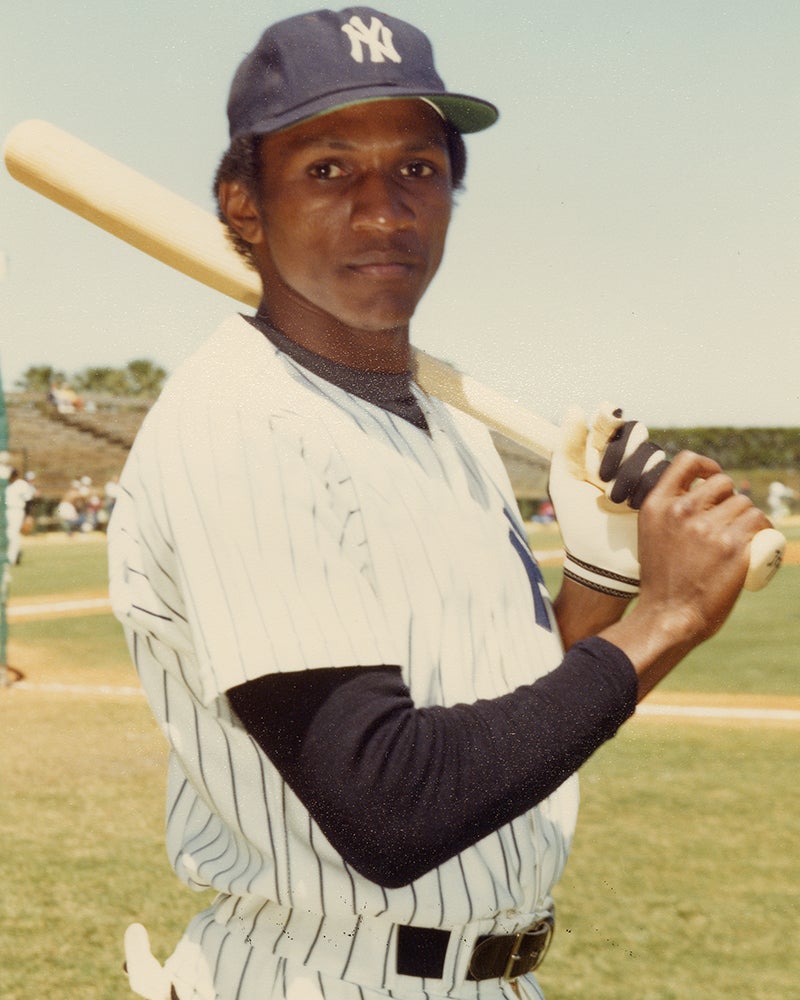
Then in 1983, the Yankees made what seemed to be an inevitable decision and moved Nixon to the outfield.
“I didn’t even have an outfielder’s glove – I had to borrow one from (Yankees coach) Roy White,” Nixon told the Greensboro (N.C.) Record in 1984. “I felt natural right off and told myself: ‘This might be just what I’ve been waiting for,’ though I had never played the position before.”
Nixon returned to Columbus in 1983 to learn center field and was just as effective at the plate as in 1982, hitting .291 with a .393 OBP, 96 walks, 129 runs scored and 94 steals. He also made 363 putouts in the outfield and committed just three errors. The Yankees brought him to the big leagues at the end of the season, where he batted .143 with two steals in 13 games.
Seemingly positioned to make the Yankees’ Opening Day roster in 1984, Nixon was stunned when he was traded to Cleveland with George Frazier and a minor leaguer in exchange for veteran infielder Toby Harrah on Feb. 5, 1984.
“I really didn’t think it would happen,” Nixon told the Greensboro Record. “But with the figures I had at Columbus, I guess I was able to put pressure on some people. After such a good season, I wasn’t even thinking about going back to Triple-A again. My minor league days are over.”
But after winning the job as Cleveland’s Opening Day left fielder in 1984, Nixon was sent back to Triple-A in June. He was hitting just .154 with no extra base hits, 12 steals and eight walks in 103 plate appearances when he was sent down – which occurred just after Cleveland acquired outfielders Joe Carter and Mel Hall in a blockbuster trade that sent Rick Sutcliffe to the Cubs.
After a slow start with Triple-A Maine, Nixon finished the season hitting .277 with a .381 OBP, totaling 44 walks and 39 steals in 72 games.
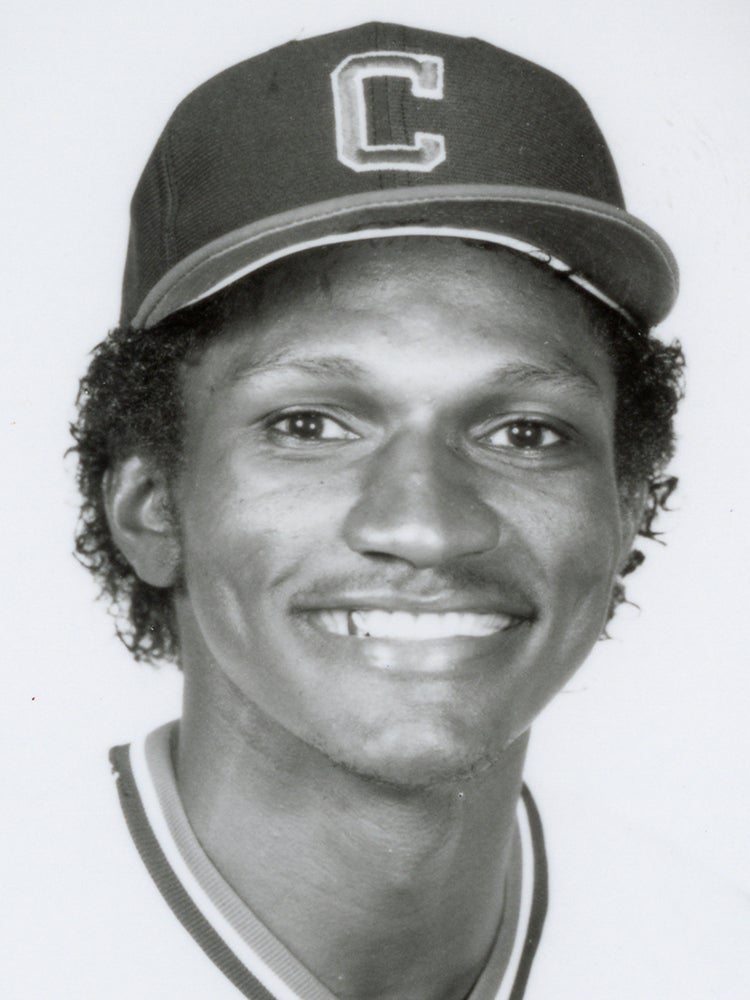

With Carter, Brett Butler and George Vukovich in Cleveland’s outfield in 1985 – and Hall pressing for playing time – Nixon was not expected to make the Opening Day roster. But when designated hitter Andre Thornton was hobbled with an injured knee and Butler missed time with back spasms, Nixon stepped into the void. He worked extensively with hitting instructor Bobby Bonds, discarding his bunt-heavy strategy that did not succeed in 1984.
“I knew I had to come in here swinging the bat,” Nixon told the Cleveland Plain Dealer. “I’m ready to hit this year.
“I know the outfield is crowded. I know I had a bad season last year. I had to come in here and show them what I can do.”
Nixon served in a reserve role for most of 1985, batting .235 with four doubles, 20 steals and even three home runs in 104 games. He played the same role in 1986 as Cleveland unleashed its powerhouse young outfield of Carter, Hall, Butler and Cory Snyder on the majors en route to 84 victories. Nixon appeared in 105 games but came to the plate only 110 times, batting .263 with 23 steals.
In 1987, many media members picked Cleveland to win the American League East title. But the Indians lost 20 of their first 29 games and wound up last in the division with a 61-101 record. Nixon was hitting .059 through May 19 – and was the target of boo birds in Cleveland – when the Indians sent him back to Triple-A.
“If people are hitting and getting on base late in the game, Otis would still be here,” Indians manager Pat Corrales told the Plain Dealer. “He’s a role player. The people wanted Rickey Henderson out of Otis Nixon. That’s not fair.”
With Triple-A Buffalo, Nixon hit .285 with a .371 OBP in 59 games while stealing 36 bases. But on July 30, he was arrested by police after allegedly swallowing what police believed was cocaine. He pleaded guilty to obstructing justice, was fined $500 and later admitted himself to a rehabilitation clinic in Rock Creek, Ohio, about an hour east of Cleveland.
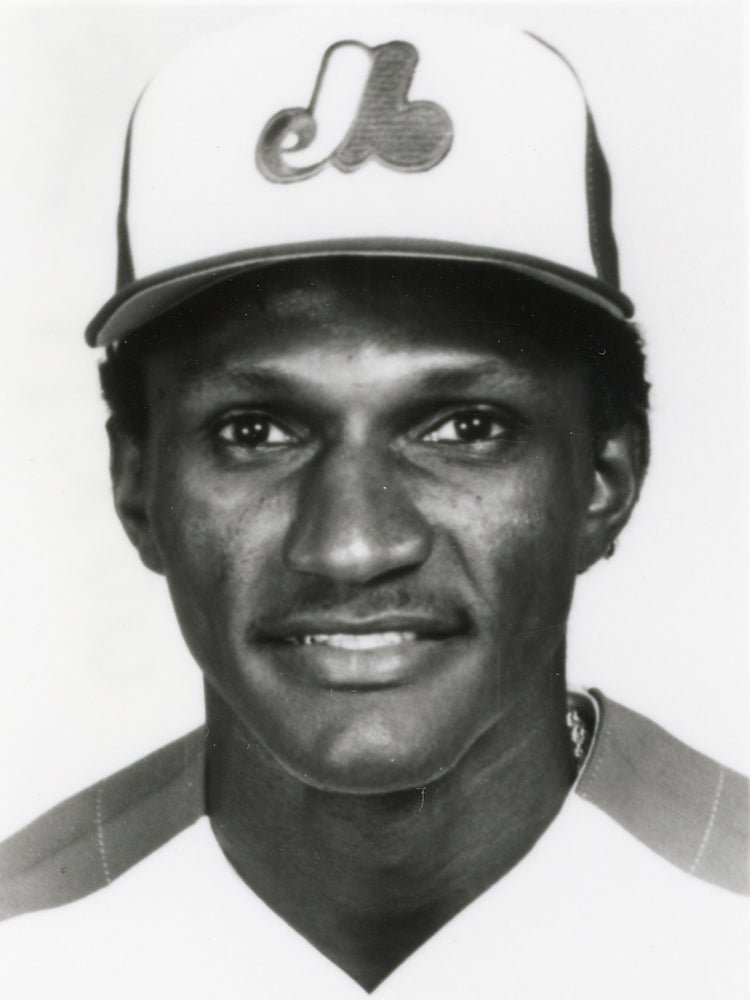
His career now at a crossroads, Nixon became a free agent following the season and signed a minor league deal with the Expos on March 5, 1988. After hitting .285 with 40 steals for Triple-A Indianapolis, Nixon was called up to Montreal in June.
“This,” Nixon told the Montreal Gazette upon his return to the big leagues, “is the chance.”
Nixon didn’t waste it. He had two hits and two steals in his first game with the Expos on June 21 and played regularly in center field the rest of the season, batting .244 with 46 steals and 47 runs scored in 90 games. He would turn 30 years old before the start of the 1989 season, but Nixon’s best days were ahead of him.
Nixon appeared in a career-high 126 games in 1989, batting .217 with 37 steals as a bench asset for manager Buck Rodgers. He had a similar role in 1990 but was even more effective, hitting .251 while stealing 50 bases – becoming the first player in MLB history with at least 50 steals in a season where he had fewer than 250 at-bats.
Then on April 1, 1991, the Expos – who had youngsters Marquis Grissom and Dave Martinez available to play center field – traded Nixon and minor leaguer Boi Rodriguez to the Braves for catcher Jimmy Kremers and a player to be named.
“Otis Nixon is the best center fielder in baseball,” Rodgers told the Palm Beach (Fla.) Post after the trade. “Some guys it doesn’t bother me at all to see them go. This one bothered me. I have high regard for Otis Nixon. He busted his tail for the Montreal Expos.”
Nixon, who was set to make $585,000 in 1991, embraced the trade.
“Buck Rodgers has been a big inspiration in my life,” Nixon told the Palm Beach Post. “I can’t say enough about the organization. But it’s time to put on a new uniform and play with another group of guys. I’m looking forward to it.”
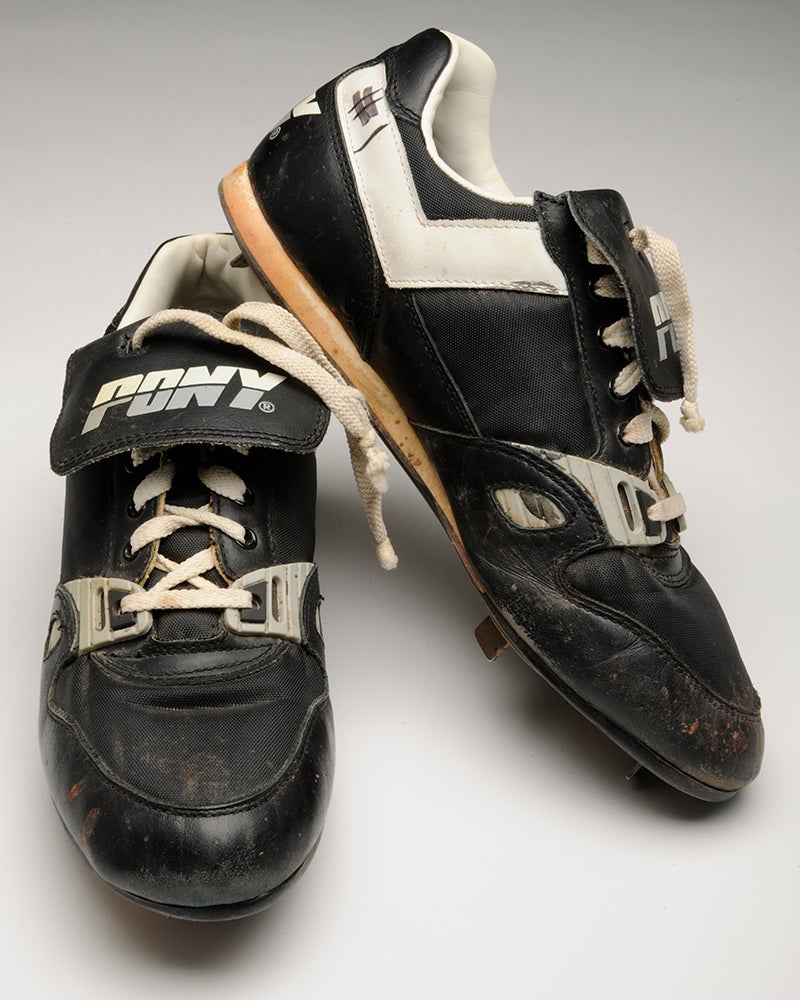
The 1991 season would run the gamut of emotions for Nixon. Hitting .356 in spot duty through May, Nixon moved into the starting lineup as the Braves’ right fielder in mid-June when David Justice was sidelined with a back injury. Nixon moved to left field when Justice returned and was hitting .297 with a .371 on-base percentage and a franchise-record 72 steals (second in the NL at the end of the season) through Sept. 15. A day later, Nixon was suspended by MLB for 60 games for violating the league’s substance abuse policy.
“I’m sure everyone is shocked and surprised,” Atlanta pitching ace Tom Glavine told the Associated Press. “This is the first I’ve heard about anything like this.”
The suspension cost Nixon a chance to appear in the postseason as the Braves won the NL West title and defeated Pittsburgh in the NLCS before falling to Minnesota in the World Series.
“I’m just sick about it,” Louisburg College coach Russ Frazier told the News and Observer of Raleigh after learning of Nixon’s suspension. “I never had a nicer guy in my years at Louisburg. I can’t understand what in the world he was doing.”
For Nixon, it was another challenging moment in his battle with addiction.
“It was a tough situation, no question about it, because you’ve got so much pride in yourself and your team, and you feel like you’ve let them down,” Nixon told the Daily Dispatch about his 1991 drug suspension when he was being honored by Louisburg College in 1992. “If you go through a personal problem of any kind, whether it’s eating, smoking, drinking alcohol or drugs, it all relates to the same thing. I just happened to be an individual who had that makeup.”
Nixon was bolstered by a Braves organization that stood by him during his struggle. On Dec. 12 – one month after he became a free agent – Atlanta signed Nixon to a two-year deal worth $5.6 million that also included a team option for 1994. The Angels also pursued Nixon, creating a bidding war that Braves general manager John Schuerholz was determined to win – even though he was criticized in some circles for the deal.
“I don’t think fans will be upset, not if fans feel like winning a National League pennant with Otis back,” Schuerholz told the Atlanta Journal. “The process was about what would be best for the team, number one, and a concern for presenting ourselves properly in terms of salary responsibility.
“We went to the final hour and final level. We almost lost this guy over (money).”
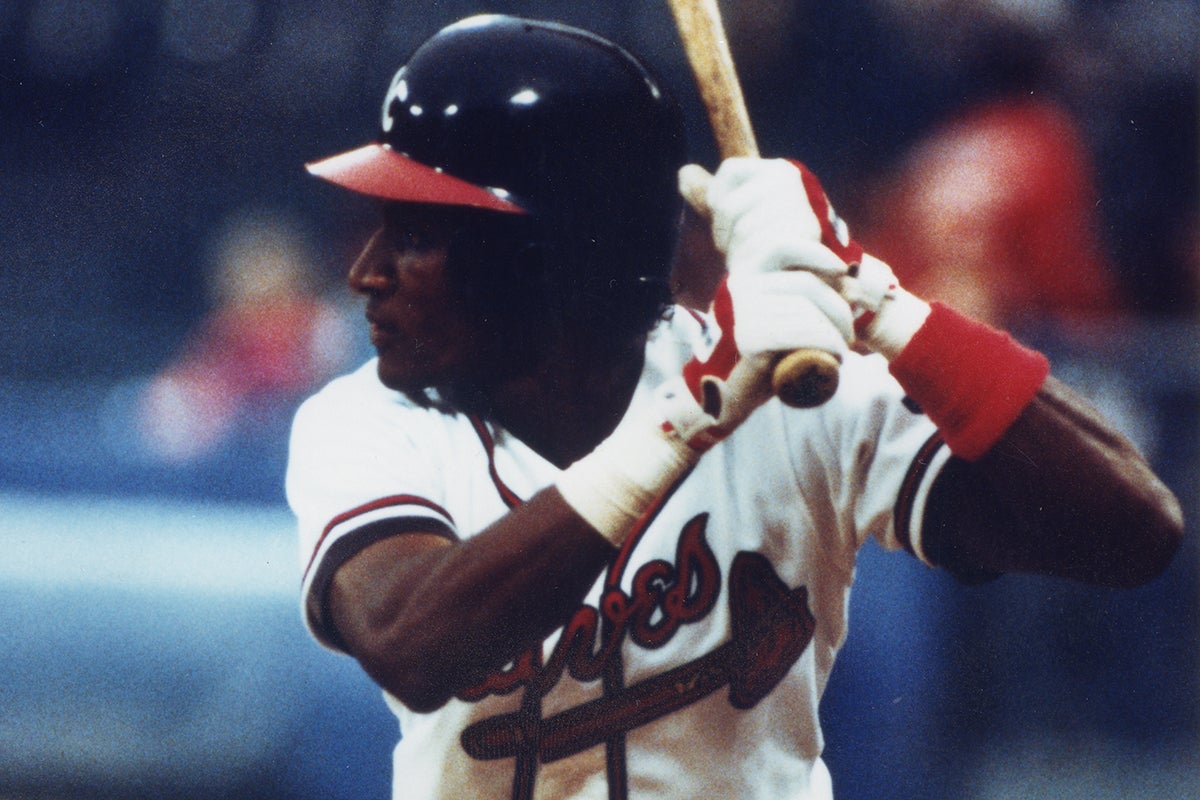
Nixon finished serving his suspension in April of 1992 and returned to the Braves’ lineup with the team at 6-10. Atlanta was 20-27 through May 26 when the team embarked on a stretch of 16 wins in 18 games – with Nixon hitting .362 as late as June 18.
He repeatedly credited the Braves for their support.
“From (Braves manager) Bobby Cox to the top of the organization, the club was there for me once I did what I had to do,” Nixon told the Daily Dispatch. “The fans were there for me from the day I stepped back on the field. They gave me a standing ovation – not to say ‘It’s OK what you did’ but (because of) what I did and am continuing to do about the situation.”
Nixon soon threw himself into supporting drug education programs in schools.
“They don’t teach enough about this situation in schools, about what the dangers are,” Nixon told the Daily Dispatch. “I think it’s more dangerous now than ever, and that’s sort of the message we’re taking (to students). For me to sit back on the contract I’ve got and not give back to the community or the kids, I think that would be cheating them.”
With the support of his team and the fans, Nixon made the play that defined the Braves’ season.
With Atlanta leading Pittsburgh 1-0 in the ninth inning in front of almost 45,000 fans at Atlanta-Fulton County Stadium on July 25, the Pirates’ Jay Bell singled with one out against Alejandro Peña. Andy Van Slyke drove Peña’s next pitch to deep right-center field, sending Nixon back to the wall. With one leap, Nixon put his glove over the wall and pulled the ball back into the playing field, keeping the Braves’ lead intact. Atlanta went on to win the game – its 13th-straight victory.
“I felt like Willie Mays for a day,” Nixon told the Daily Dispatch about his circus catch.
Nixon finished the season batting .294 with 79 runs scored and 41 steals in 120 games. The Braves and Pirates once again faced off in the NLCS, and this time Nixon was eligible – hitting .286 (8-for-28) with five runs scored, four walks and three steals as Atlanta won the series in seven games. In the World Series against the Blue Jays, Nixon had six hits and five steals in the first five games before playing a key role in Game 6.
With Toronto leading the series 3-games-to-2, the Braves trailed 2-1 in the bottom of the ninth when Nixon came to the plate with runners on first and second and two outs. His single to left field off Tom Henke tied the score and forced extra innings, but the Blue Jays took a two-run lead in the top of the 11th on Dave Winfield’s double.
In the bottom of the frame, Atlanta had runners on second and third with one out when Brian Hunter’s ground out brought the Braves to within one run. With pinch-runner John Smoltz on third with two outs, Blue Jays manager Cito Gaston brought in Mike Timlin to face Nixon, who tried for a bunt single on a 0-1 pitch. But Timlin fielded the ball and flipped it to Joe Carter at first, beating Nixon to the bag and ending the World Series.
The Braves won the NL West title for the third straight season in 1993 as Nixon hit .269 with 77 runs scored, 61 walks and 47 steals (third-best in the NL) in 134 games. He also hit .348 with five walks (good for a .464 OBP) in the NLCS vs. the Phillies, but Atlanta lost in six games.
Following the season, the Braves declined to pick up Nixon’s $2.5 million option, making him a free agent.
On Dec. 7, 1993, Nixon signed a two-year deal with the Red Sox worth $7 million.
“When I became a free agent, (the Red Sox) were the first ballclub to contact me,” Nixon told the AP. “They said the right things and I’m happy with the direction they’re taking.”
Nixon had a productive season for the Red Sox in 1994, hitting .274 with 55 walks, 60 runs scored and 42 steals in 103 games in that strike-shortened campaign. But on Dec. 9, the Red Sox opted for power over speed and traded Nixon and infielder Luis Ortiz to the Rangers for José Canseco.
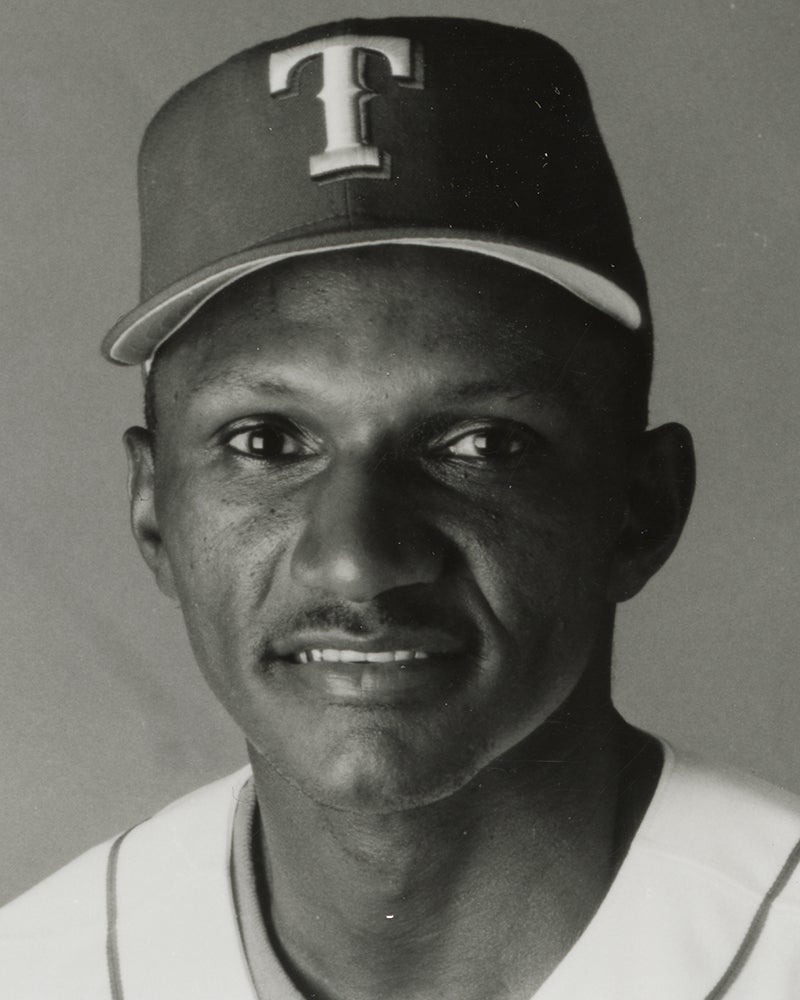
Nixon would enjoy one of his best all-around seasons with Texas in 1995, batting .295 with a career-best 174 hits, 87 runs scored and 50 steals in 139 games. His contract once again expired, Nixon continued to find work – signing a two-year deal worth $4.4 million with the Blue Jays on Dec. 7 that would carry him through his age-38 season.
Nixon hit .286 with a .377 OBP and 54 steals in 1996 as Toronto’s everyday center fielder. In 1997, Nixon was hitting .262 with 47 steals through 103 games when the Blue Jays traded him to the Dodgers on Aug. 12 in exchange for a minor leaguer. He hit .274 with 30 runs scored and 12 steals in 42 games for Los Angeles but the Dodgers just missed the playoffs, finishing two games behind the Giants in the NL West.
Back on the free agent market after the season, Nixon signed a one-year deal worth $2 million with the Twins on Dec. 11, 1997.
“Otis Nixon wanted the chance to be the regular center fielder,” Twins general manager Terry Ryan told the AP. “We can give him that chance.”
Nixon played in 110 games in 1998, hitting .297 with 37 steals – the first time since 1989 that he failed to steal at least 40 bases. But he was still in demand throughout baseball – and he brought his skillset back to Atlanta on Dec. 1, 1998, when he signed a one-year deal with the Braves.
“Otis Nixon makes us a stronger, deeper and faster team,” Schuerholz told Morris News Service. “However his role develops is a function of time and a function of need. If the time comes and we need him, I’m glad we got him.”
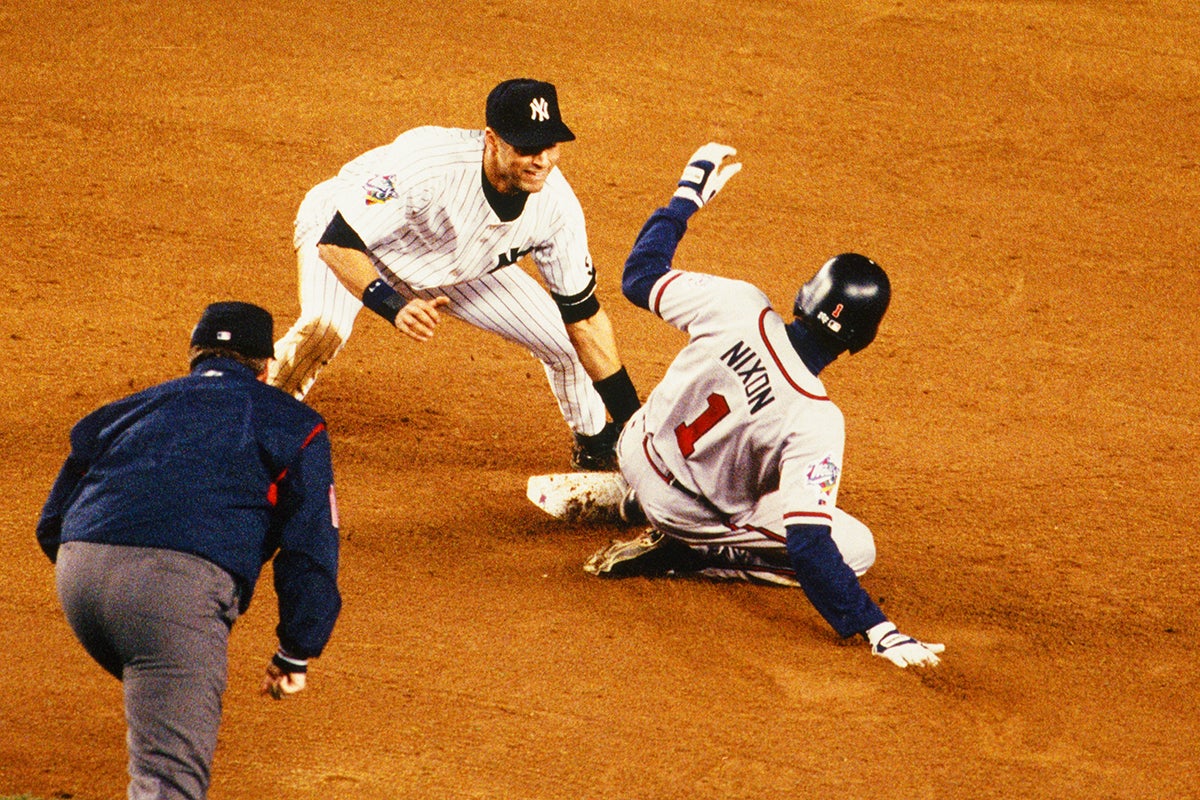
But at age 40, Nixon finally showed signs of wear. He hit just .205 in 84 games, stealing 26 bases as a reserve outfielder. The Braves won the NL East and rolled into the World Series, with Nixon scoring what would be the winning run in Game 3 of the NLDS vs. the Astros after singling with one out in the 12th inning and later scoring on a Brian Jordan double.
Nixon appeared in two games as a pinch-runner in the NLCS vs. the Mets, then played in two more games in the World Series vs. the Yankees as New York swept Atlanta.
It would be the final postseason games for Nixon, who batted .321 in 24 postseason contests while drawing 10 walks, stealing 11 bases and scoring 13 runs.
When Nixon found no suitable offers from teams for the 2000 season, he opted to retire.
Nixon had issues after his playing career and was arrested twice in 2004 and then was indicted on drug charges in 2013. But he also continued to speak to groups about the dangers of addiction, fighting the demons that followed him for decades.
Over 17 big league seasons, Nixon hit .270 with a .343 on-base percentage, totaling 1,379 hits, 878 runs scored and 585 walks. His 620 stolen bases ranked 15th all-time at the time of his retirement and are currently 16th – with his status in the Top 20 assured for many years. He was successful on 76.9 percent of his steal attempts.
More importantly, Nixon proved to be a success at perhaps what is a ballplayer’s most important skill: Perseverance.
“If you talk about pinching myself, I sort of do that every day,” Nixon told the Daily Dispatch in 1992. “It’s a slim chance to come from a small town like Evergreen and rise to this occasion and be able to take care of my family.”
Craig Muder is the director of communications for the National Baseball Hall of Fame and Museum