At Home: Jeff Kent enjoys tour of Hall of Fame
Jeff Kent had been to Cooperstown before, but this was different.
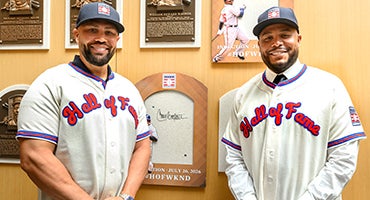
The longtime second baseman was sitting in the Plaque Gallery, surrounded by the bronze visages of 351 Hall of Famers. Behind him were the images of the first five legends elected in 1936 – Babe Ruth, Ty Cobb, Honus Wagner, Walter Johnson and Christy Mathewson – not far from where his plaque will be located after his induction this summer.
After spending a majority of his life immersed in the sport, Kent had reached the mountain summit.
“I can’t think of that right now or I’d probably have to use my tissue I have in my hand,” Kent said of being in the company of the game’s greatest legends. “The overwhelming thought of all these great, great players. I’ve seen video clips of these guys…it doesn’t relate to me. I can’t get across that bridge.”
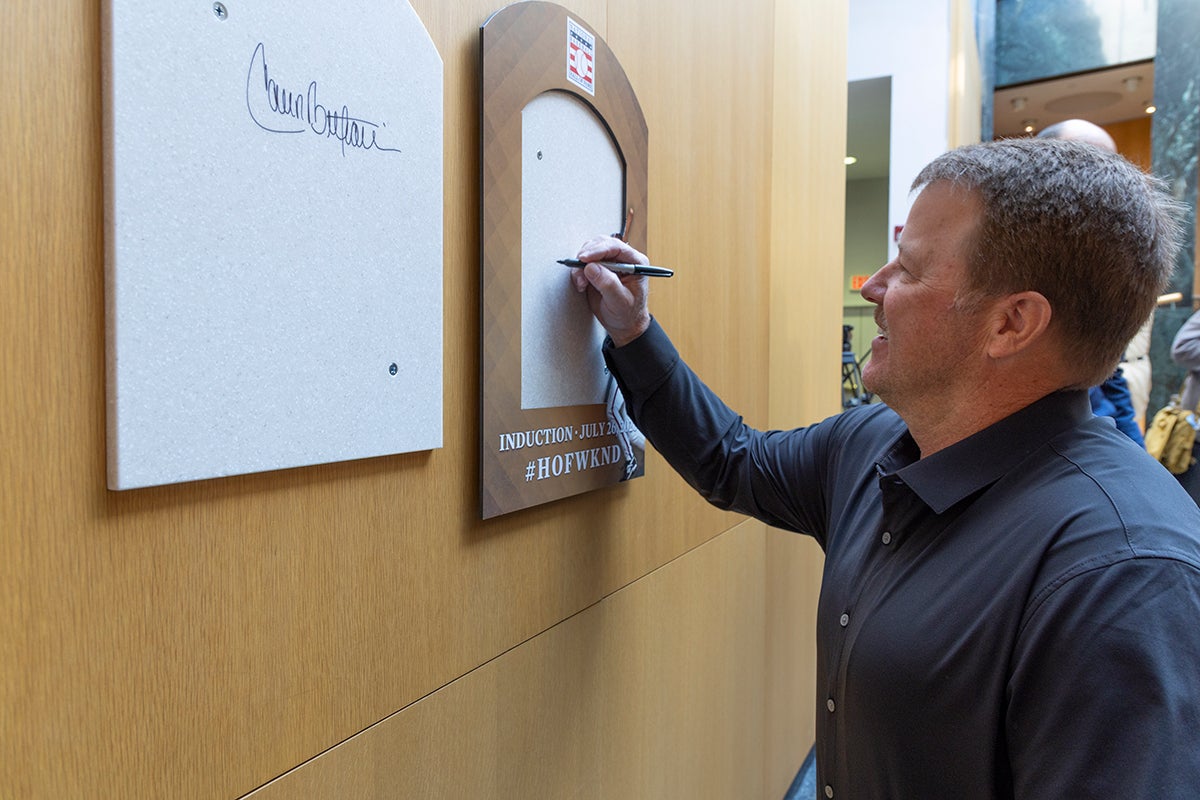
Elected by the Contemporary Baseball Era Committee in December, Kent visited the Hall of Fame on Wednesday, Feb. 4, for an orientation that’s afforded all new inductees.
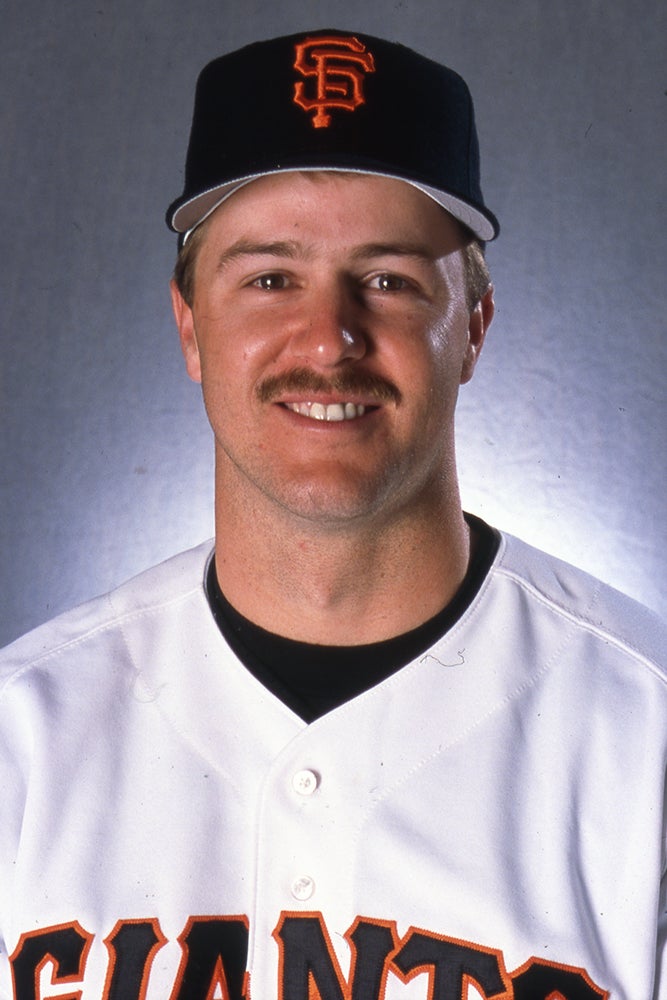
A National League Most Valuable Player Award winner, five-time All-Star and winner of four Silver Slugger Awards, Kent played for the Blue Jays, Mets, Indians, Giants, Astros and Dodgers over 17 seasons – retiring after the 2008 campaign as the all-time leader in home runs as a second baseman, with 351 of his 377 career long balls coming at that position.
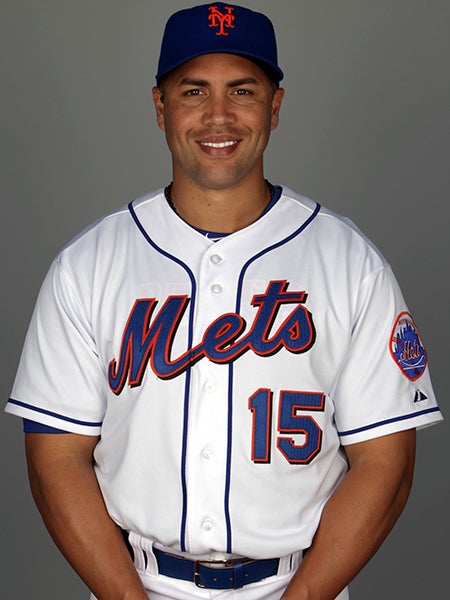
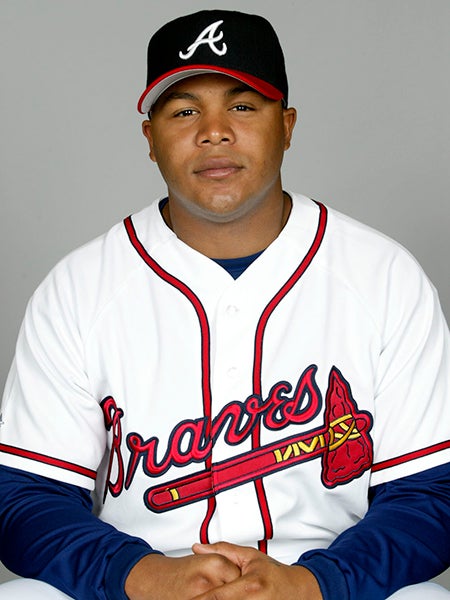
The keystone legend’s plaque will join those of Baseball Writers’ Association of America electees Carlos Beltrán and Andruw Jones on the oak walls when the Class of 2026 is inducted on July 26. Induction Weekend is scheduled for July 24-27.
At a press conference, Kent reflected on those Hall of Famers that came before him.
“In due respect to them, (I) can’t necessarily compare myself to those guys,” Kent said. “And it has nothing to do with the quality of play of mine versus theirs. It has everything to do with their era, and their generation was so spectacular, and the things that they did were so awesome. Can I now start to say that about me and my era? Can I be that awesome and that great? I can’t. My kids don’t even say how awesome I was. So, for me to stop and think about that, I’ll try not to, because it is, as it was when I was elected, such an overwhelming and an unexplained emotion that I have about that.”
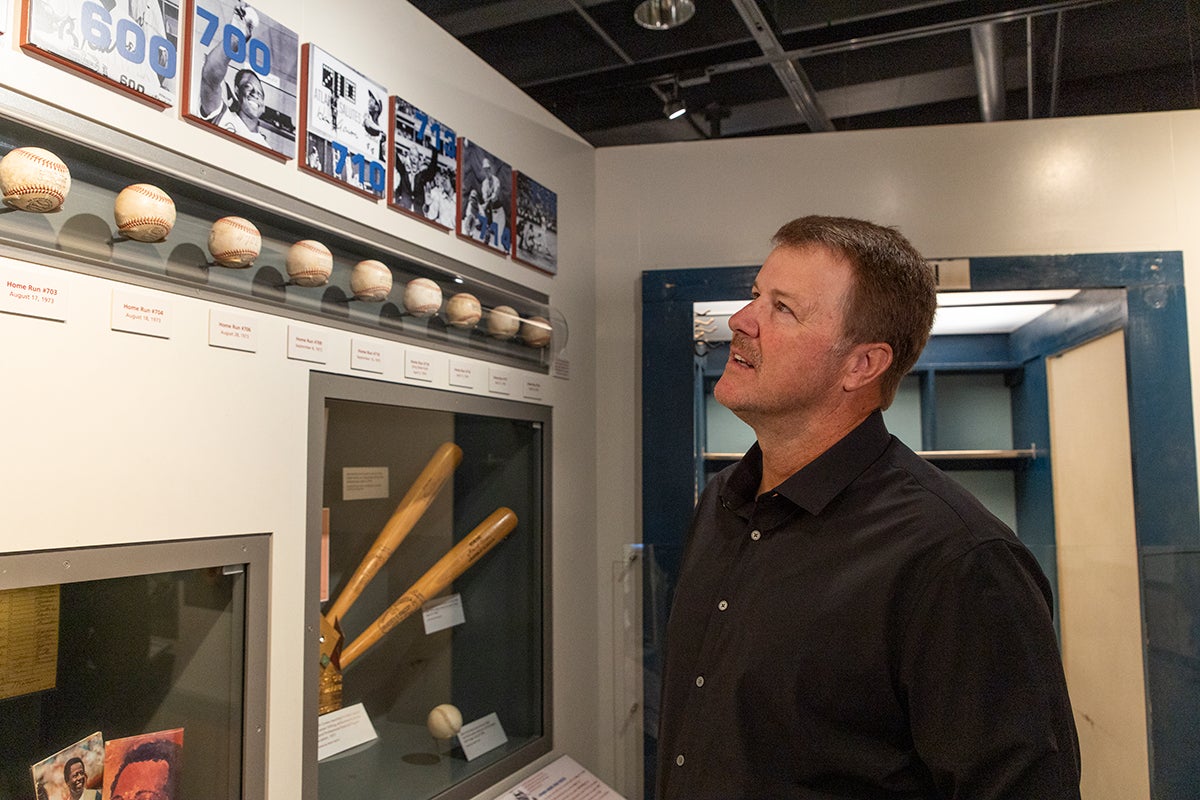
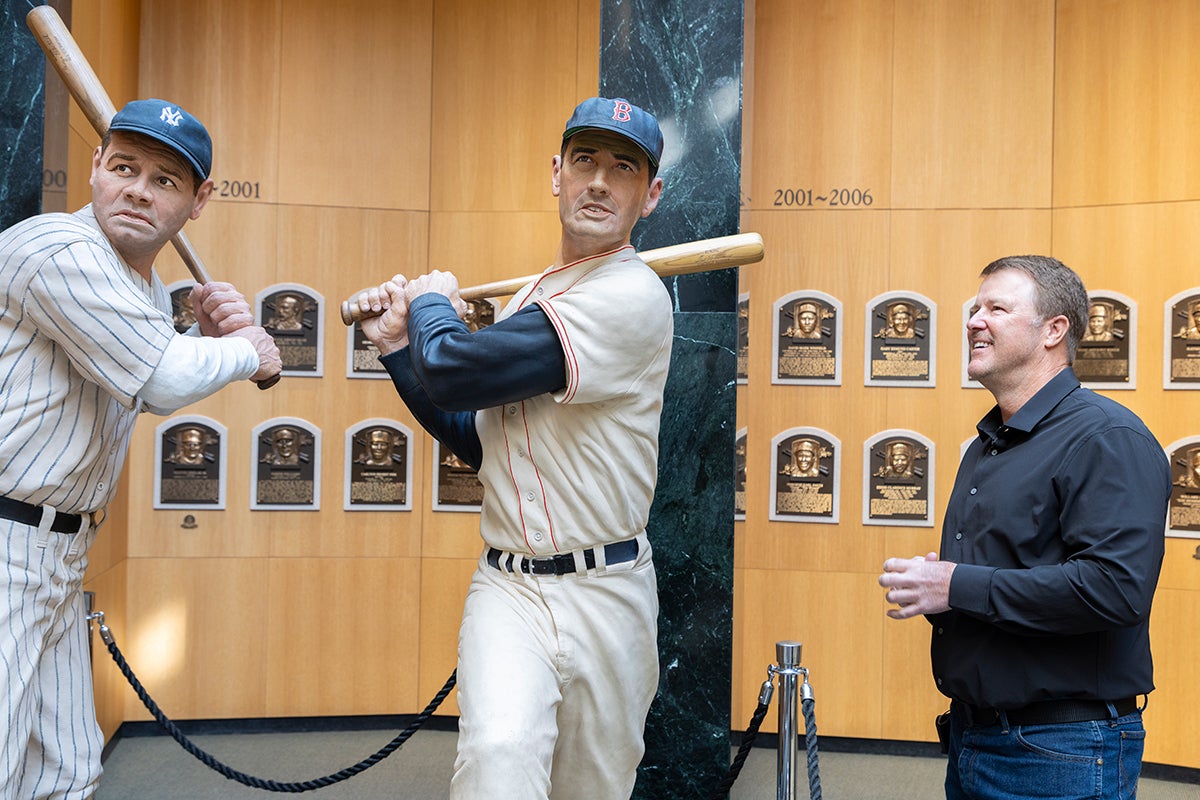
One year after retiring as an active player, Kent played in the inaugural Hall of Fame Classic in 2009 and again in 2010 – both held at historic Doubleday Field in Cooperstown. But this was his first time visiting the National Baseball Hall of Fame and Museum.
“This is continuing to add to the emotional development of my baseball history,” Kent said. “I didn’t grow up a big baseball historian. I’m not a big historian of anything, actually. I loved playing the game and love the game itself. But to have this as my first experience is something special.”
Referring to his induction speech, where dozens of Hall of Famers will be sitting behind him on stage, Kent said he was trying not to be too mechanical.
“I’m not afraid of the speech,” Kent said. “It’s going to be hard because I’m really just taking all of this in and enjoying all of this, all of what these guys behind me have put in. It’s probably going to start hitting me the day or two days that we show up when I’m starting to shake the hands of the Hall of Famers.”
Kent, who will celebrate his 58th birthday on March 7, became emotional when discussing his embrace of history when, as a player, he was more interested in the present.
“I think over my career, I didn’t embrace very many things, because I didn’t think my brain had the capacity for the history,” Kent said. “When you start to think about history, you start to perform for the wrong reasons, maybe for historical reasons or record reasons. That’s not why I ever played the game.”
Over the course of a 17-year career, Kent finished with a lifetime .290 batting average with an .855 OPS. He notched 2,461 hits, including 560 doubles, good for 30th all-time and the third most among all players during his career. During a nine-year stretch from 1997 to 2005, he averaged 28 homers and 110 runs batted in and registered eight 100 RBI seasons. One of just four second basemen to hit 30 or more homers three times at the time of his retirement, he is the only second baseman to drive in 100 runs in eight seasons.
Kent, who was named the National League’s Most Valuable Player in 2000 when he batted .334 with 33 homers, 125 RBI and 114 runs scored for the Giants, finished in the Top 10 of the NL MVP voting in three other years.
Kent established himself as one of the most productive players at his position in the game’s history, with a dozen 20-plus homer seasons and eight seasons of 100-or-more runs driven in his career, and his 1,518 RBI are the most of any second baseman whose career began in the Live Ball Era.
His six seasons in San Francisco included the MVP effort in 2000 and outstanding 2002 season that helped drive the Giants to the National League pennant.
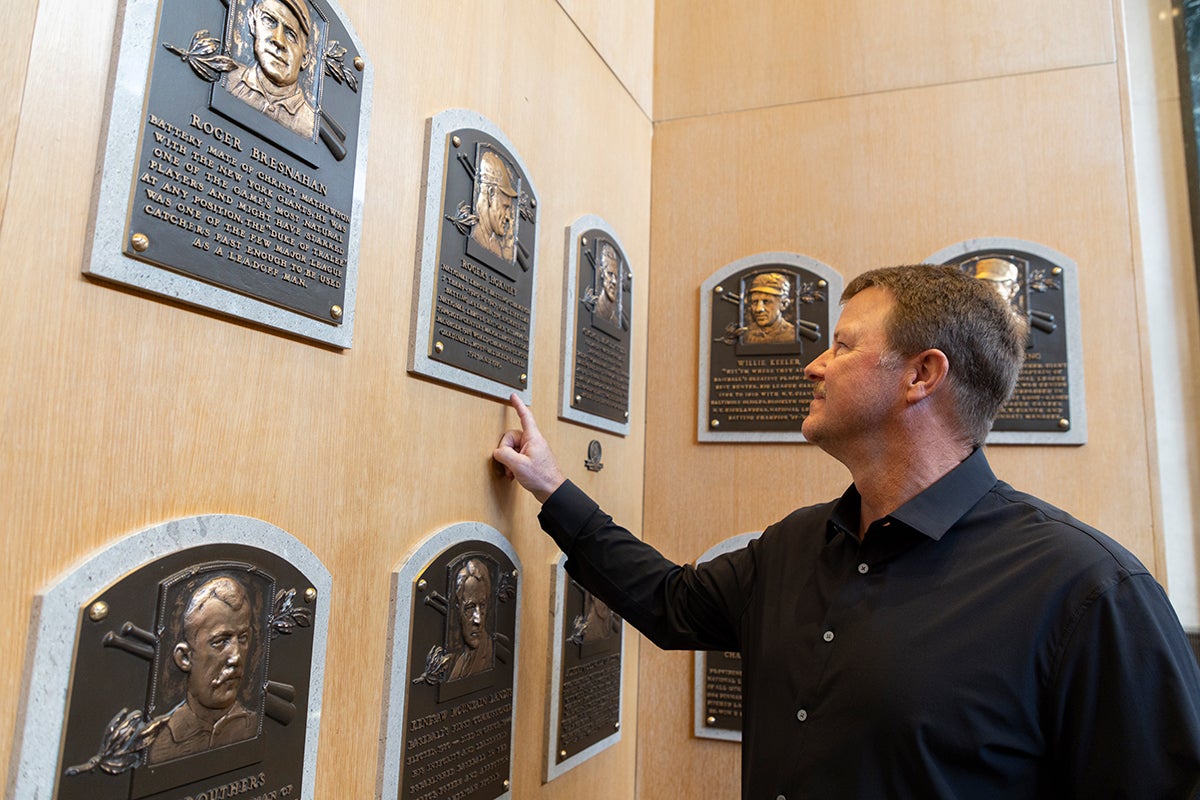
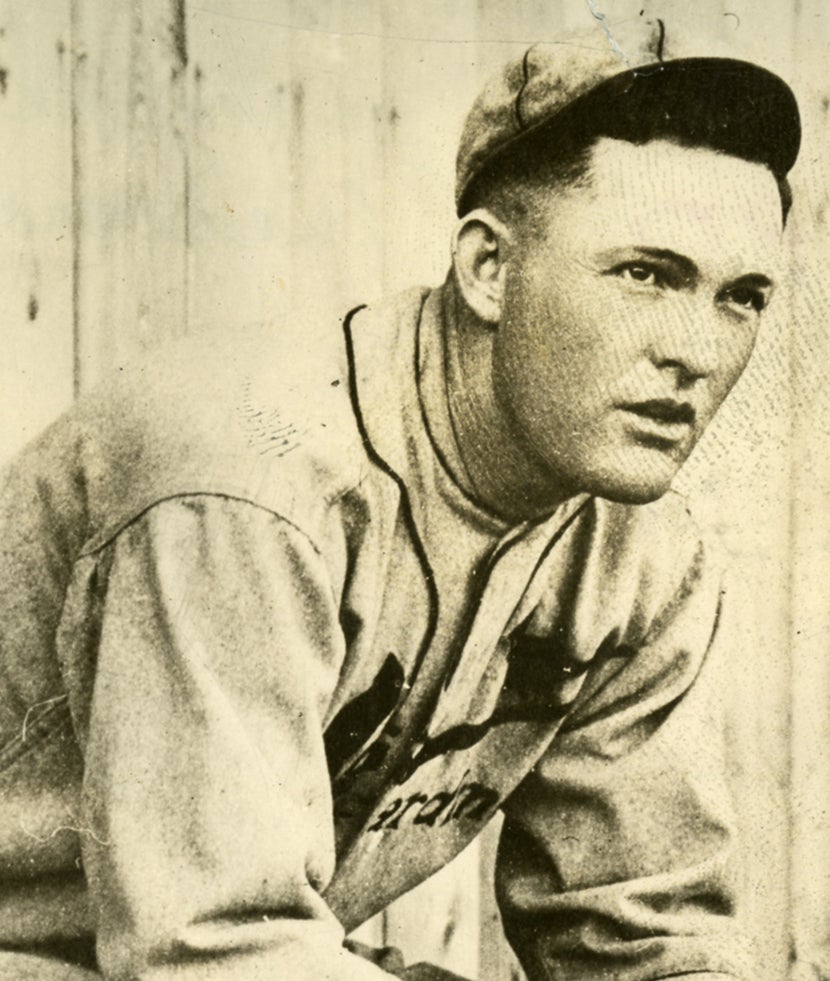
Prior to his press availability, Kent toured the Plaque Gallery, where he sought out the bronzed images of fellow second basemen Rogers Hornsby and Ryne Sandberg before leaving his signature at the designated spot where his own plaque will be affixed after the Induction Ceremony.
Kent began the day with a tour of the Museum led by Tom Shieber, the Museum’s senior curator. The day’s experiences were made more special with his wife, Dana, by his side. They were shown exhibits and artifacts that show the game’s history dating back to the 19th century to the present.
A few times along the journey through the game’s past, Kent would reference those players that came generations before him, adding once: “I always wondered if I would have enjoyed playing in that era.”
In the One for the Books exhibit, Kent saw the bat saw the bat he used to hit his 278th homer to pass Sandberg’s career record for second basemen.
“They did talk a lot about Rogers Hornsby records that I would break every now and then,” Kent said. “Ryne Sandberg was a guy that was somewhat of an idol of mine, knowing how good he was and wanting to be as good or better. But I never played the game with a sense of individual accomplishment. It was the game that I knew, and it was a game that I played, and it was a game that I, at that moment of playing, I wanted to be successful at.”
Bill Francis is the senior research and writing specialist at the National Baseball Hall of Fame and Museum
HALL OF FAME WEEKEND 2026
The eyes of the baseball world will be focused on Cooperstown July 24-27, with the legends of the game in town to see history unfold during Hall of Fame Weekend.