Koufax sets immaculate standard
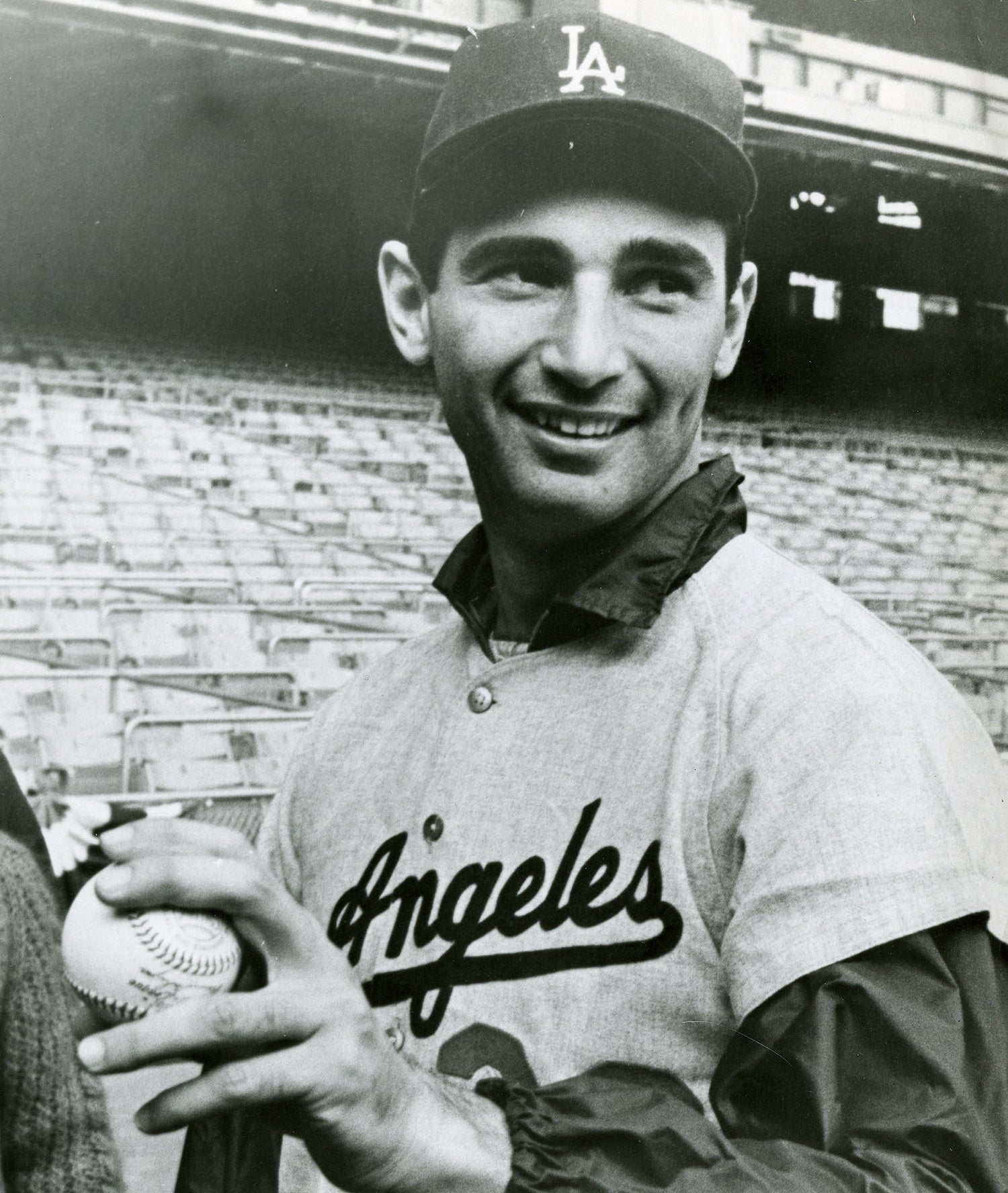
In an era where a strikeout was considered a batter failure, Sandy Koufax was more than just dominant.
In fact, “perfect” may have not even described it.
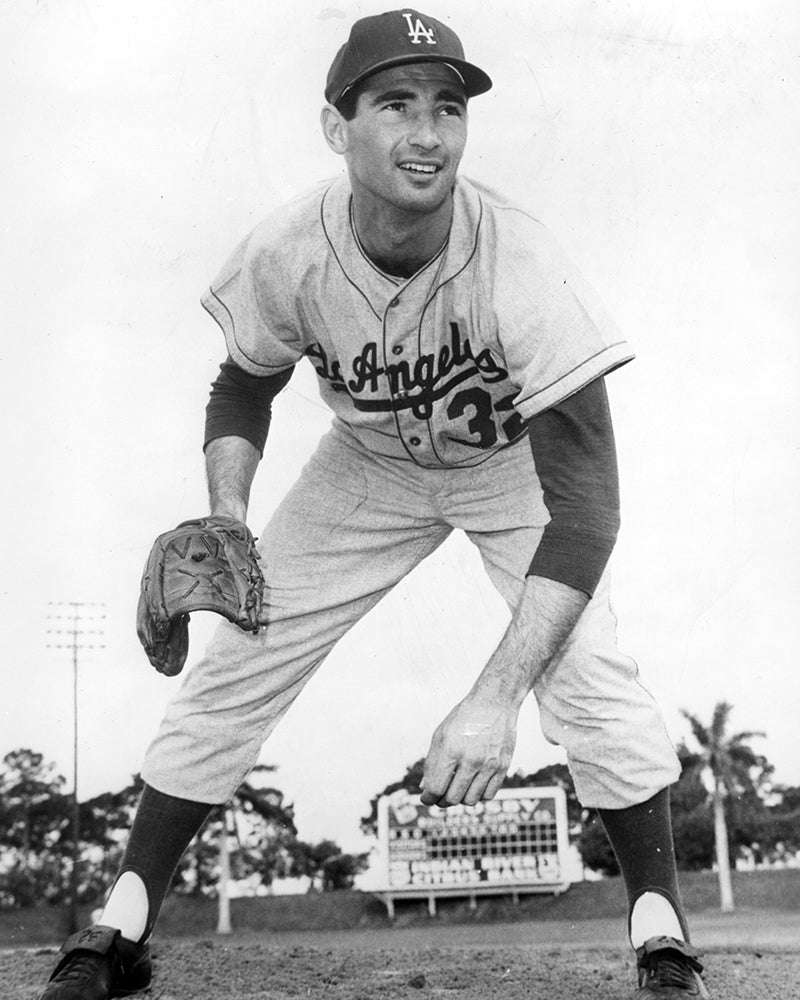
“The way Sandy is going now,” Giants legendary left-hander Carl Hubbell told United Press International in 1964, “he may pitch a half-dozen no-hitters during his career.”
Hubbell’s comments came after Koufax’s third no-hitter. But six weeks earlier, Koufax had made headlines again – this time by recording the third “immaculate inning” of his career.
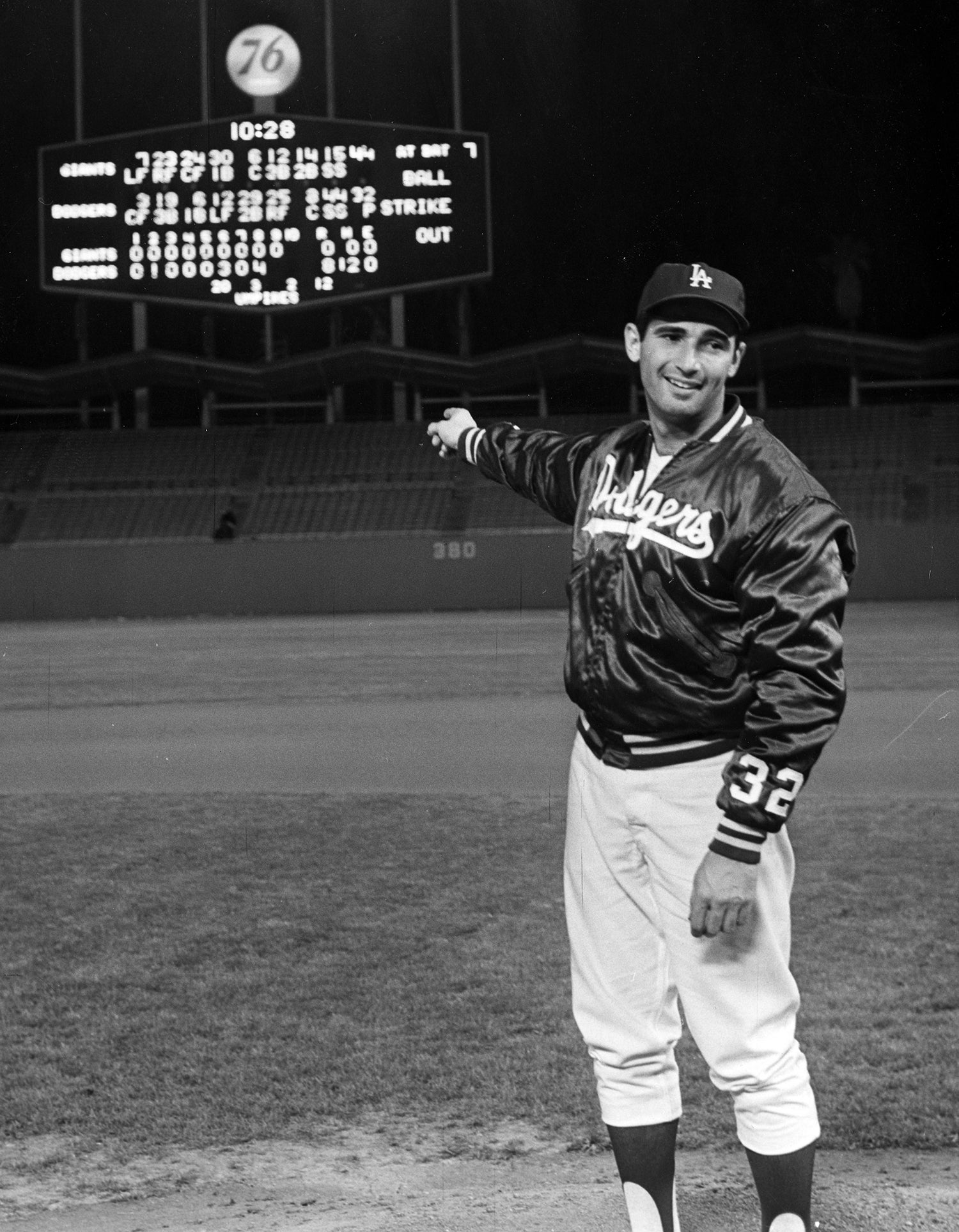
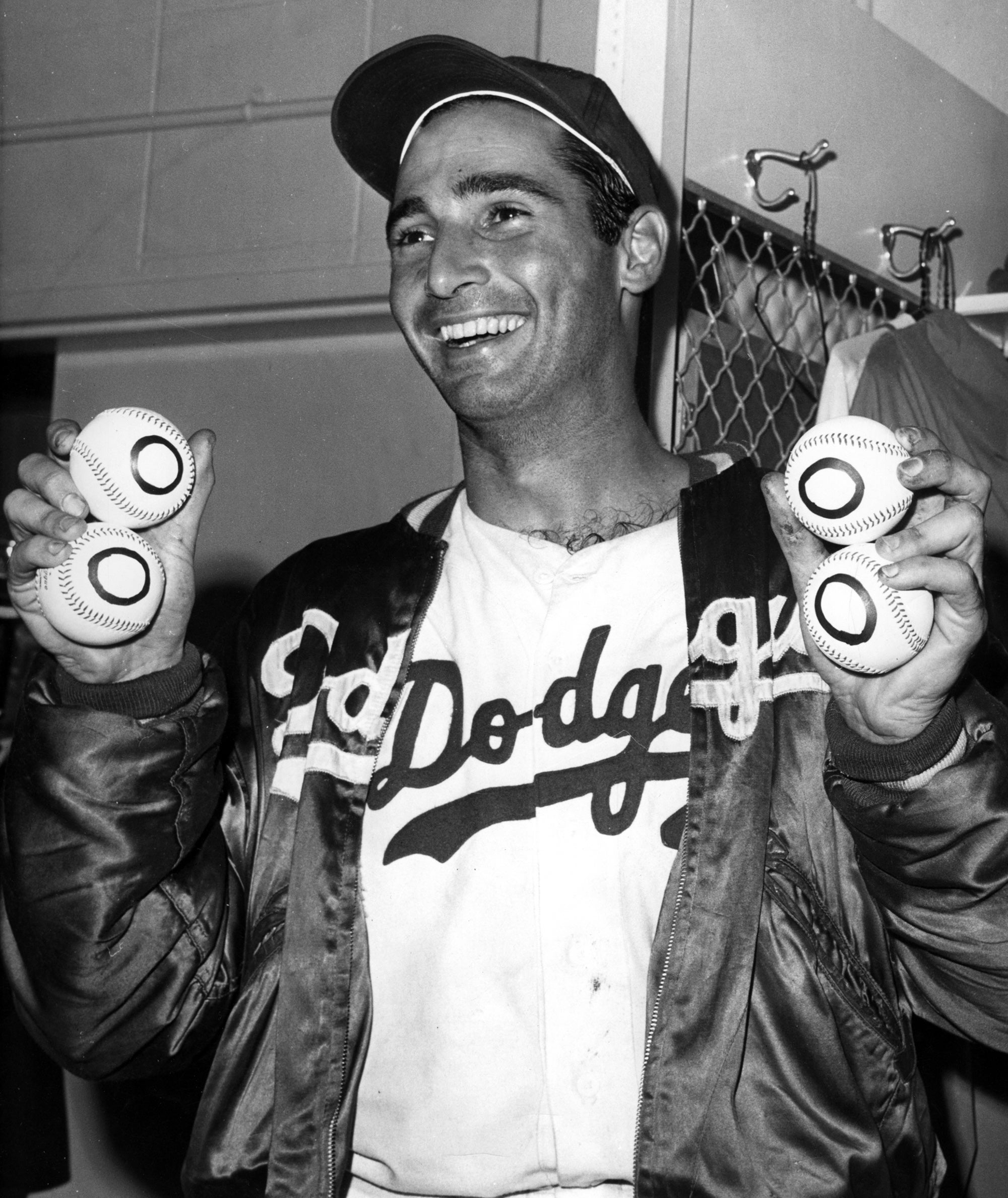
On April 18, 1964, against the Reds at Dodger Stadium, Koufax fanned Leo Cárdenas, Johnny Edwards and Jim Maloney on nine pitches. It marked the third consecutive season where Koufax had notched an “immaculate inning” – making him the first pitcher in American League or National League history to do so.
Koufax’s effort against Cincinnati was the 15th perfect inning in history, and only Lefty Grove had done it twice. In today’s game, the feat is more common – there were four in 2025 alone. But when batters were trained to avoid strikeouts at all costs, there were few.
From 1929 through 1952, for example, there were no “immaculate innings” in the AL or NL.
“I think no-hitters came a little harder in my time because batters weren’t swinging so much for the fences,” Hubbell told UPI. “They guarded the plate and punched the ball more.
“But believe me, Sandy would be great any year.”
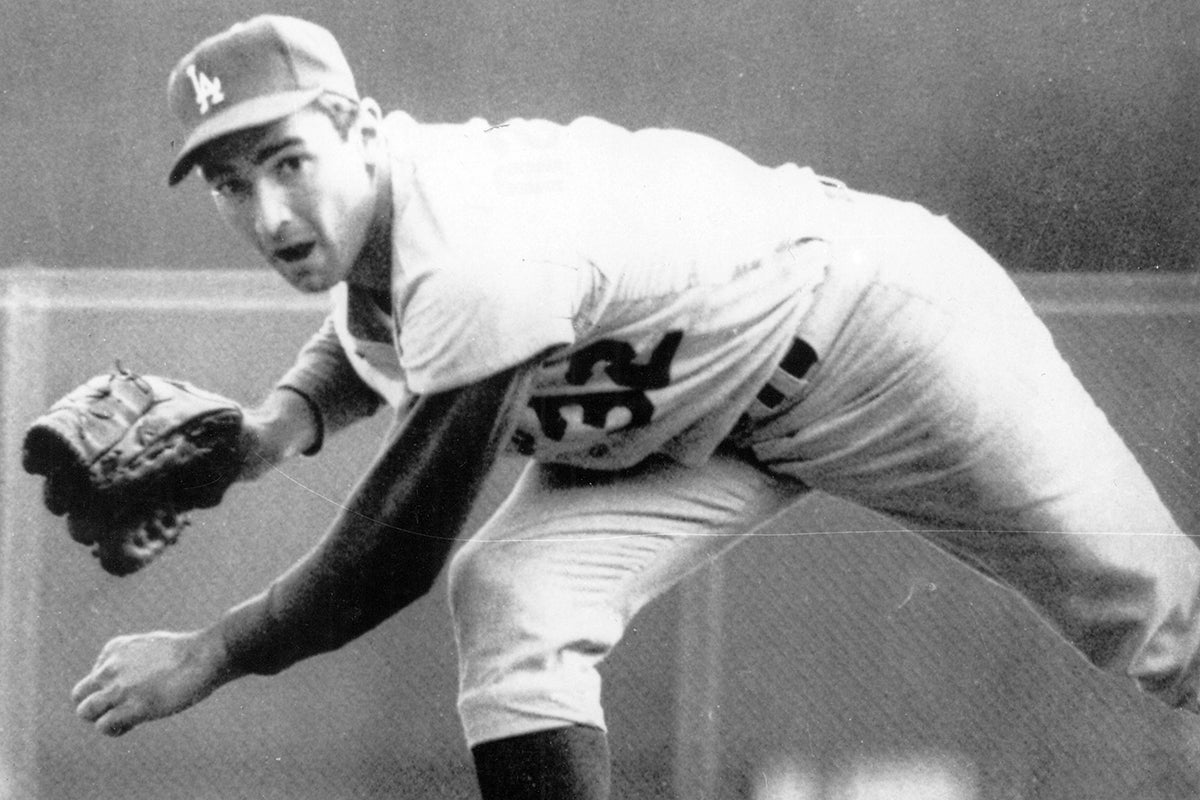
Koufax’s 1964 season was slowed by arm woes but he still went 19-5 with a league-best 1.74 ERA in 223 innings. And though he did not produce another “immaculate inning” in a career that ended at age 30, he struck out a total of 699 batters in his final two seasons.
He was elected to the Hall of Fame in 1972 at the age of 36, becoming the youngest inductee ever.
“I became a good pitcher,” Koufax said, “when I stopped trying to make them miss the ball and started trying to make them hit it.”
Few batters, however, were able to do what Koufax wanted.
“It is almost painful to watch; for Koufax, instead of merely overpowering hitters, as some fastball throwers do, appears to dismantle them,” wrote 2014 Baseball Writers’ Association of America Career Excellence Award winner Roger Angell of Koufax’s artistry, “…taking away first one and then another of their carefully developed offensive weapons and judgments, and leaving them only with the conviction that they are the victims of a total mismatch.”
Craig Muder is the director of communications for the National Baseball Hall of Fame and Museum