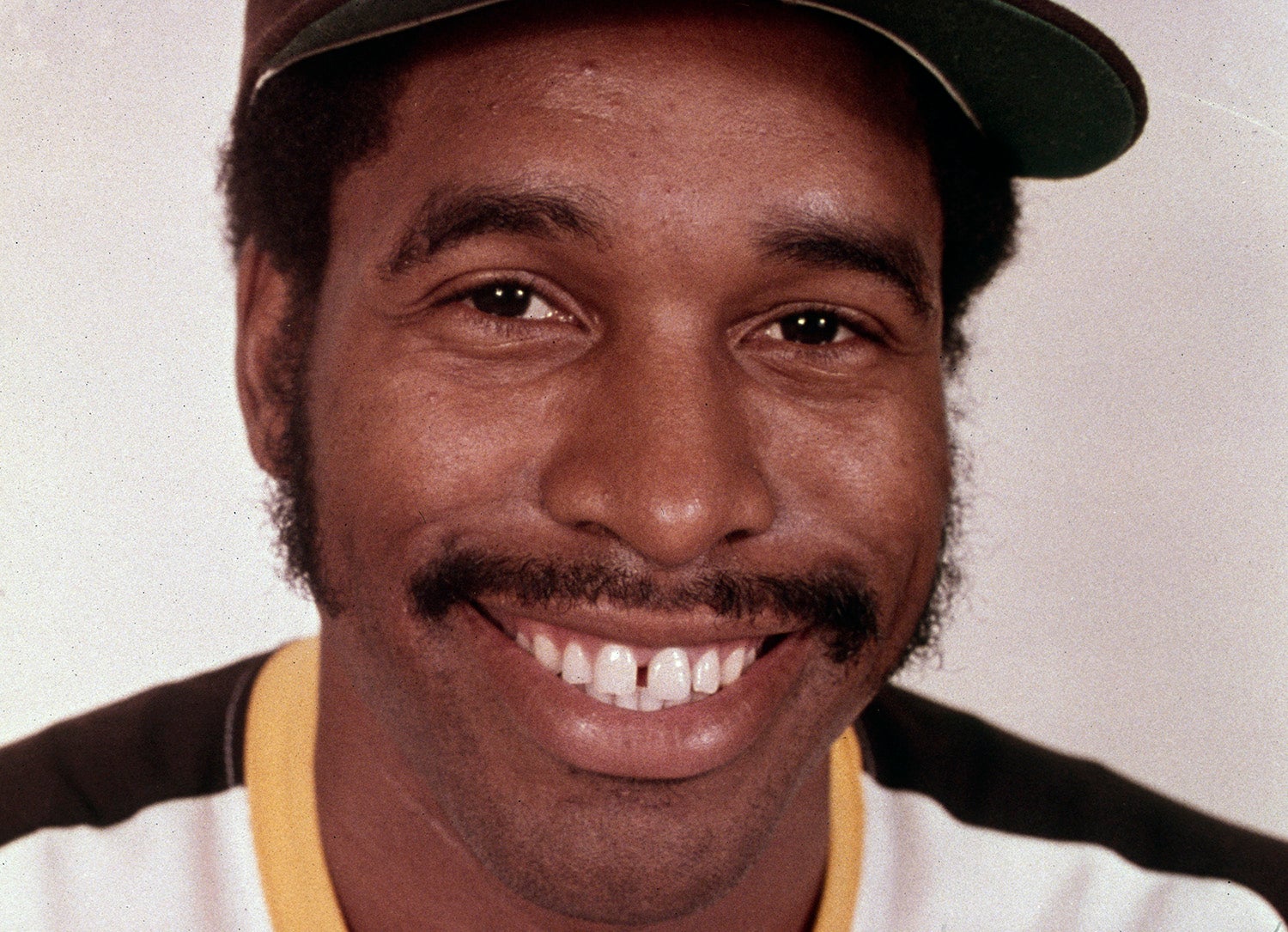
Parker heads to Angels after starring for Milwaukee
At age 39, Dave Parker seemed to be the embodiment of the perfect designated hitter.
On March 14, 1991, the Angels showed just how much they believed in the ageless Parker when they acquired him from the Brewers in a deal for a future All-Star.
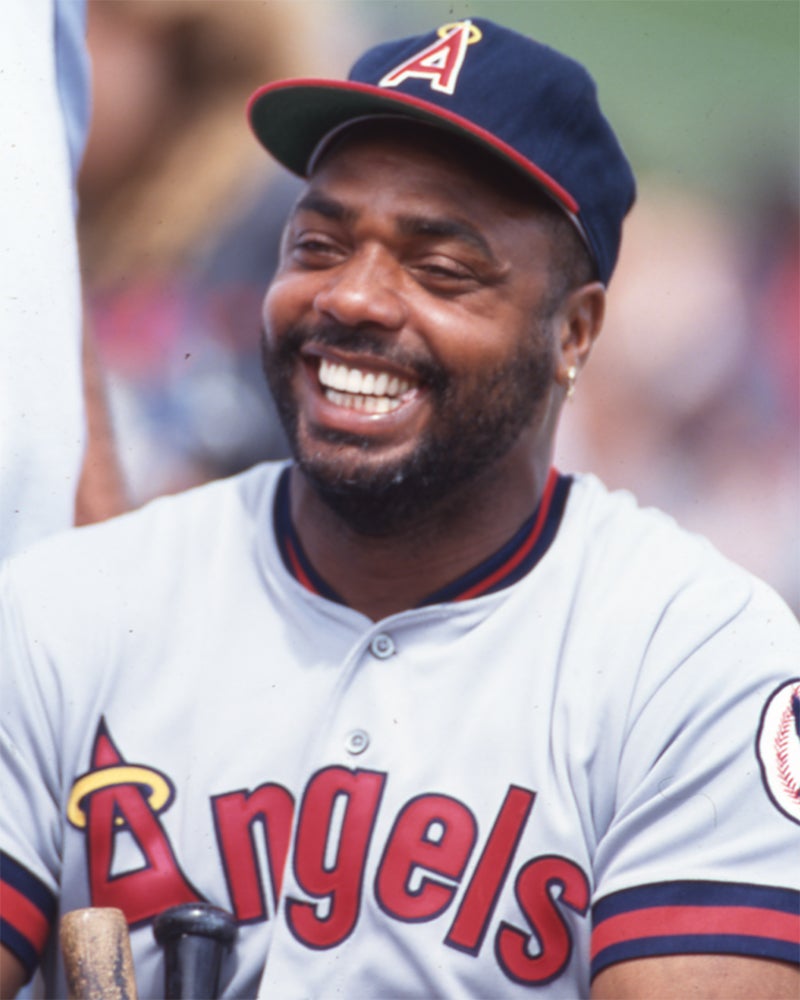
Parker was coming off a season where he was named the American League’s top designated hitter for the second straight year when the Angels acquired him in a one-for-one deal for Dante Bichette.
“He’s a man who you’ll hear has nothing but raves in the clubhouse,” Angels manager Doug Rader told USA Today about Parker after the trade. “He’s got the guts to strut it and the ability to back it up. That’s rare. I love the guy.”
Parker hit .289 with 21 homers and 92 RBI in 1990, winning his third Silver Slugger Award and finishing 16th in the American League Most Valuable Player race. But he was entering the final year of his contract and scheduled to make $1.4 million for a rebuilding Brewers team that wanted to move future Hall of Famer Paul Molitor into the DH spot.
The Angels, meanwhile, were anxious to add Parker’s bat to a lineup that already featured another Cooperstown-bound slugger in his late 30s: Dave Winfield.
“When you look at the thing in a chronological sense, yes, you see a right fielder (Winfield) who is this age and a Dave Parker who is that age,” Angels general manager Mike Port told the Associated Press. “But I don’t think Dave Winfield or Dave Parker fall into the category of your average 39-year-olds.”
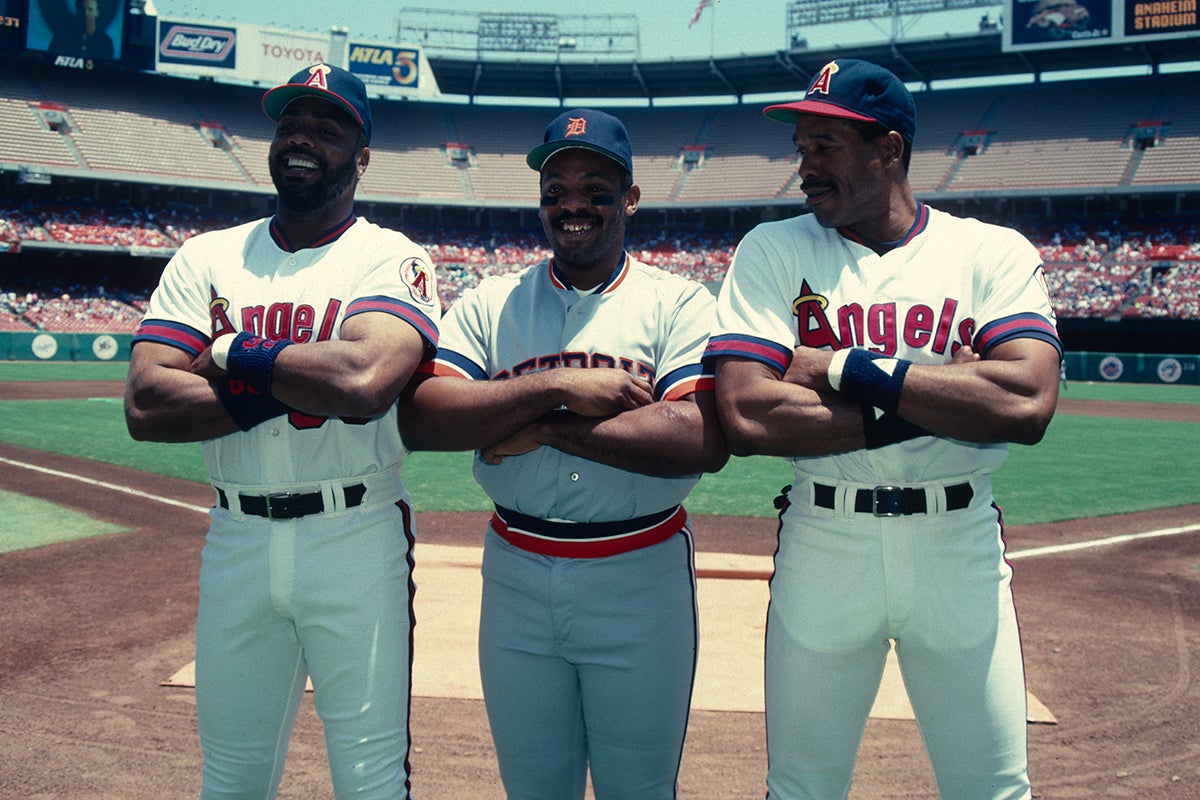
The Angels got off to a fast start in 1991 and were competing for first place in the AL West before a summer slump cost Rader his job. On Sept. 7, the Angels released Parker, who was hitting .232 with 11 homers and 56 RBI through 119 games. He signed with Toronto a week later and hit .333 in 13 games to help the Blue Jays win the AL East. But as a post Aug. 31 roster addition, he was ineligible for the postseason.
His tenure with the Blue Jays would mark the final games of Parker’s big league career.
Bichette, meanwhile, played in 109 games for the Angels in his age-26 season in 1990 but had asked to be traded. After two years in Milwaukee, Bichette was dealt to the Rockies following the 1992 season. That began a stretch of seven years where Bichette averaged .316 with 28 homers and 118 RBI per season while being named to four All-Star Games.
Parker, on the other hand, left an indelible impression on his Brewers family in his only season in Milwaukee.
“We never had a DH in the history of the Milwaukee Brewers who contributed like Dave Parker did,” Brewers manager Tom Trebelhorn told the AP. “As far as the loss of Dave Parker, that’s a tough one.”
Parker was inducted into the Hall of Fame in 2025.
Craig Muder is the director of communications for the National Baseball Hall of Fame and Museum