#Shortstops: Baseball flap
The 2002 season was in its last day. The Marlins and Phillies were battling it out for third place in the National League East, both teams already being eliminated from postseason contention. It seemed like just another normal day game in September, but most people didn’t realize that MLB history was about to be made.
It’s the bottom of the first at Pro Player Stadium in Miami. Tim Raines digs into the box, hitting second for the Marlins that day. He looks to advance leadoff hitter Luis Castillo, who reached first on a single. Unfortunately, Raines strikes out looking to Phillies right-hander Joe Roa. He rapped a leadoff single in the bottom of the third but was quickly erased on a Kevin Millar double play, and, in his last MLB at-bat during the next inning, Raines flew out to Jason Michaels in deep right field.
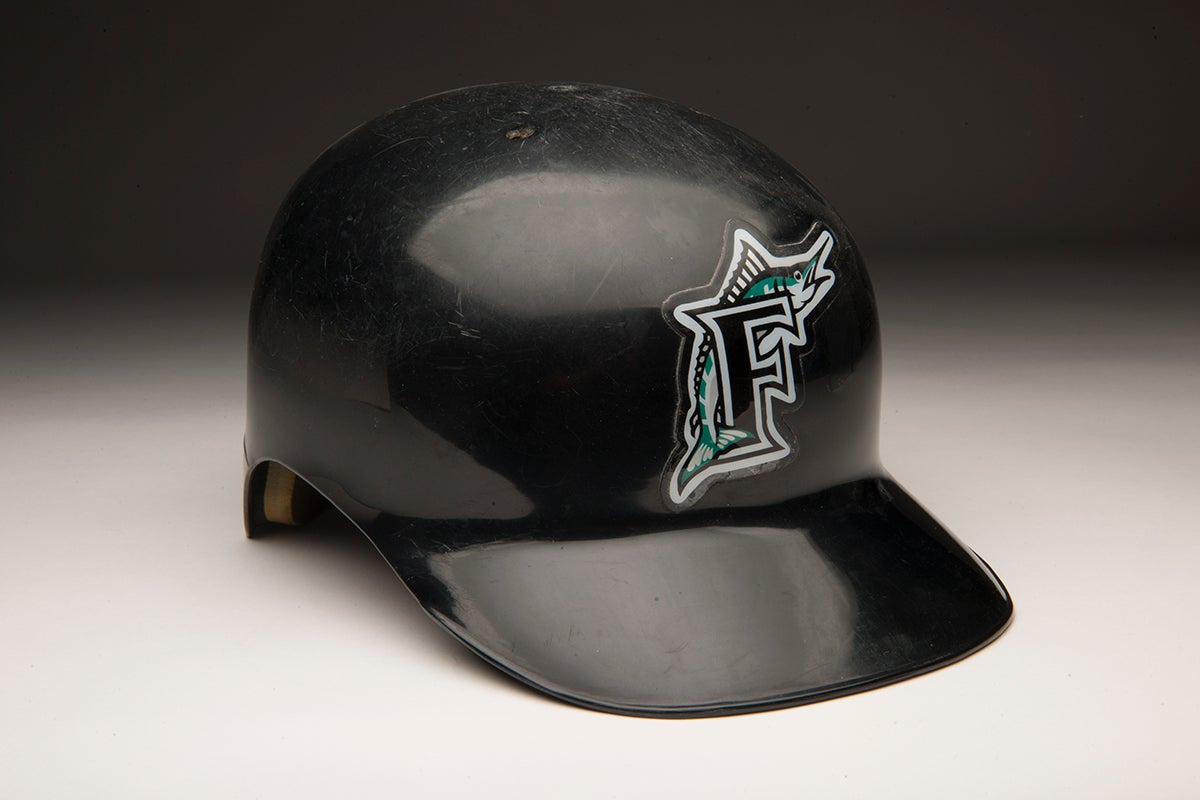
What happened on the field on Sept. 29, 2002, seemed ordinary, but it was an end to an era that many baseball fans did not know about. Raines was the last MLB player ever to wear a batting helmet with no flaps. Starting in 1983, MLB required all batters to wear a helmet with a protective flap on whichever side of their head faced the pitcher while hitting. However they granted players, provided that they had played before the 1983 season, the right to stick with the flapless helmets until their retirement. Since Raines debuted in 1979, he was “grandfathered in” to this rule. A few other players, most notably Julio Franco and Rickey Henderson, could have worn this type of helmet as well after 2002, but chose not to, opting for the safer and more modern design.
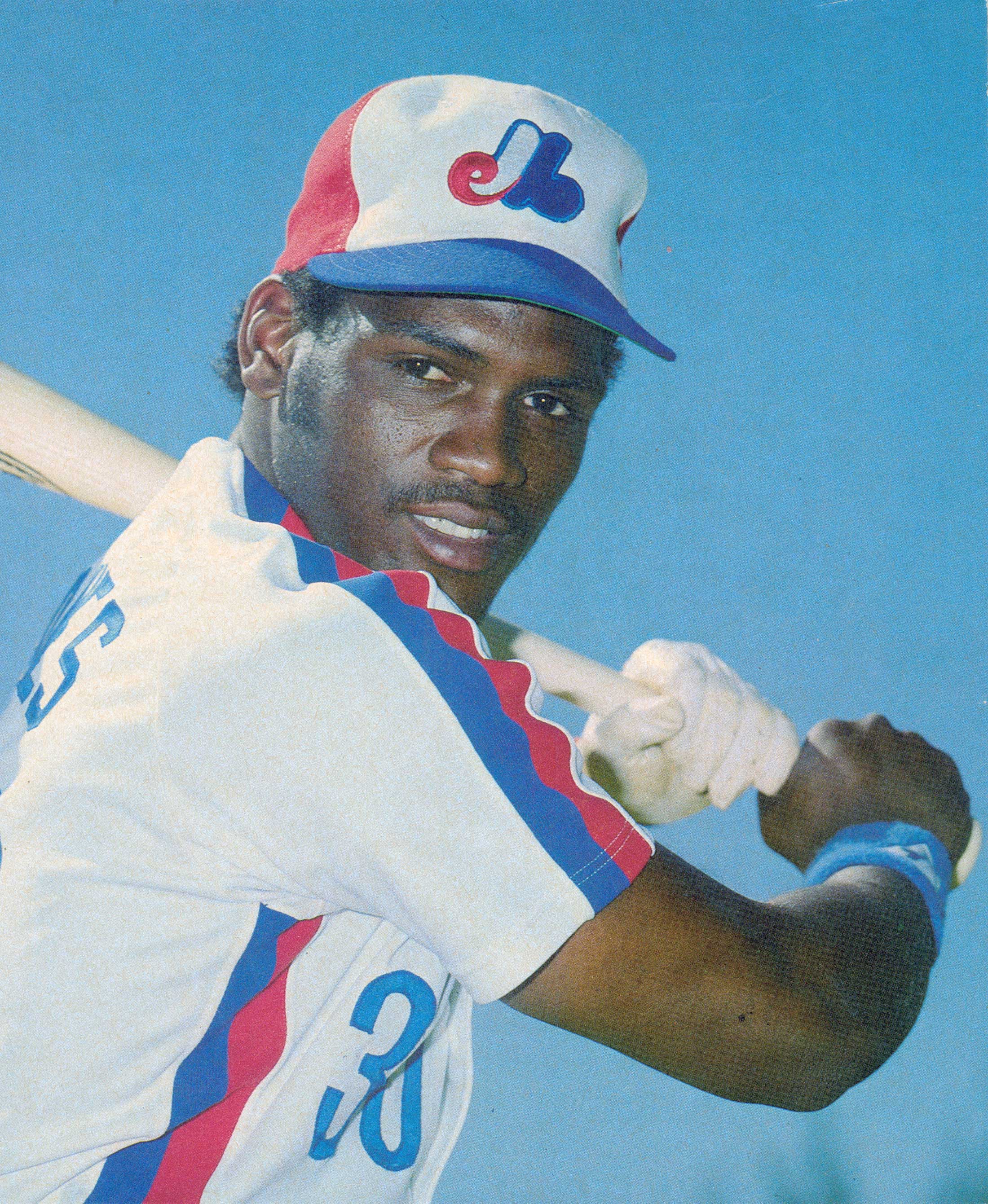
After Raines debuted in 1979, he played the next 11 seasons with the Montreal Expos, proving himself to be one of the best players of his generation. In that time, he had a total of 634 stolen bases, a .301 batting average and almost 1,600 base hits; seven All-Star selections highlighted his time in Montreal. After the 1990 season, Raines was traded to the White Sox, where he was an above average hitter, stealing 143 bases and posting a 113 OPS+ in his five years in Chicago.
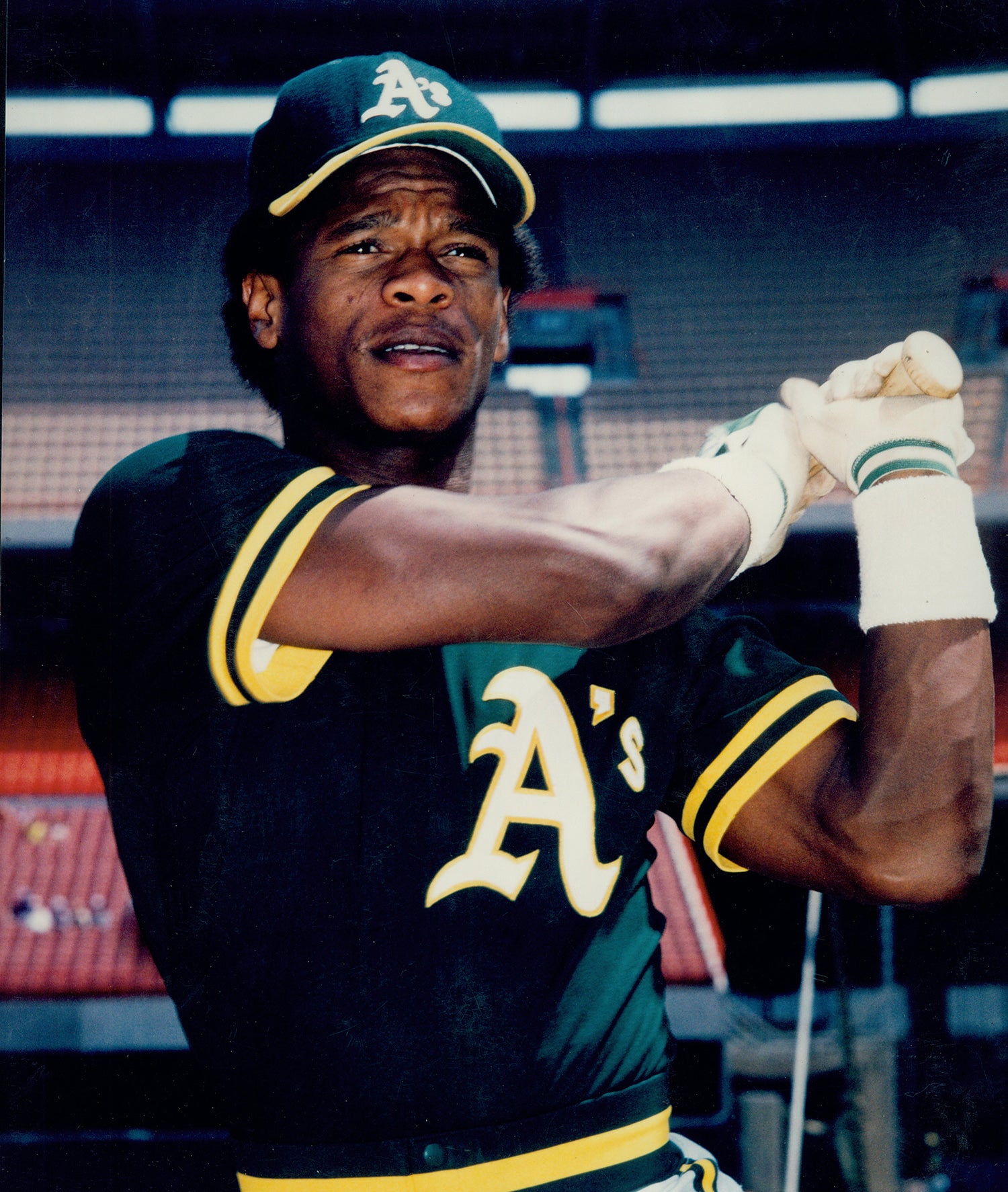
Traded after the 1995 season to the Yankees, Raines provided an excellent veteran presence as New York won its first World Series since 1978. He would spend three years with the Yankees before providing several teams with his leadership in the twilight of his career. He played with the Oakland Athletics in 1999 but did not play during the 2000 season due to an auto-immune disease. Raines went back to Montreal in 2001 then joined the Orioles during that season to play with his son Tim Raines Jr. He hit .303 over the course of the season, and Raines decided to play one more season, signing with the Florida Marlins in 2002. His last game that season signaled the end of an era in MLB.
Samuel Faust is a 2026 Membership intern in the Frank and Peggy Steele Internship Program for Leadership Development