#CardCorner: 1967 Topps Max Alvis
During the pitching-rich 1960s, only three American League third basemen had at least three seasons with 20-or-more home runs.
Two – Harmon Killebrew and Brooks Robinson – are enshrined in Cooperstown. The third, Max Alvis, played only nine big league seasons and was part of just two winning teams. But Alvis left his mark as a two-time All-Star who got the most out of his athletic ability.
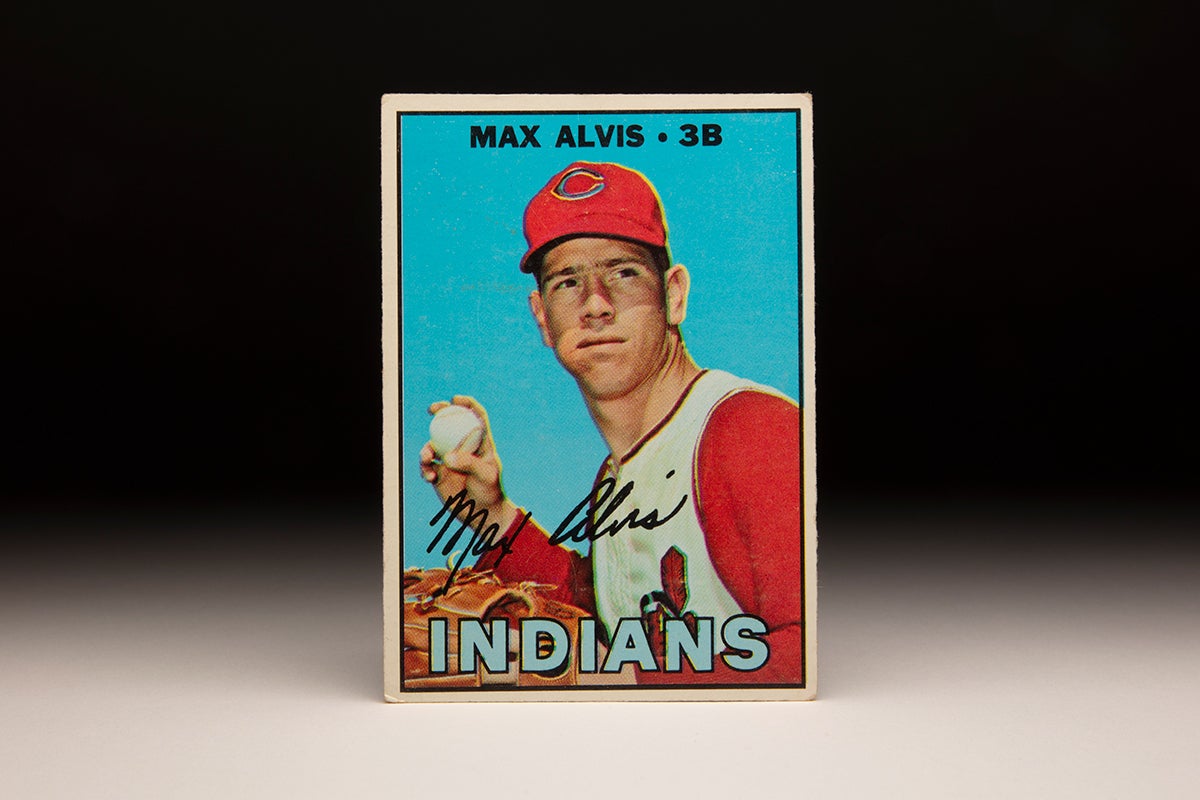
Roy Maxwell Alvis was born Feb. 2, 1938, in Jasper, Texas. He dreamed of playing in the big leagues as a youngster – and credited his father, Leroy, with helping him achieve that dream.
“There were quite a few people who influenced my career,” Alvis told the Orange (Texas) Leader in 1970. “But I’d have to credit my dad as the person who did the most for me.”
Alvis was also guided by his high school coach, Hubert Boales, who went on to be the head baseball and football coach at McNeese State University. But when no suitable baseball offers came to Alvis when he graduated from high school, he enrolled at the University of Texas in the fall of 1956 with the intention of playing football and baseball for the Longhorns.
Heading into his sophomore season, Alvis caught the attention of legendary Texas coach Darrell Royal.
“(Alvis) plays like a junior,” Royal told the Waco Times-Herald about Alvis, who was slated for the right halfback and linebacker positions. “He’ll be a real good football player when he leaves here.”
But when Alvis did leave the University of Texas, he was a professional baseball player. He hit .403 for the Longhorns in the spring of 1958 before the Cleveland Indians signed him to a bonus contract worth $40,000 before his junior year. Cleveland sent him to Class D Selma of the Alabama-Florida League to begin his pro career in 1959.
With Selma, Alvis batted .297 with six homers and 70 RBI in 117 games.
“My first pro manager, Johnny Lipon, gave me a lot of confidence when I broke in during the 1959 campaign in the Alabama-Florida League,” Alvis told the Orange Leader.
But Alvis also had to endure the hardships of minor league ball.
“It was Class D and I mean it was rock-bottom,” Alvis told the Fort Worth Star-Telegram in 1965. “We not only went on old buses, but they were hot, old buses. It’s got to be the hottest place in the world to play baseball.”
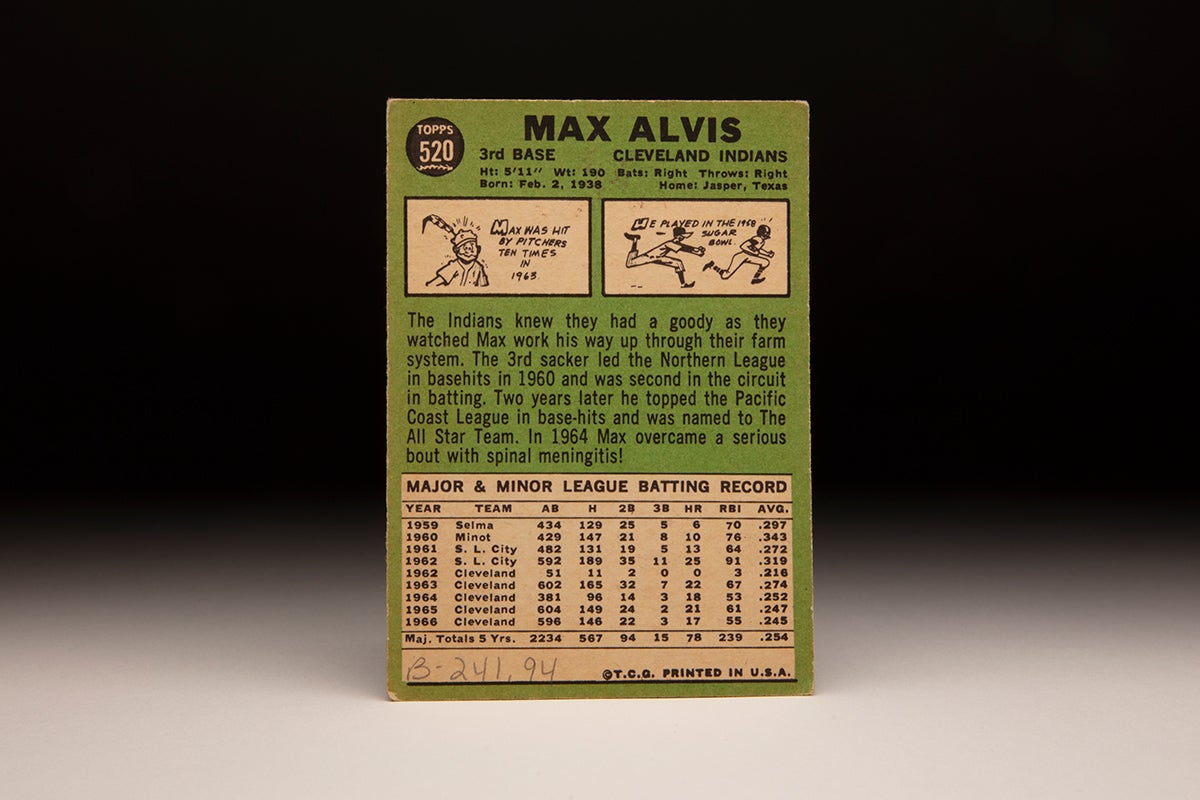
Alvis endured the other end of the temperature spectrum when he was assigned to Class C Minot (North Dakota) of the Northern League in 1960. Game-time temps were often in the 30s at the start of the season but Alvis quickly got hot, hitting .343 with 10 homers, 76 RBI and 20 steals in 115 games. The Indians sent him to the Florida Winter Instructional League that fall, and Alvis emerged as a top prospect in 1961 with Triple-A Salt Lake City – batting .272 with 13 homers and 64 RBI.
Alvis was invited to Cleveland’s big league camp in 1962 and was among the team’s last cuts as veteran Bubba Phillips held onto the third base job.
“I got a good look and I thought I had it made,” Alvis told the Star-Telegram. “But they sent me back to Salt Lake and I think it did a lot more good.”
Alvis blistered Triple-A pitching in 1962, batting .319 with 35 doubles, 11 triples, 25 home runs, 91 RBI and 113 runs scored. The Indians called Alvis up to the big leagues in September, where he hit .216 in 12 games.
Cleveland traded Phillips to the Tigers following the season, opening the third base job for Alvis.
“When I first saw (Alvis) in Tucson (during Spring Training), he dropped almost every ball that came his way,” Indians manager Birdie Tebbetts told the Cleveland Press during the 1963 season. “But Max has a great desire to become a good, solid ballplayer.”
Alvis was one of four Cleveland players to hit home runs in a 5-4 Opening Day win over the Twins on April 9, 1963. But he was hitting just .229 with five homers and 12 RBI through 40 games before a hot streak pushed his average into the .270 range by mid-June.
“I’m glad Birdie Tebbetts let me play my way out of it,” Alvis told the Cleveland Press. “I wasn’t at all sure I was going to stick at first. I have seen too many boys come back down to the minors after they were up here for a while.”
Alvis finished his rookie season batting .274 with 32 doubles, seven triples, 22 homers and 67 RBI while playing in 158 games. He finished in a tie for 17th in the American League Most Valuable Player Award voting and was named the Cleveland Baseball Writers’ Association of America chapter’s Man of the Year in 1963, the first rookie to win that award.
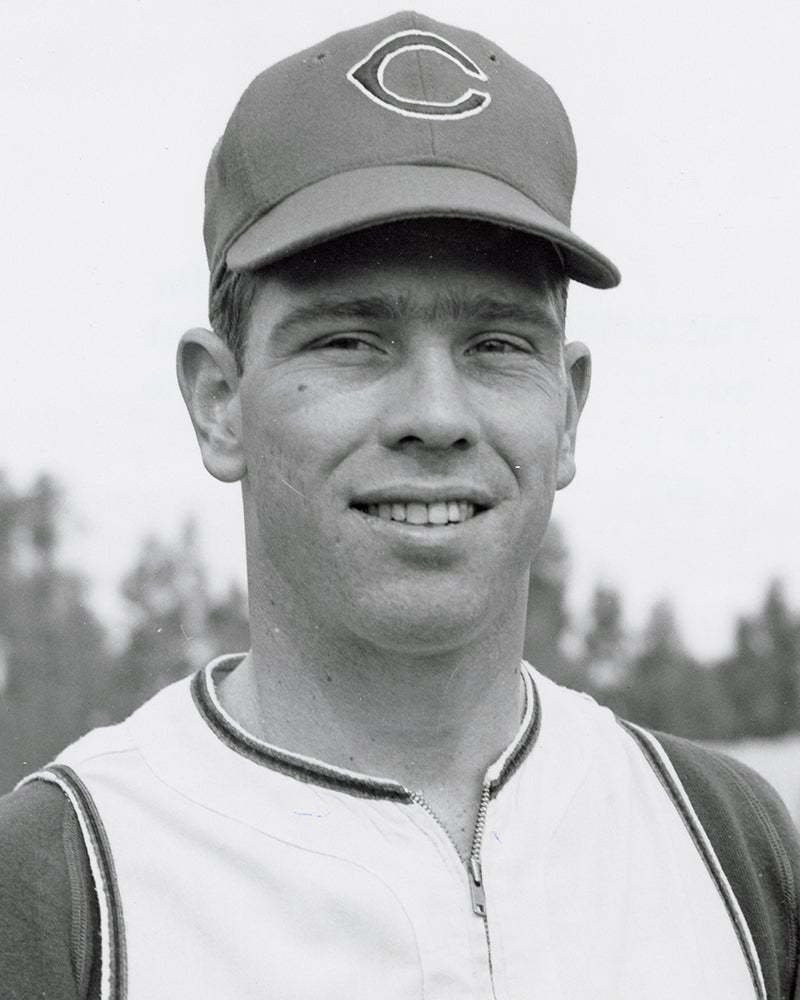
Alvis and the Indians appeared poised to improve on their 1963 campaign – Cleveland finished with a 79-83 record that year – when Tebbetts suffered a heart attack on April 1, 1964, as Spring Training was winding down. Tebbetts, who was very popular with his players, survived the event but was sidelined for several weeks as coach George Strickland took over the managerial duties.
“Birdie was the type of manager that if you gave him 90 feet (of hustle on the basepaths), you could play for him,” Alvis told the Orange Leader. “You could make physical mistakes, but if you hustled for Birdie, he stuck with you.”
Cleveland won 79 games again in 1964 but Alvis appeared in only 107 contests due to a scary bout with spinal meningitis. After going 2-for-3 with a home run off Minnesota’s Mudcat Grant on June 25 in Minneapolis, Alvis boarded a plane to Boston with his teammates. Onboard, he developed a headache that worsened as he checked into the team hotel.
At around 3 a.m., Alvis awakened roommate John Romano to complain about the pain. Romano called team trainer Wally Bock who then sent Alvis to the hospital, where he was given antibiotics to combat the often-fatal infection that affects the protective membranes of the brain and spinal cord.
Red Sox team physician Dr. Thomas Tierney said the quick action saved Alvis’ life.
“I wouldn’t want to be held to this because you never know, but if there are no complications I would think Alvis will be able to play ball again before the season is over,” Tierney told United Press International. “We caught this thing before it got out of hand.”
Alvis returned to the Indians’ lineup on Aug. 5 after spending six weeks on the disabled list. He finished the season batting .252 with 18 homers and 53 RBI.
“You can’t always overcome adversity on your own,” Alvis said in a Plain Dealer article that August that appeared under his own byline. “I’ll tell you one thing I did as I lay in that Boston hospital – and I still do it. I prayed for help. I’m sure I was heard.”
Alvis would go on to play six more big league seasons. But many teammates believed that he was never quite the same player as he was before his illness.
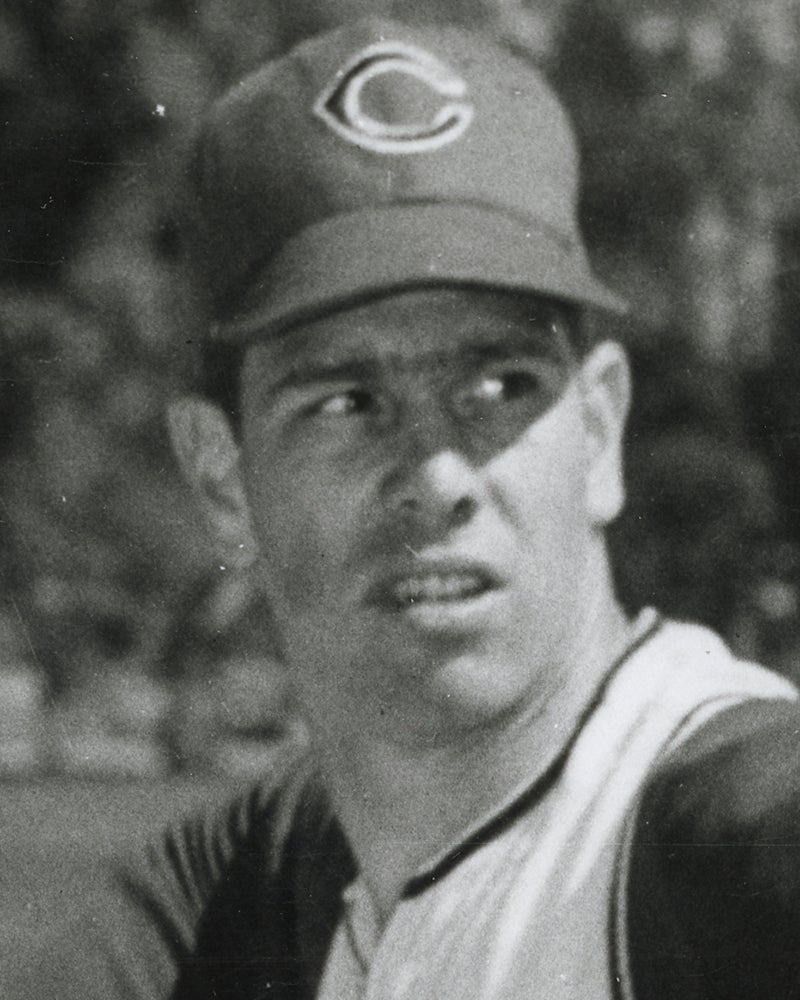
Alvis earned his first All-Star Game berth in 1965, batting .247 with 21 homers, 61 RBI and 88 runs scored as Cleveland went 87-75 to finish fifth in the American League. In 1966, Tebbetts moved Alvis into the No. 2 hole in the lineup, and Alvis became the hottest hitter in the league – batting .404 in the season’s first 15 games.
For Alvis, it was a return to normalcy that he thought might never happen.
“First, I wondered whether I’d make it,” Alvis told the Newspaper Enterprise Association about his bout with meningitis. “You know, spinal meningitis was just a scary name to me. Then I didn’t know if it would leave me paralyzed, whether it would damage my brain, or what.”
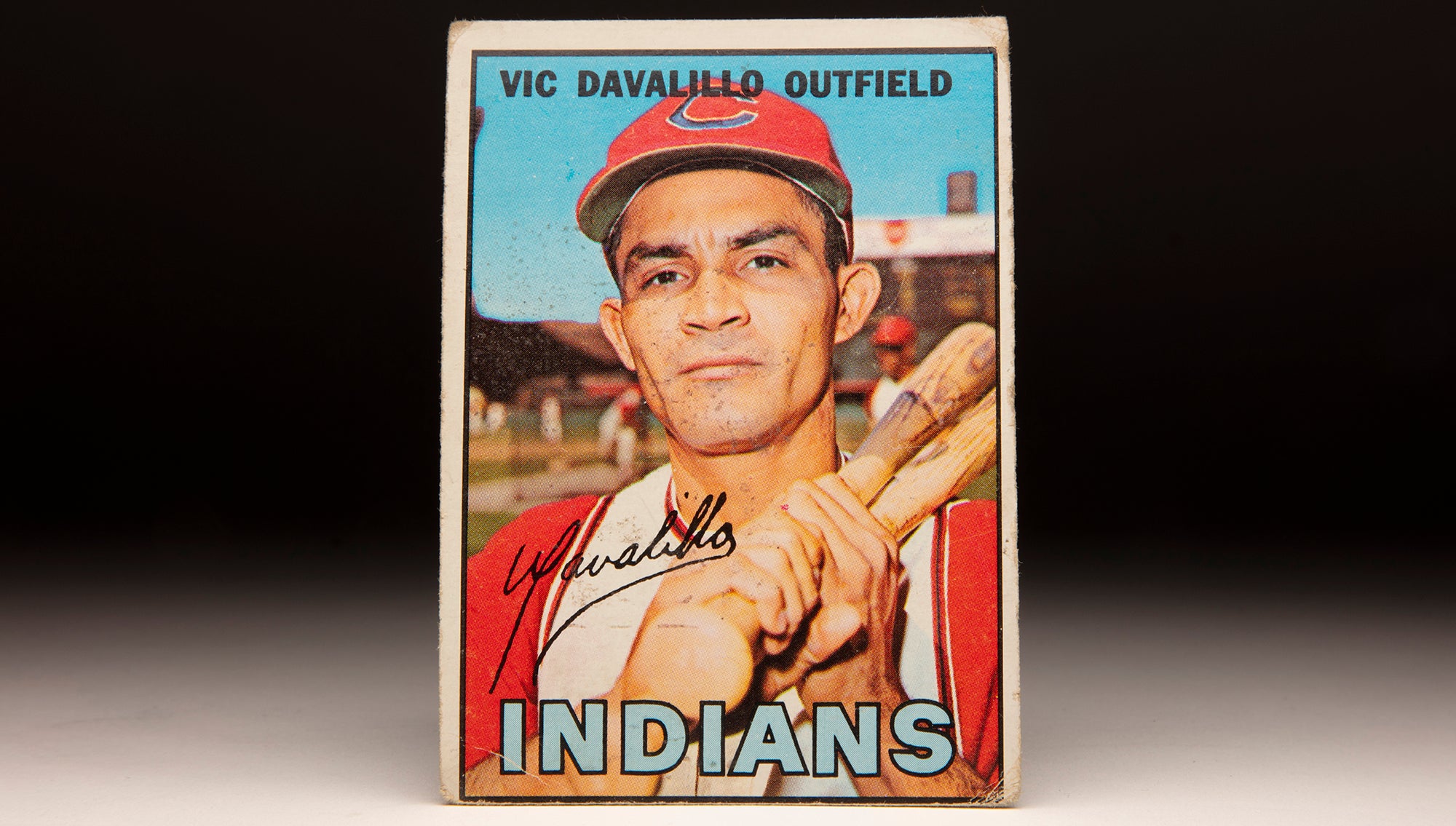
Alvis cooled off as the summer approached but still hit .245 with 17 homers and 55 RBI in 157 games in 1966. In 1967, Alvis played in 161 games and hit .256 with 21 homers and 70 RBI while leading all AL third basemen in putouts (169) for the fourth time in five seasons.
For the second time in his career, Alvis was named the Man of the Year by the Cleveland chapter of the BBWAA after leading all Indians batters in home runs, RBI, runs scored (66), hits (163) and doubles (23).
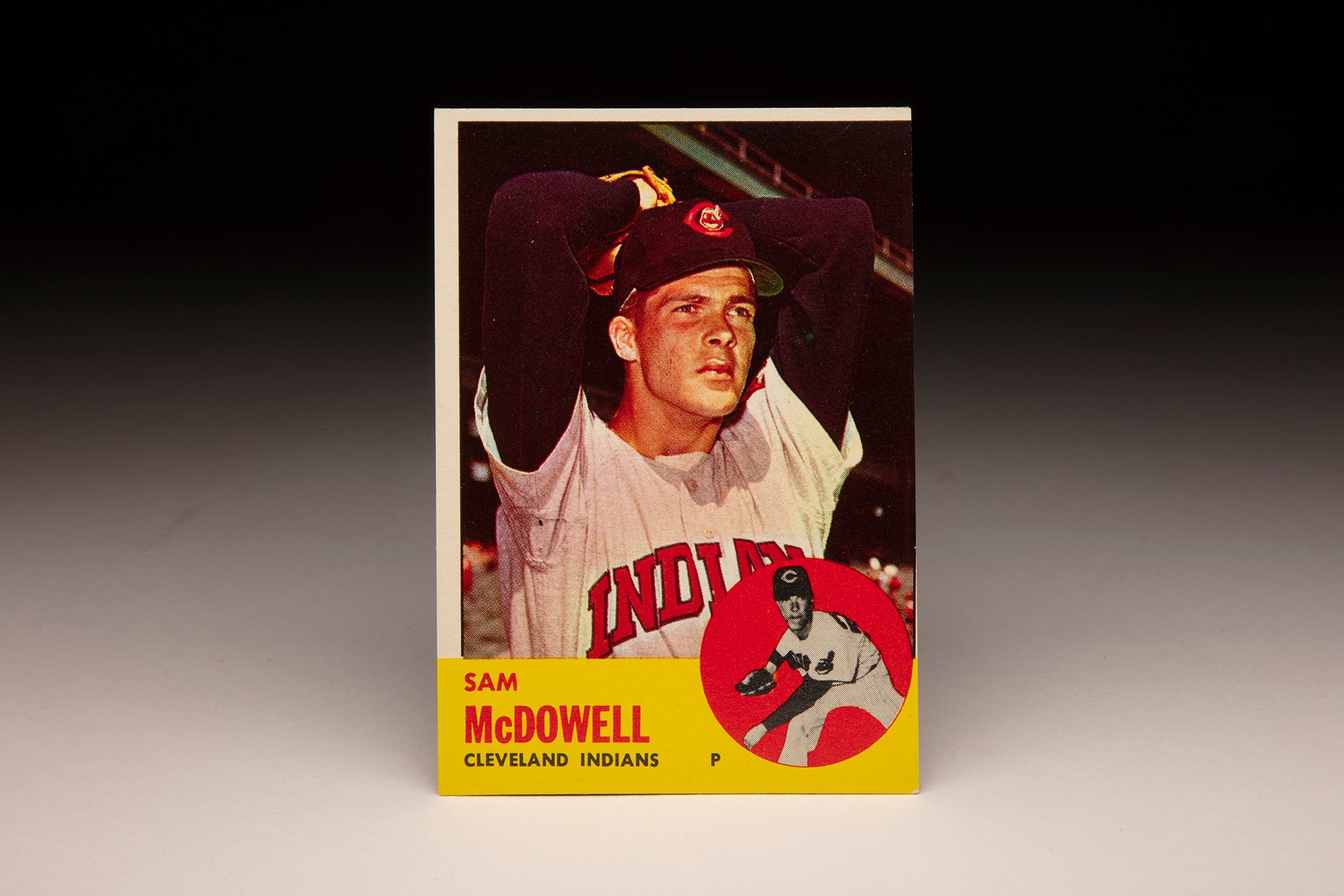
Cleveland finished in eighth place in the 10-team American League in 1967 but turned things around in 1968 thanks to a pitching staff that was among the league’s best. Luis Tiant went 21-9 with league-leading figures in ERA (1.60) and shutouts (nine) while Sam McDowell posted a 1.81 ERA and an MLB-best 283 strikeouts.
Alvis – like most hitters that season – struggled with a .223 batting average, eight home runs and 37 RBI in 131 games. But for just the second time in his six full seasons, Alvis played on a team with a winning record.
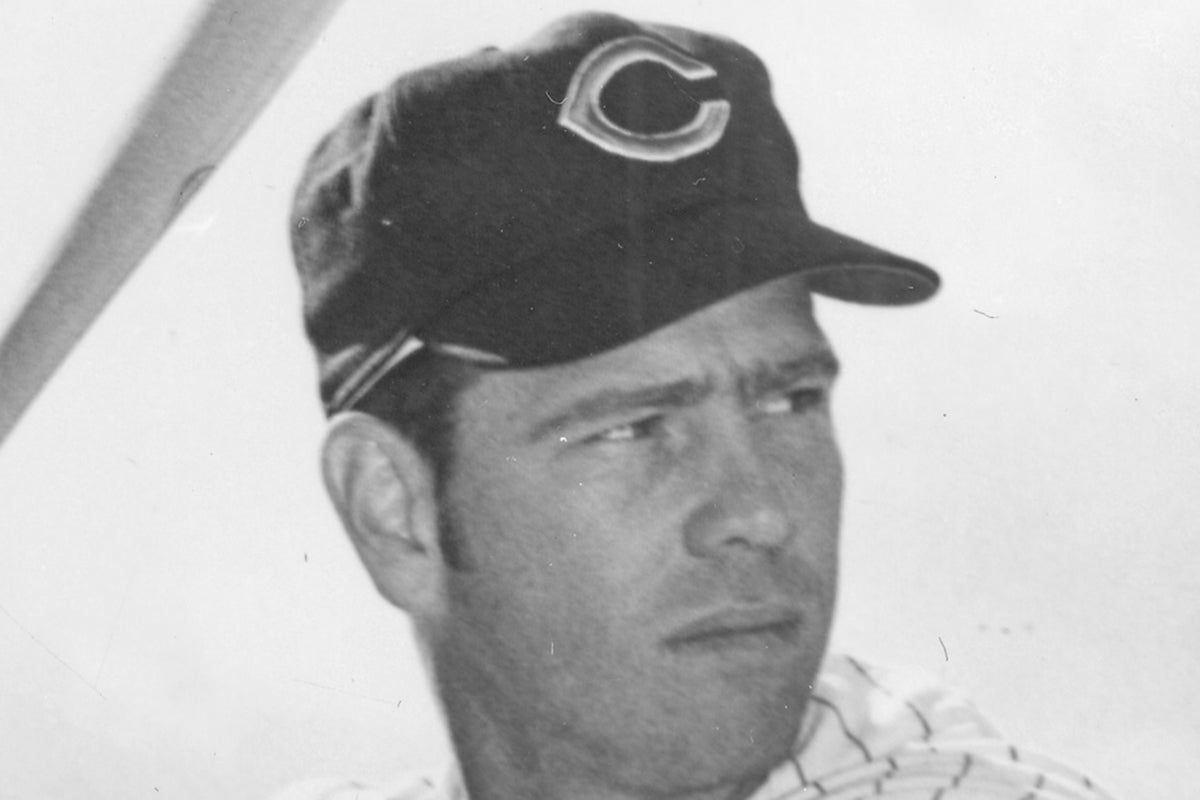
Expectations were running high for Cleveland when the team reported to Spring Training in 1969.
“We worked on our hitting last year and we’ll be working on it this year,” Indians manager Alvin Dark told the Tucson Citizen in the spring of 1969 as Cleveland hoped to improve on its .234 team batting average of 1968. “Alvis could bounce back after the year he had and be a big help.”
But Cleveland lost its first five games of the new season and 15 of its first 16, burying itself deep in the newly formed American League East. Alvis, meanwhile, was hitting .277 when he injured his right knee on the basepaths against Seattle on May 24. He was sidelined for a week before returning but the knee began bothering him again in June.
Alvis was hitting .225 with a homer and 15 RBI through 66 games when he was placed on disabled list on July 15. He later underwent knee surgery to repair cartilage damage and did not play again that season as Cleveland finished 62-99 and in last place in the AL East.
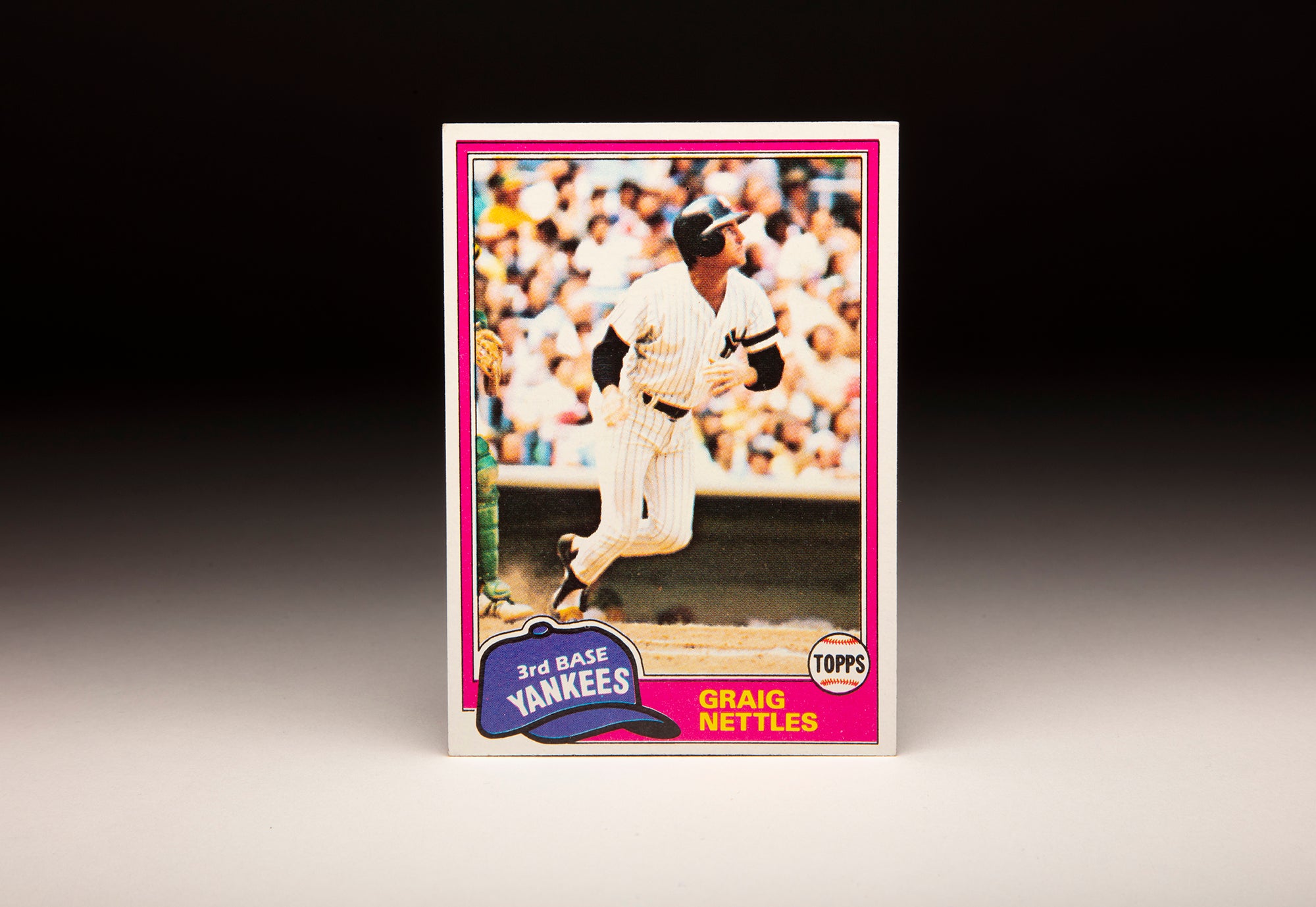
On Dec. 10, 1969, the Indians acquired young third baseman Graig Nettles from the Twins in a six-player deal that sent Tiant to Minnesota. With Nettles in the fold, Dark – who assumed both general manager and manager duties in 1970 – gave Alvis limited at-bats in the spring as an outfielder but the handwriting was on the wall.
“I still feel I can play third,” Alvis told United Press International during Spring Training as Nettles settled in at his old position. “But I have to be realistic. (Dark) made the trade and the decision and things now seem pretty cut and dried, so there is little use in my crying.
“It’s the first time I can remember coming to camp without a job. It’s kind of shattering.”
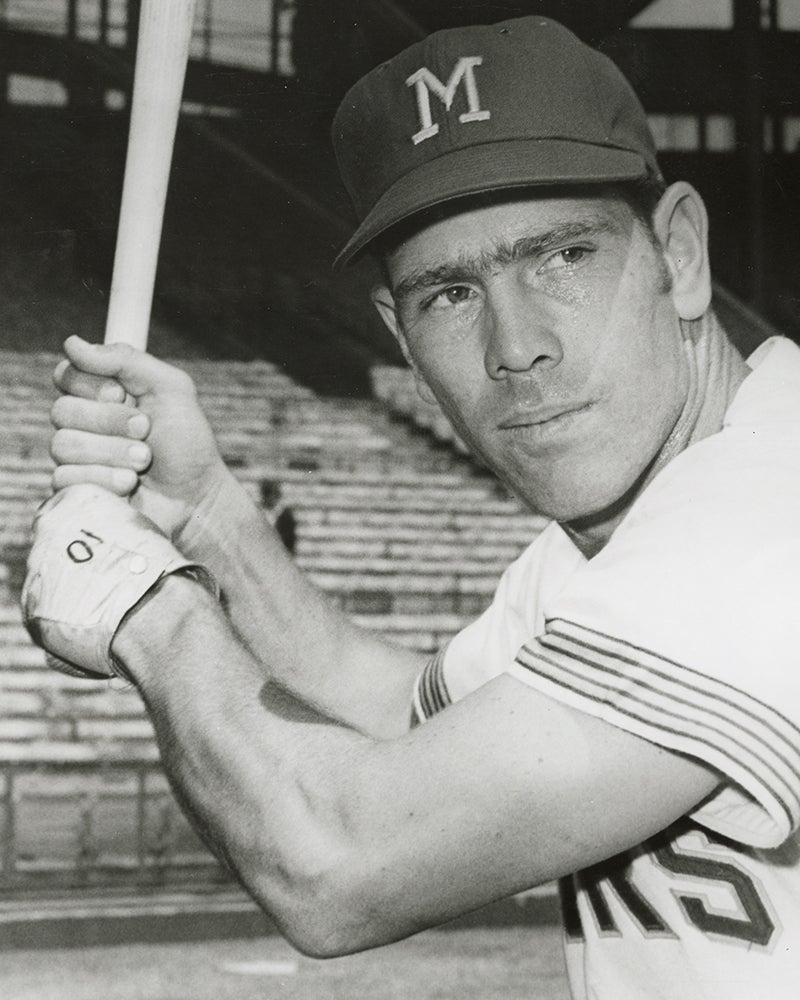
On April 4, the Indians traded Alvis and Russ Snyder to the newly formed Milwaukee Brewers in exchange for Frank Coggins, Roy Foster and cash.
Three days later, Alvis was in the starting lineup at third base in the Brewers’ first-ever game against the Angels. But Alvis found himself batting .138 at the end of April, and soon the Brewers moved Tommy Harper from second base to third base. Alvis was sent to the bench, and he finished the year batting .183 with three home runs and 12 RBI in 62 games.
On Oct. 20, the Brewers released Alvis. He would not play in the big leagues again.
“I’m not bitter, but I guess you can say I’m a little disappointed,” Alvis told the Cleveland Plain Dealer in December of 1970. “I’ve written to 22 major league clubs but I don’t have anything yet. Oh, I’ve heard from some who are willing to give me a trial in Spring Training, and a couple others offering me a job in the minor leagues. One even asked me if I wanted to manage in the minors. But I’m telling them all the same thing: That I feel I can still play in the big leagues.
“But right now, it looks like it’s over.”
Alvis operated an insurance agency in Jasper during his playing career and had no issues adjusting to the world outside of baseball. He also proved he understood the business of baseball when he became one of a few active players who supported Curt Flood’s challenge to the reserve clause in 1969.
“We (the player representatives) all left the Winter Meetings in San Juan (Puerto Rico) with the feelings that Curt was sincere about his intentions and that he ought to have a choice rather than merely report to (the Phillies) this spring,” Alvis told the Orange (Texas) Leader in January of 1970. “I feel like if a ballplayer has been in the big leagues for five years, he ought to have an option – the only one he may have in his career.”
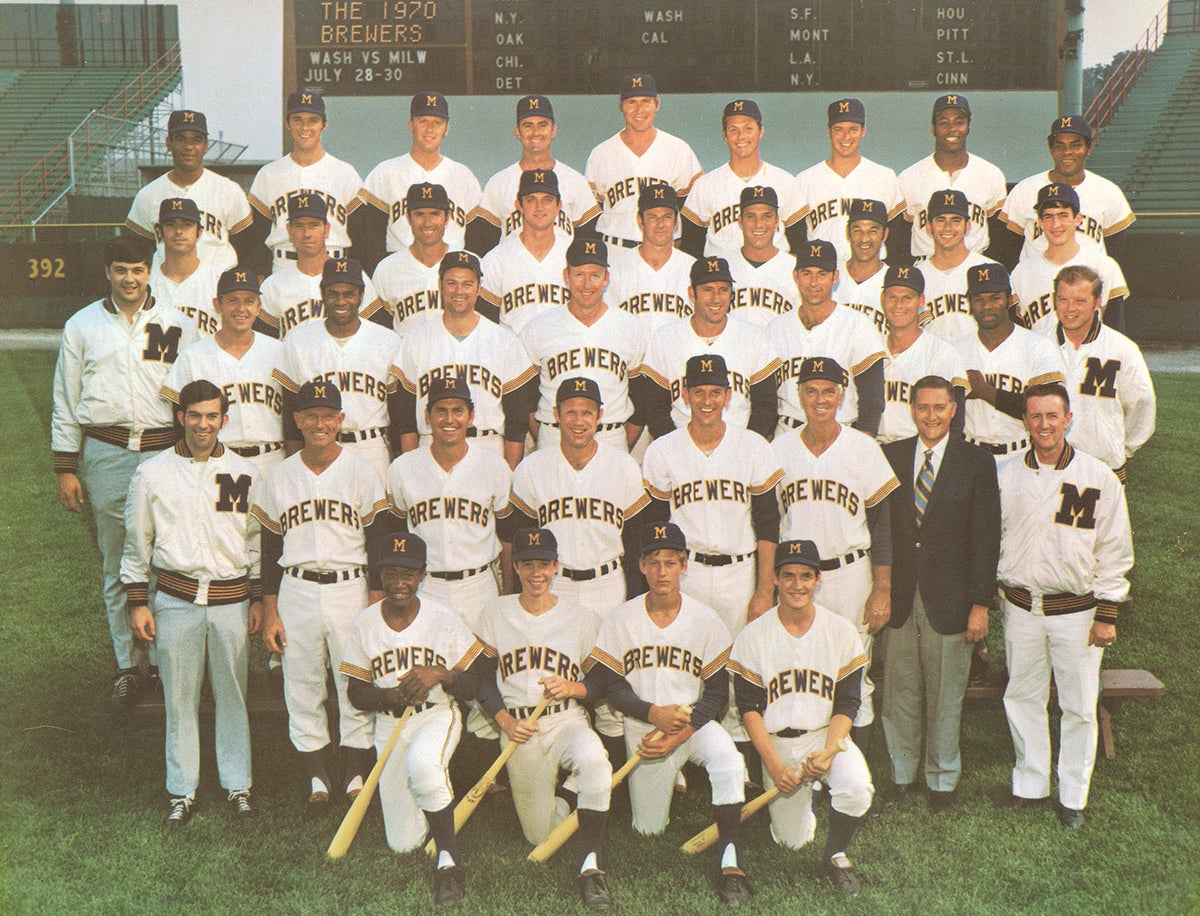
Alvis finished his nine-year big league career with a .247 batting average, 111 home runs, 373 RBI and 895 hits over 1,013 games. His son, Dave Alvis, was a 31st-round draft pick of Cleveland in 1985 and played three years in the Indians’ system. Max’s grandson, Sam Alvis, was a 21st-round pick of the Marlins in 2013 and played three years in the minors.
Alvis later became an executive with the First National Bank in Jasper and participated in the Indians Fantasy Camp for several years. And though he was part of a stretch of challenging days for the Indians, Alvis relished his time in the big leagues.
“We had the ambition to win,” Alvis told the Plain Dealer. “We could just never put that string together to put us on top. We did a good job against the (top teams), then we’d go to Washington or Kansas City and lose four out of five.
“I would have liked to have had better years, but when you look back, it was an experience a lot of people don’t know.”
Craig Muder is the director of communications for the National Baseball Hall of Fame and Museum