#CardCorner: 1982 Topps Bob Walk
In an era when rookie pitchers were rarely trusted in big games, Bob Walk was the talk of the baseball world when he started Game 1 of the 1980 World Series for the Phillies.
Considered at the time just the third rookie to start a series opener, Walk was undoubtedly the most watched of a group that included Brooklyn’s Joe Black in 1952 and the Yankees’ Spec Shea in 1947. The 1980 World Series tied a still-standing record (set two years earlier) with a 56 share average across six games – meaning 56 percent of all television sets in use in the nation were tuned to games at any given time.
In Game 1, they saw Walk battle his way through seven innings to earn the victory. It would be typical of a career that saw him win 105 games, often through sheer determination.
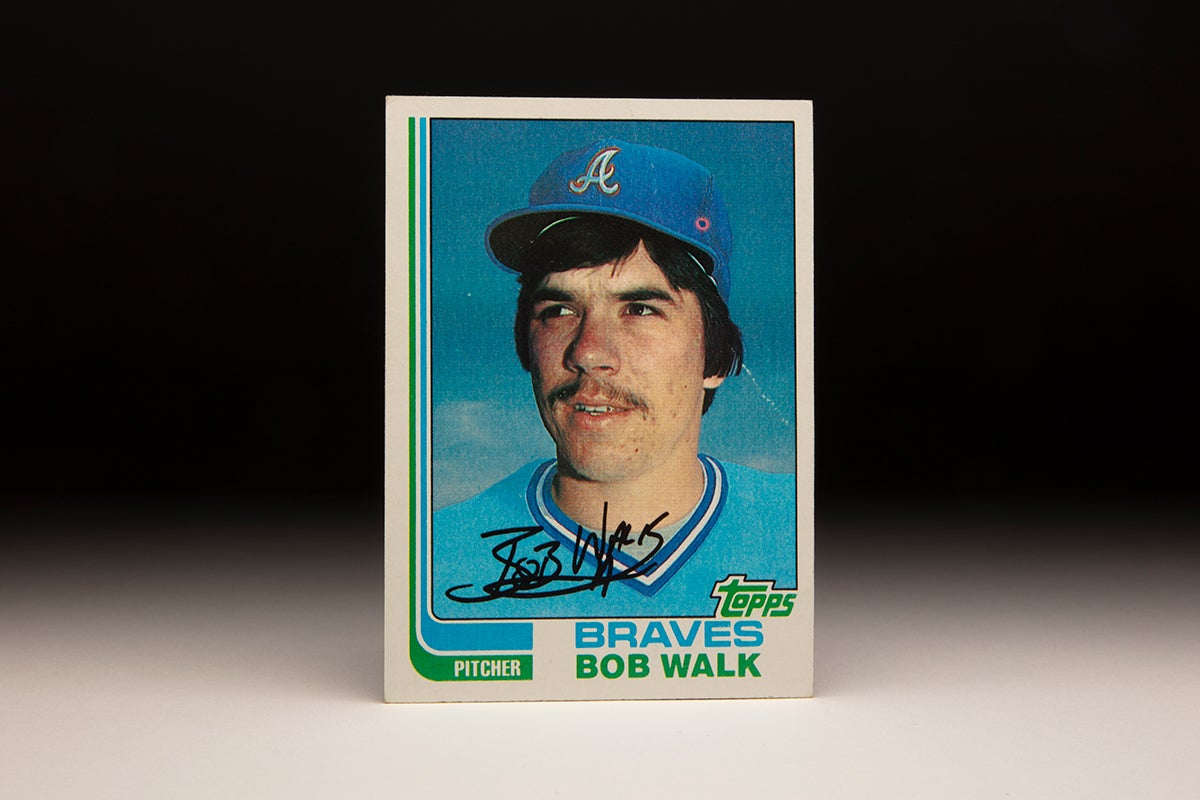
Robert Vernon Walk was born Nov. 26, 1956, in Van Nuys, Calif. He grew up in Newhall, Calif., a then-unincorporated area near Santa Clarita in Los Angeles County. As a senior for Hart High School in Santa Clarita in 1974, Walk went 9-0 on the mound and led his team to a league title. But he went undrafted out of high school and instead enrolled at the College of the Canyons, a community college in Santa Clarita.
While in college, Walk had a brush with baseball infamy. While attending a Dodgers vs. Astros game in Los Angeles in 1976, Walk – who was sitting in the left field stands – threw a tennis ball at Astros outfielder César Cedeño. Walk was arrested but the charges were later dropped.
“Why did I do it? Cause I was drunk,” Walk told the Austin (Texas) American-Statesman in 1980. “I was in the (left field) pavilion with the rest of the crazies. I don’t remember if I hit him or not. My vision was too blurry.”
After his first year in college, Walk was selected in the fifth round of the January 1975 MLB Draft by the Angels but did not sign, returning to school and earning second-team All-Southern California Community College Baseball honors that spring. The Phillies then selected Walk in the fifth round of the January 1976 MLB Draft, but once again Walk postponed a pro career.
Then in June of 1976, the Phillies took Walk in the third round of the amateur draft. This time, Walk signed. In 1977, he began his pro career with Spartanburg of the Class A Western Carolinas League. After going 6-9 with a 3.64 ERA in 15 starts, Walk was promoted to Peninsula of the Carolina League.
“(Walk) was progressing,” Phillies assistant farm director Howie Bedell told the Daily Press of Newport News, Va., and it “left a place for progress for someone else.”
After finishing the season 0-2 in eight starts for Peninsula, Walk returned to the Carolina League team in 1978 and was 13-8 with a 2.12 ERA, striking out 150 batters in 187 innings. He earned a promotion to Double-A Reading of the Eastern League the following year, going 12-7 with a 2.24 ERA in 185 innings.
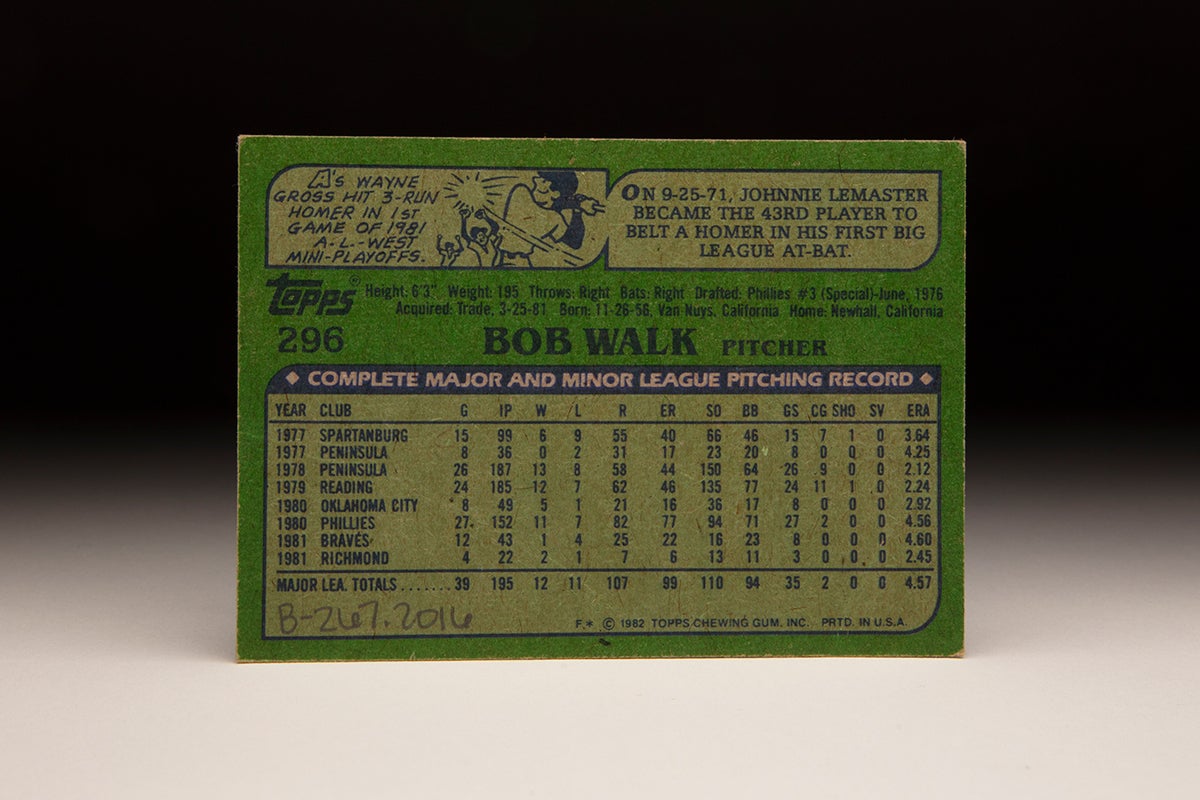
Walk began the 1980 season with Triple-A Oklahoma City and was 5-1 with a 2.94 ERA in eight starts when he was called up to Philadelphia at the end of May. He gave up five runs in 2.2 innings in his first start against the Pirates on May 26 and was working on a 7.86 ERA (albeit with a 2-0 record) through six games when he allowed just one unearned run over eight innings against the Expos on June 25.
Over his next seven starts, Walk went 6-1 to help stabilize a Phillies rotation that had been relying on Steve Carlton and a patchwork cast to that point.
“(Walk) has been a big surprise,” Phillies manager Dallas Green told the Intelligencer Journal of Lancaster, Pa. “When we came out of Spring Training, we were convinced he wasn’t quite ready (for the big leagues). He’s had to learn some things and learn them quickly. He’s been pitching very consistently for us.”
Walk finished the season with a record of 11-7 and a 4.57 ERA in 27 starts, finishing seventh in the NL Rookie of the Year voting. In his final regular season appearance, he allowed just one run over 7.1 innings in a 4-2 win over the Cubs that pulled the Phillies into a tie with Montreal atop the NL East standings. The Phillies and Expos then met in a three-game series to end the year, with Philadelphia notching victories in the first two games to clinch the division title.
The National League Championship Series against the Astros proved one of the most competitive in postseason history. It featured four extra-inning games as the Phillies rallied from a 2-games-to-1 deficit to win Game 5 and advance to the World Series. Walk did not pitch in the series but the 49.1 innings worked by the staff exhausted the rest of the pitchers.
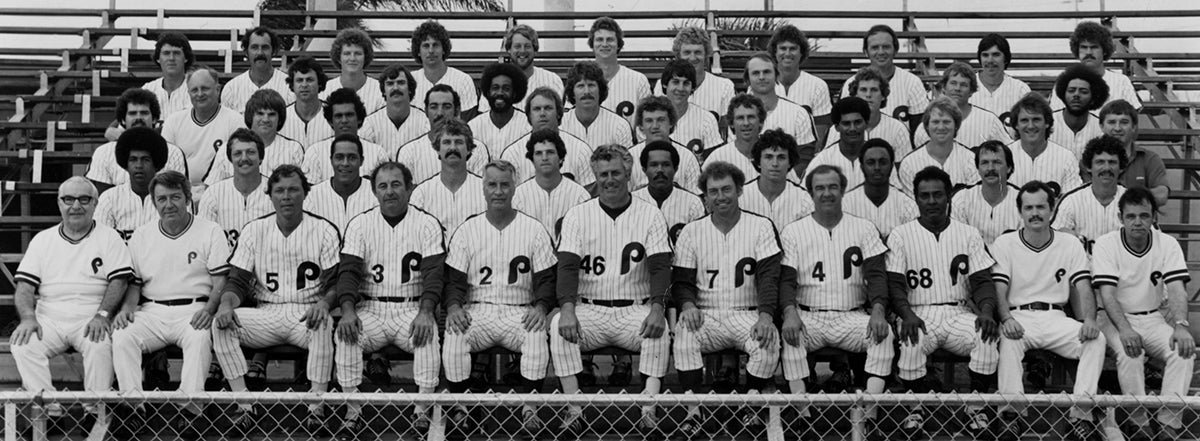
With the World Series starting with only one day off after Game 5 of the NLCS, Green turned to Walk to start Game 1 of the Fall Classic vs. the Kansas City Royals.
After allowing a first-inning walk to Hal McRae but no other baserunners, Walk gave up a two-run homer to Amos Otis in the second. Then in the third, Willie Aikens hit the first of his four home runs in the series – a two-run shot that gave Kansas City a 4-0 lead.
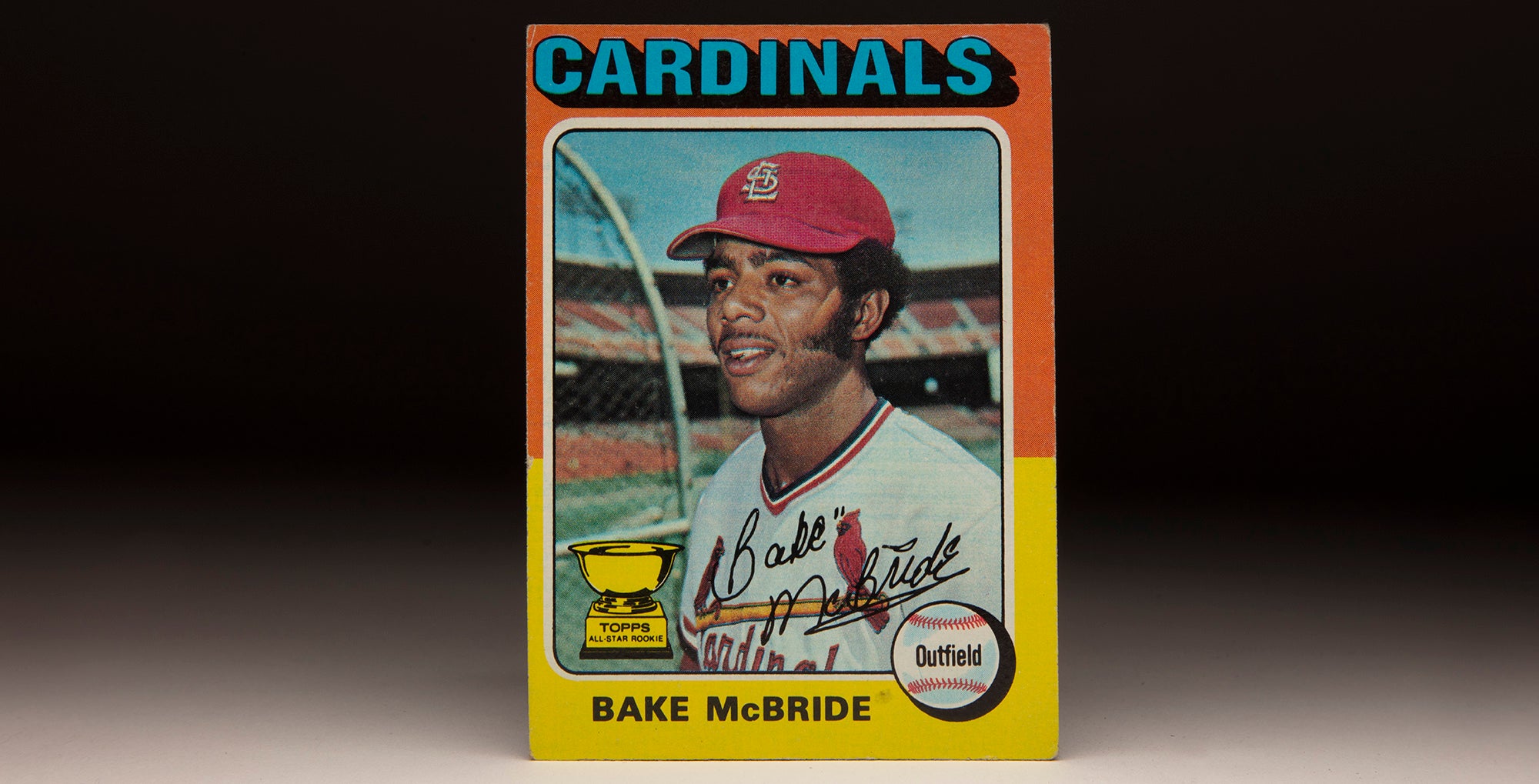
But Green stuck with Walk, who escaped without further damage. Then in the bottom of the third, the Phillies rallied for five runs – with Bake McBride’s three-run homer giving Philadelphia the lead.
“I was nervous the first couple of innings,” Walk told United Press International after his Game 1 start. “But then it went away and I settled down. The five-run inning lifted everybody up. I felt a lot better knowing we had made up for my two big mistakes.
“I hadn’t pitched in 12 days but even though I had the long layoff, I still didn’t have good velocity. I didn’t feel really strong out there. I had to change my style.”
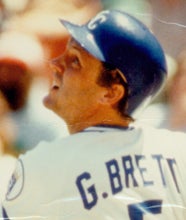
Walk then retired the Royals in order in the fourth, fifth and sixth – with Bob Boone adding to Philadelphia’s lead with an RBI double in the fourth and Garry Maddox plating another run with a sacrifice fly in the fifth. Walk pitched around a baserunner in the seventh but allowed a double to George Brett and a homer to Aikens in the eighth, cutting the Phillies’ lead to 7-6 and prompting Green to bring on stopper Tug McGraw, who had already pitched in each of the five games in the NLCS.
McGraw closed out the eighth with a double play ball and retired the side in order in the ninth to preserve Walk’s World Series victory.
“(Walk) did a good job,” Phillies manager Dallas Green told UPI. “It wasn’t too bad for a rookie and a guy who hadn’t been out there for a while. I knew he’d get his act together.”
Walk did not pitch again in the World Series as Philadelphia defeated the Royals in six games. In fact, Walk would not pitch for the Phillies again.
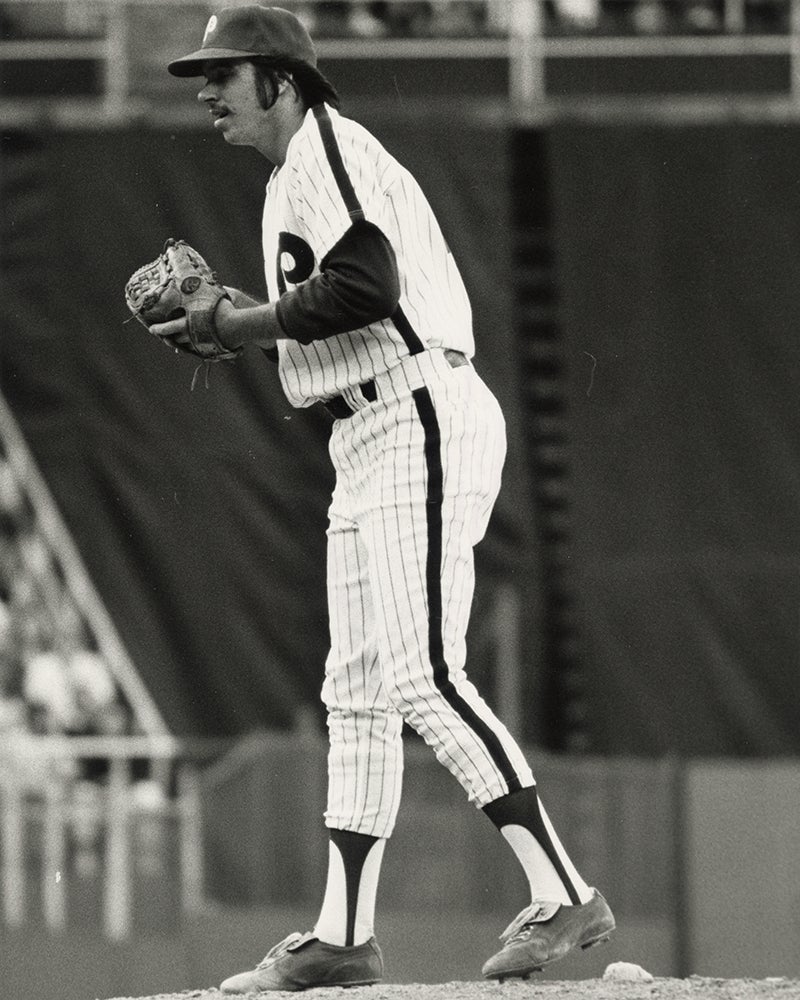
On March 25, 1981, Walk was traded to the Braves in exchange for Gary Matthews in a deal that had been rumored for weeks. Matthews and the Phillies eventually came to terms on a five-year contract extension, which was holding up the transaction.
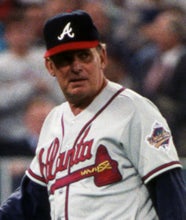
“Walk will be given a chance to fit into our starting rotation,” Braves manager Bobby Cox told the AP. “We need pitching depth, and I think this is a good trade for us.”
But for Walk, the trade was a complete shock to him and his family.
“I was in pieces for a long time,” Walk told Knight-Ridder Newspapers during the 1981 season. “I got down there, to West Palm Beach (Florida, site of the Braves’ Spring Training facility), and me and my wife, we’d go to the mall and walk around, and we didn’t know a soul. Both of us were pretty upset about it.”
Walk started the Braves’ fifth game of the season but ran into a rough patch in mid-May when he worked a total of 4.1 innings over three consecutive starts. He did not pitch again before the strike interrupted the season in June – and then was optioned to Triple-A Richmond soon after the labor dispute ended in August.
“When (the strike) first happened, I thought maybe a couple of weeks off would do me good,” Walk told Knight-Ridder Newspapers. “Then it went a couple more weeks and a couple more weeks, and I put up my house for sale and my car for sale. One thing it taught me was how fragile a baseball career is.”
Walk went 2-1 with a 2.45 ERA in four appearances with Richmond before being recalled to Atlanta in September. He finished the big league season with a 1-4 record and 4.57 ERA over 43.1 innings.
“It’s kind of fun if you look at it in the right way,” Walk told Knight-Ridder Newspapers about his demotion to the minor leagues in 1981. “The minor leagues might be more fun than the big leagues as far as just having fun. There’s less emphasis on winning. If you lose, fine, as long as you learn something.
“But in the big leagues, it doesn’t matter if you learn anything or not. You’ve got to win.”
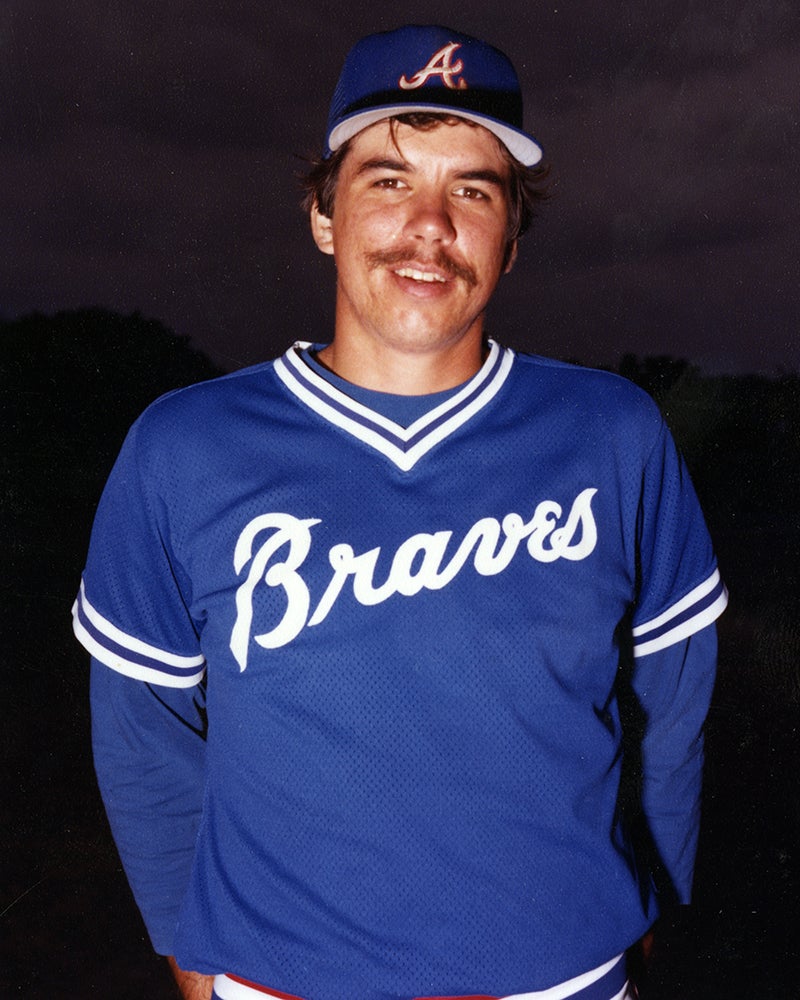
In 1982, Walk regained his spot in the Braves’ rotation and helped Atlanta roll to a 13-0 start before absorbing a tough-luck 2-1 loss to the Reds on April 22 where he allowed two runs over 6.2 innings. He recorded his first big league shutout on June 15, blanking the Astros on four hits.
But with his record standing at 11-9 in late August, Walk suffered a broken bone in his right foot in an Aug. 30 outing against the Phillies. He appeared in only four games the rest of the season – all in relief – as Atlanta won the NL West title for the first time in 13 seasons. Against the Cardinals in the NLCS, Walk appeared in one game in relief, allowing one run in one inning in Game 1 (which was actually the second game of the series as the first game was not completed due to rain).
The Cardinals swept the Braves to advance to the World Series.
But despite working 164.1 innings for a first-place team in 1982, Walk was not in the Braves’ plans the following year. He was sent back to Triple-A Richmond, where he spent the entire season save for one start with Atlanta in July. He was 11-12 with a 5.21 ERA for Richmond that season.
“There’s really no place for me up there (in Atlanta),” Walk told the Richmond Times-Dispatch at the end of the Triple-A season. “If they keep me (in 1984), I’ll probably be back here. I can’t see that happening. I don’t know what’s going to happen.”
Out of minor league options to start the 1984 campaign, Walk was released by the Braves on March 26. A week later, he signed with the Pirates – a move that would rejuvenate his career.
“When you get released, you think about quitting,” Walk told the Pittsburgh Press in 1986. “I just figured I’d give it one more year at Triple-A and see what happened.
“I wasn’t mad at the Braves. Heck, they gave me every opportunity. I didn’t do it.”
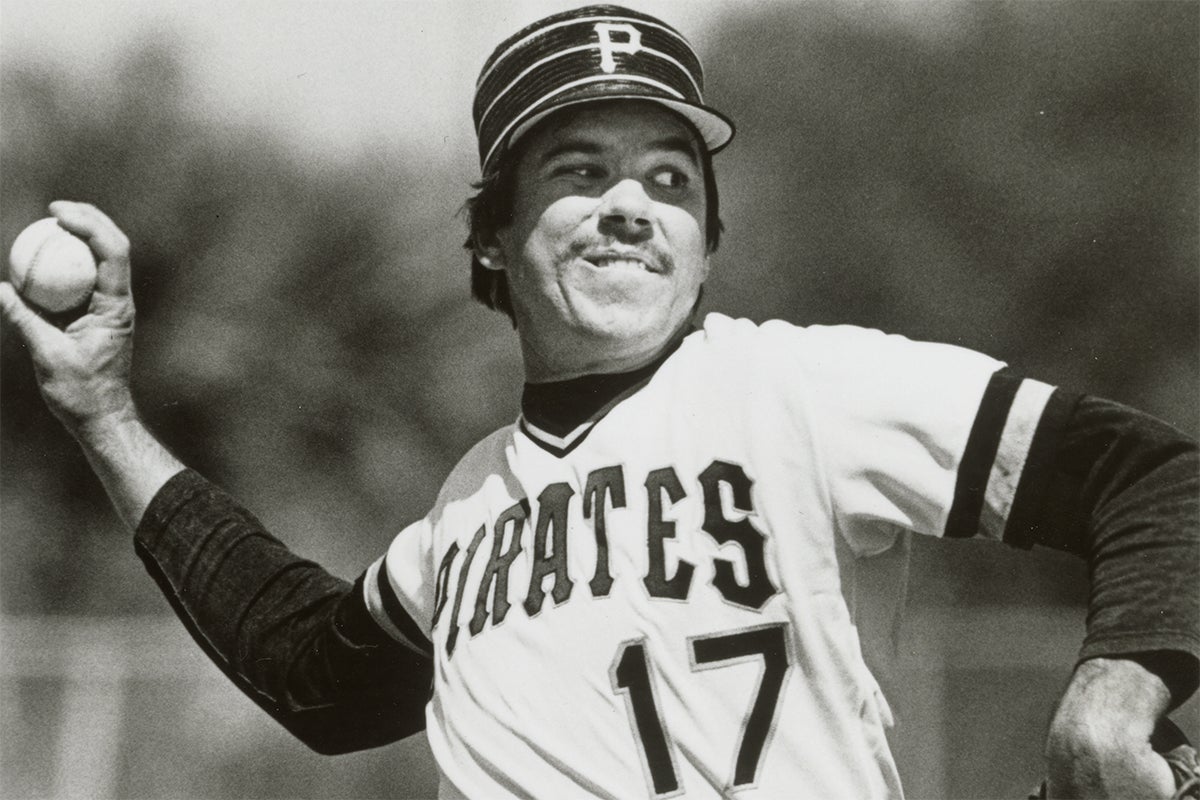
The Pirates sent Walk to Triple-A Hawaii, where he went 9-5 with a 2.26 ERA in 18 starts. He made two spot starts for the Pirates in July when Pittsburgh put him on its 40-man roster before he was sidelined with an elbow injury.
In the spring of 1985, Walk was 0-1 with a 5.68 ERA over six innings in Grapefruit League play before he was reassigned to minor league camp. He accepted the assignment to Triple-A Hawaii and once again pitched very effectively for the Islanders, going 16-5 with a 2.65 ERA in 24 starts, which included 12 complete games.
The Pirates, meanwhile, were enduring a 104-loss season and brought Walk back to Pittsburgh in August, where he went 2-3 with a 3.68 ERA over nine starts. Following the season, manager Chuck Tanner was replaced by Jim Leyland.
It would be a move that would benefit Walk, who found a constant supporter in the new manager.
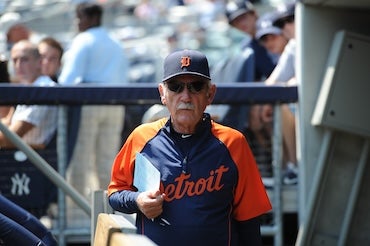
“If I was ready to win a pennant,” Leyland told the Pittsburgh Press in 1987, “I’d want Bob Walk on my staff.”
Walk spent the entire 1986 season with Pittsburgh – his first season without a trip to the minors since 1982. He went 7-8 with a 3.75 ERA over 44 games as Leyland used him as a spot starter and long reliever. Reprising that role in 1987, Walk was 8-2 with a 3.31 ERA over 39 games.
With the Aug. 31 waiver trade deadline approaching, Walk pitched a four-hit shutout against the Cardinals on Aug. 12 – stoking rumors that he would be dealt to a contender.
“I said it before and I’m saying it now that a team with a chance to win a pennant would be crazy not to want Bob Walk,” Pirates general manager Syd Thrift told the Pittsburgh Press. “He can start. He can relieve. He can save a pitching staff.”
But Thrift did not find a suitable deal and kept Walk in Pittsburgh. It would result in Walk being a key member of three straight division winners with the Pirates.
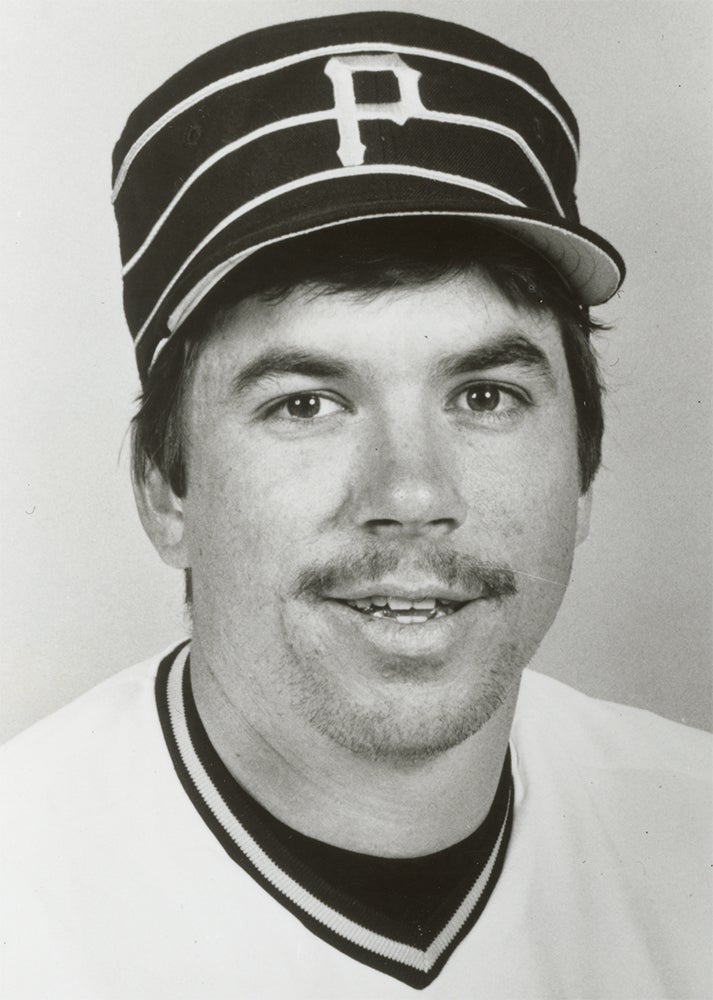
In 1988, Walk and the Pirates avoided arbitration by agreeing to a one-year, $450,000 contract. Walk then had his best season, going 12-10 with a 2.71 ERA over 212.2 innings. He allowed just six home runs all year – leading the majors with a home runs-per-nine-innings-pitched ratio of 0.3 – as his sinking fastball induced ground ball after ground ball.
His twisting, lurching pitching motion – along with his keep-the-teammates-loose attitude – earned him the nickname Whirlybird.
Named to the NL All-Star Game roster, Walk pitched a third of an inning in the Midsummer Classic, inducing Carney Lansford – the only batter he faced – to ground out to second to end the top of the seventh inning.
Following the season, the Pirates signed Walk to a three-year contract worth a reported $2.5 million.
“There’s no way I wanted to leave Pittsburgh, leave the Pirates, leave my friends,” Walk told the Associated Press. “But I knew this might be the last time in my career I could sign a (multiyear) contract, and some other teams made three-year offers.
“It used to be I’d take my career one pitch at a day, one inning at a time, one day at a time. If somebody had told me I’d be where I am now, I would have laughed. I never envisioned myself being in this situation.”
The Pirates rewarded Walk’s consistency by naming him their Opening Day starter in 1989. But after finishing in second place in the NL East in 1988, Pittsburgh took a step back and lost 88 games. Walk, however, went 13-10 in 196 innings.
“The young pitchers (look) up to him and listened to him and as they did, the teacher learned himself,” Pirates pitching coach Ray Miller said of Walk.
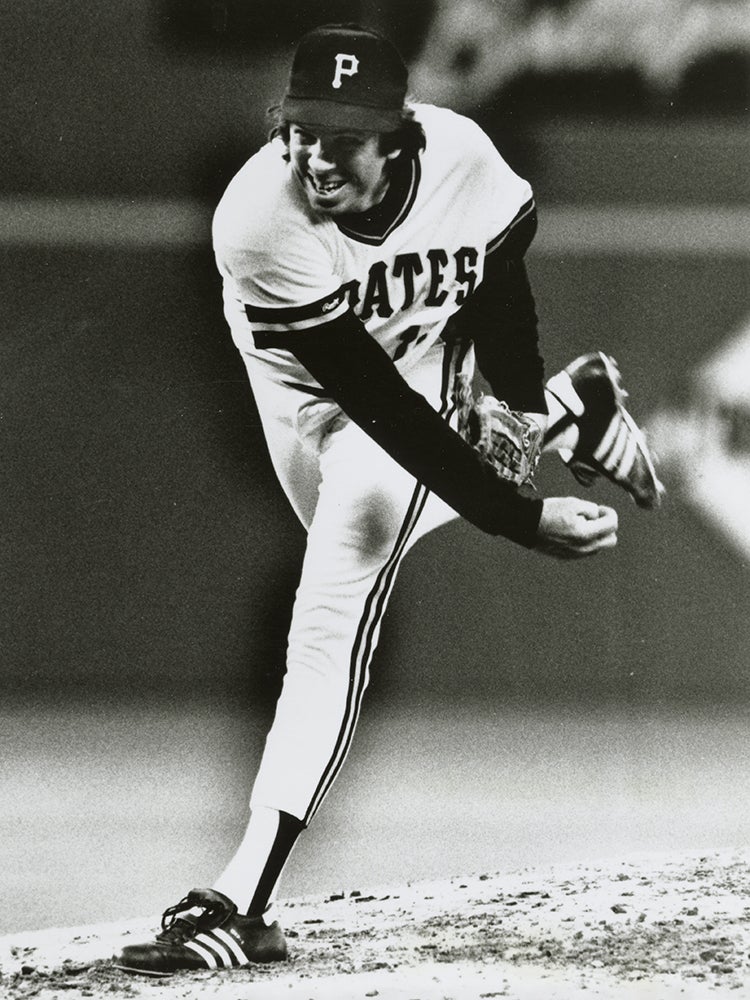
In 1990, Walk spent two stints on the disabled list – both times with groin pulls – but finished strong, pitching a four-hit shutout against the Cardinals on Sept. 29 that clinched at least a tie for the NL East for Pittsburgh. The Pirates wrapped up the division the next day, putting Walk in the postseason for the third time. He finished the season with a 7-5 record and 3.75 ERA in 129.2 innings.
With the NLCS set to start the day after the end of the regular season due to makeup games caused by an early season work stoppage, Leyland named Walk to start Game 1 vs. the Reds. In his first postseason start in 10 years, Walk allowed three runs over six innings as Pittsburgh beat Cincinnati 4-3. Walk picked up the victory when the Pirates scored a run in the top of the seventh.
After a decade of waiting for his second postseason start, Walk savored the opportunity.
“I was so caught up in it, I don’t remember much about it,” Walk told the Cincinnati Enquirer about his Game 1 start in 1980. “I remember more about high school games I pitched than that. It happened so fast. I’m enjoying it more this time around.”
Walk would make one more start in the NLCS, allowing four runs over seven innings in a 5-3 loss in Game 4. The Reds went on to win the series in six games.
In 1991, Walk once again landed on the disabled list multiple times – with groin pulls and hamstring problems sidelining him. But he was effective when healthy, going 9-2 with a 3.60 ERA over 115 innings for a Pirates team that repeated as NL East champions.
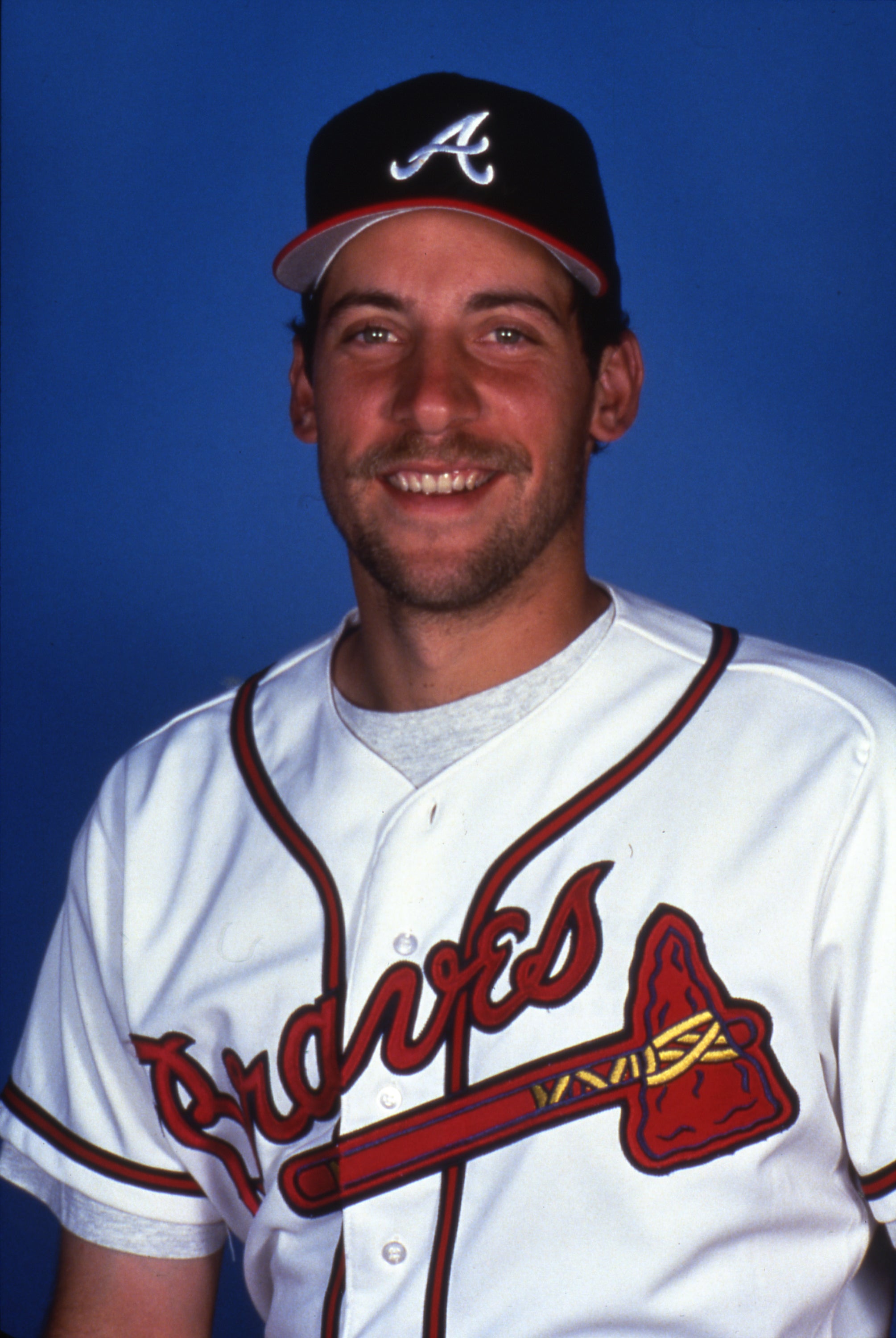
Walk pitched in three games in relief in the NLCS vs. Atlanta, earning a save in Game 1 when he allowed one run over three innings before pitching two scoreless innings of relief in Game 4. In Game 7, Walk relieved starter John Smiley in the first inning after Smiley allowed three runs. Walk shut down the Braves until the fifth when Brian Hunter doubled home Ron Gant, but the extra run hardly mattered as John Smoltz shut out Pittsburgh on six hits to send the Braves to the World Series.
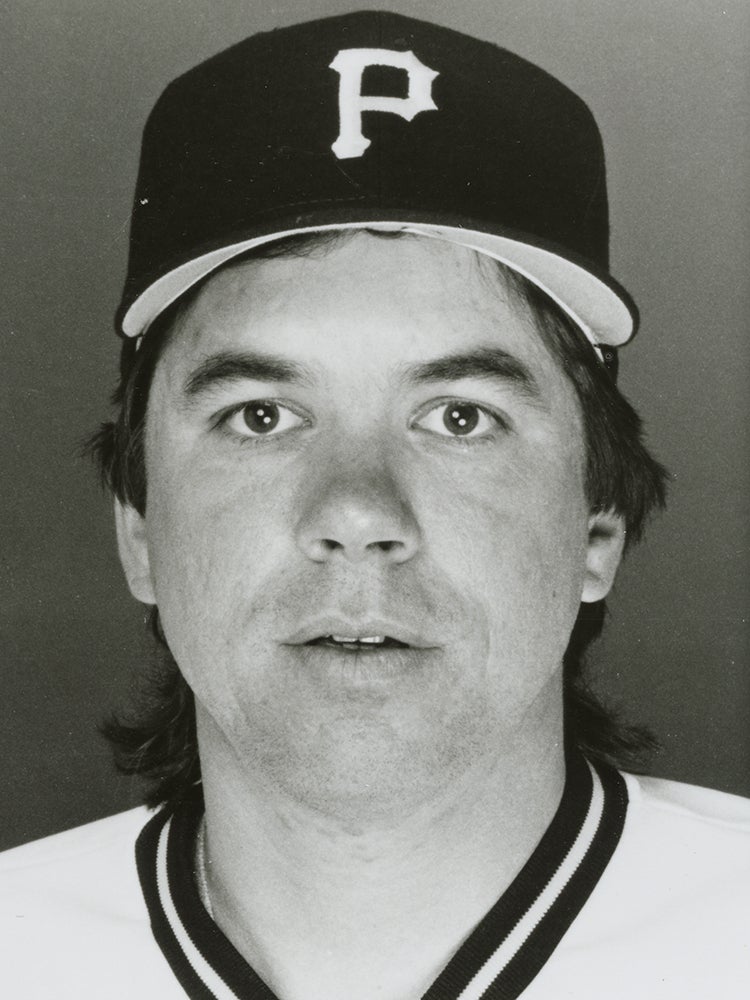
A free agent following the season, Walk returned to the Pirates on a two-year deal worth $1.4 million that included $900,000 per season in incentives. Leyland urged the Pirates to re-sign Walk.
“What reasons would I have for wanting to leave?” Walk asked reporters. “I’ve got everything here I could want. I’m perfectly happy being a Pirate the rest of my life. I have nothing to gain by going anywhere else.”
Walk began the 1992 season in the rotation and then again seamlessly slipped into his swingman role. He pitched in 36 games, going 10-6 with two saves and a 3.20 ERA over 135 innings. The Pirates won the NL East for the third straight season and again faced Atlanta in the NLCS.
Walk allowed four runs in 2.2 innings of relief in a 13-5 loss to Atlanta in Game 2, a defeat that put the Braves up 2-games-to-zero. The teams split the next two games to leave Atlanta one win from the World Series, and Leyland called on Walk to start Game 5 in Pittsburgh, bypassing other options like Danny Jackson and Randy Tomlin.
“I’ve got a lot of confidence in Bob Walk,” Leyland told the AP. “He’s pitched some very big games since I’ve been in Pittsburgh.”
With the odds seemingly stacked against him, Walk pitched what may have been the best game of his life. He allowed just three hits and one run in a complete game, throwing 128 pitches as the Pirates won 7-1 to send the series back to Atlanta.
“It was very important to me to still be out there in the ninth inning,” Walk told the Macon (Ga.) Telegraph. “I’m not out there very often in the ninth.”
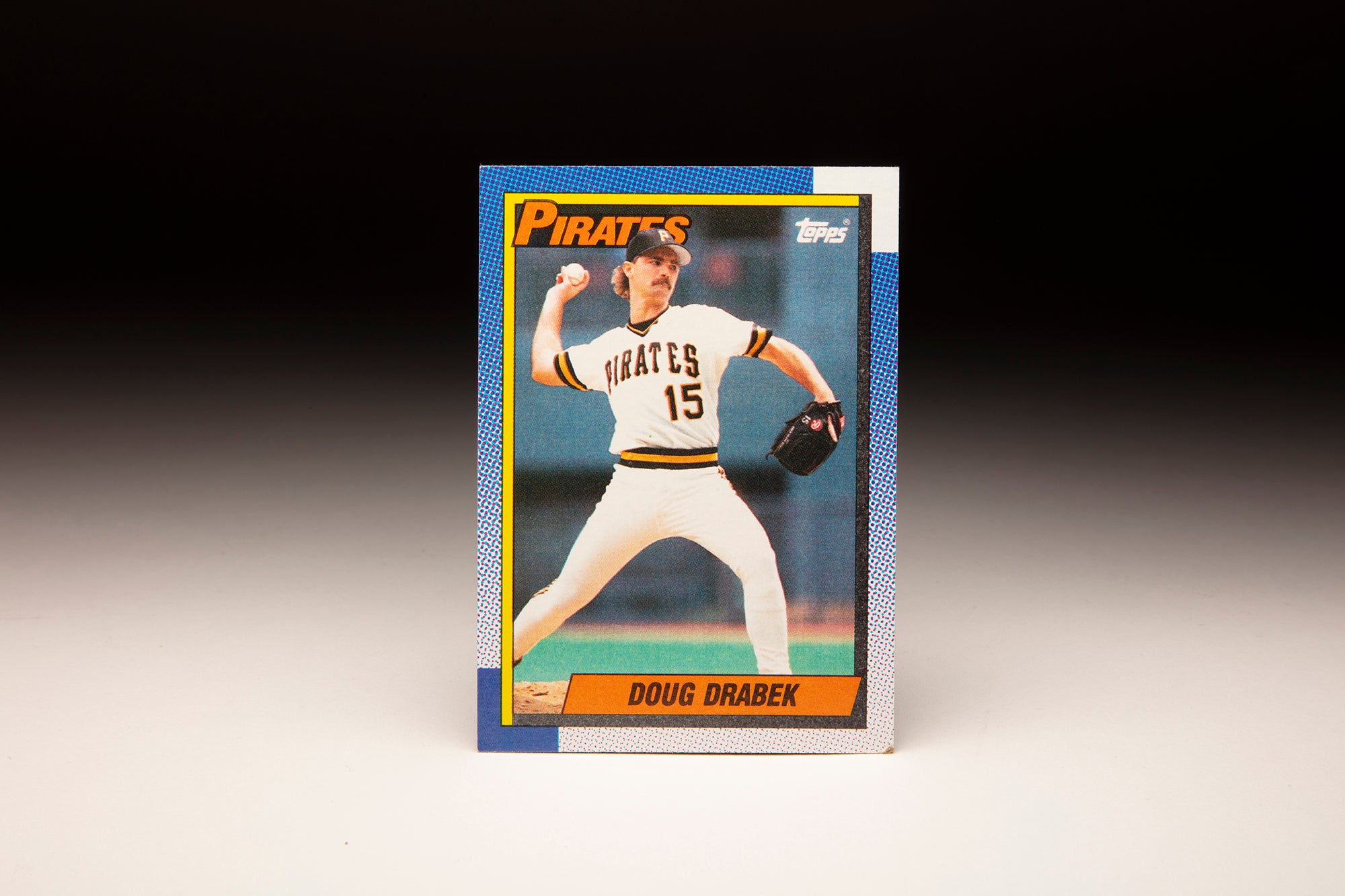
The Pirates went on to win Game 6 before losing Game 7 when the Braves rallied for three runs in the bottom of the ninth. Following the season, Barry Bonds and Doug Drabek left as free agents, bringing to a close an era of winning baseball in Pittsburgh.
Starting in 1993, the Pirates would post 20 consecutive sub-.500 seasons.
“It’s almost like this is a new team,” Walk told the Pittsburgh Post-Gazette in the spring of 1993.
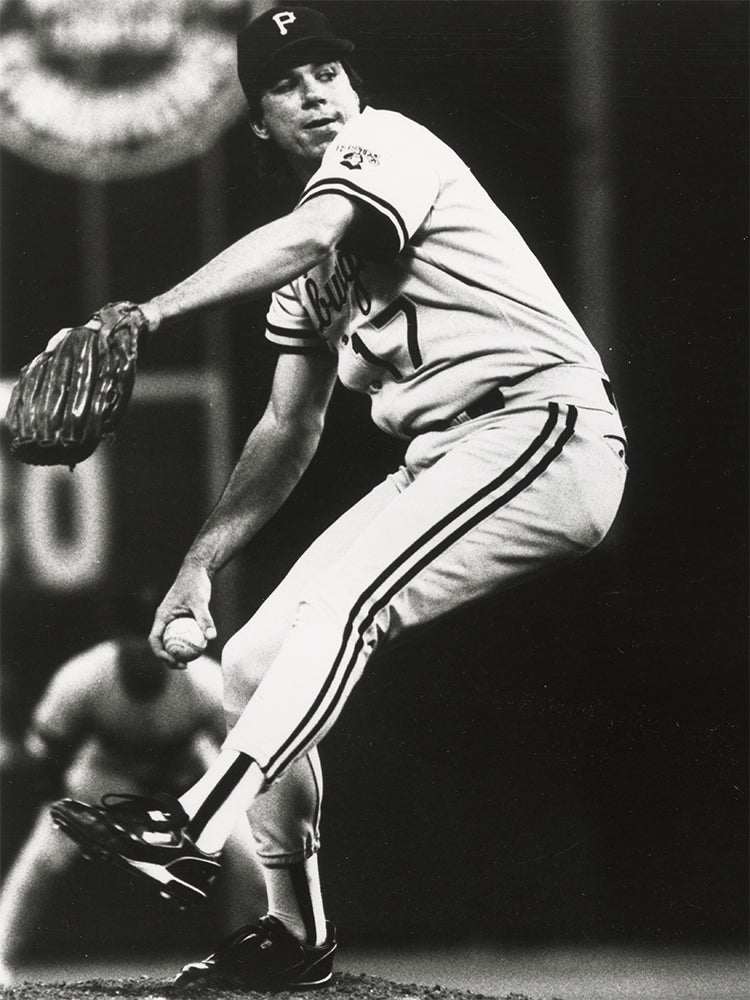
Walk started the Pirates’ second game in 1993 and took his turn regularly that season. He started 32 games and worked 187 innings, allowing an NL-high 118 earned runs and posting a 5.68 ERA. But true to form, he figured out ways to win – going 13-14 for a Pittsburgh team that lost 87 games.
With his contract expiring after the season, Walk rejected a one-year, $275,000 contract offer from the Pirates to pitch out of the bullpen in 1994. But Walk found no other offers and opted to retire.
“I made a big mistake not signing with the Pirates,” Walk told the Post-Gazette at the start of Spring Training in 1994. “I figured there was no way somebody wouldn’t offer me $500,000. I was totally shocked. Until the first of the year, I thought somebody would sign me as a fifth starter. When that didn’t happen, I would have signed with somebody for the money Pittsburgh offered me. And then about two weeks ago, it dawned on me that I was not going to sign for anything.”
But even after his playing days, Walk’s time in Pittsburgh would continue. He quickly signed on with the Pirates’ broadcasting team in 1994 and crafted a 30-plus year career behind the mic, calling Pittsburgh games on radio and TV.
Walk finished his playing career with a 105-81 record and a 4.03 ERA. He is one of only four 100-game winners in history – along with Tony Cloninger, Jason Marquis and Flint Rhem – with a Wins Above Replacement figure of less than 6.0.
But Walk pitched on five teams that advanced to the postseason, constituting more than a third of his 14-year career. And for those who shared the clubhouse with him, Walk was a key component for every team.
“He’s a great guy,” Jim Leyland told the Post-Gazette right after Walk retired. “Even when he was pitching bad, he was fun to be around. He was always professional. He did his work. He didn’t disrupt anything.
“Yeah, I miss him.”
Craig Muder is the director of communications for the National Baseball Hall of Fame and Museum