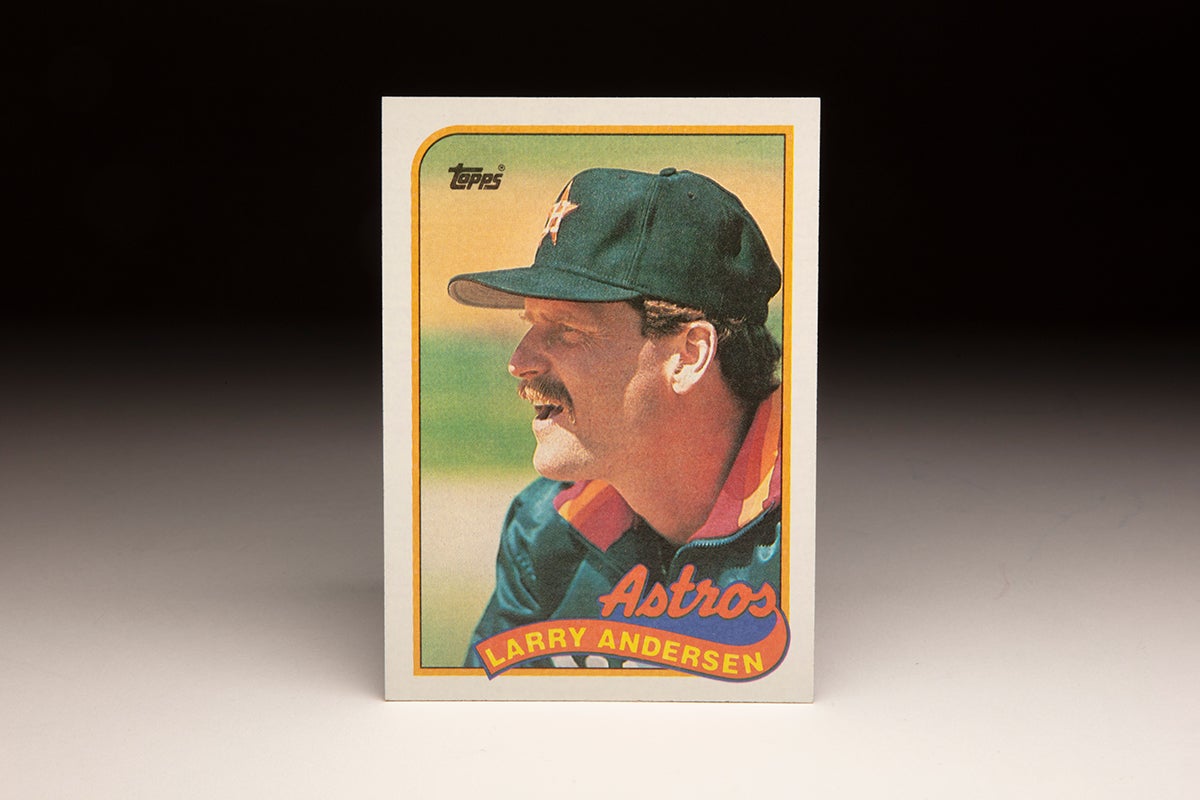
#CardCorner: 1989 Topps Larry Andersen
His name surfaces once a year at the MLB trade deadline – a warning to teams on the lookout for a quick bullpen fix.
On Aug. 30, 1990, the Houston Astros sent Larry Andersen to the Red Sox in exchange for a Double-A third baseman who had hit six home runs over two minor league seasons. Andersen proceeded to help Boston win its third American League East crown in five years.
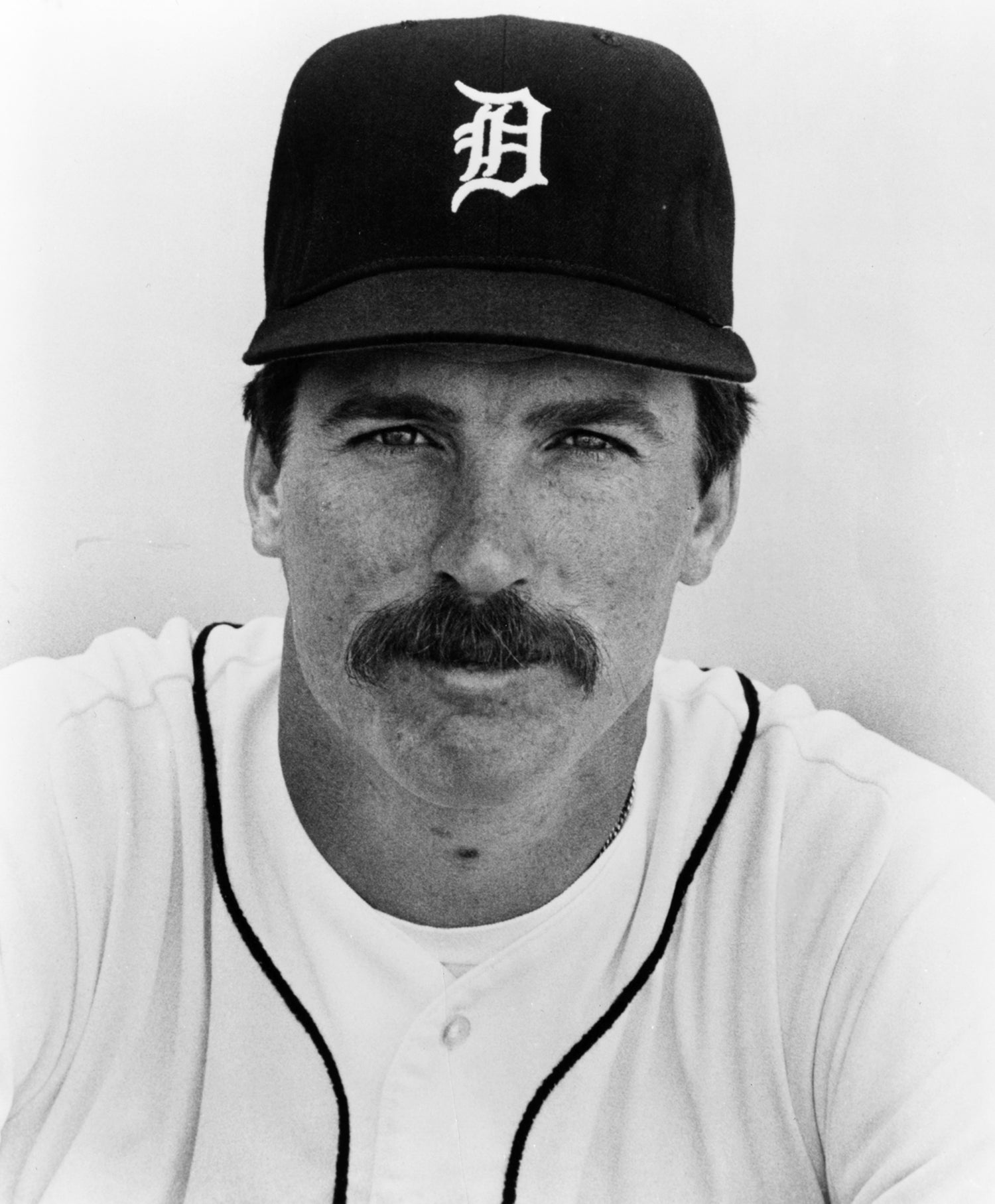
The third baseman, meanwhile, moved across the diamond in Houston and became Hall of Famer Jeff Bagwell. But even though Andersen pitched just 15 games for the Red Sox, no one could argue that his 17 years in the big leagues were anything less than a success – or filled with fun and laughter.
“People call me flaky and maybe I am,” Andersen told the Philadelphia Daily News in 1983. “But I don’t do anything to offend anyone. It’s a long season. You’ve got to break the monotony somehow.”
Larry Eugene Andersen was born May 6, 1953, in Portland, Ore. His father, Dale, was a commercial pilot and died in a crash when Andersen was 13.
Andersen often said his hero was his father.
“Probably the only one,” Andersen told the Philadelphia Daily News.
Deaf in his right ear since childhood, Andersen said that handicap pushed him to become a big league player.
“That (the deafness) stopped me from trying to fly for a major airline,” Andersen told the Daily News.
Andersen graduated from Interlake High School in Bellevue, Wash., in 1971 and the right-hander pitched in regional all-star games that spring. He was selected by the Cleveland Indians in the seventh round of that year’s MLB Draft. The Indians assigned Andersen to Class A Reno – where he reportedly lived in an 8-foot by 30-foot trailer – and then later to their rookie ball outpost in Florida, where Andersen said manager Lenny Johnston gave him the best advice he ever received.
“He said he didn’t know which guys were going to make it and which weren’t,” Andersen told the Daily News in 1993. “But he said: ‘How you’re going to meet the same people on the way down that you meet on the way up. How you treat them on the way up will determine how they treat you on the way down.’
“That’s something I’ve tried to live by.”
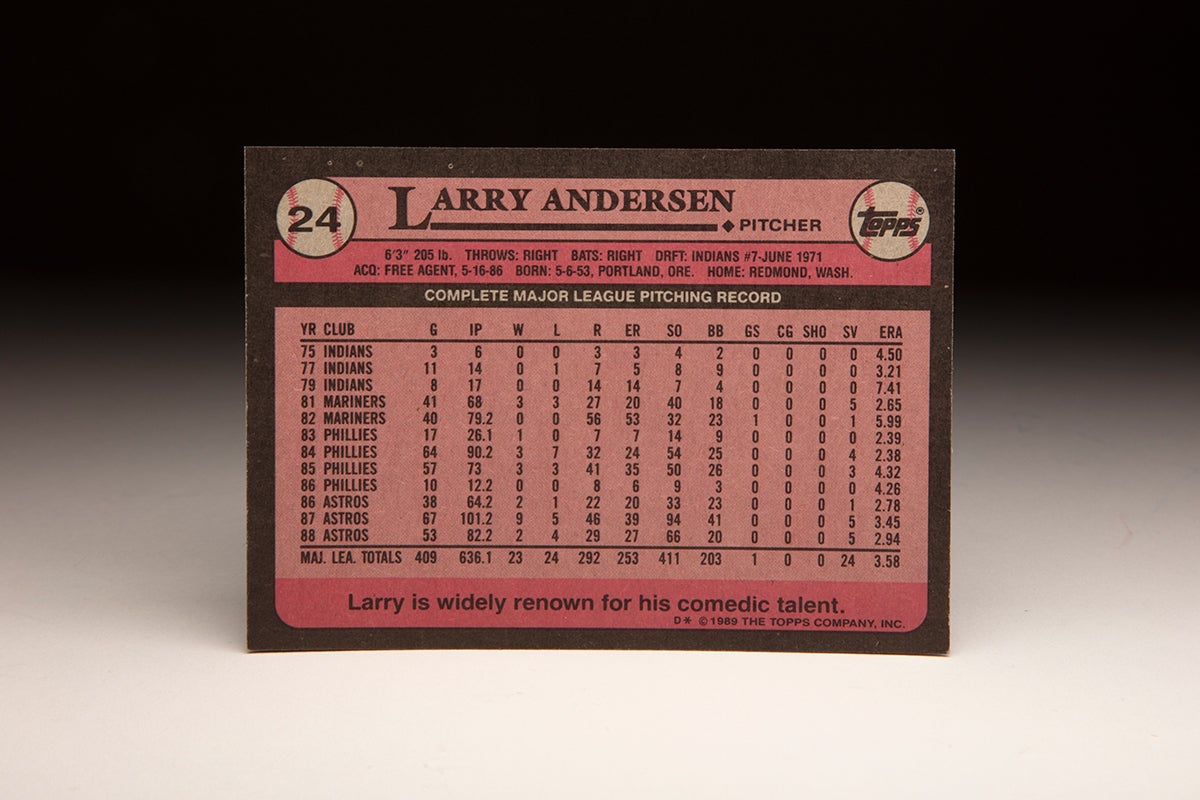
Andersen returned to Reno in 1972, going 4-14 with a 6.53 ERA in 124 innings. But when he spent a third year in Reno in 1973, his fortunes improved as he went 10-8 with a 3.95 ERA in 29 starts.
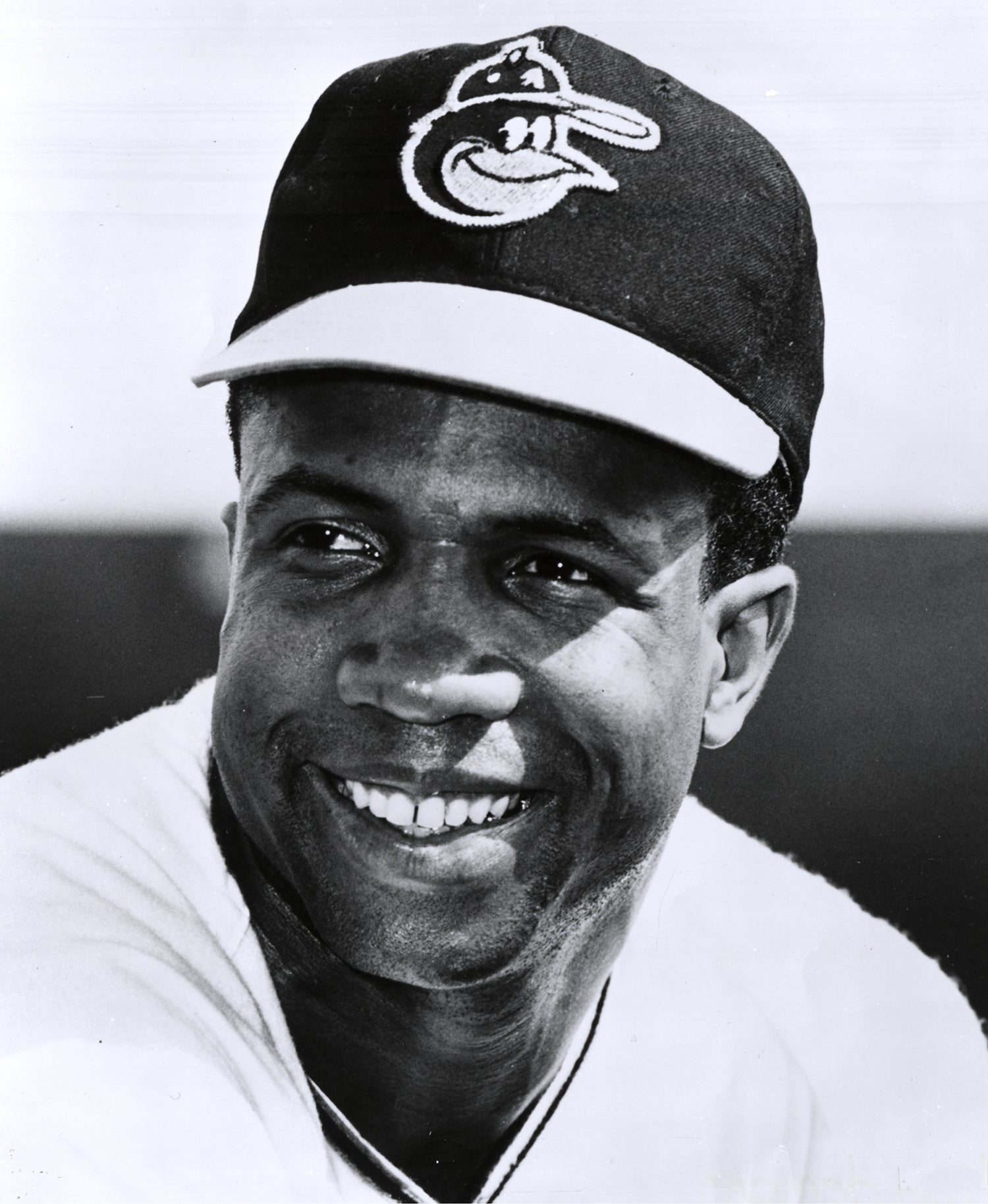
In 1974, Andersen was promoted to Double-A San Antonio, where he went 10-6 with a 3.83 ERA and pitched a no-hitter against the eventual East Division champion Victoria Toros. He was invited to big league Spring Training camp in 1975 and caught the eye of new manager Frank Robinson, who didn’t keep Andersen on the roster but noted that Andersen looked like a potential reliever.
After going 10-11 with a 4.21 ERA for a Triple-A Oklahoma City team that went 50-86, Andersen was brought to the big leagues in September. In three games, he allowed three runs (all in one outing) over 5.2 innings.
Thus began a four-year odyssey where Andersen mostly pitched in the Cleveland minor league system while waiting for his chance at a major league job. It was a journey that saw him appear in four different Triple-A cities in five seasons as the Indians moved their top minor league team almost every year.
In 1976, Andersen started at Triple-A Toledo but was ineffective and sent back to Double-A Williamsport, where he went 9-6 with a 2.71 ERA. The Indians converted Andersen to a relief role in 1977 and he starred for Toledo, going 5-6 with nine saves and a 1.94 ERA in 45 games. The Indians brought him to Cleveland in August, and Andersen appeared in 11 games – mostly in mop-up roles – while going 0-1 with a 3.14 ERA.
It was enough to get him noticed by Topps, which put him on a 1978 Rookie Stars card with fellow pitchers Tim Jones of the Pirates, Mickey Mahler of the Braves and future Hall of Famer Jack Morris of the Tigers. But it was not enough to get Andersen a roster spot in 1978 as Cleveland sent him to Triple-A Portland.
With the Beavers, Andersen went 10-7 with a then-Pacific Coast League record 25 saves in 57 appearances.
“I don’t know what Andy has to do to make it,” Cleveland catcher Gary Alexander told the Cleveland Press in the spring of 1979 when Andersen was battling for a bullpen spot. “He went out and had 25 saves and 10 victories last year. He’s had great stuff this spring. We can use him on this club, whether it be in long or short relief.
“Sending him down and watching him get another 25 saves doesn’t do us any good.”
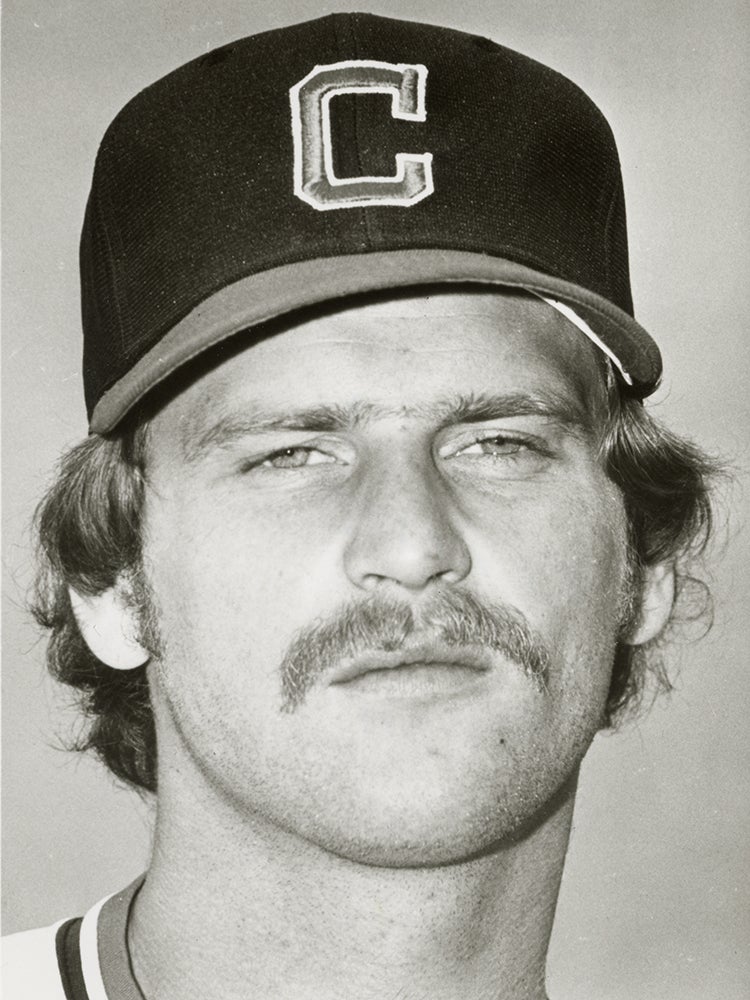
But the Indians sent Andersen back to Triple-A, causing a mild furor in the media when he was sent down. This time Andersen went to Tacoma, where he went 10-6 with four saves in 27 games, including 12 starts, before being recalled by Cleveland on July 30, 1979.
Once again, Cleveland was unable to find a suitable role for Andersen – and he did not have a decision or a save in eight appearances, allowing 14 earned runs over 16.2 innings.
On Dec. 21, 1979, the Indians finally gave up and traded Andersen – who had been dropped from the 40-man roster earlier in the fall – to the Pirates in exchange for outfielder Larry Littleton and a minor leaguer. The Pirates brought Andersen to their Spring Training camp in Bradenton, Fla., but he was unable to crack the roster of the defending World Series champions and was sent back to Portland, which was now the Triple-A team for Pittsburgh.
In his second stint with the Beavers in three seasons, Andersen went 5-7 with 15 saves and a 1.74 ERA in 52 games. He also dedicated himself to his faith – a journey that started with a Baseball Chapel service.
Andersen told the Houston Chronicle in 1986 that at his appearance at the service he had “bloodshot eyes and probably (was) a little hung over from the night before.”
Andersen’s focus changed from that point on. And his success attracted the attention of the Seattle Mariners, who acquired Andersen on Oct. 29, 1980, as the player to be named later that had sent pitcher Odell Jones to the Pirates seven months earlier.
Jones was a former Pirates prospect who was dealt to Seattle following the 1978 season. But Jones would pitch in only 13 games for Pittsburgh in 1981 before bouncing between the majors and minors for much of the rest of the 1980s.
Andersen, meanwhile, finally found an opportunity in Seattle.
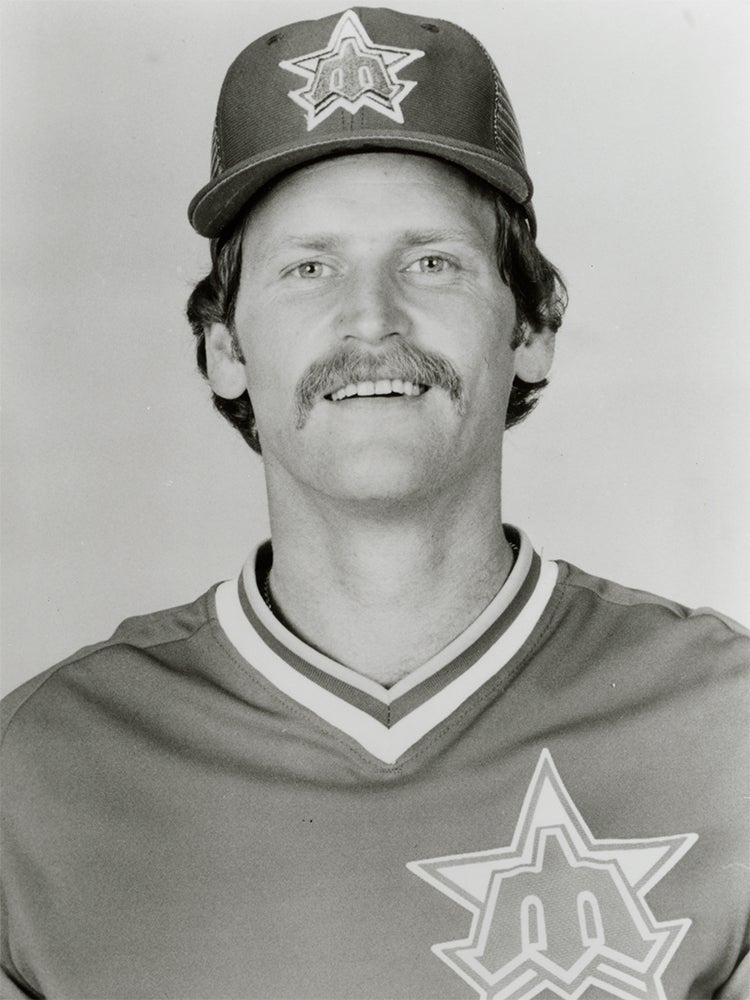
Earning a spot in the Mariners’ bullpen, Andersen appeared in 41 games – second-best on the club – while going 3-3 with five saves and a 2.66 ERA over 67.2 innings.
“(Mariners 1981 pitching coach) Wes Stock helped me a whole bunch with some mechanics,” Andersen told the Kitsap (Wash.) Sun following the 1981 season. “The pitches I started throwing were much better, the ball movement was better. The big thing was getting my arm a little higher and swinging my left leg back and stepping toward the catcher. I was throwing with a lot of arm.”
The result was a sinker/slider combination that would serve Andersen well for the next decade.
“I throw my slider like a fastball,” Andersen told the Sun. “It doesn’t break much. (But) the hitter can’t pick up the spin on the ball. It runs away from a right-hander and into a left-handed hitter. When they’ve swung, I’ve got a lot of broken bats.”
Andersen also continued to build a reputation for his clubhouse antics. At one point during the 1981 season, he and a few teammates accessed manager Rene Lachemann’s hotel room and crammed furniture into the bathroom. They also dumped red Jell-O in the toilet.
Andersen did not pitch as well in 1982, recording no decisions and just one save in 40 games while posting a 5.99 ERA. He was even sent back to Triple-A at one point – this time continuing his Pacific Coast League tour in Salt Lake City.
In 1983, he failed to make the Mariners’ roster. With his career at a crossroads, Andersen had his contract loaned by the Mariners to the Phillies, who sent him to Triple-A Portland. With his hometown team once again, Andersen went 7-8 with 22 saves and a 2.05 ERA for the Beavers before the Phillies purchased his contract on July 29.
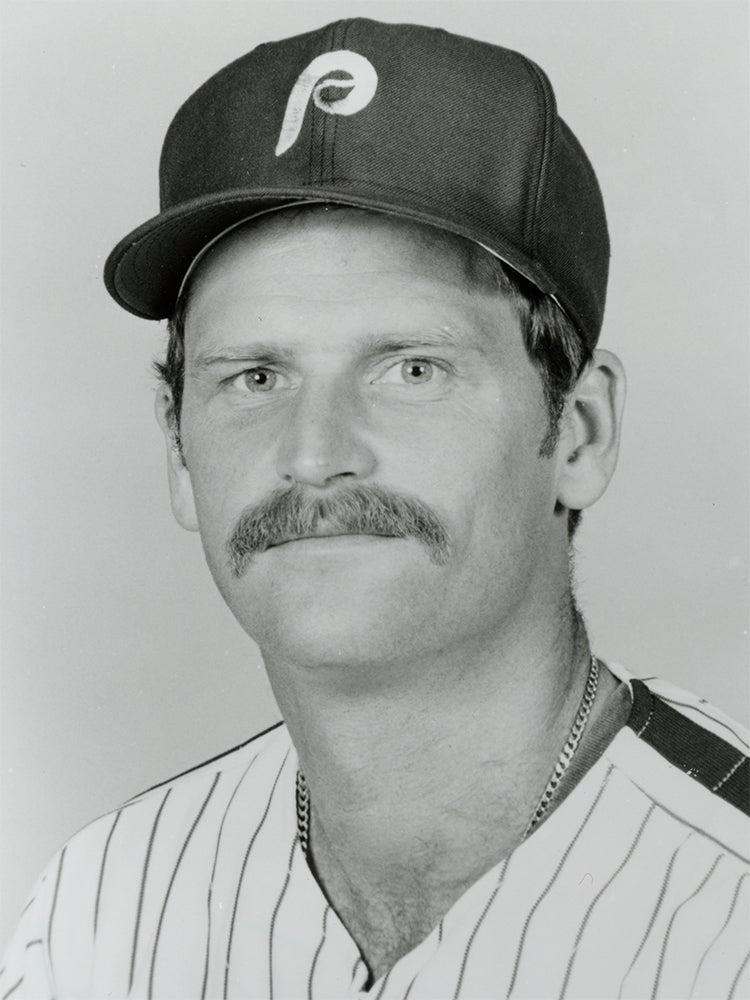
Over 17 appearances down the stretch, Andersen was 1-0 with a 2.39 ERA as the Phillies rallied to win the National League East. Andersen did not pitch in the NLCS vs. the Dodgers but appeared twice in the World Series against Baltimore, allowing just one run over four innings. And though the Phillies fell short of a title, Andersen – at the age of 30 – had finally convinced himself that he belonged in the majors.
“This is the best I’ve thrown in the big leagues,” Andersen told the Daily News in September of 1983. “The big thing is somebody finally wants me and that does wonders for my confidence. The Phillies were the first team that actually went out to acquire me. With Cleveland and Seattle I was just there, like furniture.”
In 1984, Andersen evolved into one of the best middle relievers in the game. His 3-7 record did not accurately represent his 2.38 ERA or the fact that he surrendered only 85 hits in 90.2 innings over 64 appearances. The Phillies, however, failed to repeat as NL East champions and finished with as many losses (81) as victories.
“The big thing is his consistency, his readiness to pitch,” Phillies coach John Felske, who managed Andersen in Portland in 1983, told the Daily News. “You always knew what you were getting.
“You try to pull that low stuff he throws, you’ll get nowhere.”
Andersen, Felske – who took over as manager from Paul Owens following the 1984 season – and the Phillies all struggled in 1985. Andersen went 3-3 with three saves and a 4.32 ERA in 57 appearances for a Philadelphia team that won just 75 games. And when the Phillies added veteran relievers Steve Bedrosian and Tom Hume to a bullpen that already had Kent Tekulve, Andersen was left without a defined role for 1986.
After allowing six earned runs over 10 appearances, Andersen was released on May 13, 1986.
“None of (the roster decisions) are easy,” Felske told the Daily News when Andersen was released. “But this one was tougher than most.”
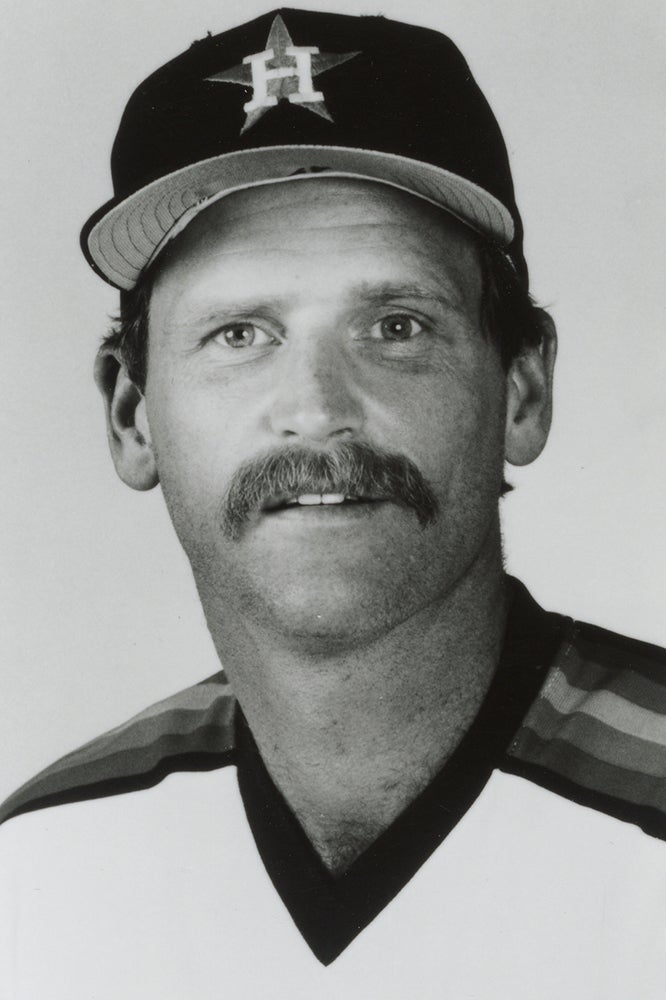
But Andersen was not out of work for long. Three days after being released, he signed with the Astros, who were making a surprise push for the top spot in the NL West. Andersen provided middle-inning support to a bullpen that featured Dave Smith, Charlie Kerfeld and Aurelio López, going 2-1 with a save and a 2.78 ERA in 38 appearances.
Back in the NLCS for the second time in four seasons, Andersen pitched five shutout innings over two appearances against the Mets. In the deciding sixth game, he blanked New York over three innings, allowing just one baserunner over the 11th, 12th and 13th frames. But Houston eventually lost 7-6 in 16 innings as the Mets advanced to the World Series. A free agent following the season, Andersen quickly re-signed with Houston on a one-year deal worth a reported $300,000.
In 1987, Andersen set what would be a career-high in innings with 101.2, going 9-5 with five saves and a 3.45 ERA over 67 games. He returned to Houston on a two-year deal worth a reported $875,000, and in 1988 Andersen went 2-4 with five saves and a 2.94 ERA in 53 games despite missing time with a pulled rib cage muscle.
With his status as one of the game’s top middle relievers secure, Andersen attracted more and more attention for some of his quips, including:
- “Why does sour cream have an expiration date?”
- “How can you tell when you’re running out of invisible ink?”
- “I’ve had trouble figuring out how you explain ‘clockwise’ to a person with a digital watch.”
- “How come fat chance and slim chance mean the same thing?”
- “Why do you drive on a parkway and park on a driveway?”
“Life’s too short not to have a good time,” Andersen told the Houston Chronicle in 1988. “You’re only young once, but you can be immature forever. That’s my lifelong motto.”
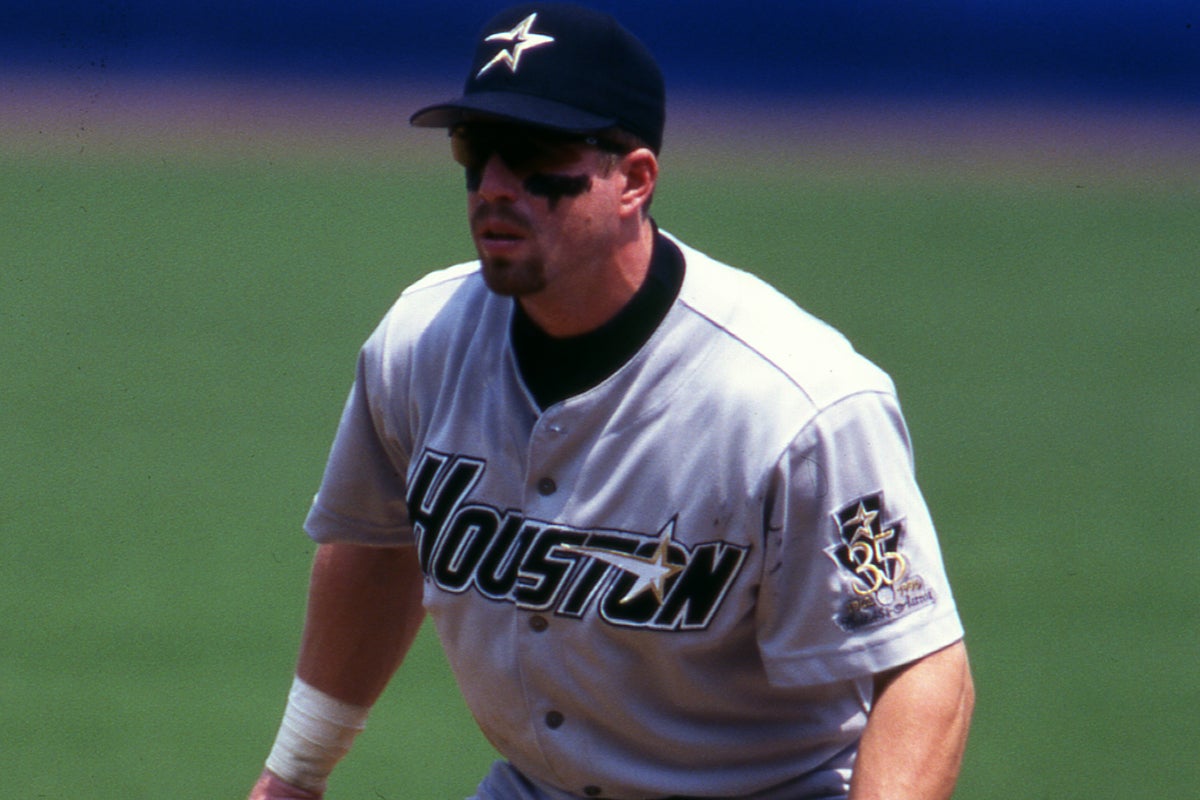
In 1989, Andersen was part of a Houston pitching staff that was among the oldest the game had ever seen. Andersen, who turned 36 during the season, was joined by starters Rick Rhoden (36), Bob Knepper (35), Mike Scott (34) and Jim Clancy (33) as well as bullpen mates Bob Forsch (39), Dave Smith (34) and Danny Darwin (33). Andersen was among the most effective of the group, going 4-4 with three saves and a 1.54 ERA in 60 games. His ERA was the top figure among NL pitchers who worked at least 80 innings.
Andersen and the Astros agreed on a new two-year contract worth a reported $2.2 million on Feb. 1, 1990.
“Many times I’ve felt that I was not paid what I was worth,” Andersen told the Houston Chronicle. “But this makes me feel good.”
Andersen’s numbers in 1990 – in a combined 65 appearances with Houston and Boston – were very similar to his 1989 marks. He went 5-2 with seven saves and a 1.79 ERA. He was a workhorse for Boston down the stretch, appearing in 15 games after the Aug. 30 trade, allowing only three runs over 22 innings while fanning 25 batters.
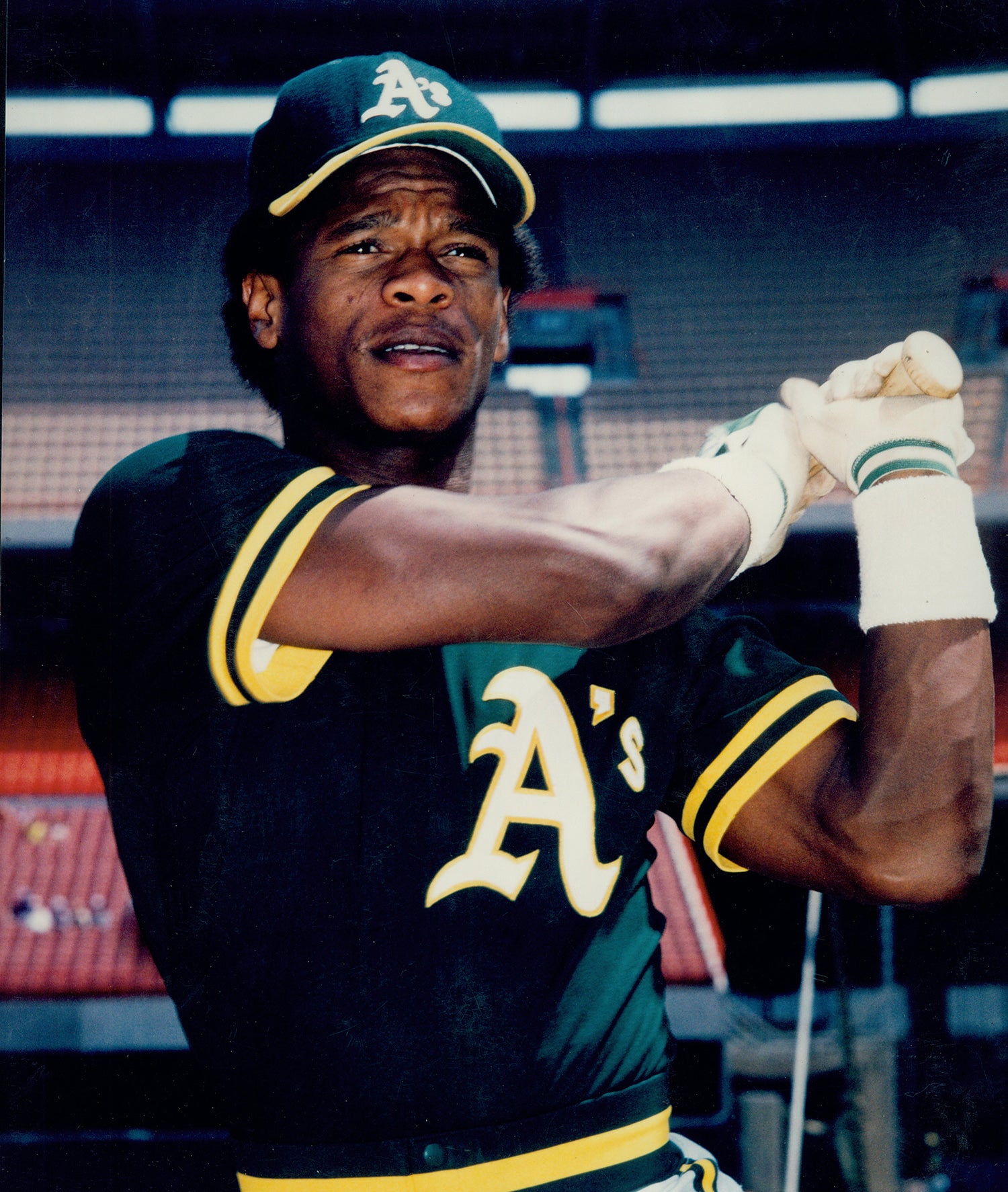
But in Game 1 of the ALCS vs. Oakland, Andersen took the loss when he allowed a leadoff walk to Mark McGwire, a pinch-hit single by Jamie Quirk and a sacrifice fly to Rickey Henderson in the seventh inning that tied the game at 1. Then in the eighth, Andersen allowed a leadoff single to José Canseco before departing the game. Boston relievers allowed Canseco to score to give Oakland a 2-1 lead in a game the Athletics won 9-1.
Andersen pitched a scoreless inning in Game 2 and Game 4 but Oakland swept the series. He became a free agent after the season ended and quickly signed a two-year deal with the Padres worth $4.4 million that included an option year for 1993.
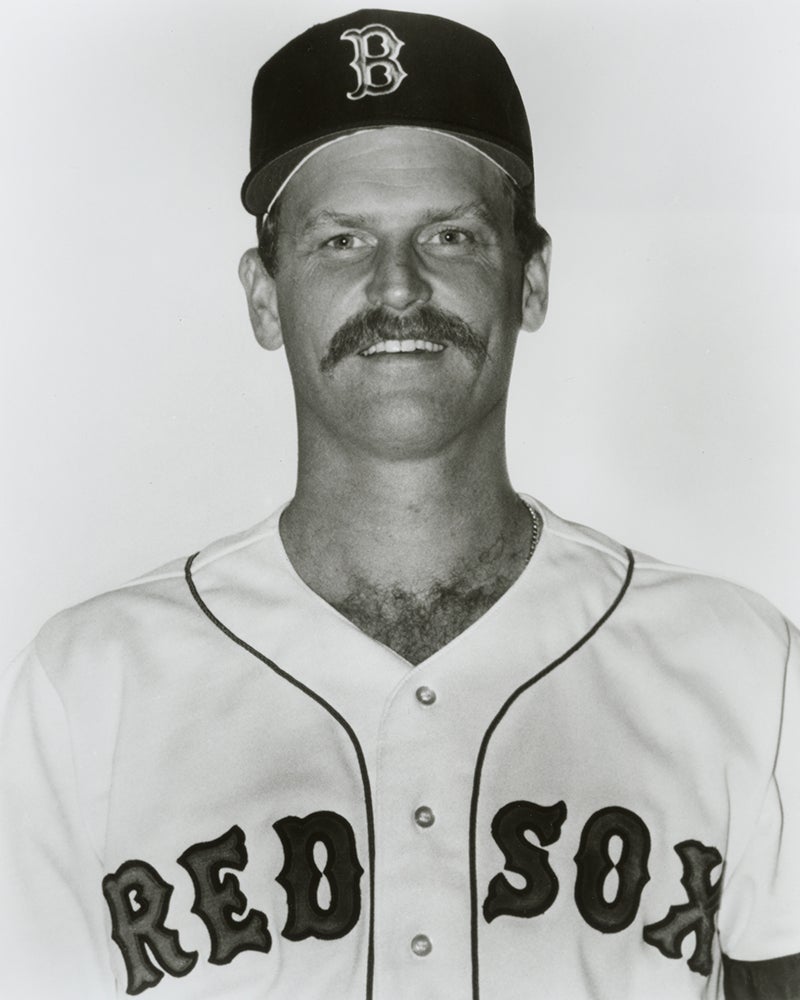
“Larry’s role will primarily be as a right-handed closer,” Padres general manager Joe McIlvaine told the Associated Press. “He and (lefty) Craig Lefferts should provide the Padres with a quality, experienced righty-lefty bullpen.”
But on Opening Day, Andersen awoke with a stiff neck. He pitched that night and recorded a save in a 7-4 win over the Giants but the problem quickly got worse.
“The next day I couldn’t move my head,” Andersen told the Houston Chronicle. “That really scared me.”
Andersen had been battling chronic neck pain for about two years, and doctors eventually diagnosed him with bulging and herniated discs. He spent multiple stints on the disabled list and appeared in just 38 games in 1991, saving a career-high 13 contests while going 3-4 with a 2.30 ERA.
The Padres and Andersen suffered through another difficult season in 1992. Andersen was sidelined with a shoulder injury and appeared in just 34 games, and the team battled through infighting for much of the season.
“There’s a whole lot of unhappy guys around here, believe me,” Andersen told the Houston Chronicle.
The Padres did not exercise Andersen’s 1993 contract option, and on Dec. 18, 1992, the Phillies brought Andersen back to Philadelphia on a deal that was with Triple-A Scranton/Wilkes-Barre with an invitation to Spring Training.
The $700,000 contract proved to be a bargain when Andersen went 3-2 with a 2.92 ERA over 64 games as Philadelphia won the NL East. Andersen served as the right-handed setup man for closer Mitch Williams, who saved 43 games.
“He fits one of our needs: A setup guy to get us to Mitch Williams,” Phillies manager Jim Fregosi told the Philadelphia Daily News when Andersen signed. “He’s experienced in that role, and one thing you know is that he’ll come in and throw strikes.”
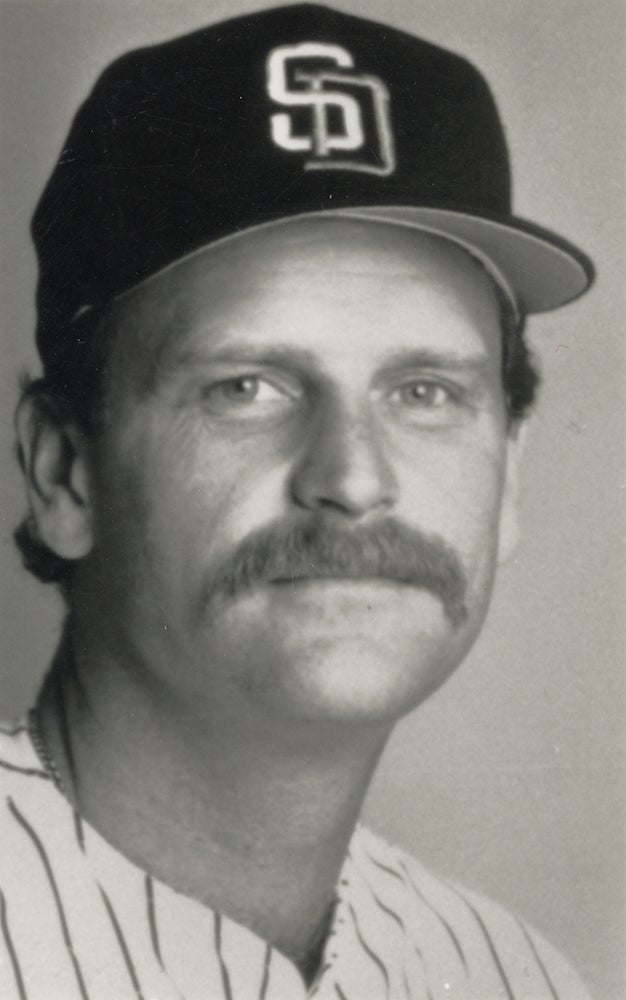
Andersen pitched in three games in the NLCS vs. Atlanta, saving Game 5 after Williams allowed three runs in the ninth to push the game to extra innings. After Lenny Dykstra homered in the 10th to give the Phillies a 4-3 lead, Fregosi called on Andersen to pitch the bottom of the 10th – and Andersen retired the Braves in order to preserve the win.
But the save was not without drama. He went 2-and-1 to leadoff hitter Otis Nixon, raising the specter of a leadoff walk to one of the game’s best baserunners. At that point, catcher Darren Daulton went to the mound.
“Bubba came out and said: ‘The beer’s on ice. It’ll stay cold. Just take your time,’” Andersen told the Daily News. “The adrenaline is pumping. I could hear half the stadium doing the Tomahawk Chop. I’m deaf in one ear, so I couldn’t hear the other half.”
Andersen got Nixon to fly out to right field before fanning Jeff Blauser and Ron Gant.
Philadelphia won Game 6 to capture the series.
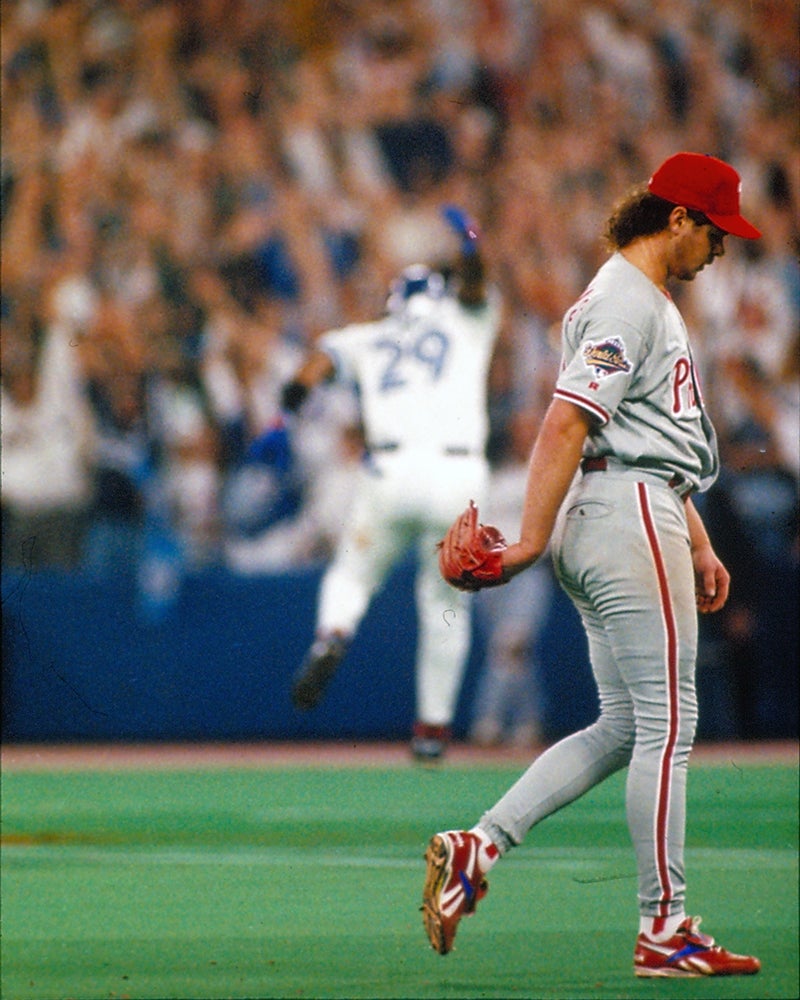
Andersen appeared in four games in the World Series against Toronto, allowing five runs over 3.2 innings. In the deciding Game 6, he came on with one on and one out in the eighth and wriggled out of a jam, sending the Phillies to the ninth ahead 6-5.
But when Toronto won the game in the bottom of the ninth on Joe Carter’s home run off Williams, Andersen found himself on the wrong end of a Phillies World Series loss for the second time in his career.
Andersen returned to the Phillies in 1994 and underwent knee surgery in Spring Training, delaying his first appearance of the season until late April. He landed on the disabled list twice more with back and rib injuries and was 1-2 with a 4.41 ERA in 29 games when the season ended in August due to the strike.
When the Phillies offered Andersen a job as their Double-A pitching coach in 1995, Andersen decided to retire.
He spent two seasons with Double-A Reading before serving as pitching coach for Triple-A Scranton/Wilkes-Barre in 1997. But that September, Phillies legendary voice Richie Ashburn – a Hall of Fame center fielder – unexpectedly died at the age of 70. The Phillies tapped Andersen to follow Ashburn’s steps into the broadcast booth.
Andersen had found his calling – and stayed with it even when new Phillies manager Larry Bowa offered him a job as pitching coach in the winter of 2000.
“I’m not sure I want to come down and coach for you,” Andersen told Bowa, “and get fired when you do three years from now.”
Andersen quickly developed chemistry with Scott Franzke on radio, keeping things light in the booth as he did in the clubhouse.
“When fans tell us, ‘I feel like I’m sitting out on the patio with you and Scott, talking about the game,’ that’s the biggest compliment they could give us,” Andersen told the Daily News in 2011.
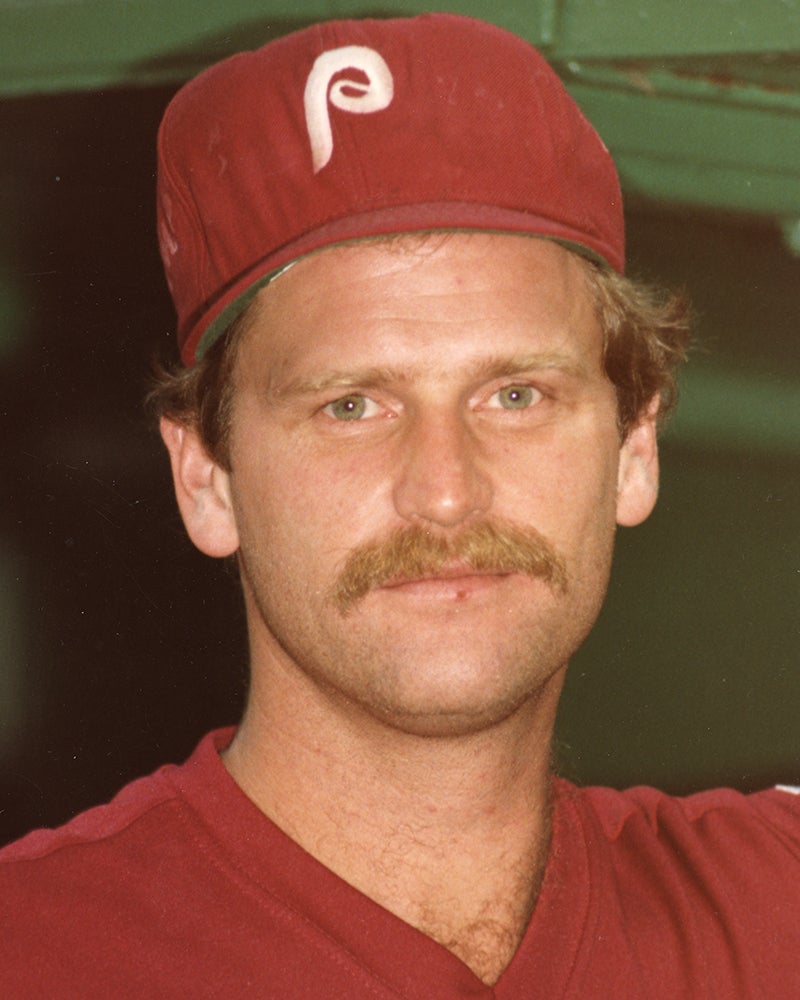
Andersen finished his 17-year pitching career with a 40-39 record and 49 saves in 699 games – all but one coming in relief. He posted a career 3.15 ERA over 995.1 innings despite relatively low strikeout totals.
It was a testament to his sinker/slider combination that kept the ball in the ballpark. But his longevity was also a product of his never-ending ability to recognize fun throughout the game.
“I want to pitch in a ballpark that has high grass and is 400 feet down each foul line,” the 33-year-old Andersen told the Daily News when he was released by the Phillies in 1986 – a point at which he still had eight big league seasons remaining in his career. “Where the wind is always blowing hard in the batter’s face. Then, for starters, I’d want (Gold Glovers) Ozzie Smith at shortstop and Keith Hernandez at first.”
Then, Andersen unleashed the wit and wisdom that helped him transition into his second career as a broadcaster.
“I’m very optimistic,” Andersen said. “We spend our lives surrounded by great opportunities that are disguised as unsolvable problems.”
Craig Muder is the director of communications for the National Baseball Hall of Fame and Museum