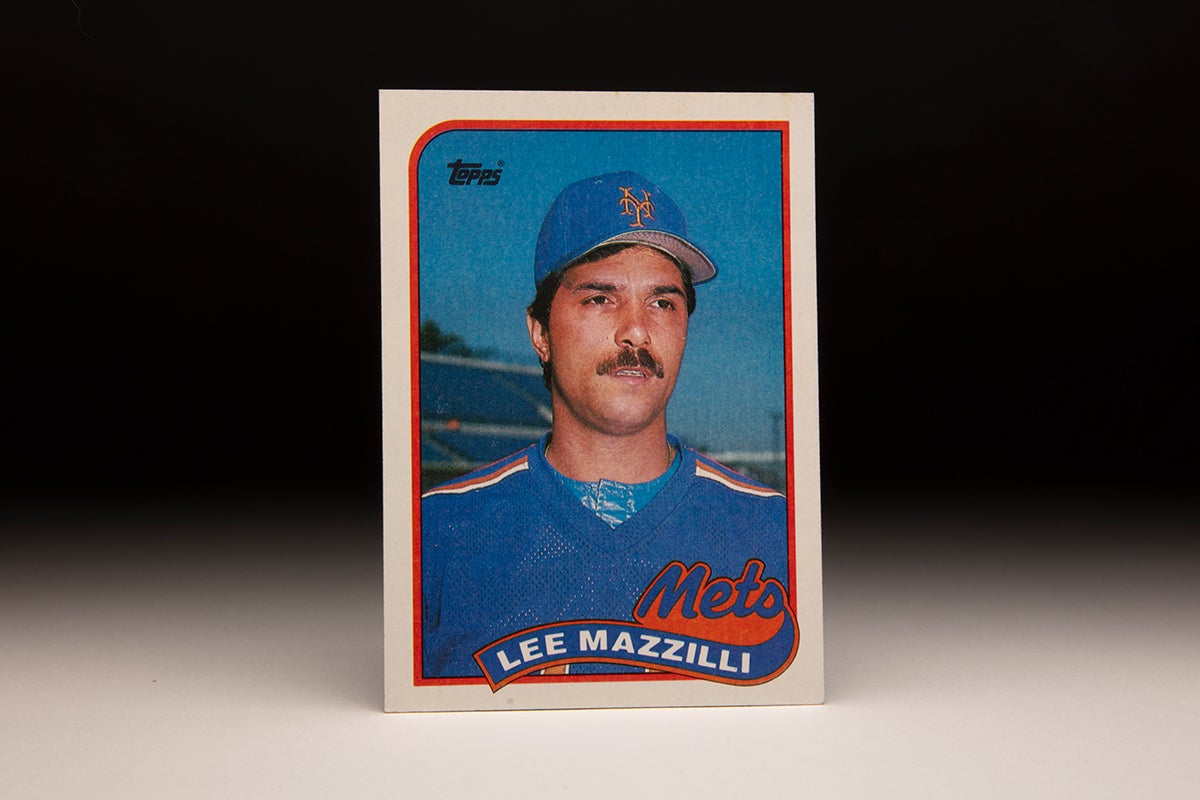
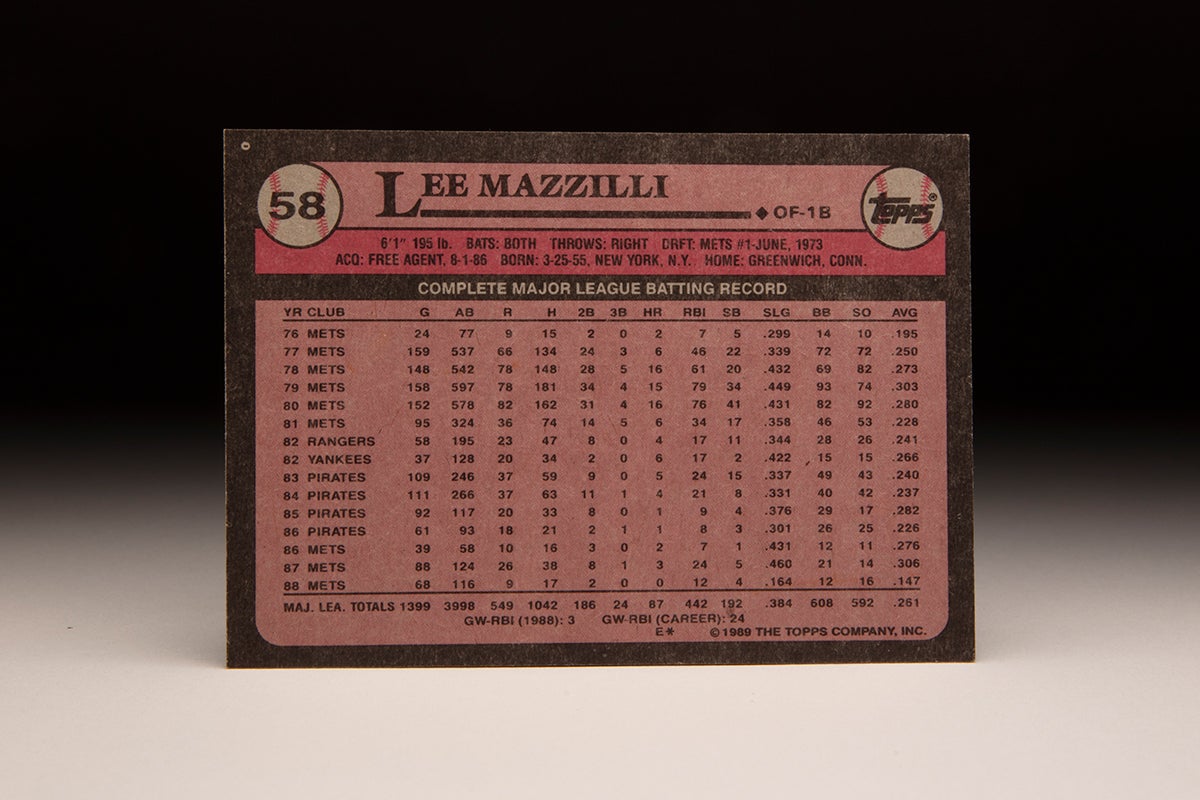
#CardCorner: 1989 Topps Lee Mazzilli
Lee Mazzilli became a star in New York City in the late 1970s, seemingly destined to spend the next decade as the face of baseball.
A combination of losing teams and underappreciated talent derailed that express train. But Mazzilli still carved out a 14-year MLB playing career – and post-playing success – via determination and a gifted set of athletic skills.
Lee Louis Mazzilli was born March 25, 1955, in New York. He was raised in the Sheepshead Bay area near Coney Island. His father, Libero, was a piano tuner and welterweight boxer and encouraged each of his three children to take up ice skating.
Mazzilli was a youth star, winning eight national titles in his age group from 1965-71. The sport strengthened his leg muscles, making Mazzilli a speedster on the basepaths.
In 1971, Mazzilli made the choice to concentrate on baseball when the youth team he played for had playoff games that conflicted with national skating events.
“It was a no-brainer,” Mazzilli told the Baltimore Sun soon after he was hired as the Orioles manager in 2003. “I had a passion for speed skating, did it with all my heart. But I don’t know that I would have made the (1972) Olympic team. And it was a different era back then; there weren’t all these other sports. Baseball was the No. 1 sport by far, and it was always my first love.”
Mazzilli’s ability to throw with either hand – and bat from either side of the plate – also made baseball an obvious choice for his career path. That ability made headlines when he was selected by his hometown Mets with the 14th overall pick in the MLB Draft on June 5, 1973. Mets farm director Joe McDonald announced the selection by saying: “Bats: right-left. Throws: right-left.”
But in that era, switch-throwing was not considered practical.
“He’s got two gloves, one left-handed and the other righty,” Abraham Lincoln High School athletic director Joe Malone told the Associated Press. “He decides each day which one he’ll use.”
Mazzilli had the option of accepting a scholarship to play baseball at Arizona State University, but let it be known that he preferred to turn pro. The Mets quickly signed him after the draft, giving Mazzilli a reported bonus of $50,000.
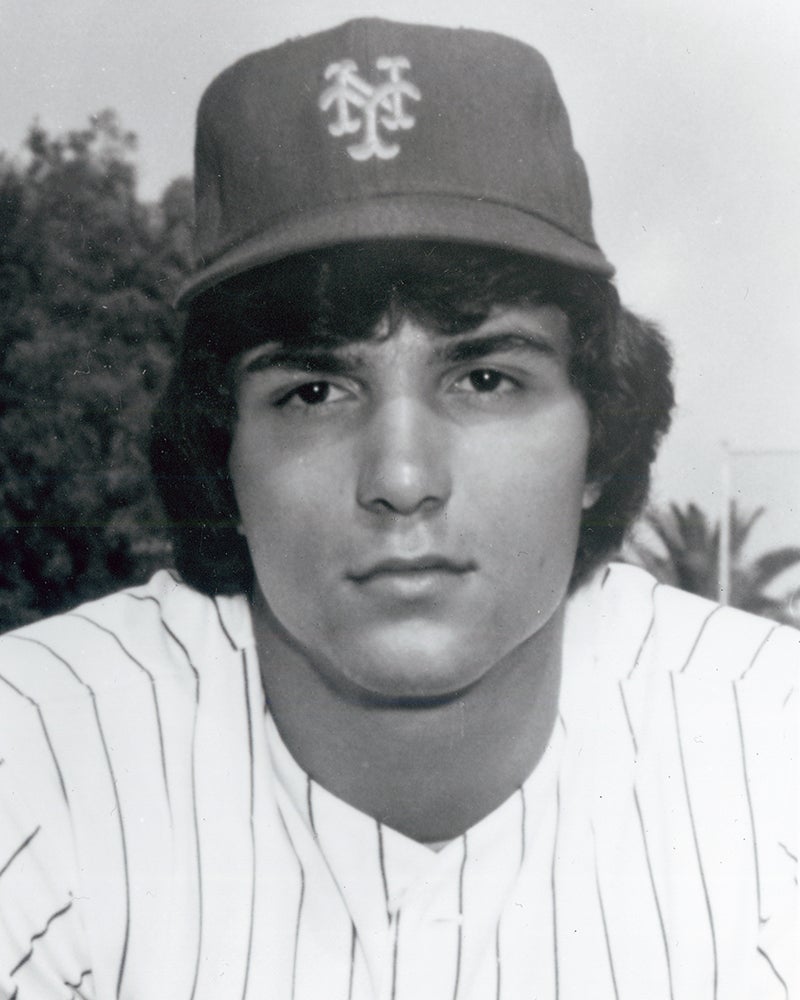
He made his professional debut in 1974 with Class A Anderson of the Western Carolinas League and the Mets had him focus on throwing right-handed in order to give him the option of playing more defensive positions.
“It all started in Little League and it really doesn’t matter which way I throw,” Mazzilli told the AP about his ambidextrous skills. “I don’t favor either arm over the other…it just came natural to me.”
Mazzilli hit .269 with a .376 on-base percentage (fueled by 76 walks), 24 doubles, 11 homers, 48 RBI, 82 runs scored and 46 steals in 132 games for Anderson in 1974. He moved up to Class A Visalia in 1975, bettering his numbers by hitting .281 with a .409 on-base percentage, 103 runs scored, 13 homers, 52 RBI and 49 steals in 125 games. On June 8, Mazzilli tied what is believed to be a pro baseball record by stealing seven bases in a seven-inning game against San Jose.
In 1976, Mazzilli was sent to Double-A Jackson of the Texas League, where he drew 111 walks in 131 games, producing a .439 on-base percentage to go with a .292 batting average, 91 runs scored, 13 homers, 43 RBI and 28 steals.
On Sept. 7, Mazzilli was called up to the big leagues “just so he’d get a feel of the majors,” McDonald, who by then was the Mets’ general manager, told the AP. “We didn’t even know if he’d get to play.”
Mazzilli made his debut the day he was called up and entered the game against the Cubs as a defensive replacement. The next day, Mazzilli pinch-hit for Bruce Boisclair in the ninth inning and hit a three-run home run off Darold Knowles in a game the Mets won 11-5.
Mets manager Joe Frazier put Mazzilli in the starting lineup in center field three days later, and Mazzilli remained there the rest of the year. On Sept. 20, he hit his second home run – this one coming with one on and two out in the bottom of the ninth against Pirates reliever Kent Tekulve. The blast gave the Mets a 5-4 win and damaged the Pirates’ hopes of catching NL East leader Philadelphia.
“It’s incredible, I just can’t believe it,” Mazzilli told the AP after the game. “Two weeks ago, I was in the minors. And now this! It’s a fantasy, having a part in the pennant race. I still can’t believe it.”
In 24 games with the Mets, Mazzilli hit .195 but walked 14 times to power a .323 on-base percentage. He also stole five bases and scored nine runs.
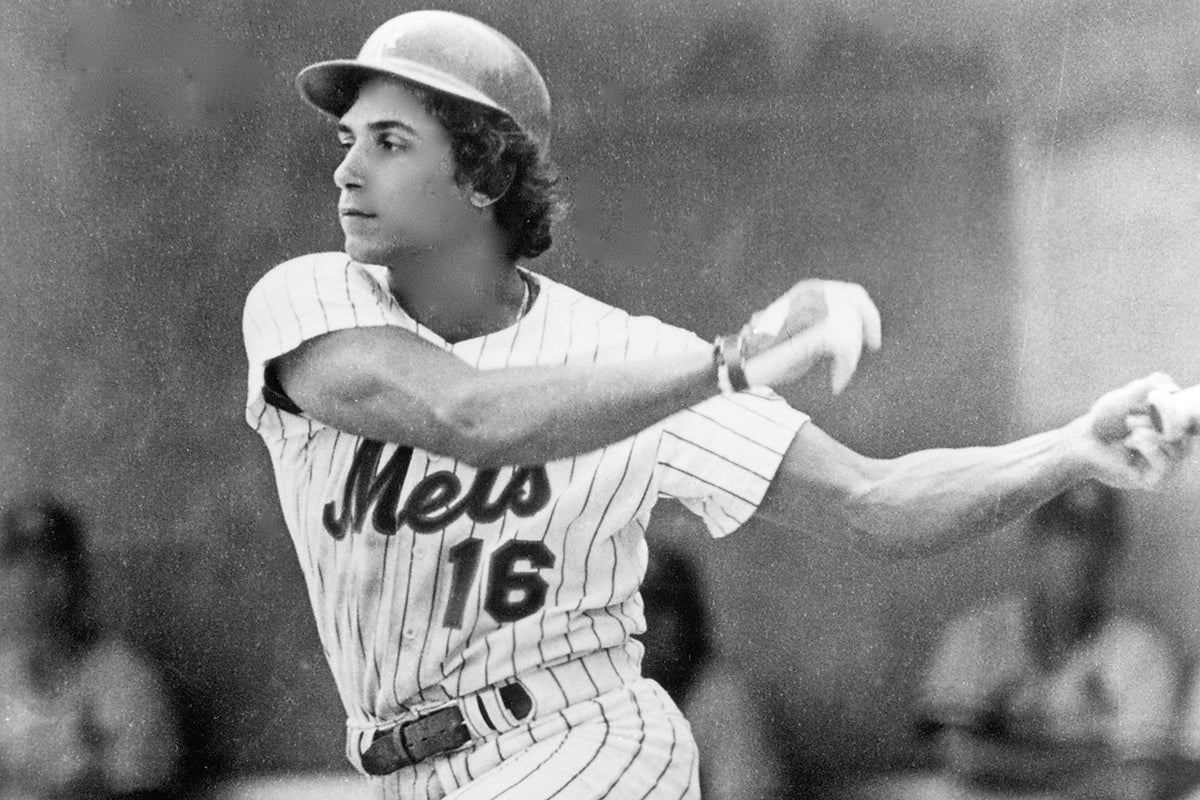
Despite having no Triple-A experience, Mazzilli was set to become the Mets’ everyday center fielder in 1977.
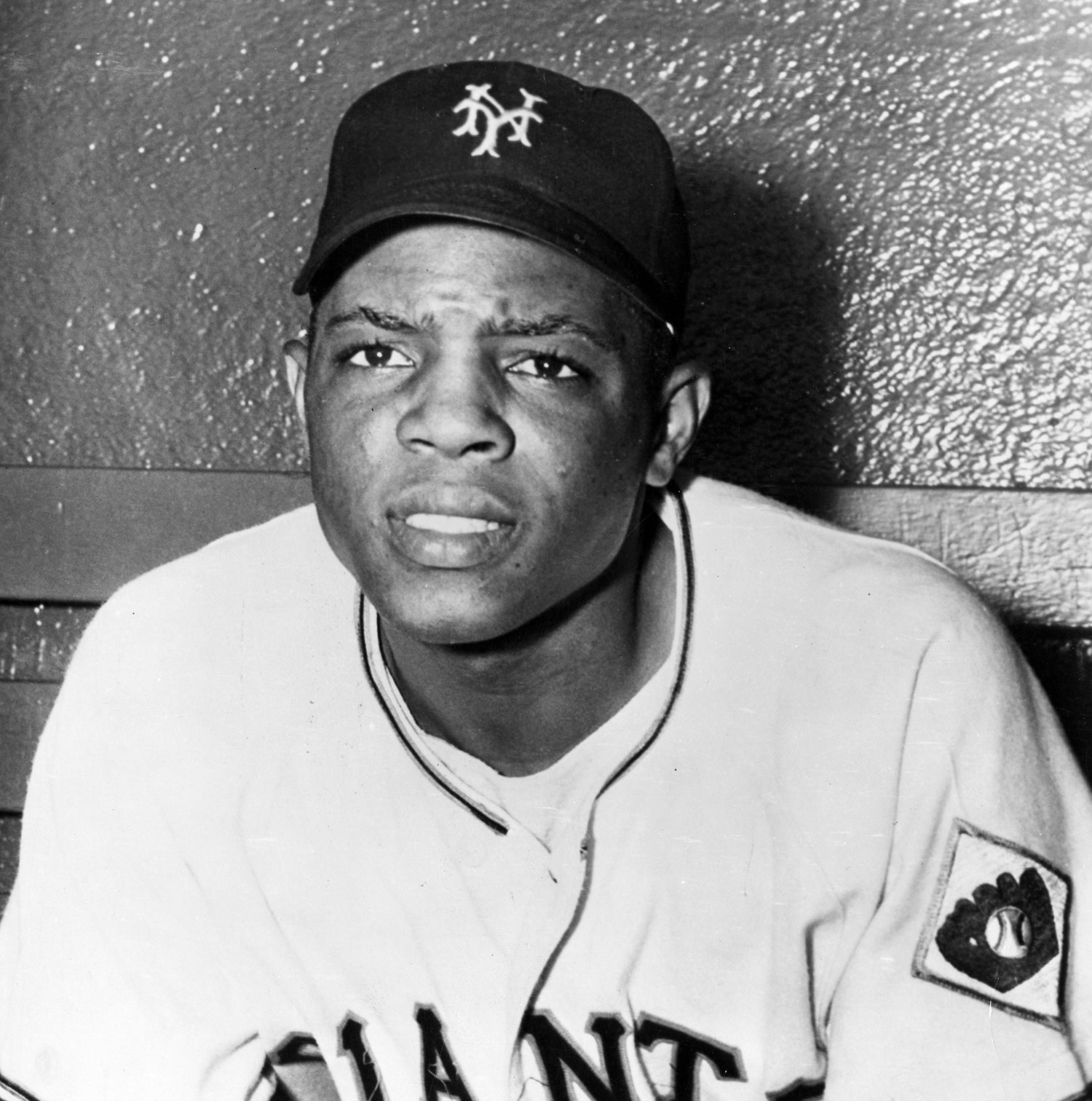
“He’s improving. He listens and he learns,” Willie Mays, who was helping Mazzilli adjust to the big leagues, told the Staten Island Advance in Spring Training of 1977. “But I don’t think they should expect a lot of hitting from him. He’s not a strong kid. He’s still filling out.
“The thing they’ve got to let him know is he’s in there for his glove and accent whatever he does. After all, who else they got?”
But Mazzilli would exceed Mays’ expectations in 1977, hitting .250 with a .340 on-base percentage while totaling 24 doubles, three triples, six home runs, 46 RBI, 66 runs scored and 22 steals in 159 games. Mazzilli walked as many times as he struck out (72) and led all NL center fielders with 391 putouts.
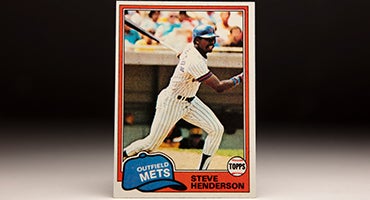
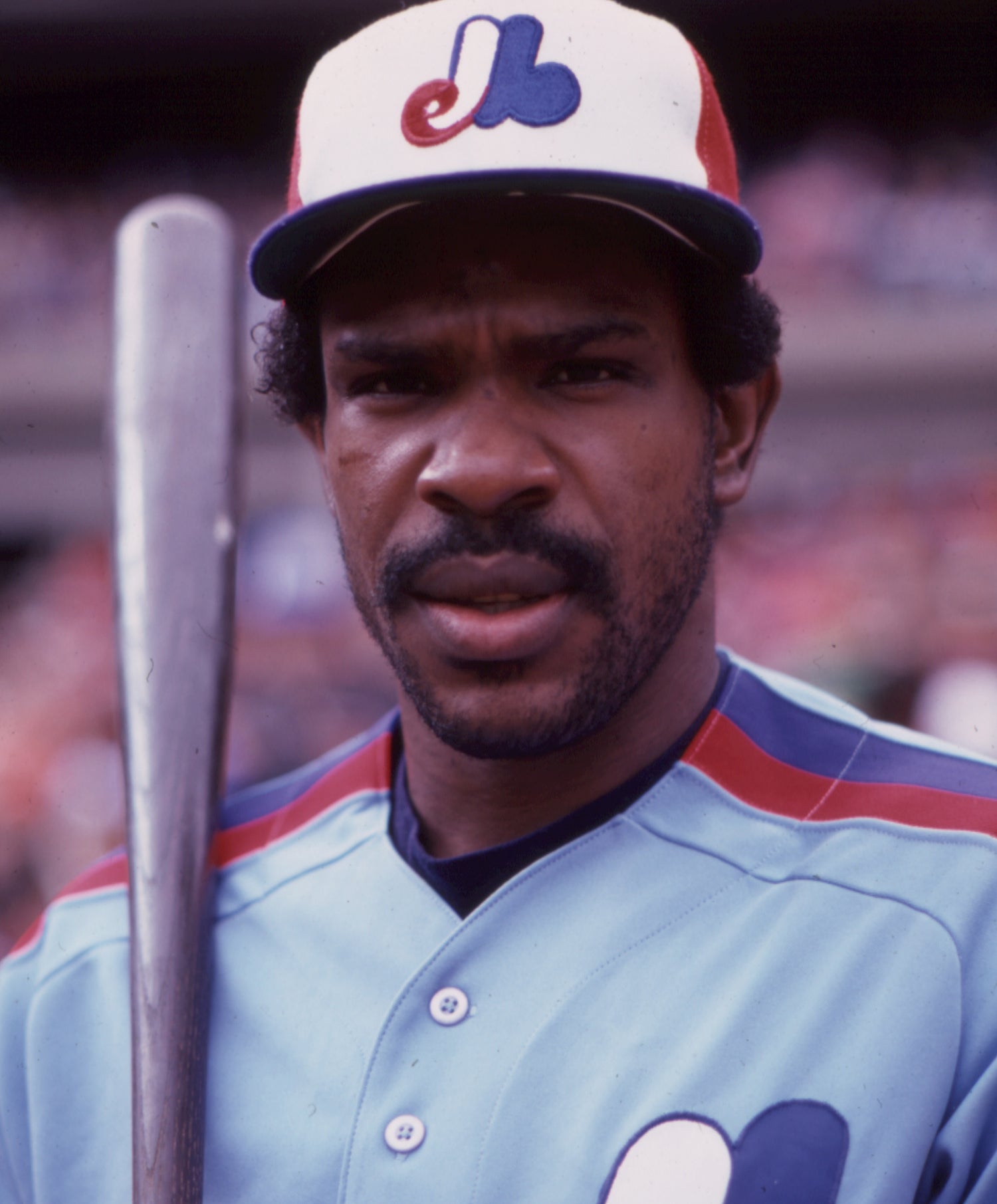
Curiously, Mazzilli did not receive a single vote in the NL Rookie of the Year balloting. The award went to future Hall of Famer Andre Dawson, but the second-place finisher was Mazzilli’s Mets teammate Steve Henderson, who hit .297 but played in only 99 games.
“The kid has a better attitude than I ever had,” Mets teammate Ed Kranepool, who like Mazzilli was a New York native who debuted in the big leagues after limited time in the minors, told the AP. “I thought I knew everything. Mazzilli is willing to listen to everyone. All he needs is maturity.”
Mazzilli matured into his 6-foot-1 frame in 1978, improving his slugging percentage by almost 100 points (.339 to .432) year over year. He batted .273 with a .353 OBP while hitting 28 doubles, five triples and 16 homers while scoring 78 times and driving home 61 runs.
At the height of the disco era, the Mets promoted Mazzilli as a New York idol.
“If you had to cast the role of a New York guy, you couldn’t do better,” Keith Bodie, Mazzilli’s minor league teammate with the Mets and a longtime friend, told the Baltimore Sun. “He was a good-looking center fielder, a local kid, and they made him a teenage idol. We’d buy new pants and take ’em to the tailor and get ’em cut skin-tight.”
Mazzilli had his best year as a player in 1979, earning an All-Star Game berth for the first and only time in his career. He entered the Midsummer Classic in Seattle in the eighth inning as a pinch-hitter for Gary Matthews, homering off Jim Kern to tie the game at 6. He remained in the game in center field and came up again in the ninth, drawing a bases-loaded walk off Ron Guidry to score Joe Morgan with what became the winning run in a 7-6 NL victory.
“It was the battle of New York,” Mazzilli told the Detroit Free Press. “Me against Ron Guidry. The only time I faced him was in Spring Training. He’s one of the best pitchers in baseball.”
In any other year, Mazzilli might have been the game’s Most Valuable Player. But the award went to Dave Parker, who had a hit, a walk and an RBI while throwing out two runners on the bases in a display of his Hall of Fame arm.
Mazzilli finished the season with a .303 batting average and a .395 OBP, 34 doubles, four triples, 15 homers, 79 RBI, 93 walks and 34 steals. The Mets, in the middle of a rebuild, lost 99 games – and put Mazzilli smack in the middle of their marketing campaign, anointing him as one of the game’s up-and-coming stars.
“That (future superstar) tag was something that was put upon me rather than my choice,” Mazzilli told the Baltimore Sun.
Mazzilli had signed a three-year deal that took him through the 1980 season. But by the late summer of 1979, it was clear that Mazzilli’s $82,000 salary for that season left him vastly underpaid. He negotiated a new deal with the Mets, agreeing to an extension on Aug. 23, 1979, that carried him through the 1984 season and paid him a reported $2.1 million.
“I’m overwhelmingly happy,” Mazzilli told the AP about his new contract.
But the new deal only increased the expectations for Mazzilli while playing for a team that was languishing in last place in the NL East. He also developed a reputation for having a weak throwing arm – and runners tested this constantly. Mazzilli actually finished second among NL center fielders in 1979 with 12 assists but rated below average on advanced defensive metrics.
In the spring of 1980, the Mets decided to move Mazzilli to first base.
“Obviously, if I had my preference I would like to be in center because that’s my spot,” Mazzilli told the Tampa Tribune. “(Mets manager) Joe (Torre) said there were two key positions on the club where we would need offensive production: First and third base. With my move to first, he said it would be beneficial to the club.”
Mazzilli started at first base on Opening Day but was hitting just .243 through June 1 when the Mets moved him back to center field. But he would return to first base full time in September, batting .280 for the season with a .370 OBP, 31 doubles, four triples, 16 homers, 76 RBI and 41 steals in 152 games.
He was just 25 years old, but it would be the last season of his career where Mazzilli would appear in more than 115 games.
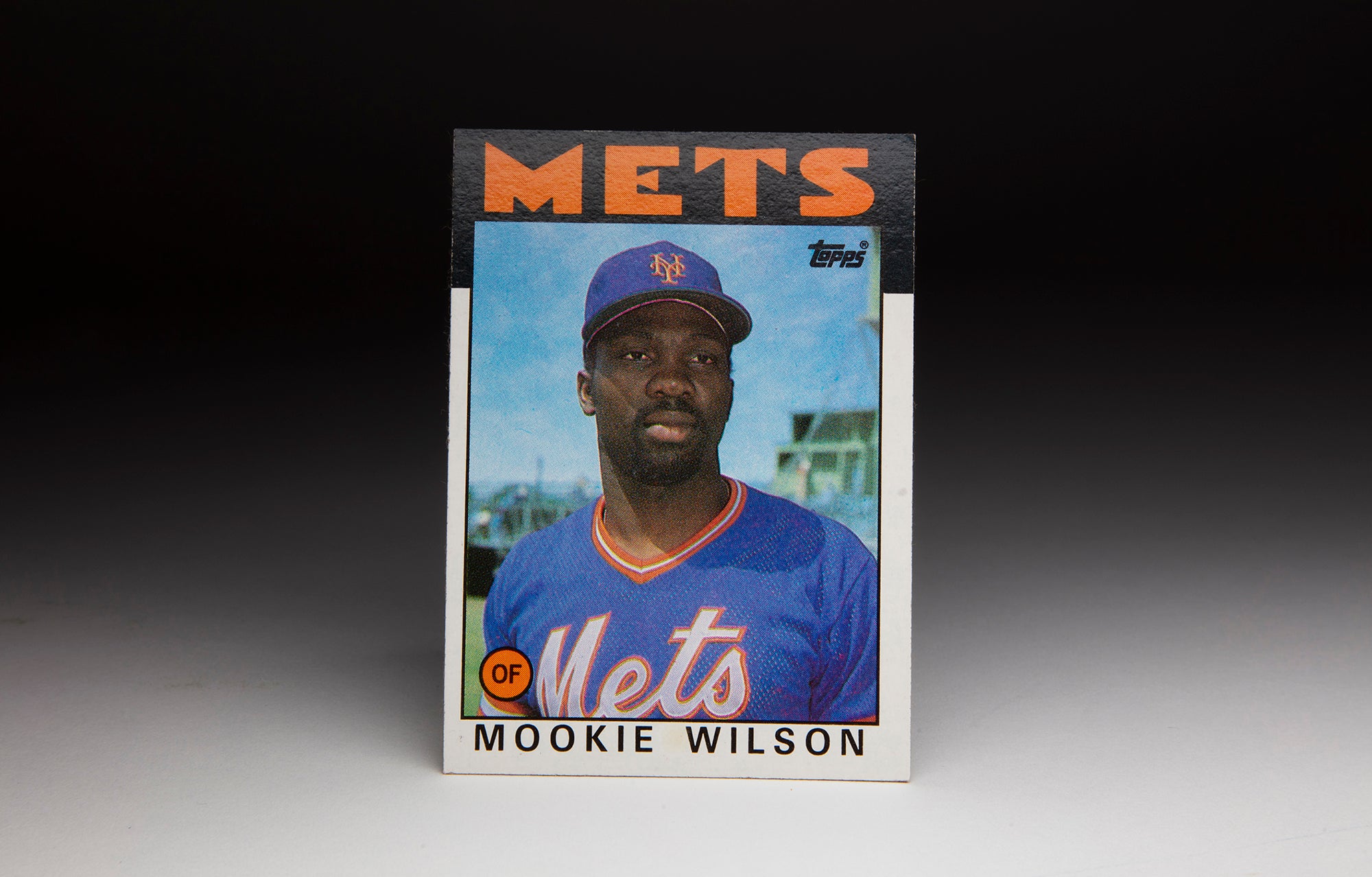
In 1981, Mazzilli split time between left field and center field after the Mets acquired Dave Kingman in the offseason and stationed him at first base. Top prospect Mookie Wilson got the majority of the playing time in center field.
Mazzilli, meanwhile, batted just .228 with six homers and 34 RBI in 95 games in that strike-shortened season. The Mets finished with a winning percentage south of .415 for the fifth consecutive year, and Torre – a longtime supporter of Mazzilli – was dismissed following the campaign.
On April 1, 1982, Mazzilli was traded to the Texas Rangers in exchange for two pitchers who had not yet made their big league debut: Ron Darling and Walt Terrell.
“I thought I’d die a Met,” Mazzilli told the Los Angeles Times-Washington Post News Service 10 days after the trade. “You spend nine years in an organization, it grows on you. Leaving New York, the fans, the media that’s been so good to me – hopefully New York will never forget me. Maybe someday I’ll be back.”
Mazzilli was correct – and would play a part in the Mets’ next World Series victory.
He was the Rangers’ Opening Day left fielder in 1982 and was hitting .260 when a wrist injury sidelined him for six weeks. He struggled in the field, however, and was booed by Rangers fans throughout the summer.
“I’m not playing for (the fans), that’s for sure,” Mazzilli told the Fort Worth Star-Telegram. “I’m playing for the Rangers.”
On Aug. 8, 1982, Mazzilli returned to New York – when the Yankees acquired him in exchange for Bucky Dent. He hit .266 in 37 games for the Yankees, finishing the year with a .251 batting average and a .342 on-base percentage to go with 10 homers, 34 RBI and 13 steals in 95 games.
Then on Dec. 22, Mazzilli was traded for the third time in eight months when the Pirates sent four minor leaguers to the Yankees. Only one of those players – Tim Burke – ever played in the big leagues.
But Mazzilli was energized by the deal because the Pirates planned to put him back in center field in place of Omar Moreno, who had left Pittsburgh via free agency.
“At his age (27), he’s just starting his career,” Pirates manager Chuck Tanner told the AP about Mazzilli. “His ability has not yet been tapped. We’re thrilled to death to get him.”
Mazzilli’s time in Pittsburgh, however, was not a success. Though he was hitting .284 with a .420 on-base percentage – a figure that would have easily led the NL at the end of the season – through 52 games, his defensive struggles and lack of power made him the target of criticism by Pittsburgh fans. He then suffered a lower back injury which prompted the Pirates to acquire center field prospect Marvell Wynne from the Mets.
The Pirates put Wynne in the lineup immediately, and Mazzilli was relegated to a bench role for the rest of the season. Fifty of his final 57 appearances of the year came as a pinch-hitter, and Mazzilli finished the year batting .240 – albeit with a .365 OBP – with five homers, 24 RBI and 15 steals in 109 games.
“I have no idea where I stand with this team,” Mazzilli told the Bradenton Herald in Spring Training of 1984. “The people with the Pirates haven’t given me any indication what my situation is. If I can play well this spring and show some of the scouts I can still play, maybe I’ll get a break.”
But Mazzilli made only two starts in April as the Pirates used Amos Otis in left field and Wynne in center. Mazzilli made some starts in left field but was often platooned and finished the year batting .237 with four homers and 21 RBI in 111 games.
Then in 1985, the Pirates endured a trying season where they lost 104 games and were the subject of unwanted national attention due to a federal drug trial that implicated players. Mazzilli was used mostly as a pinch-hitter, leading the NL with 72 pinch-hit appearances. He was part of a team that featured veterans like Steve Kemp, Sixto Lezcano and George Hendrick before the Pirates began dealing players while entering a massive rebuild.
Mazzilli’s three-year contract was worth $1.8 million and carried him through the 1987 season. But on July 23, 1986 – after hitting .226 over 120 plate appearances in 61 games – Mazzilli was released by the Pirates.
Nine days later, Mazzilli signed a minor league contract with the Mets and reported to Triple-A Tidewater.
“Some people say you can never go back home,” Mazzilli told the Times of Trenton, N.J., after signing with the Mets. “I feel I can come back.”
Six days after signing Mazzilli, the Mets – who were en route to the NL East title – released veteran left fielder George Foster. A day later, Mazzilli played his first game for the Mets since 1981.
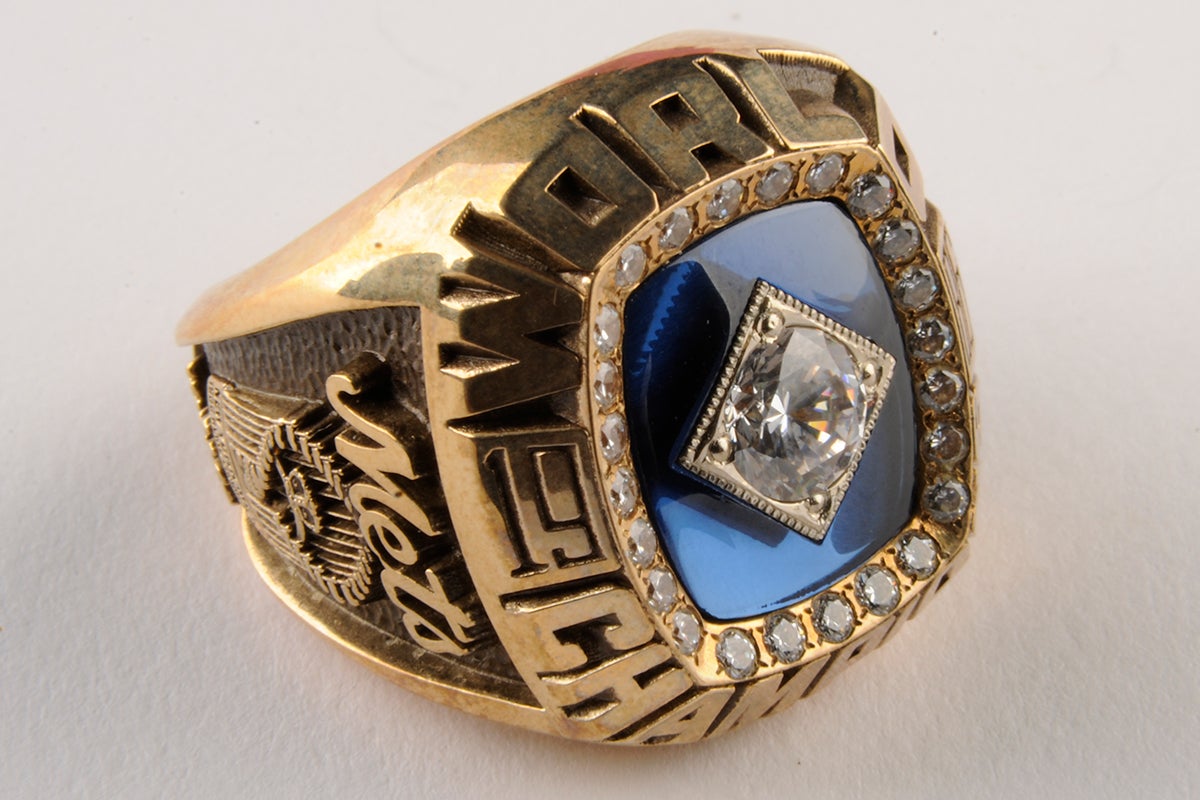
In 39 games with the Mets in 1986, Mazzilli hit .276 with two homers, seven RBI and 12 walks. He made his postseason debut in the NLCS vs. the Astros, going 1-for-5 as a pinch-hitter as the Mets advanced to the World Series in six games. Then in the World Series, Mazzilli finally played the hero role that Mets fans had expected since the late 1970s.
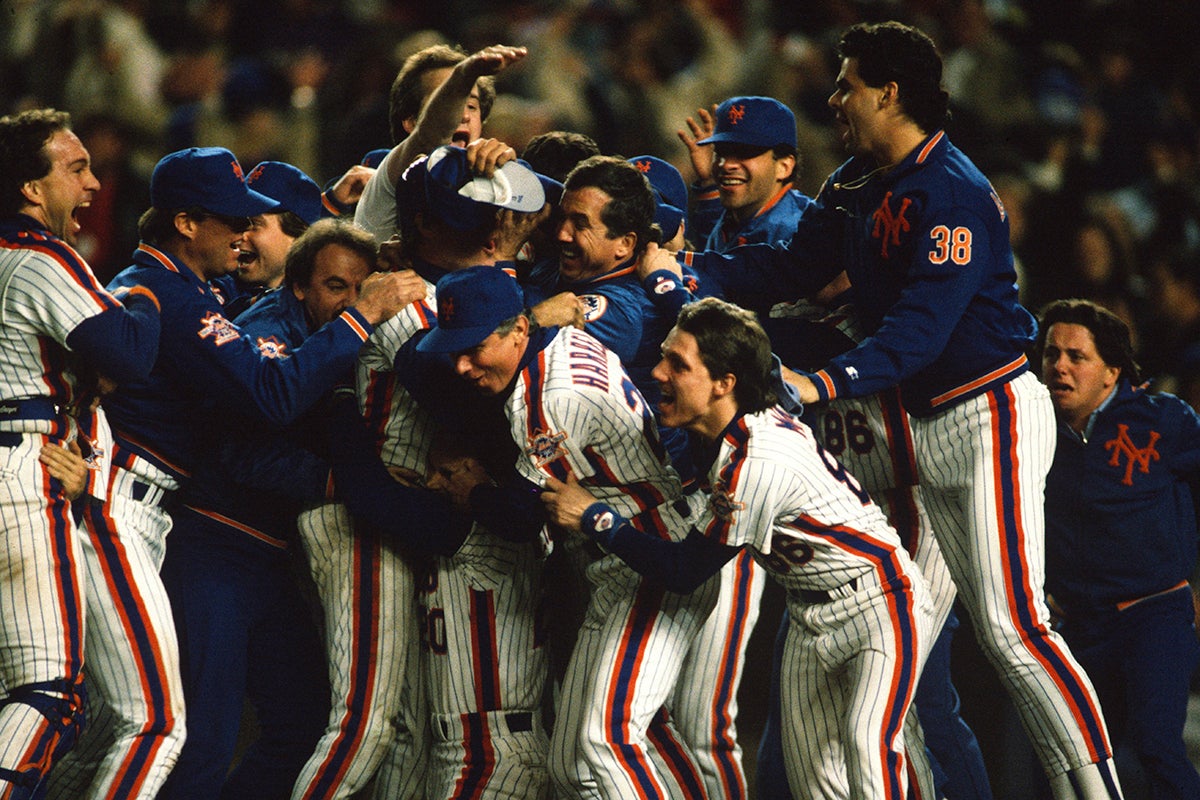
In Game 6 against the Red Sox, Mazzilli pinch-hit for Jesse Orosco in the bottom of the eighth with Boston leading 3-2. Mazzilli singled to right, advanced to second on a fielder’s choice and then to third on a bunt. Gary Carter’s sacrifice fly brought Mazzilli home to tie the game.
The Mets won the game in the bottom of the 10th with their legendary rally that culminated with Bill Buckner’s error at first base, tying the series at three games apiece.
In Game 7, Mazzilli once again keyed a game-tying rally – this time singling off Bruce Hurst with one out and no one on in the bottom of the sixth with Boston leading 3-0. Mazzilli later scored the Mets’ first run of the game on a Keith Hernandez single as New York went on to win 8-5 to capture the franchise’s second World Series title.
“I hoped I could see the day this would happen,” Mazzilli told the AP after Game 7. “I spent a long time here and every player wants to be a part of something like this.”
The Mets could not repeat their title in 1987, but Mazzilli shined in his bench role – hitting .306 with 21 walks (good for a .399 OBP), eight doubles, three home runs and 24 RBI as one of the top pinch-hitters in the game. His contract expired after the season, but the Mets brought him back on a two-year deal worth a reported $700,000.
In 1988, Mazzilli was far less successful in his role, batting just .147 with a .227 OBP in 132 plate appearances. But the Mets recaptured the NL East title and entered the NLCS as a heavy favorite against the Dodgers. Mazzilli had a hit and a stolen base in three plate appearances but New York fell to Los Angeles in seven games.
The 1989 season was Mazzilli’s last as a player. He was hitting .183 (but with a .364 OBP) when the Blue Jays claimed him off waivers from the Mets. With Toronto, Mazzilli saw regular action as a designated hitter, batting .227 with a .395 OBP while totaling four home runs, 11 RBI and 17 walks in 28 games.
The Blue Jays won the AL East but fell to the Athletics in the ALCS, with Mazzilli going 0-for-8 in two games as a DH and one as a pinch-hitter. He popped out to third base against Dennis Eckersley to end Game 4 in what would be the last at-bat of his career.
Mazzilli remained in shape with the intention to play in 1990. But he found no takers after he became a free agent following the 1989 campaign.
“That was probably the hardest thing I’ve had to deal with,” Mazzilli told the Baltimore Sun. “Your whole life has revolved around one thing: Playing the game. Then, all of a sudden, it’s not there. It’s 4 o’clock and you’re home barbecuing when you think you should be going to the park.”
After his playing career ended, Mazzilli worked in radio and in the restaurant business and even dabbled in acting. Dan Lauria, best known for playing the father, Jack Arnold, in the late 1980s sitcom The Wonder Years, helped Mazzilli get established as an actor. Mazzilli played one of the lead roles in Tony and Tina’s Wedding, an off-Broadway play that ran in late 1992 and early 1993.
Mazzilli then returned to the business world with a mortgage banking firm before coming back to baseball and becoming commissioner of the independent Northeast League in 1995.
“I did a lot of different things, but I don’t know that I thought any of them would become a career,” Mazzilli told the Baltimore Sun in 2003. “I think I always knew deep in my heart that I’d get back into the game. It’s what’s in my blood.”
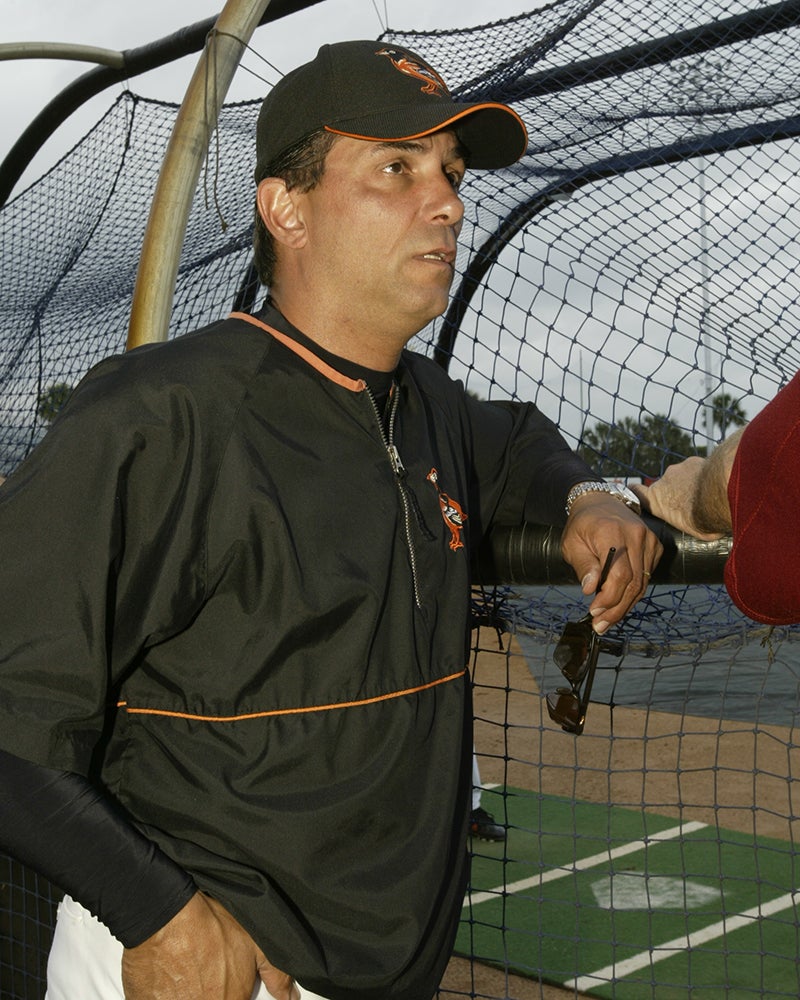
In 1997, Mazzilli took over as manager of the Class A Tampa Yankees. He remained there for two seasons before moving up to Double-A Norwich in 1999. In 2000, he joined the Yankees’ big league club as first base coach, earning a World Series ring that fall. He remained with the Yankees through the 2003 season before he was hired to manage the Orioles.
“It’s what I wanted to do all along,” Mazzilli told the Sun about managing in the big leagues. “Managing is the closest you can get to playing as far as feeling that competitiveness again. That appealed to me.”
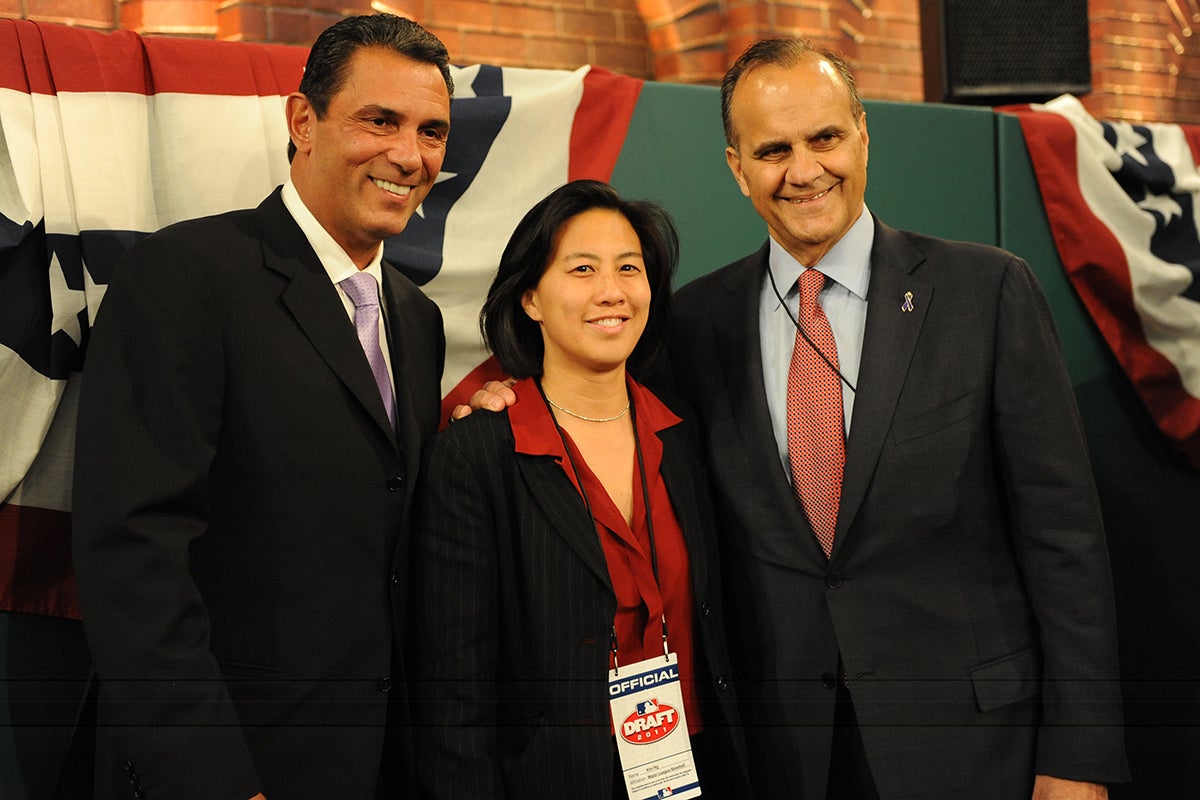
Mazzilli led the Orioles to a 78-84 record in 2004. Baltimore was 41-27 through June 19, 2005, but lost 29 of their next 39 games. Despite the fact that seven of those defeats were by just one run, the Orioles fired Mazzilli on Aug. 4.
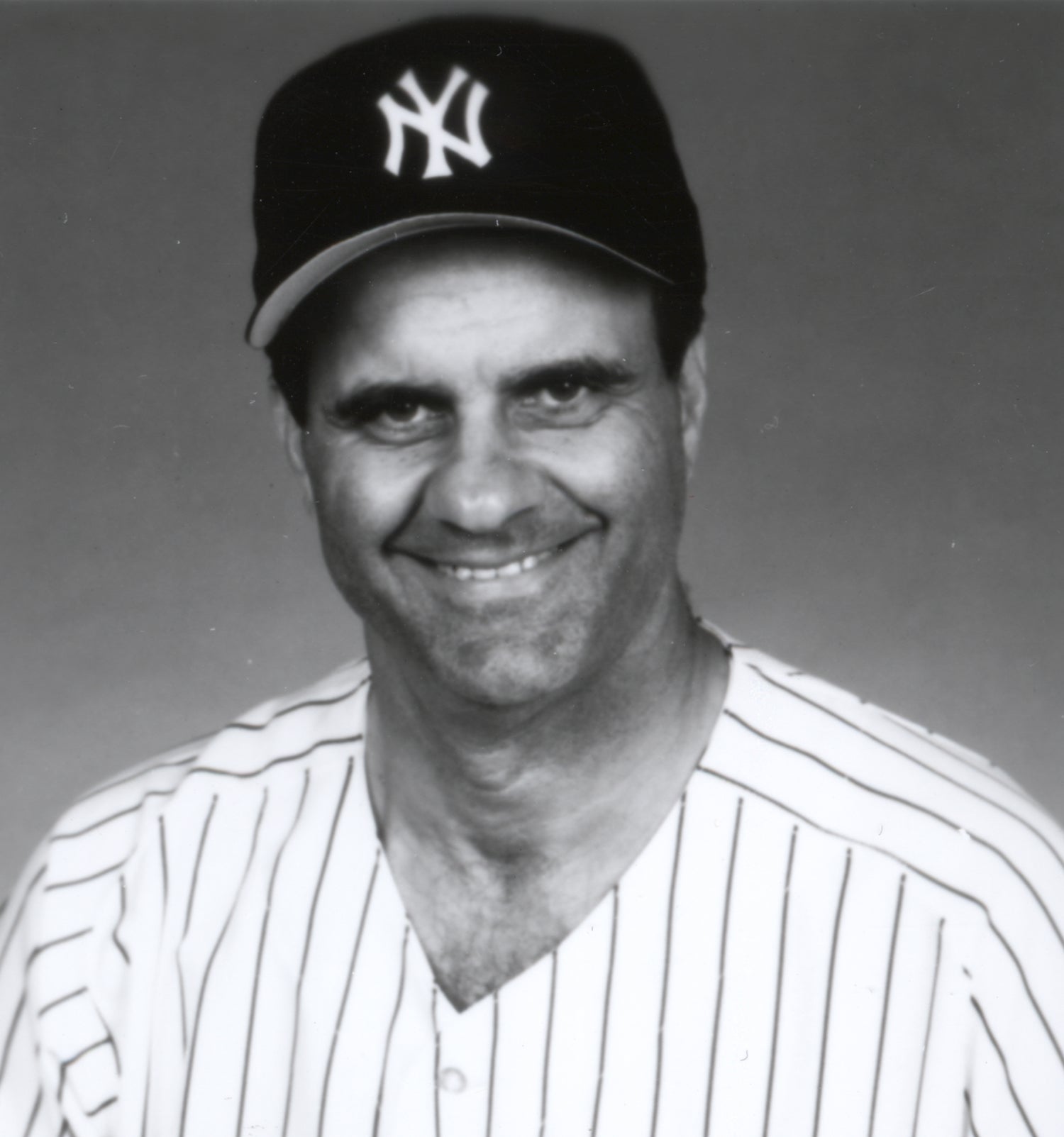
Mazzilli immediately reached out to Torre, his mentor, to tell him the news.
“I told him, ‘Welcome to the club,’” Torre told the Hartford Courant. “The main thing I told him was don’t let this change the way you feel about yourself.”
Mazzilli reunited with Torre in 2006 as the Yankees bench coach and later served as a Mets broadcaster. As a player, Mazzilli totaled 1,068 hits, 93 home runs and 197 stolen bases over 14 seasons in the big leagues. He hit .259, walked more than he struck out (642-627) and compiled a .359 OBP.
And while he might not have become a superstar, Mazzilli had his share of success for more than 30 years.
“My three greatest thrills in baseball were getting called up to the majors for the first time, hitting a home run in the All-Star Game and winning a world championship,” Mazzilli told the Baltimore Sun when he was hired as Orioles manager. “But this beats all that. This is my greatest achievement.”
Craig Muder is the director of communications of the National Baseball Hall of Fame and Museum