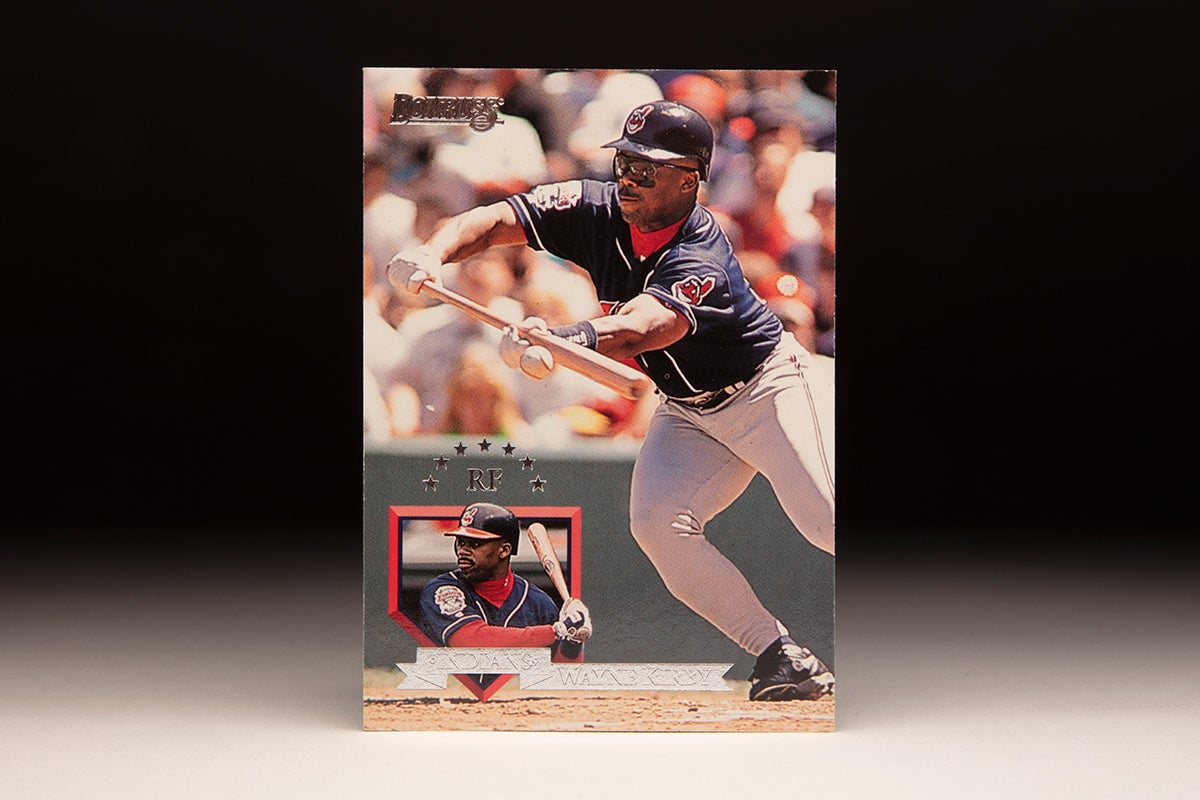
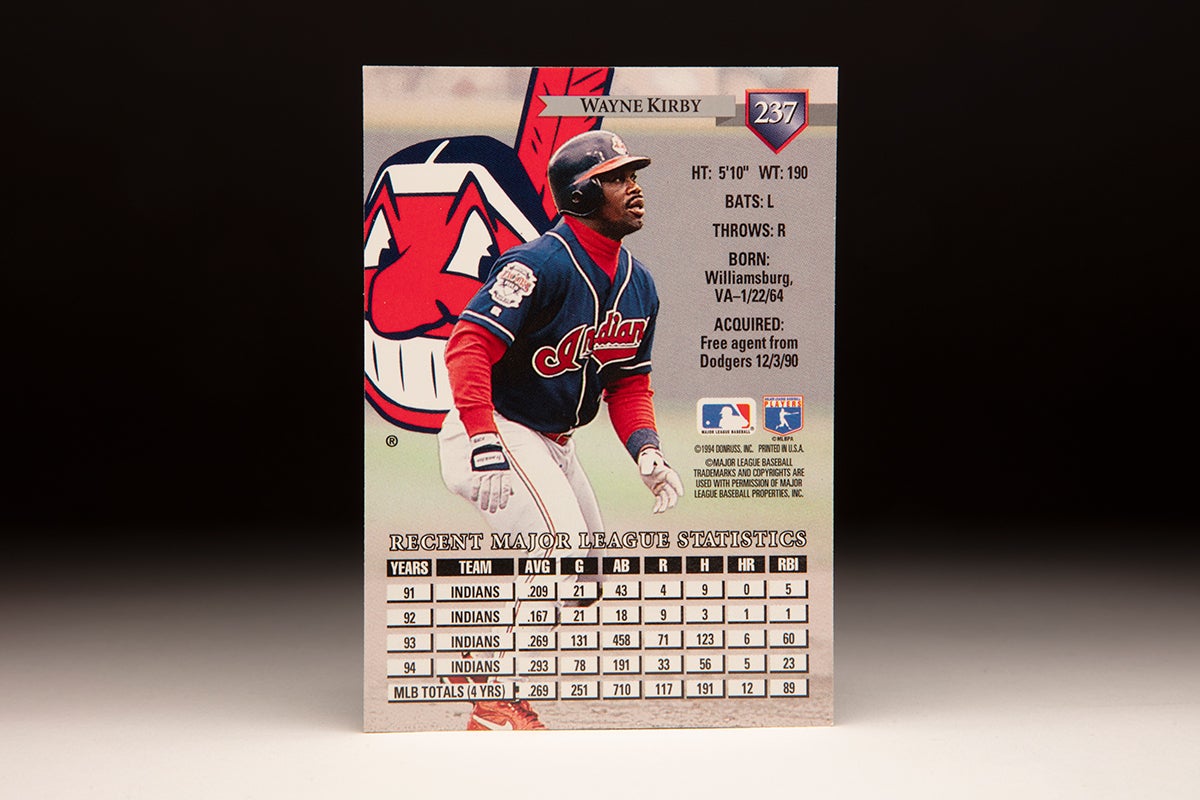
#CardCorner: 1995 Donruss Wayne Kirby
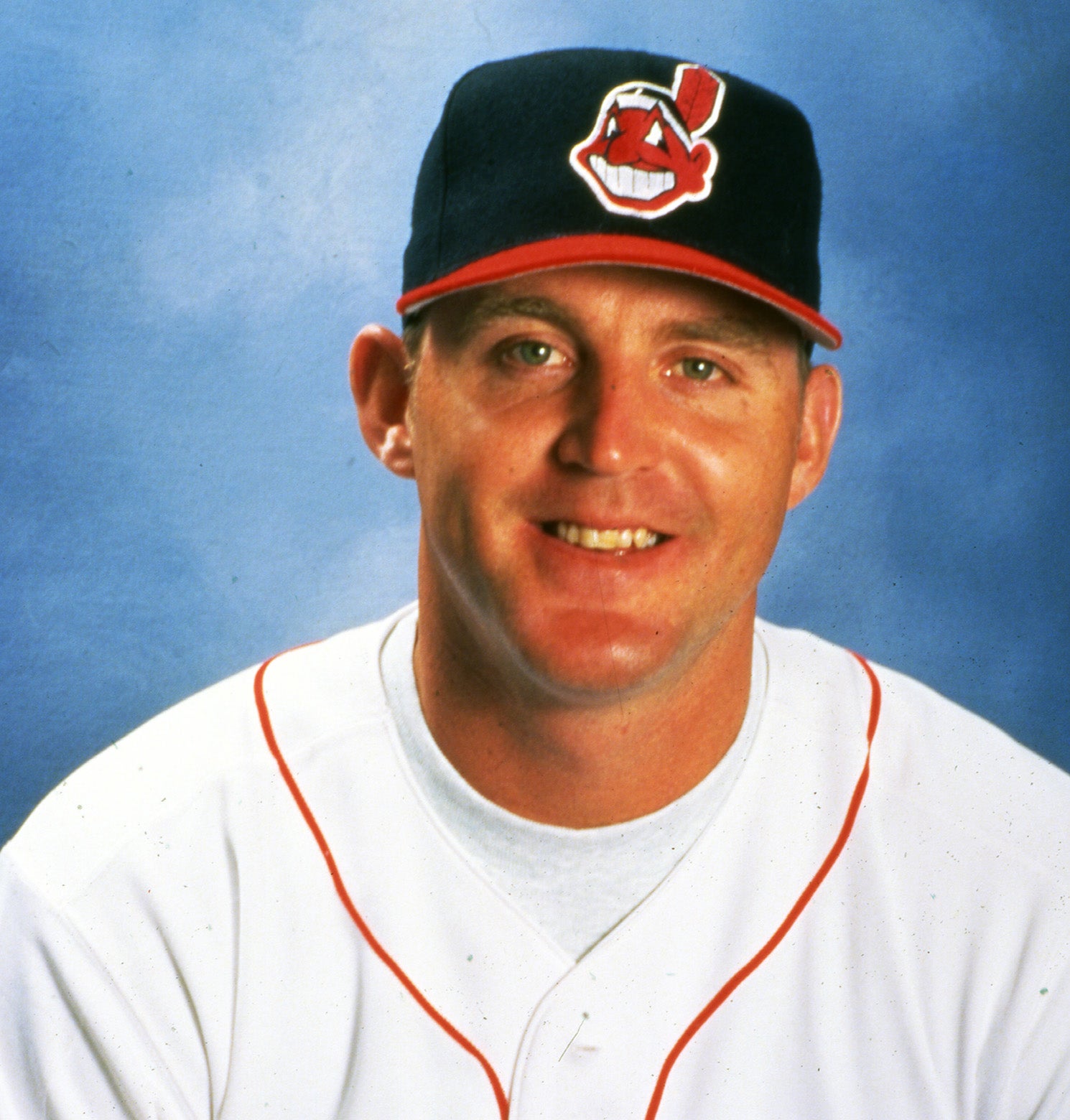
Coming off an impressive rookie season where he seemingly established himself as a key member of a young Cleveland core, Wayne Kirby stepped to the plate in the bottom of the 11th inning on Opening Day in 1994.
The 41,459 fans at Jacobs Field that day were celebrating the debut of their new ballpark, and the crowd was in a frenzy after the Indians rallied to force extra innings.
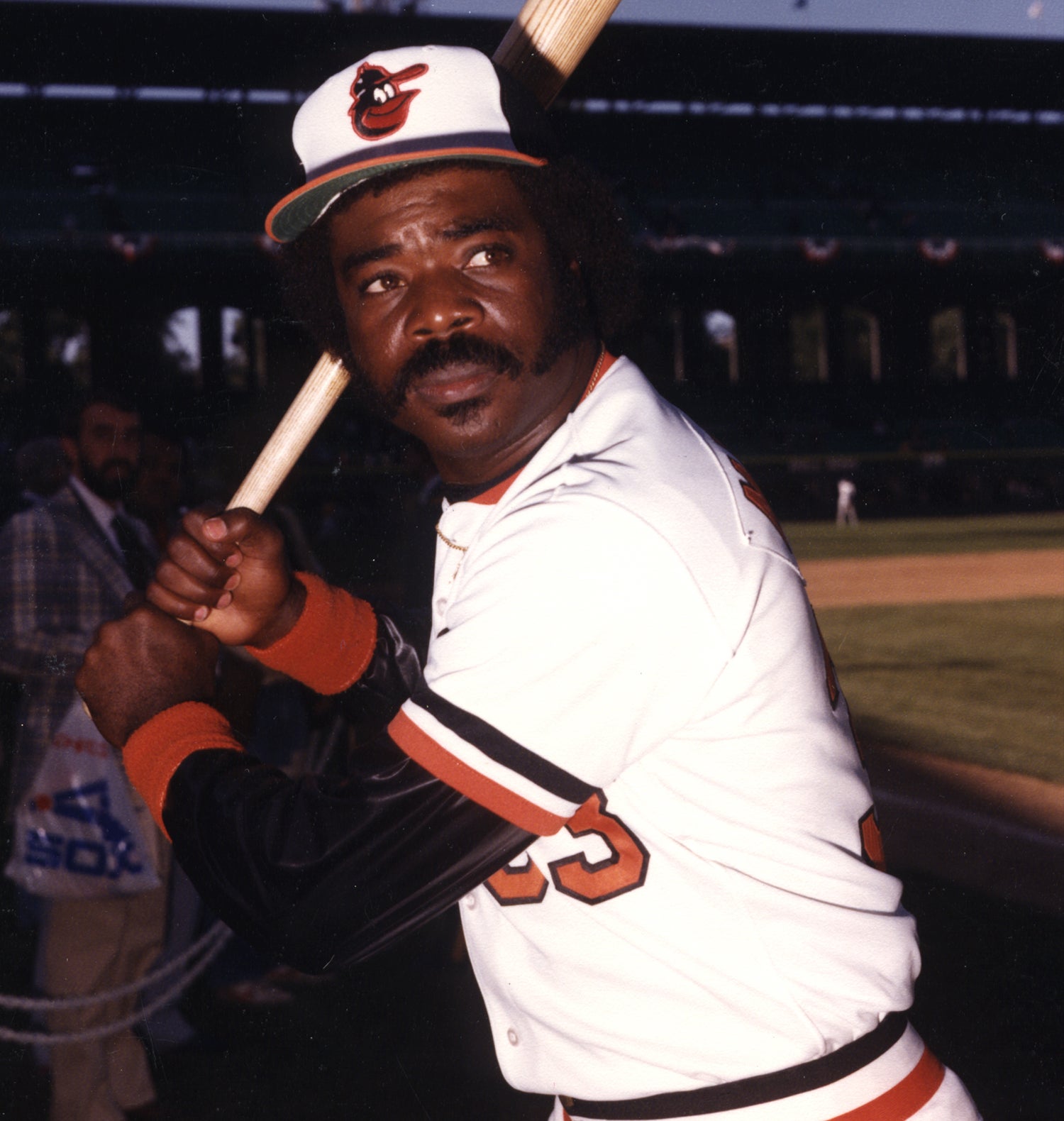
With runners on second and third, Kirby slapped a single down the left field line to score Eddie Murray, ushering in a new era of success in Cleveland. It would be the highlight of a playing career that preceded a long, successful stint as an MLB coach for the lefty-swinging outfielder from Williamsburg, Va.
Born Jan. 22, 1964, Kirby was the second oldest of four children born to Wayne and Thelma Kirby. An all-around athlete in his prep days, Kirby was a running back at Yorktown, Va.’s, Tabb High School and led the Tigers to a Group AA state championship in 1981, rushing for more than 3,500 yards in his career.
Kirby gained 105 yards on the ground and scored all three of the Tigers’ touchdowns in a 20-6 win over Martinsville in the title game.
“The Kirby kid is all that we had heard about him,” Martinsville coach Dick Hensley told the Martinsville Bulletin after the championship game. “Probably his ability to dip and go, moving and finding the seams, might have been the difference.”
Meanwhile, Kenny Kirby – one year younger than Wayne – set a school record with 45 points in one basketball game and also played on the state title football team. But it was the youngest brother, Terry, who was considered the family’s best athlete. Terry Kirby was one of the country’s most heavily recruited running backs coming out of high school in 1988 before enrolling at the University of Virginia, where he starred for four seasons before becoming a third-round pick of the NFL’s Miami Dolphins in 1993.
Terry Kirby would play for 10 seasons in the NFL, totaling 2,875 yards rushing and 333 receptions.
“The coaches say I’m sort of a combination of my two older brothers,” Terry Kirby told the Roanoke Times in 1988. “Having the chance to play against them and with them has helped me, without a doubt.”
After graduating from Tabb High School in Yorktown, Va., in 1982, Wayne Kirby enrolled at Newport News Apprentice School, a vocational institution that trained students to work in the shipbuilding industry. Kirby, who intended to become a mechanic, played basketball for NNAS, excelling at point guard.
“Wayne adds a lot of quickness to our program,” Builders coach Horace Underwood told the Daily Press of Newport News.
Undrafted out of high school, Kirby was available in the January 1983 MLB Draft as a student at a post-high school educational institution. The Dodgers selected Kirby in the 13th round of that draft, and Kirby signed on May 8, 1983.
Of the 43 players taken after Kirby in that draft, only Damon Berryhill – taken one spot after Kirby by the White Sox – ever made it to the major leagues.
Kirby played for the Dodgers’ Gulf Coast League team in Bradenton, Fla., in 1983, batting .292 with a .389 on-base percentage and 23 stolen bases in 60 games. He played at three levels (Pioneer League, California League and Florida State League) in 1984, hitting a combined .281 with 72 runs scored and 38 steals in 119 games.
Kirby spent the 1985 and 1986 seasons in the Florida State League with Vero Beach, putting up similar numbers each season (.281 batting average with 28 RBI and 31 steals in 1985, followed by a .261 batting average with 31 RBI and 28 steals in 1986). He moved up to Double-A San Antonio in 1987 after spending most of that season with Class A Bakersfield, hitting a combined .264 with 62 steals.
Then in 1988, Kirby again spent the season in Bakersfield and San Antonio, batting .244 with 35 steals. It was a season in which he almost quit the game.
“I was playing in Double-A and they wanted to play a prospect in front of me, Miguel Santana, a center fielder,” Kirby told the Cleveland Plain Dealer in 1995, referring to a player who never made the major leagues. “And it was frustrating sitting on the bench knowing that I could be out there playing every day.
“I had a talk with my parents, and they said they didn’t raise any quitters, so that was always in the back of my mind.”
Finally in 1989, Kirby reached Triple-A, where he hit .342 with Albuquerque in 78 games. He returned to Albuquerque in 1990, batting .278 with 29 steals in 119 games.
Following that season, Kirby became a minor league free agent. In eight seasons with the Dodgers organization, he had compiled 286 steals but hit just four home runs – none since 1987. Still, when Kirby hit the open market, the Indians quickly signed him.
“The reason I signed with Cleveland is that I heard they were changing their system to speed and lots of line drive hitters,” Kirby told the Willoughby (Ohio) News-Herald in Spring Training of 1991. “I know I’m not a power hitter. I like to be a pest when I’m hitting. I’ll bunt or do whatever it takes to get on base.”
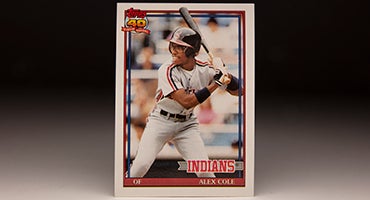
The Indians were reshaping their team that season around leadoff hitter Alex Cole, who electrified the team with his speed in 1990 and prompted the franchise to move the fences back at Cleveland Stadium for the 1991 season. But Cole struggled that year, and Kirby spent the season at Triple-A Colorado Springs, where he batted .294 with 29 steals in 118 games before getting a September call-up to Cleveland.
Kirby made his big league debut on Sept. 12 against the Orioles as a defensive replacement and got his first hit five days later against the Tigers – a fourth-inning double against Walt Terrell that scored Jim Thome in what became a 3-1 win for Cleveland.
“My money is on the ground,” Kirby told the Willoughby News-Herald of his hitting style in the spring of 1991. “Pounding the ball into the dirt and all-out running to first. I don’t know what my chances are here, but I do know I’m going to play hard every day. That’s the way I always play.”
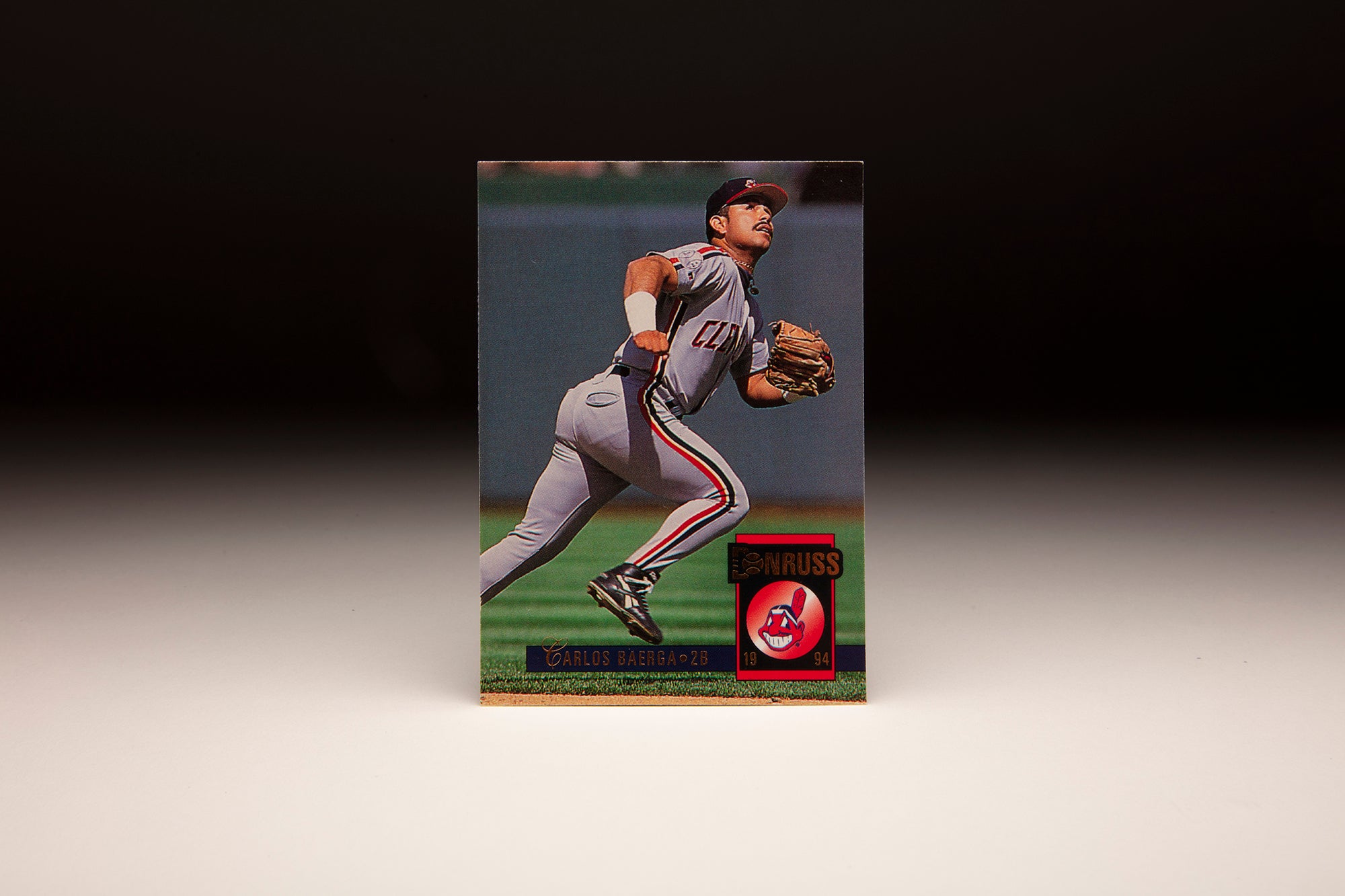
Cleveland used a team-record 53 players that season, including 23 rookies like Kirby and Thome. The Indians lost 105 games but began a rebuilding project that would quickly bear fruit with youngsters like Sandy Alomar Jr., Carlos Baerga, Albert Belle and Thome – all of whom played for Cleveland that year.
Kirby appeared in 21 games down the stretch, batting .209 over 47 plate appearances. In 1992, Kirby once again played in 21 games for Cleveland, batting .167 after being recalled in September. But during his time in Triple-A that year, Kirby hit .345 with 18 doubles, 16 triples, 11 homers and 51 steals in 123 games while leading the Pacific Coast League in hits (162) and runs (101).
When right fielder Mark Whiten was traded to the Cardinals on March 31, 1993, Kirby seemingly had a chance to find playing time in Cleveland. But just nine days before, tragedy struck the team when relievers Tim Crews and Steve Olin were killed in a boating accident. The disaster forced the team to carry an extra pitcher on its roster as manager Mike Hargrove reworked the bullpen, and Kirby was the last position player cut. He headed to Triple-A Charlotte, however, knowing that his chance would come.
“When I went down in the spring, I went down with a positive attitude,” Kirby told the Plain Dealer. “I wasn’t going down there to mess around.”
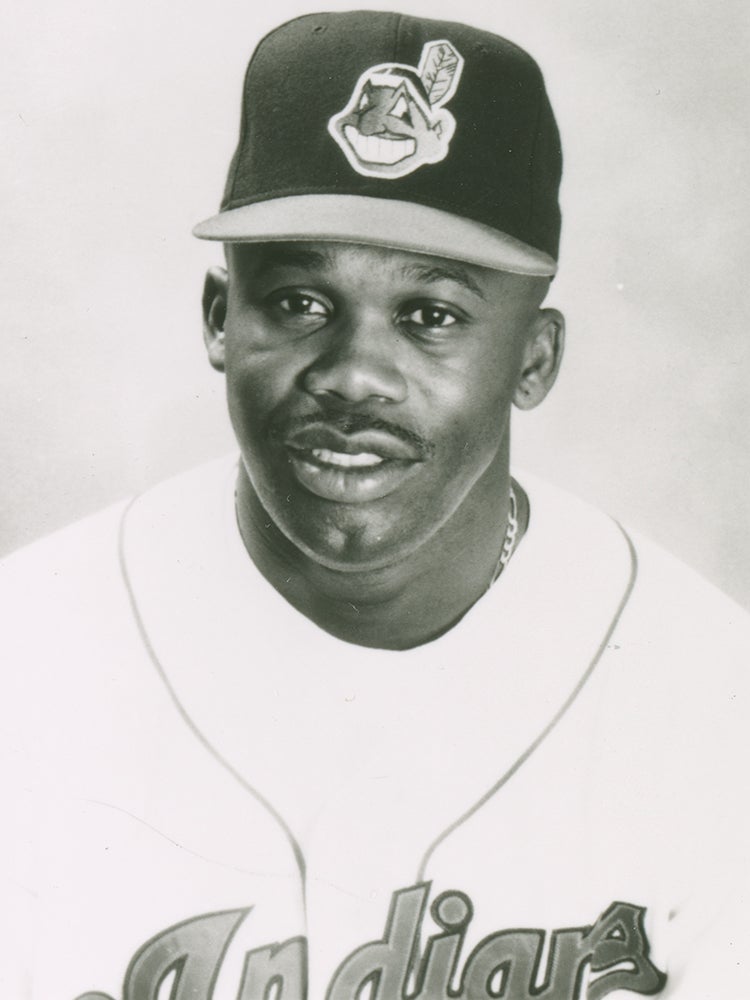
Kirby hit .289 with 11 extra base hits in 17 games when he was recalled to Cleveland in May after right fielder Glenallen Hill could not handle the position defensively. In his second start on May 2, Kirby went 4-for-5 with three RBI and two runs scored against the A’s.
“I’ve been playing this game for 11 years. There’s no pressure on me,” Kirby told the Plain Dealer. “All you do is take a deep breath, relax and go from there.”
Kirby was batting .333 through May and became the Indians’ everyday right fielder. In 131 games, he hit .269 with 71 runs scored, 19 doubles, five triples, six home runs, 60 RBI and 17 steals – finishing fourth in the American League Rookie of the Year balloting. He also led all big league outfielders with 19 assists.
But the Indians’ rebuilding program that helped Kirby get to the big leagues now worked against him. Manny Ramírez made his Cleveland debut that September, and many believed Ramírez was the best young hitter in the minor leagues that season.
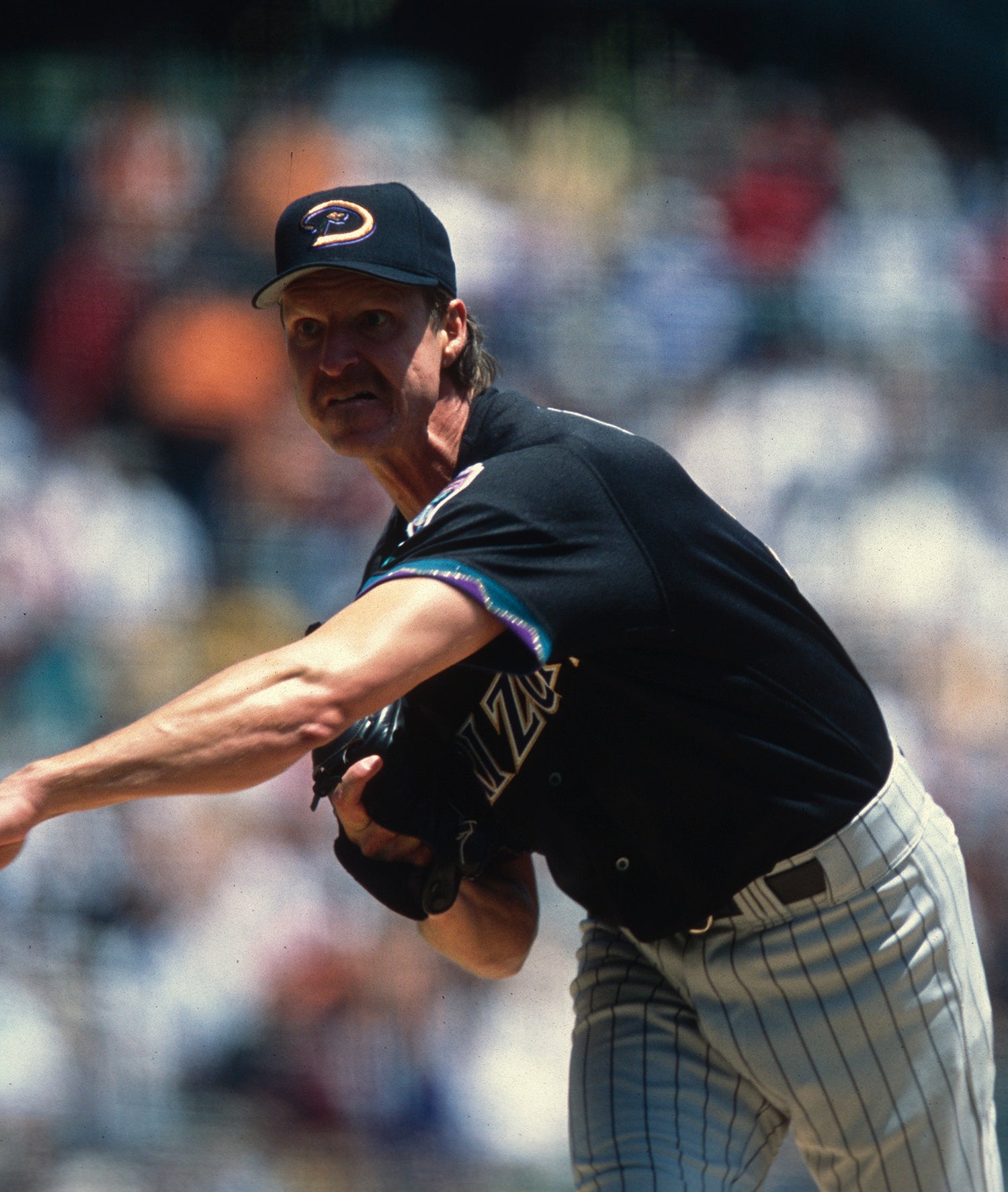
In 1994, Ramírez was Cleveland’s Opening Day right fielder, and his two-run double off Randy Johnson in the eighth inning tied the game at two – setting the stage for Kirby’s heroics in the 11th inning. Kirby entered the game in the 10th inning as a pinch-runner for Ramírez.
“If Manny is going to make our team, he has to start,” Indians manager Mike Hargrove told the Akron Beacon Journal toward the end of Spring Training. “Right now, if he’s in the lineup, I’d probably have to use a late-inning defensive replacement for him.”
Thus Kirby’s role changed dramatically in 1994. He became a defensive specialist and bat off the bench, batting .293 with 11 steals in 78 games in a season truncated by a strike. When the business of baseball resumed, the Indians signed Kirby to a two-year extension – plus two club option years – worth $825,000.
“Wayne Kirby is the kind of guy you want to have around your ballclub,” Indians general manager John Hart told the Plain Dealer. “He’s a very positive guy and he works very hard.”
Kirby struggled at the plate in 1995 as the Indians steamrolled to the American League Central title. He hit .207 with 10 steals over 101 games as Ramírez earned the first of 12 career All-Star Game selections.
“I still want to play every day, but I had to learn to adjust,” Kirby told the Plain Dealer. “This game is all about adjusting.
“I’m trying to help Manny become the best right fielder he can.”
Kirby appeared in his first career postseason contest in Game 1 of the ALDS vs. the Red Sox, entering the 13-inning contest as a pinch-runner. He played in all three games of Cleveland’s sweep – getting a hit in his only at-bat – then appeared in five of the six games of the ALCS vs. Seattle, starting Game 4 in left field and going 1-for-4 with a stolen base.
Cleveland advanced to the World Series and Kirby appeared in three of the six games off the bench as Atlanta defeated the Indians to win the title. Then on Dec. 1, 1995, the Indians declined Kirby’s two option years, setting him up to be a free agent after the 1996 campaign.
In 1996, Kirby found very little playing time as Belle, Ramírez and Kenny Lofton anchored the outfield and prospects Jeromy Burnitz and Brian Giles made their case for more at-bats. After appearing in just 27 games, Kirby was placed on waivers on June 19 and claimed by the Dodgers a week later.
Kirby quickly moved into the Dodgers’ lineup in center field and batted .271 over 65 games, helping Los Angeles capture the National League Wild Card. In the Division Series vs. the Braves, Kirby started the first two games and went 1-for-8 before Chad Curtis got the start in center field in Game 3. Kirby came off the bench in that contest as a pinch-hitter and scored a run, but the Braves won 5-2 to sweep the series.
The NLCS would mark the final postseason games of Kirby’s career.
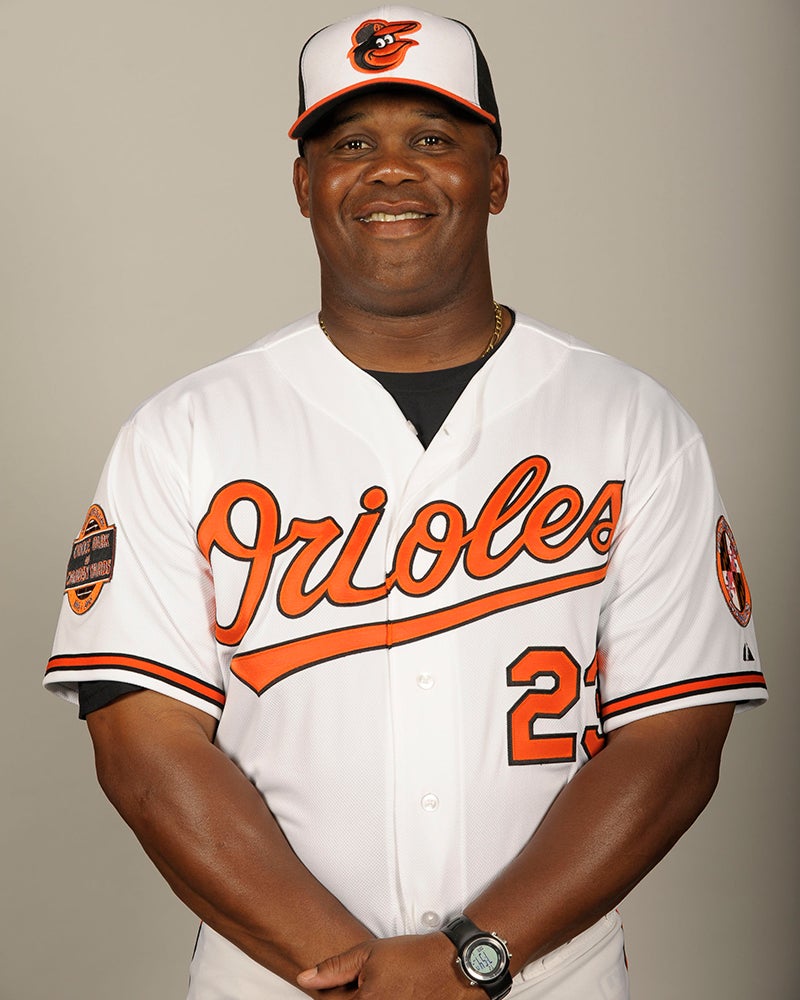
Kirby began the 1997 season in his customary bench role for the Dodgers. Major League Baseball retired Jackie Robinson’s No. 42 across the league on April 15, and Kirby was thrust into the national spotlight as the only Black player on the Dodgers roster.
“It doesn’t bother me,” Kirby told the New York Daily News. “Hideo (Nomo) is the only guy from Japan; Chan Ho (Park) is the only guy from Korea. We’re from all over, and we look at each other as part of the same family.
“My grandfather idolized Jackie Robinson. (He) would always say: ‘This is who you have to take after.’”
But Kirby was hitting just .162 through May 20 when the Dodgers designated him for assignment and asked him to go to Triple-A Albuquerque. Kirby had the right to reject the assignment but decided to report, and he hit .335 with 18 steals in 68 games before being brought back to Los Angeles in August.
“I never got a chance this year,” Kirby told the Albuquerque Tribune when he was sent to the minors. “I never got a chance at all.”
Kirby finished the season hitting .169 in 46 games with the Dodgers before becoming a free agent. He signed with the Cardinals but was assigned to Triple-A Memphis to start the year before being traded to the Mets for outfielder Shawn Gilbert on June 10, 1998.
He appeared in 26 games for New York – the final games of his big league career – and hit .194 before being released in September.
Kirby spent much of the 1999 season with Triple-A Las Vegas, hitting .300 in 66 games but failing to get a shot with the parent club in San Diego. He played a full season with Triple-A Rochester in 2000, hitting .284 over 129 games, and finished his playing career with the Solano Steelheads of the independent Western League in 2001.
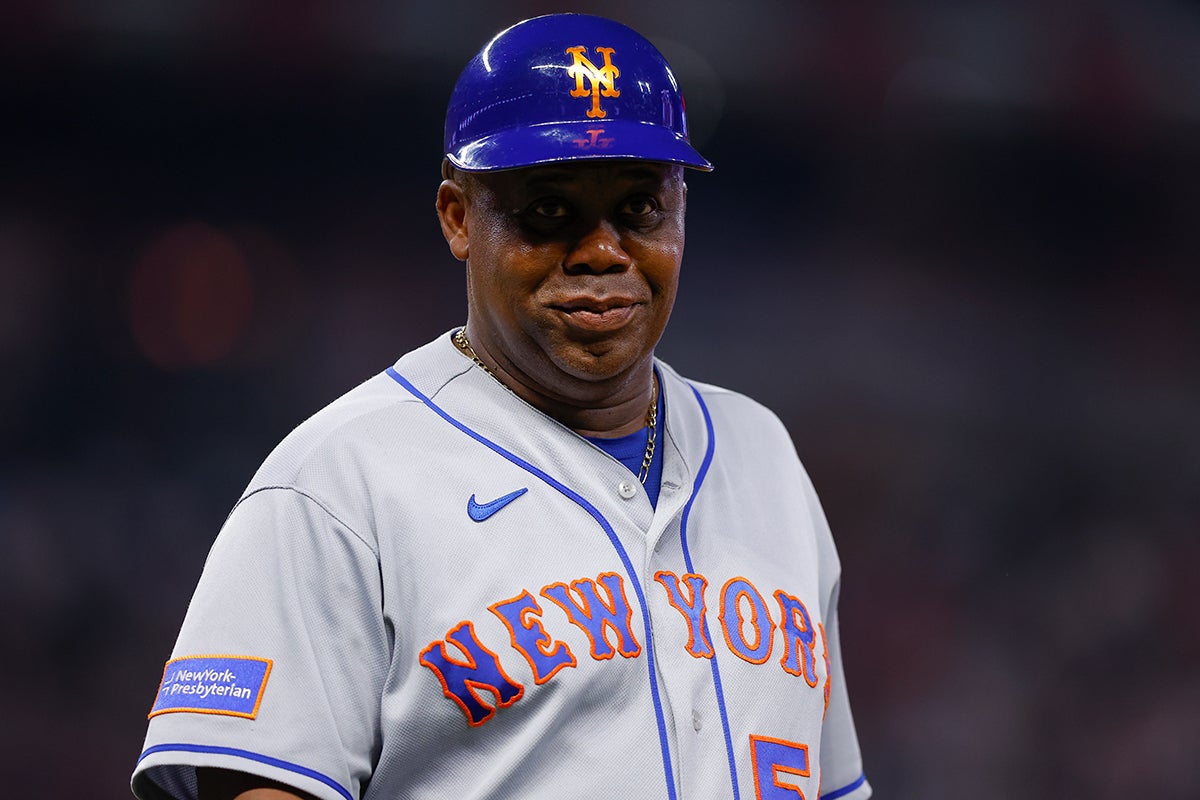
Kirby’s reputation as a good teammate, however, made him quickly employable as a coach. He rejoined the Indians in 2002 as Burlington’s hitting coach in the Appalachian League, moving up the organizational chain through 2005 before joining the Rangers as a minor league baserunning instructor.
In 2011, Kirby returned to the big leagues on Buck Showalter’s staff in Baltimore as the Orioles’ first base coach – a position he held through 2018. Kirby and Showalter had bonded when both were working for the Rangers.
“He hasn’t shut up since he was born,” Orioles outfielder Adam Jones told the Daily Press of the affable Kirby. “The thing I like about him is he’s the same every day. Wayne is good people. That’s why he’s been around so long.”
Kirby joined the Padres as their first base coach in 2020 and stayed there two seasons – helping Fernando Tatis Jr. transition from shortstop into a Gold Glove Award-winning outfielder – before joining Showalter again as the Mets’ first base coach in 2022.
“(Kirby) is a blueprint of what a coach is supposed to be,” Showalter told the Daily Press in 2011. “I found out real quickly I could forget about what Wayne is responsible for. He’s going to take care of it and I’m not going to have to worry about it.”
Over eight big league seasons as a player, Kirby hit .252 with 302 hits, 183 runs scored and 44 steals. And while only a regular for one year, Kirby proved that there is a place in the sun – in many cases for decades – for those who refuse to give up.
“If you’re willing to work hard, play the game hard and you like the game,” Kirby told the Plain Dealer early in the 1993 season, “you’re going to stay in it for a while.”
Craig Muder is the director of communications for the National Baseball Hall of Fame and Museum