Grove rolls to inaugural BBWAA AL MVP Award
By many metrics, Lefty Grove remains the best pitcher to ever stand on a big league mound.
In 1931, the fastballing left-hander may have had his best season.
Robert Moses Grove went 31-4 that year for the Philadelphia Athletics and was rewarded with the first official Baseball Writers’ Association of America AL Most Valuable Player trophy on Oct. 28. Though other MVP Awards had been recognized during the previous decades, the BBWAA formalized its choices in both leagues that year.
The BBWAA’s awards remain the industry standard, and Grove’s historic campaign set a high bar for which future ballplayers would aim.
“Nicest guy you’d ever want to meet, but a tough loser,” said Athletics teammate Doc Cramer about Grove. “He hated to get beat – and they didn’t beat him often. Why, when he was just pitching batting practice, you hit one through the box, and you’d go down on the next pitch. In batting practice.”
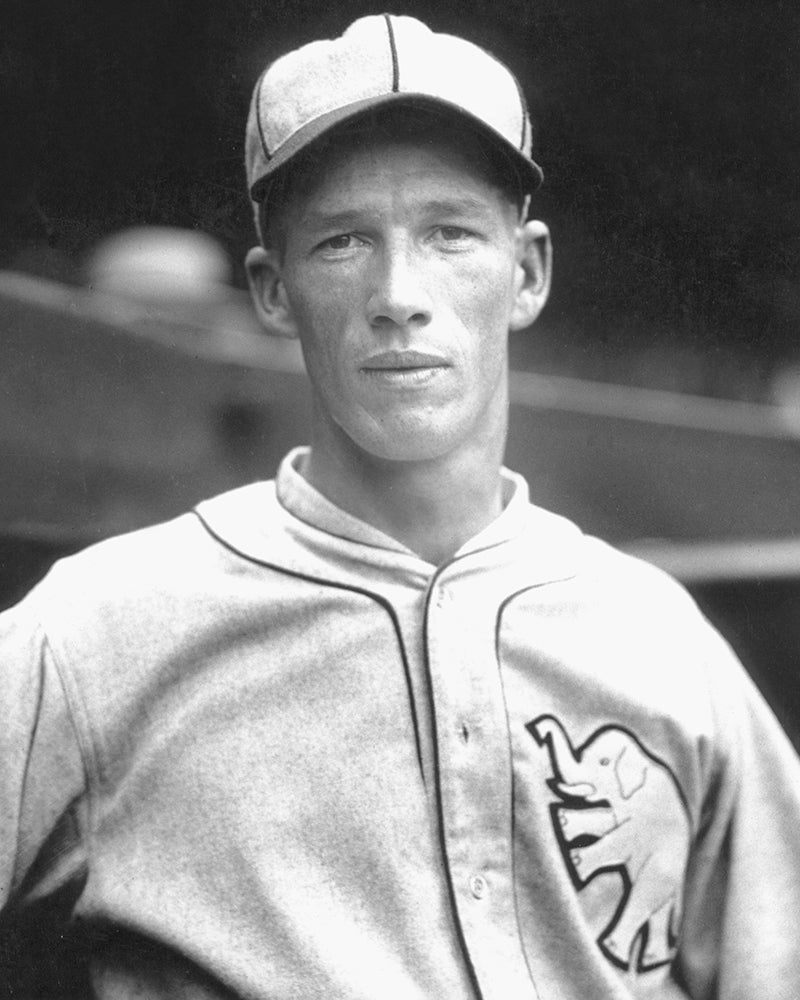
Widely acknowledged as the best pitcher in the game, Grove won 16 straight decisions from June 8 through Aug. 19 – with two more appearances in that stretch that would have been counted as saves had that statistic existed in 1931. He totaled 13 complete games during the streak and posted a 2.30 ERA – a remarkable figure in a season where the league ERA was 4.38.
Grove finished the year with a 2.06 ERA – the fourth of nine seasons where he would lead the AL in that department. No pitcher in history has matched that total.
Grove also led the AL with 175 strikeouts in 1931, marking the seventh straight year he led the league. Topping the loop in wins, complete games (27), shutouts (4) and WHIP (1.077), Grove led the A’s to their third straight AL pennant. Though the Cardinals defeated Philadelphia in the World Series, Grove started three games and won two while notching two complete games. It would mark the last of eight World Series contests for Grove, who went 4-2 with two saves and a 1.75 ERA as the Athletics won two Fall Classic titles in three tries.
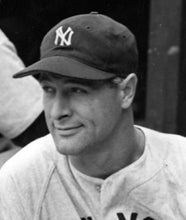
By the time the BBWAA’s award was announced, Grove had already been named the most valuable player in all of baseball by the Newspaper Enterprise Association in mid-September when he had totaled 28 of his 31 victories. In the BBWAA balloting, Grove finished 19 points ahead of the Yankees’ Lou Gehrig, who took second place (78-59). That season, Gehrig set a still-standing AL record of 185 RBI while also leading the league in runs (163), hits (211), home runs (46) and total bases (410).
But in a year when offense ruled, Grove’s numbers on the mound won over the voters.
“I used to love to see those guys come up to the plate who swung from the heels,” Grove said. “I’d laugh to myself because I knew I had them.”
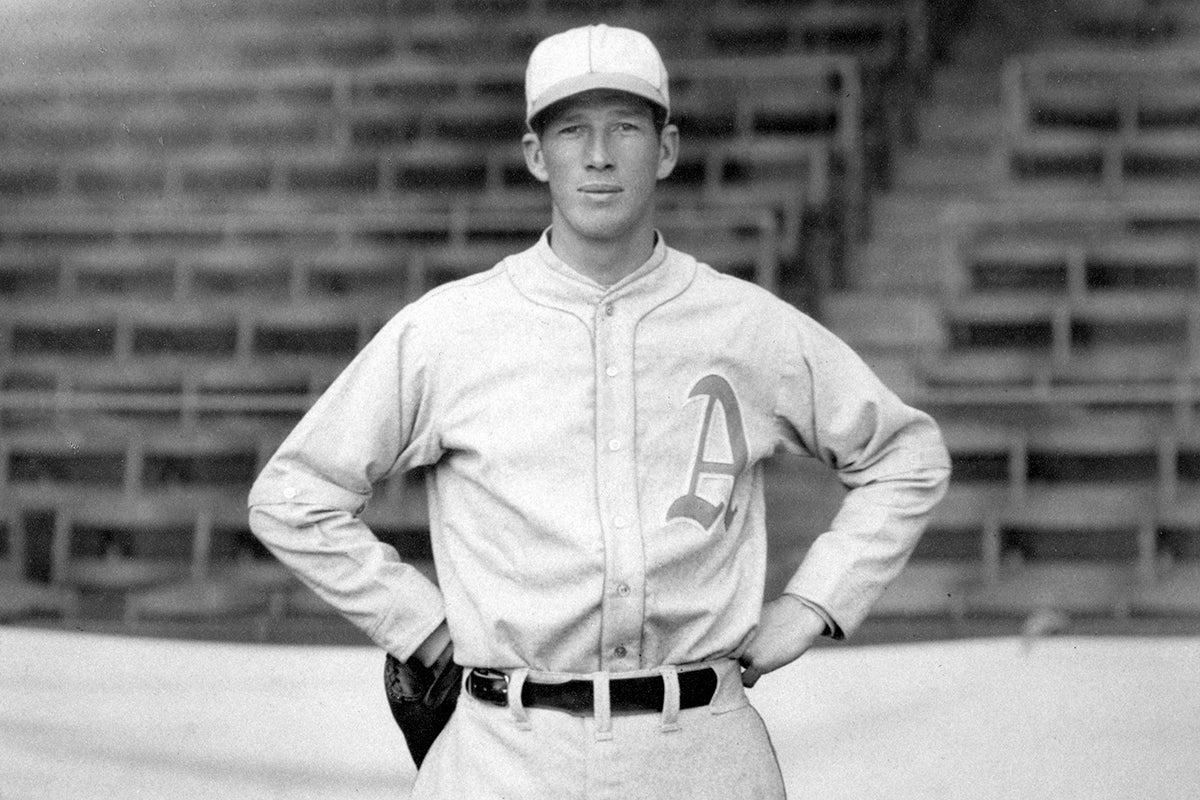
Grove would pitch two more seasons for the Athletics before being traded to the Red Sox on Dec. 12, 1933. Over 17 big league campaigns, Grove went 300-141 with a 3.06 ERA and 2,266 strikeouts. He led his league in Wins Above Replacement for pitchers eight times, including a 10.4 WAR in 1931 that remains one of just 22 seasons in the Live Ball Era (post 1919) where a pitcher had a 10.4 WAR or better.
Three of those seasons belong to Grove.
Few players in history were more driven to win.
“If they said, ‘Come on, here’s a steak dinner,’ and I had a chance to go out and play a game of ball, I’d go out and play the game and let the steak sit there,” Grove said.
Grove was elected to the Hall of Fame in 1947.
Craig Muder is the director of communications for the National Baseball Hall of Fame and Museum