#Shortstops: Moe’s Medal
A 15-year major league career is often more than enough to define a player’s legacy. For Moe Berg, however, his greatest accomplishment came away from the baseball diamond.
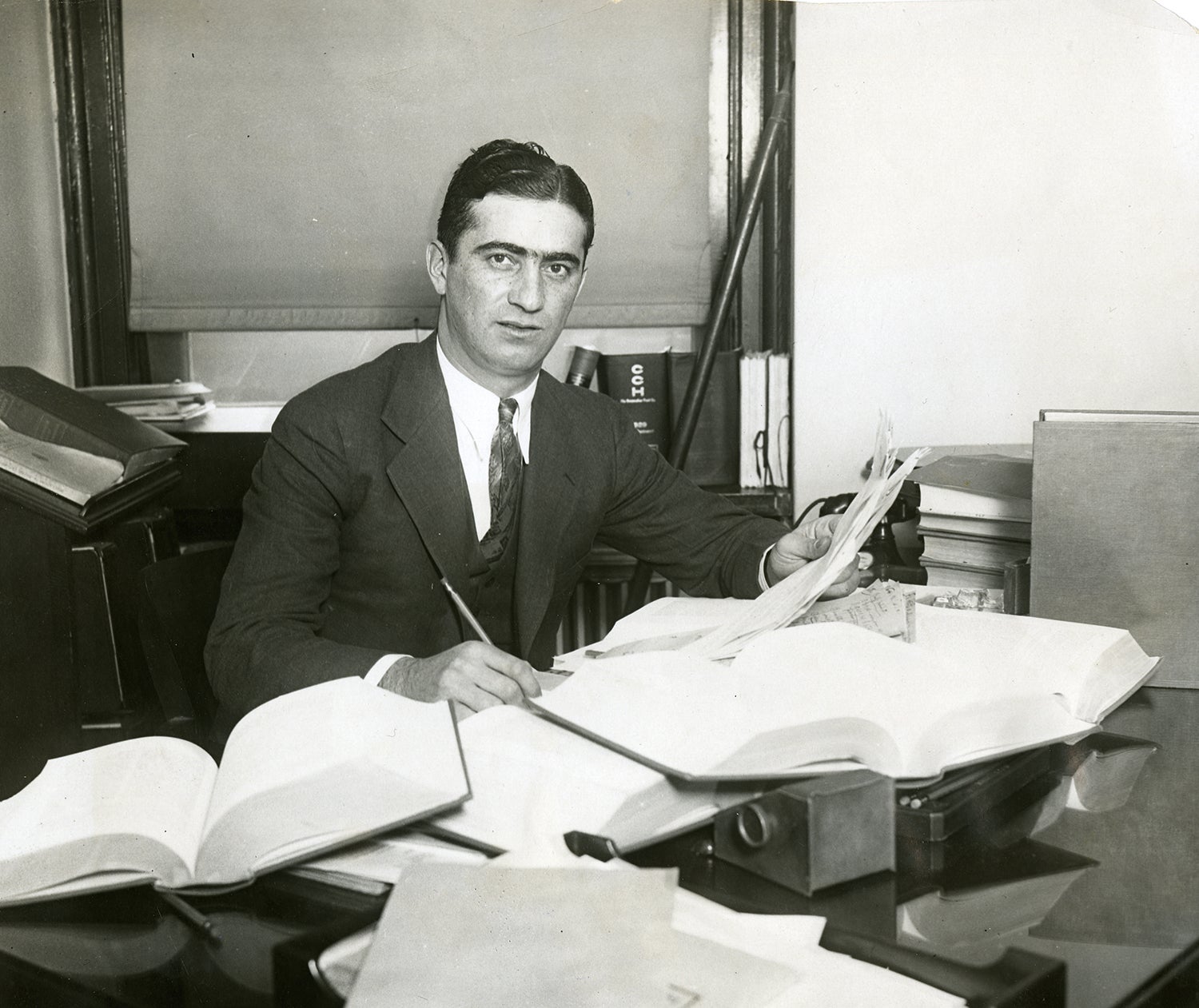
From 1923 to 1939, Berg played for the Brooklyn Robins, Chicago White Sox, Cleveland Indians, Washington Senators and Boston Red Sox. Although he earned a reputation as one of baseball’s best defensive catchers, he was equally admired for his remarkable intellect. As a Princeton graduate who is believed to have spoken 12 languages, Berg became known as the “brainiest man in baseball,” a distinction that ultimately led him to become one of America’s most unlikely wartime spies.
In 1943, Berg caught the attention of the Office of Strategic Services, now known as the CIA, and was recruited to be an intelligence agent during World War II. Drawing on his modern languages degree, Berg was sent to Switzerland posing as a Swiss graduate student to gather intelligence on Nazi Germany’s atomic bomb program. There, he attended a lecture with orders to assassinate German physicist Werner Heisenberg if he concluded Germany was close to building an atomic bomb.
After listening to Heisenberg’s lecture and speaking with him afterward, Berg concluded that Germany was not on the verge of developing a nuclear weapon. His assessment provided valuable insight into how the United States could remain ahead as it continued the Manhattan Project.
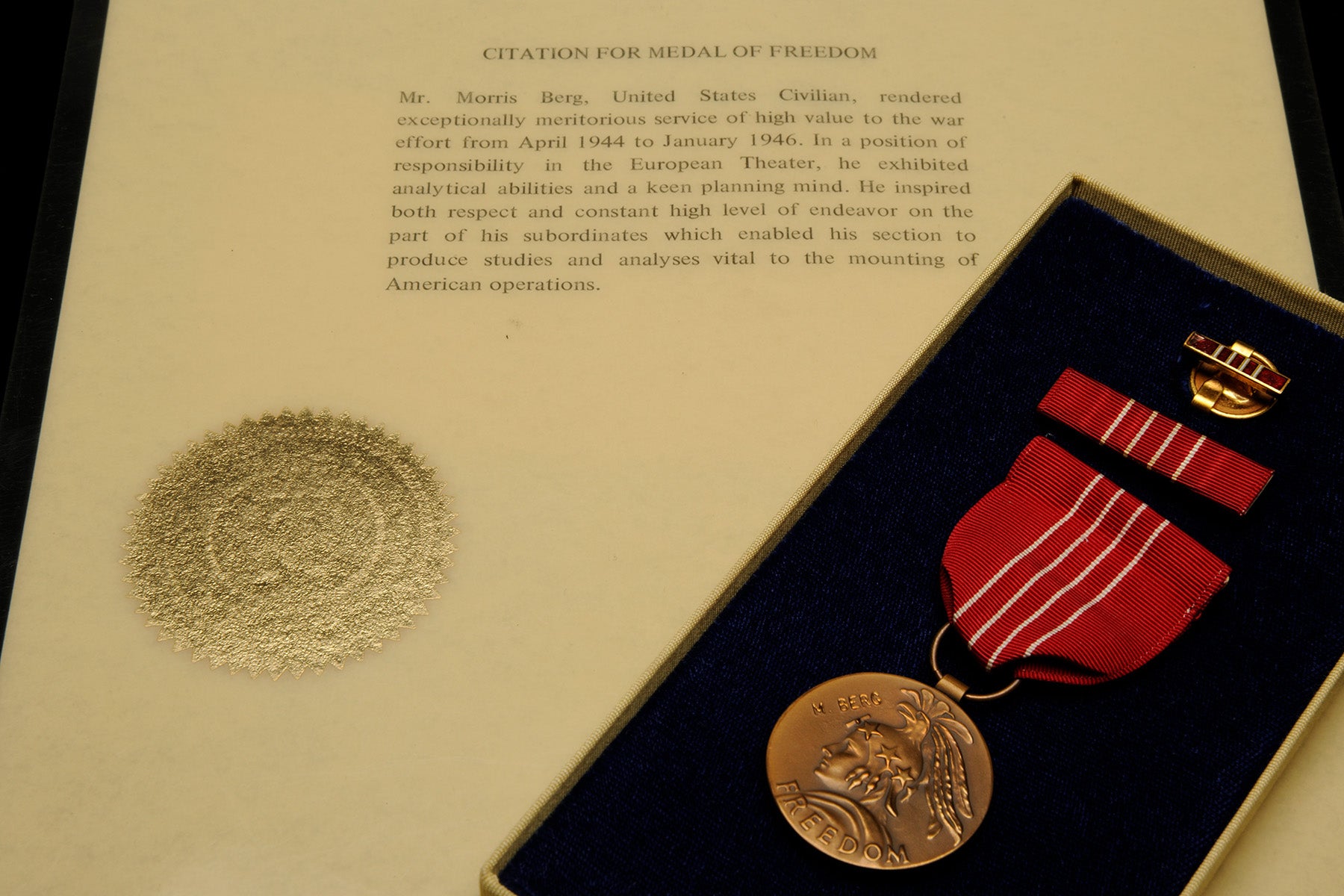
In recognition of his service during World War II, Berg was awarded the Medal of Freedom in October 1946 for his “exceptionally meritorious service” then the nation’s highest civilian honor. However, Berg declined the award, explaining, “The whole story of my humble contribution cannot be known or divulged. The medal embarrasses me.”
Because much of his wartime service remained classified, Berg declined public recognition for work he could never fully reveal.
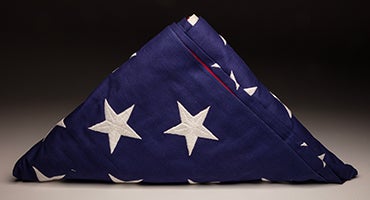
Following Berg’s death in 1972, his sister accepted the Medal of Freedom on his behalf and later donated it to the National Baseball Hall of Fame and Museum. Today, the medal serves as a lasting tribute, reminding us that although Berg enjoyed a distinguished 15-year major league career, his greatest legacy was forged through his service as a wartime intelligence agent.
Joshua Turner was a Development intern in the 2026 Frank and Peggy Steele Internship Program for Leadership Development