Three Times Three for Gehringer
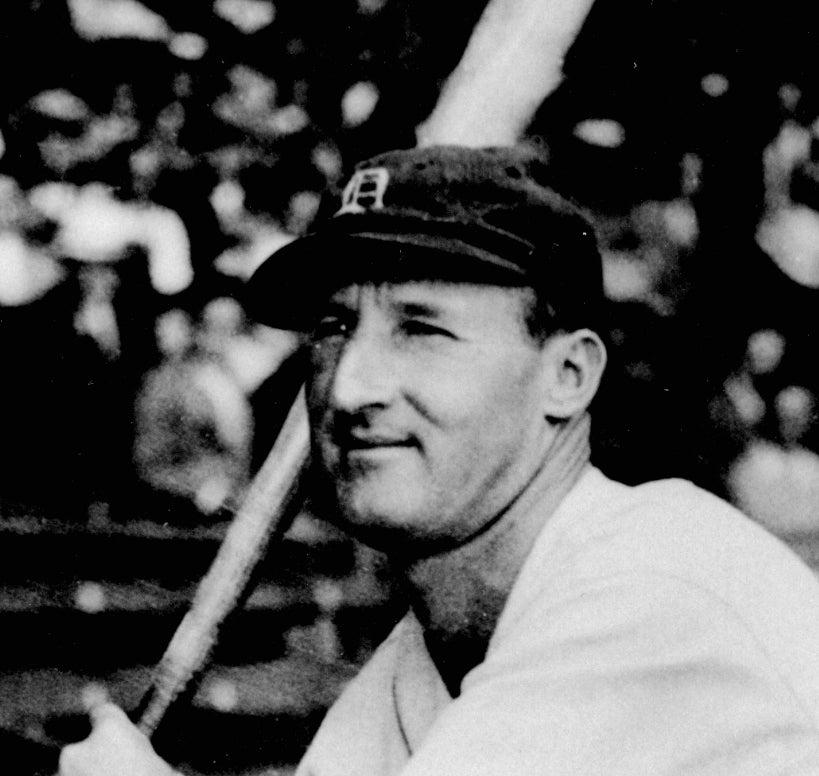
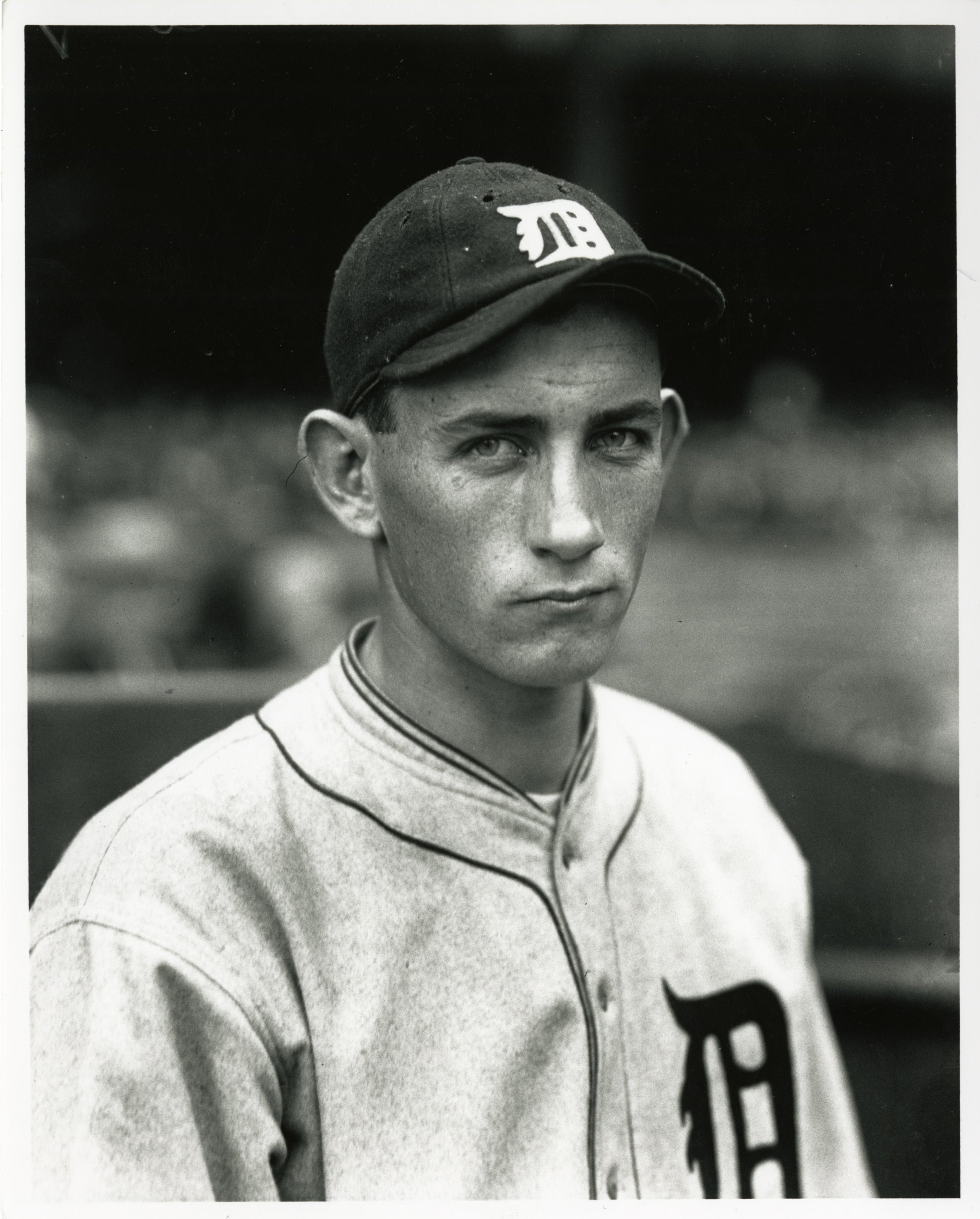
Charlie Gehringer played a quiet game of baseball.
“I wasn’t a rabble rouser,” he said. “I wasn’t a big noisemaker in the infield, which a lot of managers think you’ve got to be or you’re not showing. But I don’t think it contributes much.”
The second baseman was at his loudest in the crack of his bat, the staggering numbers he posted on stat sheets or the cheers of stunned fans who watched him from the stands.
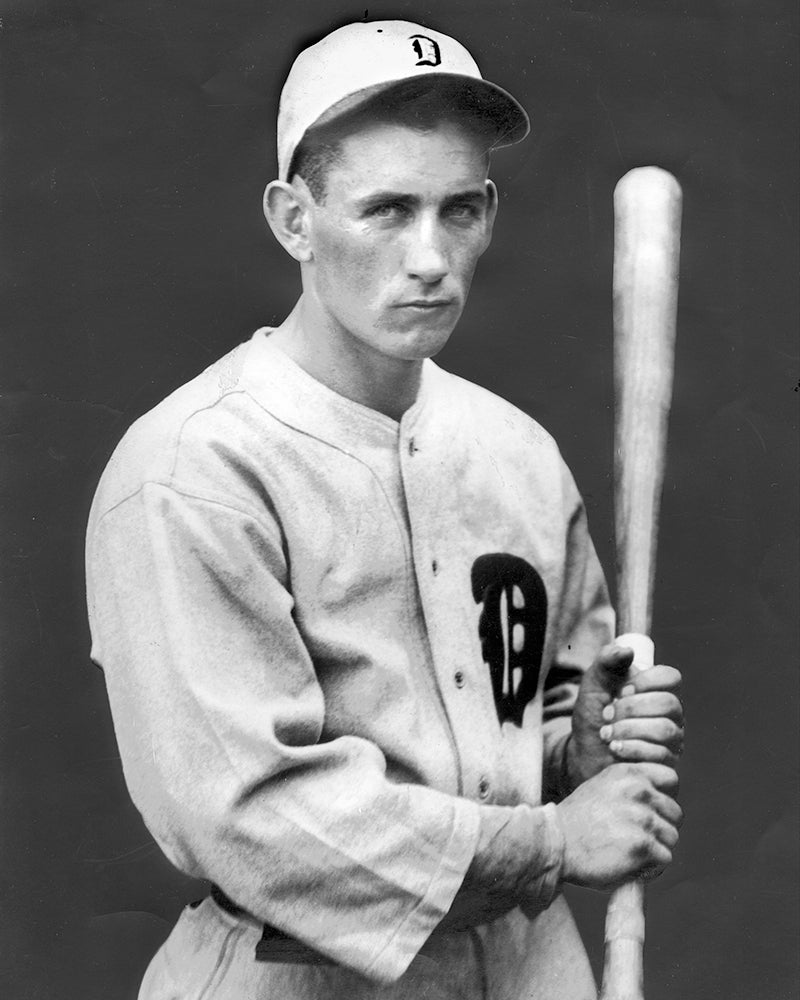
Called up by the Detroit Tigers in late 1924, Gehringer was a stoic fielder with a deceptive explosiveness at the plate. In his first full big league season in 1926, he batted .277 with 62 runs scored – numbers that surged to .317 and 110, respectively, the following year. He would hit comfortably above .300 for 14 of his 19 major league seasons, notching six consecutive All-Star selections. His American League Most Valuable Player campaign in 1937, which was preceded by eight years of Top 10 finishes, was complemented by a league-high batting average of .371.
While manning second base, he led the American League in fielding percentage in 1929, 1936 and 1941; he led all Major League Baseball in 1930, 1935, 1937 and 1939. In 1929 alone, the reserved, “Mechanical Man” was making plenty of noise, leading the American League in runs, hits, doubles, triples, stolen bases and fielding percentage.
And Aug. 5, 1929, was a particularly loud day for Gehringer: He would produce three of the sport’s hottest commodities to tie the record for most triples in one game.
Gehringer entered the Tigers’ fall matchup against the Washington Nationals hitting .330 with seven triples on the season. By the top of the first inning, seven became eight, as Gehringer turned a two-out fly ball into a three-bagger. He would touch home on a double by right fielder Bob Fothergill, putting the Tigers up 1-0.
By his next at-bat, however, Gehringer was entering a different ball game. While Detroit limited damage in the first, allowing a run to tie the game at one, an offensive barrage by Washington in the bottom of the second left the Tigers battered, down 9-1.
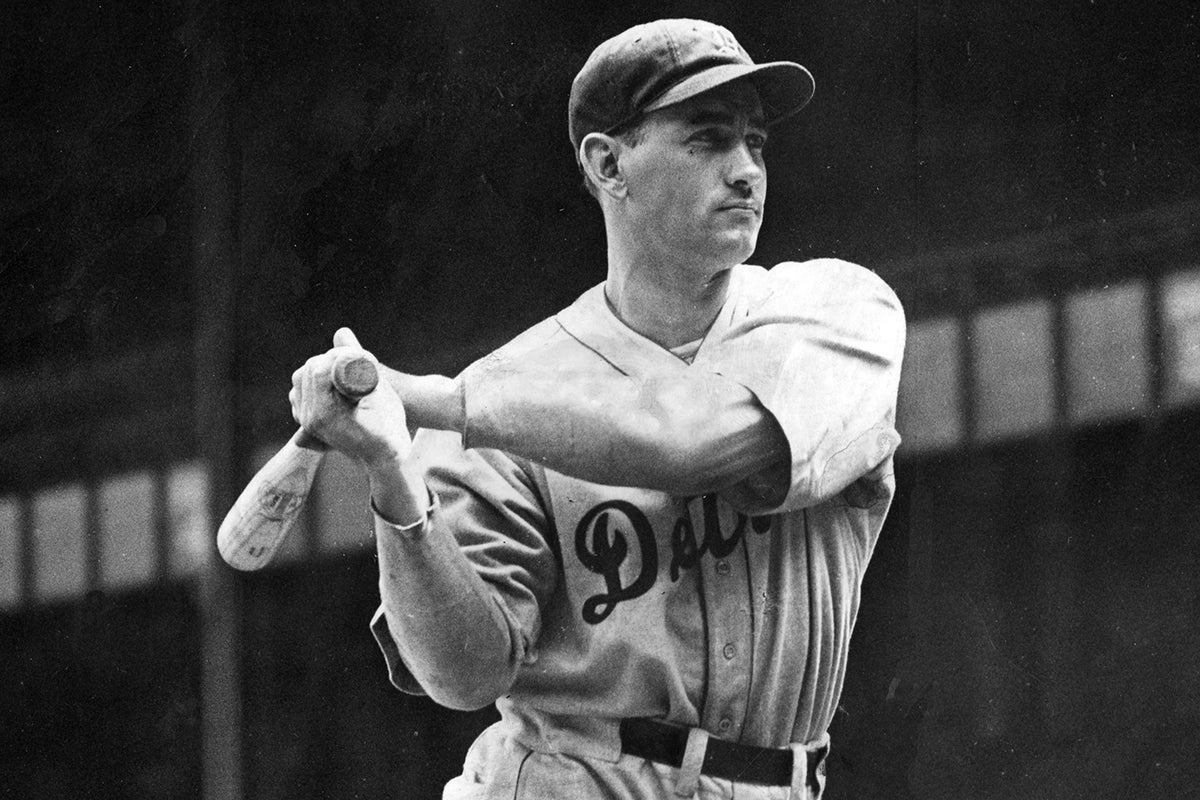
Leading off the side in the top of the third, a characteristically undeterred Gehringer would once again find himself on the hot corner, knocking his second triple of the day. Following Gehringer, Fothergill notched another piece of complementary hitting with a sacrifice fly to score the second baseman.
While the synergy of Gehringer and Fothergill could not stop the Senators’ assault – the Tigers were down 11-2 by Gehringer’s next at-bat in the fourth – the second baseman remained a steady force at the plate and a fleeting source of relief for Detroit fans. In the top of the sixth, with two outs and runners on first and second, Gehringer’s trademark consistency would pull him toward the seemingly magnetic third base bag.
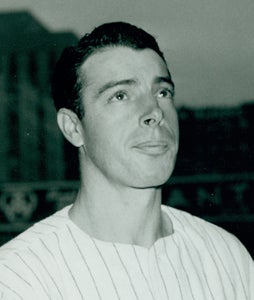
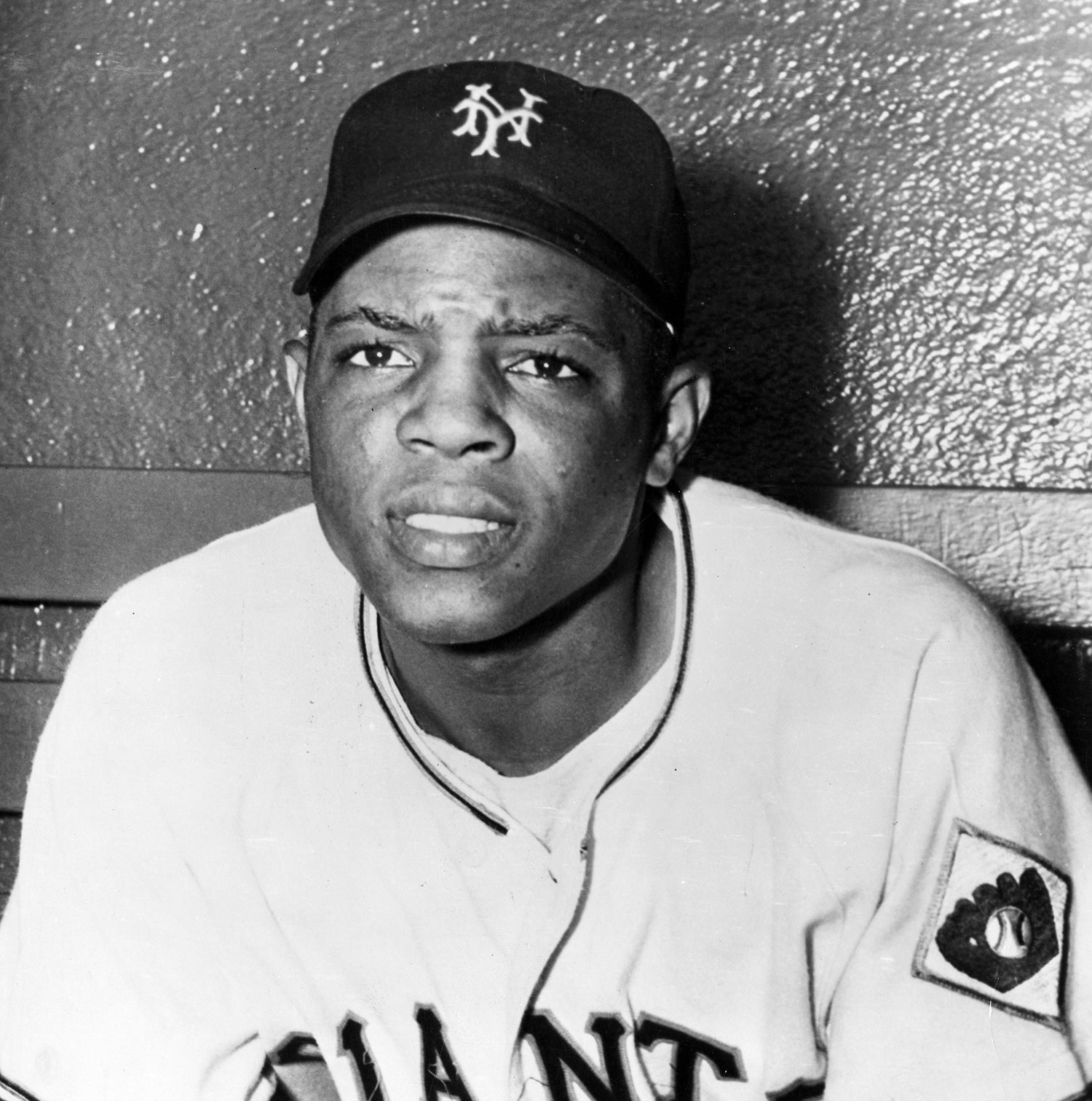
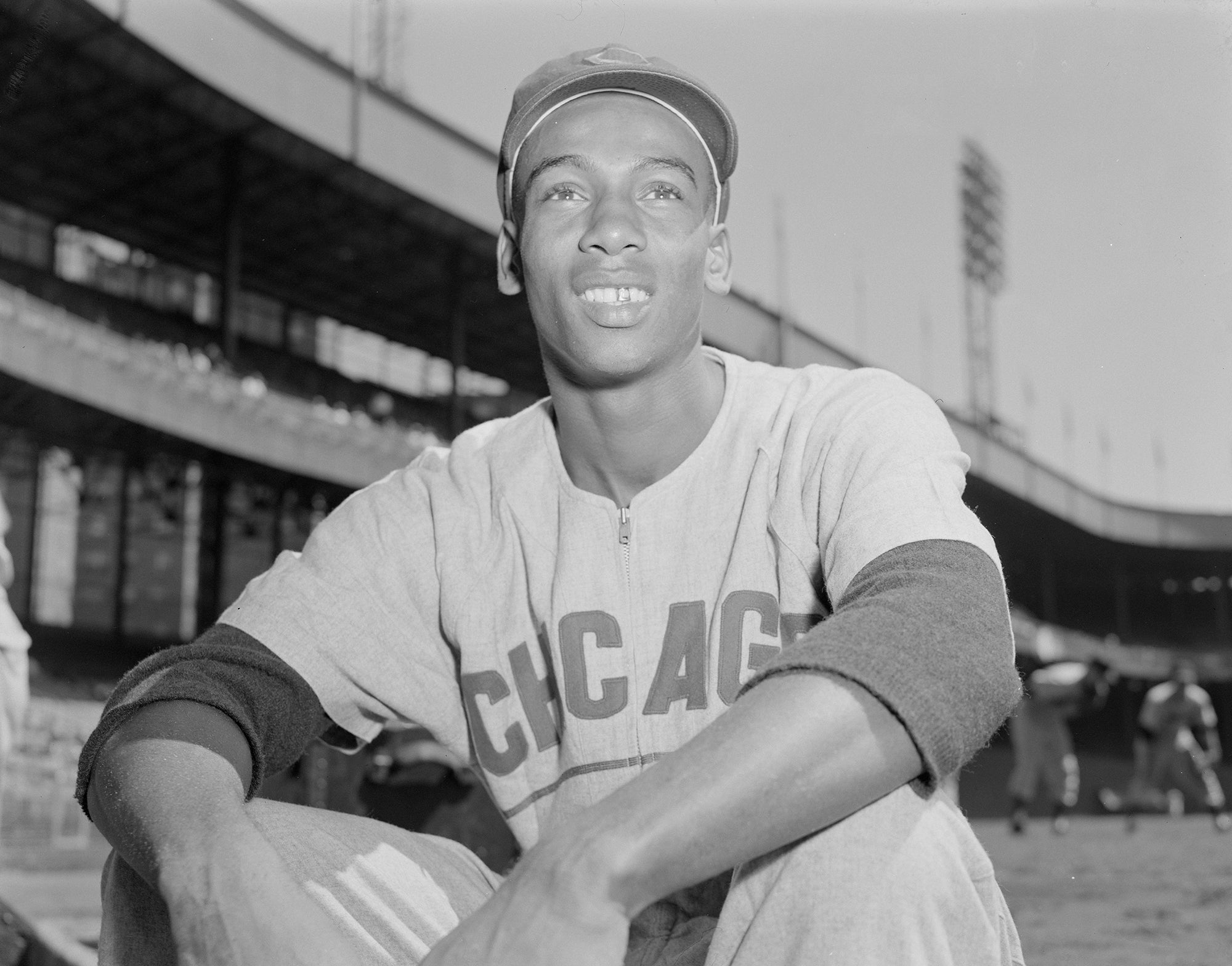
His third triple of the day would drive in two Tigers runs and cement his place in baseball history; the record of three triples in one game has yet to be surpassed by any big leaguer. The feat has only been accomplished 20 times since Gehringer’s display nearly a century ago, with the second baseman being joined by the likes of Joe DiMaggio, Willie Mays and Ernie Banks.
Gehringer would help revitalize the Detroit Tigers of the 1930s, helping the club to three World Series appearances and its first World Series title in 1935. He was inducted to the Hall of Fame in 1949.
Abbey Dempsey is the 2026 communications intern in the Frank and Peggy Steele Internship Program for Leadership Development