Allen joins Athletics for final season
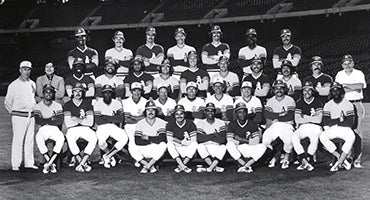
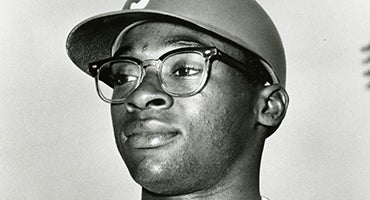
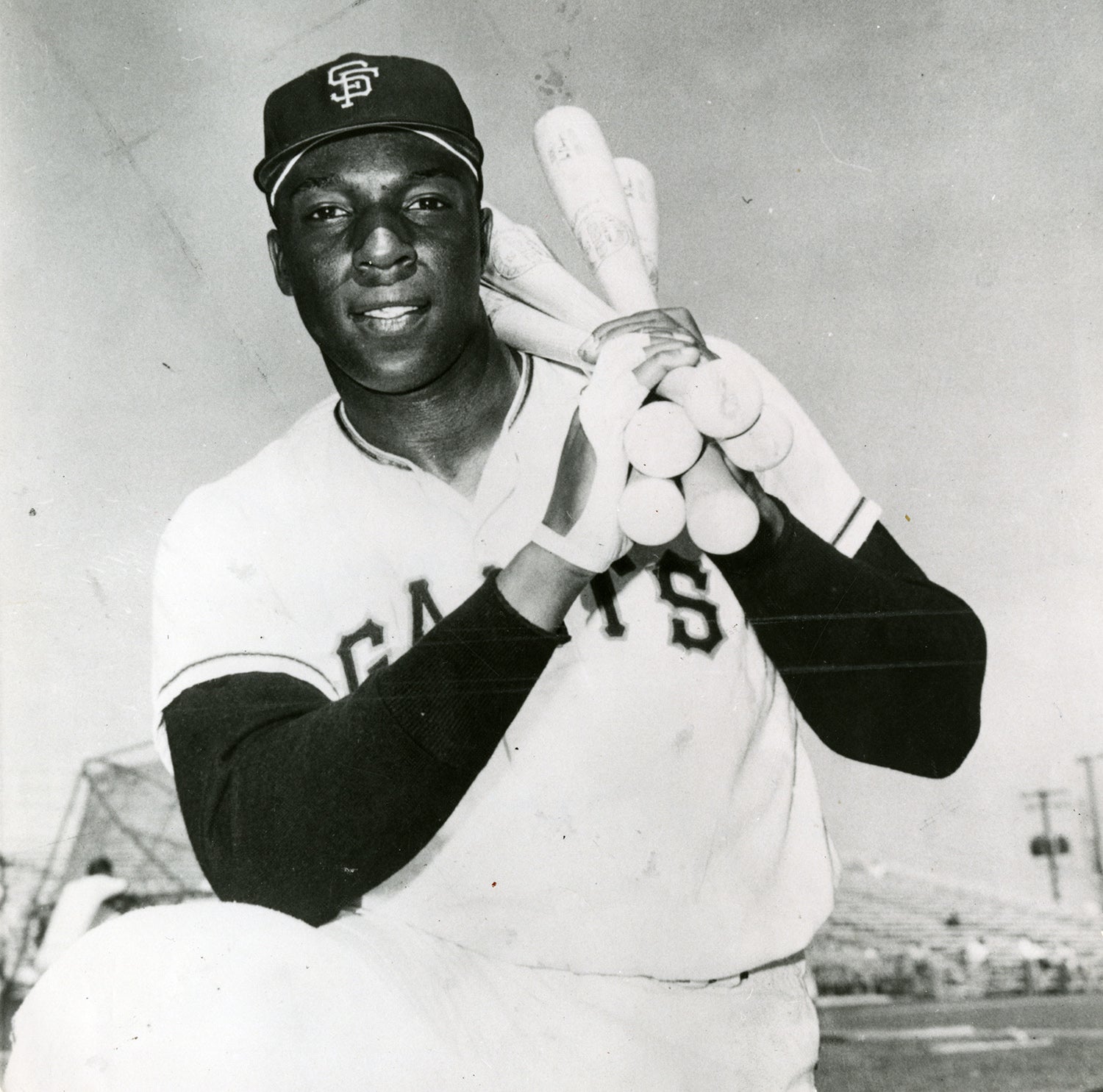
The Oakland Athletics were looking for a power bat as the 1977 season dawned. Dick Allen was looking for a chance to reach a milestone in his storied career.
The team and the player came together on March 16, 1977, when Allen agreed to a contract with Oakland.
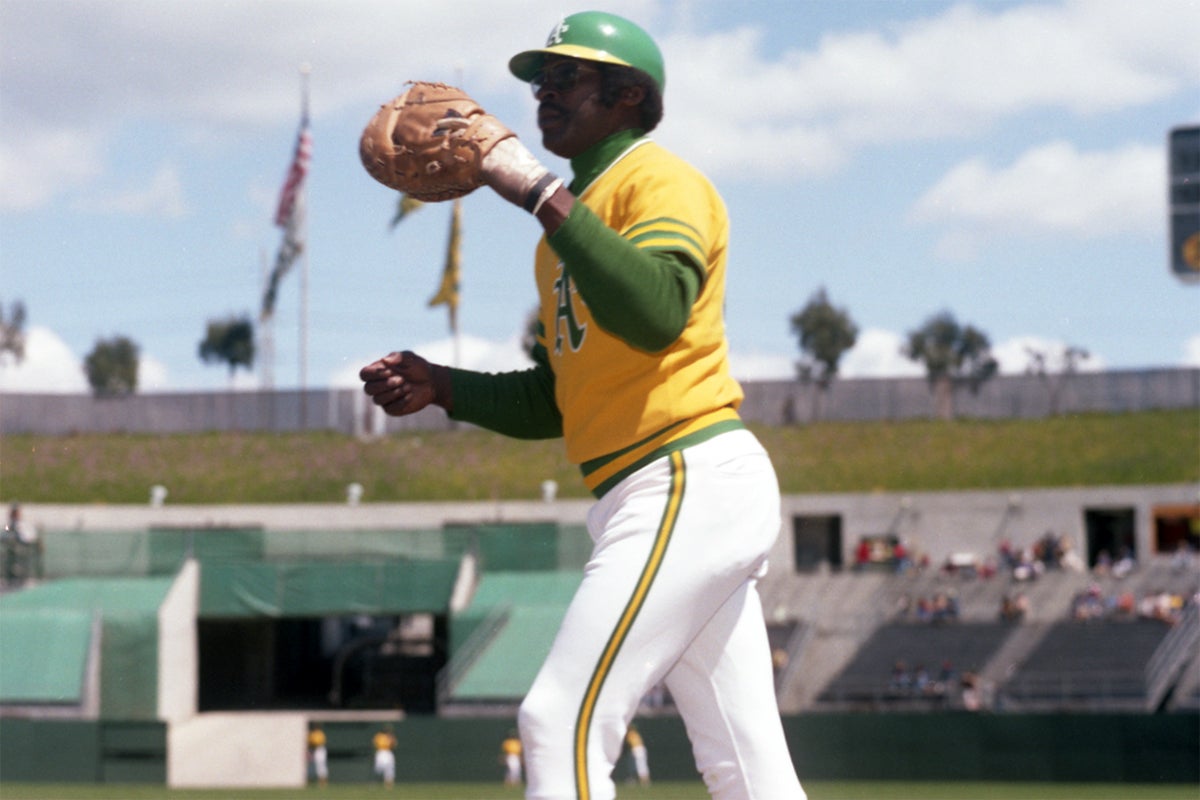
Allen spent 1975 and 1976 with the Phillies before becoming available with the first full class of free agents. The A’s were the only team that selected Allen in the re-entry draft, which then allowed Allen to negotiate with any team.
After several failed attempts to convince Allen to join his team, Athletics owner Charlie Finley got the answer he wanted in early March when he presented Allen with a deal worth a reported $150,000.
“Strange things happen,” Finley told the Oakland Tribune on March 9 after Allen agreed to join the Athletics at their Mesa, Ariz., training facility. “He called me yesterday and told me he’d be in camp. I don’t anticipate any problems with him at all once he puts his name on a contract.”
Allen, who turned 35 years old the day before he agreed to sign with Oakland, entered the 1977 season with 346 home runs – trailing only Willie McCovey and Willie Stargell among active players. A seven-time All-Star, Allen’s last season in the American League came in 1974 when he led the league with 32 home runs while a member of the White Sox.
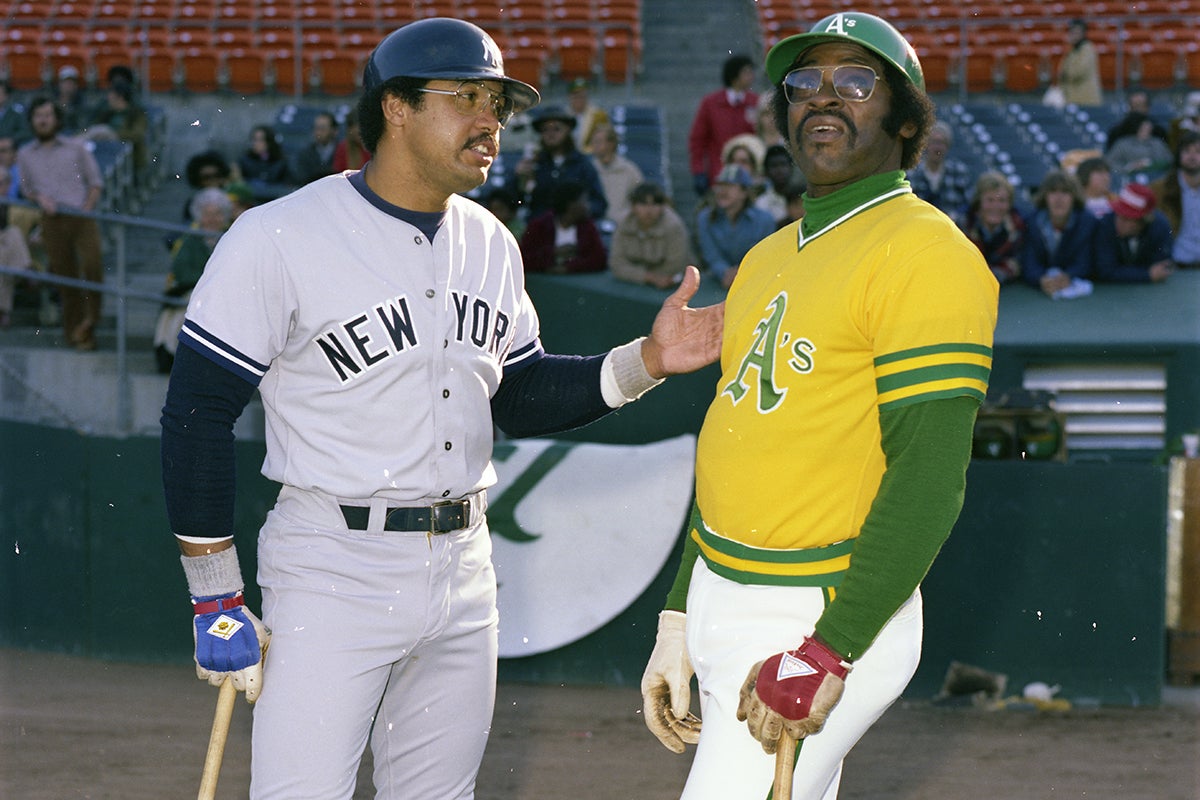
That same year, the Athletics won their third straight World Series title. But the advent of free agency had prompted Finley to vastly revamp his roster.
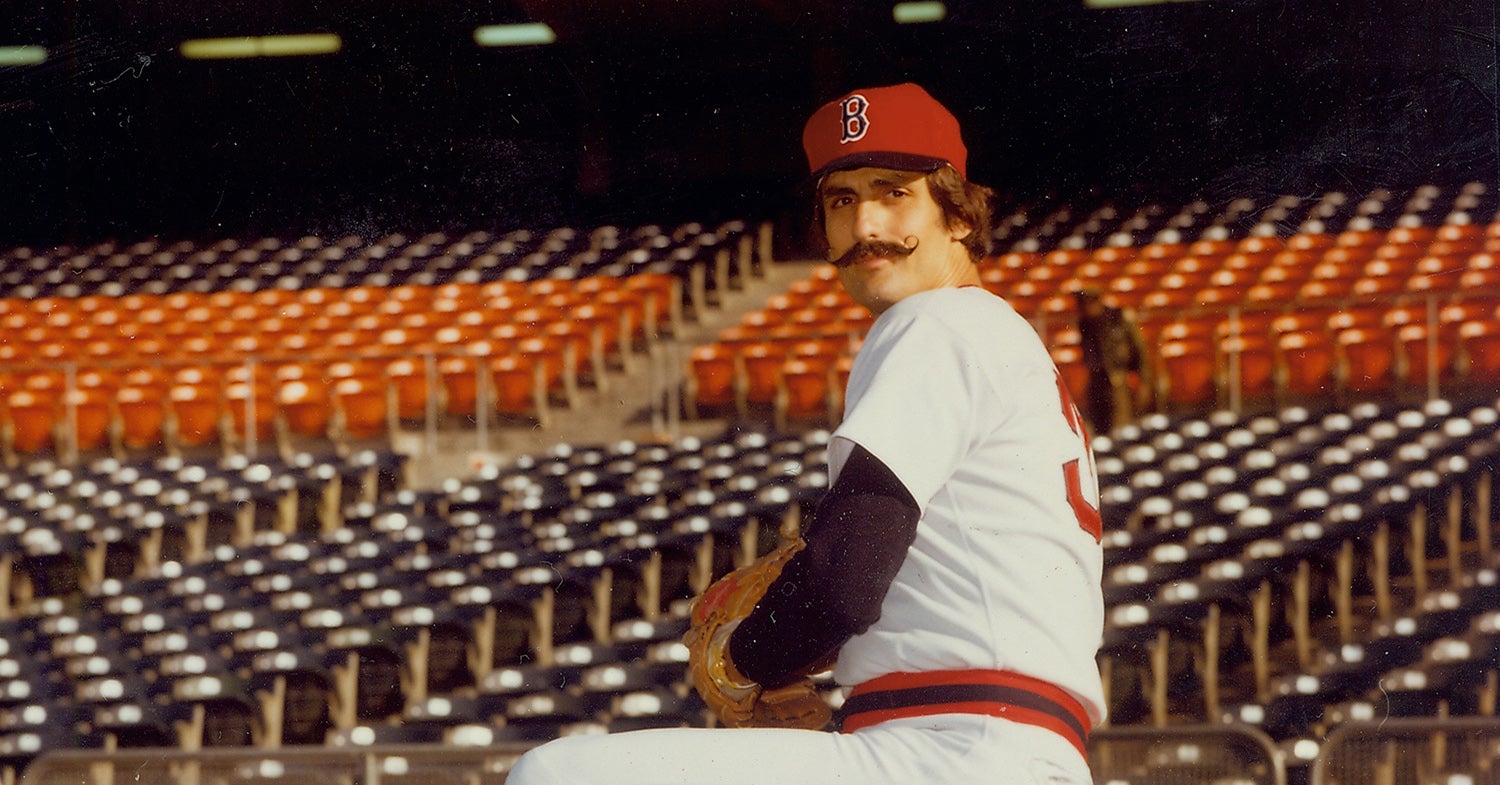
Following the 1976 season, stalwarts Sal Bando, Bert Campaneris, Rollie Fingers, Phil Garner, Joe Rudi and Gene Tenace left the A’s via trades or free agency – leaving the team with a veteran void in the clubhouse.
“(Allen) looks great and he’s ready to go,” new manager Jack McKeon told the Tribune about his new first baseman.
Chuck Tanner, who managed Allen in Chicago and was the Athletics’ manager in 1976 before being traded to the Pirates, applauded Oakland for bringing in Allen.
“Dick Allen is not a common species,” Tanner told the Tribune. “He has a very fragile temperament like most artists or geniuses. He has to be handled in a special way.
“There was an electric quality about him. I got goose bumps just watching him.”
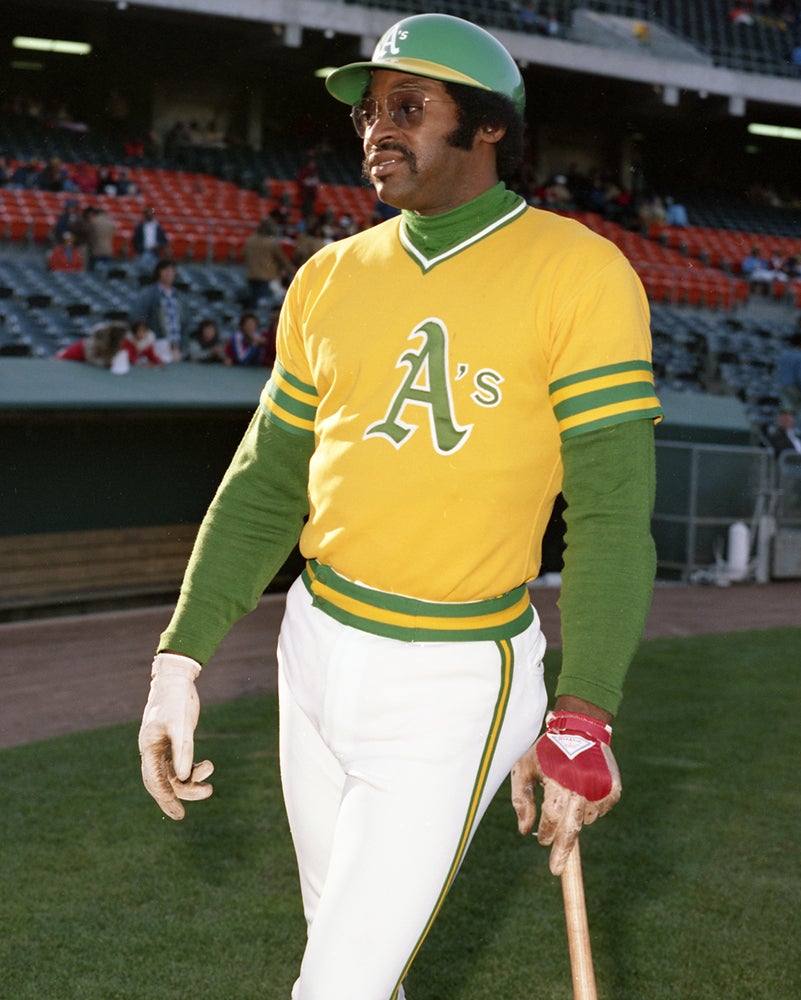
Allen chose to wear No. 60 for the Athletics – an unusual choice in an era where any number higher than 49 was considered unorthodox – and had “Wampum” stitched on the jersey where his name would usually appear, a tribute to his hometown of Wampum, Pa.
Allen got off to a blistering start as the Athletics’ every day first baseman, tallying 10 RBI in his first seven games. He hit his 350th home run April 26 vs. the Angels and was batting .311 through May 2. But he soon suffered through an 0-for-20 slump that dropped his average below .250.
Following a June 19 doubleheader, Finley had granted Allen a three-day break due to the slugger’s aching shoulder. Then on June 20, Finley entered the Oakland clubhouse in the sixth inning during a game against the White Sox and found Allen showering. Finley immediately suspended Allen for one week.
The next day, Allen and Finley met in Milwaukee. Allen then left for his home in Pennsylvania, and the A’s placed Allen on the disqualified list. In mid-July, Allen informed Finley that he was retiring.
Allen finished the season – his last one in the big leagues – batting .240 with five home runs and 31 RBI in 54 games. He left an impression, however, on a young team that lost 98 games that year but would return to the postseason by 1981.
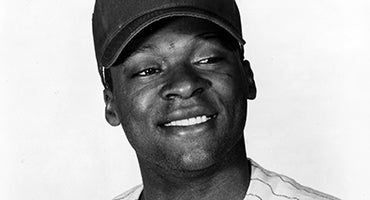
“I’ve been picking up things from Dick,” Athletics outfielder Mitchell Page, who would finish second in the AL Rookie of the Year balloting, told the Tribune in April. “When I got traded from Pittsburgh (in a deal that sent Garner to the Pirates), Willie Stargell told me: ‘You have any problems, just go to Dick.’”
Craig Muder is the director of communications for the National Baseball Hall of Fame and Museum