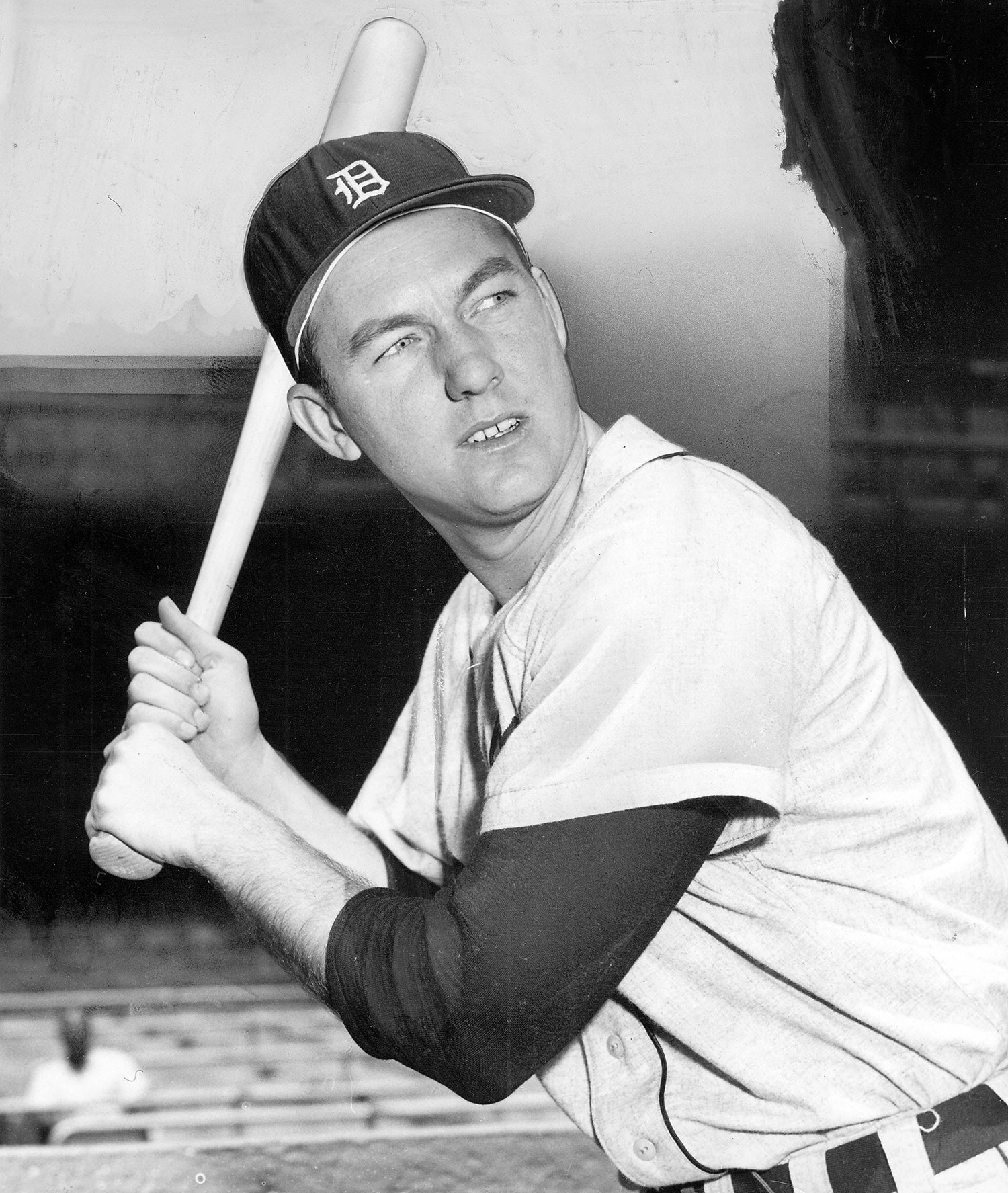
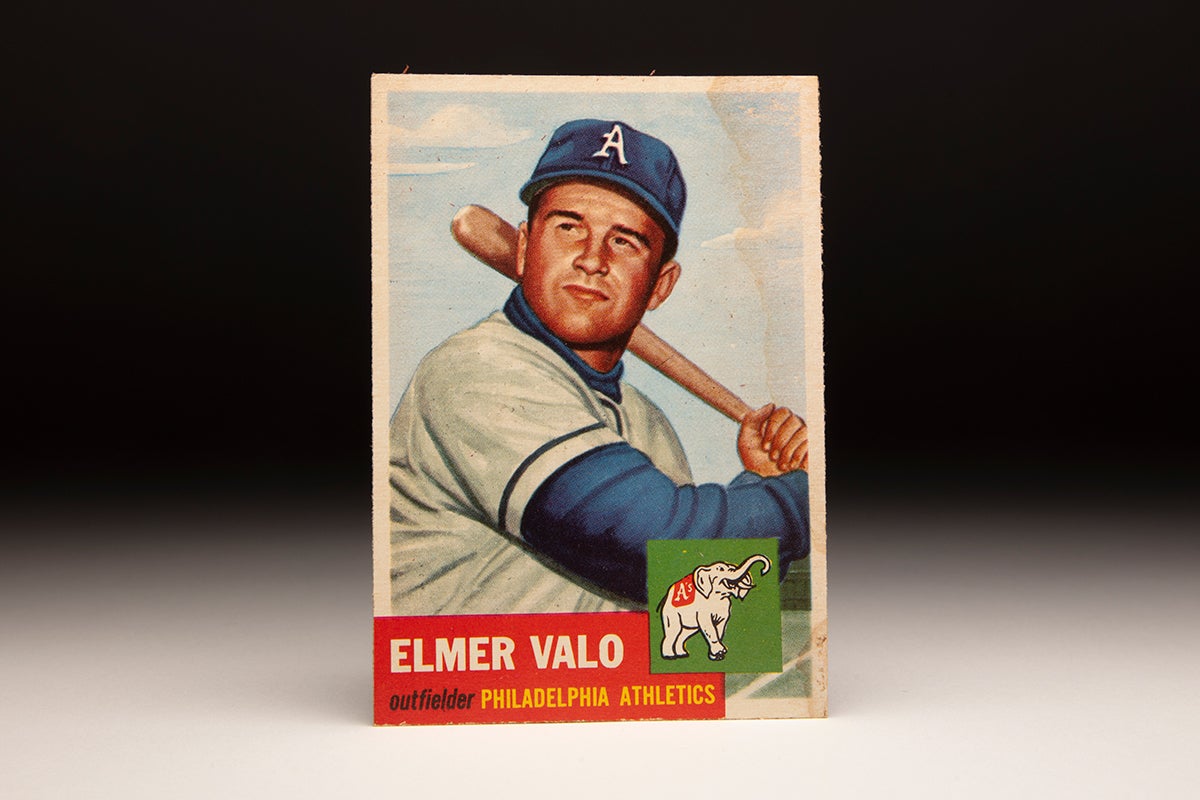
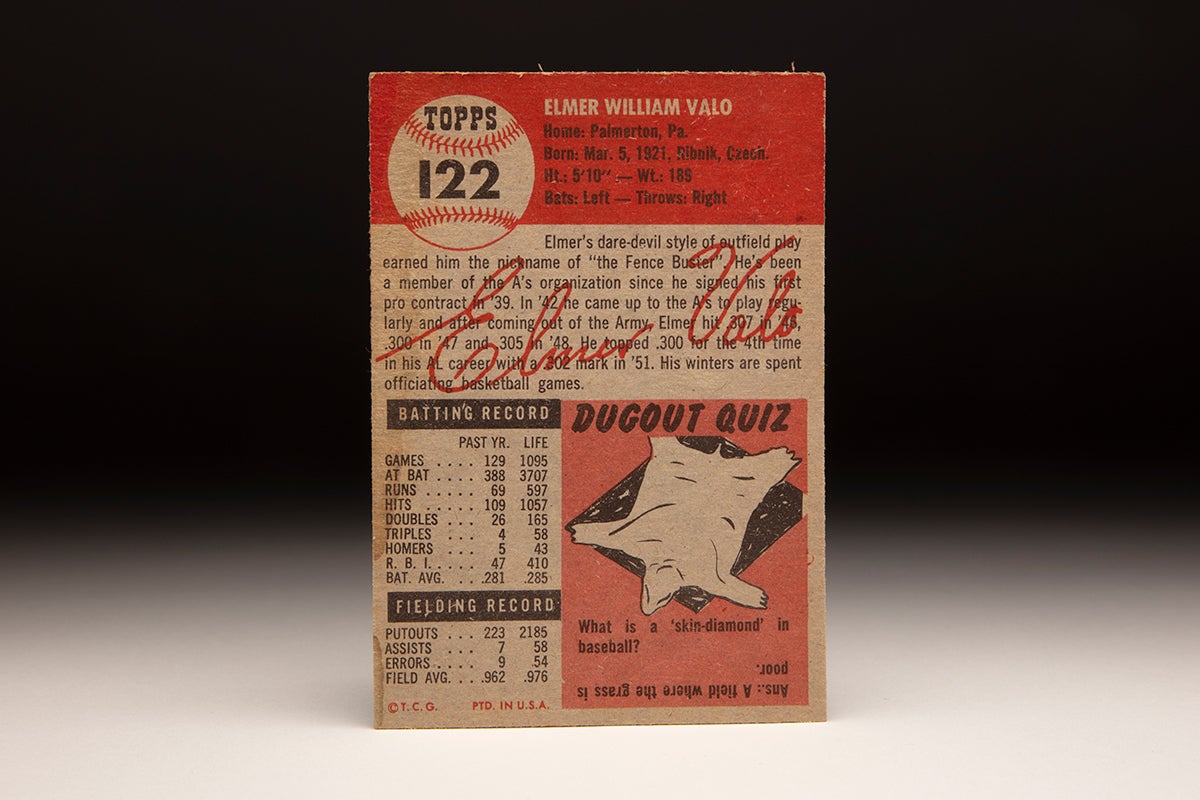
#CardCorner: 1953 Topps Elmer Valo
Thirty-one players have appeared in an MLB game in parts of four decades. Elmer Valo – officially – is not one of them.
But the longtime Philadelphia A’s outfielder claimed he did belong to that club. And if so, it would be another highlight of a 20-year big league career that saw Valo reach base in almost 40 percent of his career at-bats.
Born Imrich Valo on March 5, 1921, in the country once known as Czechoslovakia, Valo and his parents moved to the United States when he was six years old and settled in Palmerton, Pa. – located a few miles northwest of Allentown.
“It was near spring when we got to Palmerton and I saw the bats and balls and became interested,” Valo told the Star-Ledger of Newark, N.J., in 1960. “I started playing with the kids and actually started to learn English from them. It helped me when I started school.
“I have been playing ball ever since.”
Valo, like so many others of his era, grew up participating in sandlot games before transitioning to American Legion baseball after his high school team was discontinued. He then began playing semi-pro ball.
“Roy Mack (Connie Mack’s son) saw our team play one day, then sent (former Philadelphia A’s players) Ira Thomas and Jack Coombs to scout us,” Valo told the Star-Ledger. “I was invited to Shibe Park for a tryout after my sophomore year in high school. I was signed to a contract after graduation.”
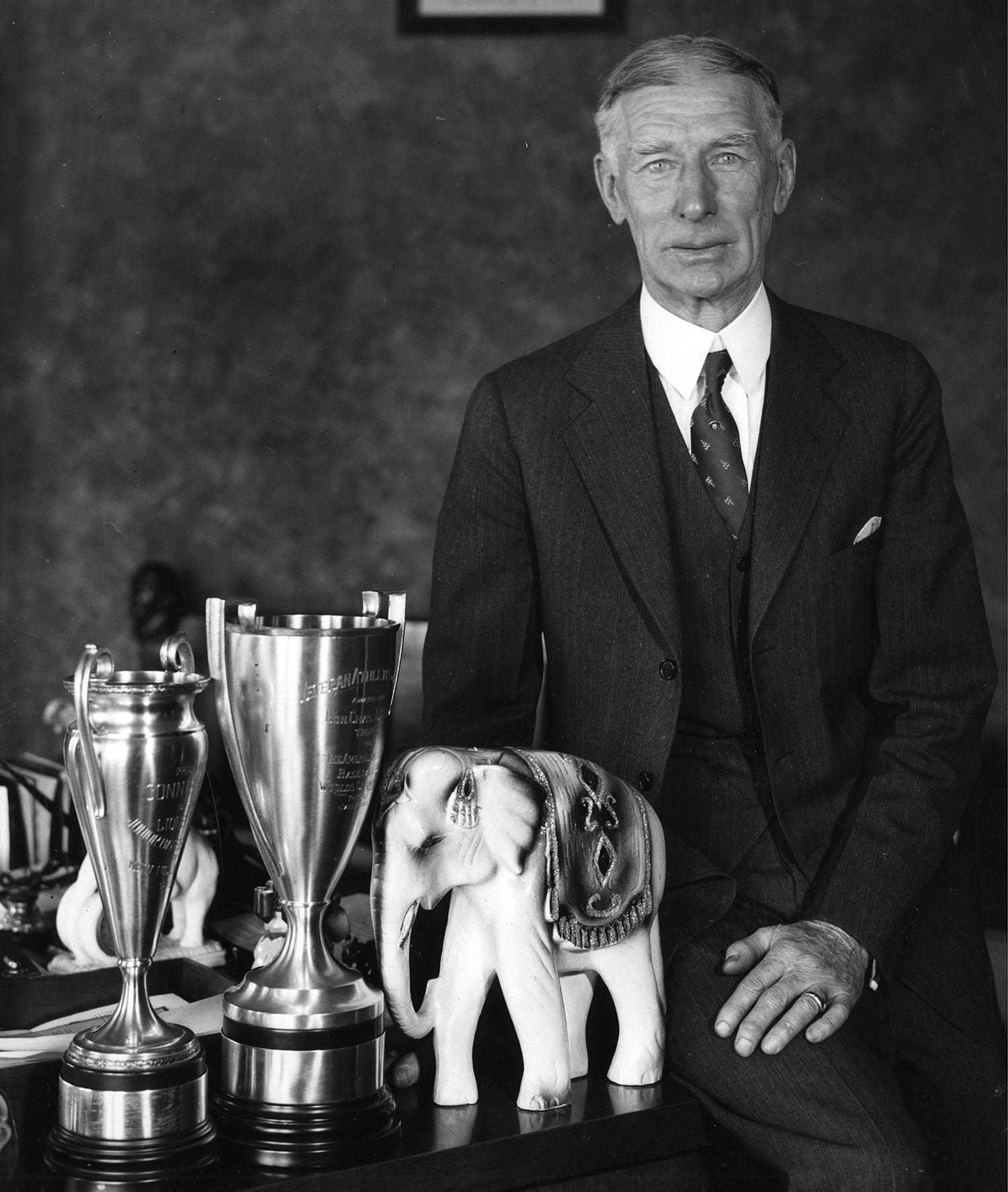
Valo was sent to Class D Federalsburg of the Eastern Shore League in 1939 and hit .374 in 34 games. Then at the end of the season, Athletics owner/manager Connie Mack brought Valo to Philadelphia.
“Late in the last game of the year, (Mack) sent me in as a pinch-hitter and I walked,” Valo told sportswriter Red Smith in 1975. “Afterward, the official scorer came and told me that Connie, without giving it a thought, had left himself open to a stiff fine for using a player who wasn’t under contract. He said that if it was all right with me, he was going to protect Connie by leaving me out of the official score, since I didn’t have an official time at-bat, anyway. That’s why the records say I didn’t get to the majors until 1940.”
The Athletics’ final game of 1939 was a 9-5 loss to Washington on Sept. 30 at Shibe Park, and Valo is not found in the box score. But Valo may have been correct: He claimed that Smith, who worked for the Philadelphia Record from 1936-45 before moving to the New York Herald Tribune and eventually winning the Baseball Writers’ Association of America’s Career Excellence Award, was the official scorer for that game.
The Athletics assigned Valo to Class B Wilmington of the Interstate League in 1940, where Valo hit .364 in 120 games to win the batting title. Mack then brought Valo back to Philadelphia, where he appeared in the first official games of his big league career – hitting .348 (8-for-23) with three walks and no strikeouts.
After hitting .324 at Wilmington in 1941 and then batting .420 in another September call-up with the A’s, Valo was ready for regular duty in Philadelphia’s outfield in 1942. Just 21 years old at the start of the season, Valo batted .251 with 13 doubles, 10 triples and 13 steals in 133 games as Philadelphia’s regular right fielder. He also walked 70 times, pushing his on-base percentage to .355.
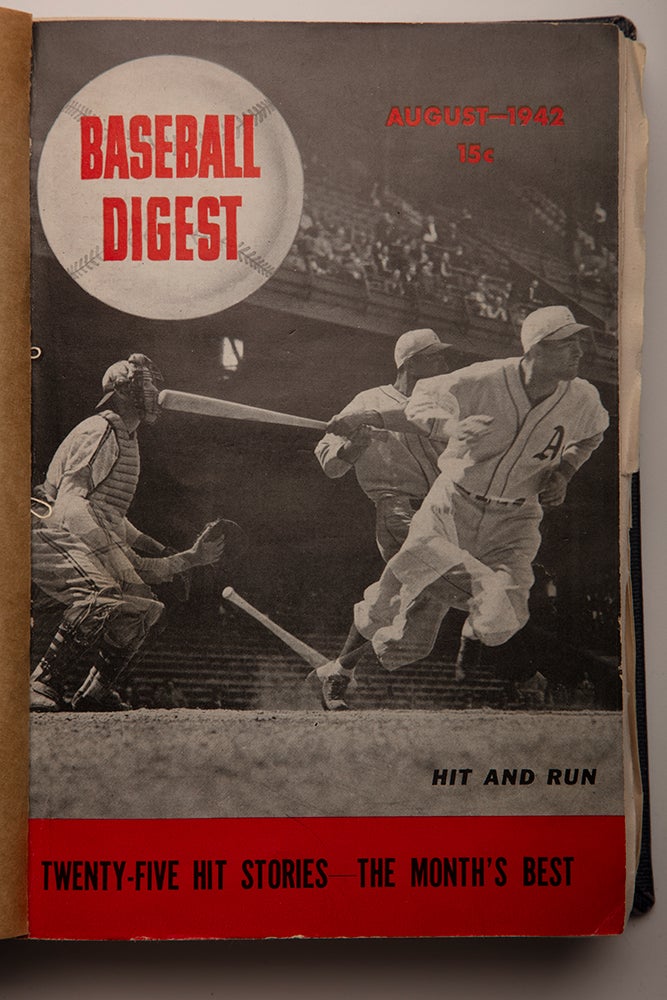
When Baseball Digest magazine debuted in August of 1942, Valo was depicted on the cover.
But in 1943, Valo struggled at the plate and was hitting just .221 through 77 games when he left to join the United States Army in August. He played for several military teams during World War II and rose to the rank of lieutenant before being discharged prior to the 1946 season.
Now a more mature athlete at age 25, Valo lost some of his sprinter’s speed but retained his outstanding plate discipline. He batted .307 with a .411 on-base percentage in 1946, hitting 21 doubles and drawing 60 walks in 108 games.
In 1947, Valo hit .300 with a .406 OBP in 112 games despite missing more than three weeks in late summer after being beaned by Washington pitcher Sid Hudson on Aug. 9.
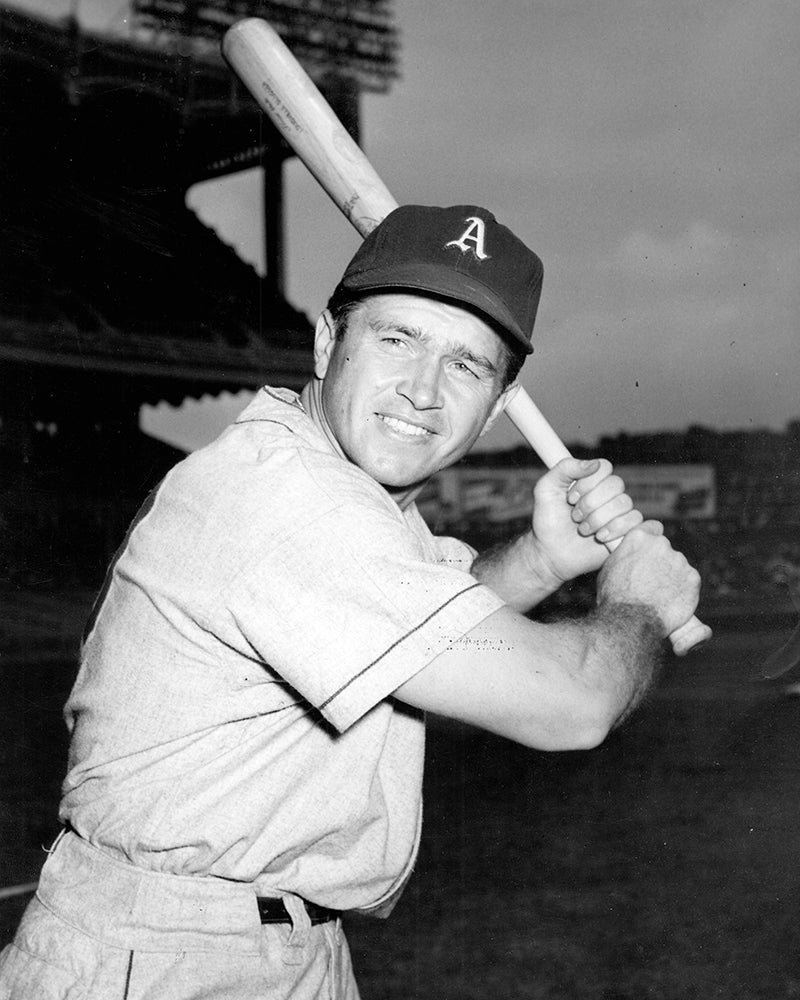
Then in 1948, Valo was injured again when he had what would turn out to be one of several run-ins with outfield walls. In the first game of a May 15 doubleheader against New York at Yankee Stadium, Valo robbed Johnny Lindell of extra bases in the seventh inning with a catch against the wall, preserving the Athletics’ 2-1 lead. Valo then doubled in the top of the eighth to score Eddie Joost and give Philadelphia a 3-1 advantage.
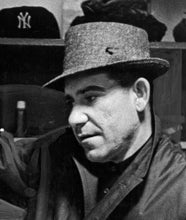
With the score still 3-1 in the bottom of the eighth, Valo leaped over the right field wall to bring back a sure home run hit by Yogi Berra. The play knocked Valo out of the game but preserved the win for Philadelphia, which went on to take the second game 8-6 in front of what was then a Saturday-record crowd of 69,416 at Yankee Stadium.
Valo returned to the lineup within a week but had suffered broken ribs that eventually sidelined him for almost a month. He wound up hitting .305 with 81 walks (good for a .432 OBP) in 113 games as the A’s went 84-70. The franchise would not record as many wins in a season until 1969 when the team was in Oakland.
“I never challenged the wall unless the catch meant the ballgame,” Valo told the Star-Ledger in 1960. “I think I was pretty lucky and had a good percentage. I was only hurt once out of each 15 times I would bang into a wall. The worst came in 1948 when I cracked a couple of ribs in Yankee Stadium.”
In 1949, Valo enjoyed what would be his finest big league season. Playing in left field as opposed to his customary spot in right, he set career-bests in games played (150), runs (86), hits (155), triples (12), RBI (85) and walks (119) while batting .283 with a .413 OBP. The Athletics topped the .500 mark for the third straight season but still finished fifth in the American League.
The next season, Valo got off to a slow start but raised his average to .277 when he hit for the cycle against the White Sox on Aug. 2. But five days later, Valo suffered a neck injury while taking a swing in an exhibition game against the Harrisburg Senators. He missed two weeks of action before finishing the season batting .280 with a career-high 10 home runs and 82 walks in 129 games. The Athletics, however, finished in last place in the AL with a record of 52-102 in what would be Mack’s final year as manager.
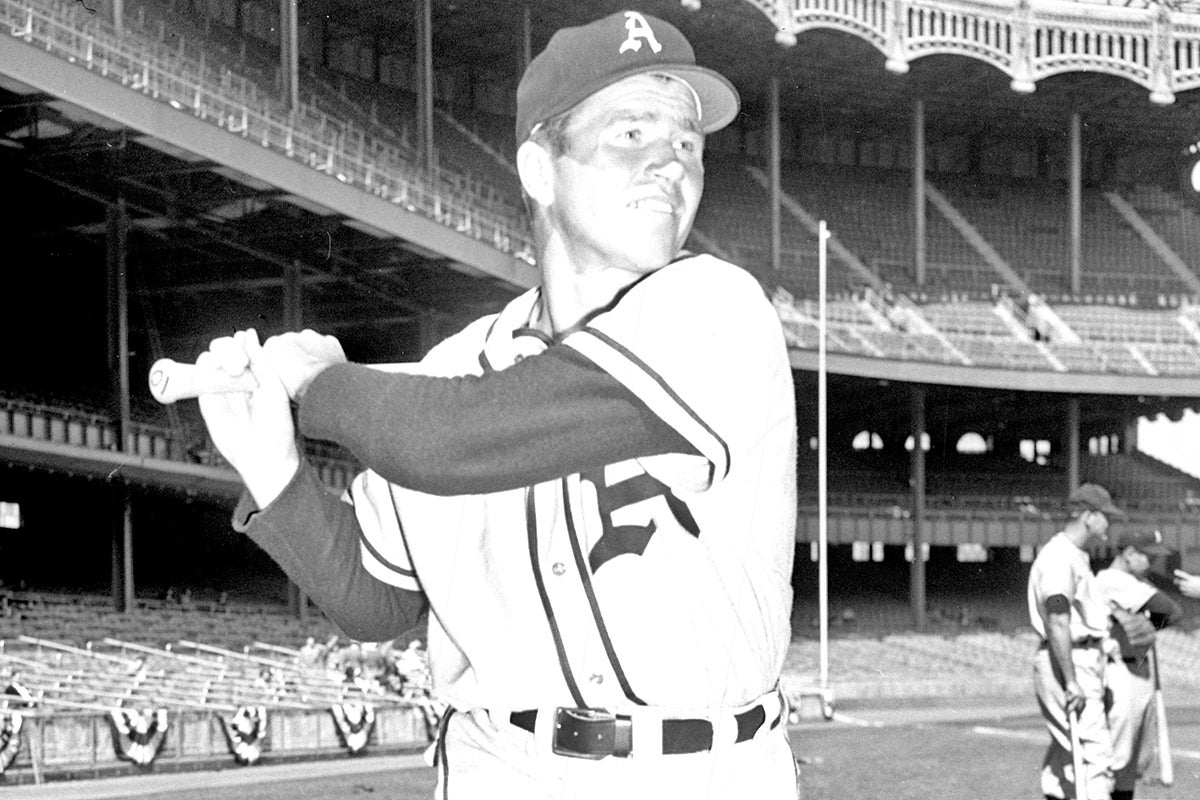
As the Athletics began to retool their roster under new manager Jimmy Dykes, Valo continued to see regular playing time. He hit .302 with 75 runs scored, 55 RBI and 75 walks in 1951, then batted .281 with 101 walks in 1952. His .432 OBP that season marked the seventh straight year with an on-base percentage of better than .400.
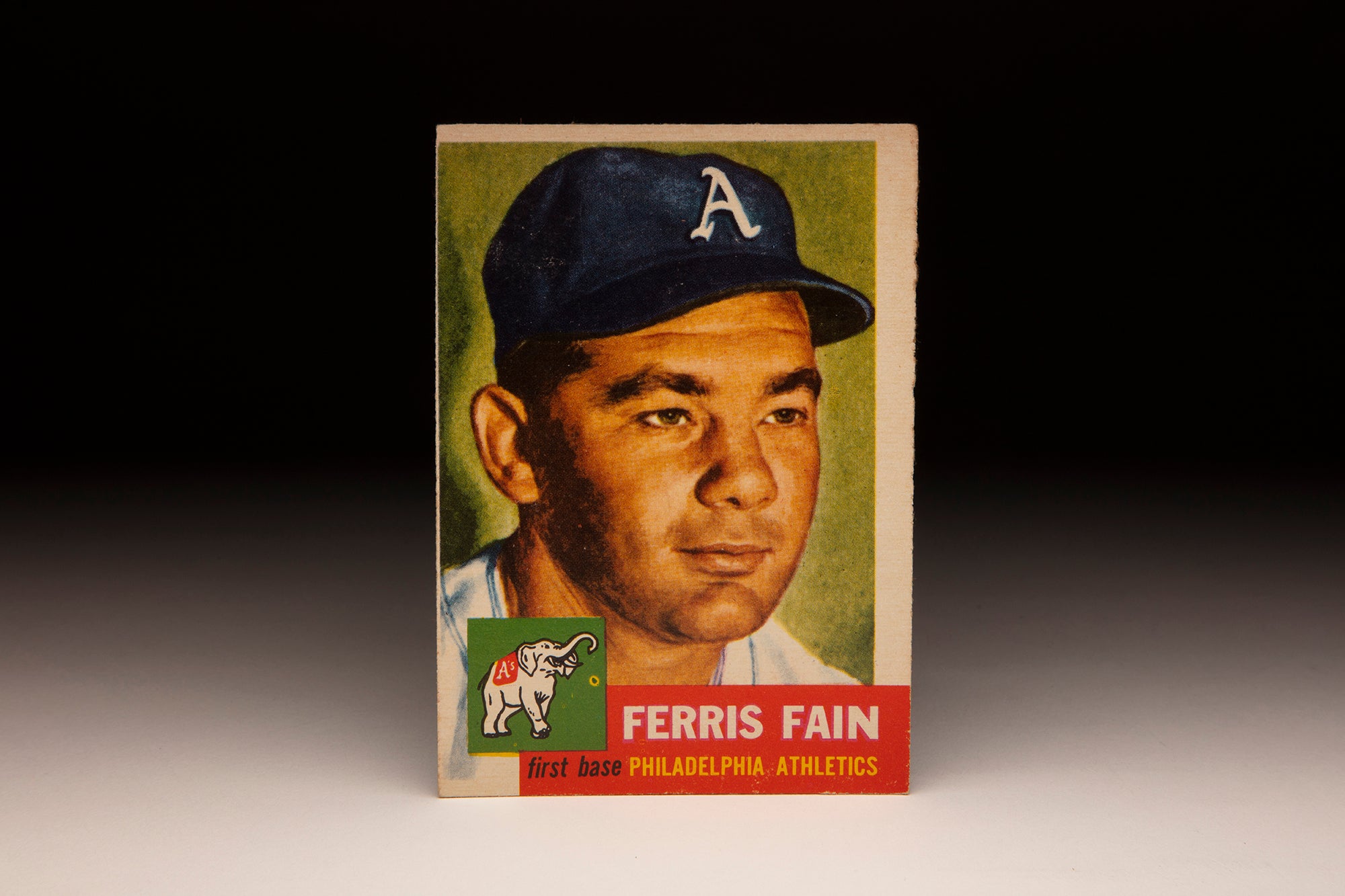
No player who appeared in at least 100 games a year during that period had as many such seasons – with Valo’s Athletics’ teammate Ferris Fain and Stan Musial accounting for six seasons apiece and Ted Williams (who missed much of the 1950 and 1952 campaigns) with five.
Valo spent the offseason working as an official in the Eastern Professional Basketball League, an organization that became the Continental Basketball Association – serving as a de facto minor league for the NBA – in 1979. But on the diamond, Valo suffered a leg injury in 1953 and played in only 50 games for the A’s. The next year, he hit just .214 in 95 contests (though he had an OBP of .356 thanks to 51 walks) – seemingly putting his career at a crossroads at age 33.
Following the 1954 season, the Athletics moved to Kansas City. And with this move, Valo transitioned into a bench player – and one of the best pinch-hitters in the game.
Valo hit .364 in 1955, including 14 hits as a pinch-hitter. With 40 of his 112 games coming as a pinch-hitter, Valo did not total enough plate appearances to qualify for the batting title (which was won by Detroit’s Al Kaline with a .340 mark). But Valo and his .460 OBP earned down-ballot support in the AL Most Valuable Player Award race.
However, after appearing in just nine games – eight coming as a pinch-hitter – in 1956, Valo was released by the Athletics on May 21. The next day, Valo signed with the Phillies. He batted .289 with a .392 OBP in 98 games for Philadelphia before being traded to the Dodgers in a package that brought top shortstop prospect Chico Fernández to the Phils.
After hitting .273 in 81 games with Brooklyn, Valo saw his team relocate for the second time in three years when the Dodgers moved to Los Angeles following the 1957 campaign.
“I was given my release (during the 1956 season) because the A’s wanted to rebuild with young players,” Valo told the Star-Ledger in 1960. “I quickly signed with the Phillies, then was traded to Brooklyn in the Chico Fernández deal. I went to Los Angeles with the Dodgers, then the youngsters forced me out again.”
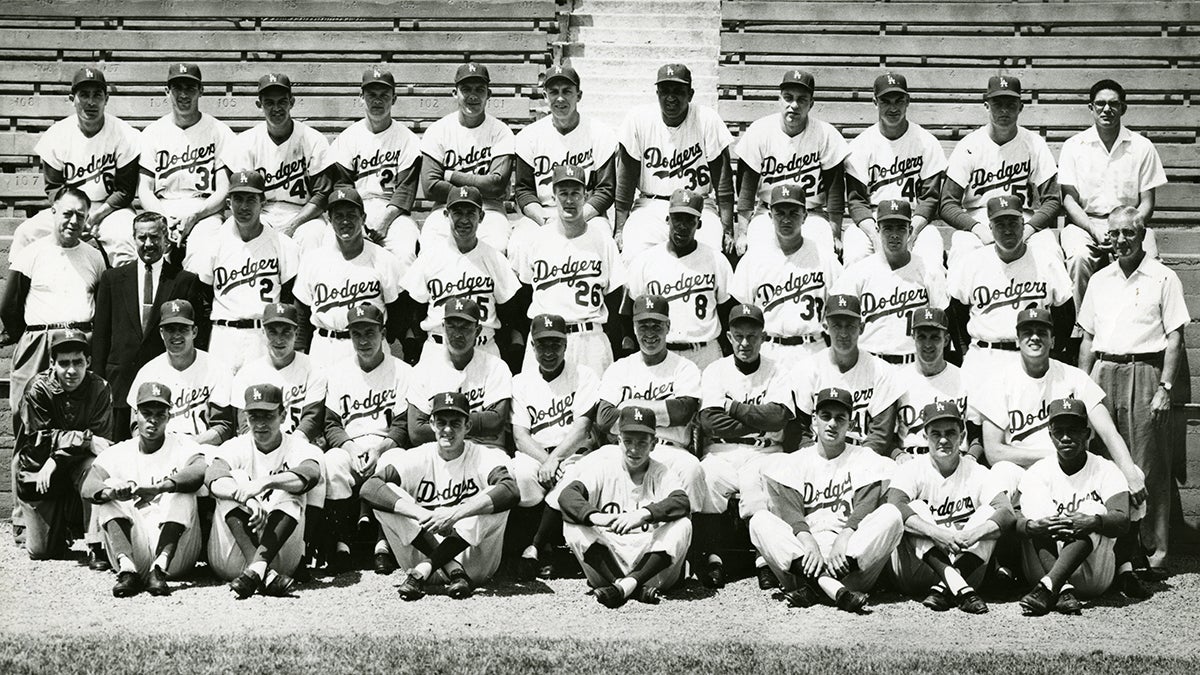
Valo hit .248 in 65 games with the Dodgers in 1958 before being informed by the club in the season’s waning days that he would not be invited back for 1959. The Dodgers reportedly offered Valo a job as a player-coach with Triple-A Montreal, but Valo decided to keep playing and signed with the Pacific Coast League’s Seattle Rainers in March of 1959.
He was hitting .324 in 60 games with Seattle when the Cleveland Indians purchased his contract on June 29.
“I went back to the minors for the first time since 1941 when I signed with Seattle,” Valo told the Star-Ledger. “My luck held good and Cleveland picked me up in the middle of the year. Again forced out by kids moving up, I had offers from three or four clubs. The Yankees made the firmest offer and I quickly grabbed it.”
Released by the Indians on Oct. 5, 1959, after batting .292 in 34 games – all as a pinch-hitter – Valo signed with the Yankees two months later. But with what appeared to be his best chance to play in the postseason in front of him, Valo was released by New York on May 23, 1960, after playing in just eight games.
The next day, Valo signed with the Senators. He batted .281 with a .424 OBP in 76 games for Washington, collecting 14 pinch-hits while setting MLB marks for most appearances as a pinch-hitter (81) and most walks (18).
“I know I am a pinch-hitter, so I work at it,” Valo told the Star-Ledger in 1960. “I keep in shape like a pitcher who knows he won’t work every day. I study the pitcher all through the game from the bench, watch the way he sets up hitters. If I’m called, I am ready.”
Following the season – a year in which the Yankees won the AL pennant – the Senators moved to Minnesota, marking the third time in seven years that Valo’s team had relocated.
Released by the newly-christened Twins on June 17 after playing in 33 of their first 55 games as a pinch-hitter – and batting .156 in that role – Valo returned to the Phillies on that same day. He totaled eight pinch-hits in 50 games with Philadelphia before the Phillies waived him following the season, ending his playing career.
“I agree that baseball is a young man’s game,” Valo told United Press International in 1961 while he was with the Phillies. “But you’re a young man until you reach 35. After that, the doubleheaders get longer.
“I guess there’s more to it than that. You feel your speed slow down, you don’t recover as quickly, you get that you can’t play every day.”
Valo took a job as a scout with the Mets in 1962 before becoming a coach under manager Birdie Tebbets with the Indians from 1963-64. He managed in the minors for a couple more years before accepting a front office job with the Phillies – later scouting for the team – and also regularly contributed columns to the Allentown (Pa.) Morning Call.
Along the way, Valo became an unabashed supporter of his adopted country.
“I do a lot of work in public relations during the winter and I always speak on Americanism and athletics,” Valo told the Pittsburgh Press in 1961. “I feel it from my heart.”
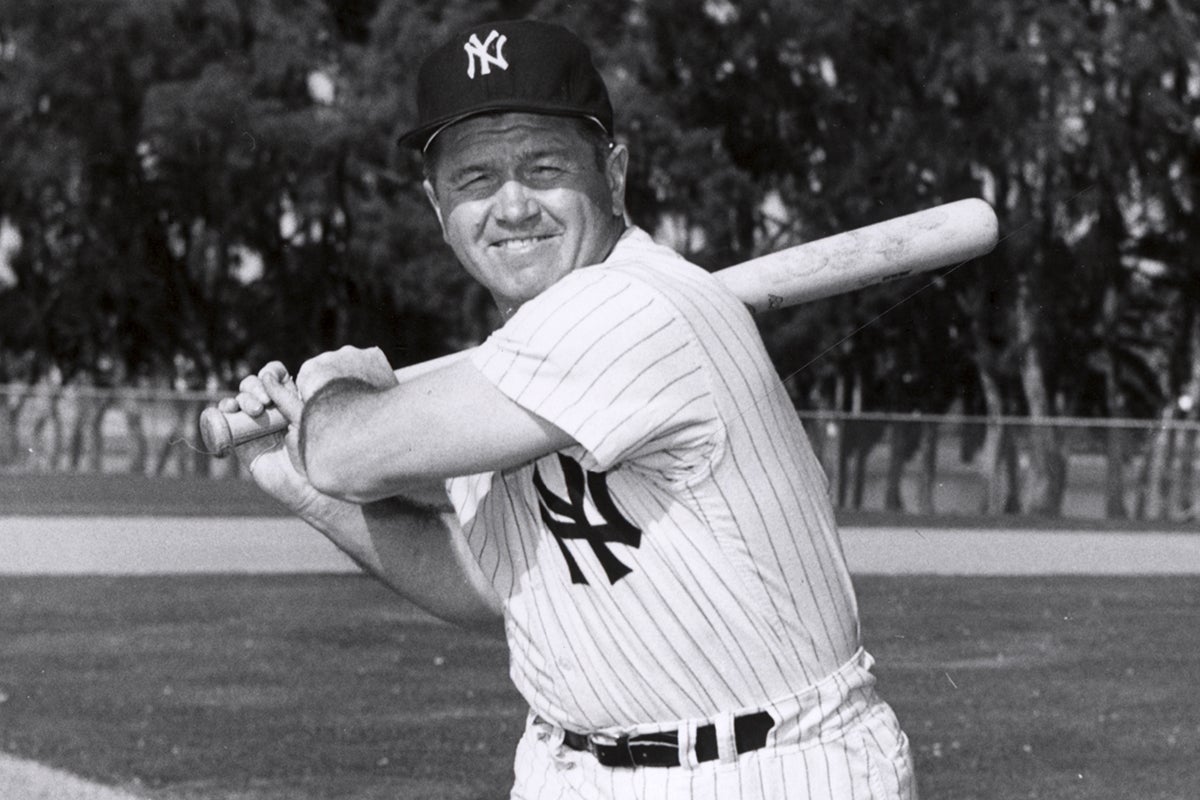
Valo retired in 1982 but attended Spring Training in Clearwater, Fla., with the Phillies for many years after that. He suffered a heart attack and passed away on July 19, 1998.
“He really enjoyed working with the kids,” former Phillies manager and general manager Paul Owens told the Philadelphia Inquirer when Valo passed. “He was one of my most favorite people.”
Phillies president David Montgomery, who won the Hall of Fame’s Buck O’Neil Lifetime Achievement Award in 2020, praised Valo’s work with the franchise.
“Every spring, he would set the tone by handling the batting cages for our young players with great enthusiasm,” Montgomery told the Morning Call. “On the field, Elmer was aggressive and played the game hard. Off the field, he was a kind gentleman and an extremely nice person.”
Valo compiled a .282 batting average over 20 big league seasons, totaling 1,420 hits and 942 walks. His .398 on-base percentage remains in the Top 75 on the all-time list.
One of only three MLB players to have been born in what is now Slovakia, Valo used his ability and pure determination to build a lifetime in baseball.
“When you saw Elmer,” Del Unser, a former player and Phillies executive, told the Morning Call, “you saw the old-time work ethic.”
Craig Muder is the director of communications for the National Baseball Hall of Fame and Museum