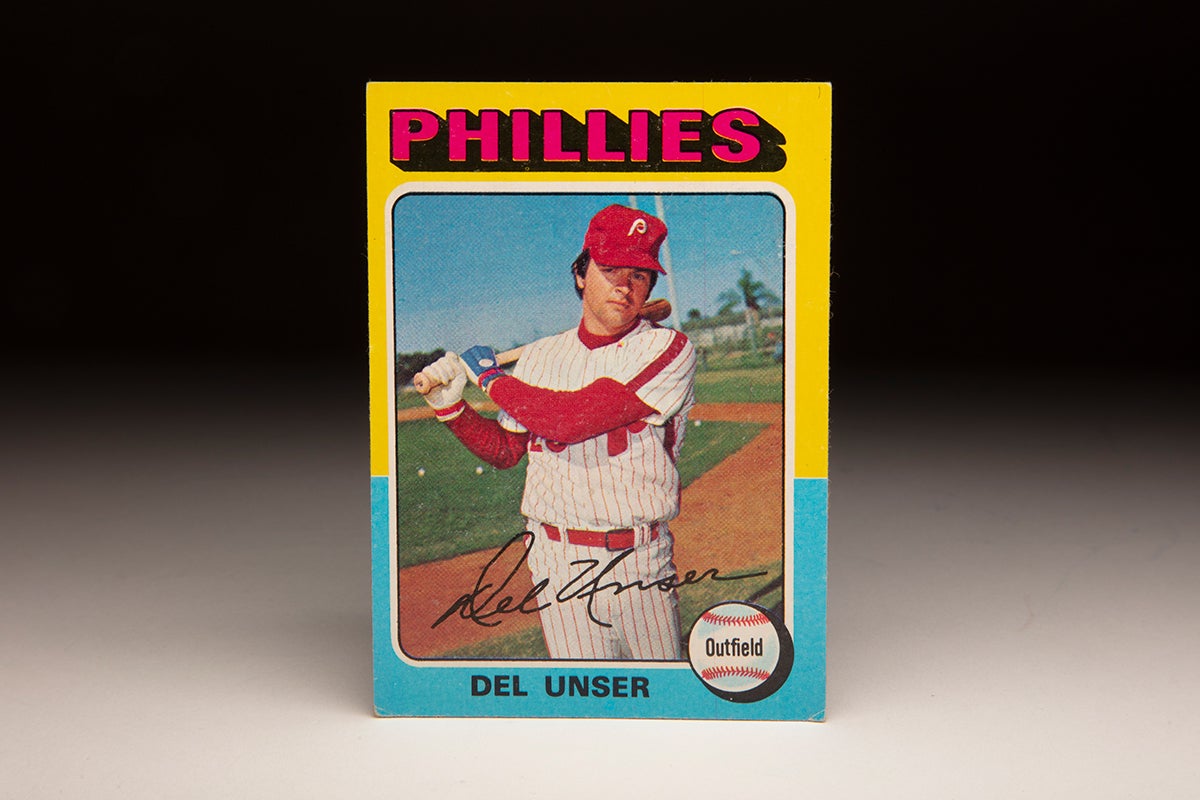
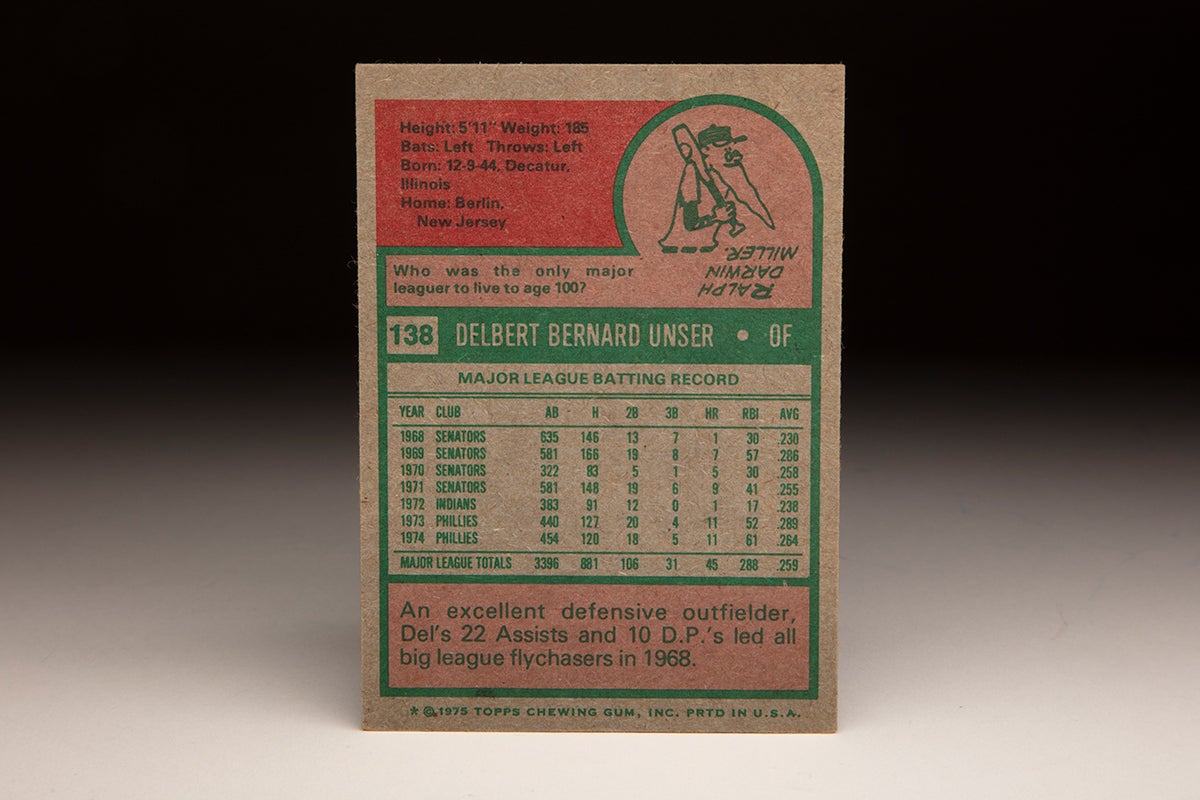
#CardCorner: 1975 Topps Del Unser
For most of his 15 seasons in the big leagues, Del Unser was a serviceable outfielder who regularly bounced from team to team.
But for eight days in October of 1980, Unser became a phenom – and etched his name permanently into Philadelphia sports history.
Delbert Bernard Unser was born Dec. 9, 1944, in Decatur, Ill. He was the third of eight children born to Al and Ruth Unser – with Al having debuted for the Detroit Tigers as a catcher in 1942.
Al Unser played four seasons with the Tigers and Reds before transitioning to roles as a manager and scout.
“I think we had more fun than today’s players do,” Al Unser told the Herald and Review of Decatur in 1993 while he was still farming and scouting for the Phillies near his hometown of Morrisonville, Ill.
Al Unser played regularly in the minors until the mid-1950s and managed into the early 1960s. Ruth Unser would pack up Del and his siblings every summer to go watch their father.
“It was a wonderful education for the kids to see different parts of the country,” Ruth Unser told the Herald and Review.
Del Unser was in uniform for much of his youth with his father’s teams, serving as a ballboy and unofficial assistant. As a result, he matured quickly and made Decatur’s St. Teresa High School team as a freshman, earning headlines in the local paper when he made his first start on the mound in only the fourth game of the 1959 season.
A lefty thrower and batter, Unser graduated from St. Teresa in 1962 after batting .400 that season with a 7-3 record and 1.36 ERA on the mound.
Enrolling at Mississippi State University, Unser joined a Bulldogs team that featured the sons of two other former big leaguers: Claude Passeau Jr. (son of pitcher Claude Passeau) and Bobby Bragan Jr. (son of catcher Bobby Bragan). He continued to pitch and play the field (center field and first base) but slowly gravitated off the mound. By 1965, Unser was considered a top pro prospect as the inaugural MLB Draft approached that June.
“He’s close to being a five-point player,” Orioles scout Harry Craft, who managed the Kansas City Athletics, Chicago Cubs and Houston Colt .45s from 1957-64, told the Herald and Review. “He can beat you with his power, with a bunt, with a stolen base, with his glove. He can throw you out at any base. But most of all, he’s got the desire. That’s the big thing.”
Unser hit .339 for the Bulldogs as a junior and was selected by the Twins in the second round of the MLB Draft, seven spots before the Reds took Johnny Bench – the first future Hall of Famer selected in the draft. But Unser chose to return to school for his senior year – even after the Pirates took him in the fourth round of the 1966 January MLB Draft.
Then in June 1966, the Senators selected Unser – who batted .333 in his senior year at Mississippi State – with the 18th overall pick in the June secondary phase of the draft, a process that was for players who were selected in previous drafts but had not signed.
Unser signed with the Senators on June 28 and reported to Double-A York of the Eastern League. In 39 games with the White Roses, Unser hit .220 with three home runs and 11 RBI as he adjusted to the pitcher-friendly Eastern League.
In 1967, Unser spent the entire season with York, batting .231 with six homers, 32 RBI and 56 runs scored in 138 games while drawing 60 walks. The Senators sent him to the Florida Winter Instructional League after the season, and he hit .347 in 52 games.
In the spring of 1968, Unser unseated Fred Valentine as Washington’s starting center fielder. After grounding out against Minnesota’s Dean Chance as Washington’s leadoff hitter on Opening Day, Unser recorded his first hit in the fourth inning on a bunt single.
It marked the first of seven straight games where Unser hit safely, and he was batting .316 through May. The league began to catch up with Unser in May, and in the Year of the Pitcher Unser batted .230 with 13 doubles, seven triples, a homer, 30 RBI, 66 runs scored and 11 steals in 156 games. Of the 154 games he started, he led off 148 times.
“I think I learned a lot,” Unser told the Decatur Daily Review. “The fields, lights and general conditions are excellent in the majors and the pitching is tough. If there are any patsies around, I didn’t find them.”
In what would in many ways define his career, Unser struggled against lefties as a rookie and hit just .219 against them.
“All the southpaws gave me trouble,” Unser said, listing Tommy John, Dave McNally and “Al Lyle” – soon to be known throughout the game as Sparky Lyle – among the toughest pitchers he faced.
Defensively, Unser led all American League center fielders with 20 assists and 390 putouts. But he also had a defensive WAR of minus 1.8, an indication of his lack of range. His intangibles, however, earned him respect throughout baseball. And in preparation for his future front office role, Unser began work on his master’s degree at Eastern Illinois State University.
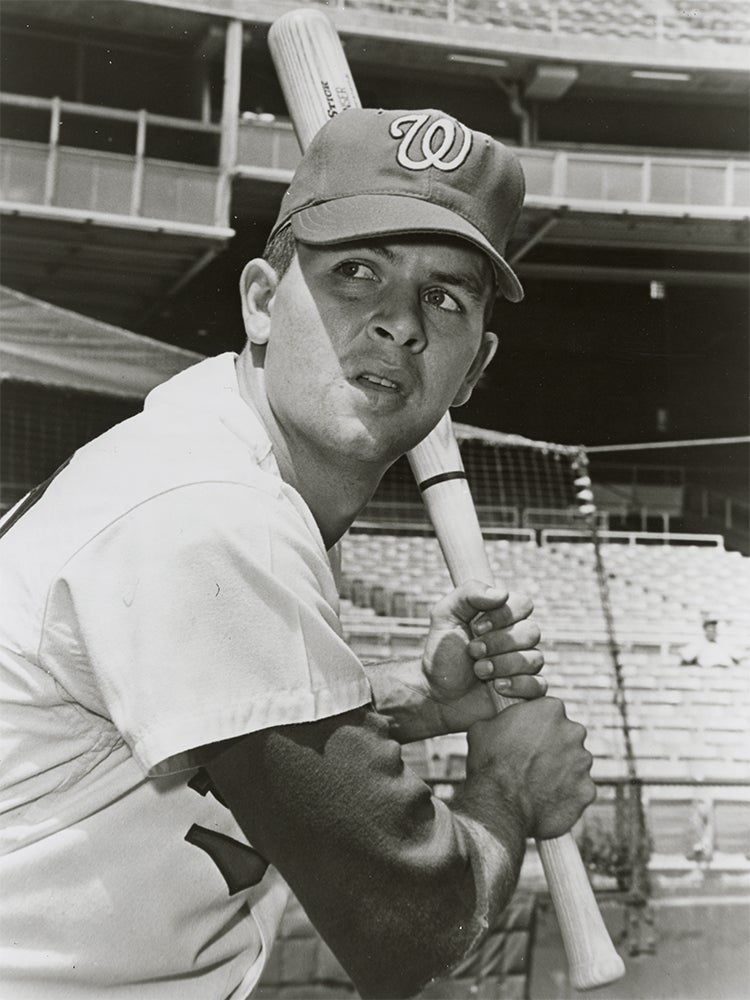
Following the season, the Sporting News named Unser its American League Rookie Player of the Year, edging out the Yankees’ Bobby Cox. Unser finished second in the Baseball Writers’ Association of America’s Rookie of the Year vote behind Yankees’ pitcher Stan Bahnsen.
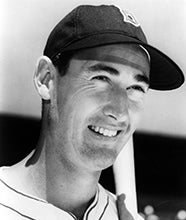
The Senators went 65-96 in 1968, leading owner Bob Short to hire the legendary Ted Williams as manager. Williams inspired the team and helped Unser fine tune his hitting stroke – even while Williams began sitting Unser against certain left-handers.
“I don’t really enjoy being platooned,” Unser told the Decatur Daily Review in 1969. “But it has helped me in a way. I’m staying stronger and (manager) Ted (Williams) says I will be back playing every day in a year or two.”
Unser bought into Williams’ theories on hitting, including using a lighter bat.
“I’ve moved up a little farther in the batter’s box this season,” Unser told the Daily Review. “Moving up has helped me get a better look at a pitch.
“(Williams) just tells it to you like it is. Ted doesn’t care what anybody thinks or what they say. If you are deserving of a little credit or praise, you get it. If you are messing up, you are told about it – but quick.”
Unser helped the Senators shock the league with an 86-76 record by hitting .286 with 19 doubles, an AL-best eight triples, seven homers and 57 RBI. Williams was named the American League Manager of the Year by several outlets, and the future seemed bright in Washington.
But in 1970, Unser pulled a leg muscle early in the season and then suffered a pulled abdominal muscle. In his place, Ed Stroud stepped into the lineup and impressed Williams with his speed, and Unser ended up in a part-time role for much of the rest of the season as Washington went 70-92. Unser hit .258 with five homers and 30 RBI in 119 games.
Following the season, Unser played in the Venezuelan Winter League. The Senators signed Curt Flood to be their 1971 center fielder, but he appeared in only 12 more games after starting on Opening Day. Unser regained the starting center field job in mid-April and kept it the rest of the season, hitting .255 with 19 doubles, six triples, nine homers and 41 RBI in 153 games. It was the Senators final season in Washington, as the franchise became the Texas Rangers in 1972.
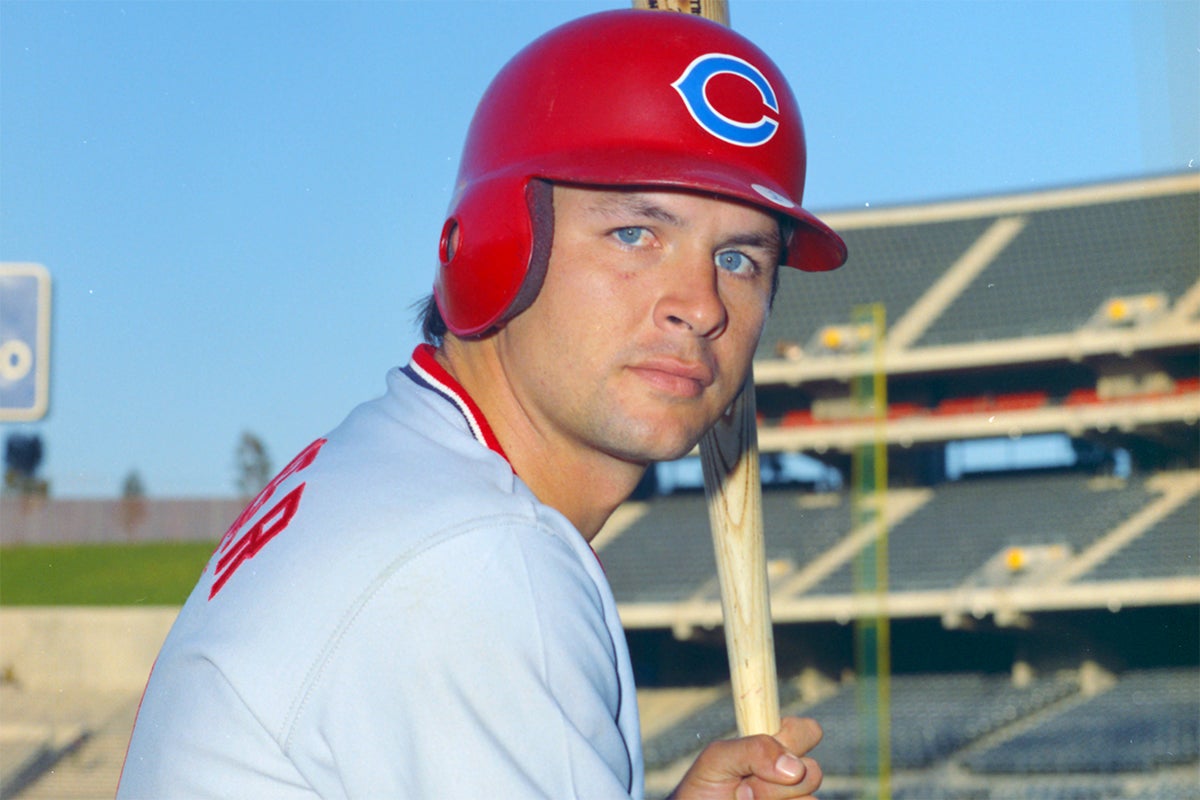
Unser, however, was in Cleveland by then – having been included in an eight-player deal on Dec. 2, 1971. He won the Opening Day job in center field but never got untracked at the plate. He was hitting less than .230 in mid-August when manager Ken Aspromonte moved rookie Buddy Bell to center field and put Unser in right.
Unser continued to struggle against left-handed pitching, hitting .186 for the season. He tried remedies ranging from opening his stance to intentionally looking bad on certain pitches while hoping to get an easy offering on a subsequent delivery.
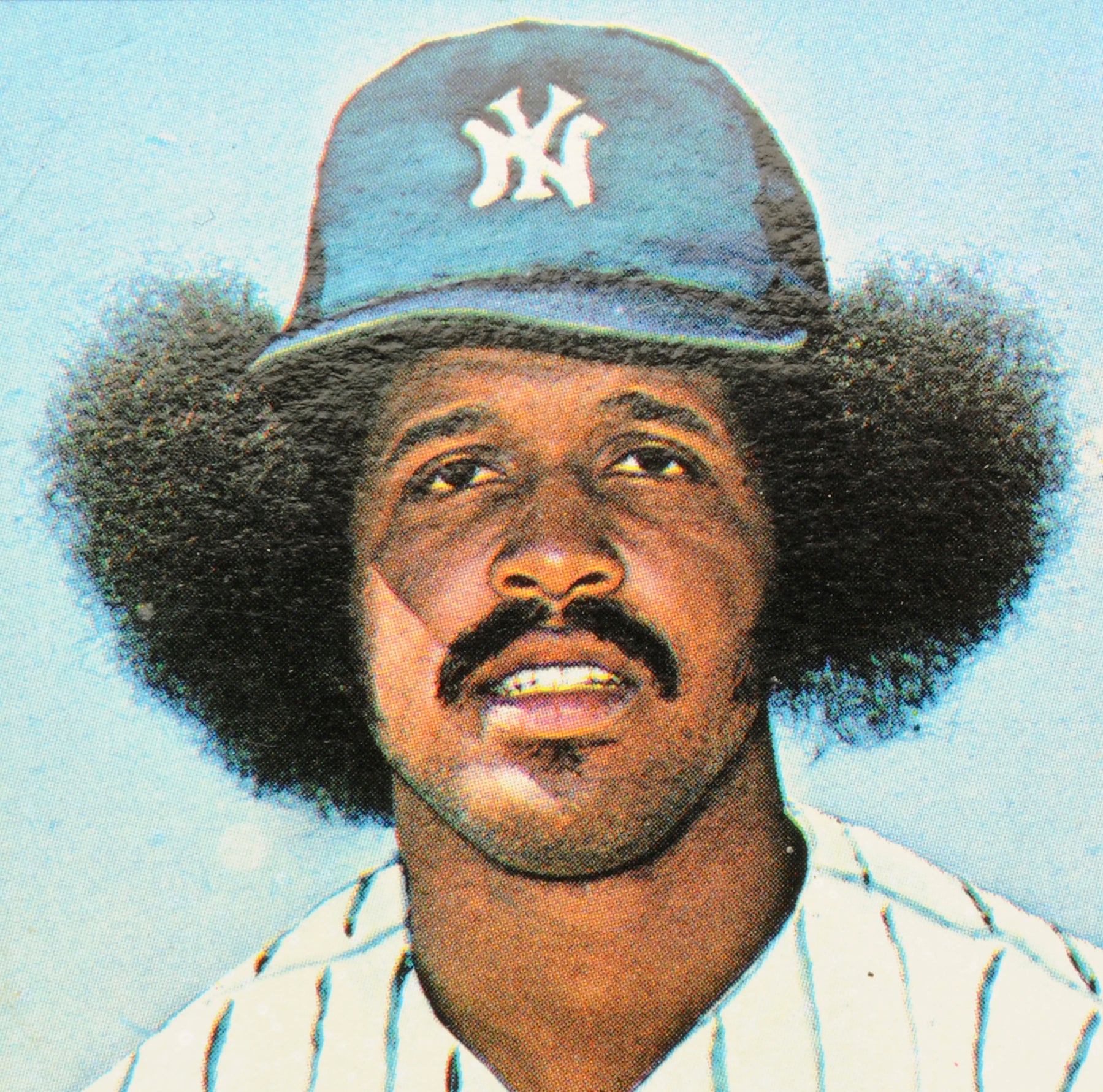
But very little worked. He hit .238 with a homer and 17 RBI in 132 games for Cleveland, and on Nov. 30, 1972, Unser and a minor leaguer were sent to Philadelphia in exchange for outfielders Roger Freed and Oscar Gamble.
It would be the site of his greatest baseball achievements. But there would be bumps along the way for Unser.
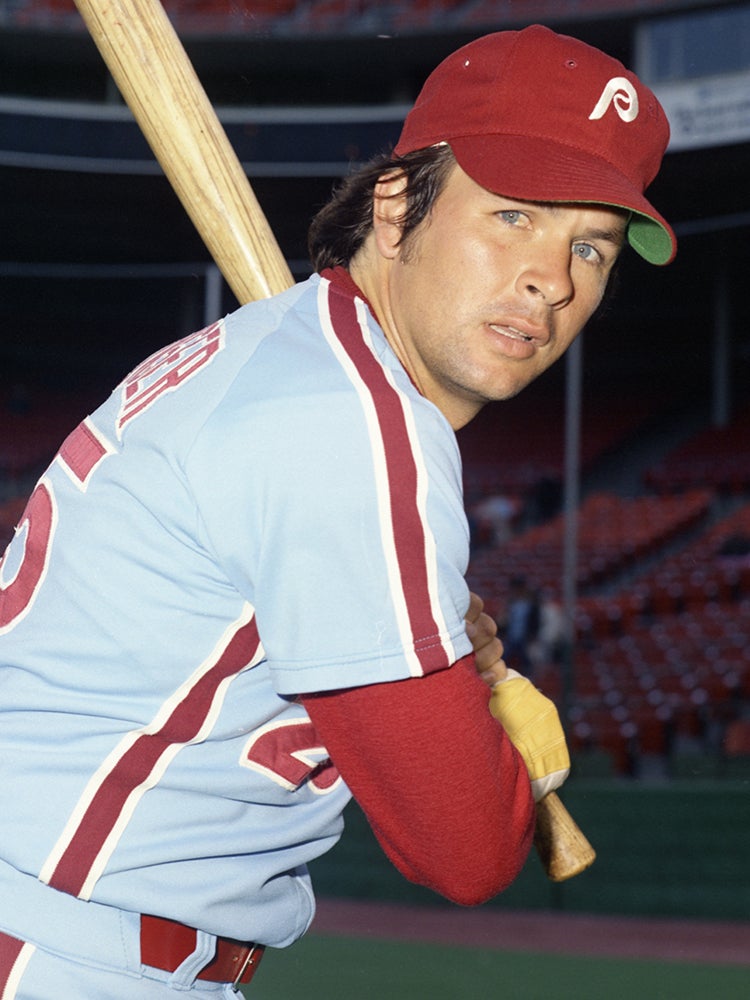
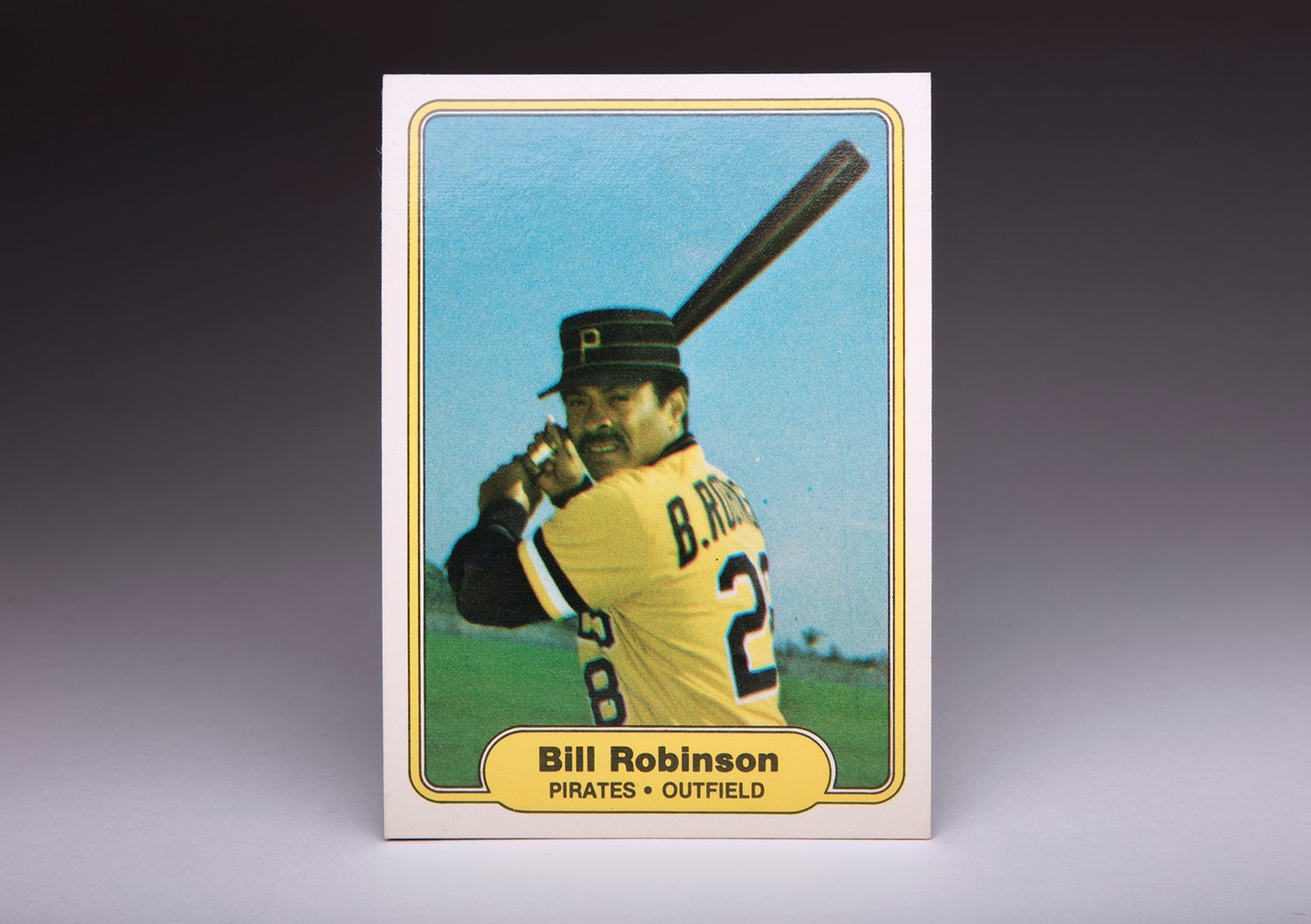
In 1973, Unser hit .289 with 20 doubles, 11 homers and 52 RBI in 136 games. He often platooned with Bill Robinson in center field but was a far better defender than Robinson, leading NL center fielders in assists for the first of three straight seasons while also topping his peers with a .989 fielding percentage. In 1974, Unser made his second straight Opening Day start in center for the Phillies and finished the year batting .264 with 72 runs scored (which turned out to be a career-best), 18 doubles, 11 home runs and 61 RBI.
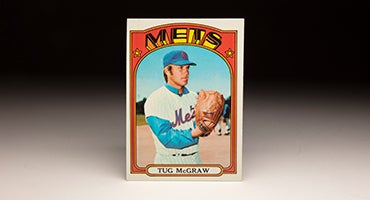
The Phillies went 80-82 that year with a young core of Larry Bowa, Greg Luzinski and Mike Schmidt that seemed to be ready to contend for the postseason. General manager Paul Owens then made a deal that would eventually bring Philadelphia its first World Series title, acquiring relief ace Tug McGraw – along with Don Hahn and Dave Schneck – from the Mets on Dec. 3, 1974.
The key return for the Mets was Unser, who was packaged with Mac Scarce and John Stearns in the trade.
“You have to give to get,” Mets general manager Joe McDonald told the Philadelphia Daily News about trading McGraw and getting Unser, who was expected to fill a void in center field that had existed in New York since Tommie Agee was traded following the 1972 season.
Unser played center field almost every day for the Mets in 1975, batting .294 with 18 doubles, two triples, 10 home runs and 53 RBI. He even graded out above average defensively, and at age 30 appeared to be entering his prime. But the next season would be his final one as a regular player.
On April 20, 1976, Unser was hit on the right elbow by a pitch from the Cardinals’ Lynn McGlothen during a bean-ball war that resulted in an on-field melee. Unser missed the next two games and soon went into a prolonged slump, going 0-for-29 from May 6-16. He was dropped to the eighth spot in the batting order and was hitting .228 through July 20.
The next day, the Mets traded Unser and Wayne Garrett to the Expos in exchange for Jim Dwyer and Pepe Mangual.
“(Unser) will hit mistakes a long way but he’ll also hit a lot of line drives,” Expos pitcher Steve Rogers told the Montreal Star after the trade. “And he’s a good, solid outfielder.”
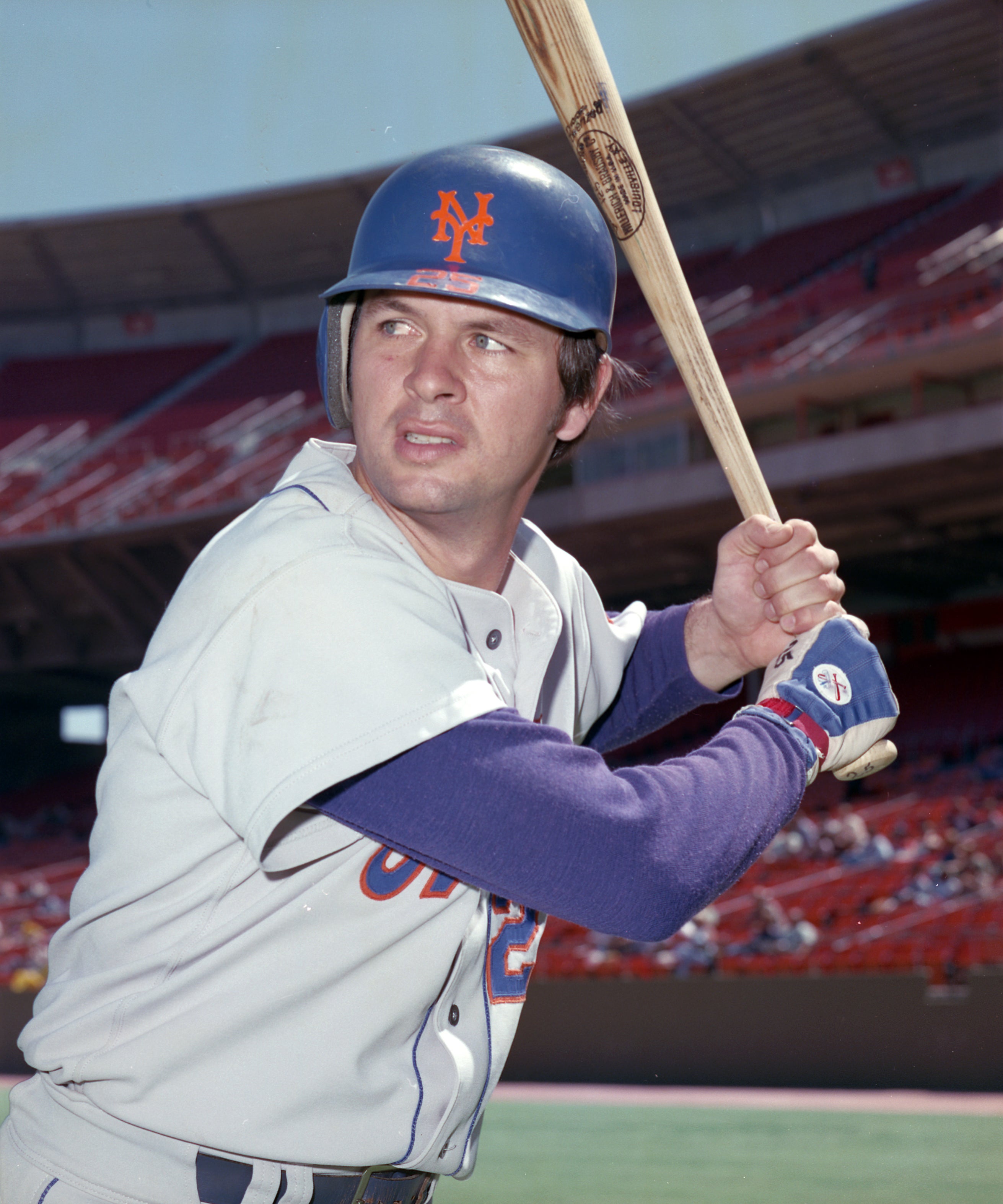
But the Expos were in the middle of a season that would see them lose 107 games, and Unser was unable to help stem the tide. He batted .227 in 69 games for Montreal, finishing the year with a .228 batting average, 12 homers and 40 RBI in 146 games.
In 1977, Dick Williams took over as Montreal’s manager – and he installed youngsters Warren Cromartie, Andre Dawson and Ellis Valentine as starters in the outfield. Unser played well off the bench, batting .273 with 12 homers and 40 RBI in 113 games.
But with a similar status in 1978, Unser slumped. He appeared in 130 games – many times as a defensive replacement for Tony Pérez at first base – but totaled just 35 hits while batting .196 with two homers and 15 RBI. He became just the second player in baseball history – after the Phillies’ Jerry Martin in 1976 – to appear in at least 130 games in a season and record 35 or fewer hits.
When he became a free agent following the season, Unser found few offers even after being selected by five teams in the re-entry draft. But one of those teams was the Phillies, and general manager Paul Owens invited Unser to work out with the team while he looked for a roster spot with other clubs.
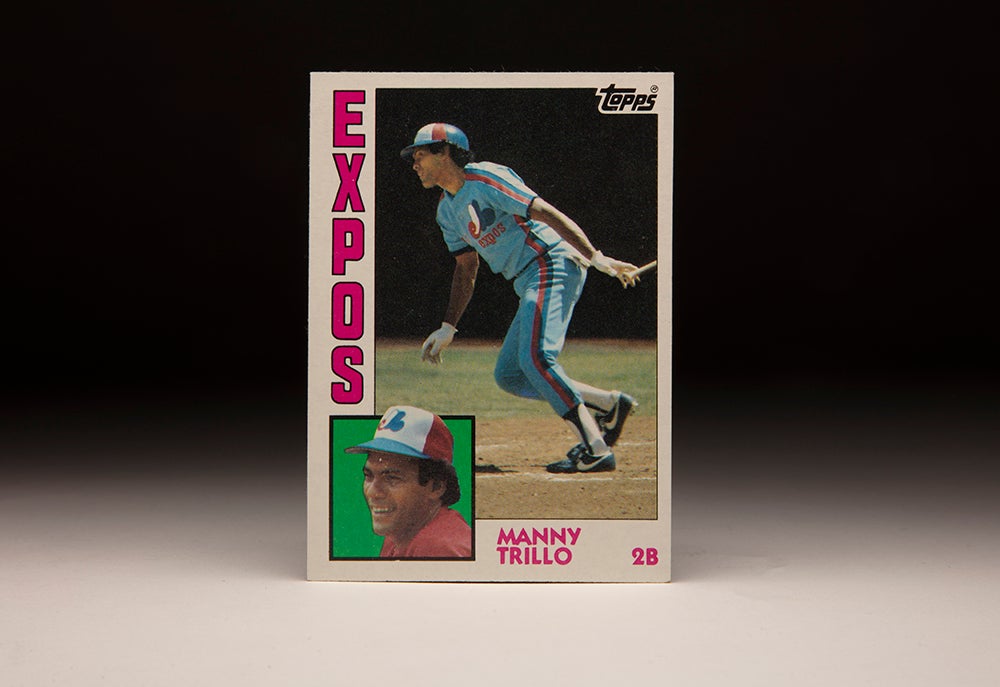
“I don’t know where I’ll play,” Unser told the Daily News during his first day in camp on March 5 when he had to borrow a uniform from infielder Manny Trillo. “But I appreciate the Phillies giving me a chance to work out and get in playing shape.”
With his trademark professionalism, Unser earned a spot on the Phillies bench. He would soon become one of the most accomplished pinch-hitters in the game.
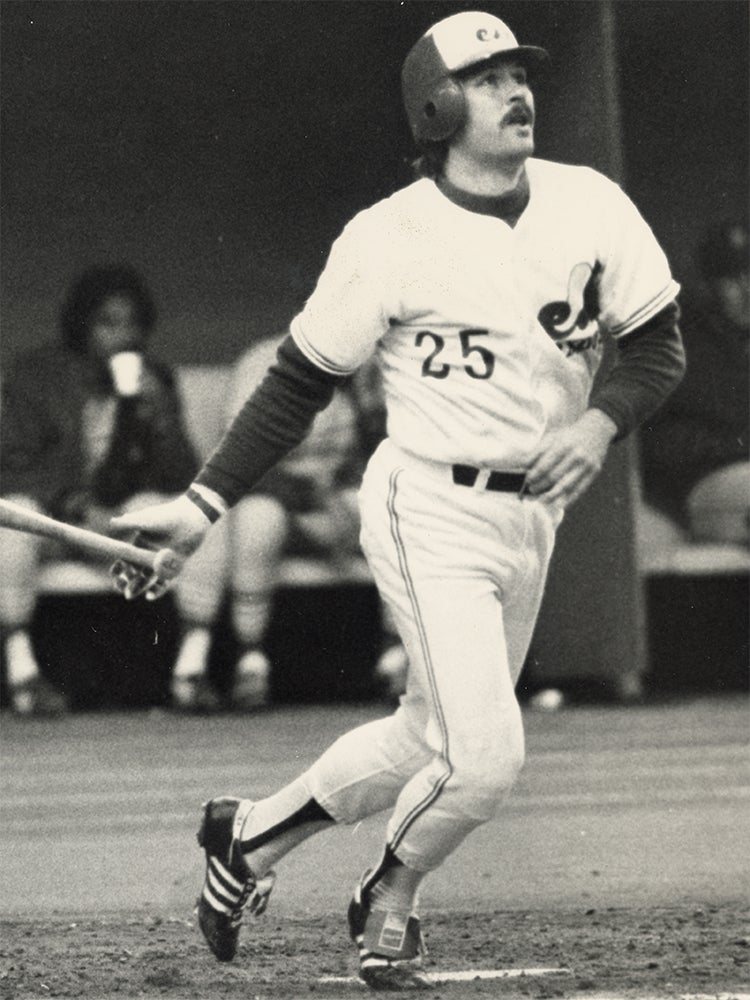
Unser set a new record by hitting home runs in three straight pinch-hit at-bats June 30, July 5 and July 10. The homers came in consecutive plate appearances for Unser (he appeared in one game during the streak as a defensive replacement) and culminated with a three-run, walk-off home run against Rollie Fingers that gave Philadelphia a 6-5 win over the Padres.
“For me, this thrill was just a little bit above all the others put together,” Unser told the Daily News. “It has to rank A-1. I haven’t felt that excited after a game in I don’t know how long.”
Unser went 14-for-46 (.304) with four home runs and 14 RBI as a pinch-hitter in 1979, finishing the season batting .298 with six homers and 29 RBI in 95 games. But the Phillies were unable to win their fourth straight National League East title, and some speculated that their championship window had closed. But 1980 would prove to be a magical season for the team – and Unser.
Unser played 96 games in 1980, batting .264 with 10 RBI. As a pinch-hitter, he hit .316 with six RBI.
The Phillies won the NL East for the fourth time in five seasons and faced the Astros in the NLCS. In a five-game series that was one of the closest LCS in history, Unser made his postseason debut as a defensive replacement in Game 1 before going a combined 0-for-3 (including two pinch-hitting appearances) in the next three games.
But in Game 5, Unser’s pinch-hit, eighth inning RBI single scored Greg Gross to tie the game at 5 after Houston entered the frame leading 5-2 with Nolan Ryan on the mound. Trillo followed with a triple to score Unser and Ramón Avilés to give Philadelphia a 7-5 lead.
Unser remained in the game as the right fielder, and Houston scored two runs in the bottom of the eighth to tie the score. Then in the 10th, Unser doubled off Frank LaCorte with one out. After Trillo flew out, Garry Maddox doubled to score Unser and give the Phillies the lead.
Dick Ruthven set down the Astros in order in the bottom of the 10th to give Philadelphia the pennant. Unser, meanwhile, would continue his hot streak in the World Series against Kansas City.
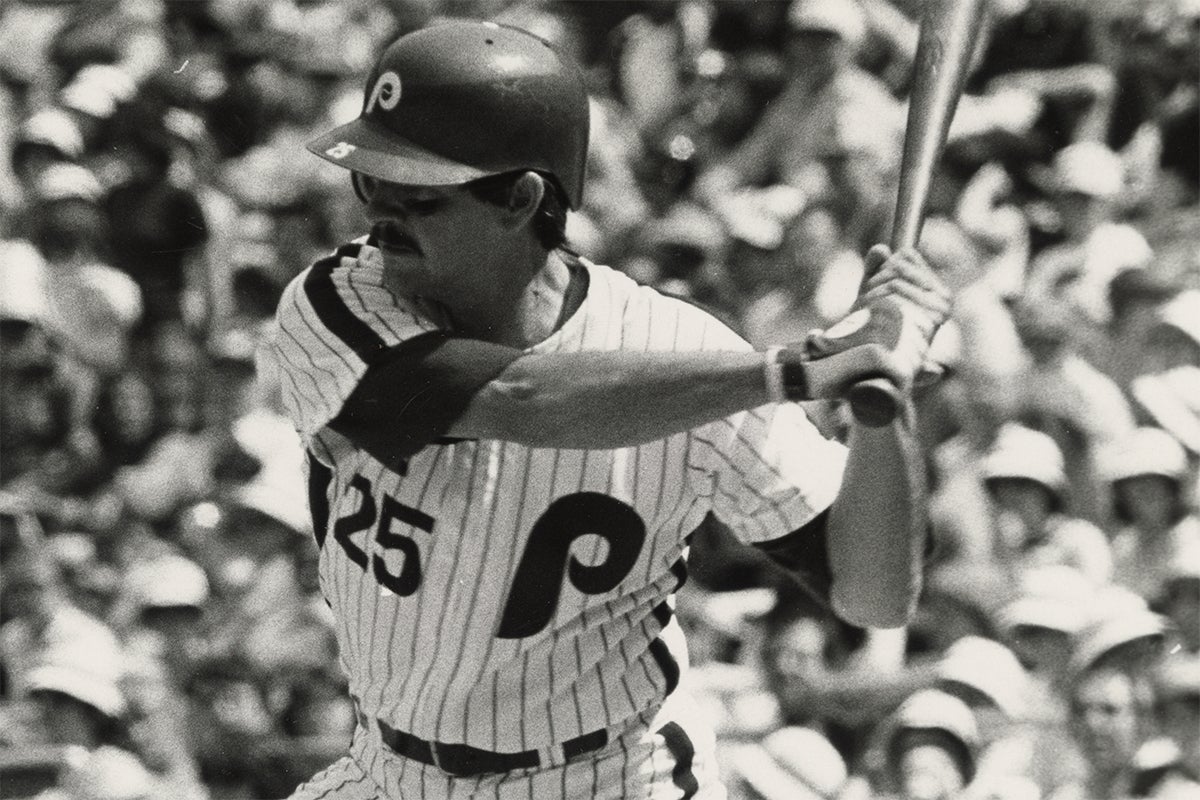
In Game 2, the Phillies trailed the Royals 4-2 entering the bottom of the eighth when Bob Boone led off with a walk against relief ace Dan Quisenberry. Philadelphia manager Dallas Green called on Unser to pinch-hit for Lonnie Smith, and Unser doubled to center to score Boone and cut the deficit to one run. After Pete Rose grounded out, Bake McBride singled home Unser to tie the game. Mike Schmidt then doubled home McBride and Keith Moreland followed with a single to score Schmidt, giving Philadelphia a 6-4 win that put the Phillies ahead in the series 2-games-to-zero.
The Royals followed with two wins to tie the series – Unser started Game 4 in left field and went 1-for-4 – setting up the crucial Game 5. With the Phillies trailing 3-2 in the ninth, Schmidt led off with an infield single off Quisenberry. Green then called on Unser to hit for Smith again, and Unser doubled to right to score Schmidt and tie the game.
After Moreland bunted Unser to third and Maddox grounded out, Trillo lined an 0-2 pitch off Quisenberry’s glove and beat out an infield single, scoring Unser with the go-ahead run.
McGraw, who was in the midst of a historic postseason run, worked around three walks in the bottom of the ninth to preserve the 4-3 victory. Two days later, the Phillies won Game 6 to capture the first World Series title in franchise history.
During the postseason, Unser was 5-for-11 (.455) with three RBI as a pinch-hitter.
“That man deserves every accolade he gets,” Mike Schmidt told the Daily News after Game 5 of the World Series. “Words can’t begin to express how good I feel for Del Unser. He worked too hard, too long, not have this moment. He’s put too much time into the game not to get his share of the glory. There isn’t a man in this room who has done his job any better than Del Unser has done his this year.”
Following the season, Unser agreed to a two-year deal to remain with the Phillies.
“It’s not one of the biggies,” Unser told the Daily News about the contract terms. “But it’s very big to me in the sense that I’ll be around for two more years to savor what the Phillies achieved last season.
“In 1979, I was about to get out of the game, and I was given the opportunity to become a meaningful member of this current ballclub. I can’t forget that and it was foremost in my thinking throughout. Philadelphia is our professional home.”
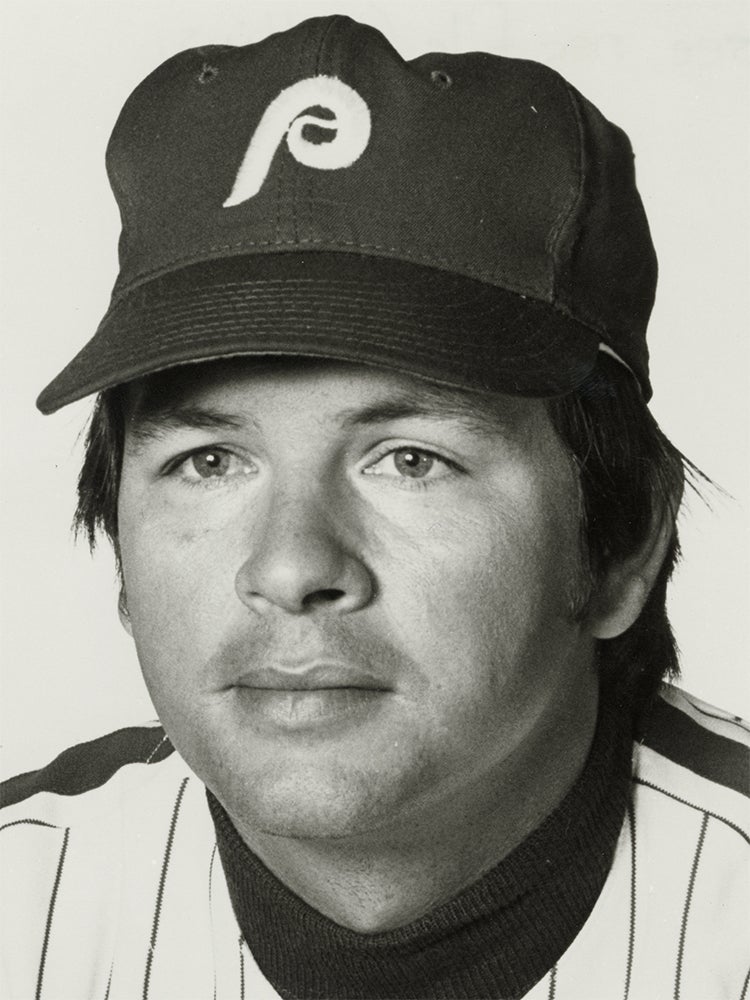
But Unser was unable to recapture his pinch-hitting magic in 1981, batting just .153 in 62 games. He did not appear in the Division Series against the Expos as the Phillies were eliminated from the postseason.
After going 0-for-14 over 19 games – including 0-for-11 as a pinch-hitter, Unser was released on June 8, 1982 – a move that ended his playing career. He immediately started operating his own sporting goods company in California, where he lived during his playing days.
“To a certain extent, (leaving baseball) was calculated,” Unser told the Daily News in 1983. “I was a little upset with the way I was being used (in 1982), early in the game, and also upset because I wasn’t producing. Atlanta and another team showed some interest…but I had an opportunity to buy into this (sporting goods company) and I grabbed it.”
But by 1984, Unser returned to the Phillies as a minor league instructor. He joined manager John Felske’s big league coaching staff a year later, remaining in uniform until midway through the 1988 season.
By 1989, Unser had moved into the front office and soon took over as player development director. He helped the Phillies build the team that would win the 1993 National League pennant before being dismissed in 1998 and heading into semi-retirement as a scout.
Over 15 big league seasons as a player, Unser hit .258 with 1,344 hits, 179 doubles, 87 home runs and 481 RBI. More than 62 percent of his games came as a center fielder, but Unser will always be remembered for his success as a pinch-hitter.
“With (Phillies managers) Danny Ozark and Dallas Green, I almost knew exactly when I’d be used,” Unser told the Daily News. “I could prepare mentally and physically. In the seventh, eighth and ninth innings, I’d run up and down the ramp, swing the bat – do whatever was necessary to help me get a base hit later on.”
Many of those base hits helped the Phillies finally earn a World Series title.
“I think I became good at pinch-hitting because my career motivation had changed,” Unser told the Daily News in 1983. “Other people could do better than I could in a starting situation so my situation became, ‘How can you stay in the game and be a contributing member of a team?’ Pinch-hitting became the way.”
Craig Muder is the director of communications for the National Baseball Hall of Fame and Museum