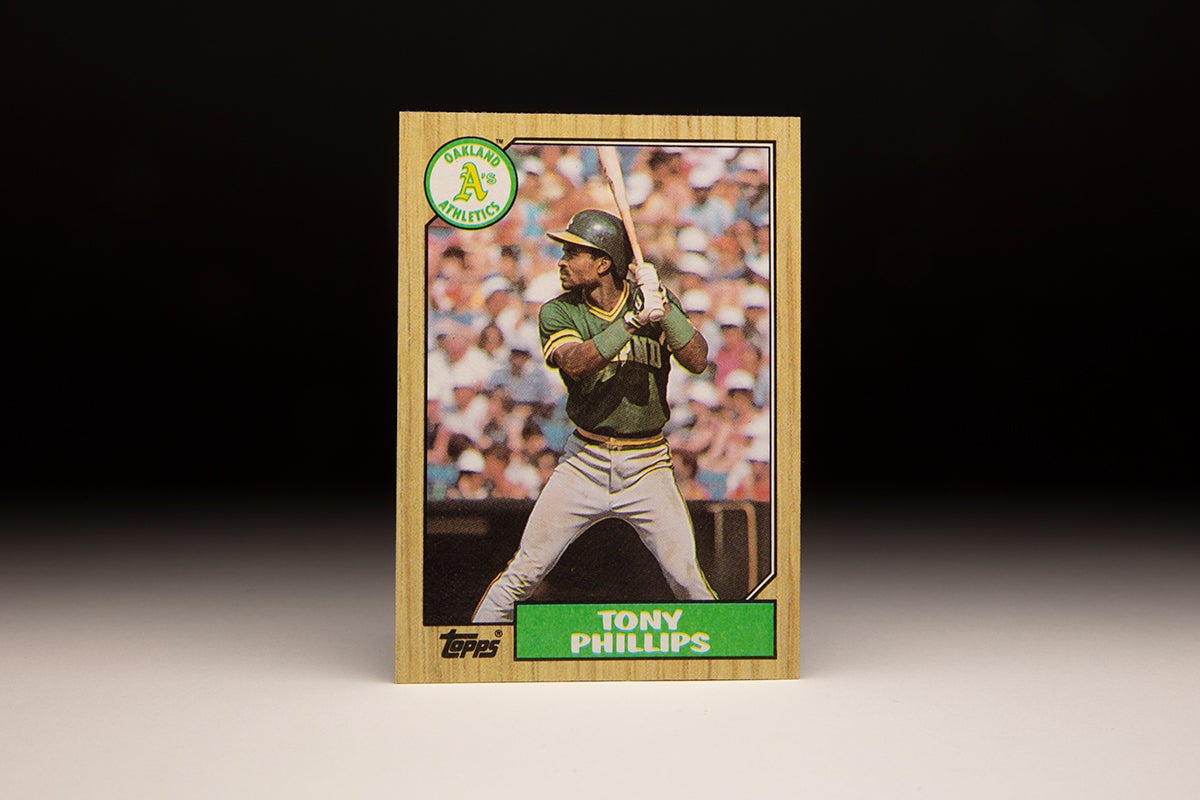
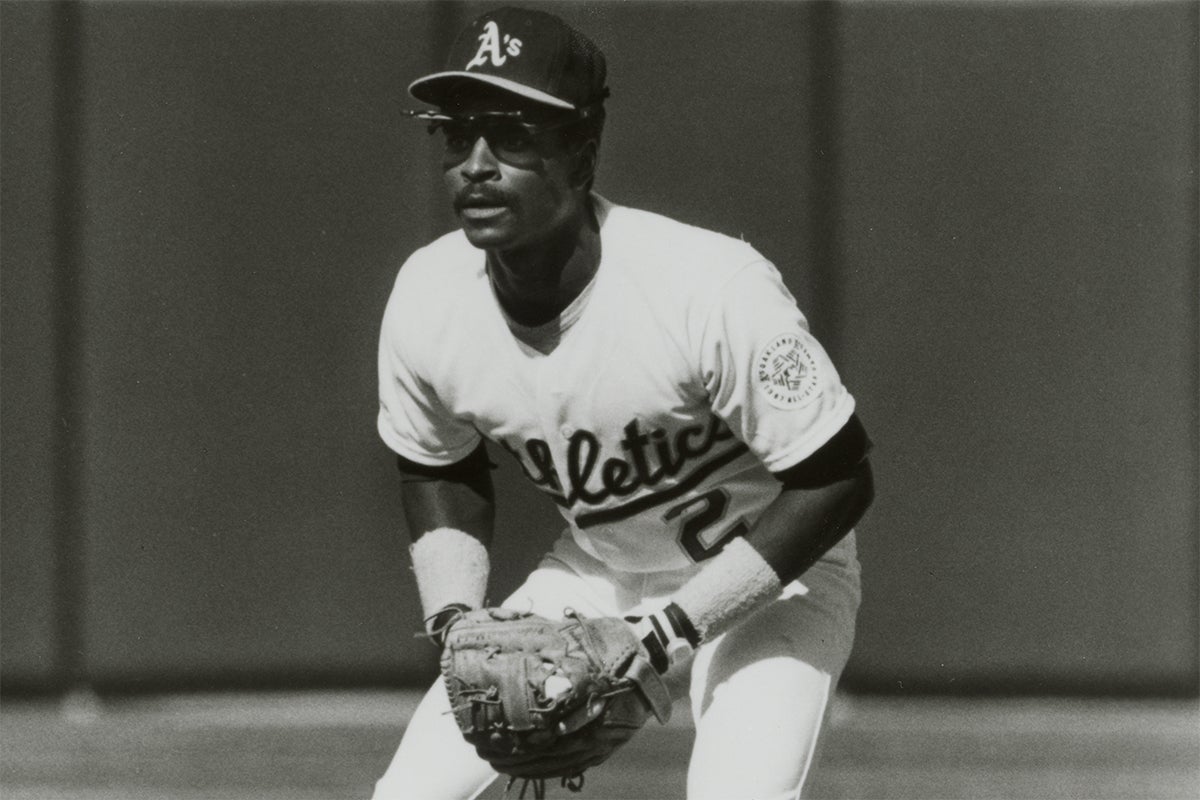
#CardCorner: 1987 Topps Tony Phillips
He played more than 250 games at four different positions on the diamond, becoming one of the most successful utility players the game has known.
But Tony Phillips was also a World Series champion who totaled five seasons with at least 100 walks (and another with 99) while amassing a lifetime Wins Above Replacement figure that was among the best of his era.
Had he emerged in today’s game, modern metrics would have rated Phillips among the most valuable players on the diamond.
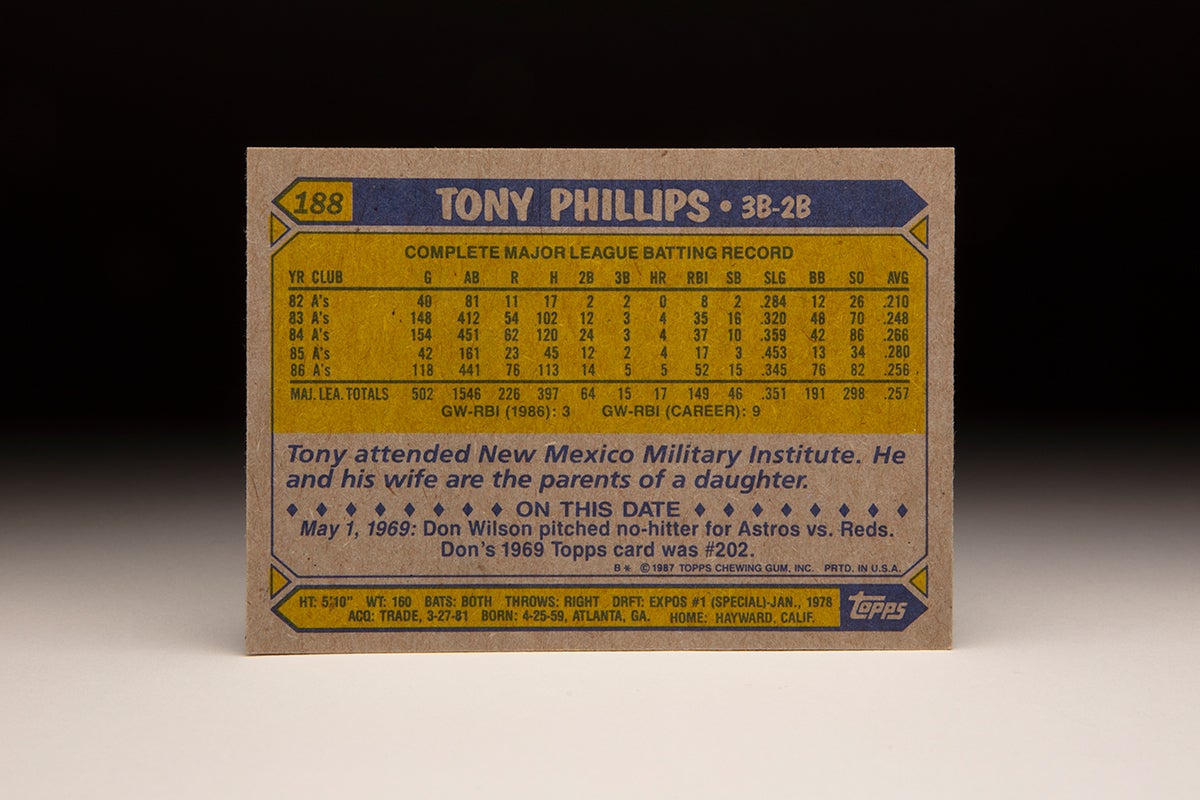
Keith Anthony Phillips was born April 25, 1959, in Atlanta. A basketball and baseball star at Roswell (Ga.) High School, Phillips was selected in the 16th round of the 1977 MLB Draft by the Mariners but did not sign. Recruited by Clemson University, Phillips was encouraged by the Tigers’ coaches to enroll at New Mexico Military Institute, a junior college located in Roswell, N.M.
A few months later, the Expos took Phillips with the 10th overall pick in the MLB January-Secondary Phase draft for college players.
“I went out to New Mexico for school but I stayed only one semester,” Phillips told the Columbus (Ga.) Ledger in 1980. “That January, Montreal drafted me in the first round and I decided to sign with them. I told myself then that someday I’d make the big leagues…or quit when somebody at that level told me I wasn’t good enough to play.”
Phillips signed and played 84 games in 1978 with Jamestown of the New York-Penn League and West Palm Beach of the Florida State League, hitting a combined .184. But he drew 36 walks to boost his on-base percentage to .312, a harbinger of his future big league success.
In 1979, Phillips played for West Palm Beach and Double-A Memphis, hitting .253 with a .351 OBP in 112 games at shortstop and second base. Then in 1980 – the same year his older brother Leonard played his only pro season with West Palm Beach – Phillips hit .249 while drawing 98 walks and stealing 50 bases for Memphis.
“There’s very little (Phillips) hasn’t done for us,” Memphis manager Larry Bearnarth told the Ledger. “But the thing I like most about Tony is his attitude. The kid just loves to play baseball.”
Phillips was thought by many to be the Expos’ shortstop of the future. But on Aug. 31, 1980, Montreal went all-in pursuing the National League East title and traded Phillips to the San Diego Padres in exchange for veteran first baseman Willie Montañez.
The Expos fell short of the playoffs as Montañez hit just .211 in 14 games. Phillips, meanwhile, never played a game in the Padres organization: On March 27, 1981, he was traded to the Oakland Athletics with Kevin Bell and a minor leaguer in exchange for pitcher Bob Lacey and minor league pitcher Roy Moretti, who would never make the majors but would be immortalized in Roger Kahn’s 1985 book “Good Enough to Dream” about the 1983 Utica Blue Sox.
The A’s sent Phillips to Double-A West Haven of the Eastern League, where he hit .247 with 25 doubles, 64 RBI, 40 steals, 67 walks and 79 runs scored while earning a promotion to Triple-A Tacoma. Appearing in all his games in the field with West Haven as a shortstop, Phillips was ranked as the second-best prospect at short (and the No. 2 prospect overall) in the league behind only Reading Phillies phenom Julio Franco.
Sent back to Tacoma to start the 1982 campaign, Phillips was called up to the big leagues on May 10 and made his MLB debut that night against Baltimore, going 0-for-4 with a run scored. He would see regular starts at shortstop over the next two months before being sent back to Triple-A for the rest of the season in July.
It was a move by Oakland manager Billy Martin that shook Phillips’ confidence.
“If I could get through that,” Phillips told the Oakland Tribune in 1984, “I can get through anything.”
He finished the year batting .210 in 40 games for Oakland but hit .297 with a .432 on-base percentage for Tacoma, drawing 73 walks and stealing 29 bases in 86 games.
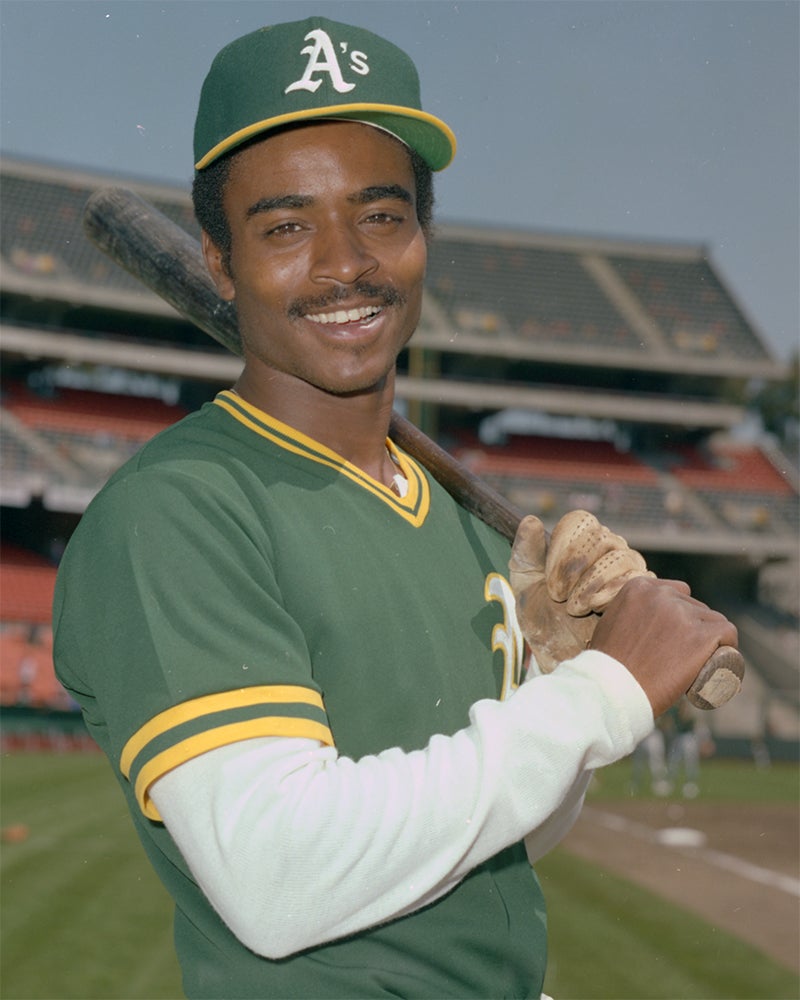
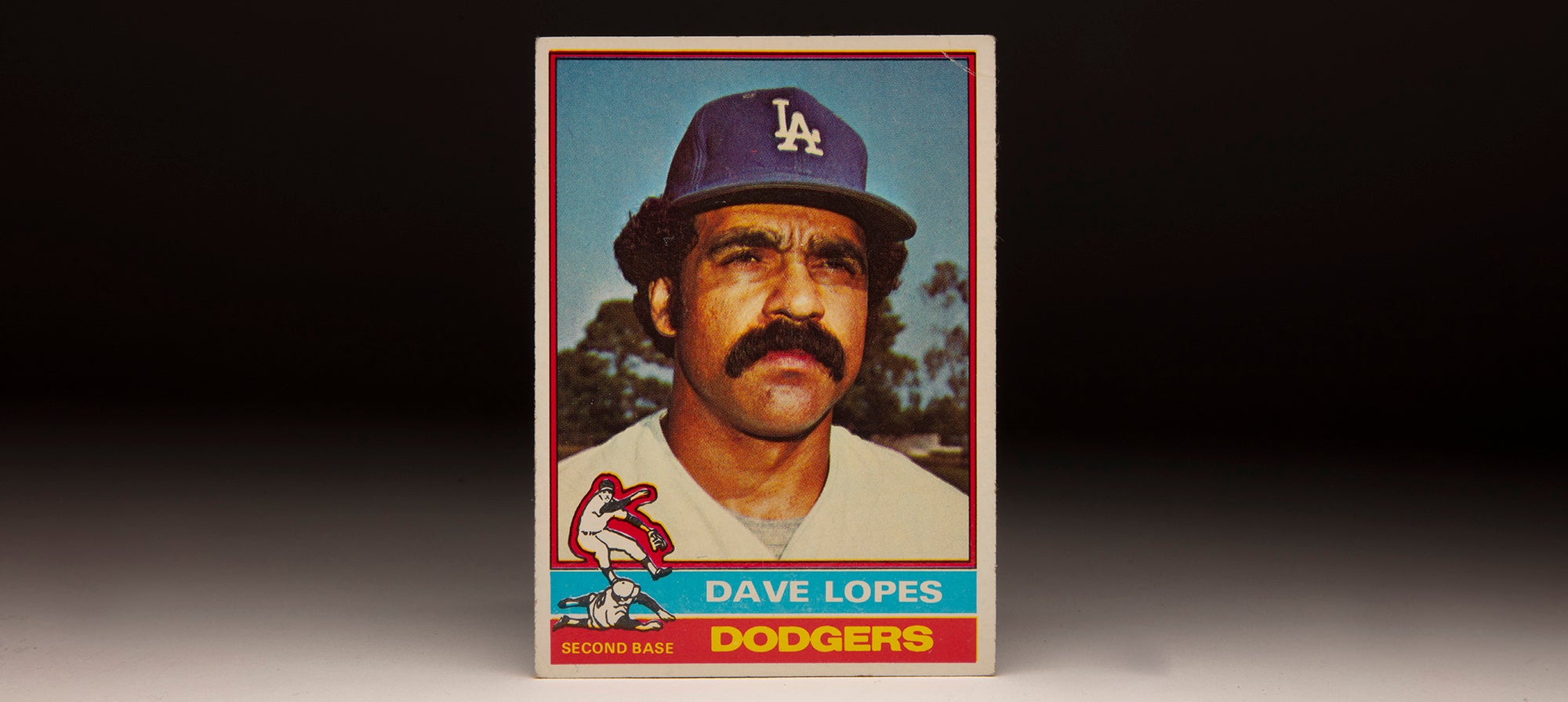
In 1983, new manager Steve Boros made Phillips his Opening Day shortstop. Phillips worked diligently with hitting coach Billy Williams, especially from the left side of the plate – where the switch-hitting Phillips was always weaker. Phillips was paired with veteran Davey Lopes as Oakland’s double play combo, and Phillips finished the season batting .248 with a .327 on-base percentage and 16 steals in 148 games. He played most of his games at shortstop but also saw action at second base as the A’s worked to keep Lopes, who turned 38 that season, fresh during the summer months.
But Phillips struggled with off-the-field issues when he was separated from his girlfriend and young daughter.
“Once you get to the big leagues, you have the talent,” Phillips told the Oakland Tribune in 1984. “The only thing that can take you away is yourself. You can be your own worst enemy. I’m just glad Oakland gave me the opportunity to adjust.”
The A’s brought in veteran Joe Morgan to play second base in 1984, and Donnie Hill started at shortstop on Opening Day. But Phillips reclaimed the starting job in May and kept it for most of the rest of the year, finishing with a .266 batting average and .325 on-base percentage in 154 games.
Eligible for arbitration for the first time, Phillips agreed to a one-year deal worth $220,000 plus incentives for 1985. The A’s moved him to second base following Morgan’s retirement, but Phillips suffered a broken left foot prior to Spring Training and then rebroke it a month later. He did not get into a big league game until August and finished the year batting .280 in 42 games.
In 1986, Phillips began the year at second base, hit for the cycle on May 16 (becoming the first Oakland A’s player to do so) and missed most of the final month-and-a-half with a right knee injury. During the summer, Tony La Russa became Oakland’s new manager. He would soon deploy Phillips as one of the top utility men of the era.
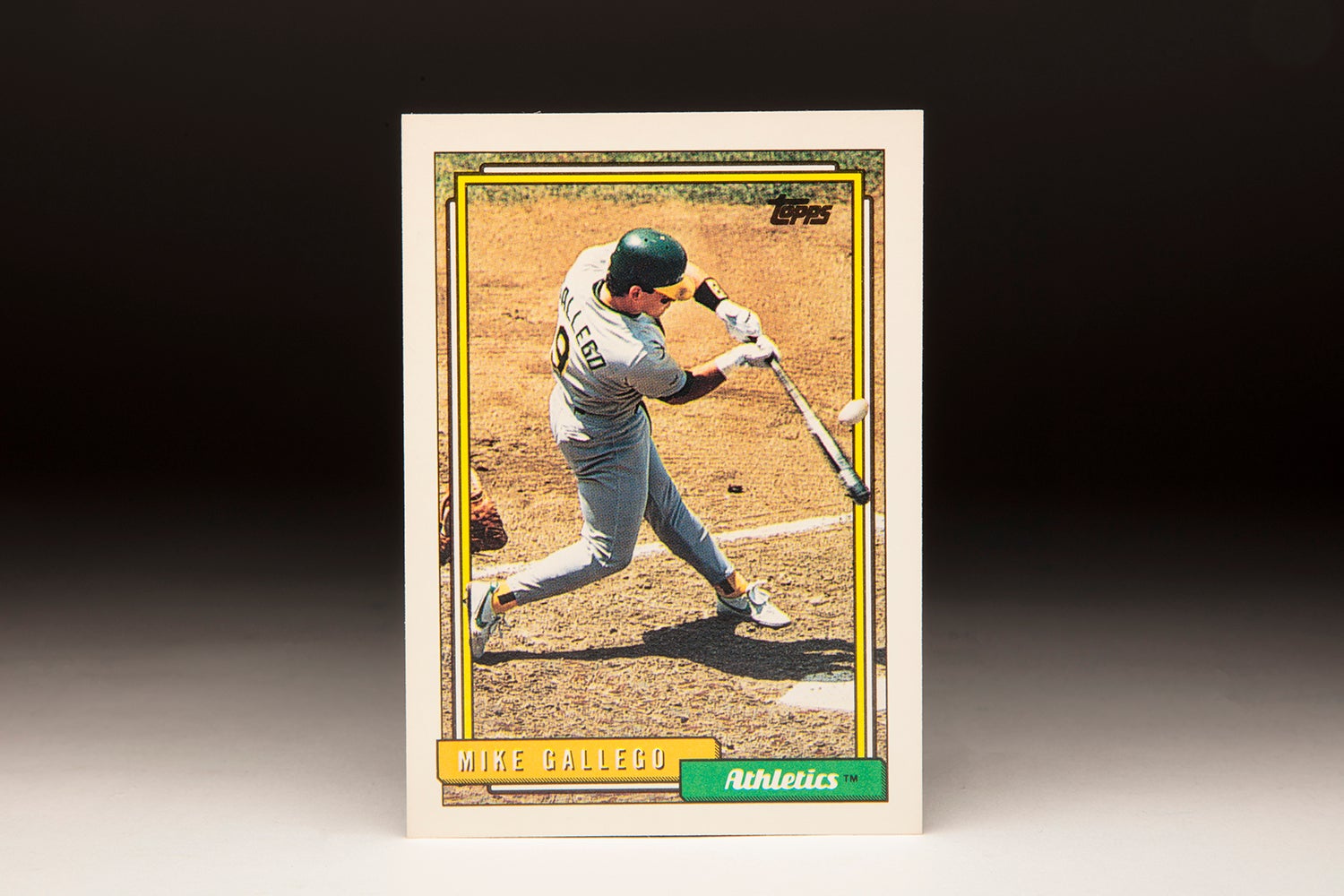
Phillips began 1987 as the starting second baseman. But toward the end of the season – after Phillips was sidelined for six weeks with a fractured wrist – La Russa moved Mike Gallego into the lineup and used Phillips off the bench. Phillips finished the year batting .240 with a career-high 10 home runs and a .337 on-base percentage. But with Gallego gaining favor with La Russa, the Athletics released Phillips on Dec. 21.
“We wanted to try to sign (Phillips) for less money than we would have been able to under the 20-percent cut rule,” Athletics director of baseball administration Walt Jocketty told the Oakland Tribune.
On March 9, 1988, Phillips returned to the A’s on a one-year deal worth a reported $200,000. It would be a reunion that would help Oakland advance to the World Series.
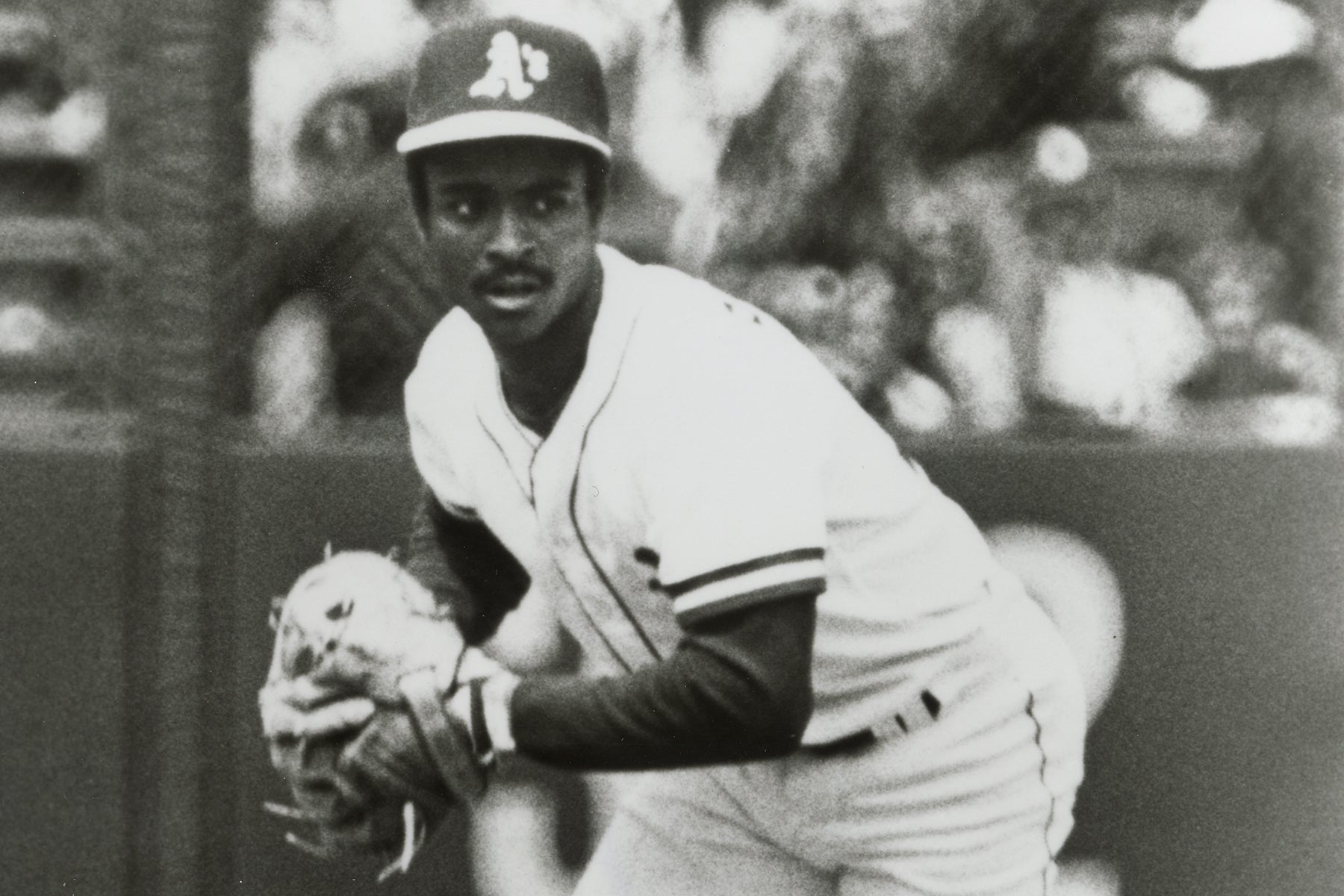
Phillips started on Opening Day at second base but quickly found himself bouncing all over the diamond as La Russa mixed and matched his lineups around young sluggers José Canseco and Mark McGwire. Phillips finished the season batting .203 but had a .320 OBP and gave La Russa flexibility in his lineup choices with his ability to play infield or outfield.
Oakland won 104 games to run away with the American League West title, and Phillips was the Athletics’ starting left fielder in Game 1 of the ALCS vs. the Red Sox. He would appear in four postseason games that fall, going a combined 3-for-11 (.273) with two walks as the A’s swept Boston before being upset by the Dodgers in the World Series.
Twelve months later, Phillips would carve his name into Athletics history.
After agreeing to a one-year deal worth $375,000 for 1989, Phillips started in left field on Opening Day before logging starts at third base and second in the first 21 games of the year. He would appear in 84 games at second, 49 at third, 17 at short, 12 in left field, four in right and even once at first base. Batting .262 with a .345 OBP over 143 games, Phillips helped the A’s win 99 games and another AL West crown.
“It’s tough to stay sharp when you’re not in there every day and you’re trying to get something going,” Phillips told the Atlanta Journal in 1989. “It’s a lot easier when you’re out there every day and have opportunities to adjust.
“It was lucky for me we got to the World Series last year. I think that helped me hang around and was why they wanted me back.”
Assuming the regular second base job when Glenn Hubbard was released at the end of July, Phillips played in all nine games for the Athletics in the postseason – making seven starts at second and two at third. He hit .200 (7-for-35) with two walks, homering in the fourth inning of Game 3 of the World Series against the Giants to give Oakland a 4-1 lead in a game the A’s would win 13-7 to take a 3-0 lead in the Fall Classic.
“If the big guys don’t do it, we chip in,” Phillips told the Oakland Tribune about the Athletics’ balanced offense. “If we don’t do it, the big guys do. If neither one of us do it, the pitchers come through.”
The next night in Game 4, Phillips fielded a ground ball off the bat of Brett Butler and threw to pitcher Dennis Eckersley at first base to record an assist on the final out – giving the Athletics the title. By appearing at three defensive positions – second, third and left field – Phillips tied a World Series record.
It would be the last postseason game of Phillips’ career and his last game with the A’s until 1999.
Now a free agent, Phillips parlayed his versatility into a three-year deal with the Tigers worth $3.5 million. He became just the second big league free agent the Tigers signed in the 1980s, following Darrell Evans in 1983.
“I’m really happy for him,” Tigers manager Sparky Anderson told the Oakland Tribune. “I’m happy for me, too. I really feel his being a switch-hitter can help us. He can steal some, too.”
Phillips’ greatest value, however, was his versatility and plate discipline. In 1990, he batted .251 with 97 runs scored, 55 RBI, 19 steals and 99 walks while mostly playing third base. He was even better in 1991, hitting .284 with 87 runs, 17 homers, 72 RBI, 10 steals and 79 walks while appearing in at least 13 games at six different positions, including DH. He became the first player in AL/NL history to start at least 10 different games at five positions.
Then in 1992, Phillips led all of MLB with 114 runs scored while hitting .276 with 32 doubles, 10 homers, 64 RBI and 114 walks. He became the first Tigers player since Norm Cash and Rocky Colavito in 1961 to have 100 runs and 100 walks in one season.
With his contract expiring, Phillips was offered arbitration by the Tigers and continued negotiating with them. He soon signed a three-year deal worth $10.6 million.
But what Phillips wanted even more than money was a chance to play on another winner. From 1990-92, the Tigers suffered two losing seasons over those three campaigns.
“I was a winner,” Phillips told the Detroit Free Press in the early days of the 1993 season. “I was a world champion, and that’s how I felt. When I first signed on (in Detroit), it wasn’t all about my numbers because they weren’t that good. They brought me here for my ability to do whatever it takes to win and because I play hard.
“That’s the way I was taught to play the game by Davey Lopes and Dusty Baker and Joe Morgan.”
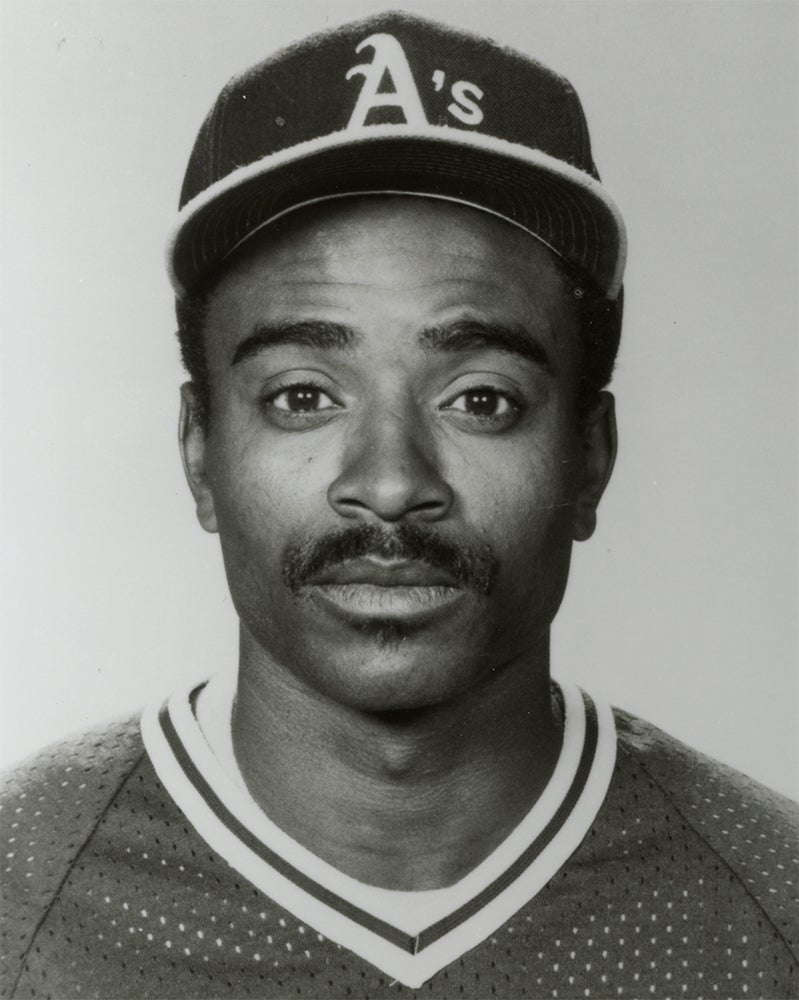
Phillips had what WAR considered his best season in 1993, batting .313 with an MLB-best 132 walks (good for a .443 OBP, second in the AL behind only John Olerud’s .473) while appearing in 108 games in the outfield and 51 contests at second base. His WAR was a career-high 5.6 and marked the third straight season with a figure of at least 5.1.
The Tigers improved to 85 wins but still finished third in the AL East.
In 1994, Phillips was on pace for an even better season when the strike closed down the sport in August. Through 114 games, Phillips was batting .281 with 19 homers, 61 RBI, 95 walks and 91 runs scored.
But with Phillips set to turn 36 the day before Opening Day in 1995 – and his contract expiring at the end of the season – the Tigers traded him to the Angels on April 13 in a one-for-one-swap for outfielder Chad Curtis. Phillips found out about the trade when he was pulled from the lineup minutes before the Tigers’ first exhibition game of the spring.
Phillips made no secret of how much he would miss Sparky Anderson.
“I became a ballplayer in Detroit under Sparky Anderson,” Phillips told the Detroit Free Press. “I became a better person. What he’s meant to me and my career, the time he’s put in with me – it’s just unbelievable.
“I can go play baseball, but I’m never going to be around another Sparky Anderson.”
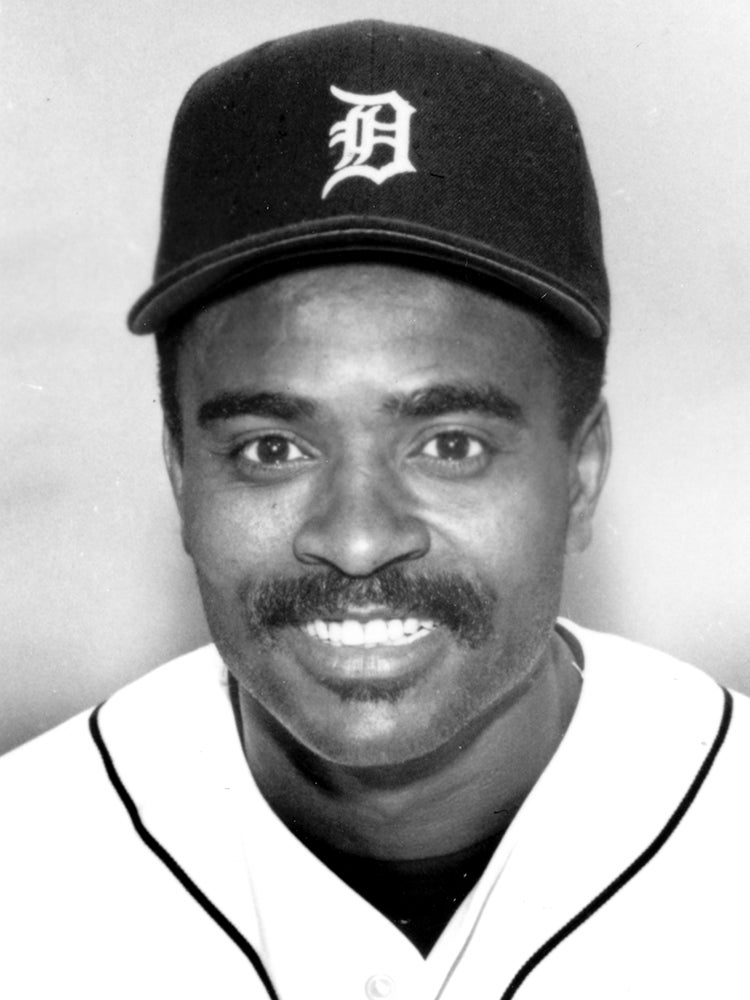
Phillips continued his high level of play on the field in 1995, batting .261 with 27 home runs, 61 RBI, 113 walks and 119 runs scored. A free agent once again, Phillips signed a two-year deal with the White Sox worth a reported $3.6 million on Jan. 20, 1996.
But apparently dissatisfied with his contract, Phillips announced Feb. 27 that he was retiring.
“The point he stressed was that he wasn’t retiring for a lack of love for the game,” Phillips’ friend Chili Davis, a teammate on the 1995 Angels, told the Chicago Tribune after Phillips announced his retirement. “He wasn’t pleased with the way the game treated him, and he said he didn’t want to play the game bitter. He worked his butt off and felt his talents weren’t appreciated.
“Sometimes it’s not about the money. It’s about being appreciated.”
Two days later, however, Phillips returned to the White Sox. He led the AL in walks that year with 125 but got into multiple incidents with fans, including punching a heckler in Milwaukee who allegedly showered Phillips with racial slurs. But Phillips maintained his outstanding play on the field, compiling a .404 OBP with 119 runs scored.
“Respect is what this game is all about,” Phillips told the Chicago Tribune in 1996. “I earned all the respect I have and nobody is going to take it away.”
After playing almost all of his games in the outfield in 1996, Phillips returned to his super-sub role in 1997 – appearing in 43 games at second, 10 at third, 31 in left, 31 in right and 26 at DH. He was traded back to the Angels on May 18 in a deal that also sent Chad Kreuter to Anaheim and brought Jorge Fábregas and Chuck McElroy to Chicago.
On Aug. 9, 1997, Phillips was arrested at a hotel in Anaheim and charged with possession of cocaine. He was suspended for a little more than a week but returned to the lineup when the suspension was overturned by an arbitrator. In 141 games that season, Phillips hit .275 with 96 runs scored and 102 walks. The Angels did not offer him a contract for 1998.
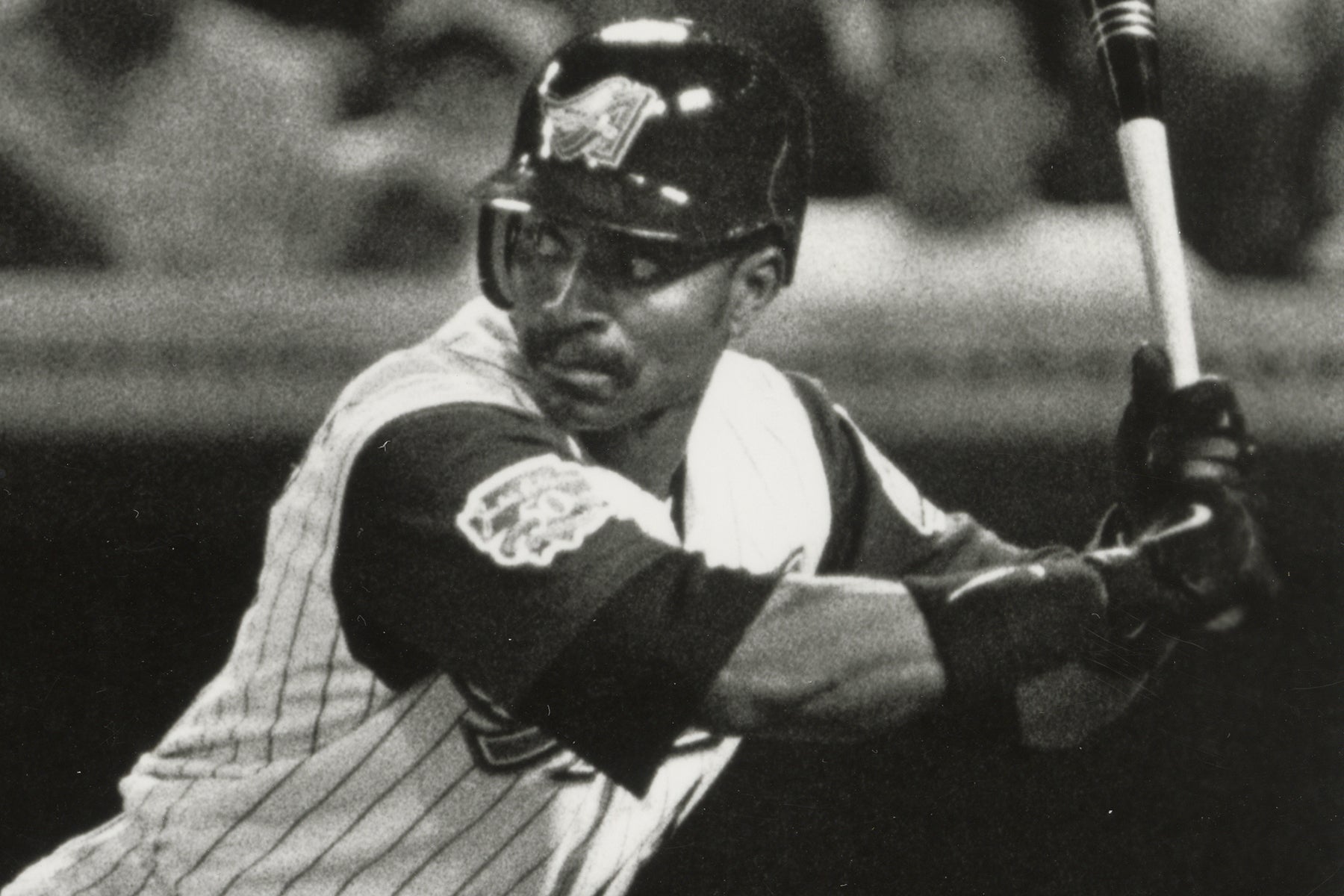
Initially pursued by the Mets in the offseason, Phillips remained on the sidelines until he got the contract he wanted, signing with the Blue Jays on July 1. But after just one month, Toronto traded him to the Mets for pitcher Leo Estrella. In 65 games for Toronto and New York in 1998, Phillips batted .250 with 47 walks.
On Dec. 14, 1998, Phillips brought his career full circle by signing a one-year deal with the Athletics worth $700,000. In what would be his final big league season, Phillips recorded his 2,000th career hit on July 5 vs. the Rangers and scored his 1,300th-and-final run on Aug. 15 vs. the Blue Jays. That day, he broke his left leg sliding into second base and did not play again that season. He finished the year batting .244 with 15 homers, 49 RBI, 71 walks and 76 runs in 106 games for an Athletics team that finished second in the AL West.
“I know one thing: Tony Phillips had a great deal to do with that club’s success,” Rangers manager Johnny Oates told the Chicago Tribune. “Tony Phillips is a winner. Regardless of his alleged off-the-field problems, when he goes to the ballpark, he goes to win.”
At 40 years old, Phillips recognized that his career might be over.
“If it so happens I never play again, I know I left everything I had out there on the field,” Phillips told the Tribune. “That’s the first thing Sparky (Anderson) taught me: ‘Did you do everything out there to be the best player you could?’
“If you did, and something happens, it can’t bother you. That’s my peace of mind.”
Phillips would play in the Mexican League in 2002 and later in independent ball, appearing in North American League games in 2011-12 and even suiting up for Pittsburg of the Pacific Association at age 56 in 2015.
On Feb. 17, 2016, Phillips died in Scottsdale, Ariz., of an apparent heart attack.
Over 18 big league seasons, Phillips posted a .266 batting average, a .374 OBP and stole 177 bases. His 50.9 career WAR ranked 23rd among all position players during his career, and among that group Phillips ranked 15th in on-base percentage.
For a player who spent much of his career without an everyday position, Phillips was one of the most consistent – and productive – batters of his era.
“I still don’t consider myself a starter. That’s not my role,” Phillips told the Atlanta Journal in 1989. “My role is to come to the park prepared to play anywhere they need me.”
Craig Muder is the director of communications for the National Baseball Hall of Fame and Museum