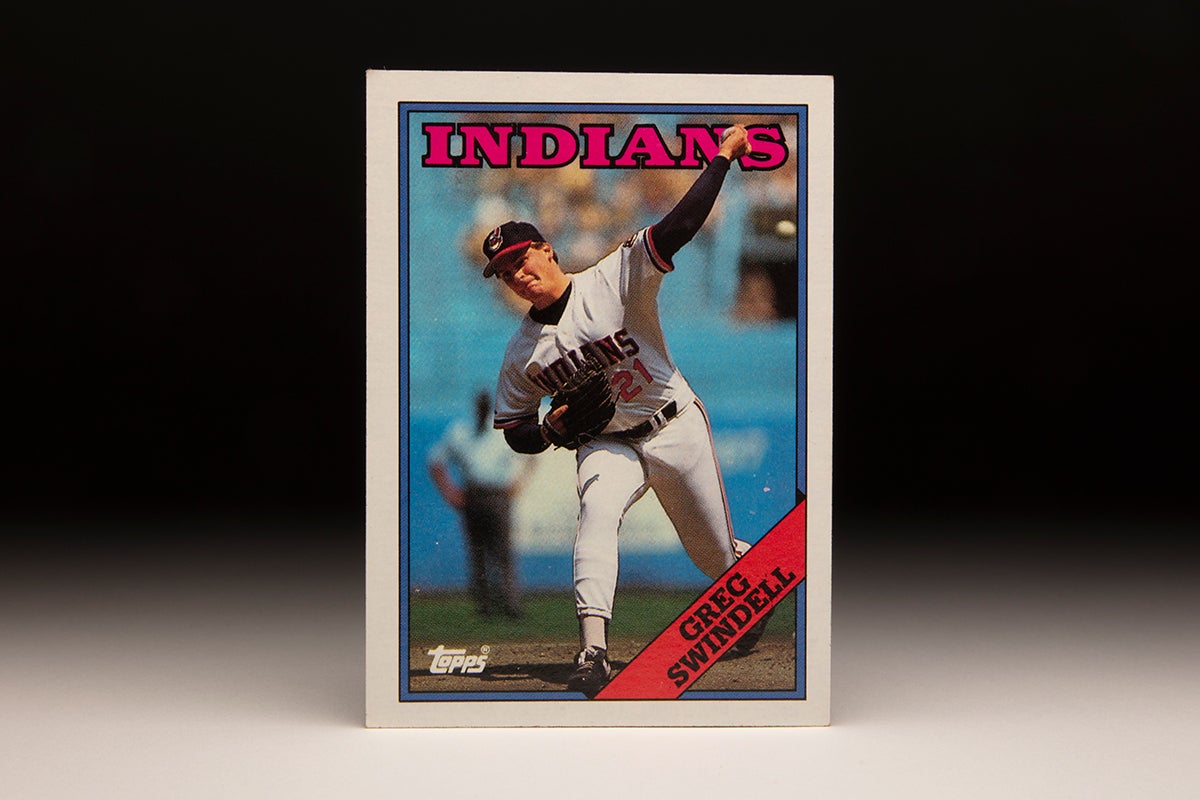
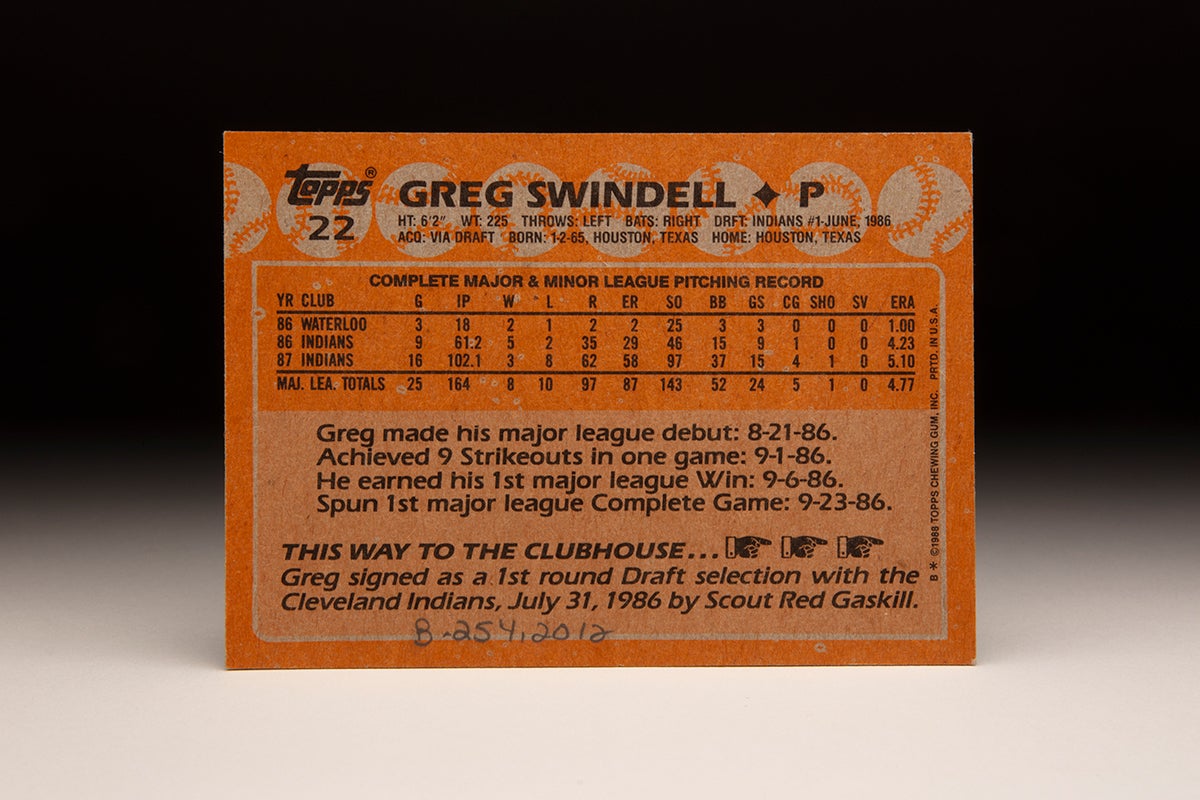
#CardCorner: 1988 Topps Greg Swindell
Greg Swindell broke Roger Clemens’ records at Texas before he reached the big leagues and nearly found himself out of baseball when he was released to make room on the Astros roster for future Hall of Famer Billy Wagner.
In between, Swindell carved out his own path.
Swindell never shied away from comparisons to Clemens, though he didn’t always agree with them. The two Longhorn legends turned dominant college careers into lasting major league legacies.
“I take (the comparisons) as a compliment, and it gives me confidence,” Swindell told USA Today.
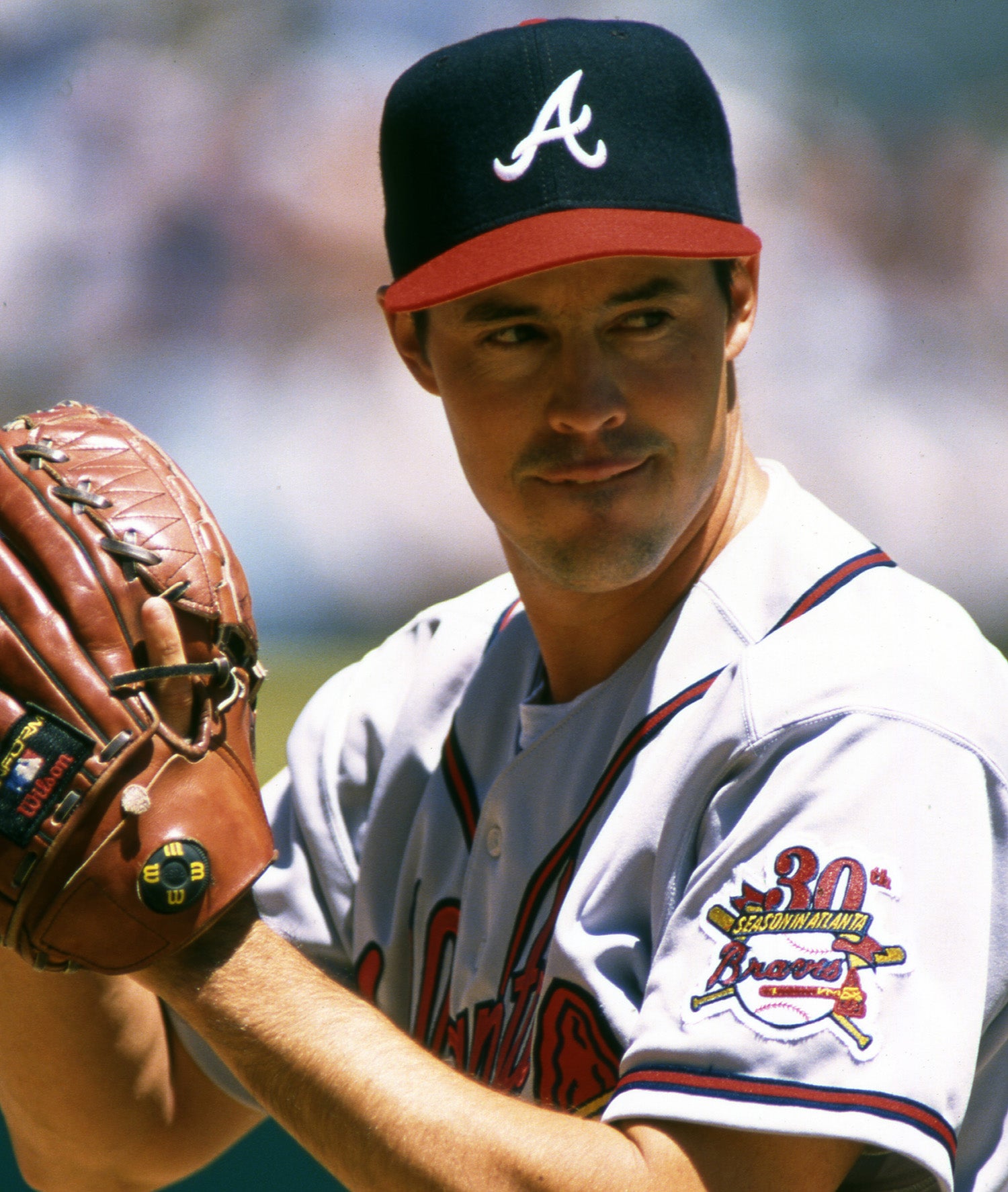
Swindell parlayed his decorated college career into a 17-year MLB tenure that included an All-Star appearance, a World Series title and a reputation as one of the Cleveland Indians’ few bright spots in the late 1980s.
Behind the statistics and accolades was a young man shaped by family challenges and a relentless work ethic that began long before his college days.
Forest Gregory Swindell was born in Fort Worth, Texas, on Jan. 2, 1965. The youngest of four children born to Harold and Tonii, he grew up amid financial struggles. When his parents divorced during his childhood, his sisters Treva and Chrystie lived full-time with his mother while his brother Corky stayed with Harold. Greg alternated between the two homes.
Harold recalled that Greg was initially supposed to live with his mother but preferred his dad’s house.
“He stayed with me one Labor Day weekend, and then I took him home to his mother, and an hour later he was at my door, saying he forgot his socks,” Harold told the Sporting News. “He sat down to watch TV, and a little while later, he cried and said he didn’t want to live with his mother anymore. He wanted to live with me and Corky.”
Corky recalled that the three of them shared a king-sized bed.
“We were that close,” Corky told the Sporting News.
Adjusting to life under his father’s supervision, Greg developed early independence.
“I got myself up in the morning and walked to school by myself,” he told the Sporting News. “I let myself in the house, fixed my own snacks, and sometimes dinner. When that happens at 10 years old, it could have a lasting effect. If you watch me, I hang by myself in batting practice and on the bench. It doesn’t bother me to be by myself.”
The three Swindells bonded deeply through baseball. Harold had played as an amateur shortstop and pitcher, and Corky had been a standout hitter and infielder. Greg’s pitching promise showed early, as he struck out the side against a team of 9-year-olds when he was only 7. Harold took coaching seriously and pushed both sons hard.
“At 13, he’d be yelling at me to step and throw, step and throw,” Greg recalled.
As Greg entered high school, Corky had already made his mark as a college baseball star at the University of Houston, and Greg was prepared to follow in his brother’s footsteps.
“Corky was the first one, and he was the more natural athlete,” Harold said. “At 2 years old, Corky would swing the bat and knock a hole in the wall. Greg would swing 100 times before he would get a foul tip. It came easy to Corky. With Greg, it was work, work, work.”
And Greg didn’t quit working. He pitched well through high school, but his 1982 season was truly exceptional. Pitching for Sharpstown High School, he went 14-0 with a 0.65 ERA and led his team to the Texas Class 5A state championship. That breakout season sparked college interest, and capitalizing on his 6-foot-2 frame and success, Swindell chose to stay local and pitch for the University of Texas.
There, he flourished, and his impact on the mound was immediate.
As a freshman, Swindell took college baseball by storm. He posted a 14-2 record – the most wins ever by a Longhorn freshman – with a 2.04 ERA. He earned Freshman All-American honors and was Baseball America’s Freshman of the Year.
His sophomore year was even better. He went 19-2 with a 1.67 ERA, tossed 15 complete games, six shutouts and struck out 204 batters in 172 innings. His dominance earned him the 1985 Baseball America National Pitcher of the Year award, a first-team All-American selection and first-team All-Southwest Conference honors.
During his junior season, Swindell’s starts attracted crowds of MLB scouts. Projected as a top three pick in the draft, he went 10-4 with a 2.12 ERA. In a crucial Southwest Conference championship game against the University of Houston, Swindell threw a three-hit shutout with 16 strikeouts in front of more than two dozen scouts.
“Without a doubt, he’s a can’t miss,” Fred McAlister, St. Louis’ scouting director, told Baseball America in 1986. “The only way he won’t pitch in the big leagues is if he gets hurt. If he doesn’t, he’s a cinch.”
Swindell finished his college career as one of Texas’ most decorated pitchers. He appeared in 77 games, held a 43-8 record, a 1.92 ERA, 13 career saves, 50 starts and 32 complete games. He amassed 501 strikeouts – a school record – and pitched an NCAA-record 14 shutouts.
Though he had one more year of eligibility, Texas coach Cliff Gustafson knew Swindell’s departure was nearly certain.
“They’d have to abolish Major League Baseball,” Gustafson said. “He’ll sign. I’m not any more sure of anything else as I am of that.”
As Swindell’s college career wound down, many speculated on where he would go in the 1986 MLB Draft. The Pittsburgh Pirates held the first overall pick, and many expected a choice between Arkansas third baseman Jeff King or Swindell.
“I can’t imagine Pittsburgh not doing it,” Arizona State coach Jim Brock told Baseball America. “If they don’t, we’d have to ask, ‘Now, what is it you’re looking for?’”
The Pirates selected King first overall and Swindell was chosen second overall by the Cleveland Indians. Given his success at Texas, many anticipated an accelerated professional start.
“There’s a possibility Greg will never pitch in the minors,” Gustafson said. “I think he’s got to refine his breaking pitch before he can be a consistent winner in the big leagues, but I can’t help but think he’ll have an outstanding career.”
Hall of Fame Membership
There is no simpler, and more essential, way to demonstrate your support than to sign on as a Museum Member.
Be A Part of Something Greater
There are a few ways our supporters stay involved, from membership and mission support to golf and donor experiences. The greatest moments in baseball history can’t be preserved without your help. Join us today.
Swindell began his pro career with the Class A Waterloo Indians. In his first three starts, he went 2-1, struck out 25 batters and posted a 1.00 ERA across 18 innings. His early returns were promising enough to prompt quick action from Cleveland.
With the Indians desperate for pitching help, Swindell was called up to the major league club shortly after that start.
His major league debut was memorable. After little sleep, he faced the eventual World Series-bound Boston Red Sox.
Swindell worked a clean first inning, inducing three groundouts before Cleveland’s leadoff hitter, Tony Bernazard, homered to give Swindell his first big league lead. But in the third inning, trouble surfaced.
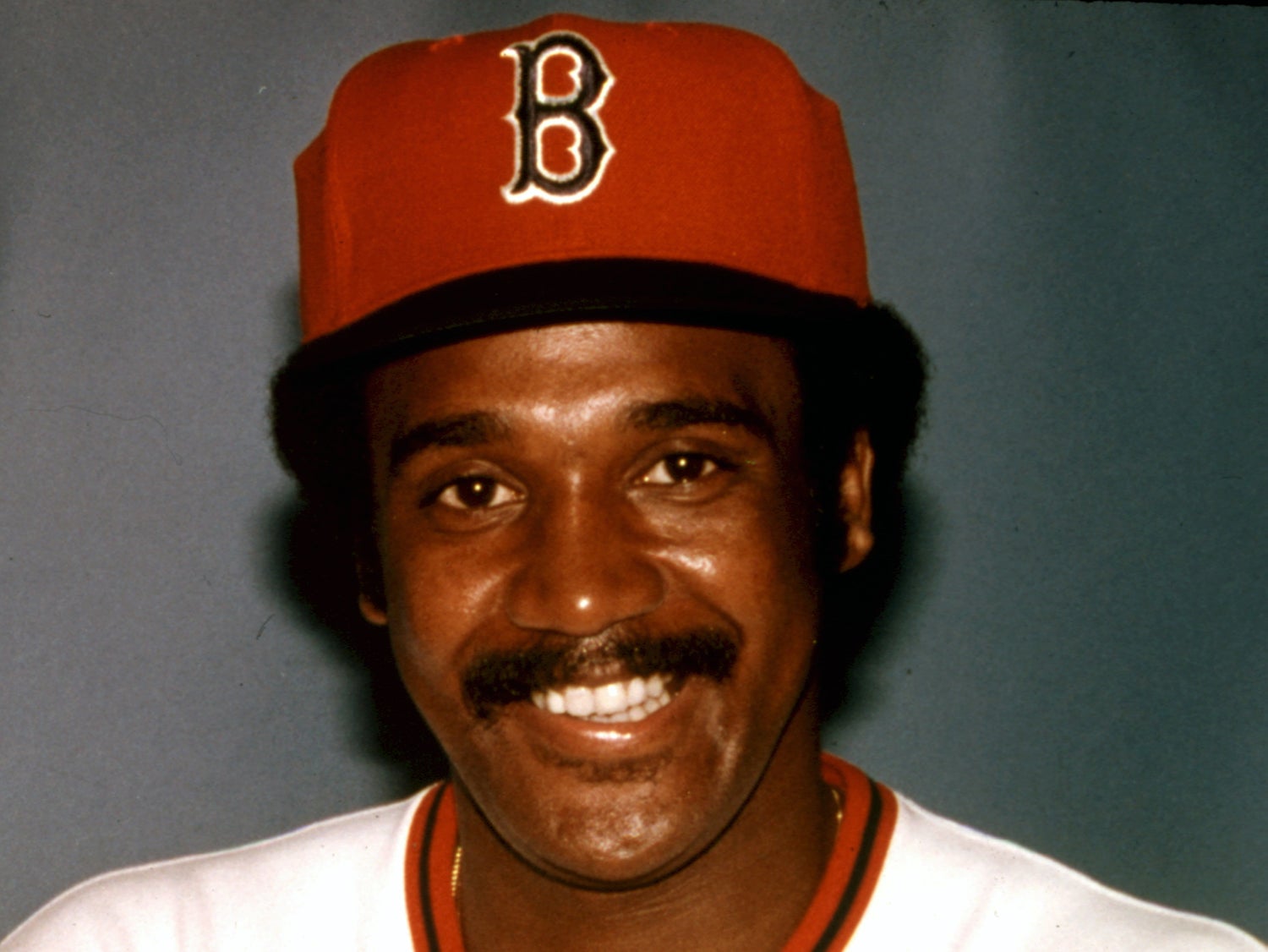
He walked two batters before allowing an RBI single to future Hall of Famer Jim Rice. Swindell walked the bases loaded, balked in a run, then surrendered two more runs on a Dwight Evans single for a 4-1 Boston lead. He was tagged for two additional runs in the fourth before being pulled after 3.2 innings.
He finished with six hits, six runs – four earned – three walks and no strikeouts.
Cleveland lost 24-5, setting a franchise record for most runs allowed in a single game. That outing was the worst start of Swindell’s rookie year.
Over his next eight starts in 1986, Swindell averaged more than seven innings and about three earned runs allowed per outing. He finished the season 5-2 with a 4.23 ERA and 46 strikeouts.
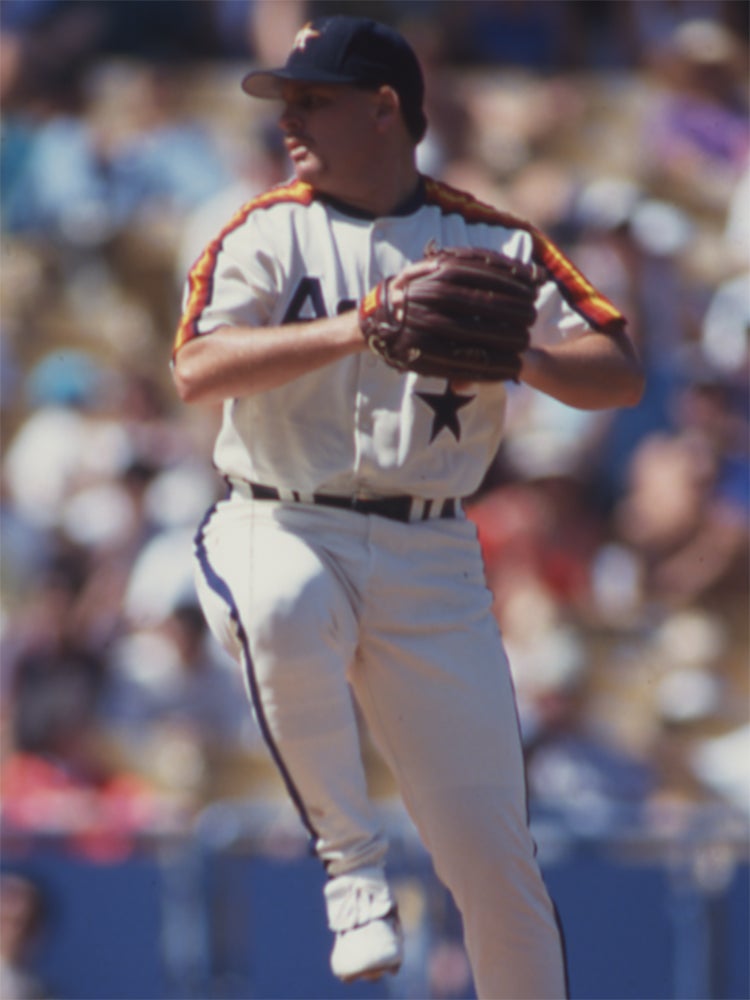
The 1987 season brought setbacks. Swindell struggled to a 3-8 record with a 5.10 ERA and in his final start on June 29, he yielded five walks and four earned runs. Afterward, his elbow began to hurt.
Concerned about Swindell’s arm, the Indians sent him to Los Angeles surgeon Dr. Frank Jobe – the medical professional behind the Tommy John procedure – who prescribed rest and a workout program. Swindell was shut down for the remainder of the season.
It was the safest decision, as he had thrown more than 500 innings between college and his rookie pro season.
“It was my own fault for pitching too much in college, throwing a full game one day and relieving the next,” he told USA Today. “I have nobody to blame but myself.”
The break proved beneficial. Swindell reflected that the injury might have been a blessing.
“If I had kept throwing with a hurt arm, it may have never healed,” he told United Press International. “Now I know I have to take care of my arm for the rest of my career.”
That offseason, Swindell prioritized rehab. After six months of rest and weightlifting, he began throwing again in Spring Training.
“My arm feels good,” he told UPI. “It’s been a long time since I’ve thrown, but this is how I’d hoped it would feel. I’ve given it a lot of rest and worked on the weights. I’m just hoping to have a full, healthy year, and that’s all you can look forward to.”
That season turned out to be the best full season of his career. Swindell started 10-1 with a 2.11 ERA and 57 strikeouts through May. He credited success to the prior year’s early end.
“My concentration is better this year,” he told USA Today. “When I get behind 2-0, I can get my curve over for a strike. I’ve been able to get all my pitches over for strikes, which means you don’t have to rely on your fastball.”
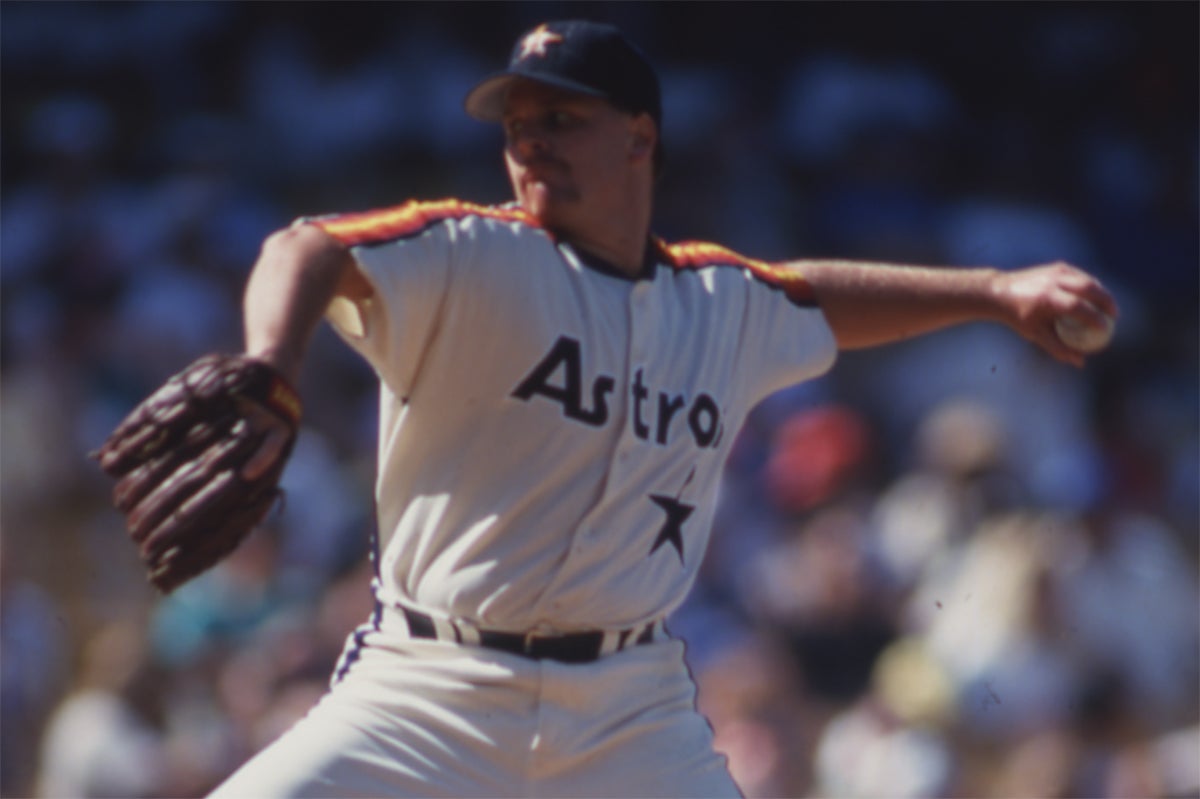
Though never possessing an overpowering fastball – which topped out at 93 mph early on but slowed to 86-88 mph, then below 86 mph late in his career – Swindell excelled in accuracy. He walked only 13 batters in his first 89.2 innings.
“I feel that every time I go out there, I’m going to be the best pitcher in the game,” he told the Sporting News. “If I didn’t think that way, I wouldn’t be here.”
With success came comparisons. After breaking Clemens’ strikeout record at Texas and reaching No. 3 on the NCAA all-time strikeout list, similarities were clear.
The media connected Swindell to Clemens and former Cleveland pitcher Sam McDowell. Each shared a similar build and were all highly effective on the mound.
Swindell’s physique delayed the comparisons, however. Nicknamed “Flounder” when he first joined Cleveland because of his stout appearance, he committed to conditioning, running 3.5 miles every other day and trimming to a leaner 220 pounds.
“Everybody is different; they develop differently,” he told USA Today. “I’ve come along fast because I think I’ve had all the preparation, instruction and competition anyone could receive. I still have a way to go to get into Roger’s class.”
However, the attention didn’t last long. After he led the American League in wins (10), tied for second in shutouts (two) and ranked fifth in innings pitched (96.2) and ERA (2.51) at the end of June, Swindell lost seven of his eight starts leading into the All-Star break.
He finished the season 18-14, though Cleveland manager Doc Edwards believed he was better than his record.
“Greg has pitched well enough to easily be 17-7, maybe better,” Edwards told USA Today. “Greg has the type of ability to be the No. 1 pitcher on a contender. He should be capable of winning 20 games if he stays healthy. And that’s a pretty good class of pitcher.”
From 1988 to 1991, Swindell was a bright spot on a struggling Indians team. He went 52-45 with a 3.60 ERA, threw 27 complete games and posted six shutouts.
“Greg learned a valuable lesson by going through that rough patch in 1988,” Edwards said. “You can’t just rear back and blow the ball past people.”
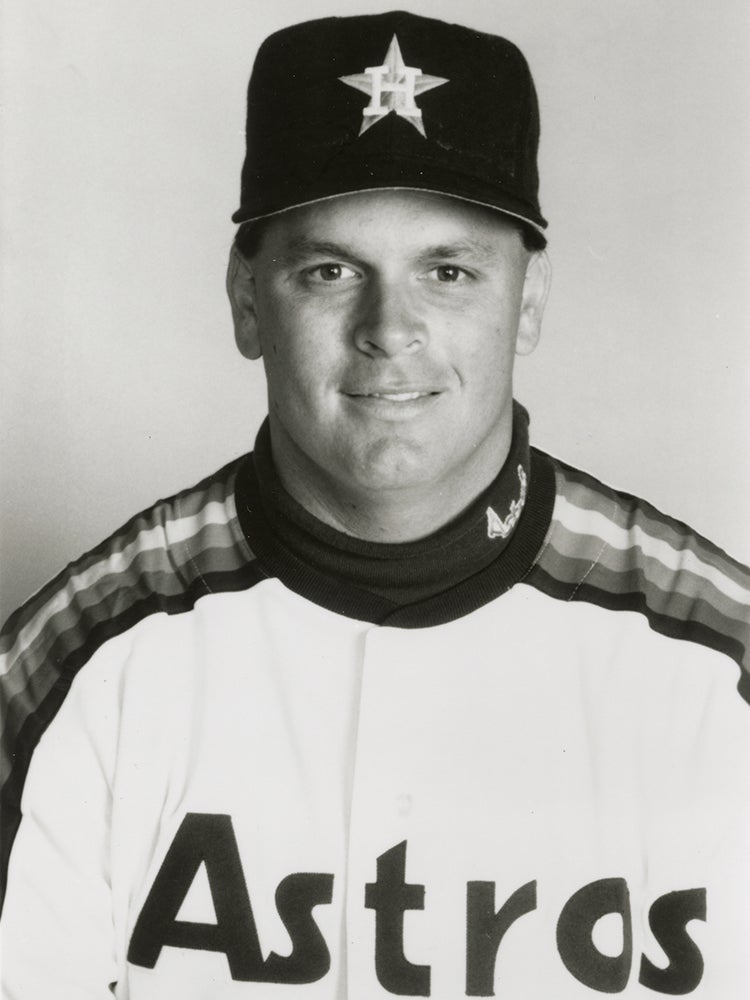
Swindell started 1989 even stronger, entering the All-Star break 11-2 with a 2.75 ERA. While he accomplished his goal of becoming an All-Star, his elbow issues flared again. His fastball velocity dropped below 85 mph as he pitched through pain, finishing 13-6 with a 3.37 ERA. He adopted Greg Maddux’s philosophy, emphasizing accuracy over velocity.
Swindell continued to pitch effectively through the early 1990s, posting a 12-9 record with a 4.40 ERA in 1990. Following that season, Swindell took Cleveland to arbitration, seeking a raise to $2.025 million. The Indians fought back, criticizing his performance.
“I remember sitting across the table from John Hart and Dan O’Dowd and being furious that this was the team I played for, but they were telling me how bad I was,” Swindell told Cleveland.com. “I realized it was the business side of the game, but I didn’t like it... But I won.”
With the raise, he continued to pitch with confidence. Swindell went 9-16 with a 3.48 ERA, striking out 169 and permitting just 31 walks.
Despite his consistency, trade rumors began to swirl – though Cleveland refused to part with Swindell and the ace’s frustrations began to mount. His 16 losses came amid minimal run support – only 28 runs across those games, or 1.75 runs per contest.
“I’m not the hitting instructor. I’m not the manager. I’m just a pitcher,” he told USA Today.
When Cleveland traded Swindell to the Cincinnati Reds for pitchers Joe Turek, Jack Armstrong and Scott Scudder following the 1991 season, Swindell was thrilled.
“I dropped the phone and screamed really loud,” he told USA Today. “I went to a contending team overnight.”
Swindell made another arbitration attempt with Cincinnati but lost. Still, he had a successful season, going 12-8 with a 2.70 ERA. Though the Reds missed the playoffs, he parlayed his success into a lucrative contract.
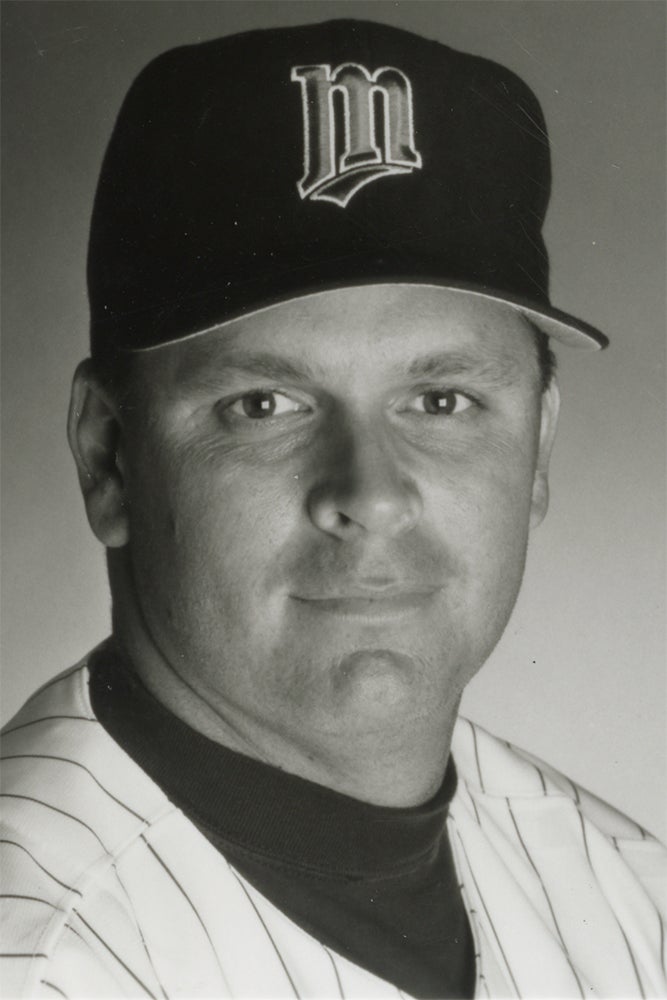
Returning to Texas, Swindell signed a four-year, $17 million deal with the Houston Astros – earning nearly as much as Nolan Ryan that season. Expectations soared.
His first season with the Astros yielded a 12-13 record and a 4.16 ERA. Though he reached double-digit wins for the fifth time, it wasn’t enough for Houston’s management.
He struggled to recapture the dominance he showed in Cincinnati and hovered near a .500 winning percentage. From 1993 to 1995, he went 30-31 with a 4.32 ERA. With a $3.7 million annual salary, fans and the front office demanded more.
Swindell faced criticism for his “quiet” and “emotionless” demeanor – and his physique.
“If he wins, he’s a hefty lefty,” Astros general manager Bob Watson told USA Today. “If he doesn’t, he’s fat.”
Pitching through lingering pain, he strained his shoulder in his first Astros season.
“I told him we do not want that scenario again,” Astros manager Terry Collins told USA Today.
To ease strain, the Astros shifted him between starting and relieving. Swindell found limited success in the bullpen in 1995 before struggling again. Houston cut him on June 3, 1996, replacing him on the roster with Wagner. It was the Hall of Fame reliever’s second trip to the big leagues – Wagner faced one batter in his September 1995 debut – and one that would see him stay in the majors for good. Meanwhile, Swindell finished with a 30-34 record and 4.48 ERA in Houston.
“I didn’t carry the load here,” Swindell said. “But I didn’t think it would come to this already. This is the first time I’ve been cut from a team, and I’ve been playing every year since Little League.”
Swindell also became a controversial voice during the 1994-95 MLB strike. He publicly stated he might cross the picket line, prompting the MLB Players Association to meet with him. He later apologized for the remarks.
Financial pressures loomed – alimony, house payments and raising three children demanded his salary.
“What I’ve said I can’t take back,” he told The New York Times.
His opposition to the MLBPA was not new. As Cleveland’s player representative in 1990, he opposed the union’s lockout proposal to protect his $1 million salary. Though reprimanded, he remained a union member throughout his career.
After his Astros tenure, Swindell returned to Cleveland in 1996 but struggled as a reliever, posting a 6.59 ERA in a 13-game sample size.
The Minnesota Twins offered him a one-year prove-it deal as a full-time reliever for $750,000. Swindell thrived and went 7-4 with a 3.58 ERA, 75 strikeouts and 25 walks. The Twins signed him to a one-year extension late in the season.
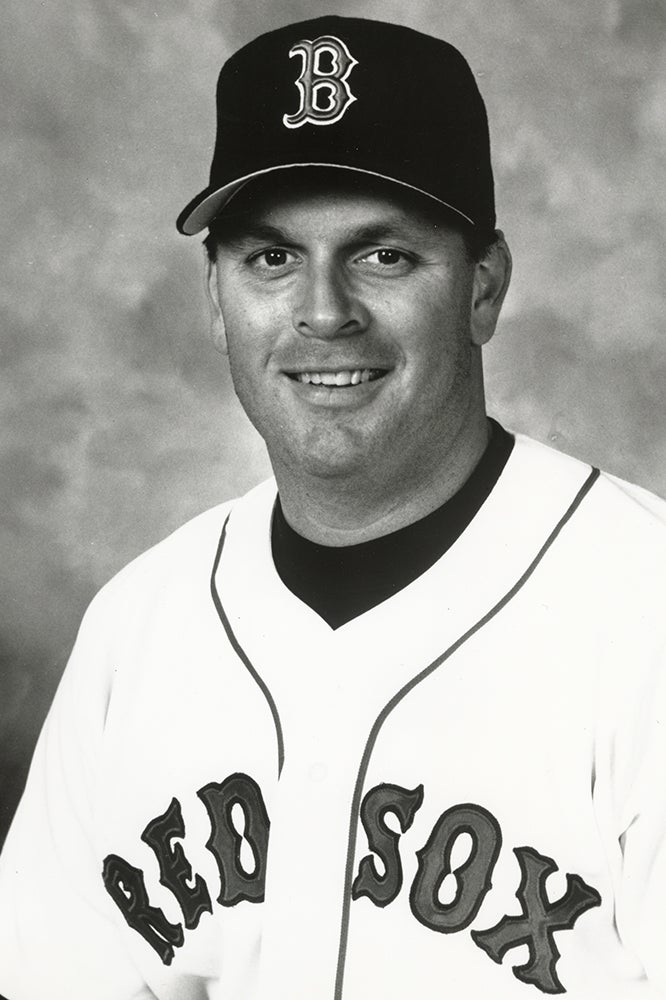
Swindell continued to pitch well out of the bullpen for Minnesota, and in mid-1998, the Boston Red Sox acquired Swindell and outfielder Orlando Merced for pitchers Matt Kinney, Joe Thomas and outfielder John Barnes.
The Red Sox reached the playoffs that year, and Swindell pitched 1.1 shutout innings in the ALDS against Cleveland in his first-ever postseason game. Boston lost the series 3-1.
That playoff appearance marked the beginning of Swindell’s postseason run. He signed a three-year, $5.7 million contract with the Arizona Diamondbacks and found lasting success in a new role.
In 1999, he went 4-0 with a 2.51 ERA, finishing 15 games. The following season, he posted a 3.20 ERA over 76 innings, striking out 64 batters in 64 appearances and finishing 21 games.
Though his ERA rose to 4.53 in 2001, Swindell delivered when it mattered most.
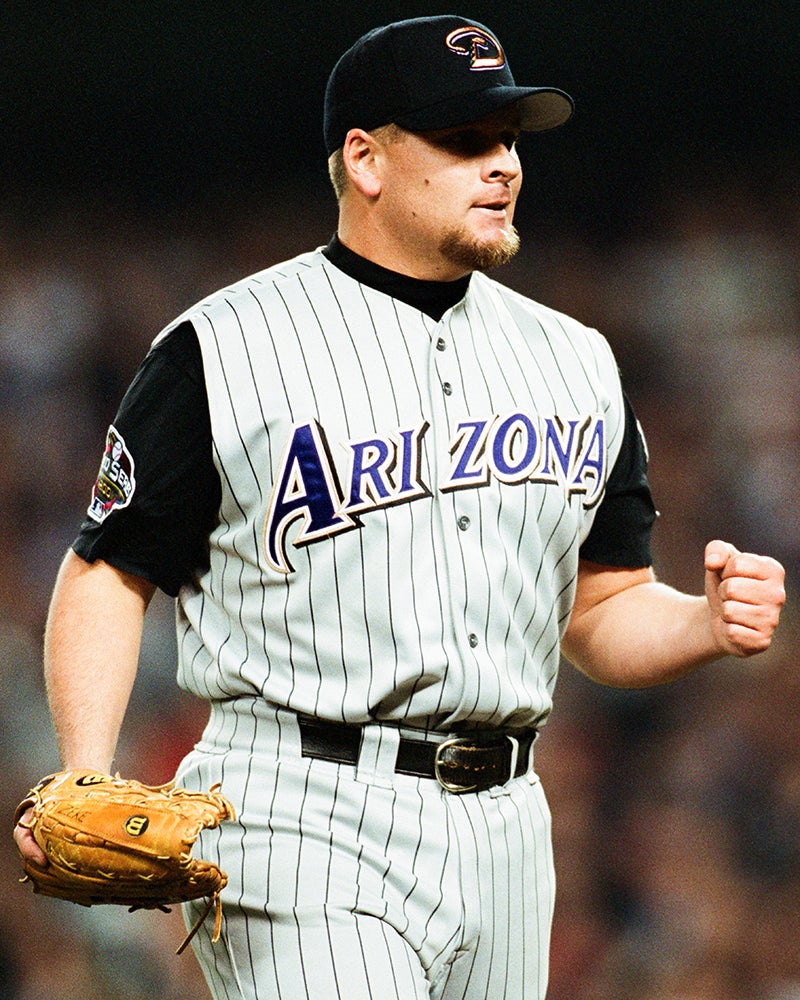
Arizona reached the playoffs twice in three years. In the 1999 NLDS against the Mets, Swindell threw 3.1 shutout innings across three appearances.
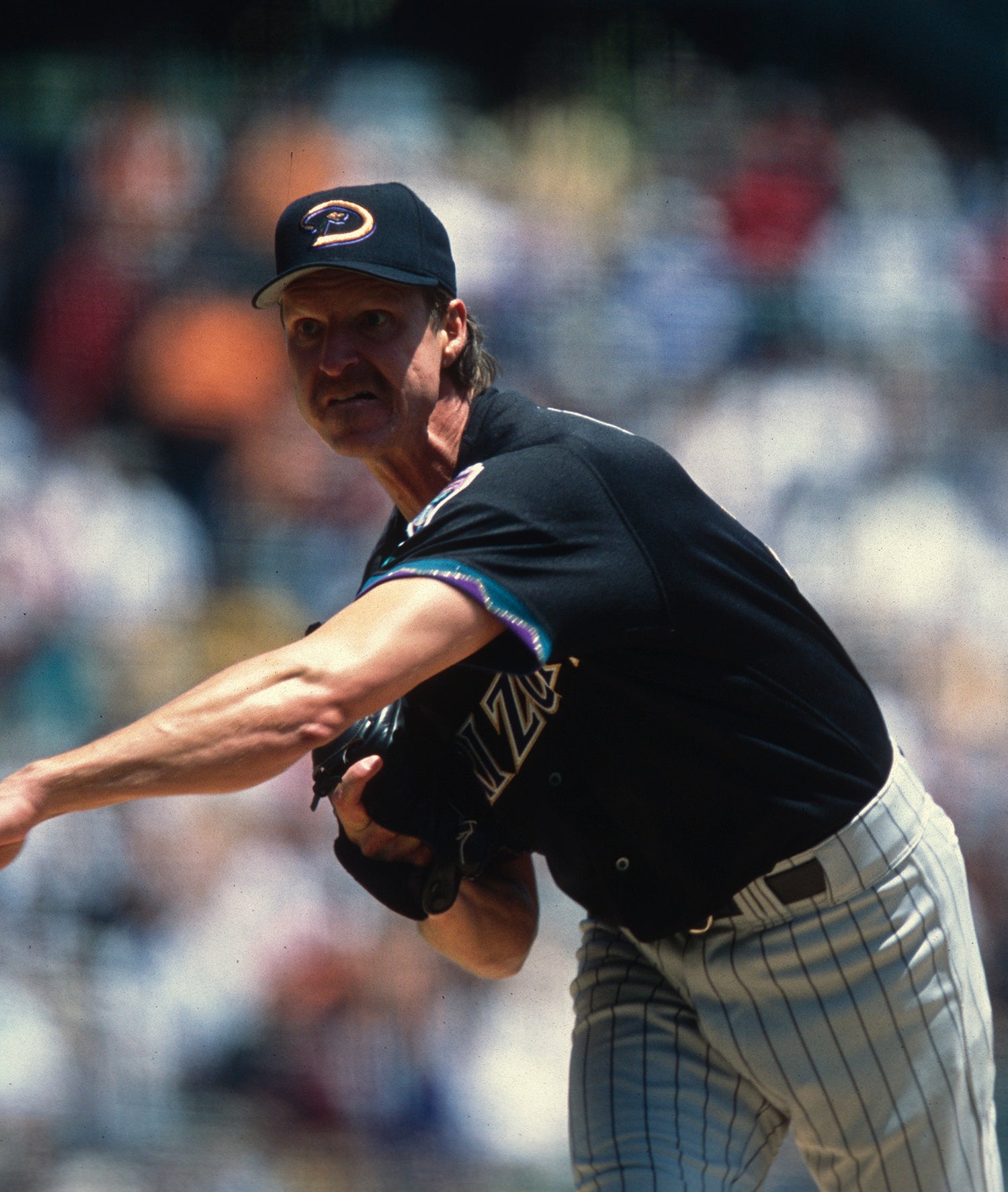
In 2001, with Randy Johnson and Curt Schilling leading the rotation, the Diamondbacks defeated the Cardinals, Braves and Yankees – winning the World Series in seven games. Swindell yielded just one run in 4.2 postseason innings, striking out four with one walk. He pitched in three games in the Fall Classic, earning a championship ring.
He returned for one more season in 2002 but battled shoulder and back issues. His ERA climbed to 6.27 over 34 appearances. In the NLDS, he gave up four runs (one earned) over two appearances as Arizona was swept by the Cardinals.
Swindell retired after the season with a 123-122 record, a 3.86 ERA and 1,542 strikeouts across 664 games, including 269 starts and 93 finishes.
After his playing days, he remained close to the game. Swindell returned to Texas as a volunteer assistant coach for Texas State University-San Marcos and the University of Texas before broadcasting with Longhorn Network as an analyst. He was inducted into the College Baseball Hall of Fame in 2008 – the same class as Jackie Robinson – and the Texas Sports Hall of Fame in 2019.
Over the course of nearly two decades in professional baseball, Swindell overcame comparisons, injuries and reinvention. He remained a respected voice in the sport –admired for his competitiveness, adaptability and steady presence on the mound.
At his College Baseball Induction Ceremony, Swindell shared a quote he’d once heard from golfer Johnny Miller: “It’s not what you accomplish in life that matters, it’s what you overcome.”
Noah Douglas was the 2025 communications intern in the Frank and Peggy Steele Internship Program for Leadership Development