#CardCorner: 1990 Topps Lance Johnson
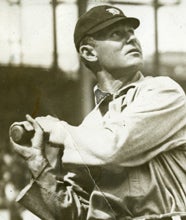
Four players in history have led the AL or NL in triples five times. One is Hall of Famer Sam Crawford, the all-time leader in three-baggers.
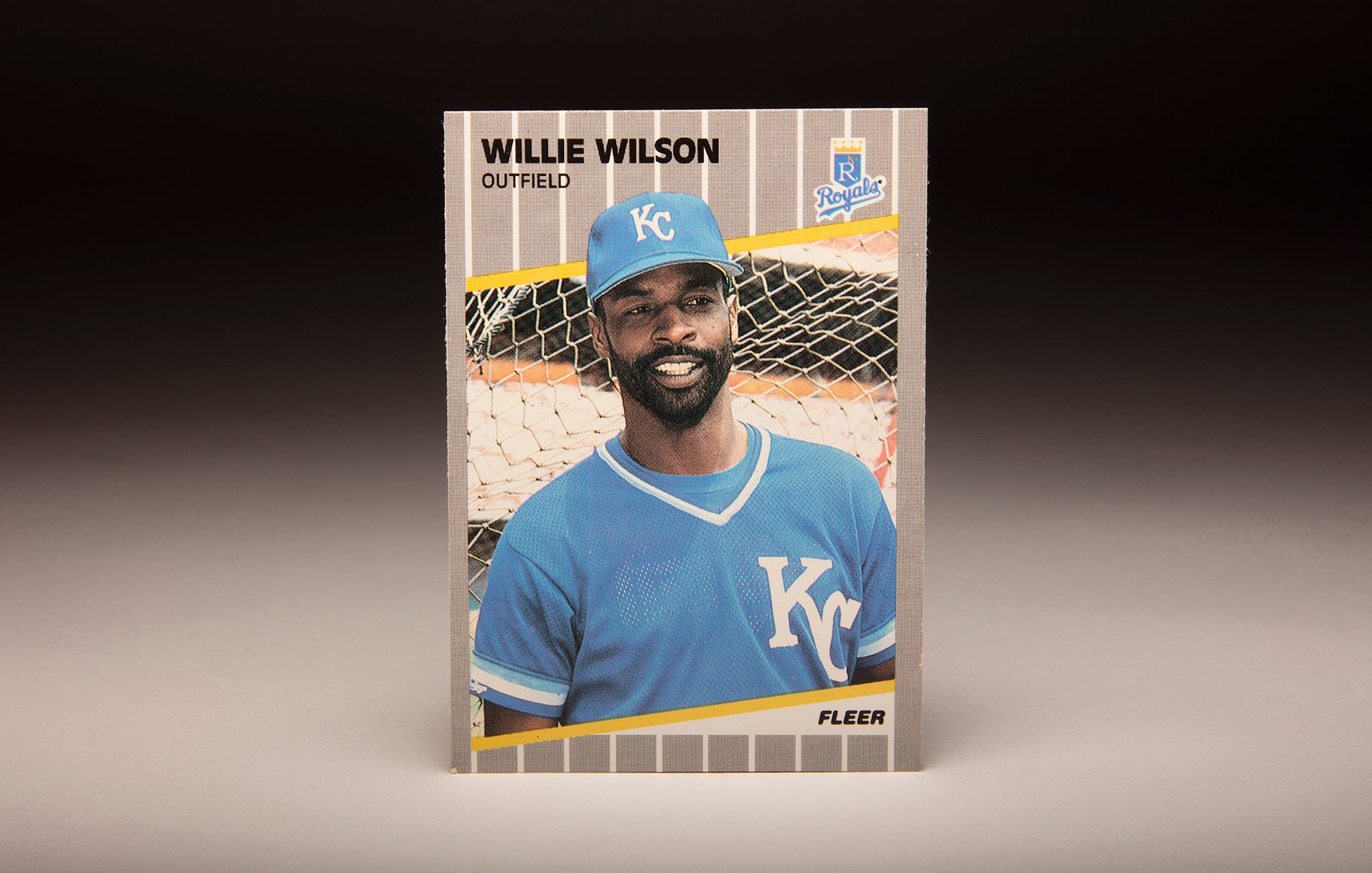
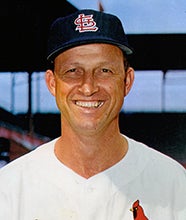
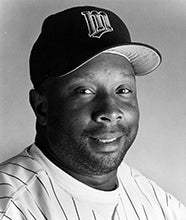
Hall of Famer Stan Musial and longtime Royals speedster Willie Wilson also make that list.
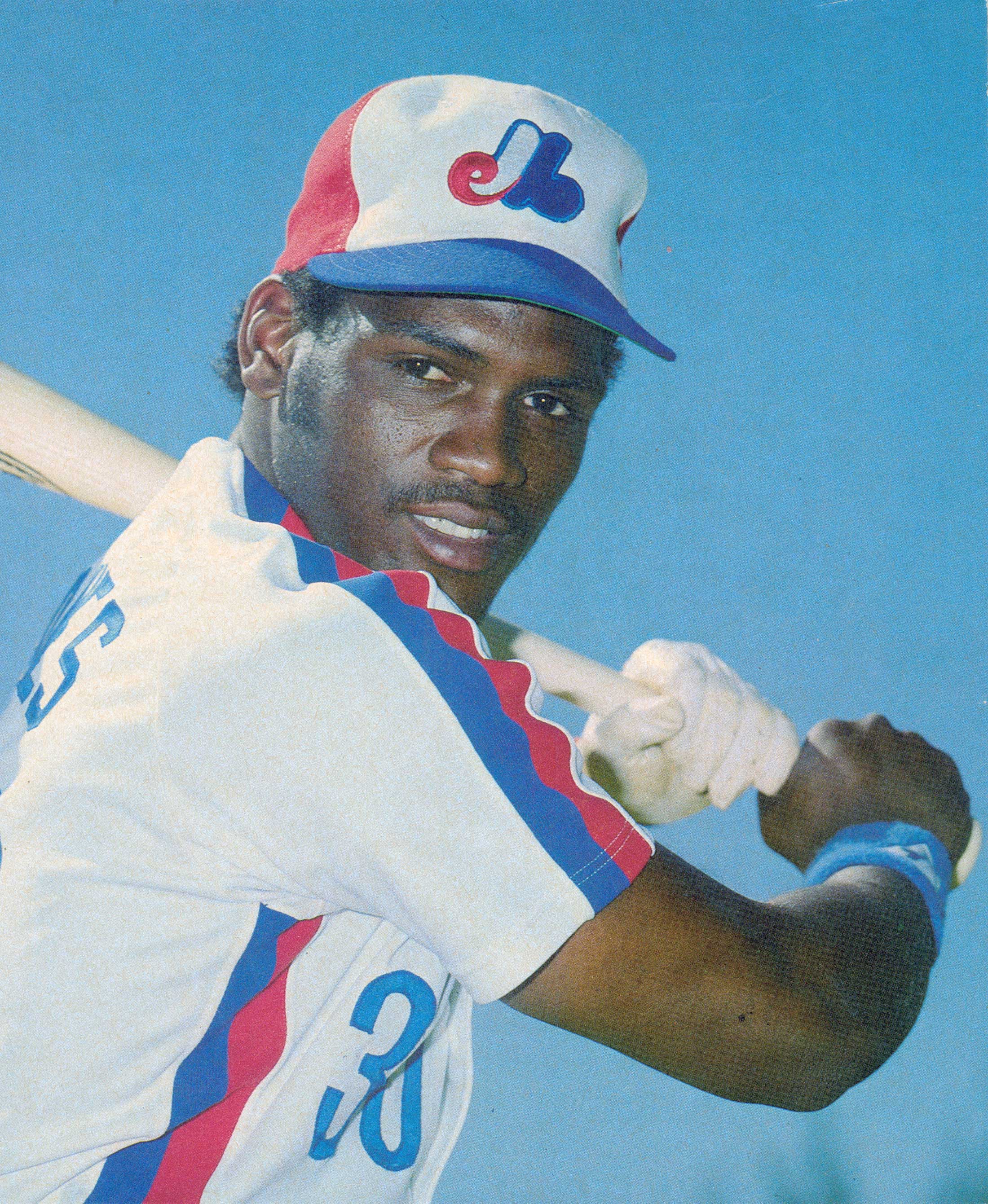
The fourth player, Lance Johnson, belongs to an even more exclusive club as the only person in history to lead his league in triples for four straight seasons.
For a player who was named to only one All-Star Game, Johnson has more than his share of “black ink” on his statistical resume.
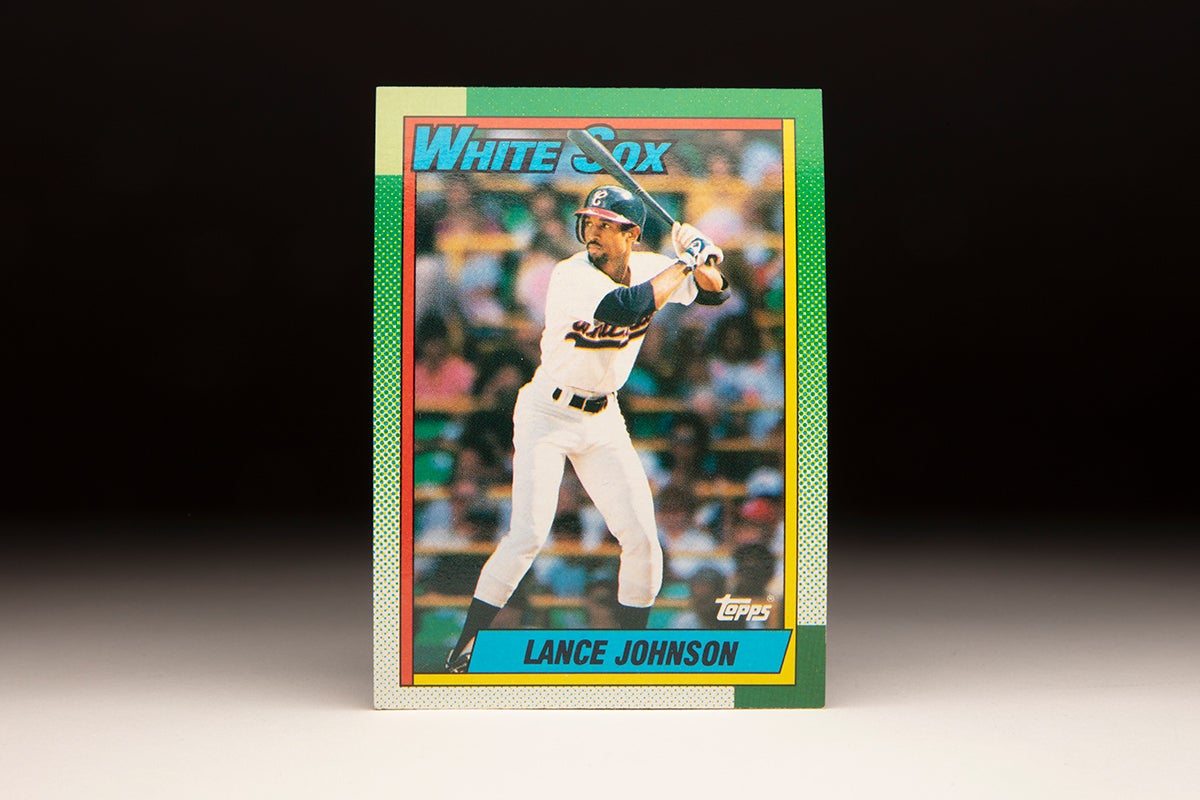
Born Kenneth Lance Johnson on July 6, 1963, in Cincinnati, the three-sport high school star (football, basketball and baseball) was generously listed at 5-foot-10 and 145 pounds. He played at Princeton High School and credited baseball coach Howard Converse – father of his high school and college teammate Bryan Converse – for launching his career.
“It all started with mom and dad Converse back in Cincinnati,” Johnson told the Mobile Register.
The Pirates drafted Johnson in the 30th round of the June 1981 MLB Draft but he did not sign, opting instead to enroll at Triton Junior College in River Grove, Ill., where he was a teammate of Kirby Puckett.
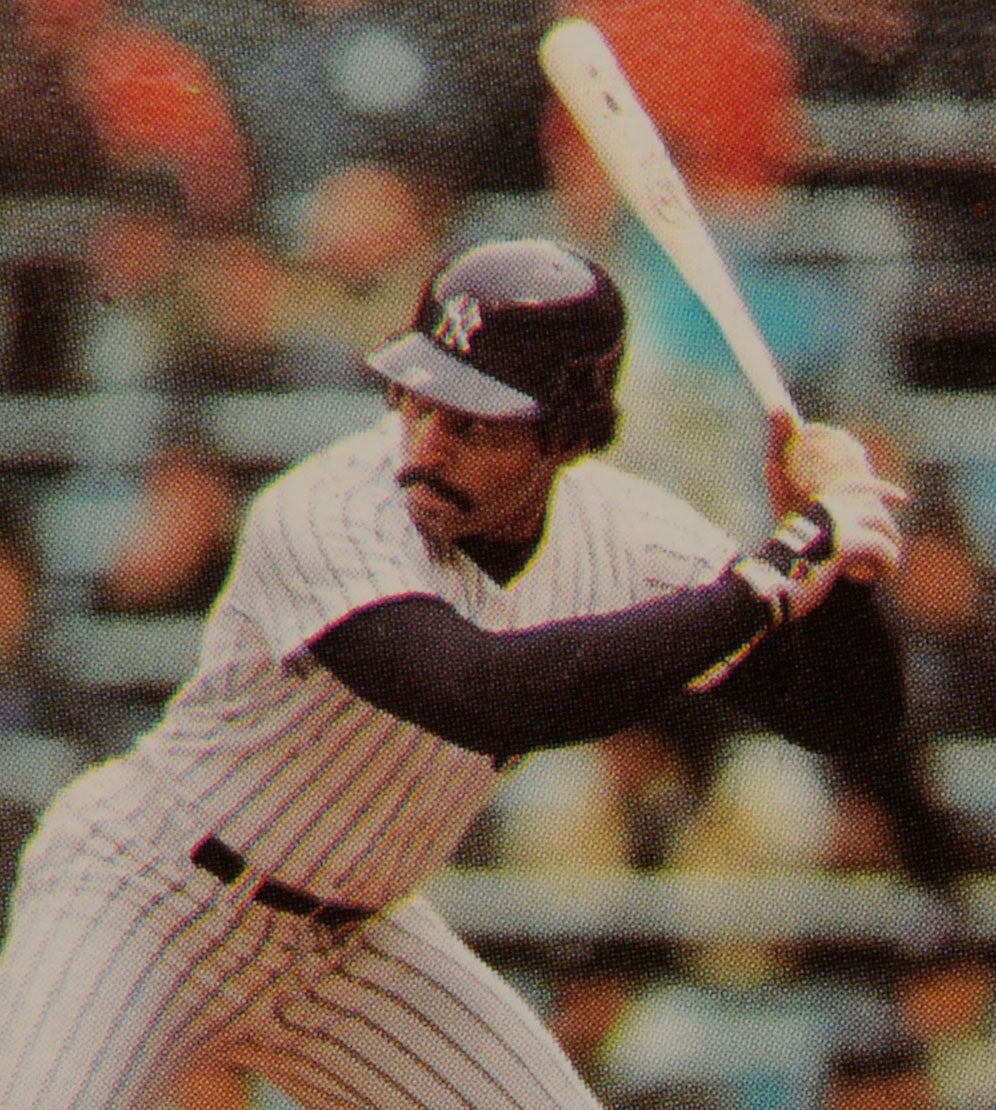
But the Pirates had a lasting effect on Johnson in high school when outfielder Mike Easler spoke at an event.
“Mike spent 10 minutes with me, and he didn’t even know me and never saw me before,” Johnson told the Chicago Tribune in 1995. “He was a role model for me. It took him 10 years to make the big leagues. He never quit.”
Johnson eschewed an offer from the Mariners when he was taken in the 31st round of the 1982 MLB Draft and later transferred to the University of South Alabama in Mobile, playing for coach Steve Kittrell in his first season leading the Jaguars in 1984. In that season, Johnson set an NCAA record with 89 stolen bases.
“It’s really a great feeling to accomplish something no other player has ever done,” Johnson told the Mobile Register after setting a new mark with his 88th stolen base. “One thing, I wasn’t selfish as I went after the record. All of my stolen bases were within the team concept.”
His one season in Mobile affected Johnson – who later made his offseason home in the city – for the rest of his life.
“They teach the game of baseball (at South Alabama),” Johnson told the Mobile Register in 1995. “When I got to the minor leagues, I knew more than most of the other guys who went to the bigger schools. They were teaching stuff I already knew.”
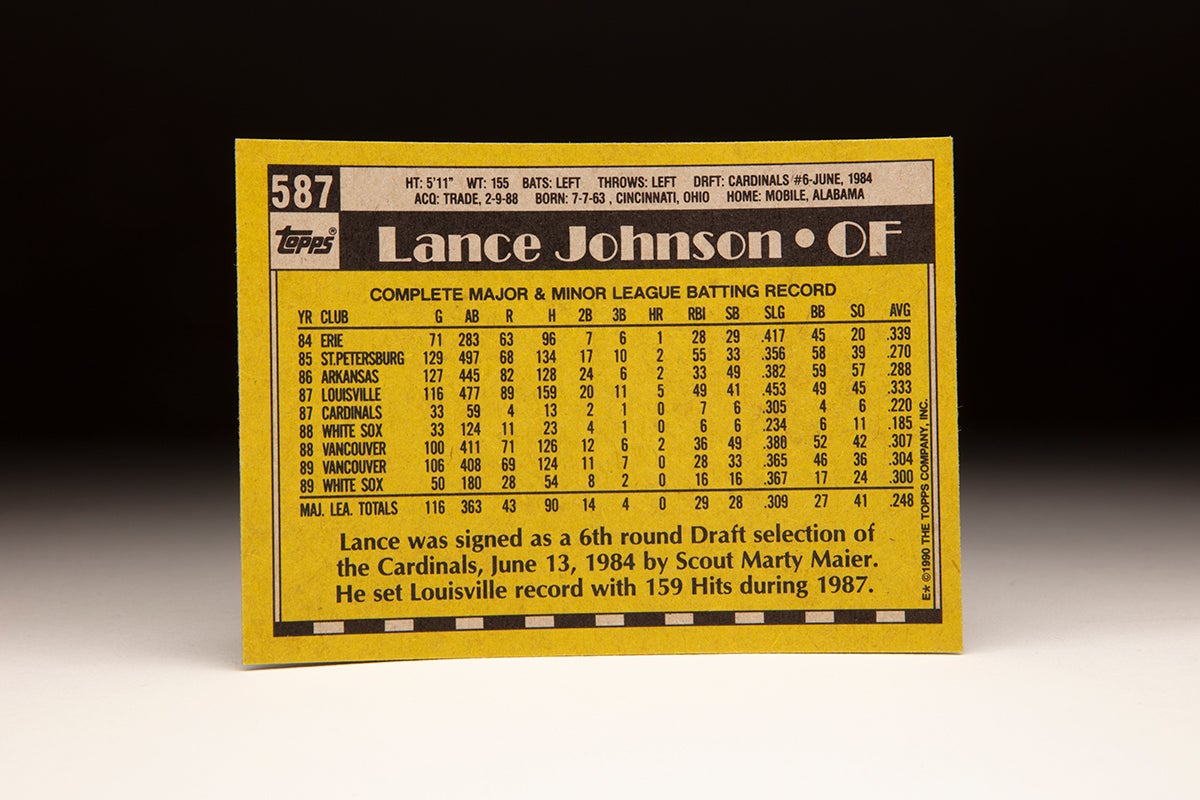
Johnson was drafted for the third time in 1984 – this time by the Cardinals in the sixth round. He signed and reported to the team’s New York-Penn League squad in Erie, Pa., where he hit .339 with 63 runs scored, 29 steals and 45 walks (good for a .426 on-base percentage) in 71 games while being named the league’s Rookie of the Year.
“(Johnson has) really made a name for himself,” said Kittrell, who replaced legendary coach Eddie Stanky in 1984 and remained with South Alabama through the 2011 season. “He was one of the hardest workers I’ve ever had. You never had to tell him to do anything.”
Johnson reported to the Cardinals’ instructional league team in Florida when the New York-Penn League season ended and was assigned to Class A St. Petersburg in the Florida State League in 1985. He hit .270 in 129 games with 17 doubles, 10 triples and 33 steals, giving the Cardinals yet another speedy outfield prospect in a farm system filled with similar players.
Johnson advanced to Double-A Arkansas in 1986, hitting .288 with 49 steals in 127 games. The Cardinals brought Johnson to their big league camp in 1987 before assigning him to Triple-A Louisville.
He was hitting .310 with 29 steals through 83 games when Cardinals pitcher Danny Cox suffered a broken bone in his right foot after being hit by a line drive by the Giants’ Mike Aldrete on July 9. The next day, Johnson was on a plane to St. Louis.
Johnson made his big league debut with the Cardinals on July 10, grounding out in two at-bats after entering as a defensive replacement in left field. He returned to Louisville a week later before being recalled in late August, helping St. Louis win the National League East title while serving mostly as a defensive replacement while hitting .220 with six steals in 33 games with the Cardinals overall.
Johnson earned a spot on the Cardinals’ postseason roster, appearing in one game in the NLCS vs. the Giants as a pinch-runner – stealing second base after replacing Dan Driessen and later scoring on a Vince Coleman single in St. Louis’ 6-5 win in Game 3.
In the World Series against the Twins, Johnson again appeared once as a pinch-runner, this time in the Cardinals’ 4-2 win in Game 5.
“When I sit down and think about it, I did get up to the majors pretty fast,” Johnson told the Mobile Register in 1987. “But it seemed so long, so long. I put a lot of blood, sweat and tears into making it to the big leagues and it’s all paying off now.”
Though Johnson didn’t know it at the time, it would be the only World Series appearance of his career.
“It’s an awesome feeling to be in the World Series,” Johnson told the Register, also sharing that he was able to reconnect with former Triton Junior College teammate Kirby Puckett during the Fall Classic. “It’s a once-in-a-lifetime experience, only I hope it’s not just once in a lifetime. I can’t think of a better way to break into the big leagues than to have this happen my first year up.”
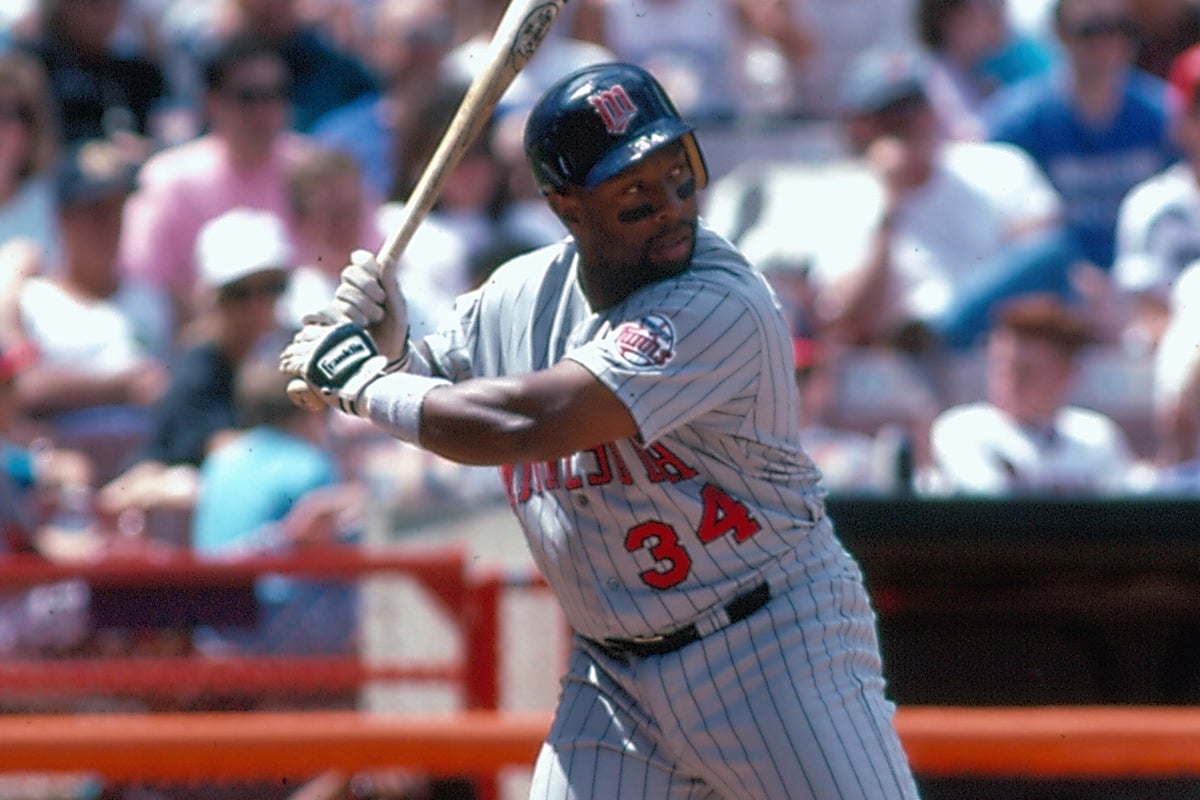
It was a memorable year for Johnson, who also was named the American Association’s Most Valuable Player for hitting .333 with 11 triples, 42 steals and 89 runs scored in 116 games with Louisville. Those numbers – and his late-season exposure to the big leagues – made him a valuable commodity for a Cardinals team that was flush with young outfielders.
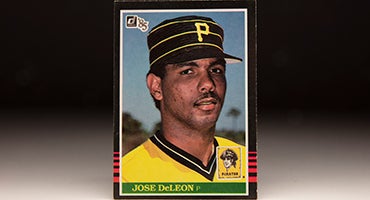
On Feb. 9, 1988, St. Louis traded Johnson and Ricky Horton to the White Sox for pitcher José DeLeón in a deal that was talked about for three months.
“It’s finally over,” White Sox general manager Larry Himes told Knight News Service. “It was a long time coming. (Johnson) gives us something we’ve lacked for a long time: A true leadoff hitter.”
Johnson won Chicago’s starting center field job in 1988 but struggled in his first taste of regular playing time in the big leagues. He was hitting .190 when the White Sox sent him to Triple-A Vancouver in early May.
After initially struggling in Vancouver, Johnson hit .307 with 49 steals and 71 runs scored in 100 games. The White Sox brought him back to Chicago in September, and he finished the year batting .185 with six steals in 33 big league games.
Dave Gallagher, a late bloomer who was not seen as a prospect by the White Sox, replaced Johnson in center field for much of the 1988 season and hit .303 while making several circus catches in the outfield, earning a fifth-place finish in the AL Rookie of the Year balloting. The team gave Johnson another chance at winning the center field job in 1989 but decided to stick with Gallagher while sending Johnson back to Triple-A after extended instruction with hitting coach Walt Hriniak.
“Walt is really going to help Lance,” White Sox manager Jeff Torborg told the Associated Press. “He’ll keep him from getting the ball in the air. Lance is fast enough to beat out a hit on the infield.”
Johnson, meanwhile, was taking a cautious approach with everyone, including the media.
“I don’t want to do interviews,” Johnson told the AP during Spring Training, “until I make the team.”
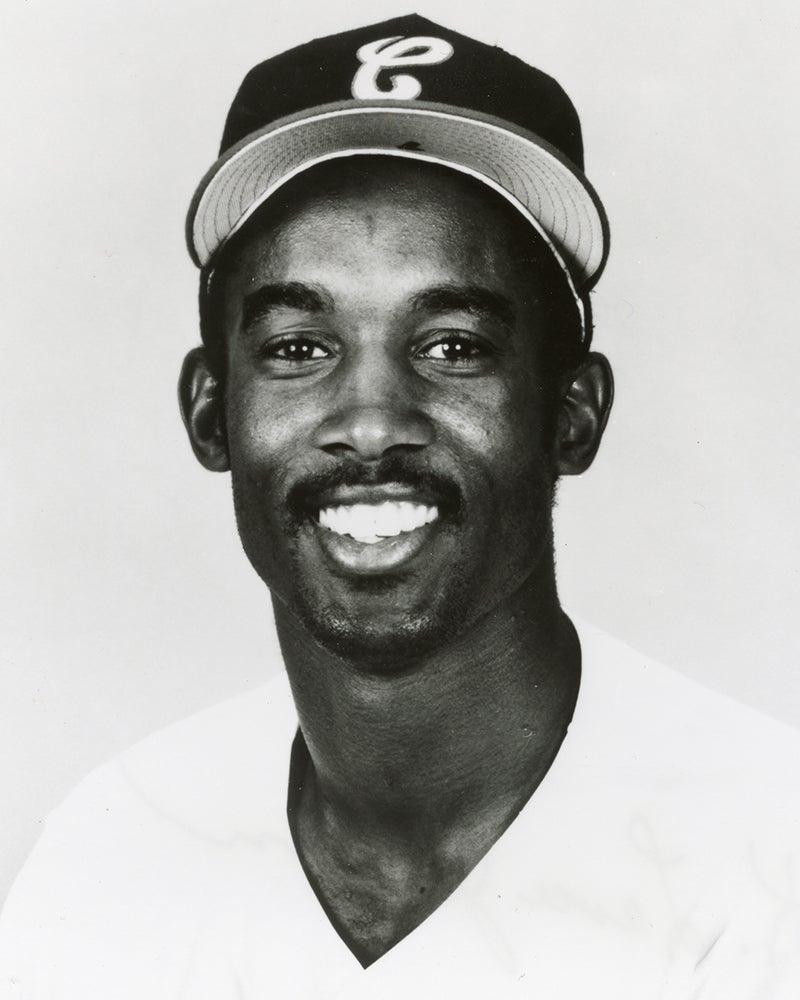
But Johnson did not sulk in Triple-A – instead using the time to work on his game. He was hitting .304 with 33 steals and 69 runs scored in 106 games when the White Sox brought him back to Chicago at the end of July. From that point, Johnson played regularly – mostly in left field – and wound up hitting .300 with 16 steals in 50 games.
He would not play another minor league game until the tail end of his career.
Johnson was the White Sox’s Opening Day center fielder in 1990, and in Game 2 of the season rapped a two-run single off Milwaukee’s Paul Mirabella in the sixth inning to turn a 3-2 deficit into a 4-3 lead that became a 5-3 Chicago win. The White Sox won five of the first six games en route to 94 victories and a second-place finish in the AL West during a season where Bobby Thigpen set a new single-season record with 57 saves.
Johnson batted .285 with 76 runs scored and a team-best 36 steals. And though he was thrown out an AL-leading 22 times, he also showed off his speed by hitting nine triples, finishing tied for third in the league. It would mark the last time he did not pace the AL in triples until 1995.
Johnson found himself in the leadoff spot more than any other position in the lineup in 1990, but the White Sox acquired Tim Raines following the 1990 season and installed the future Hall of Famer as their leadoff hitter for 1991. Johnson hit sixth or seventh for most of the season and batted .274 with 26 steals and an AL-best 13 triples. He boosted his average with a strong September, including a stretch of 22 hits in 53 at-bats.
“The ball looks like a beach ball the last couple of nights,” Johnson told reporters. “I hope it stays that way.”
Johnson also improved his defense, compiling an impressive 2.2 Defensive Wins Above Replacement figure. His range was fully on display on Aug. 11 when his diving eighth-inning catch robbed Baltimore’s Chris Hoiles and preserved Wilson Álvarez’s no-hitter. Álvarez was making just his second big league start.
“It was one of the best catches I’ve ever seen,” Torborg told the Chicago Tribune. “He came out of nowhere to get that ball.”
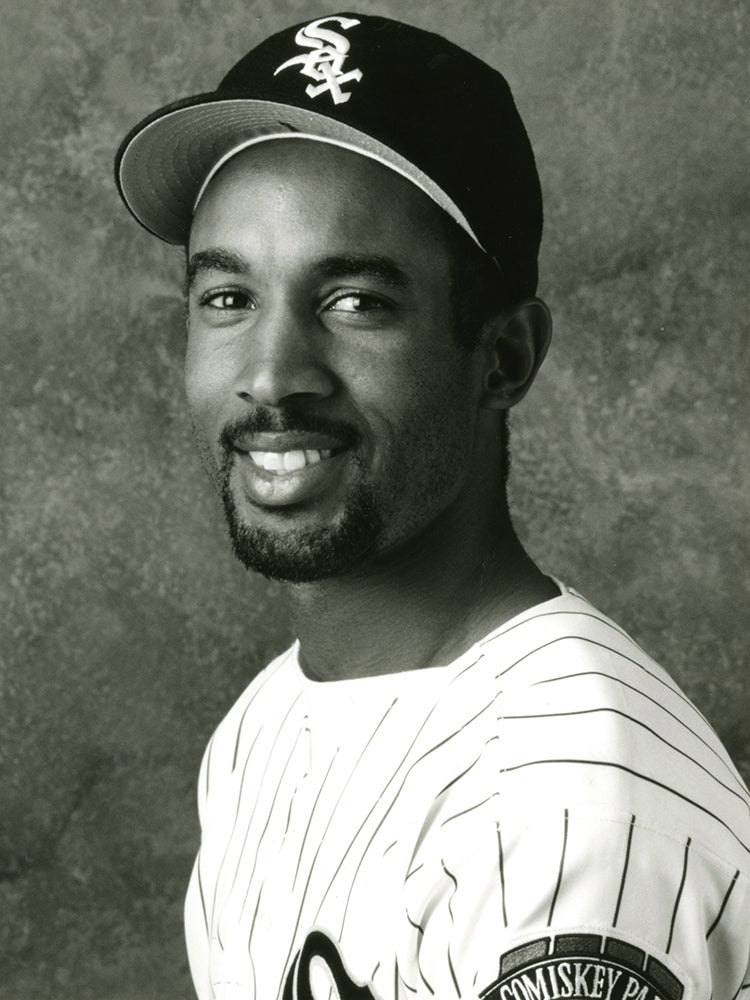
Johnson was in the Opening Day lineup for the third straight year in 1992 and put up similar numbers to the two previous seasons, batting .279 with 41 steals and a league-best 12 triples. Then in 1993, the White Sox put everything together and won the AL West title, with Johnson topping the .300 mark in a full season for the first time by hitting .311 with 35 steals and an MLB-leading 14 triples.
Johnson started in center field and batted seventh in all six games against the Blue Jays in the ALCS. He capped a five-run rally with a two-run single in the third inning of Game 3, powering the White Sox to a 6-1 victory. Then in Game 4, Johnson’s two-run triple in the sixth broke a 3-3 tie and proved to be the difference in Chicago’s 7-4 win that tied the series.
Earlier in Game 4, Johnson hit a two-run homer – his first in 411 days and just the fifth of a big league career that to then had included 2,795 regular season plate appearances.
“It’s nice to jog every once in a while,” Johnson told the Baltimore Sun of his home run. “That way I don’t lose as much weight.”
But in the final two games of the series, Johnson was held hitless in six at-bats as Toronto won twice to advance to the World Series.
Now firmly entrenched in the White Sox’s lineup, Johnson was given the nickname “One-Dog” by White Sox broadcaster Ken Harrelson, who likened Johnson to a greyhound racer with this No. 1.
“Have you ever been to the dog track? Seen the dog with the No. 1 win?” asked Johnson, who wore No. 1 for virtually his entire big league career. “You can’t lose with the One-Dog.”
Johnson also founded Lance Productions, a music company that featured jazz and rhythm and blues artists. The record label was known as One-Dog.
By this point, Johnson was in the middle of a three-year deal worth $7.6 million. He continued his remarkable consistency in 1994, hitting .277 with 54 RBI (his top career total to date) and 26 steals while leading MLB with 14 triples – all coming in just 106 games due to the work stoppage that began in August. The White Sox were in first place in the AL Central at that point but never got a chance to return to the ALCS when the season was canceled that fall.
The strike also denied the White Sox a chance to celebrate Johnson’s record of leading his league in triples for a fourth straight season.
In 1995, Johnson’s streak came to an end as his offensive production reached new heights. Moving into the leadoff spot from his now-customary seventh hole, Johnson led the AL in at-bats (607) and hits (186) while batting .306 with 10 home runs, 57 RBI and 40 steals. His 12 triples were one behind Cleveland’s Kenny Lofton for the league lead, but Johnson’s newfound power boosted his slugging percentage to a new high of .425.
On Sept. 23, Johnson tied a Modern Era big league mark (accomplished fewer than 50 times at that point) by hitting three triples in one game against the Twins in a contest where he went 6-for-6 at the plate. When Johnson led off with a triple the next day, it marked his ninth straight hit over three games.
But the White Sox declined to exercise an option year on Johnson’s contract, and Johnson became a free agent. He quickly agreed to a two-year deal with the Mets worth $5.765 million.
“He’s a leadoff hitter and an offensive catalyst who is also able to steal bases,” Mets assistant general manager Steve Phillips told Gannett News Service. “He also brings more to the table than he needs to. The most important (thing) is his makeup and personality we feel will enhance the chemistry of the team.”
Johnson embraced the chance to play in New York and showcase his skills as a leadoff hitter.
“The Sox never really used me correctly,” Johnson told Gannett News Service of the team’s decision to bat him lower in the order. “I’ve always been able to hit the ball, but I wanted to learn to hit first. Once I learned to hit (for power), I decided to crank it up a little bit.”
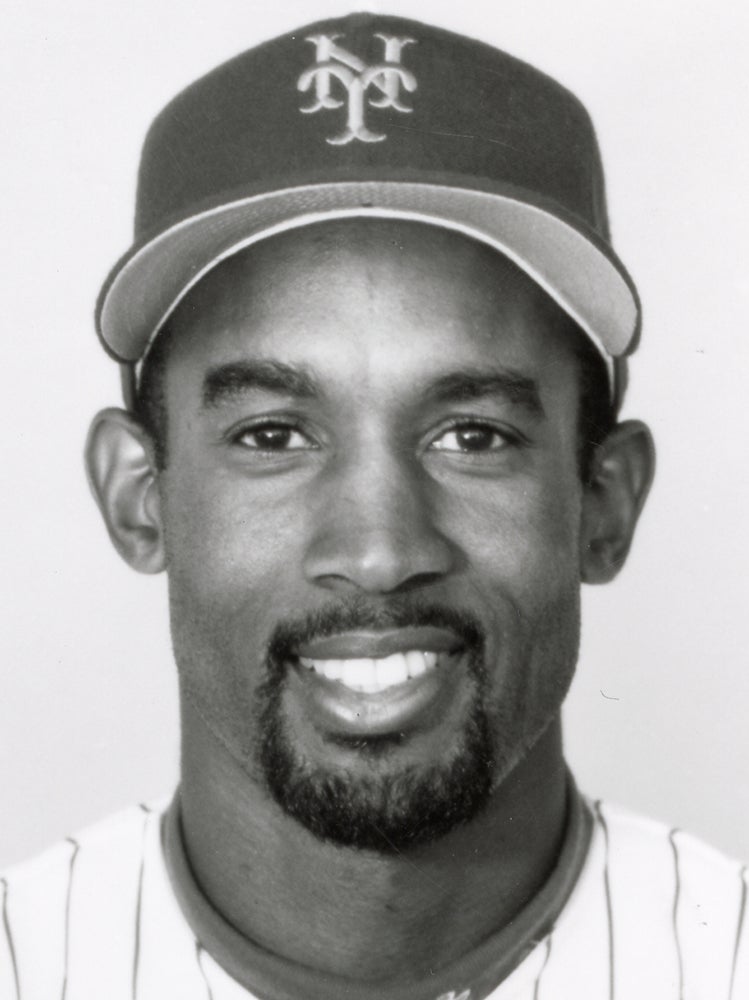
Johnson gave the Mets everything they asked for in 1996. He led the National League in plate appearances (724) and at-bats (682) while hitting .333 with nine home runs, 69 RBI, 50 steals and 117 runs scored. His 227 hits led all of baseball, making him the first player in history to lead both the AL and NL in hits. His 21 triples also topped all big league players, with his shots just inside the first base bag into the right field corner becoming almost routine.
With his 20th triple in 1996, Johnson became the first MLB player with 20 triples since Willie Wilson in 1985 and first NL player with 20 triples since Willie Mays in 1957. He was named to his only All-Star Game that season (he had three hits in four at-bats in the NL’s 6-0 win) and finished 18th in the NL Most Valuable Player voting.
“I haven’t had a bad year yet,” Johnson told the Register heading into the 1997 season. “Last year and the year before were pretty good years. I just hope I can keep it up and play six or seven more years.”
But 1996 would prove to be Johnson’s peak. After playing in a remarkable 95.7 percent of his team’s games from 1990-96, Johnson began to wear down and suffered from shin splits throughout 1997. On Aug. 8, the Mets traded Johnson and two players to be named (who became Mark Clark and Manny Alexander) to the Cubs in exchange for Brian McRae, Mel Rojas and Turk Wendell.
“I don’t feel like I was treated right when I was (with the White Sox),” Johnson told the Chicago Tribune after the trade. “That’s all a person asks – to be treated right and to be respected.
“I spent the summers in Chicago (as a youngster) and you can’t help but become a Cubs fan listening to Harry Caray each and every day. The Cubs kind of grow on you. I’m ecstatic about it.”
Johnson moved right into the Cubs’ lineup in center field and finished the season batting .307 with eight triples (his first season failing to reach double digits since 1990) and 20 steals in 111 games. Then in 1998, Johnson was hitting .115 through his first 16 games when he was sidelined with a hand injury that kept him out of action until July – returning even before his hand was completely healed.
But once he got healthy, Johnson helped power the Cubs to the NL Wild Card by hitting .342 with 37 runs scored in August and September. Johnson went 2-for-12 in the NLDS as the Cubs were swept by the Braves.
“When I’m healthy, you know what is going to happen,” Johnson told the Tribune in the spring of 1999. “So I’m healthy, I’m happy and I’m humble – the three H’s.”
But Johnson could not stay healthy in 1999, suffering a thumb strain and an abdominal pull in June – injuries that sidelined him for two months. He also clashed with Cubs manager Jim Riggleman over the severity of his injuries as Chicago limped home to a 67-95 record.
Johnson hit .260 with six triples and 13 steals in 95 games in the last season of his contract. Even with free agency pending, the Cubs released Johnson on Oct. 5 in a move to create roster space.
Johnson and Riggleman reunited in 2000, however, when Riggleman became Cleveland’s third base coach and recommended the team sign Johnson to a minor league deal. But when Indians center fielder Kenny Lofton returned earlier than expected from a shoulder injury, Johnson became expendable and was released on March 30.
The Yankees signed Johnson three days later and he was soon placed on the big league roster. But after playing in just 18 games, Johnson was designated for assignment on May 30. Though he was not part of the team’s October celebration after the Yankees won the World Series, he earned a championship ring for his contributions, which included a .300 batting average.
Johnson played for the Newark Bears of the Atlantic League in 2001 as well as the Rockies’ Triple-A team in Colorado Springs. He returned to the Atlantic League in 2002 with the Nashua Pride, hitting .317 in the final 53 pro games of his career.
In 14 big league seasons, Johnson hit .291 with 1,565 hits, 175 doubles, 117 triples and 327 stolen bases. His triples total ranks in the Top 125 of all-time, and only José Reyes (131), Steve Finley (124) and Carl Crawford (123) have hit more triples since Johnson’s big league debut in 1987.
For the player known as One-Dog, the extra effort to get to third base was always worth it.
“I guess I’m what you call a blue-collar player,” Johnson told the Chicago Tribune in 1992. “I punch in every day, play hard and hustle.”
Craig Muder is the director of communications for the National Baseball Hall of Fame and Museum