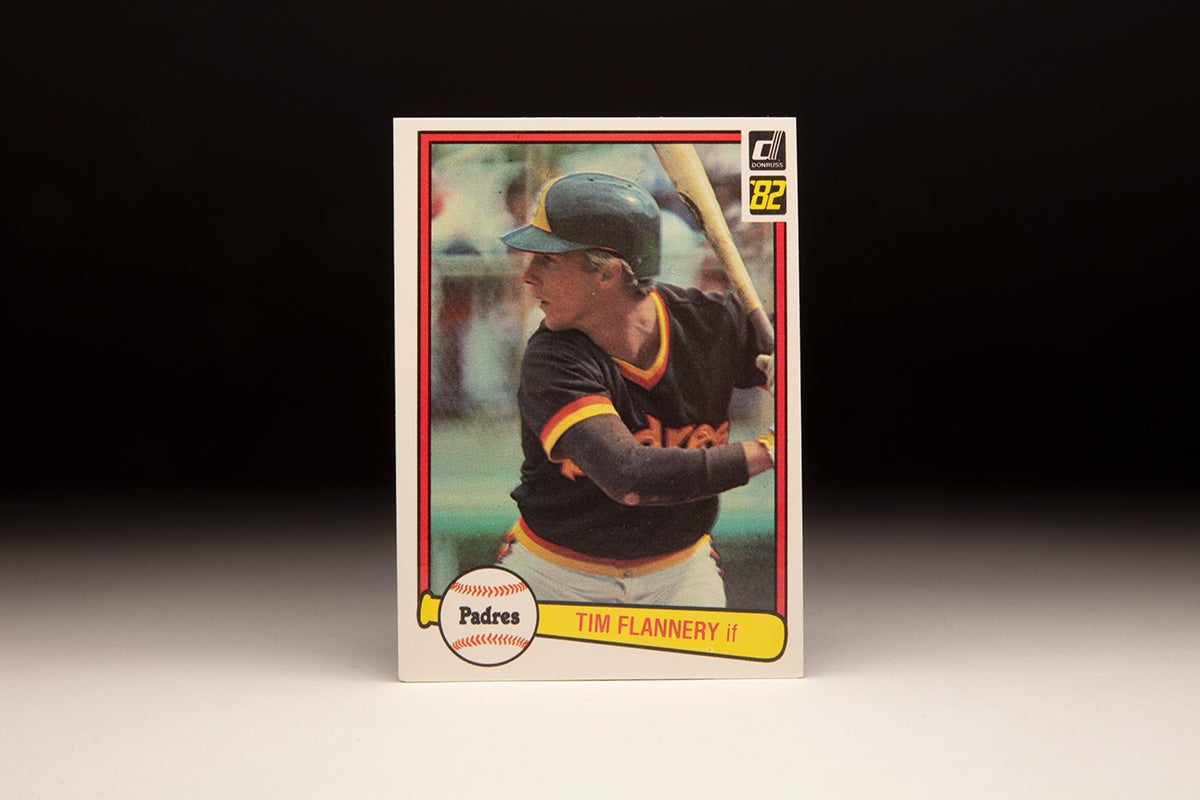
#CardCorner: 1982 Donruss Tim Flannery
Trailing the Chicago Cubs 3-2 in the deciding game of the 1984 National League Championship Series, the San Diego Padres had a runner on second and one out in the bottom of the seventh inning.
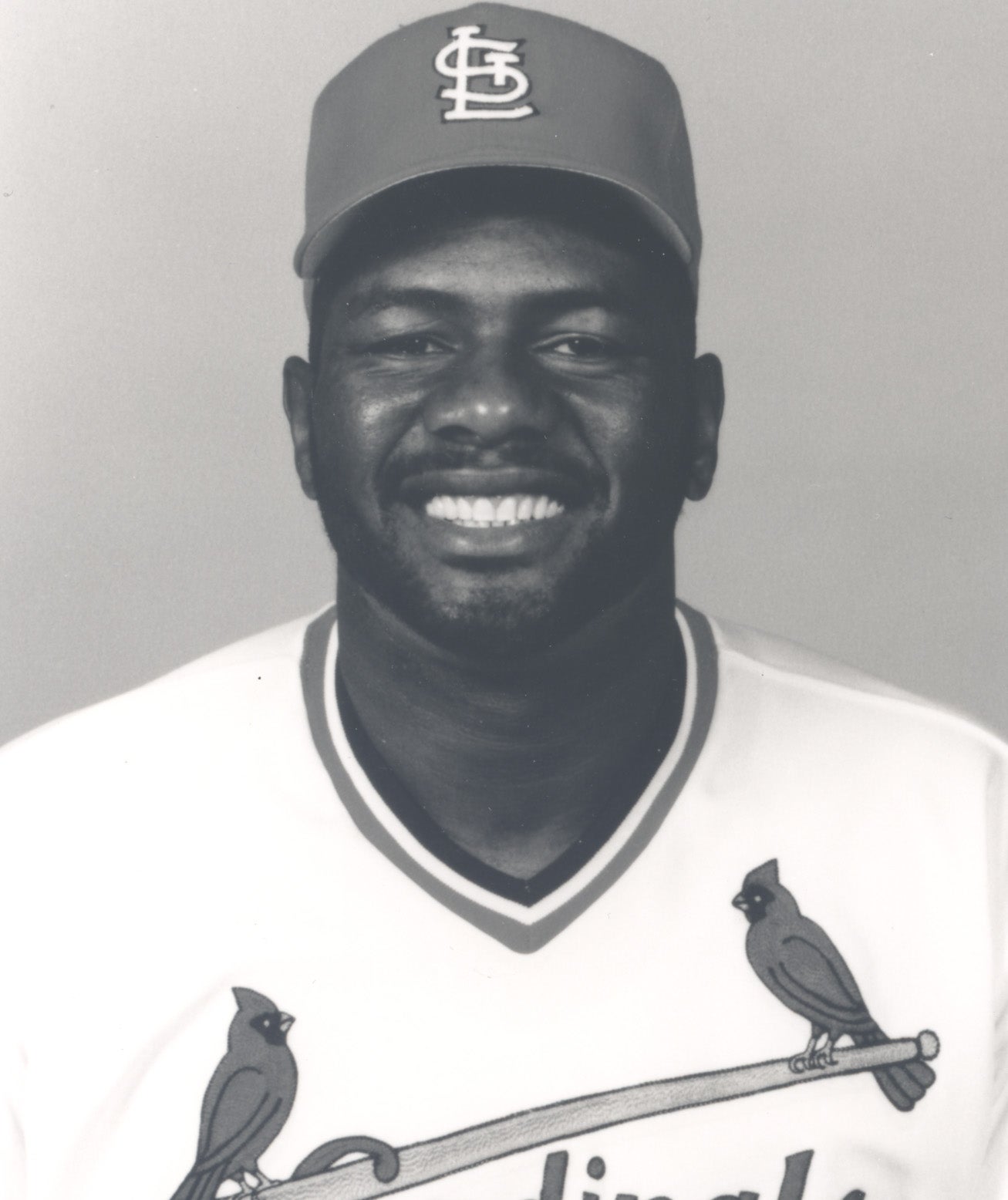
Up to the plate came Tim Flannery, one of the team’s most popular players thanks to his Southern California background. On the first pitch from Rick Sutcliffe, Flannery grounded a ball to first base that went between the legs of Chicago’s Leon Durham, scoring Carmelo Martínez with the tying run.
It was the most important ground ball in team history, and one that led to three more runs that inning as San Diego won 6-3 to capture its first National League pennant. And though Flannery and the Padres did not get their World Series ring that year, he would eventually win three titles thanks to hard work and dedication that carried him past his playing days and into a coaching career.
Timothy Earl Flannery was born Sept. 29, 1957, in Tulsa, Okla. His father was a minister, and the family moved to Southern California in the 1960s. By then, Flannery already had a brush with baseball destiny: His uncle, Hal Smith, hit a three-run home run for the Pirates in Game 7 of the 1960 World Series, giving Pittsburgh a 9-7 lead and setting the stage for Bill Mazeroski’s walk-off home run in the bottom of the ninth.
But Flannery and Smith had more in common than baseball. Both loved and created music.
“If you see old pictures from the 1960s, a lot of the time (Smith) is carrying a guitar,” Flannery told the Petaluma (Calif.) Argus-Courier in 2019 when he was preparing for a concert with his bluegrass band The Lunatic Fringe. “When I signed my first professional contract in 1978, my uncle gave me a letter. I had just signed with the Padres and was ready to take off on a bus to make $500 a month and eat on $6 a day in the minor leagues…that letter from my uncle told me about all the things on the road I should be careful of, all the things that will hold you back, all the ways to overcome that and still shine when things aren’t going very well, travel-wise, on-the-field-wise. I carried that letter a long, long time.”
Flannery went to high school in Anaheim, Calif., and fell in love with music – particularly Bob Dylan and Jackson Browne – while excelling on the baseball diamond.
“I’m always writing songs, and I always have,” Flannery told the Argus-Courier. “In our family, we never knew you had to choose between baseball and music. When people asked me about that, questioned how I could be focused on playing baseball if I was thinking about music, I always said: ‘I’ll choose between baseball and music when you choose between water and air.’
“I don’t know about you, but I have to have both.”
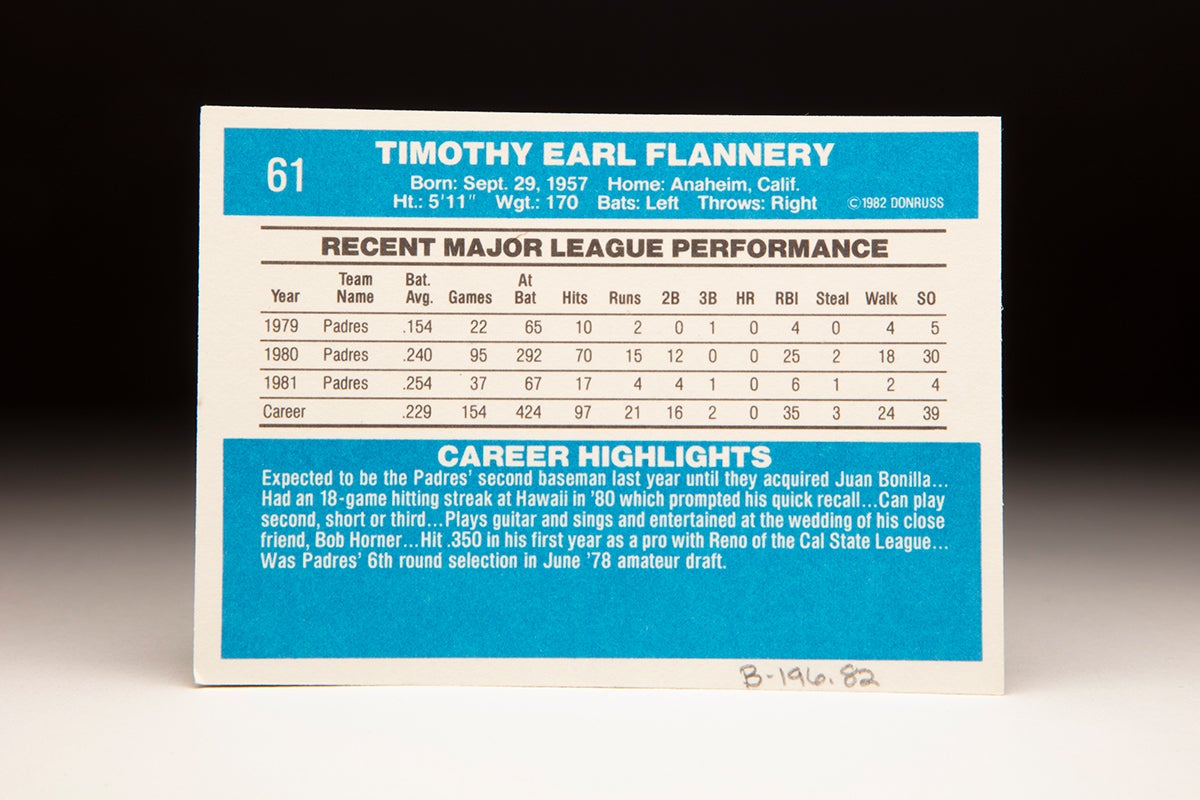
Undrafted after graduating from Anaheim High School in 1975, Flannery enrolled at Chapman College in nearby Orange, Calif., and starred for the Panthers at second base. He hit .393 as a freshman and led all NCAA Division II batters with 90 hits, then batted .378 as a sophomore and .435 as a junior in 1978 – striking out just four times over three seasons. He was named to the NCAA Division II All-American team that season and was drafted in the sixth round that year by the Padres.
Flannery quickly signed for a reported $12,000 bonus and reported to Class A Reno of the California League, where he hit .350 (losing the batting title by one-thousandth of one point) with a .438 on-base percentage and 20 steals in 84 games. That performance – and his .386 batting average in the Arizona Instructional League after the minor league season ended – earned him an invitation to the Padres big league Spring Training camp in 1979.
“It’s a matter of being in the right place at the right time and then taking advantage of the opportunity,” Flannery told the Los Angeles Times about his chances of playing for the Padres in 1979. “I had some doubts before I got to camp but not anymore. After seeing the players in camp, I know I can play.”
Flannery did not stick on the Padres’ roster but instead was sent to Double-A Amarillo, where he batted .345 (finishing second among Texas League batters) with 181 hits and 71 RBI in 125 games. When rosters expanded in September, Flannery got the call to the big leagues.
Inserted into the lineup at second base – a position where the Padres struggled to find production all season – Flannery batted .154 over 22 games but showed off his fielding skills by making just one error in 106 chances. He hit well in Spring Training of 1980 but the Padres went with veteran Dave Cash at second base, sending Flannery to Triple-A Hawaii.
But Cash struggled all season at the plate – hitting a career-low .227 in 130 games – as did third baseman Aurelio Rodríguez. Flannery, meanwhile, hit .346 in 47 games for the Islanders before being recalled to San Diego in June. He played regularly at second and third the rest of the season, hitting .240 with 12 doubles and 25 RBI in 95 games.
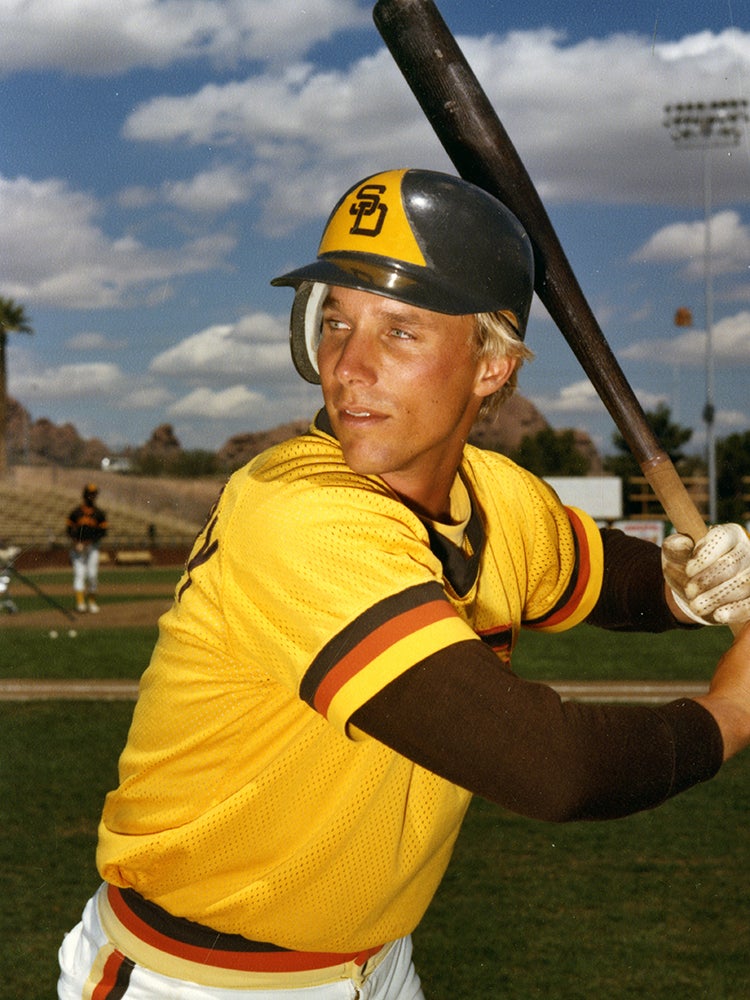
In 1981, Flannery hit .300 during Spring Training and seemed to have won the second base job. But on April 1, the Padres acquired Juan Bonilla in a trade with Cleveland. Bonilla started at second base on Opening Day, and Luis Salazar, who hit .337 after being promoted to the big leagues in 1980, was at third base. Flannery was sent back to Triple-A and requested a trade before he was recalled in May.
But when the strike interrupted the season in June, Flannery found a new perspective.
“I’m as happy as I was when we were playing,” Flannery told the Los Angeles Times during the strike. “I have learned a valuable lesson. There are other things in life than baseball. I don’t miss the money, I miss playing. I love the game. But I want to be Tim Flannery, the person, not just Tim Flannery, the player.”
Flannery passed the time during the strike playing guitar at local clubs. When the season resumed, he assumed a bench role with the Padres before starting at third base for most of the last month of the season. He finished the year batting .254 in 37 games.
Flannery was back on the Padres bench to start the 1982 campaign when Bonilla – who finished fourth in the National League Rookie of the Year voting in 1981 – fractured his left wrist when he collided with Cardinals runner Willie McGee while covering first base on a bunt on May 19. Flannery immediately replaced Bonilla in the game and started at second base the next day.
Rumors swirled that the Padres were considering signing Rodney Scott – a favorite of Padres manager Dick Williams – to replace Bonilla, but the deal never happened as the team stuck with Flannery.
“The only thing I hope is that before they go out and make a move, they sit back and have some patience with me and see what happens,” Flannery told the North Country Times of Oceanside, Calif. “I think I’ll save them some time and trouble.
“I’m not going to be a Juan Bonilla. He’s the best, I feel, in the National League. But I won’t embarrass the ballclub. I’ll hold down the fort until Juan’s ready to go again, whether it’s nine weeks or the whole season.”
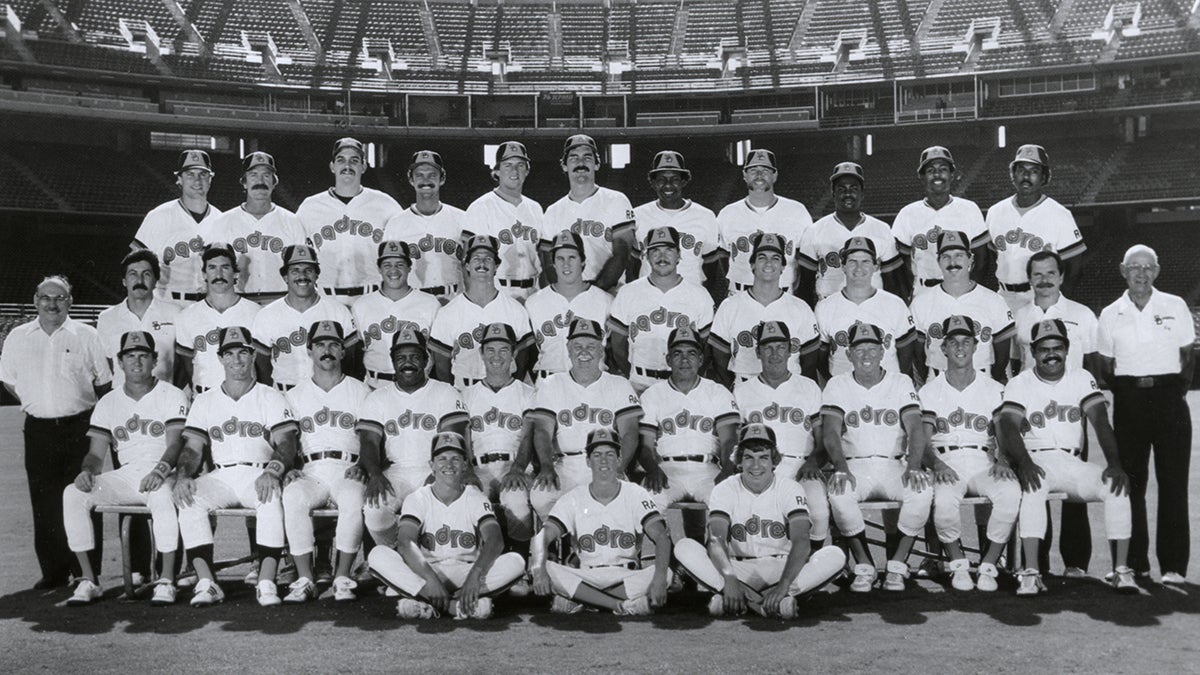
Bonilla didn’t return to action until late September, and Flannery got his chance to play regularly – hitting .264 with 11 doubles and seven triples in 122 games. Bonilla played in 152 games in 1983 while Flannery assumed a utility role, batting .234 in 92 contests. His steady play off the bench was rewarded in the spring of 1984 when the Padres extended his contract through the 1986 season.
Then in 1984, the Padres waived Bonilla late in Spring Training after he had encountered substance abuse problems. Alan Wiggins won the starting second base job after playing most of his 144 games in 1983 in the outfield, and Wiggins stole 70 bases and scored 106 runs in 1984 as the Padres won their first NL West title.
Flannery hit .273 off the bench that year, with more than half (47) of his total appearances (86) coming as a pinch-hitter. It was in that role where Flannery came to the plate in Game 5 of the NLCS, batting for reliever Craig Lefferts.
The Padres had lost the first two games of the series to the Cubs by a combined score of 17-2. But when the series shifted to San Diego for Game 3, the Padres fed off the raucous crowds at Jack Murphy Stadium. After winning Game 3 by a 7-1 score, San Diego and Chicago battled back and forth in Game 4. With the Cubs leading 3-2 in the bottom of the fifth, Flannery led off with a pinch-hit single off Scott Sanderson and later scored on a Steve Garvey single to tie the game.
Garvey, who was 4-for-5 with five RBI that night, ended the game in the ninth inning with a two-run homer off Lee Smith that gave San Diego a 7-5 victory and sent the series to a decisive fifth game.
The next day, Flannery’s seventh-inning grounder tied the score and ignited the Padres’ rally. In the winning clubhouse after the game, Flannery broke down in tears.
“It’s something I’ll never forget,” Flannery, who was the only player on the 1984 Padres to predate the hiring of general manager Jack McKeon in 1980, told the Associated Press. “This team means so much to me…We mean so much to each other.
“Some guys never get the chance to play on a team like this. I feel so lucky to have been here.”
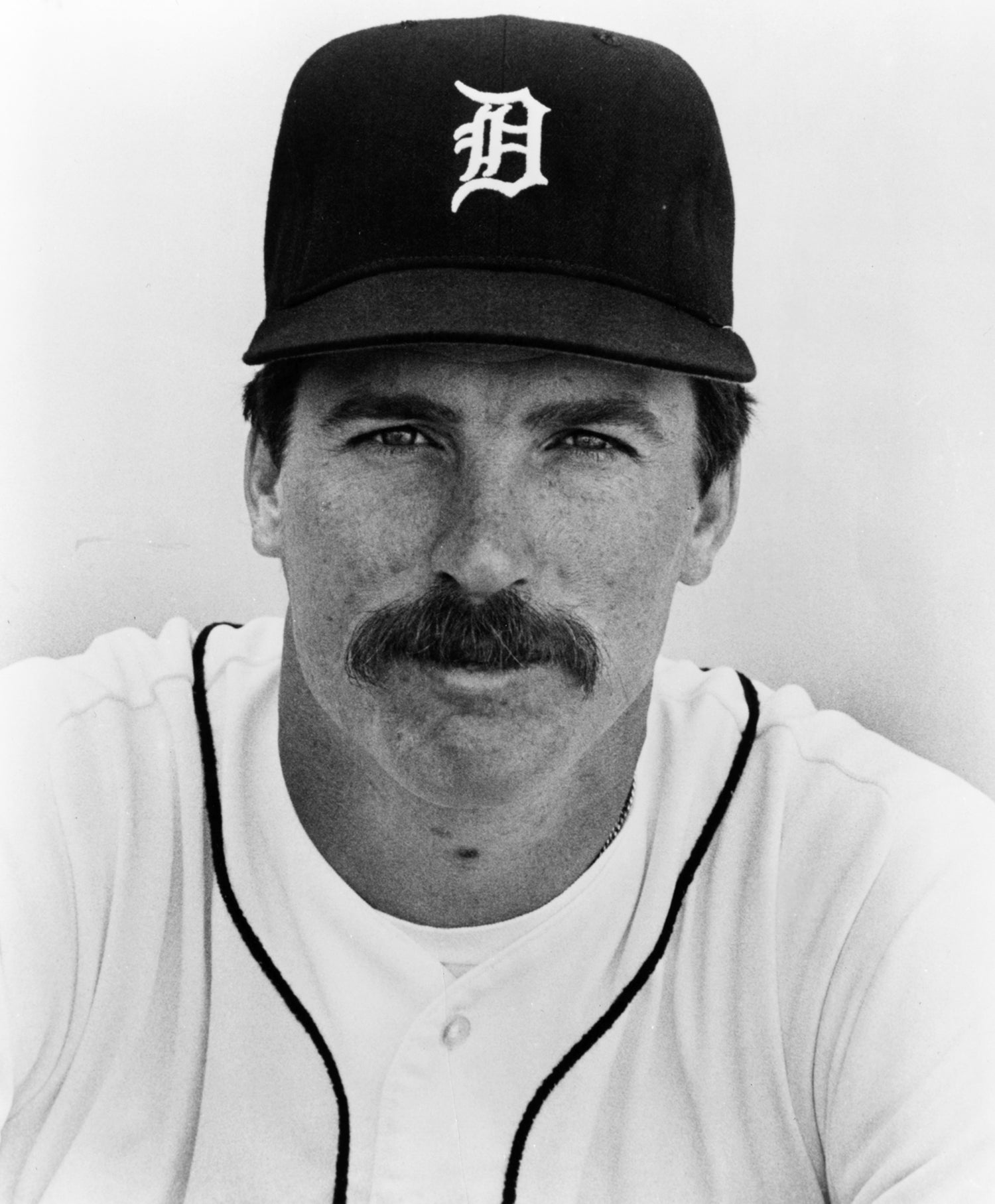
Flannery got into just one game in the World Series against the Tigers as Detroit took the title in five games. But in that one appearance, Flannery dropped a Game 4 pinch-hit single into center field off Jack Morris.
The Padres were unable to recapture their magic in 1985. Wiggins was suspended after failing to show up for an April 25 game against the Dodgers and then voluntarily entering a drug rehabilitation facility. He was later traded to the Orioles, and Flannery took over at second base for the remainder of the season, batting .281 with a .386 on-base percentage over 126 games.
In the spring of 1986, the Padres and Flannery agreed to a three-year contract worth $1.1 million that would carry him through the 1989 campaign.
“Tim fills a lot of roles for us,” McKeon told the North County Times in 1986. “He can be utilized in so many ways. He’s like the sixth man in basketball. He’s a guy who’s gotten the most out of his ability and he should be complimented on that because there’s an awful lot of guys who don’t. He’s versatile, has a positive attitude, is very colorful, and is a crowd favorite.”
Flannery’s numbers in 1986 were near duplicates of the previous season as he hit .280 with a .378 on-base percentage in 134 games, mostly at second base. But in 1987, his average dropped to .228 as the Padres began working top prospect Joey Cora into the lineup at second base.
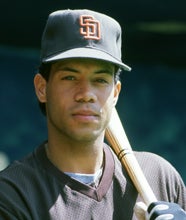
Then in 1988, future Hall of Famer Roberto Alomar made it to the big leagues and became the Padres’ second baseman, pushing Flannery back to a bench role. He hit .265 in 79 games that year before batting .231 in 73 contests in his final big league season as a player in 1989.
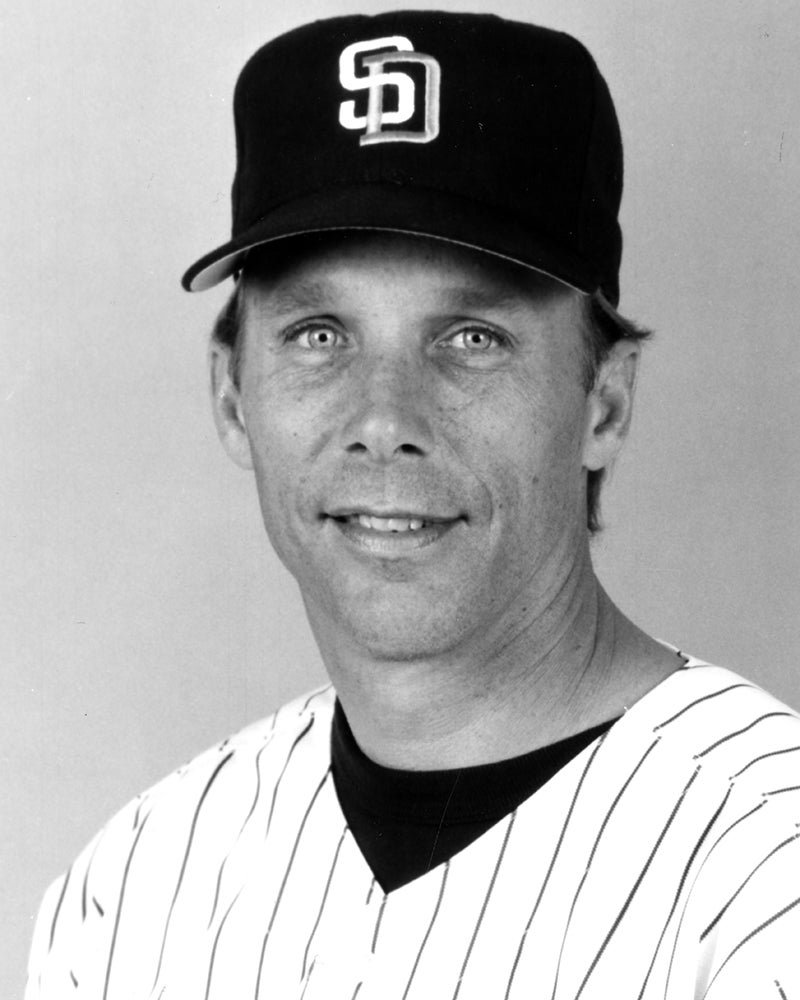
Flannery announced his retirement late in the 1989 season, playing in his final game on Sept. 29. The next day, San Diego’s city council declared it to be “Tim Flannery Day” – on what was the next-to-last day of the regular season – and Flannery was given gifts and a video tribute while his children, four-year-old Daniel and two-year-old Virginia Lynn, were presented with $25,000 college scholarship funds by the Padres. The 47,787 fans at Jack Murphy Stadium gave Flannery and his family a three-minute standing ovation as they left the field.
Flannery took time to enjoy his family and music after retiring as a player but returned to the game in 1993 as the manager of the Padres’ Northwest League team in Spokane. He moved up to Class A Rancho Cucamonga of the California League in 1994 and then to Triple-A Las Vegas in 1995.
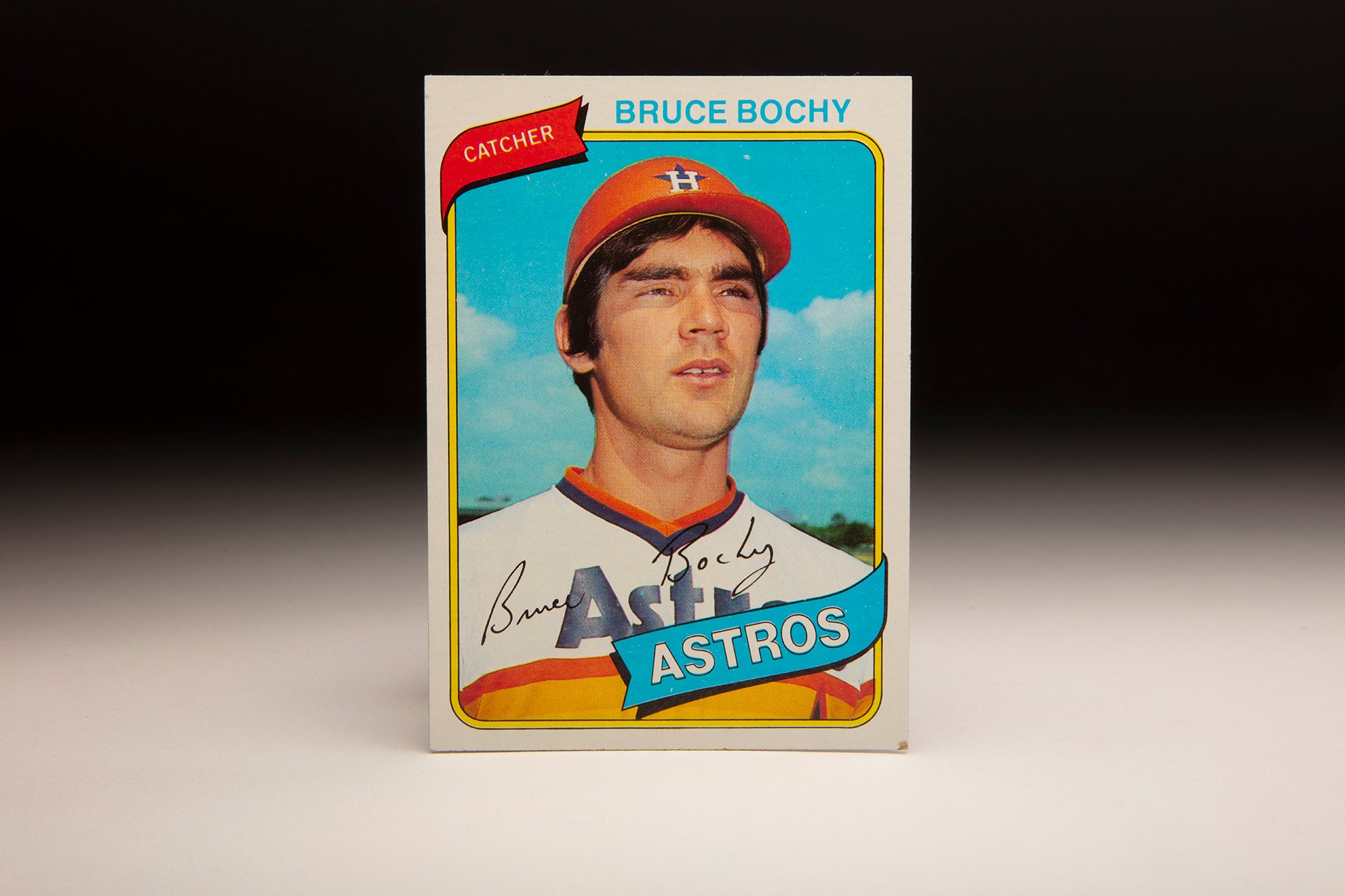
In 1996, he replaced Graig Nettles as manager Bruce Bochy’s third base coach in San Diego and held that position for seven seasons before working on Padres radio and TV broadcasts from 2004-06.
When Bochy left the Padres to take over the Giants in 2007, Flannery came aboard in San Francisco as the Giants’ third base coach. He would help mold a core of players that would win World Series titles in 2010, 2012 and 2014 before retiring as a coach after the third Fall Classic title.
After he left coaching, Flannery concentrated on his music and the Love Harder Project, an anti-bullying nonprofit he established with his wife, Donna.
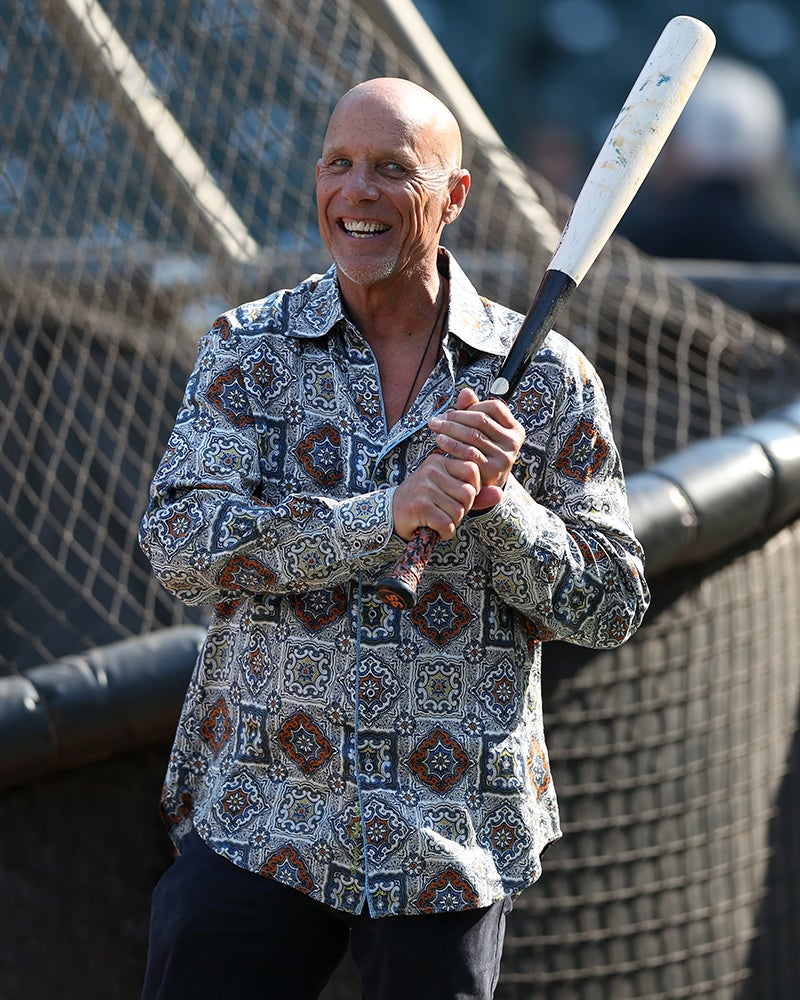
Many of his songs were inspired by Jerry Jeff Walker, who was born 30 minutes south of Cooperstown in Oneonta, N.Y., and who wrote the Nitty Gritty Dirt Band’s 1971 hit Mr. Bojangles.
“Most of my songs are only about baseball indirectly,” Flannery told the Petaluma Argus-Courier. “They’re baseball songs in that they might have characters or experiences I encountered because of my baseball career.”
But Flannery had no problem finding inspiration or keeping busy after leaving behind his baseball career.
“For 33 years, I never had a summer off,” Flannery told the Petaluma Argus-Courier in 2019. “And when I finally retired from coaching in 2014, that next summer I got to play at the High Sierra Music Festival. I started whitewater rafting, and I was thinking: ‘Are you (kidding) me? This is what goes on when you’re not playing ball? Man! I’ve been missing out.’”
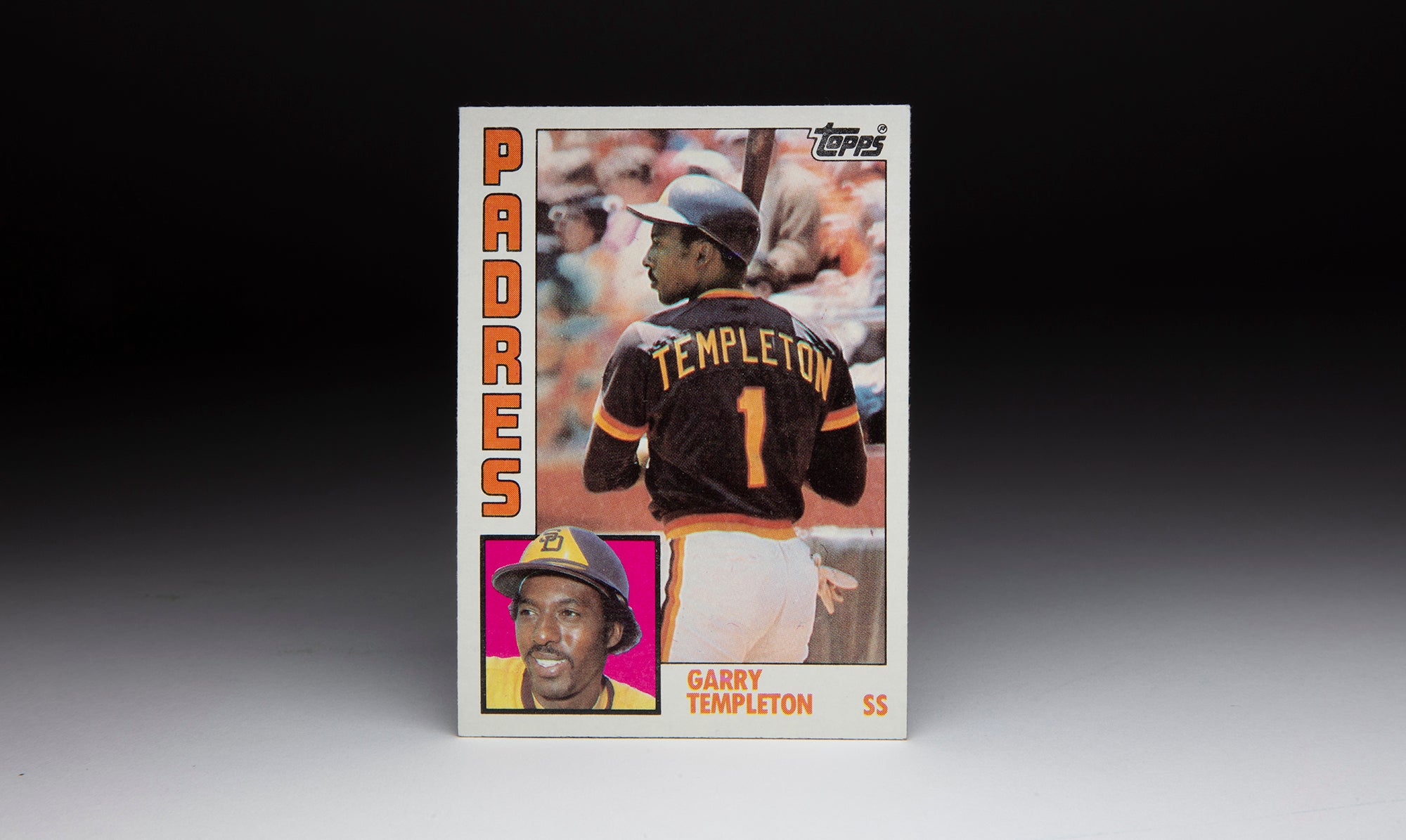
Over 11 big league seasons – all with the Padres – Flannery hit .255 with 255 runs scored and 209 RBI over 972 games. Only Tony Gwynn, Garry Templeton and Dave Winfield had appeared in more games in a Padres uniform when Flannery stepped off the field for the last time.
Few players maximized their talents – on and off the field – better than Flannery.
“I hit .345 everywhere I played in the minors,” Flannery told the North County Times in 1986. “When I came to the Padres, I thought I would be a .300 hitter and be the National League’s All-Star second baseman for the next 20 years. Obviously, I’ve had to change my way of thinking.”
Craig Muder is the director of communications for the National Baseball Hall of Fame and Museum