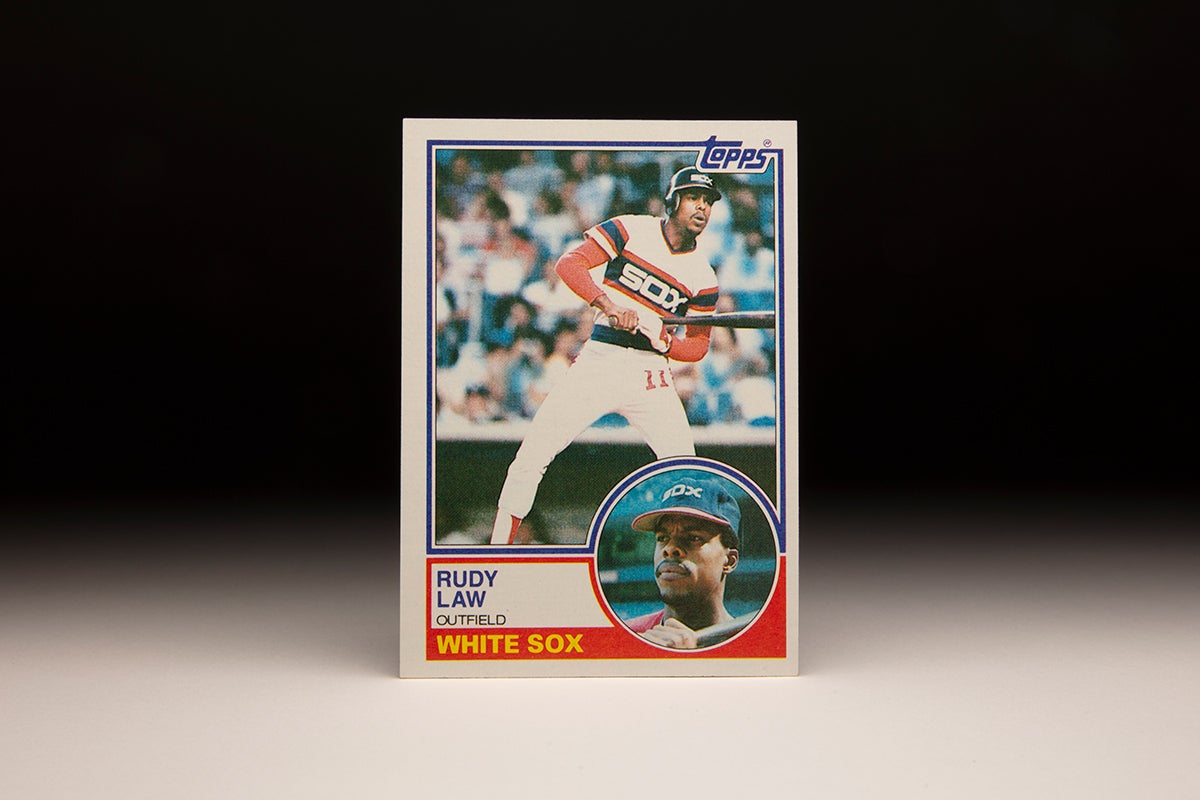
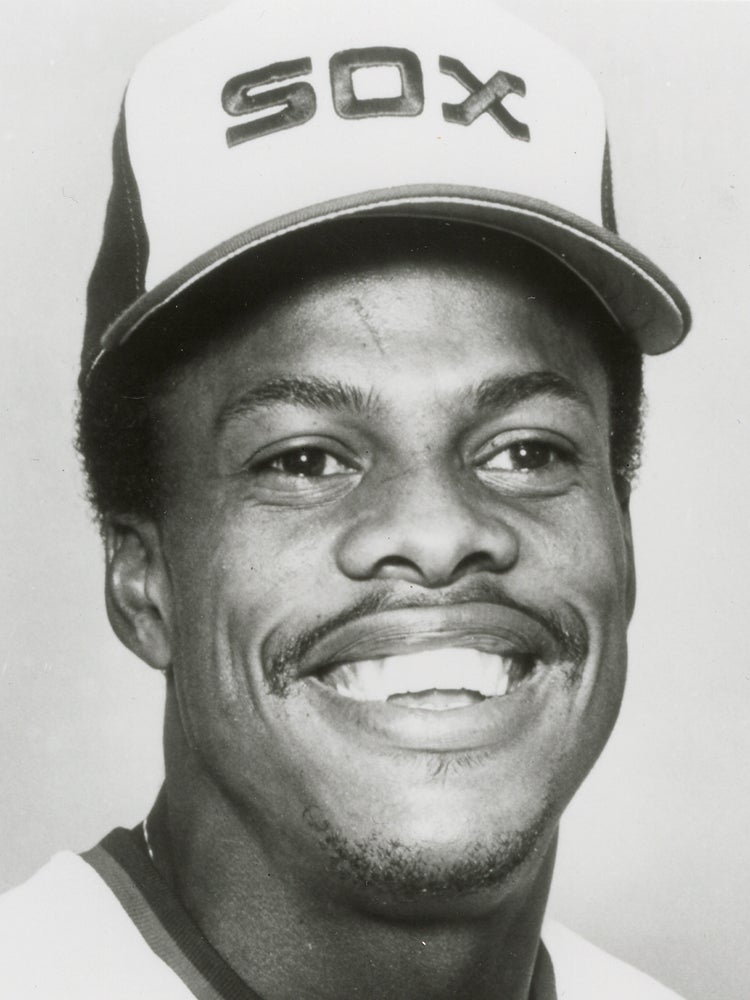
#CardCorner: 1983 Topps Rudy Law
The Chicago White Sox have a long history of outstanding baserunners, including Hall of Famers Luis Aparicio, who won nine straight AL stolen base crowns, and Eddie Collins, who swiped 368 of his 741 bags in a Chicago uniform.
But the single-season franchise leader is an outfielder who spent just four seasons with the team. One of those, however, will be forever remembered by White Sox fans.
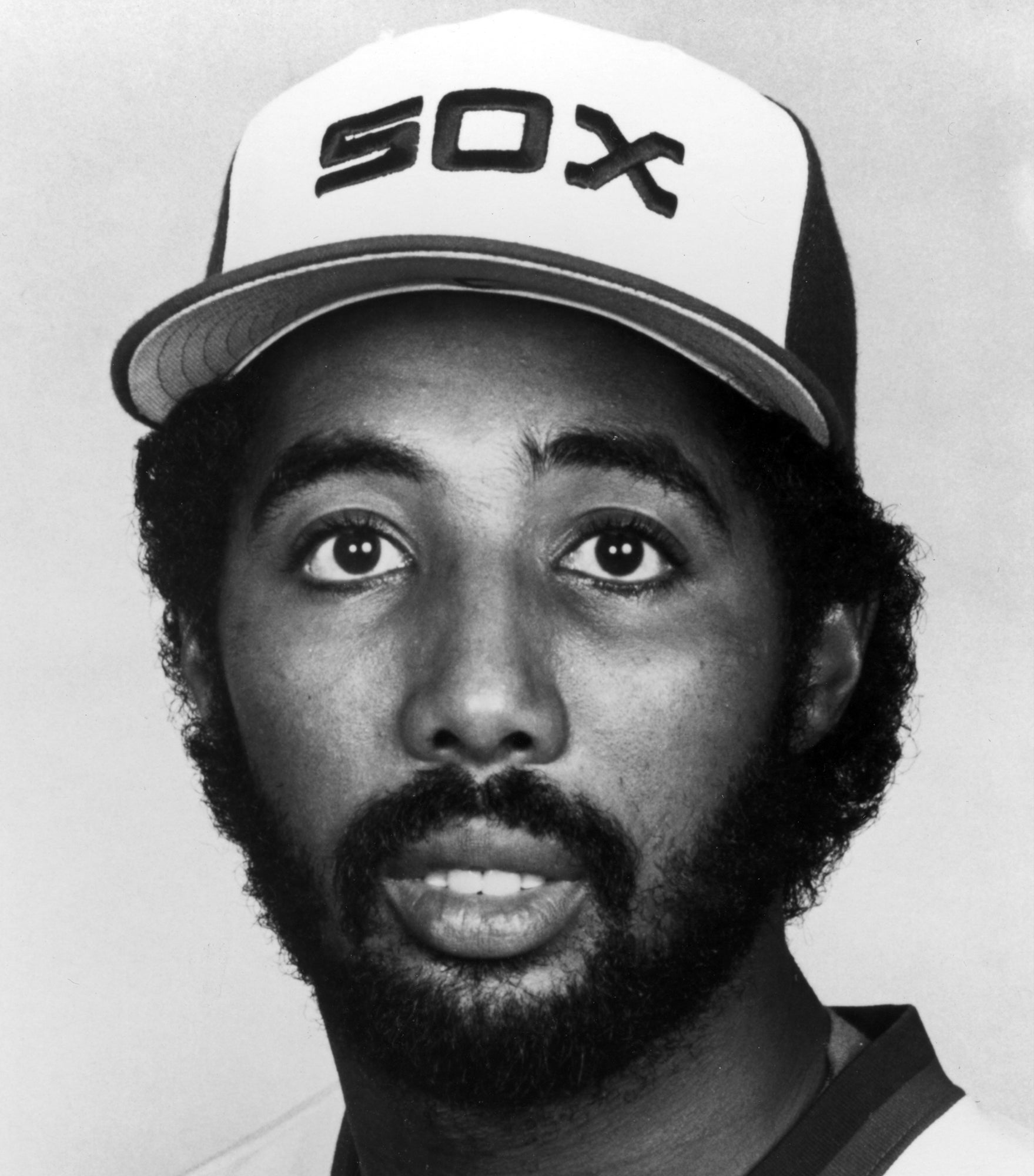
Rudy Law stole 77 bases for Chicago’s American League West-winning club in 1983, helping power an offense that supported two 20-game winners in the rotation. For Law, it was the undeniable peak of a career that saw him emerge from the talented Dodgers farm system to become a star.
Born Rudy Karl Law on Oct. 7, 1956, in Waco, Texas, Law and his family moved to East Palo Alto, Calif., and he grew up in the Bay Area. Both of his parents died in an automobile crash when Law was a teenager.
Finding his way as an athlete, Law led his team, the Lions, to the Ravenswood Little League championship in 1967. He was a three-sport athlete (baseball, basketball and football) at Ravenswood High School but went undrafted after graduation. A first baseman during his prep days, Law was a second-team All-South Peninsula Athletic League pick as a senior after hitting .320.
That summer, Law played for the Ravenswood 16-18-year-old team that won the Joe DiMaggio state baseball title for California, with Law winning Most Valuable Player honors in the regional tournament. On Sept. 1, 1975 – three months after graduating from high school – Law signed with the Dodgers as an amateur free agent.
Sent to Bellingham, Wash., for the short-season Northwest League campaign in 1976, Law hit .335 with 19 steals and 40 runs scored in 54 games. He was promoted to Lodi of the California League in 1977 and spent much of that summer with a batting average of better than .400 before finishing at .386 with a .462 on-base percentage, 124 runs scored, 88 RBI and 37 steals in 122 games. Amazingly, Law was not named league Most Valuable Player and didn’t even finish in the Top 2 among outfielders on the California League All-Star team. He was, however, tied for third in that balloting with another future base stealing star: Rickey Henderson, who led the league with 95 steals.
Law easily won the batting title.
“I learned how to hit breaking balls,” Law told the Palo Alto Times of the secret to his success.
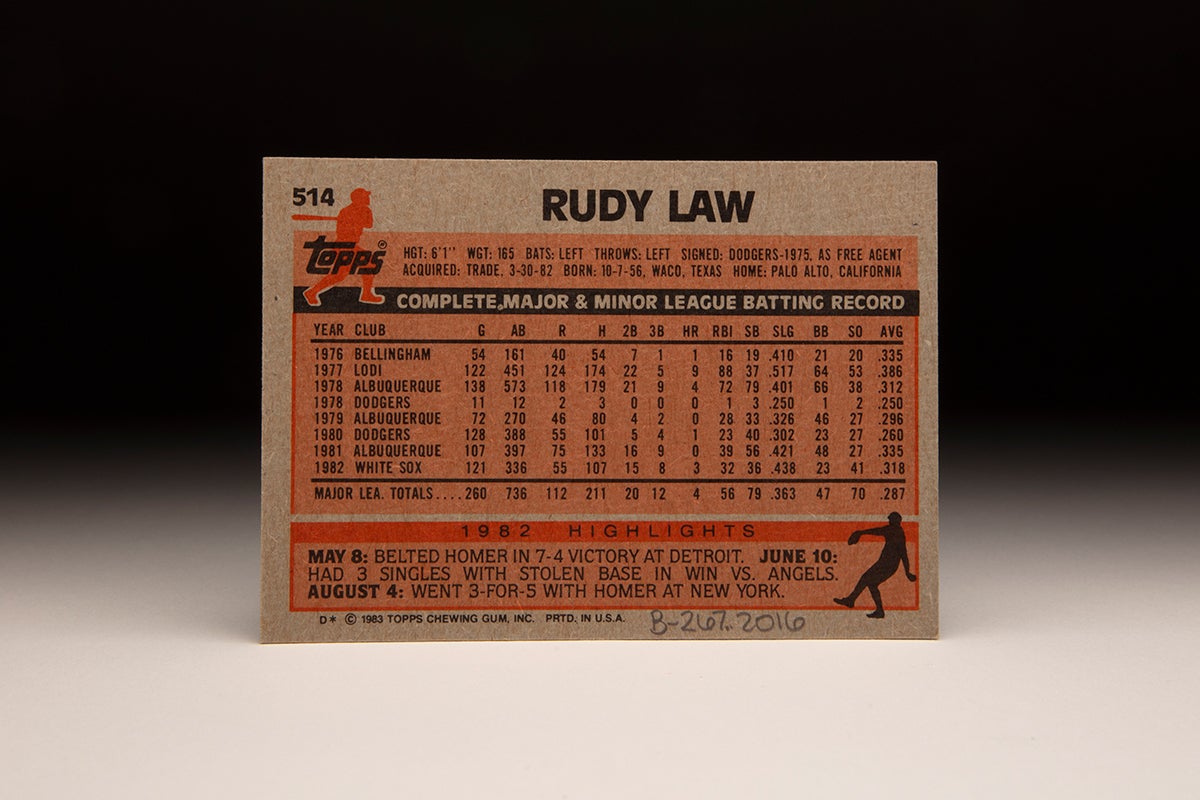
The Dodgers sent Law to Triple-A Albuquerque in 1978, and he continued to show excellent bat-to-ball skills while hitting .312 with 21 doubles, nine triples, 72 RBI, 118 runs scored and a Pacific Coast League record 79 steals in 138 games. That performance earned him a late-season promotion to the Dodgers, where he hit .250 (3-for-12) with three steals in 11 games as the Dodgers won their second straight NL West title.
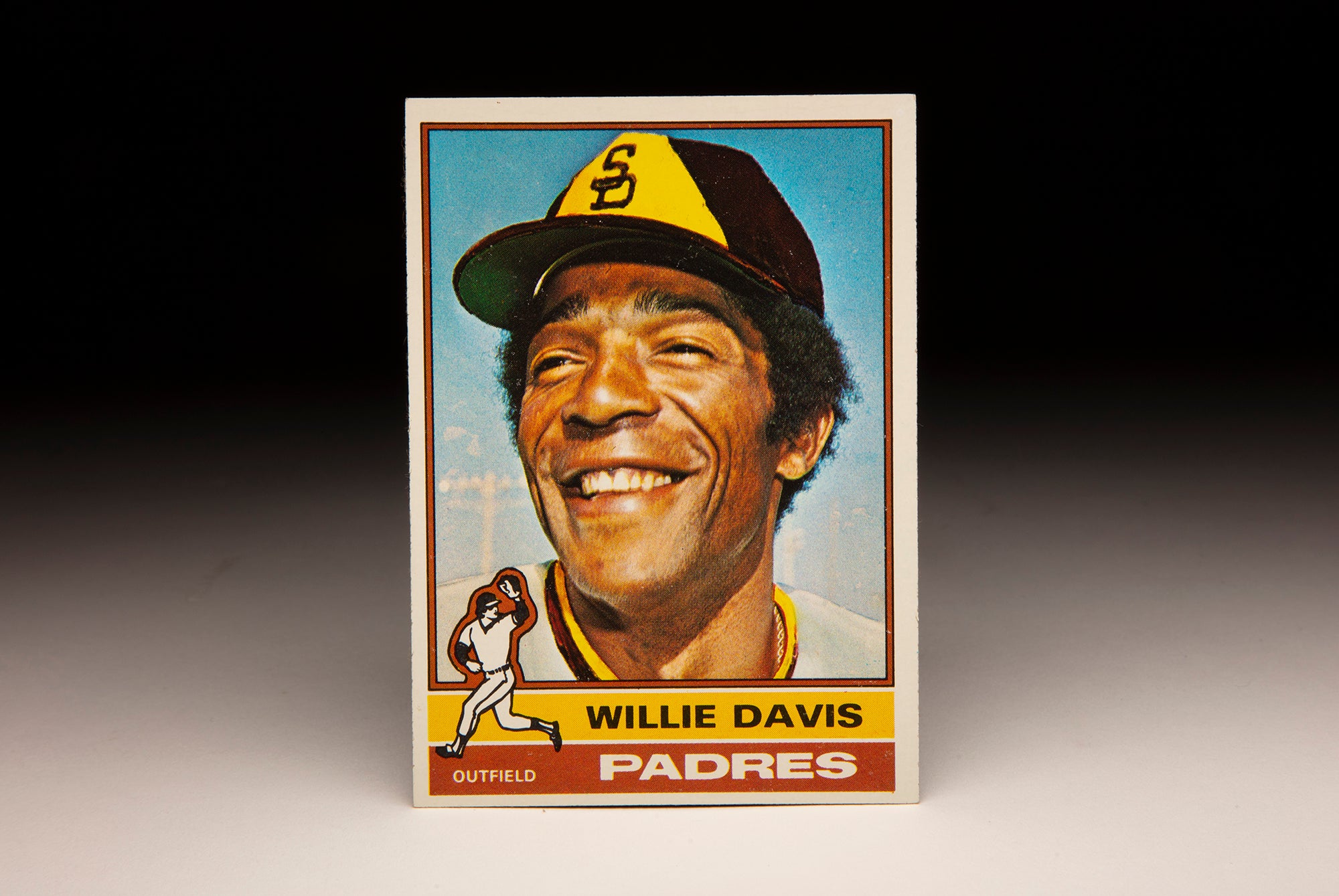
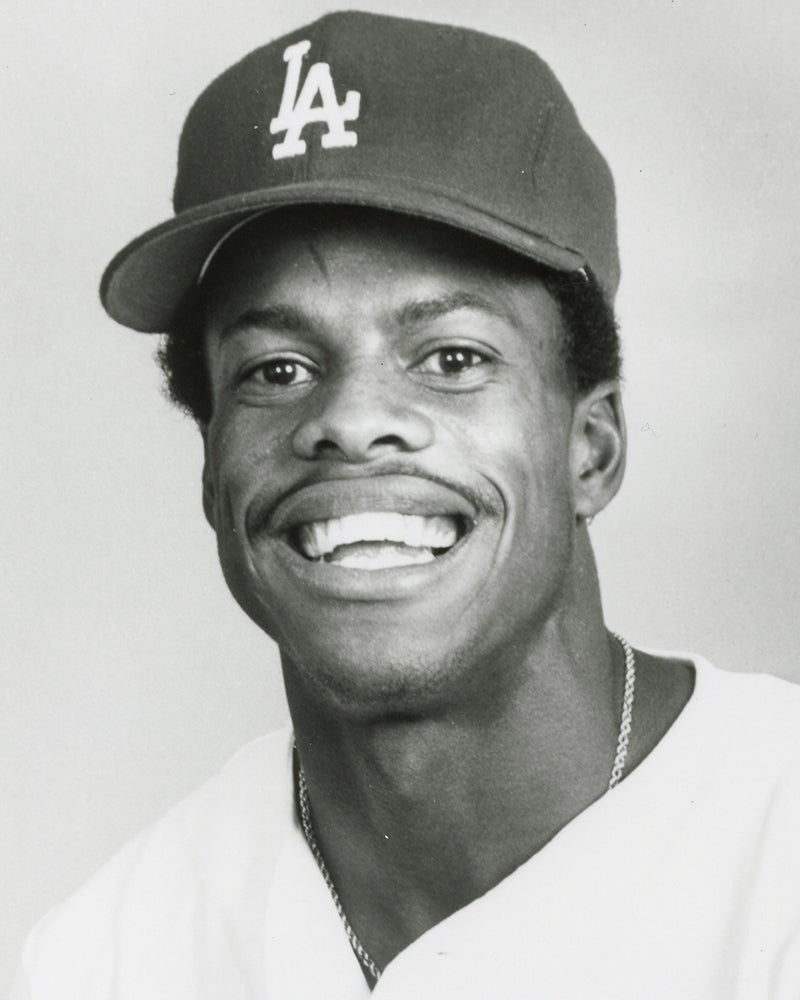
Though he was not included on the team’s postseason roster, Law’s L.A. future looked bright. The Dodgers assigned him uniform No. 3 right off the bat – the same number worn by his childhood hero, Los Angeles center fielder Willie Davis.
“He’s been a very consistent player for us,” Albuquerque manager Del Crandall told the Palo Alto Times in 1978. “He has all the tools you would want a young player to have. He hits, fields, throws and has excellent speed. There are not too many people in baseball who can run faster. It’s just a matter of experience and getting it all together.”
After playing in the Mexican Winter League following the 1978 campaign – where he led the league with a .377 batting average while playing for Mazatlán – Law came to Spring Training with the Dodgers in 1979. But with veteran outfielders like Dusty Baker, Derrel Thomas, Reggie Smith, Joe Ferguson and Gary Thomasson, the Dodgers could afford to be patient with Law.
“There’s no question he’s going to be a big league hitter,” Lodi manager Stan Wasiak told the Indian River (Fla.) Press Journal in the spring of 1979. “He always makes contact and he runs like a deer.”
Law was sent back to Albuquerque and spent the entire 1979 season there, moving from left field to center as the Dodgers groomed him to claim the position in the new decade.
“The big thing now is that I want to be ready to take over in the outfield when the Dodgers call me up,” Law told the Albuquerque Tribune on the eve of the 1979 season opener. “I have confidence in my hitting…my quickness. And I’m learning more every day on how to use my glove.”
Law was having another fine season for the Dukes when he suffered a left knee injury early in the summer, sidelining him for two months. He returned to the lineup in September and finished the year hitting .296 with a .396 OBP and 33 steals in 72 games.
The day before the 1980 opener, Dodgers manager Tommy Lasorda named Law his starting center fielder. When Law went 1-for-4 hitting out of the No. 2 hole the next day against the Astros, it marked the first time since 1970 that the Dodgers had a rookie in their Opening Day lineup.
“Rudy Law did everything you’d want to see in the spring,” Lasorda told the Houston Post. “He bunted, stole bases, made great running catches. Rudy Law is our center fielder now. He’s earned it.”
And with a team of veterans surrounding him, Law had plenty of support.
“When I came up with the Dodgers, Dusty (Baker) is the one who really helped me with my outfield play,” Law told the Peninsula Times Tribune. “He really helped me when I broke in.”
Lasorda kept his word and started Law in the team’s first 16 games in 1980. He was hitting .286 through July 6 before a slump knocked his average into the .260 range. Then in August, the Dodgers began using Pedro Guerrero in center field, pushing Law into a bench role.
When Guerrero was hurt in late August, Lasorda turned to veteran Rick Monday and used Law often as a defensive replacement. The Dodgers and Astros battled down to the final weekend for the NL West title, with Monday starting in center in each of the three games of the final regular season series as Los Angeles swept Houston to force a one-game playoff for the division crown.
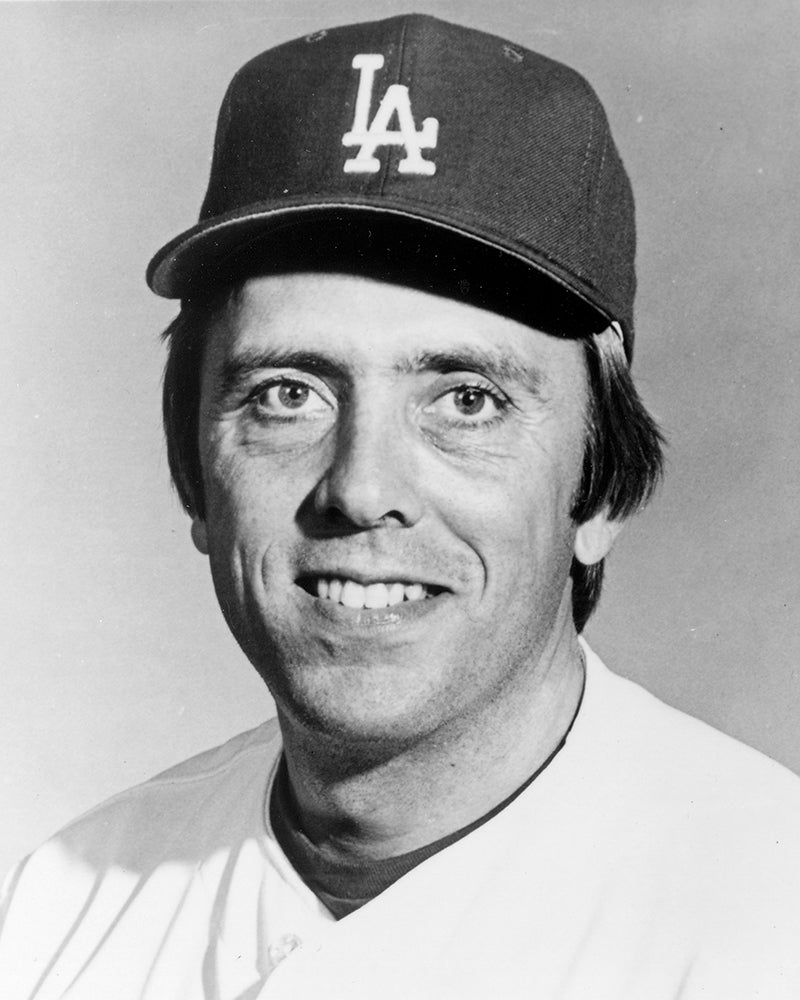
Monday started that game as well and drove in the Dodgers’ only run in a 7-1 loss. Law, meanwhile, came off the bench for the fourth straight game. He finished the season batting .260 with 55 runs scored and 40 steals in 128 contests.
“It was really easy to get down,” Law told Gannett News Service in the spring of 1981. “When you lose your confidence, everything suffers.
“I was frustrated last year. I wanted to be what everyone wanted. But everyone had an opinion when things went sour. I listened to everyone and got confused.”
Law changed his batting stance while playing in Puerto Rico after the 1980 season in an attempt to pull the ball more. He came to Spring Training in 1981 expecting to compete with Guerrero for the starting center field job.
But on March 30, the Dodgers sent Mickey Hatcher and two minor leaguers to the Twins for center fielder Ken Landreaux. Suddenly, Law’s roster spot was in jeopardy.
“Things are getting weird around here,” Law told Florida Today after the trade. “If they try to send me to Triple-A, I’m going home.”
But that’s exactly what the Dodgers did. Law, however, fought through the challenge and reported to Albuquerque.
“At the beginning (of the 1981 minor league season), I didn’t have any desire to play ball,” Law told the Albuquerque Tribune. “I was so down on myself and so down on the Dodgers that I didn’t know what to do. I felt I didn’t have any future with the Dodgers. So I had to quit thinking about a lot of things and just go out and play baseball.
“I had to recognize I still have a future in baseball because I’m still young. It just might not be with the Dodgers.”
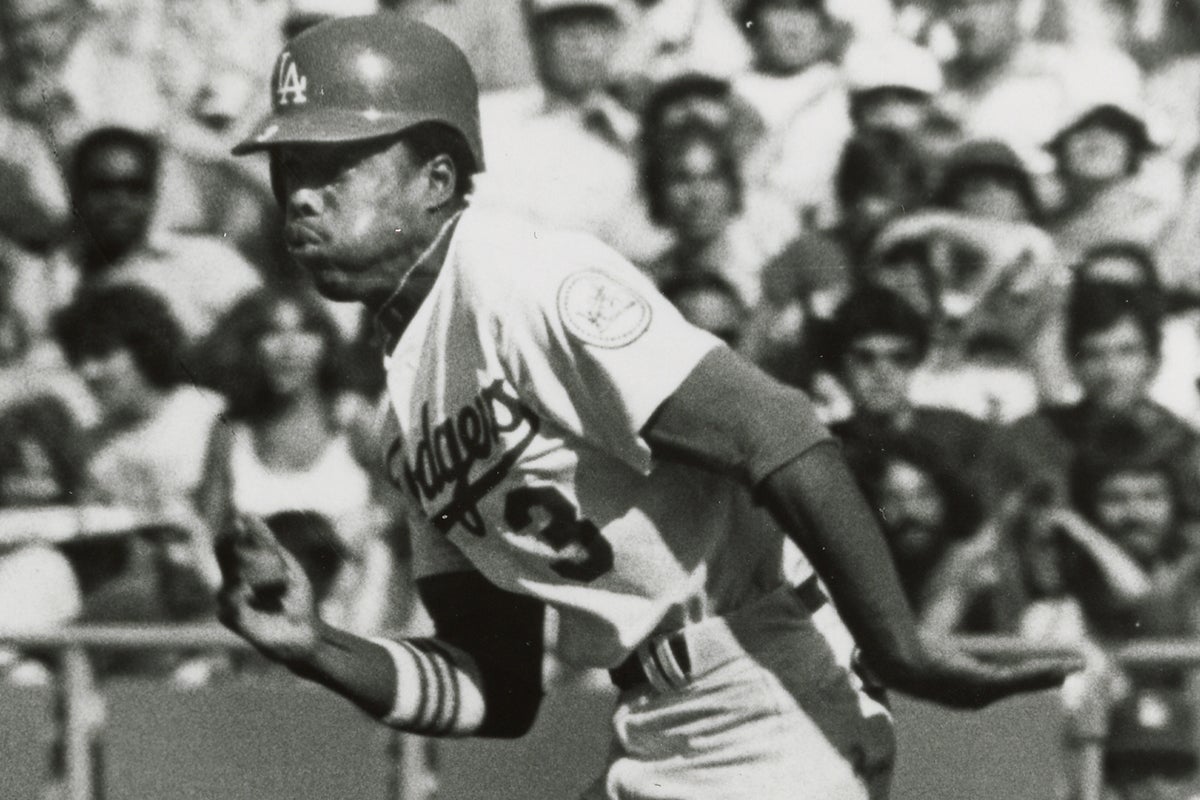
Law’s viewpoint became even clearer when the Dodgers did not recall him to the majors after the end of the minor league season. He hit .335 with 56 steals in 107 games for the Dukes that year but was not on the big league roster when Los Angeles won the World Series that fall.
The Dodgers brought Law to their big league Spring Training camp in 1982 with the hopes of finding a trading partner. On March 30, the White Sox sent Cecil Espy and a minor leaguer to Los Angeles in exchange for Law.
“Rudy Law did a fine job for us,” Dodgers general manager Al Campanis told United Press International. “However, we have to look to the future since we have a number of fine outfielders in our organization.”
Law started the season on the White Sox’s bench but by July had supplanted Ron LeFlore as Chicago’s center fielder. From Aug. 1 through the end of the season, Law hit .324 with 32 runs scored and 17 steals in 48 games. The White Sox were 49-49 on July 29 but went 38-26 the rest of the way. Law finished the season hitting .318 with 36 steals and 55 runs scored in 121 games.
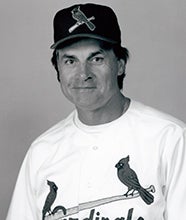
“Rudy Law has been sparking our club offensively and defensively,” White Sox manager Tony La Russa told the Chicago Tribune.
Law and the White Sox went to arbitration over his 1983 contract, and Law won a salary of $220,000. Then on April 2, 1983 – two days before the season opener – the White Sox released LeFlore, giving Law the second chance he wanted. He was in center field on Opening Day and – after a slow start – got red hot in July, hitting .339 with 19 steals and 27 runs scored in 28 games.
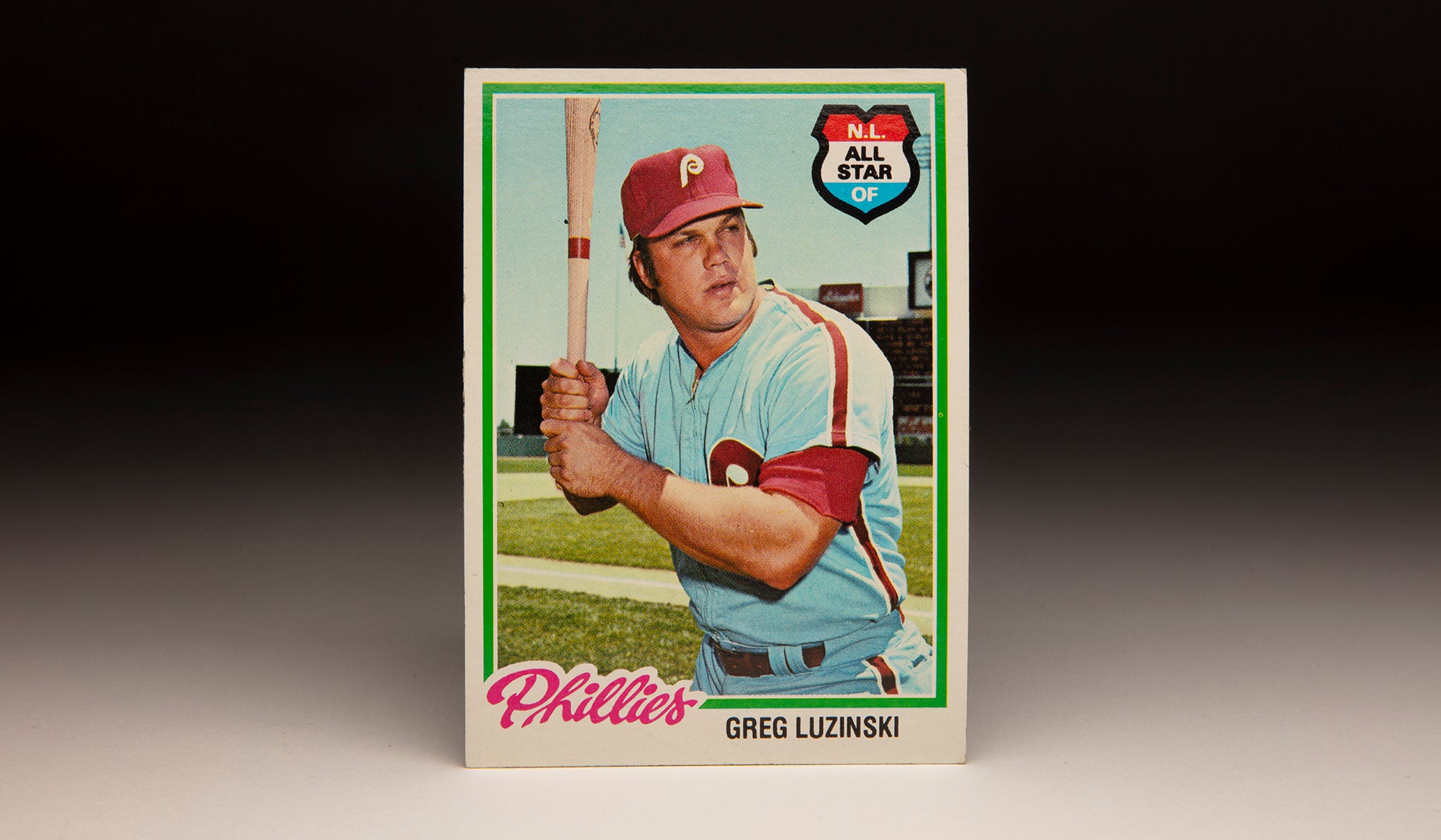
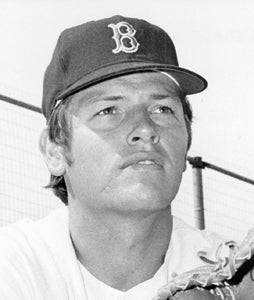
Batting leadoff in every game he started, Law set the table for a powerful White Sox lineup that featured Harold Baines, Carlton Fisk and Greg Luzinski.
“If it’s late in the game and he’s leading off an inning,” teammate Jerry Hairston told the Chicago Tribune, “the guys on the bench say: ‘If Rudy gets on, we’re going to win.’”
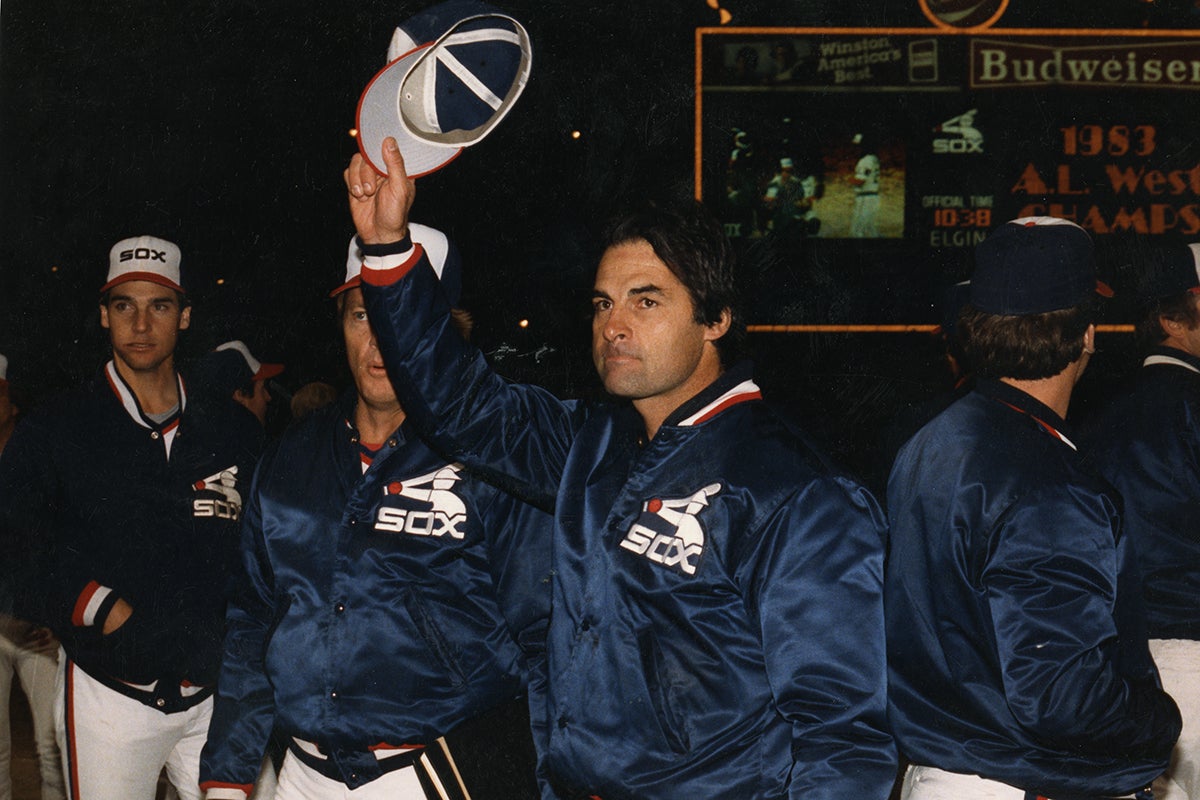
Law finished the season batting .283 with 95 runs scored and 77 steals in 141 games as the White Sox won their first American League West title. Law finished 21st in the AL Most Valuable Player Award voting and was widely recognized as the spark that ignited Chicago’s offense.
“He’s right there with (Fisk) as our best player,” teammate Tom Paciorek told the Tribune. “He’s the catalyst on offense.”
Law’s defense – long considered just average due to his weak throwing arm – also improved.
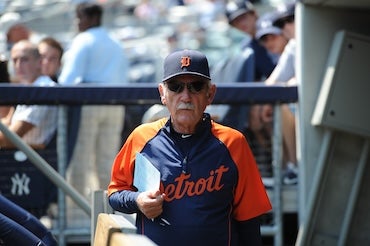
“It appears to me he’s having as much fun running the ball down in center field as getting a hit or stealing a base,” White Sox third base coach Jim Leyland told the Tribune. “He’s getting ovations for those good catches, and that turns him on.”
In the ALCS vs. the Orioles, Law got the chance to play in the postseason that he missed in 1981. He recorded three hits in Chicago’s 2-1 win in Game 1, scoring the contest’s first run on an infield single by Paciorek in the third inning. Law recorded two more hits (and two stolen bases) in Game 2 and another two hits in Game 3. But with Game 4 scoreless in the bottom of the ninth, Law struck out looking against lefty Tippy Martinez with runners on second and third and two outs.
The Orioles went on to win 3-0 in 10 innings to capture the pennant. Law led the White Sox with a .389 batting average and seven hits, scoring one of only three runs Chicago tallied in the series.
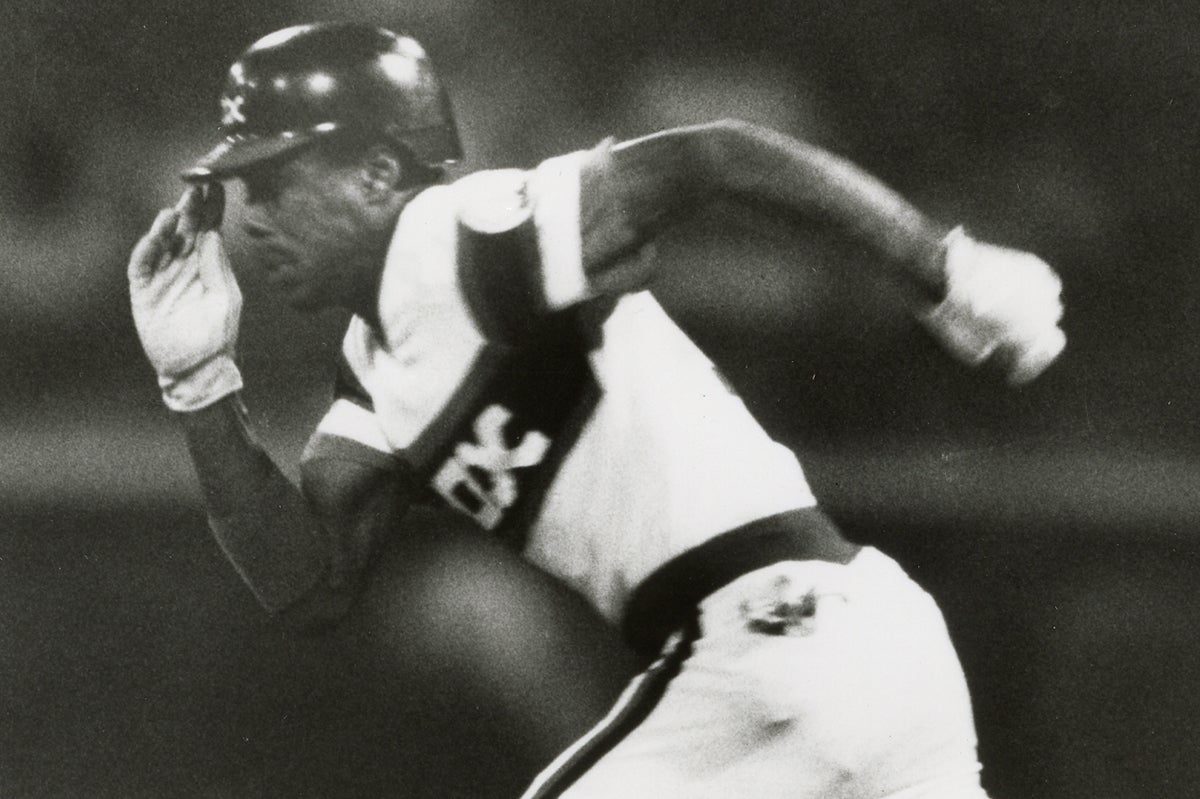
Law agreed to a two-year deal worth a reported $1.1 million on Jan. 30, 1984. But the magic Law and the White Sox captured the year before suddenly was gone. Chicago began the season 6-13 and never really got untracked. Law was hitting .304 as late as June 13 but struggled throughout the second half, batting just .225 after the All-Star break as Chicago limped home to a 74-88 record.
“I don’t think we’ve won a single game easy,” Law told the Tribune during the season.
Law finished the year with a .251 batting average and 29 steals but was caught 17 times – five more than he had in all of 1983.
“Rudy’s problem is he hasn’t been running enough to get into the flow of stealing bases,” White Sox baserunning coach Dave Nelson told the Tribune. “And when he has run, they’ve been pitching out.”
Trade rumors swirled around Law during the offseason but he remained with the White Sox, moving to left field to accommodate touted rookie Daryl Boston in center. But after a hot start, Boston cooled and was sent back to the minors.
“I talk with Daryl a lot,” Law told the Peninsula Times Tribune. “I try to go over the hitters with him. I try to help him out the way that Dusty helped me.”
Law, meanwhile, saw his batting average remain in the mid-.250s for most of the first three months before he suffered a pulled hamstring in his left leg and headed for the disabled list on July 20. He returned to action in August and saw regular playing time in a season where the White Sox improved to 85-77 but still finished third in the AL West.
On Aug. 24, 1985, Law helped deny Toronto’s Dave Stieb as he chased another no-hitter. Law led off the ninth inning with a home run against Stieb – who had yet to allow a hit to that point. Bryan Little then followed with another home run off Stieb, chasing him from the game in a contest won by the Blue Jays 6-3. It marked one of four times in five years that Stieb took a no-hitter into the ninth inning before he finally completed one in 1990.
With Law scheduled to make $470,000 in 1986, the White Sox released him on March 31 – just hours before his salary would have become guaranteed. He was leading the team with a .382 batting average during Spring Training games.
“There was nothing close,” White Sox general manager Ken Harrelson told the Tribune about his attempts to trade Law. “The salary was a big killer.”
Four days later, Law signed with the defending World Series champion Royals.
“I got contacted by 10 teams,” Law told the Tribune after he signed with Kansas City. “I was surprised by the interest I got. I knew I’d get some offers, but not as many as I did. It made me feel good.”
Slated to begin the season in a right field platoon with Darryl Motley, the lefty-hitting Law saw the bulk of his playing time in left field in the season’s first two months before heading to right field. But he hurt his knee while diving for a ball in June and eventually underwent surgery – missing two months before finishing the season with a .261 batting average, a career-best 26 doubles and 14 steals in 87 games.
Law became a free agent after the 1986 season but found no offers and returned to the Royals. But on March 27, 1987, Kansas City waived Law. He played in 29 games for the Class A San Bernardino Spirit – an unaffiliated California League team – later in 1987, hitting .312 in what would be his final professional games.
“My knee is fine,” Law told the Peninsula Times Tribune after signing with the Spirit. “I didn’t want to sit out all year. I was hoping for a call (from a big league team), but after a while you just have to swallow your pride. I have to get some at-bats instead of sitting out the whole year.”
Law signed a minor league contract with the Athletics on Feb. 3, 1988, rejoining La Russa, who was always a fan of Law’s ability. But Law but did not play in any games for Oakland or the A’s minor league teams that year. With that, Law returned to his home in Inglewood, Calif.
Over seven big league seasons, Law hit .271 with 656 hits and 228 steals. He remains one of just 10 players in history with more than 200 steals but fewer than 700 hits. Among those, Law’s .271 batting average is unmatched.
For a player who nearly left baseball when he was sent to the minors in 1981, Law carved out his share of history.
“If it wasn’t for my wife (Evelyn), I probably would have quit after the Dodgers sent me to Albuquerque,” Law told the Chicago Tribune during the 1983 season. “It was a low point. But she helped motivate me, kept me going. She talked to me. She even pitched to me.”
Craig Muder is the director of communications for the National Baseball Hall of Fame and Museum