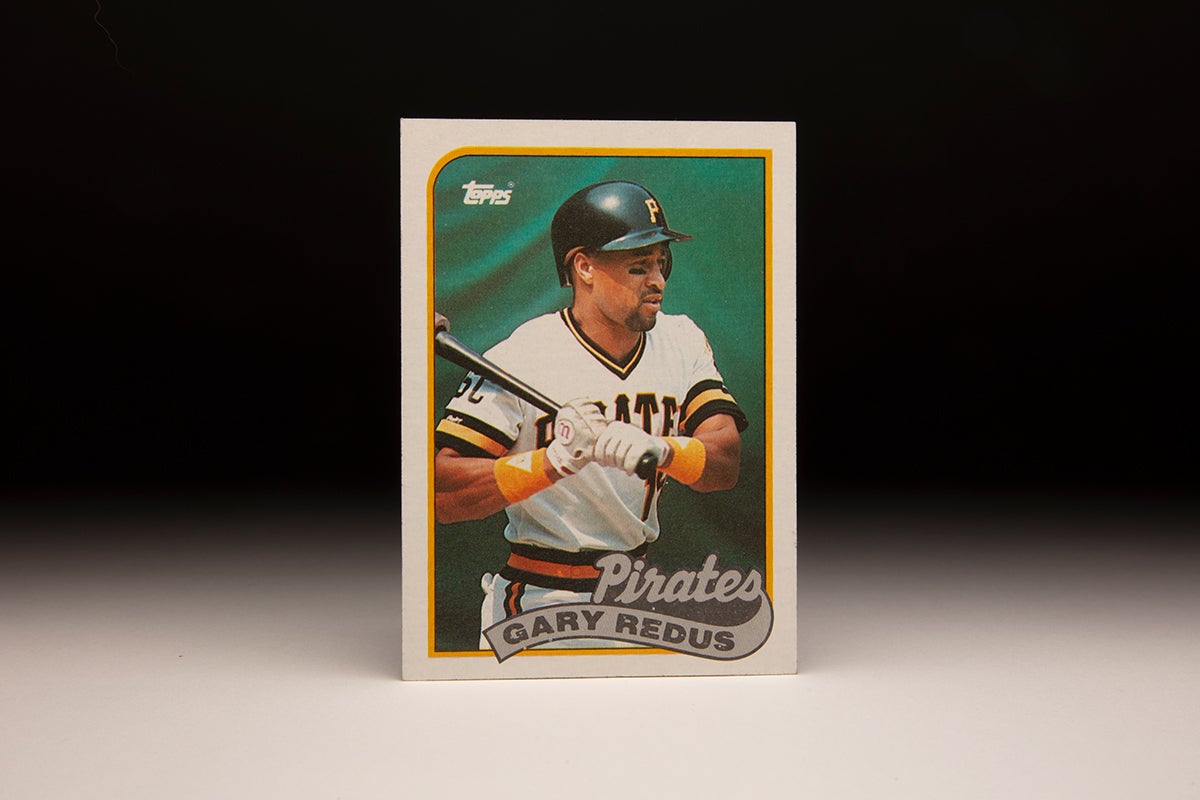
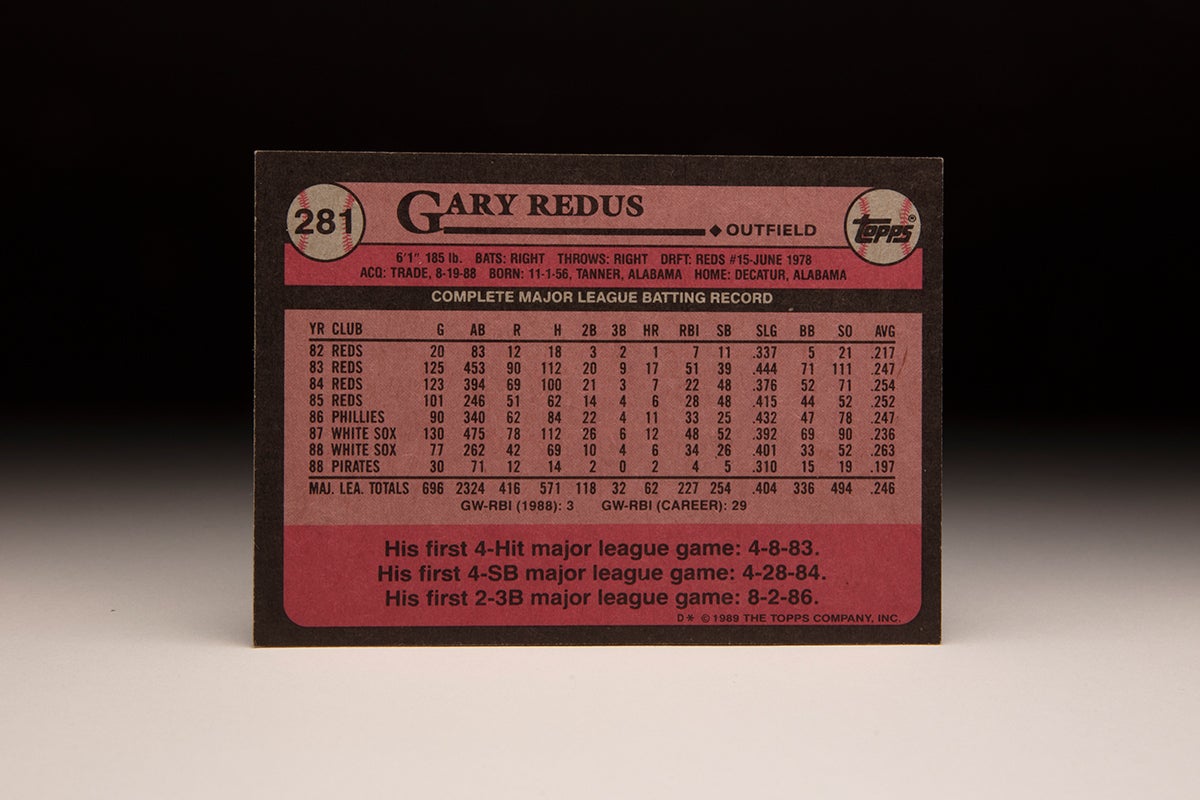
#CardCorner: 1989 Topps Gary Redus
In June of 1978, the Cincinnati Reds signed 15th-round draft pick Gary Redus and sent him to Billings of the Pioneer League.
What followed was one of the most spectacular seasons in pro baseball history – and a place in the National Baseball Hall of Fame and Museum.
And though Redus was unable to duplicate his numbers in the big leagues, his 13-year MLB career was filled with highlights produced by his remarkable athletic ability.
Born Nov. 1, 1956, in Tanner, Ala. – a town on the outskirts of Huntsville – Gary Eugene Redus didn’t play organized baseball until he tried out for the town’s Little League when he was 12 years old. He immediately became a star, and later was an all-state selection in football, basketball and baseball at Tanner High School.
“I loved all sports growing up,” Redus told the Birmingham News in 1983. “Baseball just happened to be my favorite. I don’t know why.”
Undrafted after graduating from high school in 1974, Redus enrolled at Calhoun Community College in Decatur, Ala., where he played two seasons before transferring to nearby Athens College (now Athens State University). He was selected in the 17th round of the 1977 MLB Draft by the Red Sox but did not sign, instead returning to Athens – where he hit .418 with 36 steals as a senior.
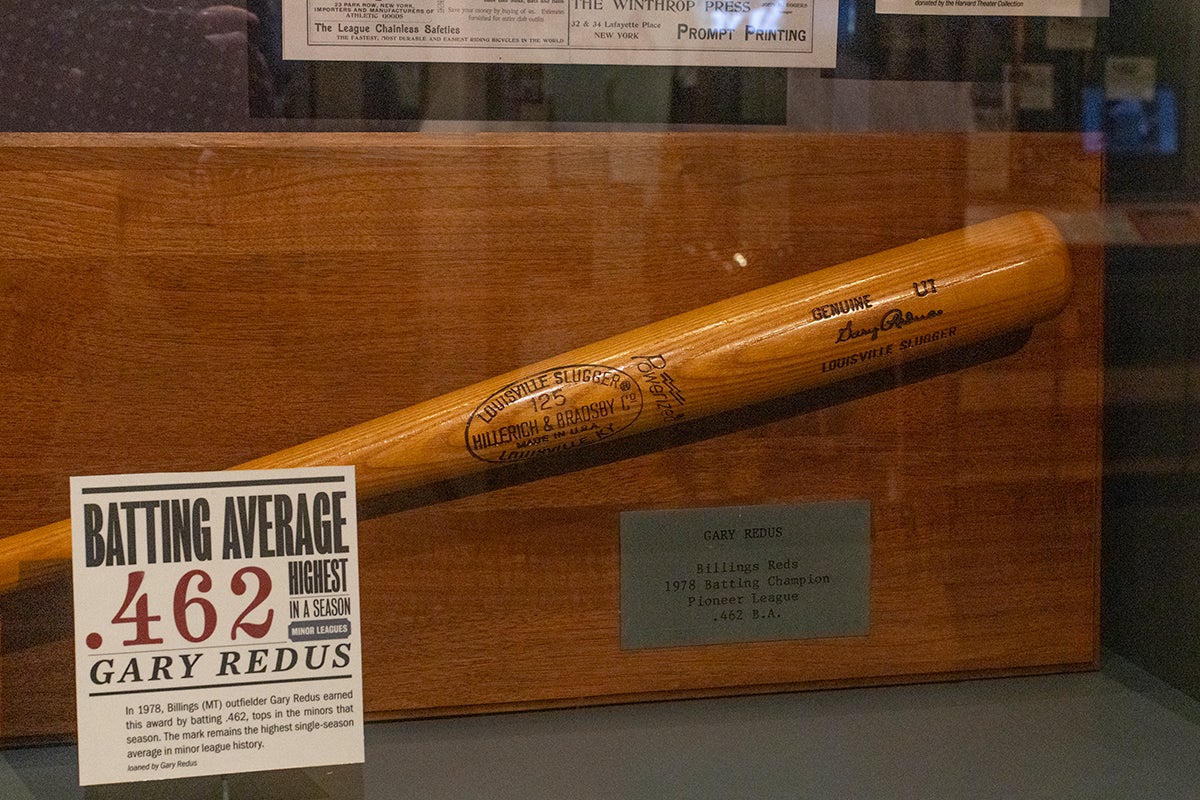
When the Reds signed him and sent him to Billings, Redus embarked on a season-long tear. As a second baseman, he hit .462 over 68 games, scoring 100 runs while totaling 19 doubles, six triples and 17 homers among his 117 hits. He also stole 42 bases and drew 62 walks, giving him an other-worldly 1.346 OPS.
“It was a short season,” Redus told the Birmingham News, “and I just got hot.”
Though the entire Billings Mustangs team hit .304 that summer, Redus was far and away the best batter on a squad that included future big leaguers Skeeter Barnes, Nick Esasky and Tom Lawless. At the time, it was widely reported that Redus’ .462 batting average was the best in minor league history – though other reporting noted the .477 put up by Walter Malmquist of York in the Nebraska State League in 1913.
Hillerich & Bradsby presented Redus with the Louisville Slugger Award for the highest minor league batting average of 1978. The award has been on display in the Hall of Fame’s One for the Books exhibit for more than a decade.
Believing Redus was prepared for a much higher level of play in 1979, the Reds assigned him to Double-A Nashville. But after hitting just .174 with three extra base hits in 36 games, he was sent down to Class A Greensboro of the Western Carolinas League. There, Redus hit .278 with 16 homers and 41 steals in 83 games.
“At Billings, they just threw the ball up there at you,” Redus told the Huntsville (Ala.) Times at the start of the 1980 season. “At Nashville, they changed up, did more real pitching.
“I just want to hit .300, steal 50 (or) 60 bases. I hope I’ll end up moving up. I’m leading off now and playing left field. My chances are better in the outfield.”
The Reds played Redus in left field and at third base in 1980 with Class A Tampa, and Redus hit .301 with 16 homers, 68 RBI, 50 steals and a .393 on-base percentage. The Reds brought Redus to their Spring Training camp in 1981, where he hit .300 in eight exhibition games before being assigned to Double-A Waterbury of the Eastern League.
“It won’t be long, though, before Redus is creating a lot of excitement for Reds fans,” Reds assistant general manager Woody Woodward told the Cincinnati Post. “He’s just beginning to come into his own…(to) realize his tremendous potential.”
Redus batted .249 in the pitching-heavy Eastern League in 1981 but posted a .356 on-base percentage while totaling 26 doubles, 20 homers, 75 RBI, 48 stolen bases and 82 walks. In 1982, Redus tore through Triple-A, batting .333 with 112 runs scored, 29 doubles, nine triples, 24 home runs, 93 RBI and 54 stolen bases for Indianapolis in just 122 games.
When the Triple-A season ended in September, the Reds brought Redus to the big leagues and immediately stationed him in left field, where he hit .217 with a homer and 11 steals in 20 games.
In 1983, Redus was the Reds’ Opening Day left fielder and leadoff hitter. He homered against Phil Niekro that day, helping Cincinnati win 5-4. Four days later, Redus went 4-for-4 with a double, homer, two steals and five RBI against the Cubs.
The outburst made headlines around the United States.
“Just everything was falling in, that’s all,” Redus told the Associated Press. “That’s what I wanted to do, get off to a fast start, not my usual bad start.”
Redus injured his hamstring on April 12 and spent the next three weeks on the disabled list. But he hit two home runs in his first game back on May 2 in his 27th career game, becoming the fastest player in history to reach a combined five home runs and 15 steals for his career.
And though he was unable to maintain his torrid start, Redus started in left field the rest of the season – finishing with a .247 batting average, a .352 on-base percentage, 90 runs scored, 17 homers, 51 RBI, 71 walks and 39 steals in 125 games. He did not play a position in the field other than left, the first time in his pro career that Redus stayed at one position for an extended period after playing at second base, first base and the outfield in the minors.
“You’ll never hear him say anything negative about all he went through with the position changes because he’s such a quiet, intelligent man,” Reds coach George Scherger, who managed Redus in the minors from 1979-82, told the Birmingham News. “But I saw it, and I know it affected him. He’d play one position and start making real good contact with the ball, then we’d move him and he’d have to start all over. He was so talented, we kept moving him around because we needed to.
“He kind of reminds you of Lou Brock in the ’70s. He’s got blazing speed, and he’s exceptionally strong.”
Redus finished fourth in the National League Rookie of the Year balloting following the season, 98 points behind winner Darryl Strawberry despite having a better Wins Above Replacement figure (2.8 to 2.6) than the Mets’ right fielder.
“That guy can walk faster than most people can run,” Reds manager Russ Nixon told the Birmingham News in 1983. “He’s such an exceptional athlete. He gives us the added ingredient we haven’t had in a long time on this team.
“Everybody had to earn their jobs, but I knew Gary would be a special ingredient from the start. He can make a lot of things happen very quickly in a lot of different ways.”
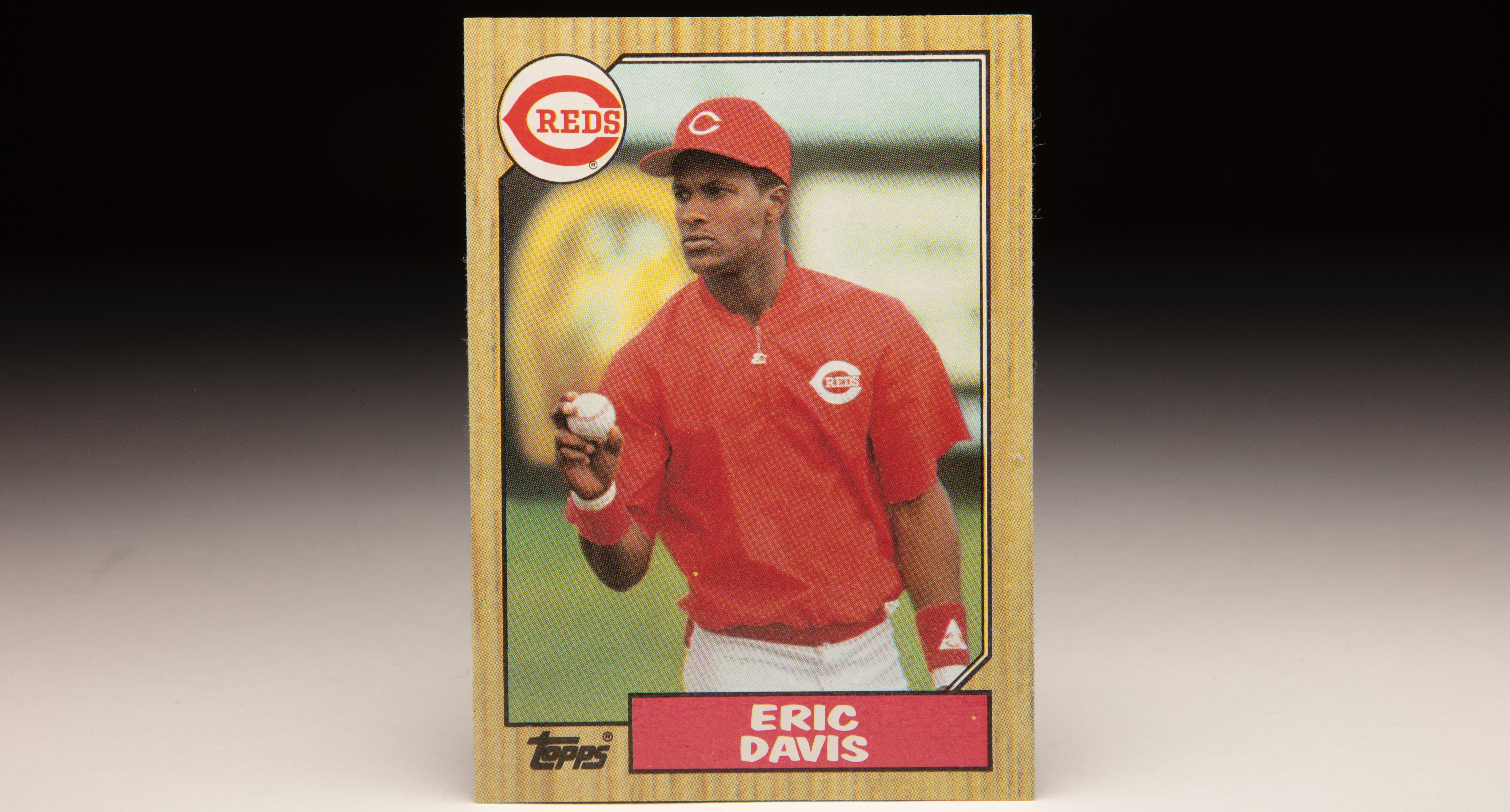
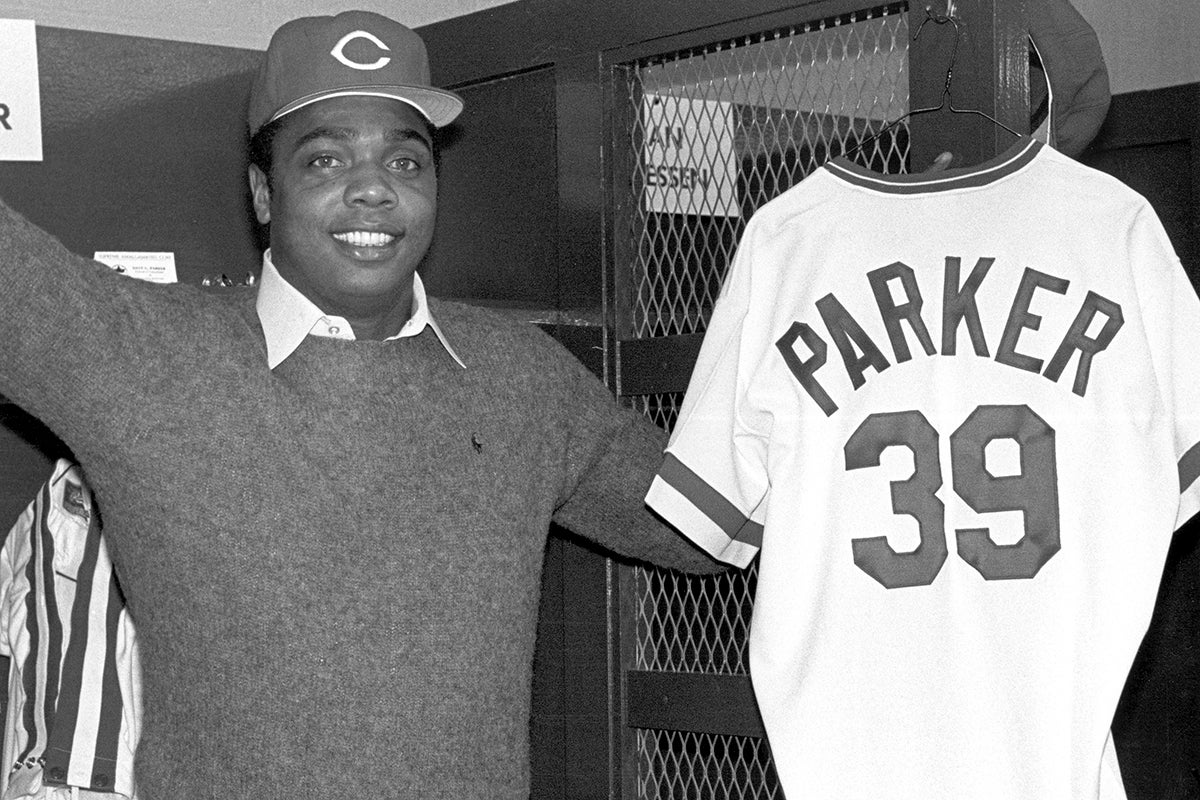
With future Hall of Famer Dave Parker joining the Reds as a free agent in 1984 and top center field prospect Eric Davis set to make his big league debut, the Reds appeared to have an outfield that would be the envy of every big league team. But Redus saw his power numbers drop as Reds manager Vern Rapp asked his leadoff hitter to focus more on contact. Redus cut his strikeouts from 111 to 71 that season but hit only seven home runs while stealing 48 bases (fifth in the National League). Rapp, meanwhile, was replaced by Pete Rose as the team’s manager late in the season.
“I’m not a home run hitter and I don’t try to be,” Redus told the Troy (Ohio) Daily News in 1984. “My role on this team is to get on base, steal bases and score runs – not hit home runs.”
Redus would never again match the 17-homer season he had as a rookie.
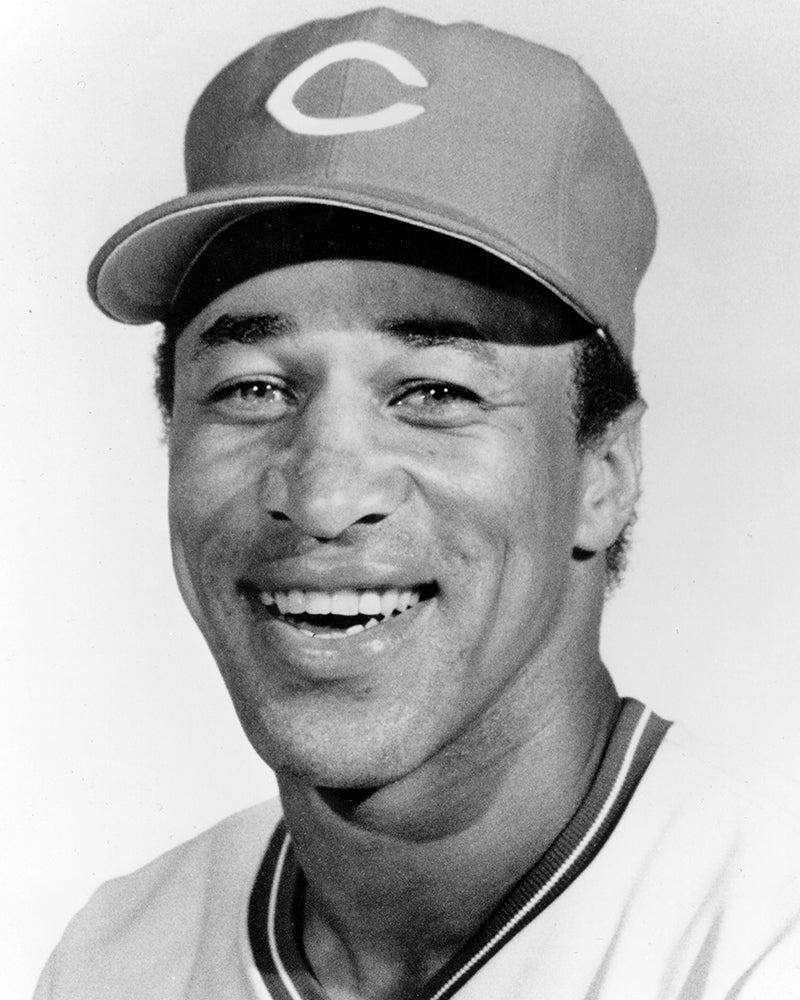
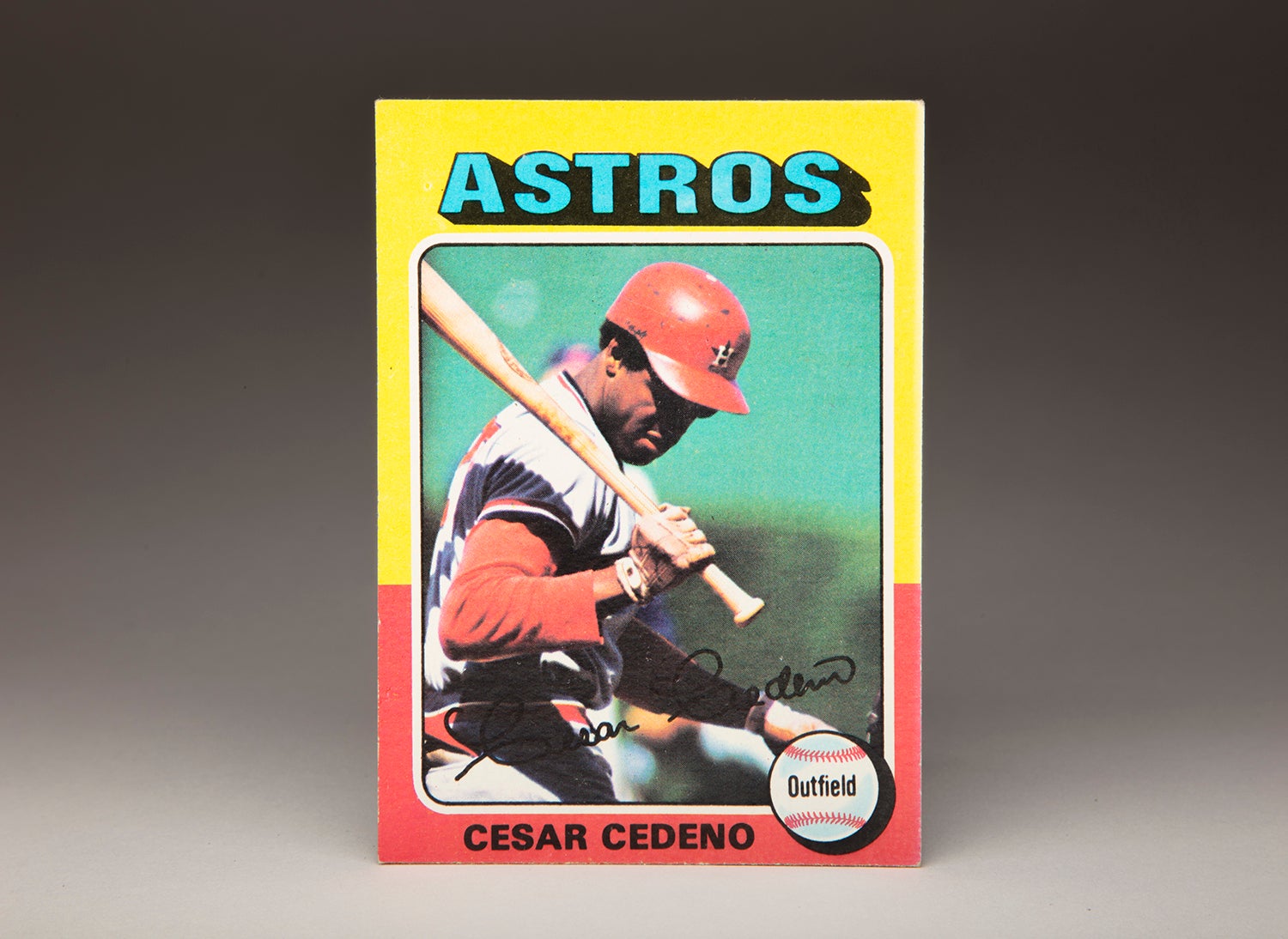
Eligible for arbitration heading into the 1985 campaign, Redus and the Reds avoided the process by agreeing to a one-year deal worth $227,000. But despite his strong track record, Redus was not included in the trio of outfielders – César Cedeño in left, Davis in center and Parker in right – that Rose announced as his expected starters heading into Spring Training.
Parker would have an exceptional season, finishing second in the NL Most Valuable Player voting. But Davis struggled and was sent back to the minors, and Redus split time with Cedeño and Esasky in left field, finishing the year with a .252 batting average, a .366 on-base percentage, six homers, 28 RBI, 51 runs scored and 48 steals in 101 games.
Redus made headlines in October when he suggested that Rose, who was serving as a player/manager and had broken Ty Cobb’s all-time hits record earlier in the season, should take himself out of the lineup.
“All he can do is hit singles,” Redus told the Associated Press about Rose. “He thinks he’s helping the club hitting .265 but we’d have more speed and more power without him. More production.”
Redus made his brash comments with the belief that he’d be traded after the season.
“I’m already out of the picture here,” Redus told the AP heading into the season’s final weekend. “I’m not even thinking about that anymore.”
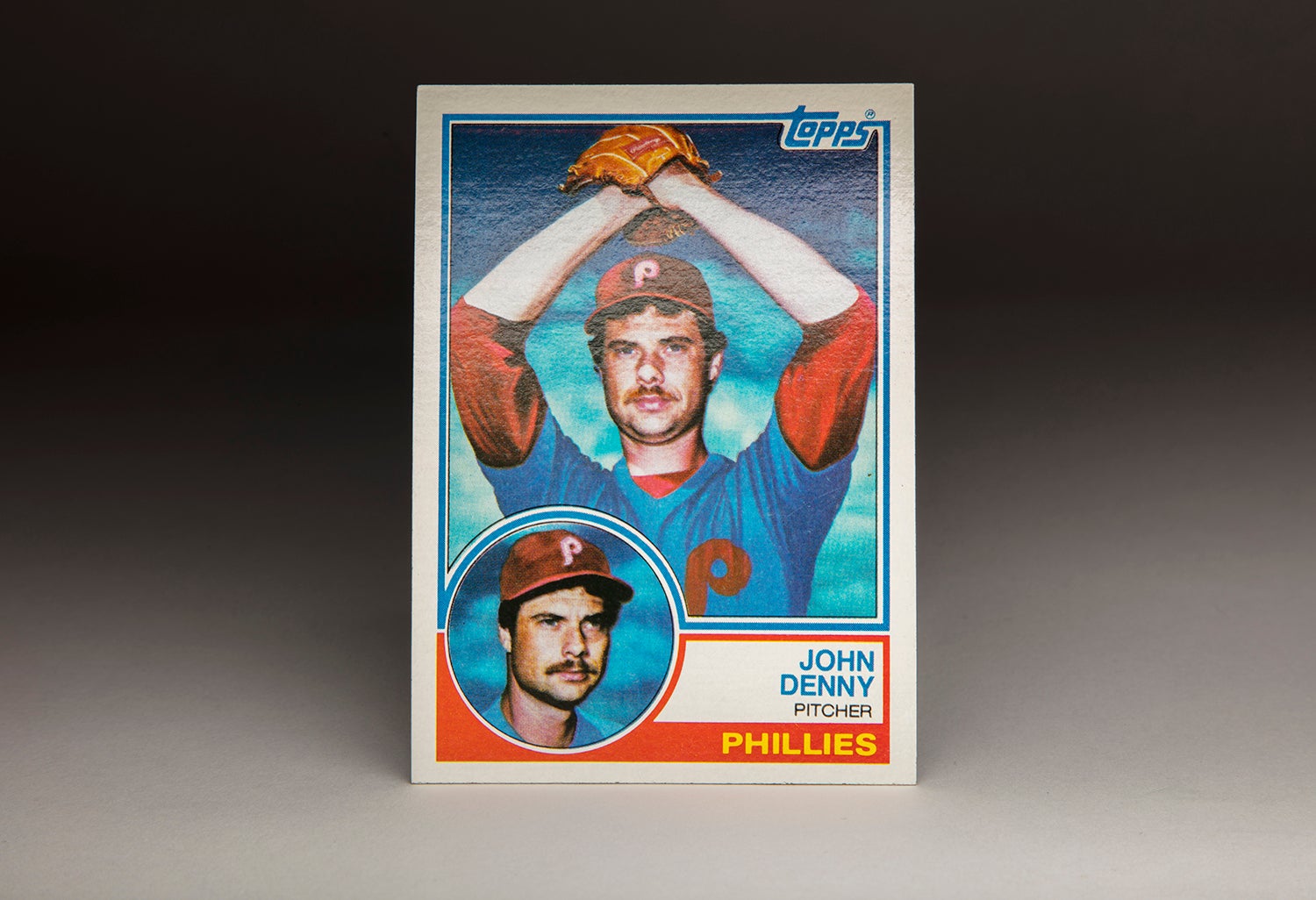
On Dec. 11, 1985, Redus’ prediction came true when the Reds sent him to the Phillies along with Tom Hume in exchange for John Denny and Jeff Gray.
“I think Gary Redus has a lot of potential, great potential,” Rose told the Philadelphia Daily News after the trade. “And I think it’s time that his potential came to the front. He’s 29 years old. You’re not a kid anymore and you’ve got to start producing if you’ve got the potential.
“I gave Gary Redus a fair shot. But in my mind, Gary Redus could not play every day for the Reds and he wants to play every day.”
Redus was the Phillies’ Opening Day left fielder in 1986 and was hitting .278 through 13 games when bone chips in his right elbow required surgery. He returned in July and spent the rest of the season in left field, finishing with a .247 batting average, 11 homers, 33 RBI and 25 steals in 90 games.
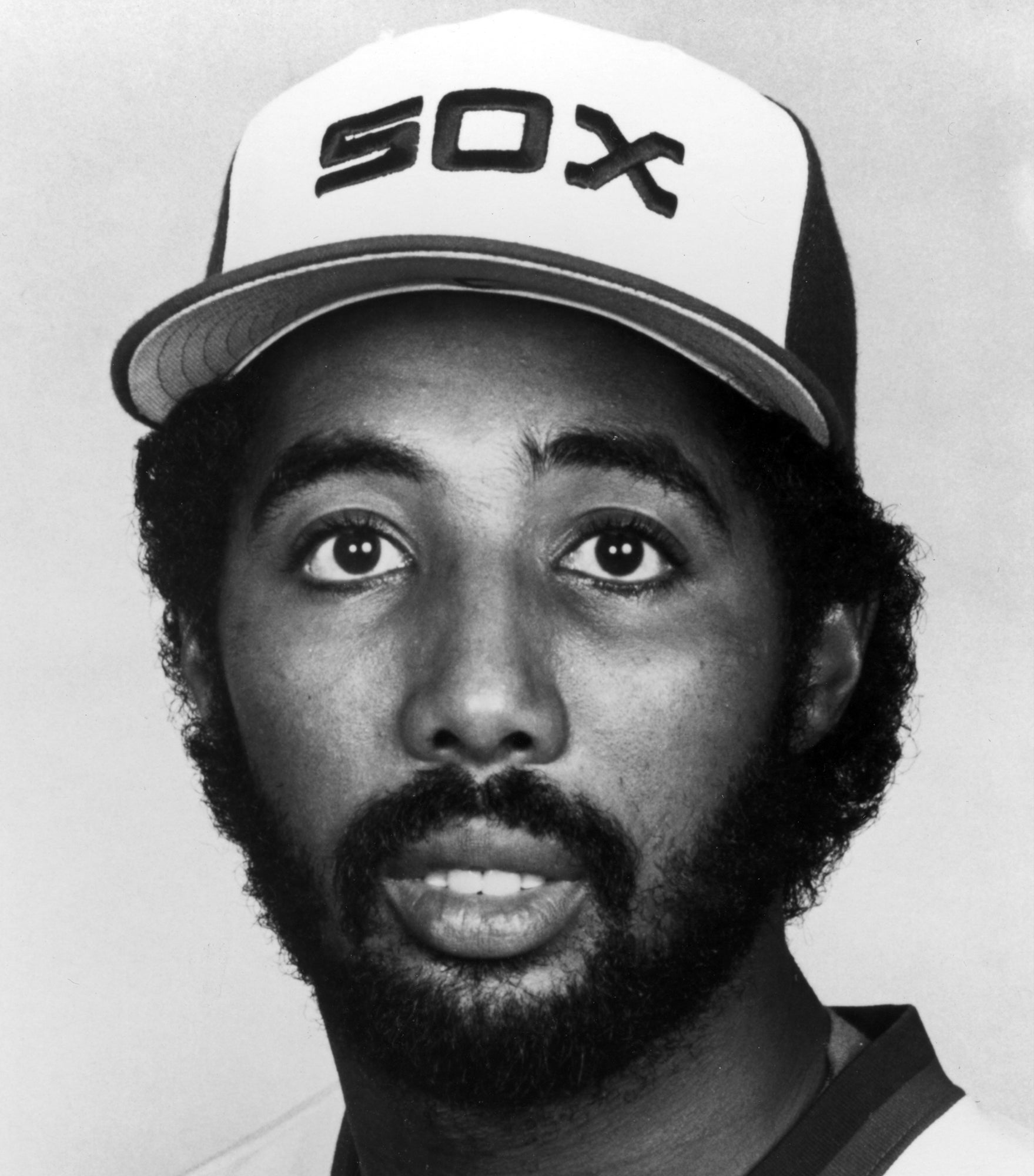
Redus was the subject of trade rumors for much of the offseason but reported to Spring Training as the Phillies’ presumptive center fielder. On March 26, however, the Phillies sent Redus to the White Sox in exchange for pitcher Joe Cowley.
“We couldn’t have done (the trade) without Redus,” Phillies manager John Felske told the Tampa Bay Times. “(The White Sox) wanted him since the winter.”
Redus started in center field for Chicago on Opening Day and appeared in a career-high 130 games that season, batting .236 with 78 runs scored, 26 doubles, six triples, 12 homers, 48 RBI, 69 walks and 52 steals while playing all three outfield spots. But prior to the 1988 season, the White Sox acquired Dan Pasqua from the Yankees and penciled him into left field. With Harold Baines and Iván Calderón sharing the right field/DH spots and prospect Lance Johnson slated for center field, there was little room for Redus.
The Tigers and other teams tried to pry Redus loose from the White Sox, but general manager Larry Himes wouldn’t budge.
“He’s got ability and can hit for power,” White Sox manager Jim Fregosi told the AP. “He also runs well and makes things happen. All he needs is consistency.”
But without consistent playing time, Redus couldn’t find his footing. He was hitting .263 with 26 steals in 77 games when the White Sox traded him to the Pirates for Mike Diaz on Aug. 19, 1988.
It would be a deal that would give Redus a chance to play with a winner – and contribute to those victories.
Redus spent the final weeks of the 1988 season in a bench role with Pittsburgh while getting spot starts in left and right field. He finished the year batting .249 with 48 walks and 31 steals in 107 games.
Redus became a free agent after the season but quickly resigned with the Pirates, agreeing to a two-year deal worth a reported $1 million.
“I didn’t have to come back here but I wanted to,” Redus told the Bradenton (Fla.) Herald in the spring of 1989. “This team is headed somewhere, I think. These are the kind of guys you want to play with. And (Pirates manager) Jim Leyland, he’s the kind of guy you want to play for.”
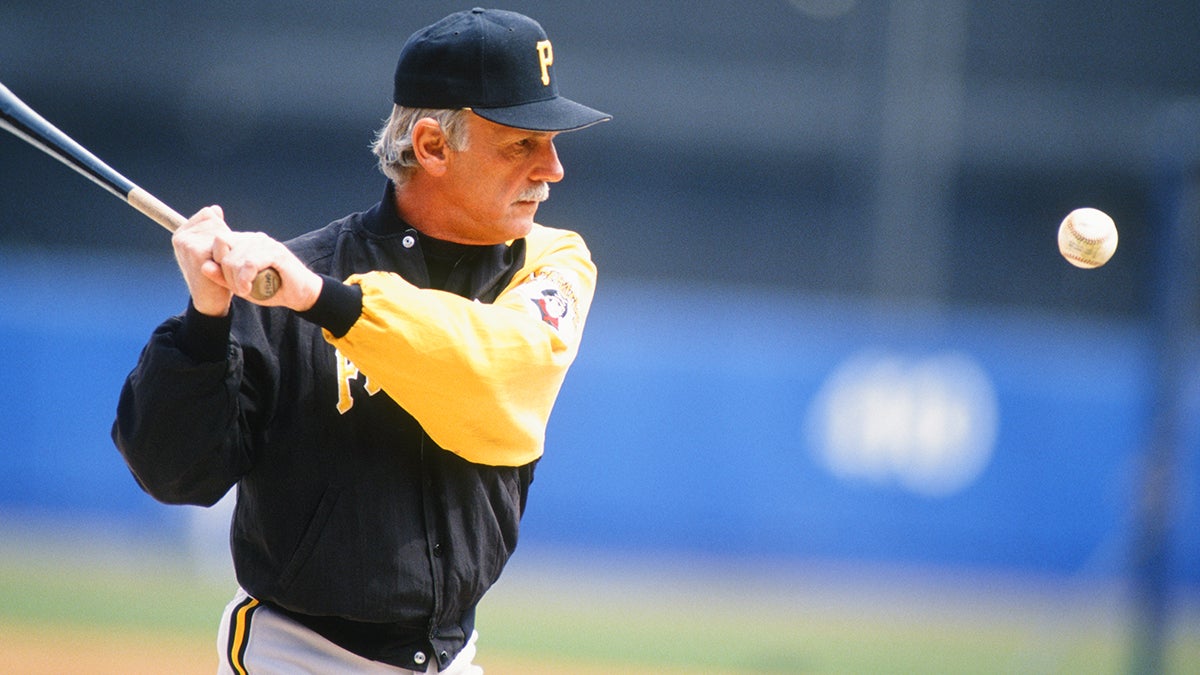
The Pirates had finished in second place in the NL East in 1988 but regressed to 74-88 in 1989 as a spate of injuries overtook the young club. Redus missed time when he was hit in the face by a pitch from the Dodgers’ Tim Crews on July 24 but otherwise played regularly in a first base platoon, hitting .283 with a .372 on-base percentage, 25 steals and 40 walks in 98 games. On Aug. 25, he hit for the cycle against the Reds.
Then in 1990, Redus and the Pirates followed Leyland to the promised land. Once again platooning at first base – this time with Sid Bream, who was injured for most of the 1989 season – Redus hit .247 with a .341 on-base percentage while often hitting out of the leadoff spot. He scored 32 runs, walked 33 times and compiled a 12-game hitting streak in early summer as the Pirates won the NL East title for the first time since 1979.
“Any time you have a veteran like Gary who has a lot of experience, it helps,” Pirates shortstop Jay Bell told the Pittsburgh Post-Gazette. “He’s someone who gets along with everybody. He picks his spots to say something, and he picks his spots not to say something. Good or bad, he’s going to give you his best effort every day.”
Redus’ first postseason action came in Game 1 of the NLCS vs. the Reds when he pinch-hit for pitcher Bob Walk in the seventh inning, singling off Norm Charlton and later scoring on an Andy Van Slyke double that gave the Pirates a 4-3 lead that would hold up through the end of the game.
Redus started Game 2 and recorded a hit and a walk and also started Game 5, appearing in five of the six games of the series, batting .250 as Pittsburgh fell to the Reds.
With his contract expired, Redus returned to the Pirates on another two-year deal worth $1.425 million. The Pirates took command of the NL East in late April and finished the season with 98 victories and another division title as Redus – this time platooning at first base with Orlando Merced – hit .246 with 45 runs scored and 17 steals in 98 games.
But once again, the Pirates fell in the NLCS – losing to Atlanta in seven games. Redus appeared in five of those contests, going 3-for-19 (.158) with two stolen bases.
All-Star right fielder Bobby Bonilla left Pittsburgh via free agency following the season, and many expected the Pirates to relinquish their hold on the division. But Pittsburgh won its third straight NL East title as Redus – again platooning with Merced – hit .256 with 11 steals and 26 runs scored.
The Pirates once again faced the Braves in the NLCS. Redus was hitless in Game 2 but went 3-for-3 with a double, triple and a walk – scoring what would be the winning run of Game 3 on a sacrifice fly by Van Slyke in the seventh inning. After getting just one at-bat in Game 4, Redus started Game 5 and was 2-for-4 with two doubles, an RBI and a run scored in a 7-1 victory. And in Game 6, Redus was 2-for-5 with a double, two runs scored and two RBI in a 13-4 Pittsburgh win that sent the series to Game 7 for the second straight year.
But with right-hander John Smoltz set to start the deciding game for the Braves, Leyland stayed with his platoon and started Merced at first base. Redus never got into the game, which ended with Francisco Cabrera’s two-run single in the bottom of the ninth that gave Atlanta a 3-2 win and the NL pennant.
Redus finished the series batting .438 (7-for-16) with four runs scored, four doubles, a triple, three RBI and two walks. It would be the final postseason games of his career.
“We play 168 games one way, and all of a sudden everybody wants me to play the right-handers against a right-handed pitcher,” Leyland told the Richmond (Va.) Times-Dispatch. “It wouldn’t be right. It wouldn’t be fair.”
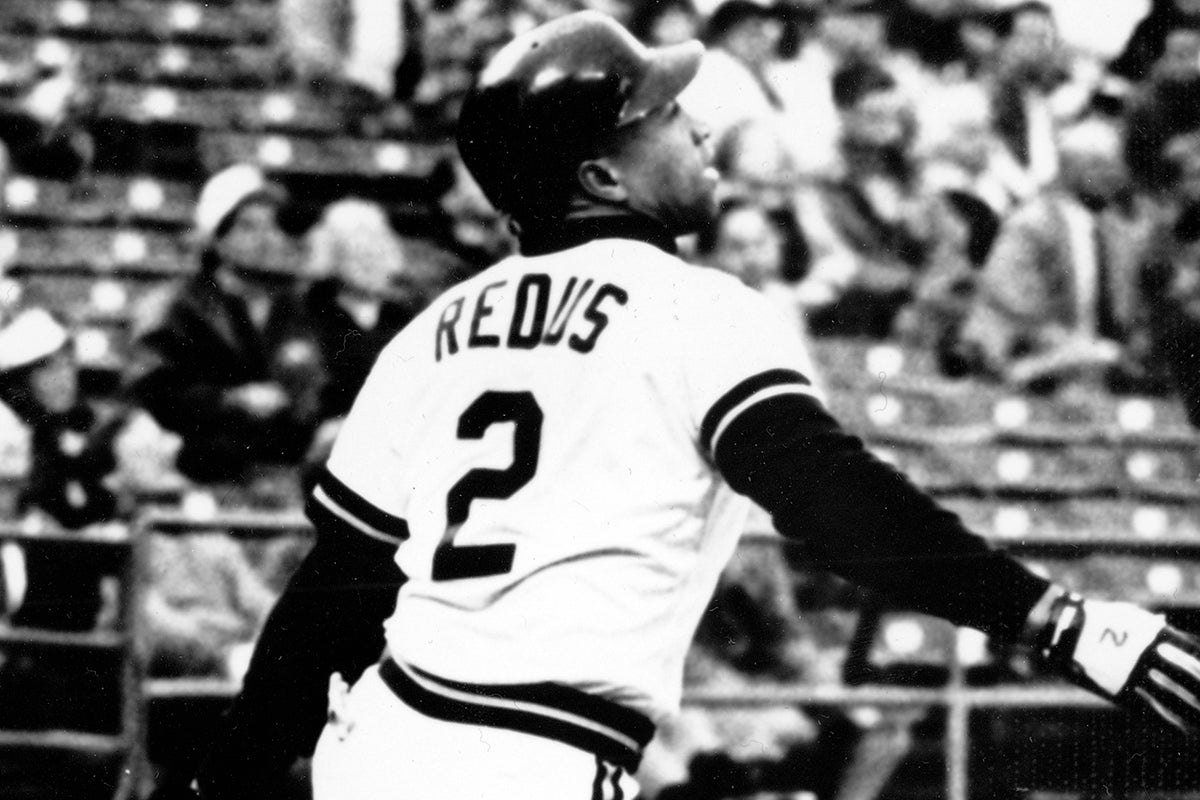
With Barry Bonds and Doug Drabek set to be free agents, the Pirates entered a rebuilding phase and did not re-sign Redus when his contract expired.
“All three of those (Pirates) teams were good teams, but ’92 was probably our best shot at winning it all,” Redus told the Huntsville Times in 1994. “It was probably not meant to be. It was hard to take. It still is.”
Redus agreed to a two-year deal with the Rangers worth $1 million on Jan. 13, 1993.
“One of the reasons we signed (Redus) was the good things we heard from Jim Leyland and other people we know,” Rangers manager Kevin Kennedy told the Fort Worth Star-Telegram during the 1993 season. “He’s hit with power, he’s hit to the opposite field, he’s hit left-handers, he’s hit right-handers.”
Redus finished the 1993 campaign batting .288 with six homers, 31 RBI and a .351 on-base percentage. When he signed with the Rangers, he indicated the 1994 season would be his last – and Redus was true to his word. He appeared in just 18 games that year while battling injuries (he suffered through knee issues throughout 1993), batting .273 in 33 at-bats.
“It’s not a matter of money,” Redus told the Huntsville Times prior to the 1994 campaign. “I want to see (my kids) grow up. When is it enough money? I think I’ve got everything I could hope for.”
Redus retired with 886 hits over 13 big league seasons, batting .252 with a .342 on-base percentage, 183 doubles, 481 walks and 90 home runs. His 322 career stolen bases still rank in the Top 150 on the all-time list.
And though he never again hit .462 as he did in his first pro season, Redus walked away from the game satisfied with his career.
“All I want is to be happy,” Redus told the Bradenton Herald in Spring Training of 1989. “I’m not in the game to be a Hall of Famer or anything. I’m not here to break anybody’s records. Baseball has given me a way to provide for my family with some things I normally wouldn’t be able to provide.”
Craig Muder is the director of communications for the National Baseball Hall of Fame and Museum