#Shortstops: Signs of the Times
In an age of sports globalization, international exchanges in baseball have become the norm in the 21st century.
Beyond the integration of foreign talent on the field, the league continues to benefit from growing markets as well, as seen with MLB’s annual World Tour. While sports globalization is often regarded as a recent development, baseball’s international reach can be traced back much further, with exchanges between the United States and Japan dating to the early 1900s.
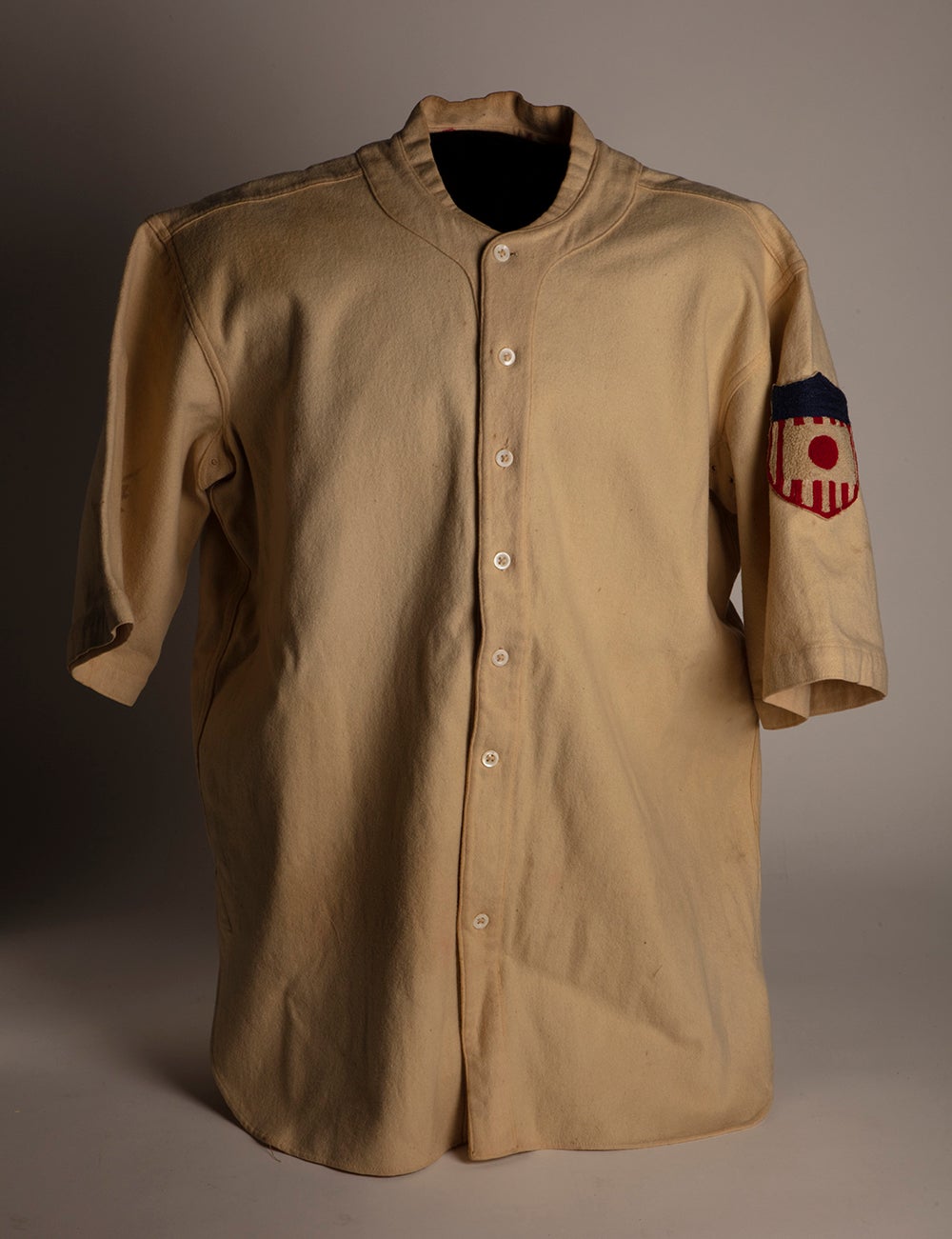
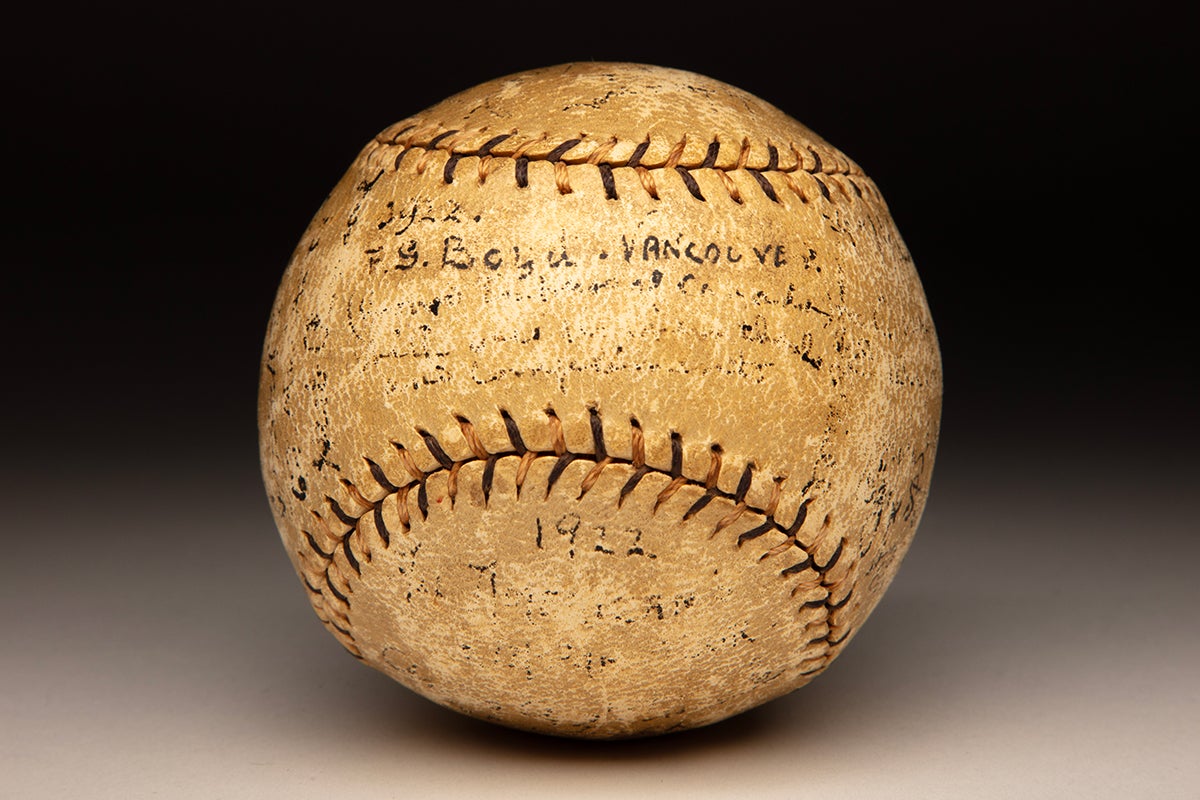
The collection at the National Baseball Hall of Fame and Museum contains an autographed baseball signed by a team of players led by Herb Hunter, who toured across the Pacific in 1922. The team competed against Japan’s top collegiate and club teams before continuing with matches in Korea, Shanghai and the Philippines. Hunter’s career on the field was brief, as he appeared in just 39 games across four seasons, recording eight hits during that span. He is, however, more recognized for his influence off the field as a strong advocate for international competition.
Hunter had taken part in Gene Doyle’s tour of Japan in 1920, during which he coached at Waseda University. His relationship with the school, combined with the revenue potential of a tour featuring Babe Ruth, led Hunter to recognize the opportunity the 1922 tour presented.
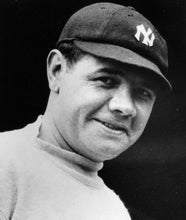
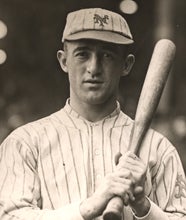
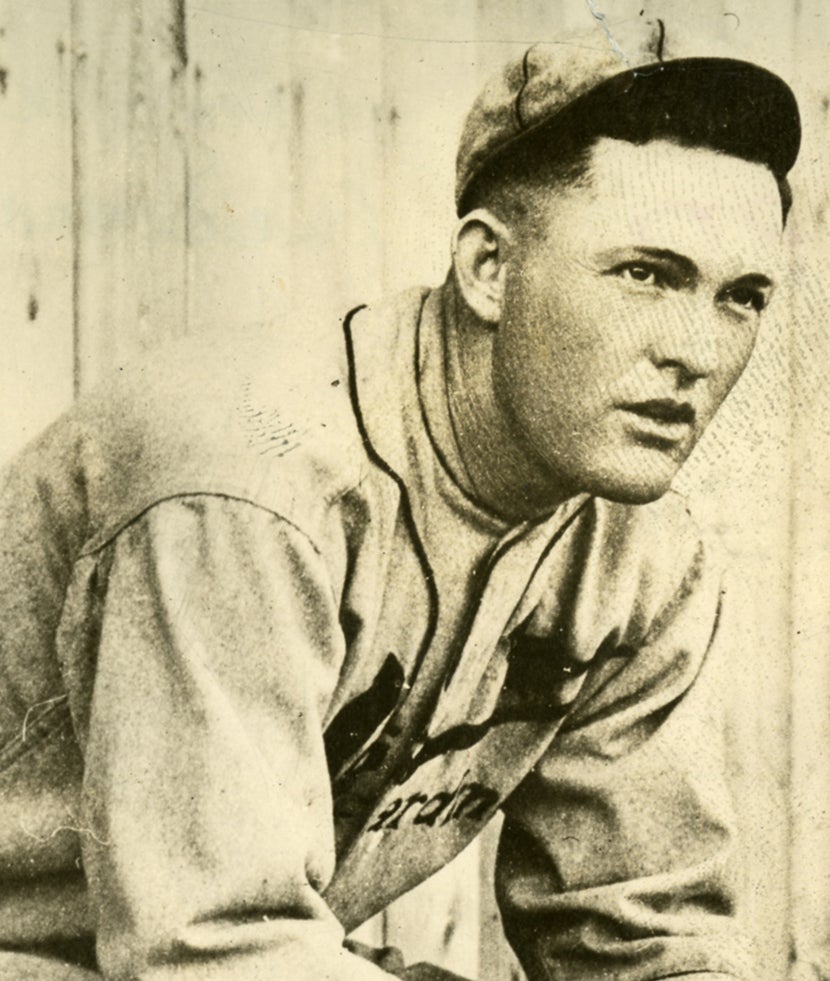
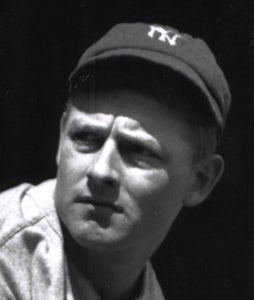
Ruth, who instead barnstormed across the Midwest and Great Plains that fall, would not play in Japan until the All-Americans tour 12 years later. Meanwhile, the Herb Hunter All-Stars included several future Hall of Famers such as Waite Hoyt, George Kelly, Herb Pennock and Casey Stengel. It was a star-studded roster that brought mass anticipation in Japan, especially following Doyle's tour, which featured mostly Pacific Coast League players.
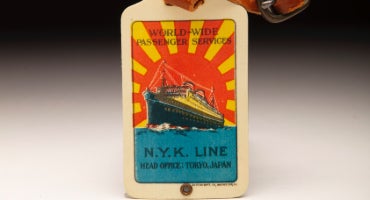
One of the more legible pieces of text that remains on the baseball is “Vancouver,” likely indicating that the ball was collected during an early stage of the tour, shortly after the team had departed Vancouver for Yokohama on Oct. 19, 1922.
The Herb Hunter All-Stars would play 17 games in Japan, finishing with a 16-1 record. Each win was a convincing victory, as the Americans posted double-digit runs totals in 14 of the 16 games. Their competition against Japanese universities included no easy opponents, as the Americans would face two future Japanese Baseball Hall of Famers within their first two games alone, with Keio University’s Shinji Kirihara and Waseda University’s Goro Taniguchi, who were inducted in 1984 and 1979 respectively.
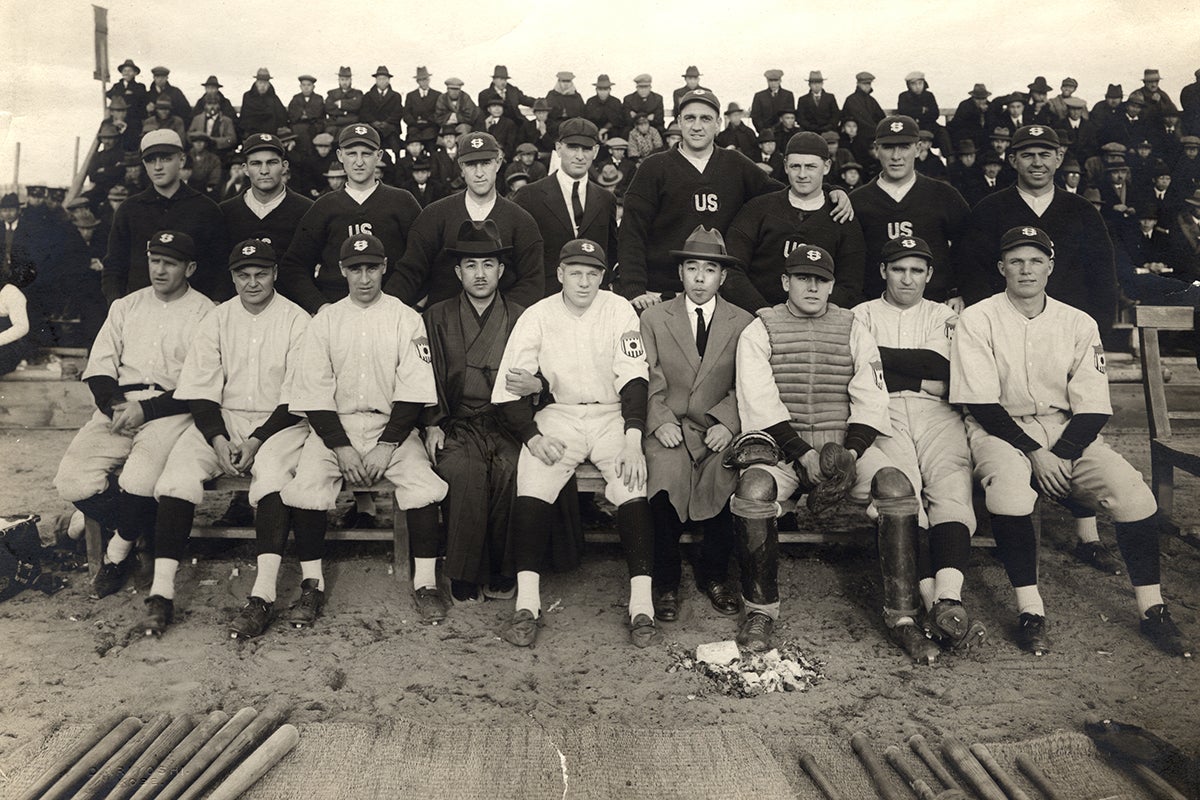
The team’s only defeat came on Nov. 19 against the Mita Club. Hall of Famer Waite Hoyt surrendered seven runs within the first three innings, a major shock as the Americans had shut out their opponents in five of the first six games. In the end, Mita outhit and outscored the Americans in a 9-3 victory, marking the first time a Japanese team had ever defeated a visiting professional team.
The loss resulted in the most controversial moment of the tour, as it brought strong reactions from the Japanese and American press. The Kokumin Shimbun newspaper claimed the Americans had lost on purpose to ensure larger attendance at future games, finding it “an insult to the Mita club.” Some of the American press interpreted the result through a more racist lens, reflecting the widespread belief that people of Asian descent were inherently inferior to Western men.
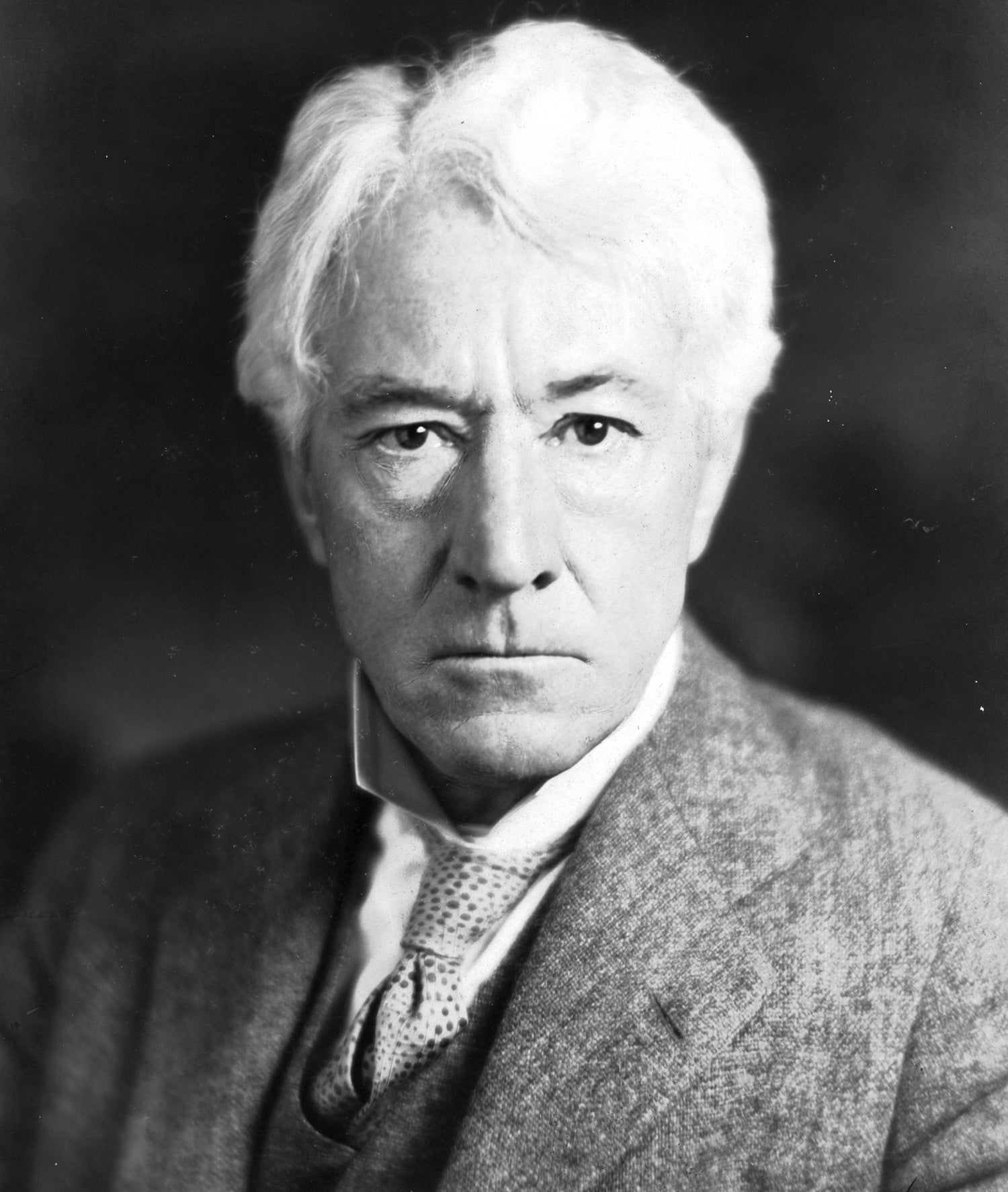
The defeat is often cited as one of the reasons Commissioner Kenesaw Mountain Landis banned future international barnstorming. Over the next decade, colleges, women and African American clubs continued touring, but no major league teams returned to Japan until 1931.
Brandon Tang was the Multimedia intern in the 2026 Frank and Peggy Steele Internship Program for Leadership Development