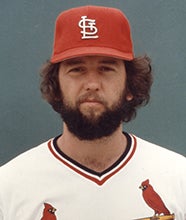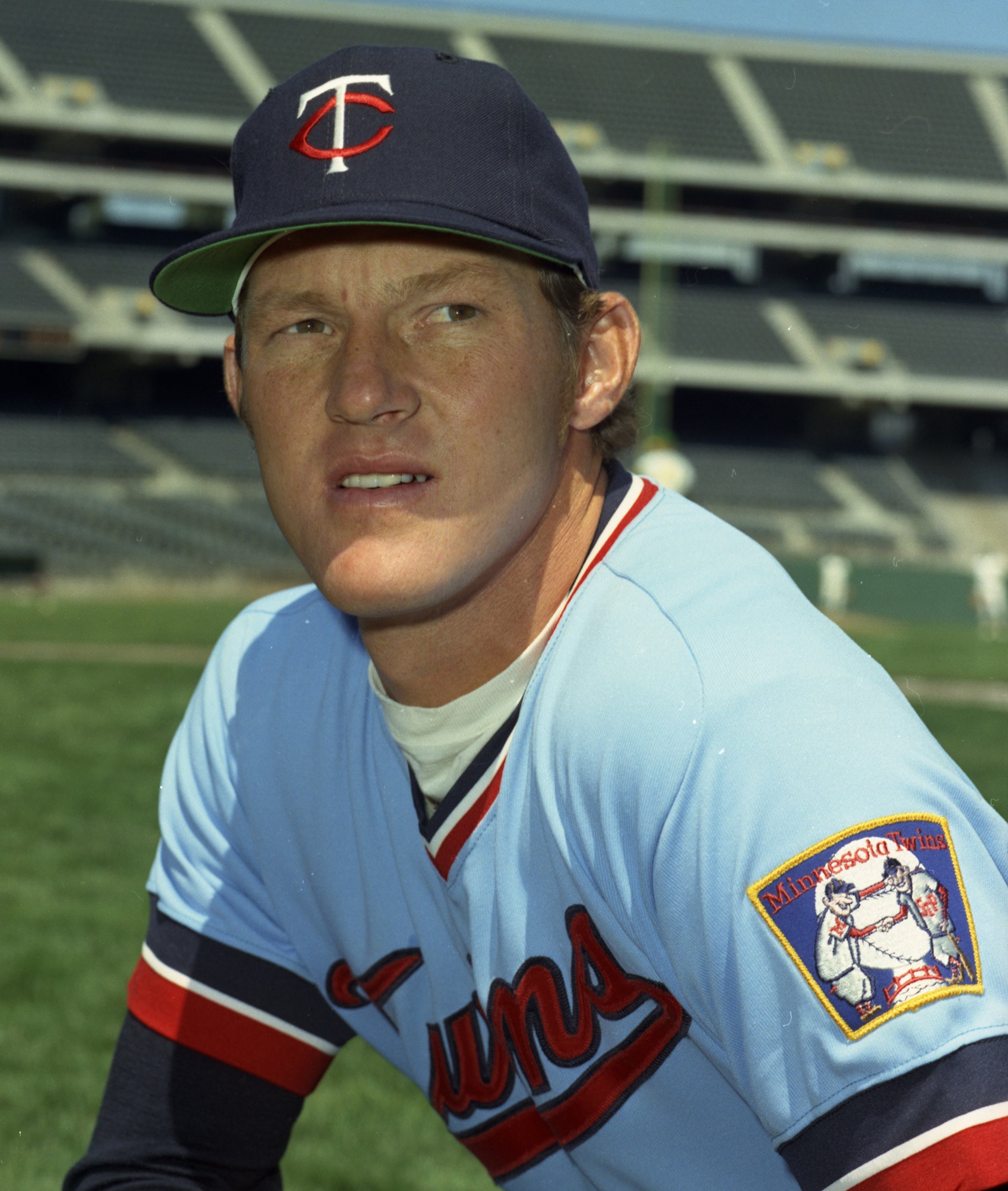
#CardCorner: 1978 Topps Mark Littell
He surrendered one of the most famous home runs in baseball history, a blast that put the Yankees back in the World Series after an 11-year hiatus.
Six years later, Mark Littell was out of the game due to an elbow injury. But the hard-throwing right-hander left his mark on two Missouri teams that had remarkable success during his career.
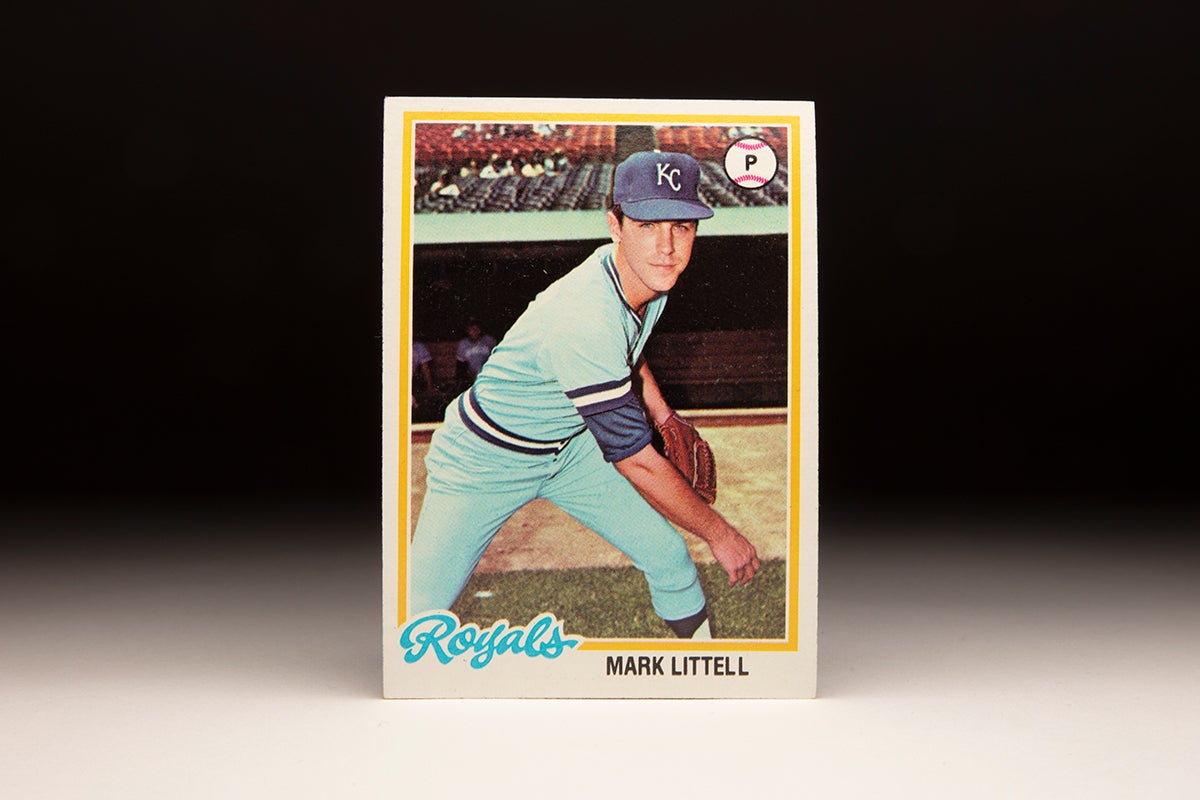
Mark Alan Littell was born Jan. 17, 1953, in Cape Girardeau, Mo. Taught the game by his father, Alan (who later served as his agent), Littell was raised on a soybean-and-cotton farm and played baseball with his younger brother Eric whenever time would permit.
“I never liked to watch baseball on television,” Littell told the Daily American Republic of Poplar Bluff, Mo., in 1982. “I wanted to play it instead. No matter how hot it got, I would always drag Eric outside and throw to him.
“I really got scared once. Eric missed the ball, it hit him on the head and knocked him (out).”
With a classic overhand delivery befitting his 6-foot-3 frame, Littell dominated hitters at Gideon High School in Cape Girardeau (located on the Mississippi River south of St. Louis) and later excelled for the American Legion team in Poplar Bluff, Mo.
The Royals selected Littell in the 12th round of the 1971 MLB Draft, and Littell signed with the encouragement of scout Gary Blaylock, who pitched for the Cardinals and Yankees during his one season in the big leagues in 1959 and was managing in the Royals system in 1971.
“I was supposed to go to the Appalachian League,” Littell told the Daily American Republic. “But Gary wanted me to go with him to Billings where he was going to manage in the Pioneer League. That was actually a better league, so I decided to go with him.”
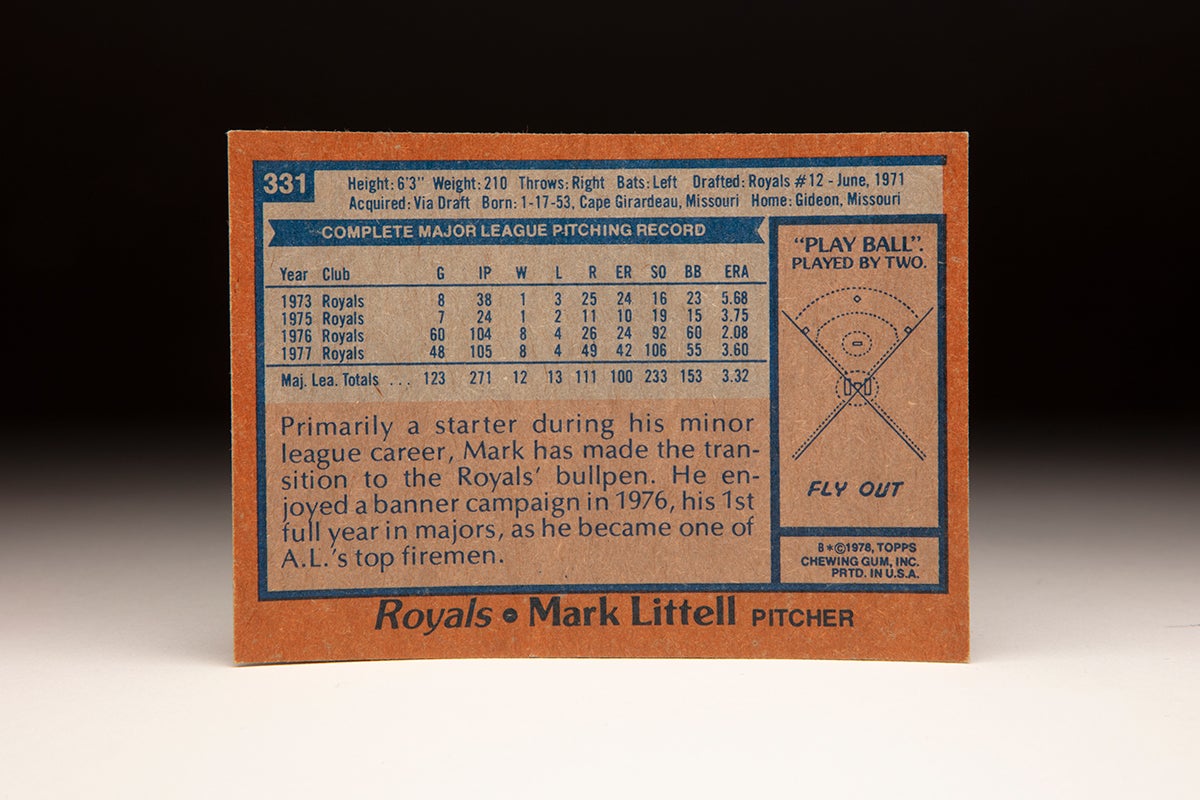
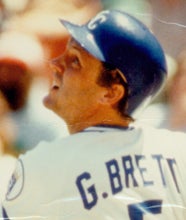
Littell went 5-1 with Billings, striking out 69 batters over 87 innings – mostly as a starter. Among his teammates that year was future Hall of Famer George Brett, who hit .291 in his first professional season.
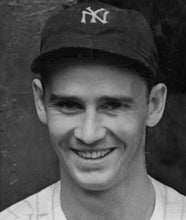
Littell moved on to Class A Waterloo of the Midwest League in 1972, going 10-9 with a 3.47 ERA while striking out 199 batters in 153 innings. He also earned his nickname, Country, from Royals minor league instructor and future Hall of Famer Joe Gordon.
“I was kind of raw,” Littell told the Daily American Republic. “My southeast Missouri accent was real strong and I did come from the country. Joe Gordon was standing at the batting cage one day and said, ‘Where’s that country boy?’ The guy standing next to him said: ‘Country’s in the dugout.’”
In 1973, Littell made it all the way to Triple-A, where he was 16-6 with a 2.51 ERA for Omaha and earned a berth on the American Association All-Star team. Called up to the big league club in June, Littell made five starts before returning to Omaha until he was recalled in September.
He finished the season with a 1-3 record and 5.68 ERA in eight appearances for Kansas City.
In 1974, Littell impressed observers during Spring Training with his power fastball and darting slider.
“He’s so young, but he doesn’t have bad stuff,” Fran Healy, who would be the Royals’ regular catcher in 1974, told the Kansas City Times about Littell. “One thing I’ve noticed this spring: The Royals are coming up with some good, young pitchers.”
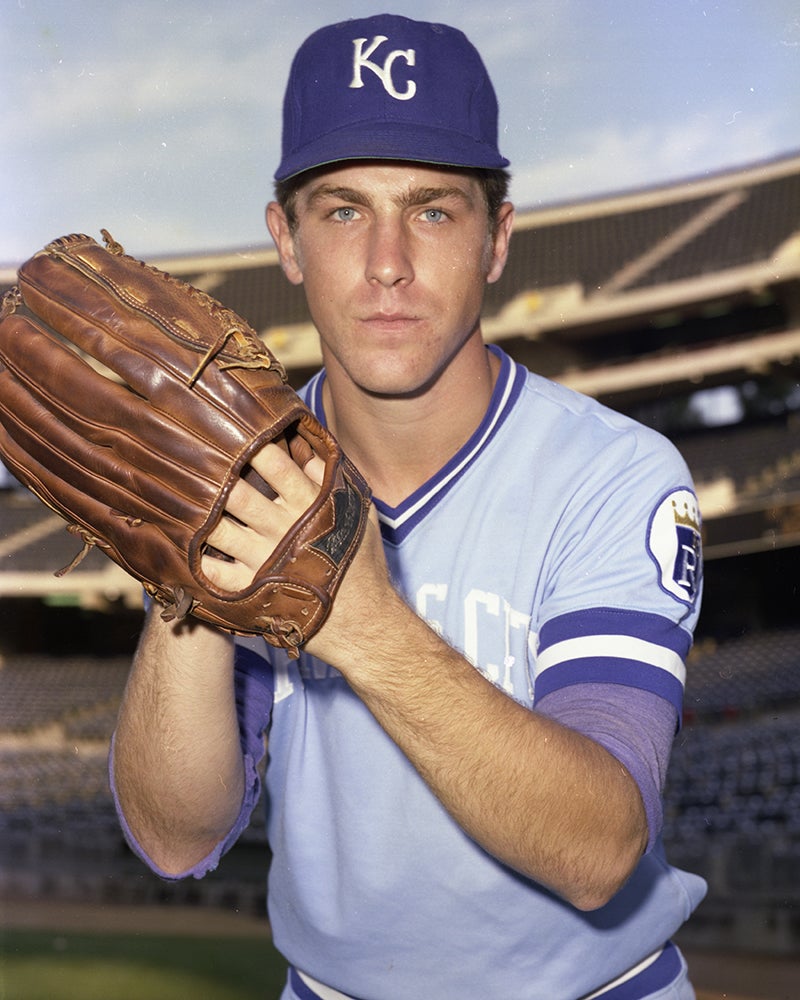
But the Royals sent Littell back to Omaha that spring, and Littell soon developed pain in his right arm. Sporting a 3-5 record and 2.56 ERA, he was sent home to rest. When he returned, he was even less effective – and finished the year with a 3-9 record and 4.75 ERA, striking out just 44 batters over 89 innings.
He finally underwent surgery to remove bone spurs.
“The Royals didn’t know what to think,” Littell said after surgery. “I had always been so healthy. Before all they had to do was hand me the ball as often as they wanted and I’d throw it.”
Now at a career crossroads, Littell regained his fastball in 1975 and earned a spot on the American Association All-Star team while pitching for Omaha. He earned the win as the All-Stars defeated the Chicago White Sox 7-4 on July 31 in Denver, then – while sporting a nine-game winning streak – was called up to Kansas City on Aug. 18 when Steve Mingori was placed on the disabled list.
Littell worked in seven games for the Royals down the stretch, making three starts while going 1-2 with a 3.70 ERA. With Omaha, Littell was 13-6 with a 3.48 ERA.
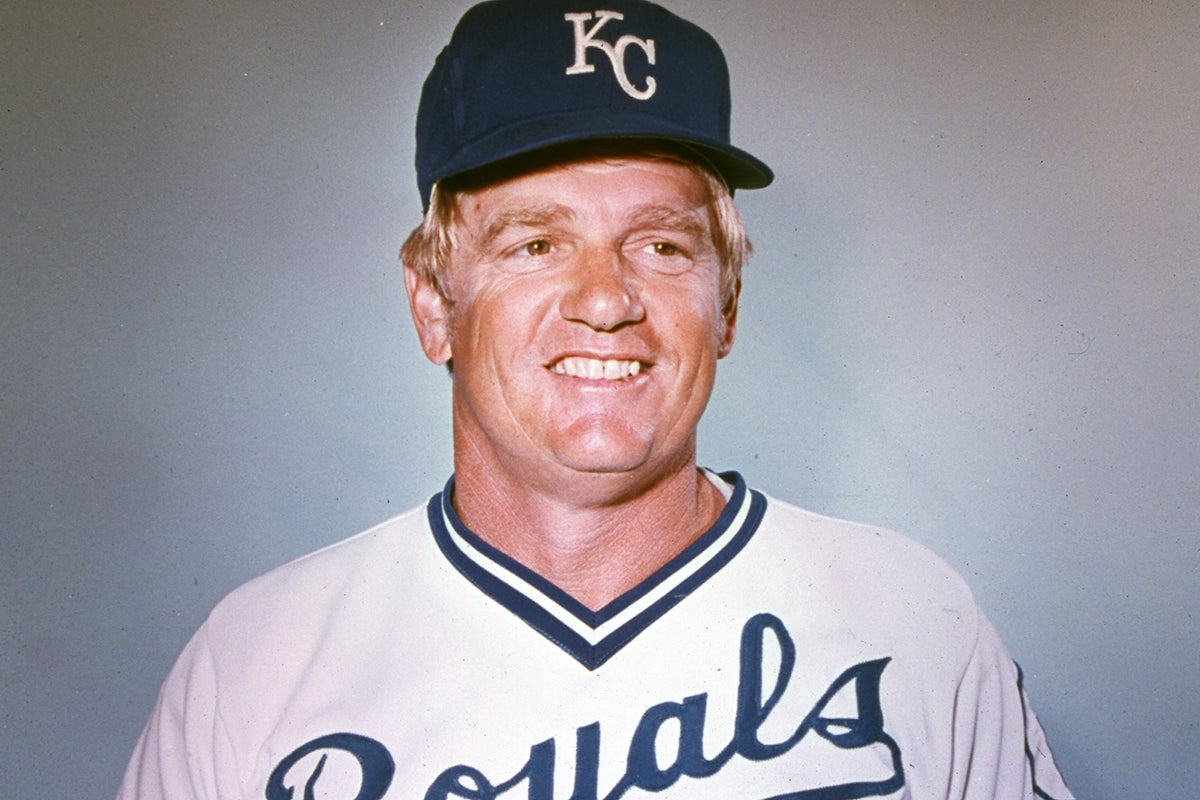
In the spring of 1976, Littell laid it on the line for Royals manager Whitey Herzog.
“I think I can help the team this year,” Littell told Herzog as Spring Training was winding down. “I don’t have any business in the minor leagues.”
Herzog kept Littell as a bullpen arm and by May was using him as his closer. It was a move that propelled the Royals to their first American League West title.
Often pitching multiple innings as was customary for relievers of the time, Littell did not allow an earned run until May 17 and was 3-1 with six saves and a 1.25 ERA through June 16. He posted a win and five saves in August alone and finished the year 8-4 with 16 saves and a 2.08 ERA – a mark that would have been 1.50 if not for allowing seven runs over two innings against Cleveland on June 20 in his only start of the season.
He permitted just one home run over 104 innings.
“I’ve gotten to where I enjoy coming in with men on base,” Littell told the Associated Press. “I really love to do that.
“What I’m doing right now is exactly what I’ve wanted to do all my life, ever since I can remember. I’ve never wanted to do anything but be a pitcher in the big leagues.”
The Royals wrapped up the division title on Oct. 1 when the second-place Athletics lost to the Angels. Littell also pitched that day in his final outing of the regular season, taking the loss in a 4-3 defeat at the hands of the Twins. But the Royals didn’t care as they became the first AL expansion team to win a division title.
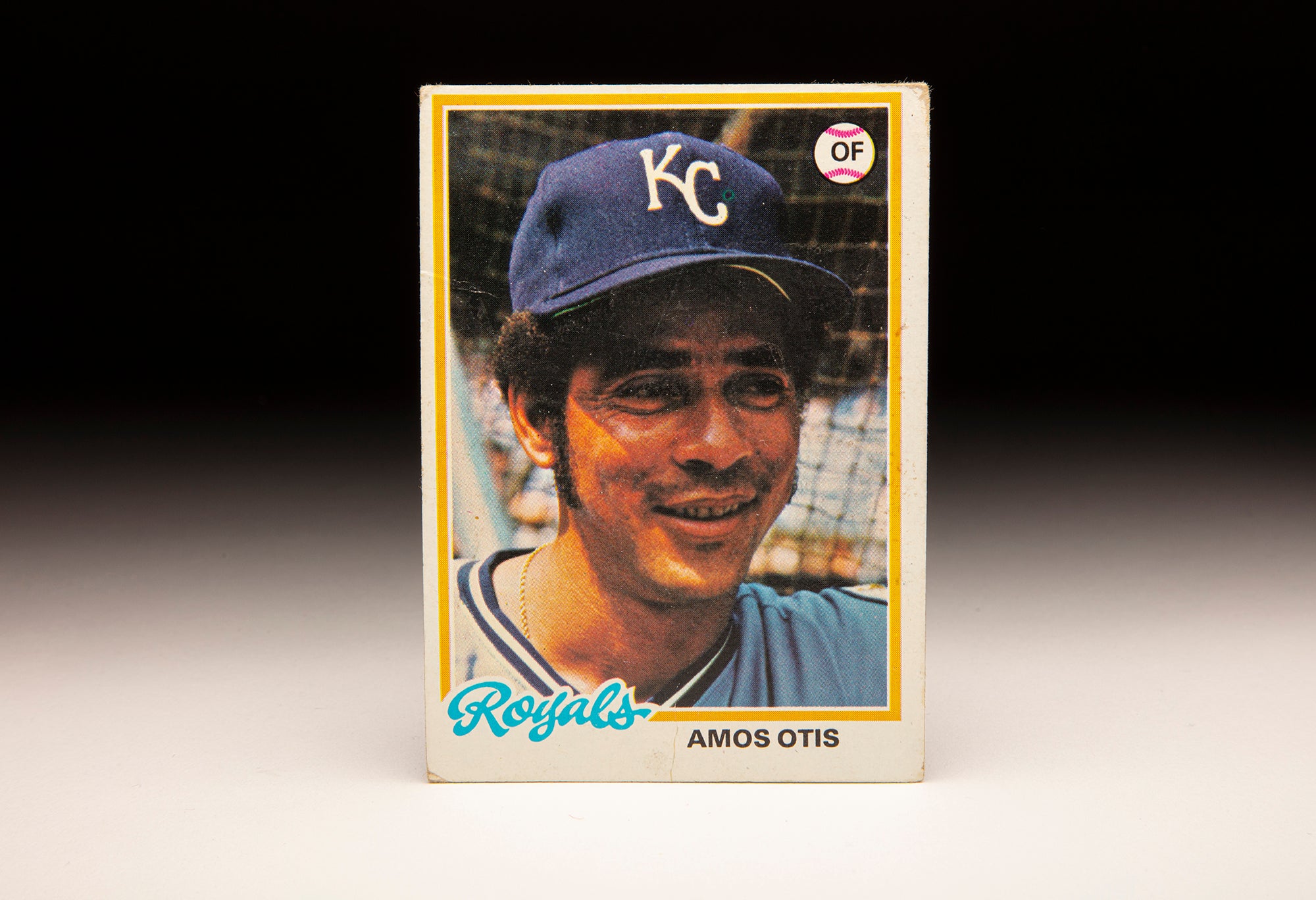
The Royals entered the ALCS vs. the Yankees as underdogs, and their outlook did not improve when center fielder Amos Otis turned his ankle in the first inning of Game 1 and was lost for the rest of the series. Littell recorded the Royals’ final out of that game, getting Thurman Munson to ground out to end the eighth one batter after Roy White’s two-run double off Larry Gura gave the Yankees a 4-1 lead that would eventually be the game’s final score.
Littell returned in Game 3, pitching 2.2 innings of scoreless ball in another losing cause as the Yankees won 5-3 to take a 2-games-to-1 lead. But Kansas City won Game 4 by a 7-4 score, setting up a winner-take-all game at Yankee Stadium a day later.
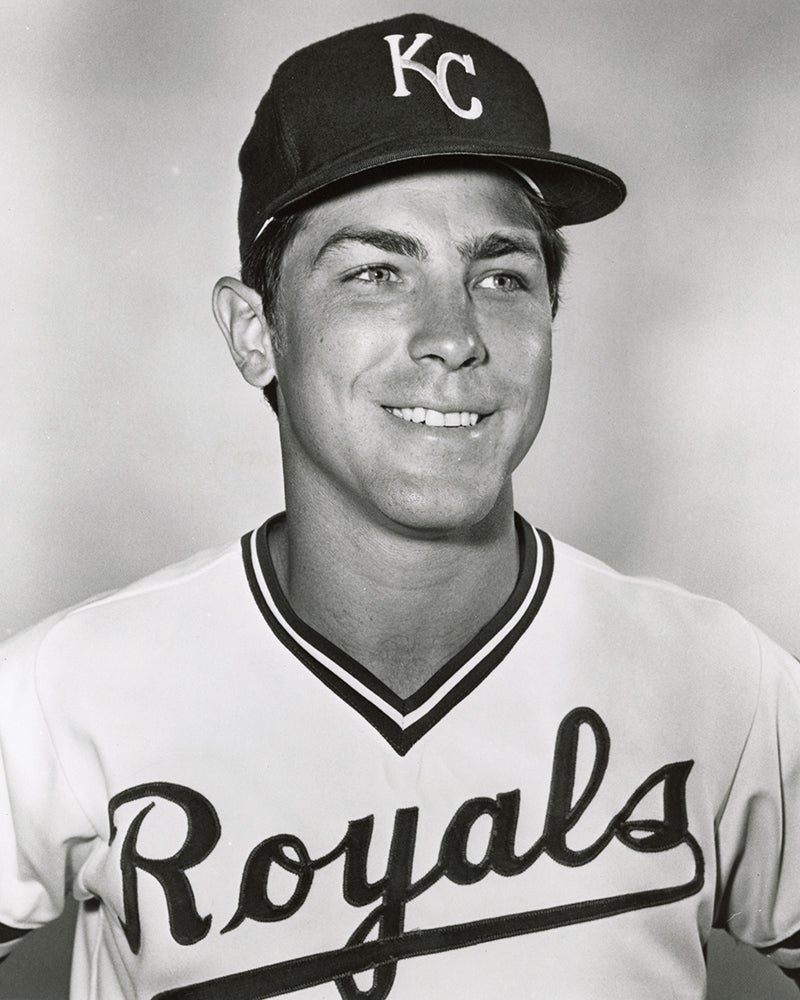
The teams each scored two runs in the first inning before Kansas City took a 3-2 lead in the top of the second. The Yankees then countered with two runs in the third and took control of the game with two more in the sixth.
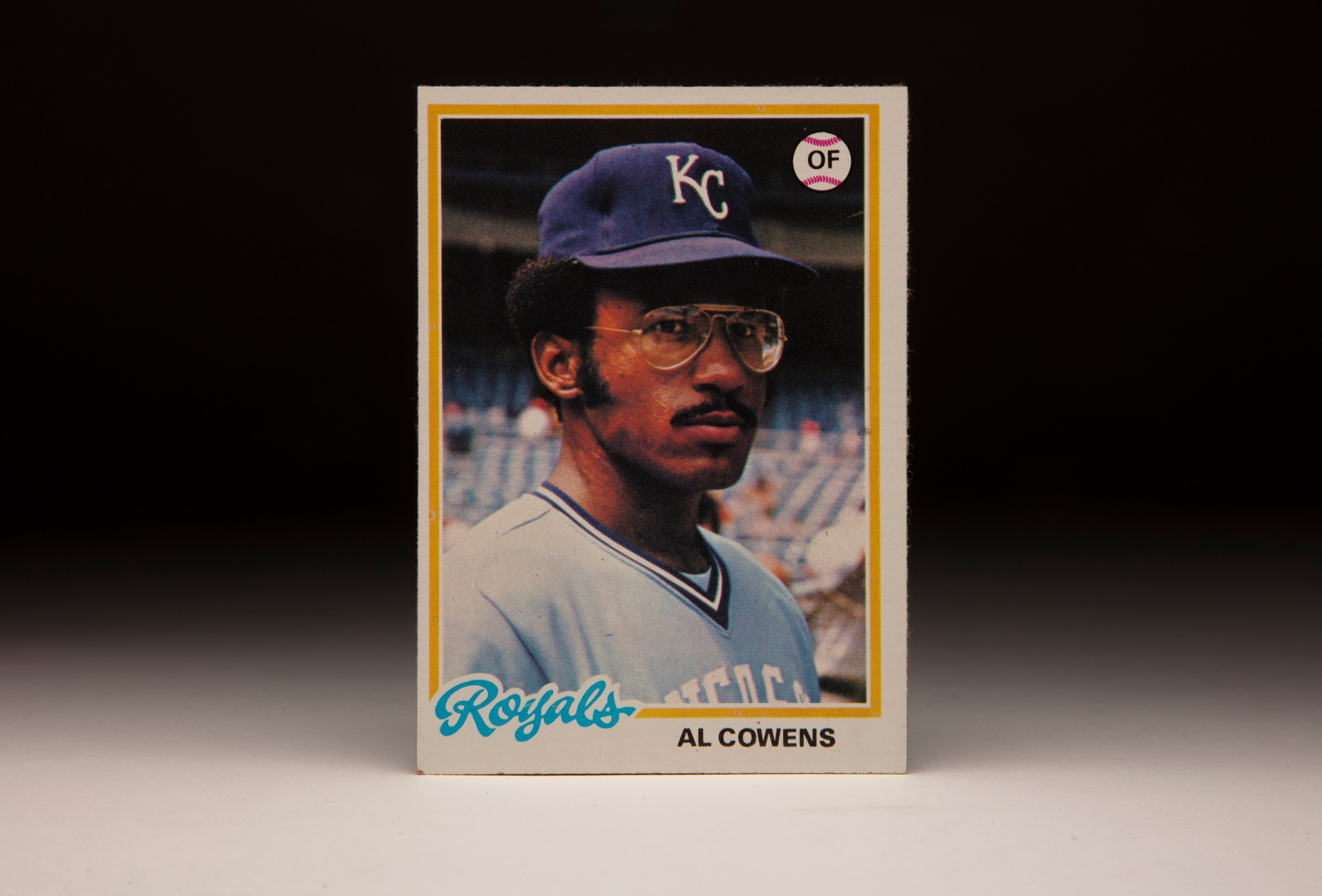
But in the top of the eighth, Brett’s three-run homer off Grant Jackson tied the score at 6. Littell had entered the game in the bottom of the seventh to extinguish a New York rally and retired the Yankees in order in the eighth. And in the top of the ninth, Kansas City had two on with two out against Dick Tidrow when Jim Wohlford hit a chopper between third and short that Graig Nettles fielded. His throw to second appeared on TV replays to be too late to get Al Cowens, but second base umpire Joe Brinkman ruled that Cowens was out to end the inning.
Had Cowens been safe, Brett – who hit .444 in the series – would have come to the plate with the bases loaded. Instead, Littell went back to the mound for the bottom of the ninth with the game still tied.
Fans had thrown items onto the field between innings, delaying the game as workers cleared the debris. Littell threw extra warm-up pitches to stay loose before Yankees first baseman Chris Chambliss finally stepped into the batter’s box.
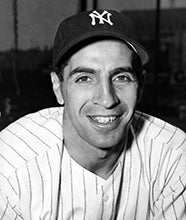
“He hits one deep to right center!” yelled Yankees announcer Phil Rizzuto as the first pitch to Chambliss climbed into the New York night. “That ball is…outta here! The Yankees win the pennant! Holy cow, Chris Chambliss! On one swing!”
With that swing, Littell entered the history books among other famous pitchers like Ralph Terry and Ralph Branca who had surrendered famous walk-off home runs.
“I would have given up a whole year’s pay to have won that game and got in the World Series,” Littell told the Daily American Republic. “It’s not the money, it’s the ring and ability to say: ‘Hey, I pitched in a World Series.’”
Littell and the Royals bounced back in 1977, with Kansas City winning 102 games and once again capturing the AL West title. Littell was 5-4 with 12 saves and a 3.54 ERA when Herzog moved him into the rotation in mid-August due to injuries to the starting rotation. He made five starts – missing two weeks in late August with a back problem – and finished the year 8-4 with 12 saves and a 3.61 ERA in 104.2 innings over 48 games.
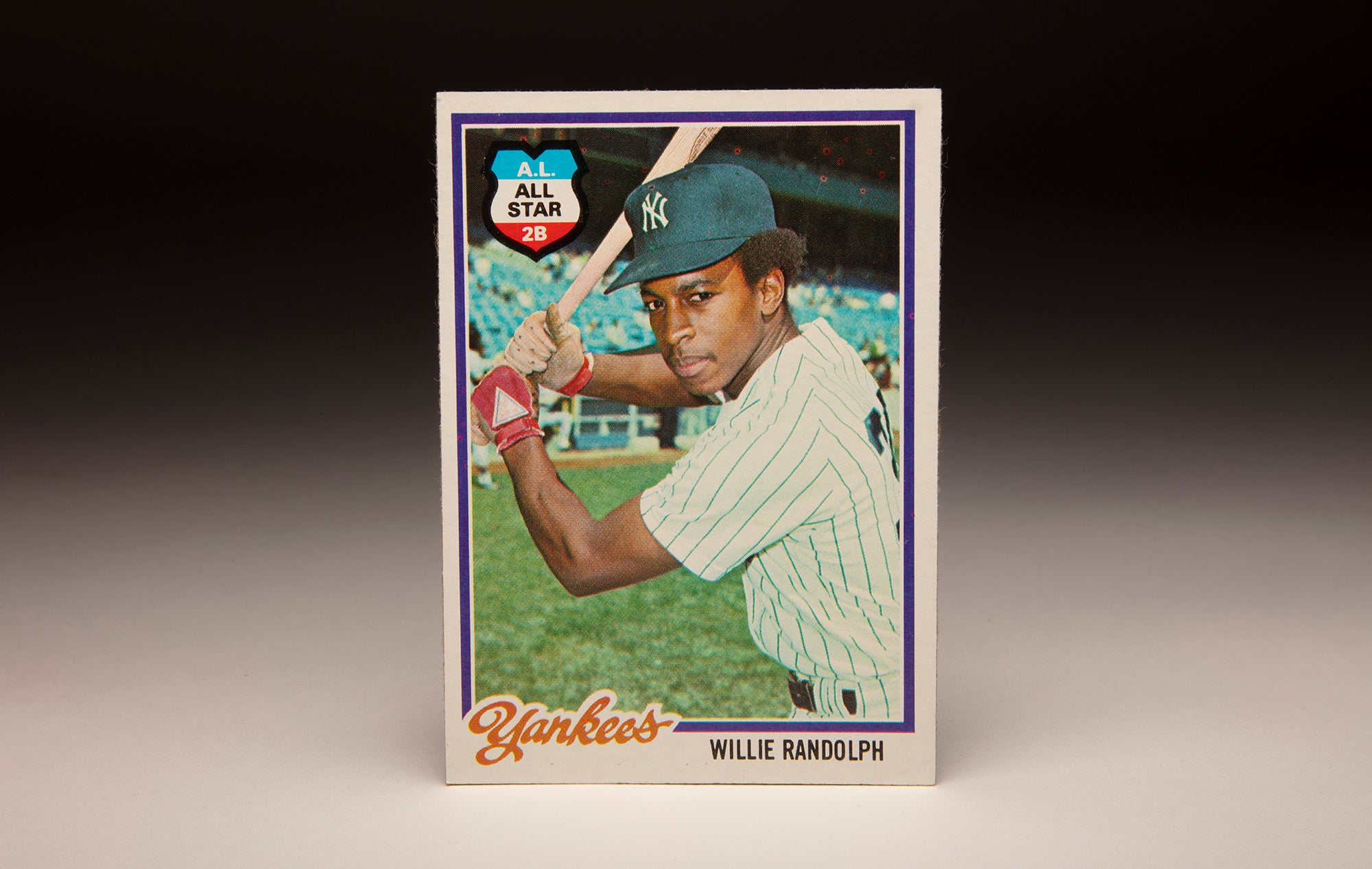
In the ALCS rematch vs. the Yankees, Littell appeared in two games – allowing three runs (one earned) over two innings in a 6-2 loss in Game 2 and surrendering the go-ahead run (which was not charged to him) on a sacrifice fly by Willie Randolph in the top of the ninth of Game 5 in New York’s 5-3 victory that clinched the series.
After two straight postseason gut punches, the Royals decided a change was in order. On Dec. 8, they traded Littell and catcher Buck Martinez to the Cardinals in exchange for pitcher Al Hrabosky.
Littell told the St. Louis Post-Dispatch after the trade that he saw himself as a starting pitcher moving forward.
“I like starting,” Littell said. “I think, in the long run, that’s where my future is.”
The Cardinals gave Littell two starts early in the 1978 season but soon returned him to the bullpen. After a period of adjustment, Littell posted scoreless outings in 11 of 12 games from late May to late June and finished with career-bests in games (72), innings (106.1) and strikeouts (130) while going 4-8 with 11 saves and a 2.79 ERA.
But in 1979, elbow problems began to plague Littell. He was sidelined twice by arm pain early in the season and then blew three saves in a two-week span in early June before finding his form again.
“He’s been hurt by base on balls in key situations,” Cardinals pitching coach Claude Osteen told the Post-Dispatch. “In that respect, (his record) is probably misleading.”
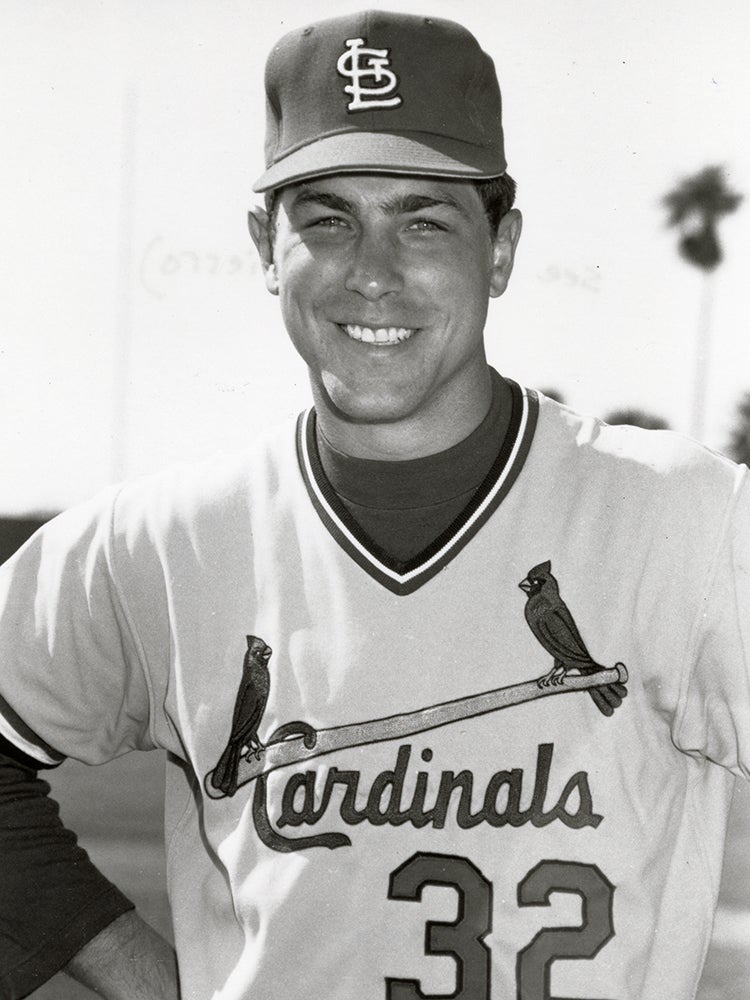
Littell was much better in the second half of the 1979 season and allowed just one run over 14 appearances to end the season, finishing with a 9-4 record, 13 saves and a 2.19 ERA in 63 games.
Then in the spring of 1980, rumors abounded about a possible trade that would send Cubs ace reliever Bruce Sutter to the Cardinals. The return was to be Littell and top catching prospect Terry Kennedy.
The deal never materialized, but Littell was ready for anything.
“(Royals general manager Joe Burke) told me in Kansas City I would never be traded. You never know,” Littell told the Post-Dispatch.
It was the start of a lost season for Littell, who was 0-2 with a 9.28 ERA in 14 games before being sidelined for the rest of the season after undergoing surgery to remove bone spurs from his elbow.
“He hasn’t been healthy since Spring Training,” Cardinals general manager John Clairborne told United Press International. “We coughed up a lot of games when he wasn’t pitching up to par.”
Dr. Frank Jobe, the Dodgers team physician, performed the surgery on Littell.
“It wasn’t one of those things where you throw one pitch and (the arm) goes out on you,” Littell told the St. Joseph (Mo.) News-Press. “In Spring Training it started bothering me, and I kept feeling the same thing over a long period of time. It kept getting worse and worse.”
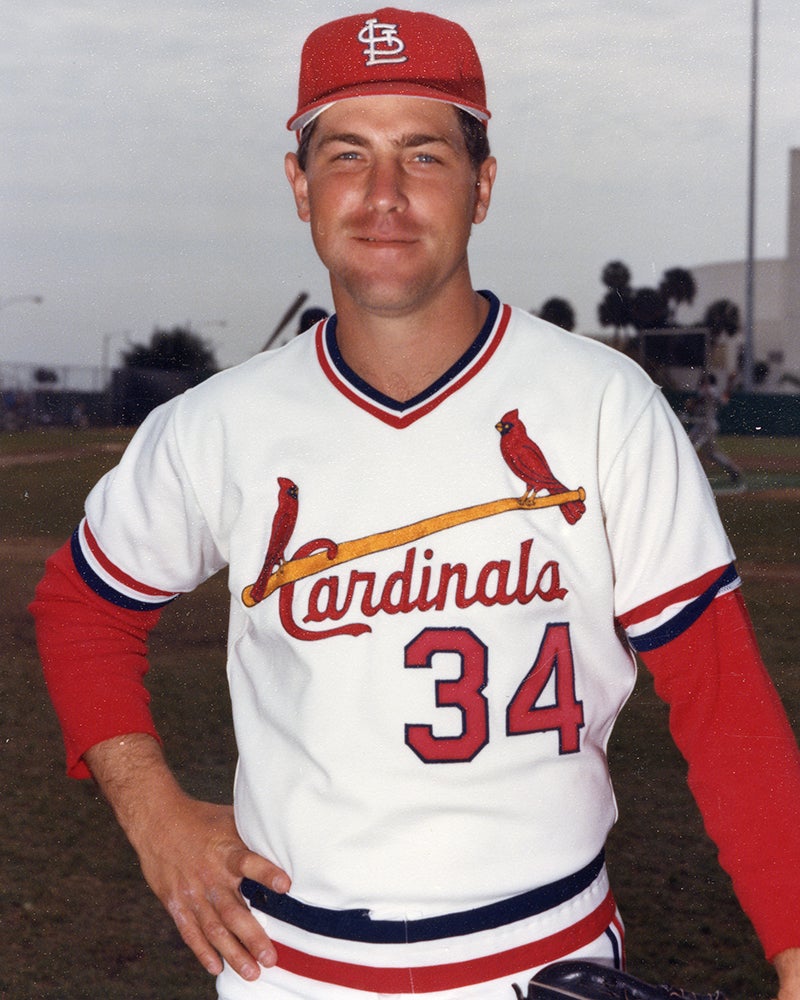
Littell began throwing again in the Florida Instructional League following the 1980 season, and by the spring of 1981 his mid-90s velocity had returned. But Littell was unable to command his pitches like he had prior to the surgery and didn’t rejoin the Cardinals’ bullpen until late May. He made only six appearances before the strike interrupted the season, but in his first game after the dispute ended, he was a part of history.
On Aug. 10, Littell surrendered an eighth-inning single to the Phillies’ Pete Rose – a hit that propelled Rose past Stan Musial into the top spot on the all-time National League list with 3,631 safeties.
But by that time, Littell was no longer pitching in high-leverage situations. The Cardinals swung their deal for Sutter after the 1980 season and installed him as their closer – and Littell finished the year with a 1-3 record, two saves and a 4.39 ERA over 28 games.
In 1982, Littell – who had two years remaining on a contract worth a reported $125,000 per season – was limited to mop-up roles to start the year as the Cardinals embarked on a season that would eventually result in a World Series title. Doug Bair, Jim Kaat and Sutter were handling the key roles in the bullpen, and Littell was 0-1 with a 5.23 ERA through June 24. Two days later, the Cardinals – who were 1-15 in Littell’s 16 games that year – designated him for assignment.
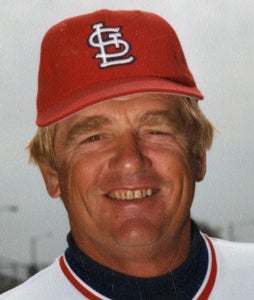
“I couldn’t get him up and down in the bullpen,” Cardinals manager Whitey Herzog told the Daily American Republic after Littell was cut. “I just don’t think that his arm, because of his operations, is suitable for relief.”
Littell made one start for Triple-A Louisville before his season came to an end.
“I’ve got to pitch,” Littell told the Daily American Republic after the Cardinals designated him for assignment. “I can’t sit.”
But his arm would not permit Littell to continue.
“My arm was pretty much basically shot and Whitey Herzog gave me a big break by keeping me around as long as he did,” Littell said in 2016.
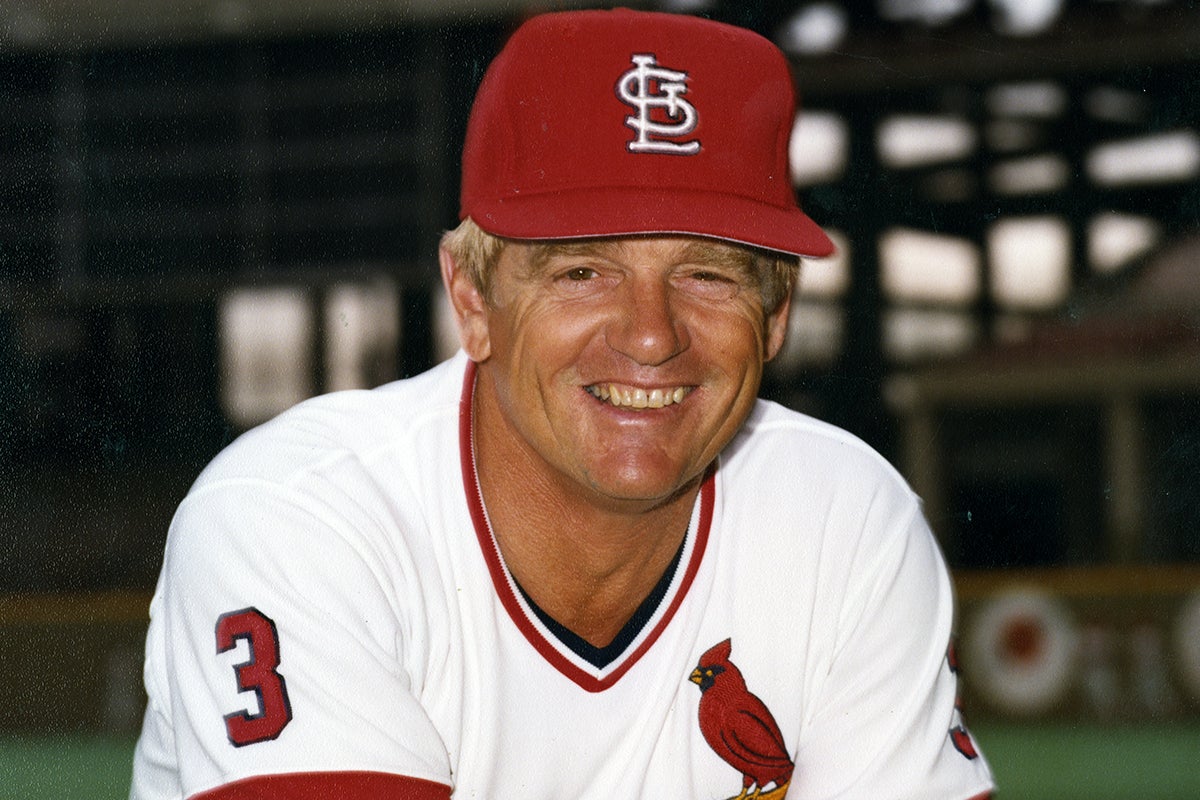
The news got worse for Littell as 1982 progressed when he and his father were sued by former Royals teammates John Wathan, Tom Poquette and Joe Zdeb for a 1977 land deal that went awry.
But after a few years away from the game, Littell returned as a minor league pitching coach for the Orioles, Padres and Brewers – even appearing in a 1994 game with the Class A Stockton Ports (for whom he was a coach) when the team ran short on pitchers. He worked a scoreless inning in relief and earned a victory.
Littell coached in the minors and at the college level into the 2000s before retiring. He passed away on Sept. 5, 2022, due to a heart ailment.
Over nine seasons with the Royals and Cardinals, Littell was 32-31 with 56 saves and a 3.32 ERA over 316 games – and will always be remembered for one pitch. But his overall work during that magical season of 1976 – when Whitey Herzog turned him into a reliever – set the Royals franchise on the course to greatness.
“Well, (Herzog) took me along. That’s all I care about,” Littell told the AP in 1976. “I don’t have any regrets. And I don’t think Whitey does either.”
Craig Muder is the director of communications for the National Baseball Hall of Fame and Museum