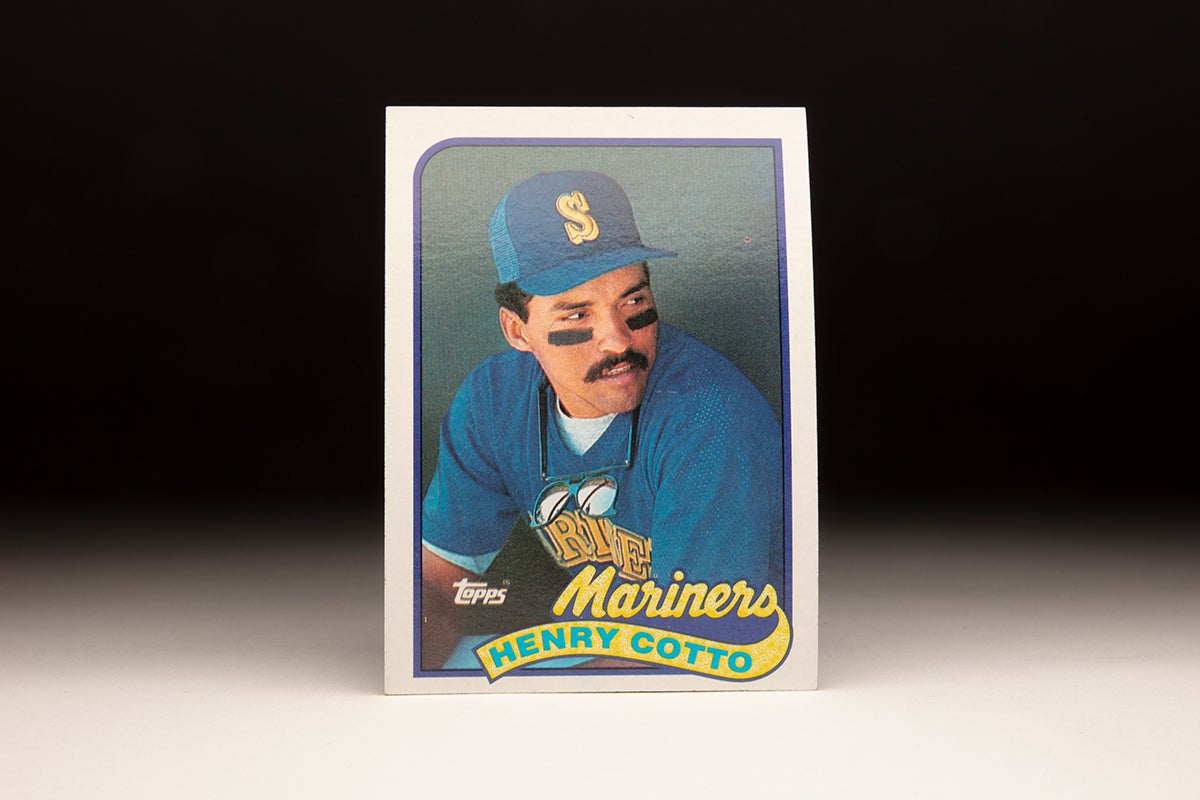
#CardCorner: 1989 Topps Henry Cotto
The 1984 Cubs ended 39 years of franchise frustration by winning the National League East title, the first time the team qualified for the postseason since 1945.
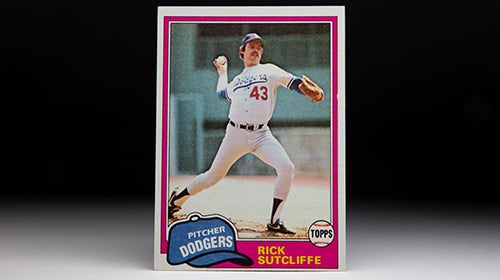
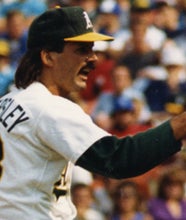
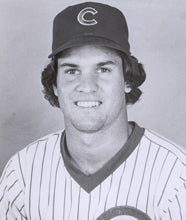
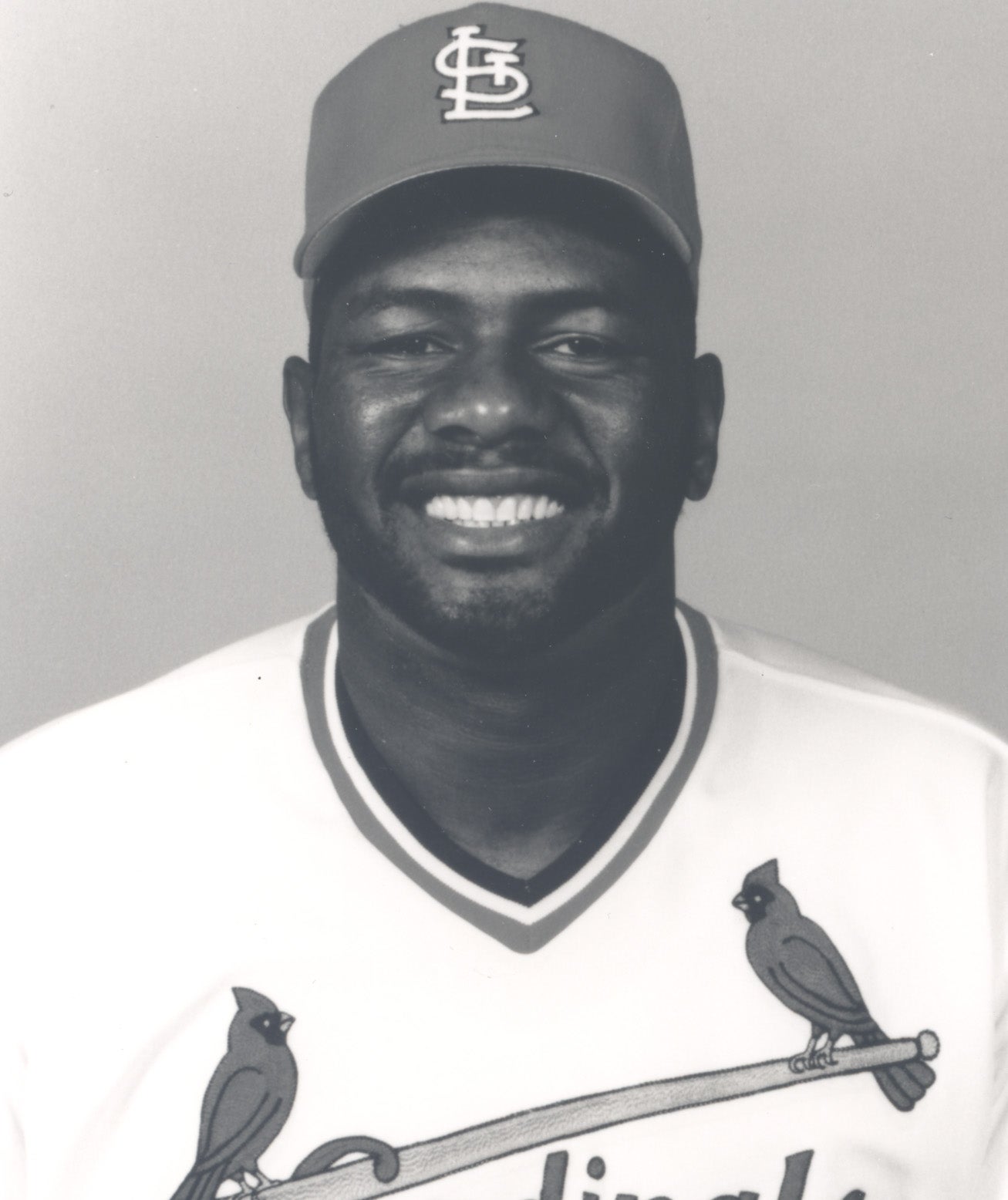
Future Hall of Famers Dennis Eckersley, Ryne Sandberg and Lee Smith powered Chicago all season, and Rick Sutcliffe’s acquisition from Cleveland at the trade deadline put the Cubs over the top.
But it might have been Henry Cotto, a reserve outfielder in his first season in the big leagues, who was the team’s catalyst. In Cotto’s 105 games, the Cubs went 70-35 – a .667 winning percentage that reflected Cotto’s penchant for key plays in big moments.
Born Jan. 5, 1961, in New York City, Cotto’s family moved to Puerto Rico when he was two months old, and he was raised in Caguas with his four brothers and sisters.
“I come from a small town that’s just like the projects here,” Cotto told the Kitsap (Wash.) Sun in 1991. “I’m the only guy from there that made it out.
“We had a bunch of guys who if they had stayed out of drugs would have had a chance to be (in the major leagues).”
Cotto starred in track, basketball, volleyball and baseball while attending Bautista High School and credited his mother for keeping the family together.
“Some (of his friends) died from drugs, some stayed in drugs, some are in jail and a couple have nice jobs,” Cotto told the Sun. “That’s why I give a lot of credit to my mother (Cecelia). She got all the family to graduate from high school.”
Cotto was scouted by the legendary Pedrín Zorrilla and signed with the Cubs on June 7, 1980, as an amateur free agent.
“(Zorrilla) wanted to sign me sooner, but my mother said no,” Cotto told the Des Moines (Iowa) Register in 1983. “She wanted me to finish high school.”
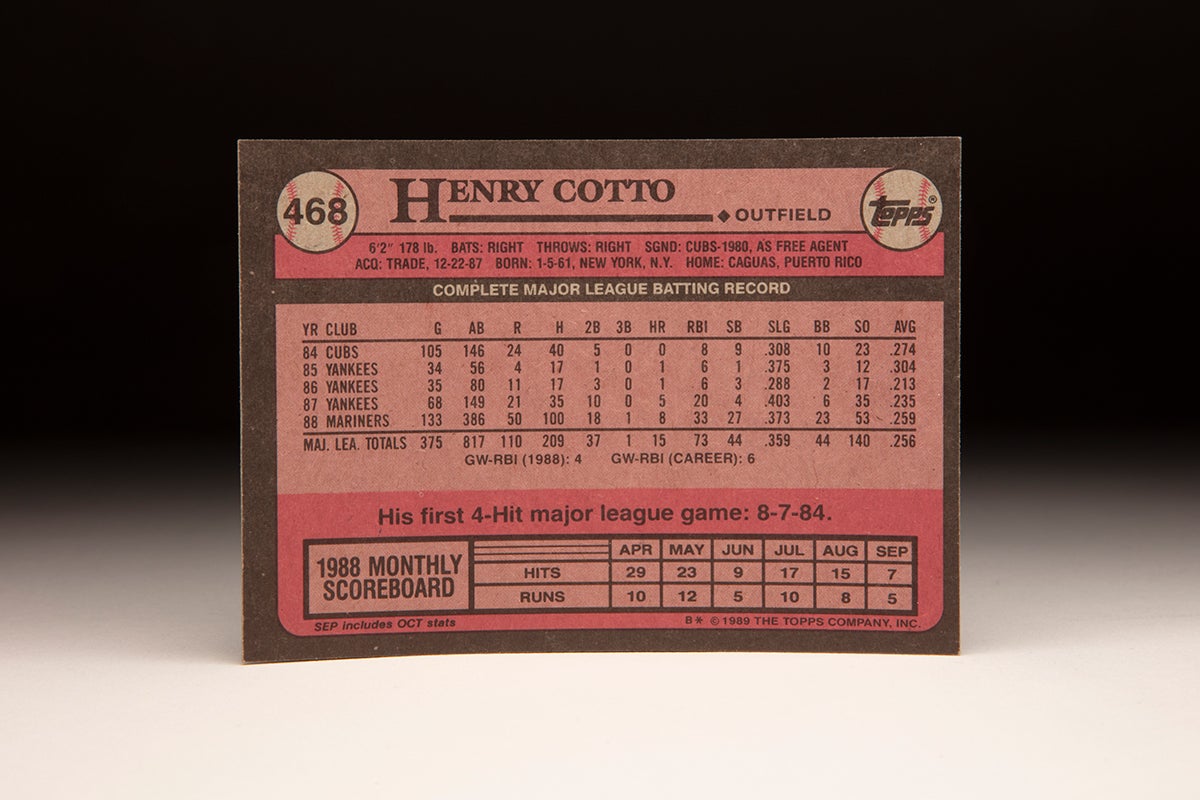
Cotto reported to the Cubs’ outpost in the Gulf Coast League at Sarasota, Fla., where he hit .283 with 12 steals (without being caught) in 43 games before earning a promotion to the Quad Cities of the Midwest League. He finished the year batting a combined .283 with 20 steals and 33 runs scored in 62 games.
He returned to Quad Cities in 1981 and hit .292 with 59 walks, 52 steals (in 68 attempts) and 80 runs scored in 128 games en route to a berth on the Midwest League All-Star team. Then in 1982 with Double-A Midland of the Texas League, Cotto virtually repeated his 1981 numbers – drawing 59 walks, stealing 52 bases in 68 attempts (leading the league in steals) and scoring 103 runs while hitting .307. Following the season, the Cubs added Cotto to their 40-man roster.
Cotto was now on the fast track to the big leagues and played at Triple-A Iowa in 1983, where he hit .261 with 32 steals in 104 games.
“He’s got major league written all over him,” Iowa Cubs manager Jim Napier told the Des Moines Register. “The Cubs organization is very high on Henry. They’d like to see him cut down on his strikeouts and maybe bunt a little more, but he’s a top prospect, has outstanding speed and everybody is pleased with his progress.
“Barring injuries, I can’t see anything stopping him from making the big club (in 1984).”
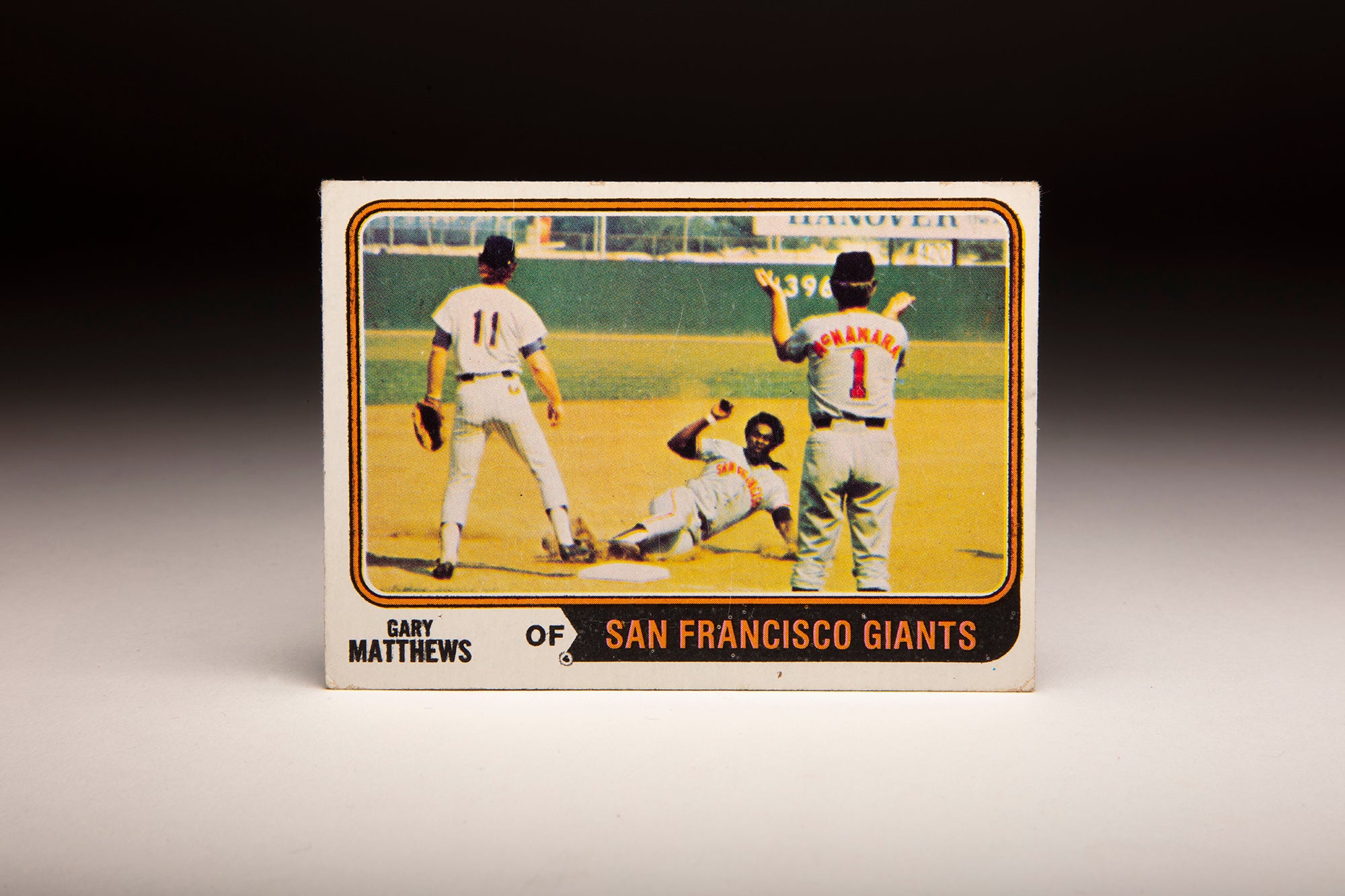
Napier proved correct when Cubs manager Jim Frey kept Cotto as a backup outfielder to start the 1984 campaign. But when the Cubs acquired Bob Dernier and Gary Matthews from the Phillies on March 27, Cotto’s prognosis for extended playing time was limited.
“We wanted a center fielder who could back up Dernier,” Frey told United Press International. “Someone who could pinch-run, pinch-hit and play some defense for us.”
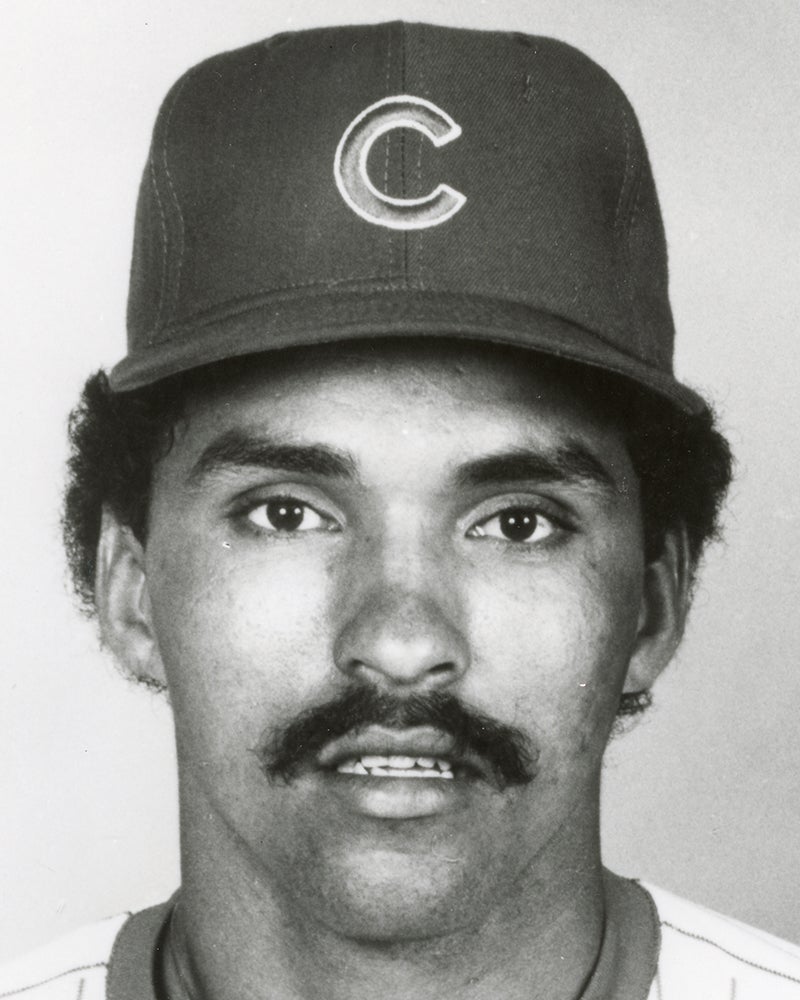
Dernier got off to a hot start and was hitting .321 by mid-May while Matthews galvanized the clubhouse with his veteran leadership. Cotto, meanwhile, saw most of his action in May and June as a pinch-hitter or defensive replacement and was even sent back to Triple-A for a week.
But on July 29, Dernier suffered a pulled muscle in a game against the Mets and was hobbled for about a week. Cotto took advantage of the opportunity, hitting safely in eight straight games as the Cubs went on to win nine of 11 contests.
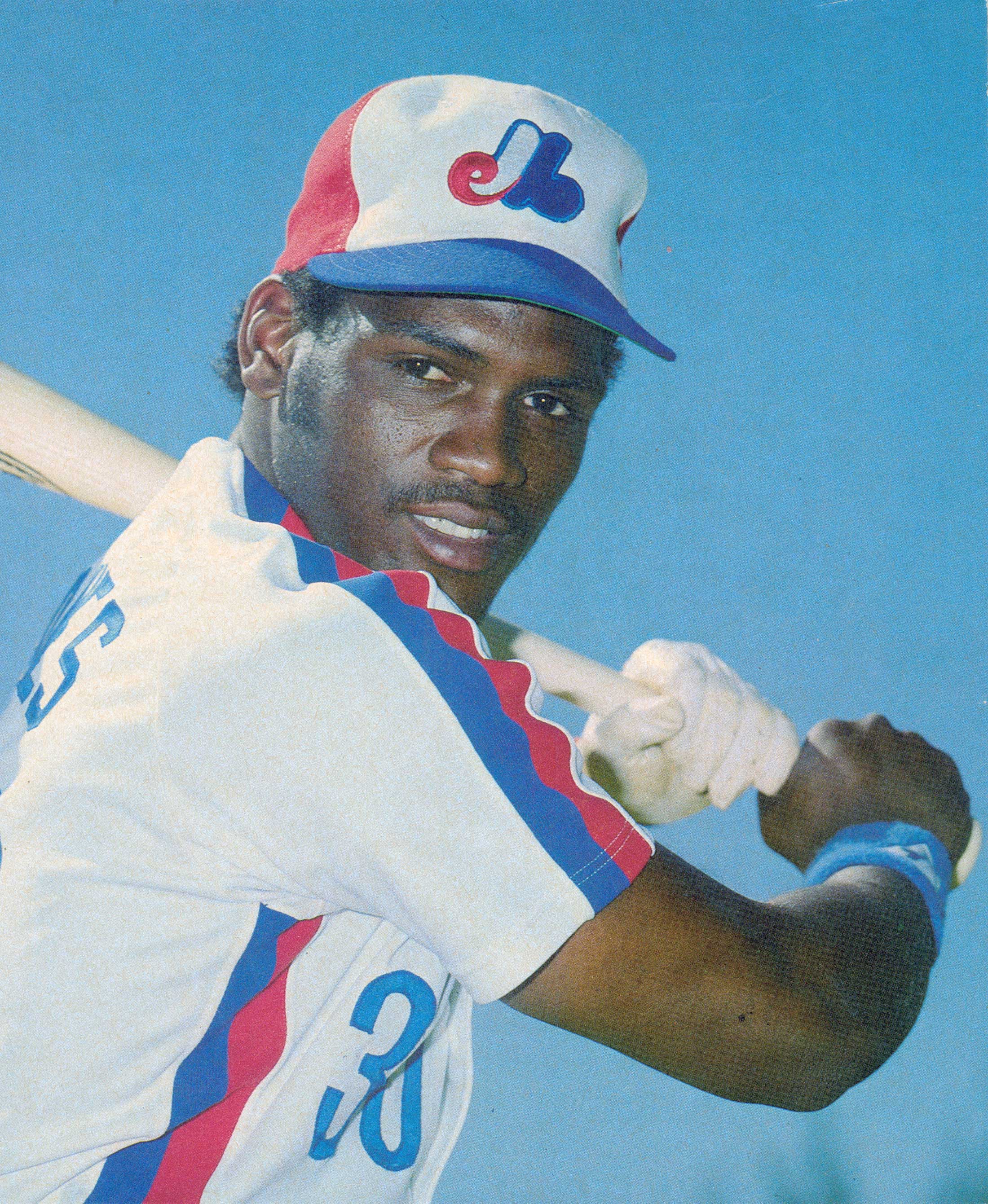
On Aug. 2, the Cubs – who had moved into first place in the NL East the day before – were tied at 2 with the Expos in the seventh inning at Wrigley Field when Montreal’s Tim Raines hit a ball to center that looked destined for the ivy and could have been an inside-the-park home run. But Cotto robbed Raines and then followed that with an RBI groundout in the bottom of the seventh inning that gave Chicago the lead for good.
Expos manager Bill Virdon – an outstanding center fielder in his own right during his playing days – called Cotto’s play “one of the greatest catches I have ever seen.”
“That’s why we’ve got Henry Cotto,” Sutcliffe, who earned the win thanks to Cotto’s heroics, told UPI.
Cotto reprised his role as pinch-hitter and defensive replacement when Dernier returned to health and finished the season batting .274 with five doubles, nine steals and 10 walks in 105 games. The Cubs won the NL East and then captured the first two games of the NLCS vs. the Padres at Wrigley Field, with Cotto appearing late in both games on defense.
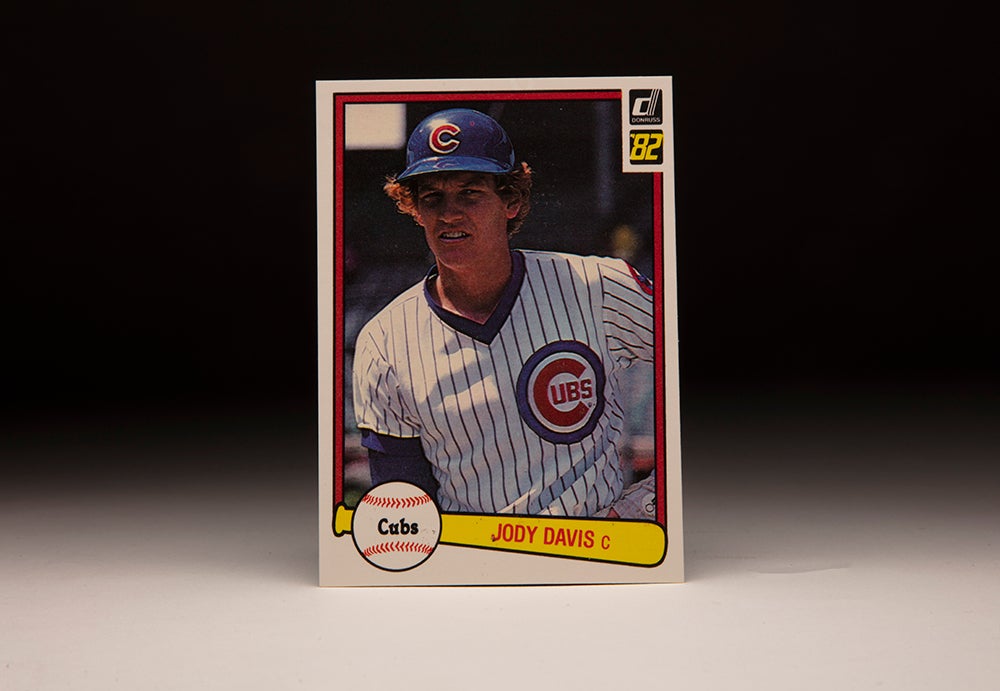
The Padres won Game 3 back in San Diego, and San Diego was leading 5-3 in the top of the eighth of Game 4 when the Cubs rallied for two runs off Goose Gossage – with Cotto scoring the tying run on a double by Jody Davis after pinch-running for Keith Moreland.
But Steve Garvey’s two-run home run in the ninth gave San Diego a 7-5 win, and the Padres won Game 5 – a contest in which Cotto did not appear. The NLCS would mark the only three postseason games of Cotto’s career.
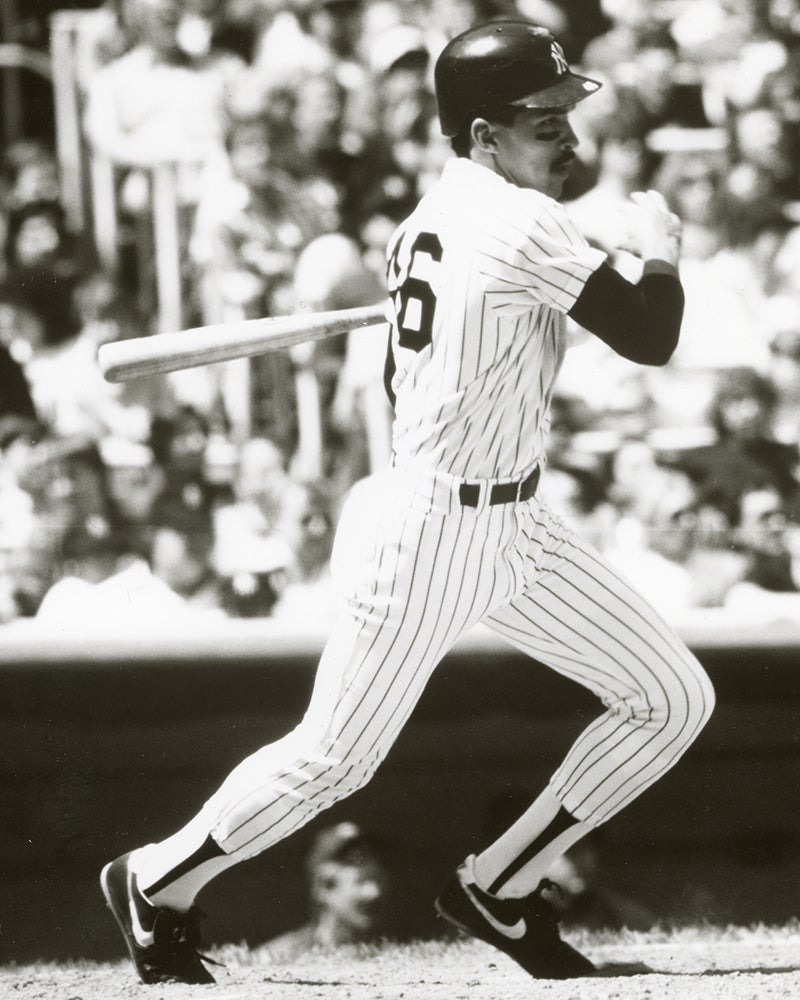
On Dec. 4, 1984, the Cubs traded Cotto, Porfi Altamirano, Rich Bordi and Ron Hassey to the Yankees in exchange for outfielder Brian Dayett and pitcher Ray Fontenot.
“We know (Cotto) is an outstanding defensive center fielder and has the potential to be a good hitter someday,” Yankees general manager Clyde King told the Associated Press following the trade. “He’ll have the same opportunity to make the team in spring as anyone else.”
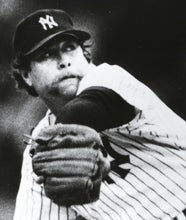
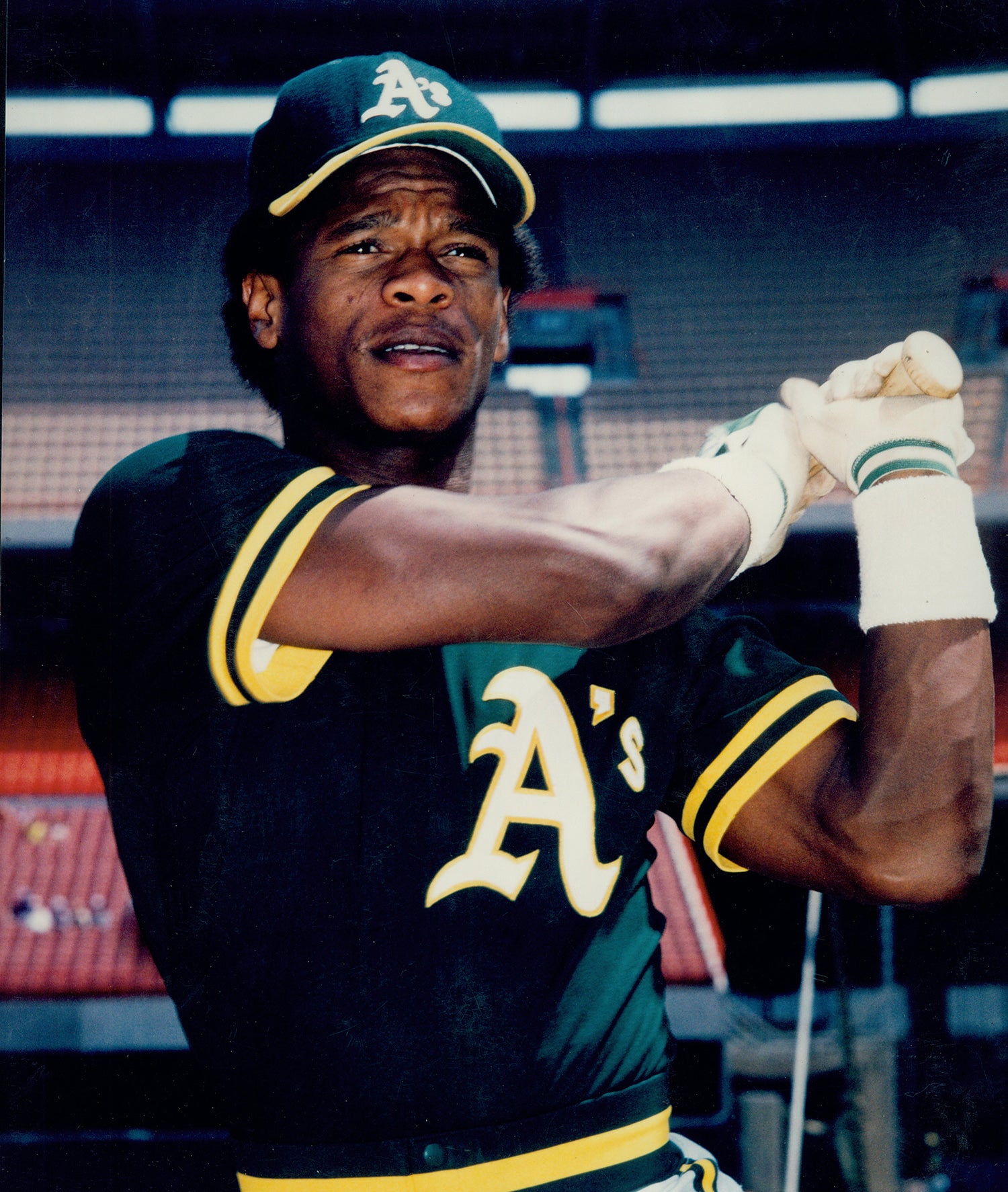
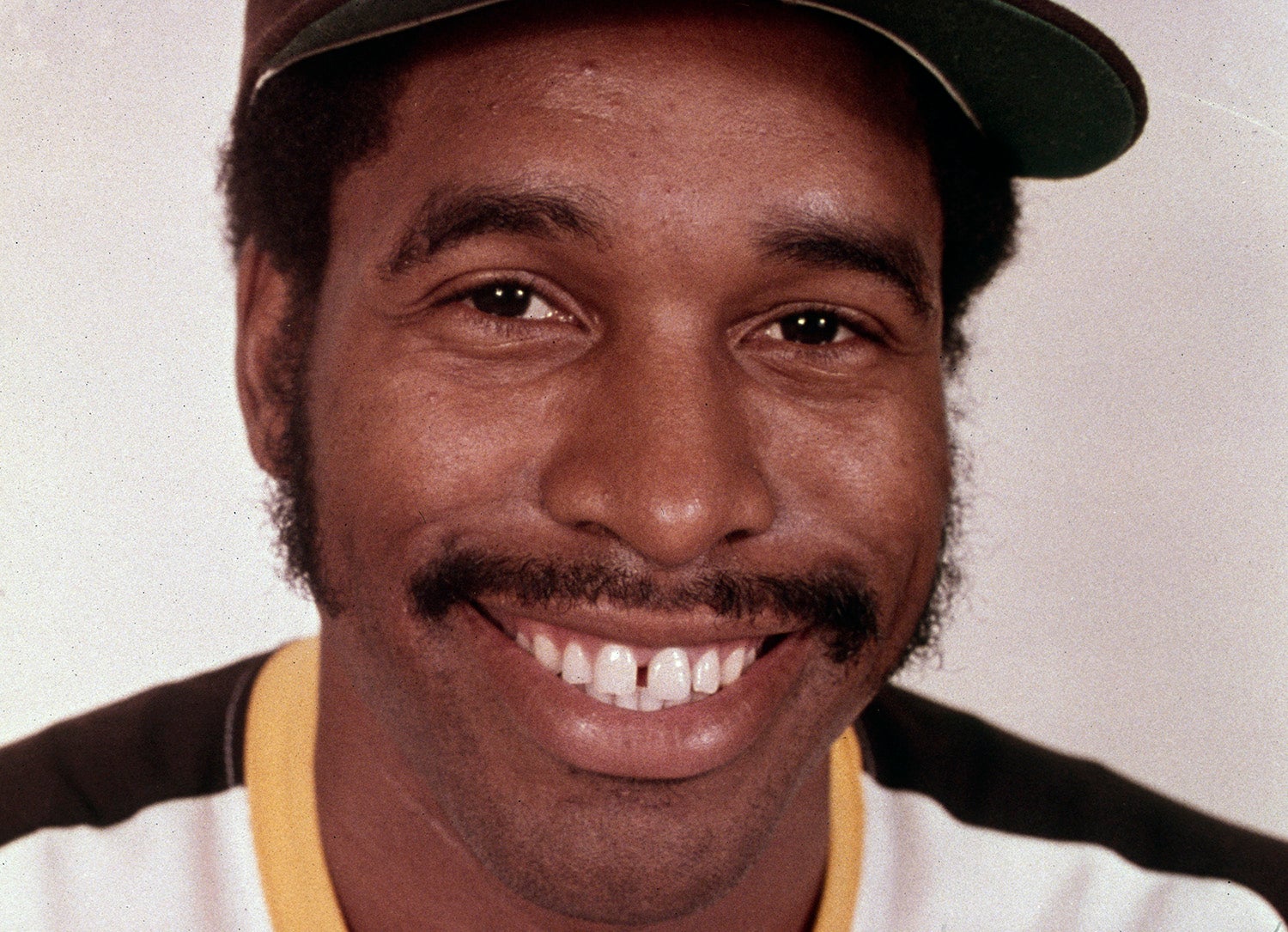
Cotto made the Yankees’ Opening Day roster in 1985 but saw action mostly in reserve roles as veterans Rickey Henderson, Dave Winfield, Ken Griffey Sr. and Omar Moreno got most of the playing time. Cotto was sent back to Triple-A Columbus in late May and remained there into September, hitting .257 with 10 steals in 75 games for the Clippers. He played a handful of games for the Yankees at the end of the season and finished the year with a .304 batting average in 34 games for New York.
Cotto battled with prospect Dan Pasqua for the Yankees’ fifth outfielder spot in the spring of 1986 and again won a spot on the Opening Day roster – with the team planning to have Cotto play regularly against left-handed starting pitchers.
“The man has done everything we’ve asked of him here,” Yankees manager Lou Piniella told the Fort Lauderdale News about Cotto toward the end of Spring Training. “It will be hard to leave him off the team.”
Cotto started in left field on Opening Day against the Royals as Kansas City had lefty Bud Black on the mound. Cotto had one hit in three at-bats and looked forward to showcasing his hitting abilities with increased playing time.
“Lou helped me last year,” Cotto told the Fort Lauderdale News about Piniella, who was the Yankees hitting coach in 1985 before taking over as manager in 1986. “He got me to wait on the ball. I’m surprised at how hard I’m hitting the ball.”
But once again, Cotto was sent to Columbus in May – this time exchanging roster positions with Pasqua. Cotto was hitting .167 when he was demoted and spent the rest of the minor league season with Columbus, hitting .248 in 97 games before returning to New York in September. He played in 35 games with New York in 1986 and hit .213.
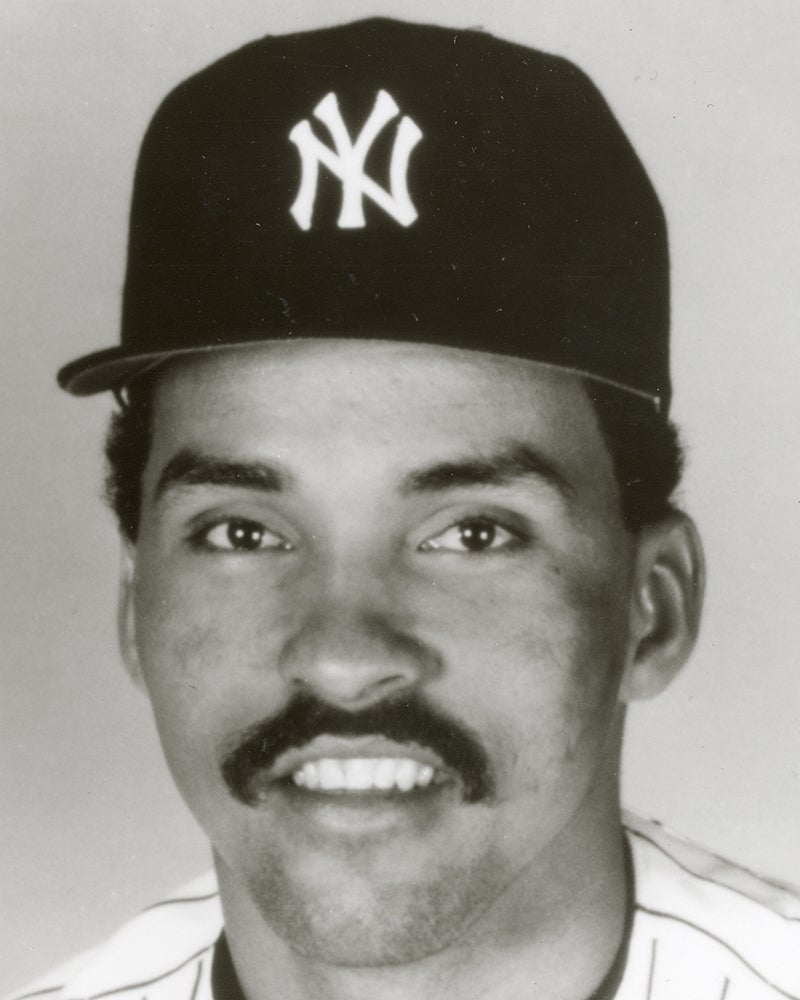
Following the 1986 season, Cotto starred for the Caguas Criolles in the Caribbean World Series, helping Puerto Rico win the title while leading the tournament with six stolen bases. But he found himself back in Columbus to start the season before returning to the majors in May and then bouncing up and down five times, hitting .235 in 149 at-bats – his most in the big leagues since 1984 – with the Yankees.
On Dec. 22, 1987, Cotto’s odyssey with the Yankees ended when he was traded with Steve Trout to the Mariners in a deal for Lee Guetterman, Clay Parker and Wade Taylor.
“I was mad because the Yankees never gave me the opportunity to play,” Cotto told the Associated Press in 1988. “It was hard to get my swing down when I’d play one or two games a week. They didn’t have any room for me.”
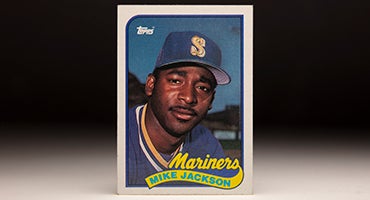
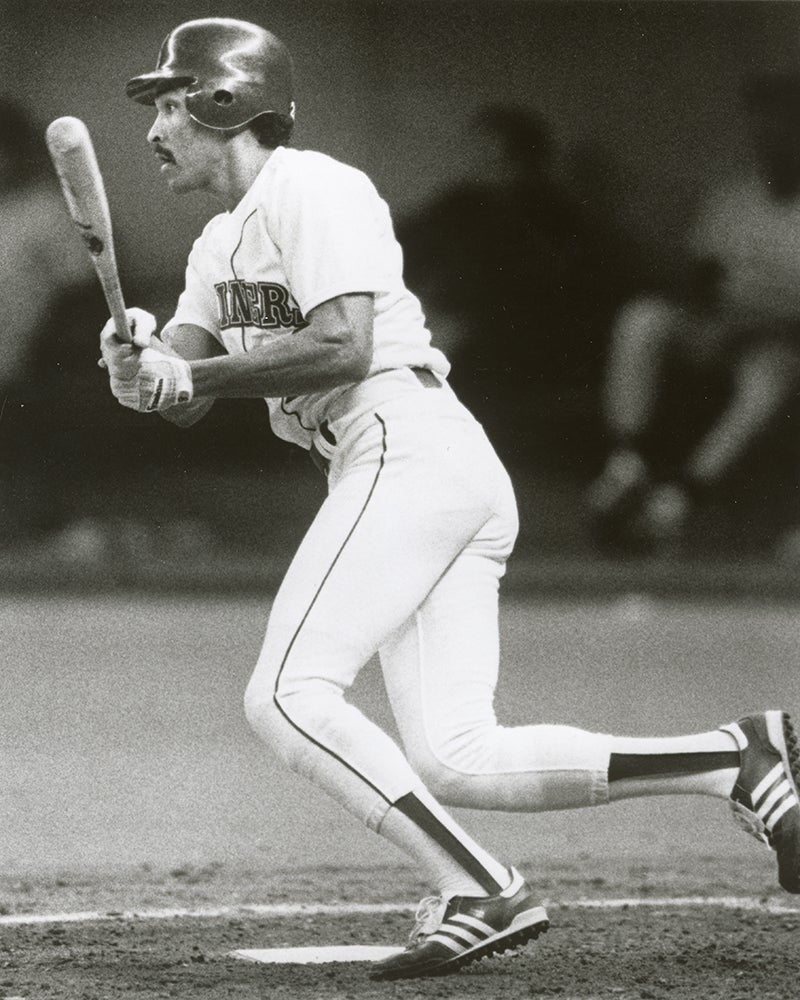
Mariners president Chuck Armstrong told the AP following the deal that Cotto would be given every opportunity to win the team’s starting center field job. He began the year in a platoon with Mike Kingery but soon held the job outright.
Cotto was hitting .439 at the end of April and still had his average over .400 in early May.
“Henry is getting a chance to play now and that’s a big part of it,” Mariners manager Dick Williams told the Associated Press. “In Chicago, with the Cubs, and in New York, with the Yankees, he was always part of a shuttle. He was always the odd man out.”
Cotto’s bat cooled, and he endured a 1-for-39 slump at the end of June that dropped his batting average below .270. But he arrested the skid and finished the season hitting .259 with 27 steals and 50 runs scored in 133 games.
However, Cotto – and everyone else in baseball – knew that he would not hold the starting center field job in Seattle for long. Ken Griffey Jr., the No. 1 overall pick in the 1987 MLB Draft, had made it all the way to Double-A in 1988 and wound up winning the starting center field position for the Mariners in 1989.
“I think he’s ready to play,” Cotto told the AP about Griffey in the spring of 1989. “He’s showed his ability to everybody. I think he’s going to be one of the best in two or three years, maybe the best in the league.”
The 19-year-old Griffey finished third in the American League Rookie of the Year balloting in 1989, and by the next season he was an All-Star and a Gold Glove Award winner. Cotto, meanwhile, hit .264 with nine home runs and 10 steals off the bench in 100 games in 1989.
“Players have a job to do,” Cotto told the AP. “I come to the park and do my job.”
Now seen as one of the top reserve outfielders in baseball, Cotto hit .259 with 21 steals and 33 RBI (his third straight year with exactly 33 runs batted in) in 1990 while appearing in 127 games. Cotto was even better in 1991 while earning praise for his success rate on the bases, which measured out at 82.7 percent (91-for-110 in stolen bases) through the 1991 season.
“You got to have speed to steal, but at the same time you have to have a good jump on the pitcher,” Cotto told the Kitsap Sun. “If you don’t get a good jump, no matter how well you run, you are going to be thrown out.
“Those first two steps are important. You get those first two steps on the pitcher and there’s a 90 percent chance you are going to make it.”
Cotto was hitting .305 with 16 steals in 19 attempts in 66 games when he aggravated a right shoulder injury against the Angels on Aug. 2, sidelining him for the rest of the season. But the Mariners were 37-29 in games he played that season en route to a mark of 83-79 – the first winning season in franchise history.
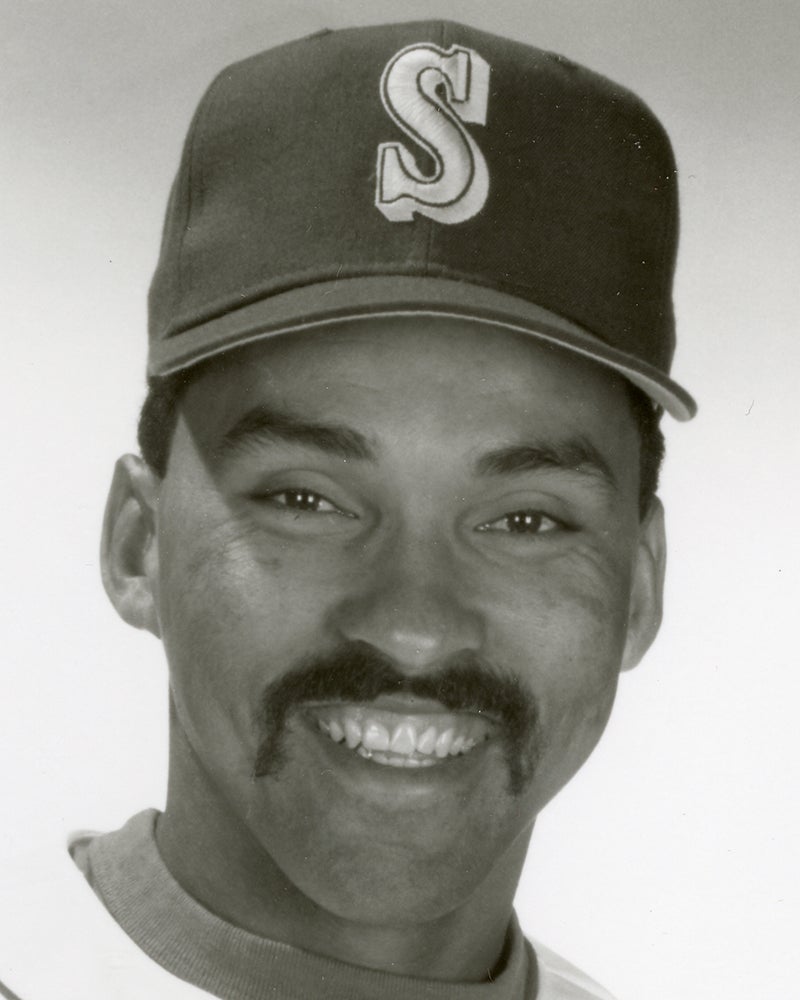
Now an established veteran in the Mariners clubhouse – and close friend of fellow Puerto Rican and future Hall of Famer Edgar Martinez – Cotto continued his consistent play in 1992, batting .259 with 27 RBI, 23 steals (in 25 attempts) and 42 runs scored in 108 games. He signed a one-year deal worth a reported $900,000 to remain in Seattle in 1993 but started the season cold at the plate. He was hitting .190 through 54 games when the Mariners traded him with Jeff Darwin to the Marlins on June 27 in exchange for Dave Magadan.
“I love Seattle and will always have friends there, but this is a business,” Cotto told McClatchy News Service. “You’re here today, somewhere else tomorrow. This was my time.”
Cotto filled his customary bench role with Florida but hit much better than he had in Seattle, batting .296 with 11 steals (in 12 attempts) in 54 games. A free agent following the season, Cotto signed with the Orioles on Feb. 3, 1994, but was only with the team for 13 days before Baltimore released him so he could sign a reported $1 million deal with the Yomiuri Giants of the Japan Central League.
He hit .251 with 18 homers and 52 RBI (and curiously stole just two bases in six attempts) while helping the Giants advance to the Japan Series against the Seibu Lions. In Game 6 of the series, Cotto went 3-for-3 including an eighth-inning home run as Yomiuri won 3-1 to capture the title.
“I was just so happy,” Cotto told reporters of his celebration as he rounded the bases after his home run. “This is the first time I acted like that all year. I was in the playoffs (with the Cubs) in ’84 but this is better than that. I might never forget this.”
Immediately after the Japan Series, Cotto expressed a desire to return to Japan in 1995 but signed with the White Sox in February while the MLB work stoppage was still going on. Cotto agreed to be a replacement player and ranked as the replacement leader among active players in homers (44), RBI (210), hits (569) and steals (130) as the new season dawned. But when the labor dispute was settled, the White Sox sent Cotto to Triple-A Nashville, where he appeared in just 17 games before his career came to an end.
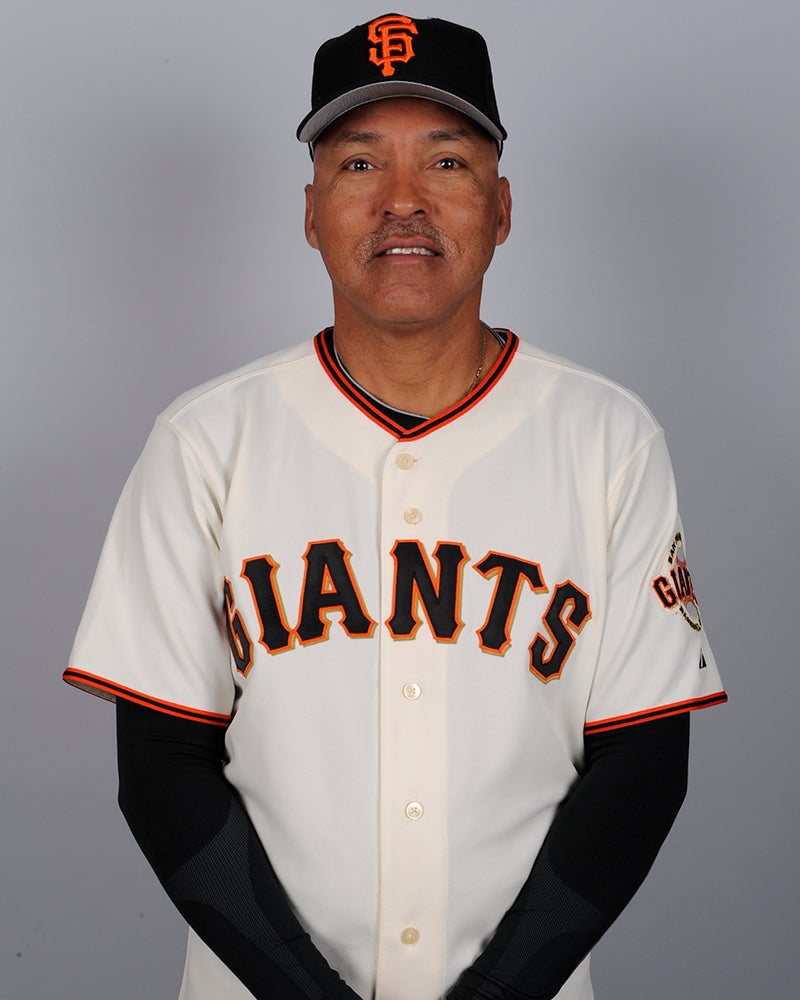
Cotto coached in the minor leagues for more than two decades following his playing career, passing his baserunning expertise along to the next generation. He finished his big league career with 130 steals in 156 attempts for a stolen base success rate of 83.3 percent that ranks in the Top 15 all-time among retired players with at least 100 steals.
Over 10 big league seasons, Cotto batted .261 in 884 games. And though he rarely got the chance to be a starter, Cotto annually contributed to his team by always being ready to answer the bell.
“Henry Cotto has done an outstanding job,” Cubs manager Jim Frey told United Press International in August of 1984 as Chicago was gathering steam toward the postseason. “For a guy to sit around for as long as he has and then perform, that’s quite a thing.”
Craig Muder is the director of communications for the National Baseball Hall of Fame and Museum