Hooper’s trade closes Red Sox’s dynasty
The Boston Red Sox won four World Series titles over seven seasons from 1912-18 with a powerhouse lineup of future Hall of Famers.
Team owner Harry Frazee, however, slowly dismembered that dynasty in the years that followed each title. The trade of Harry Hooper on March 4, 1921, would be the last domino to fall.
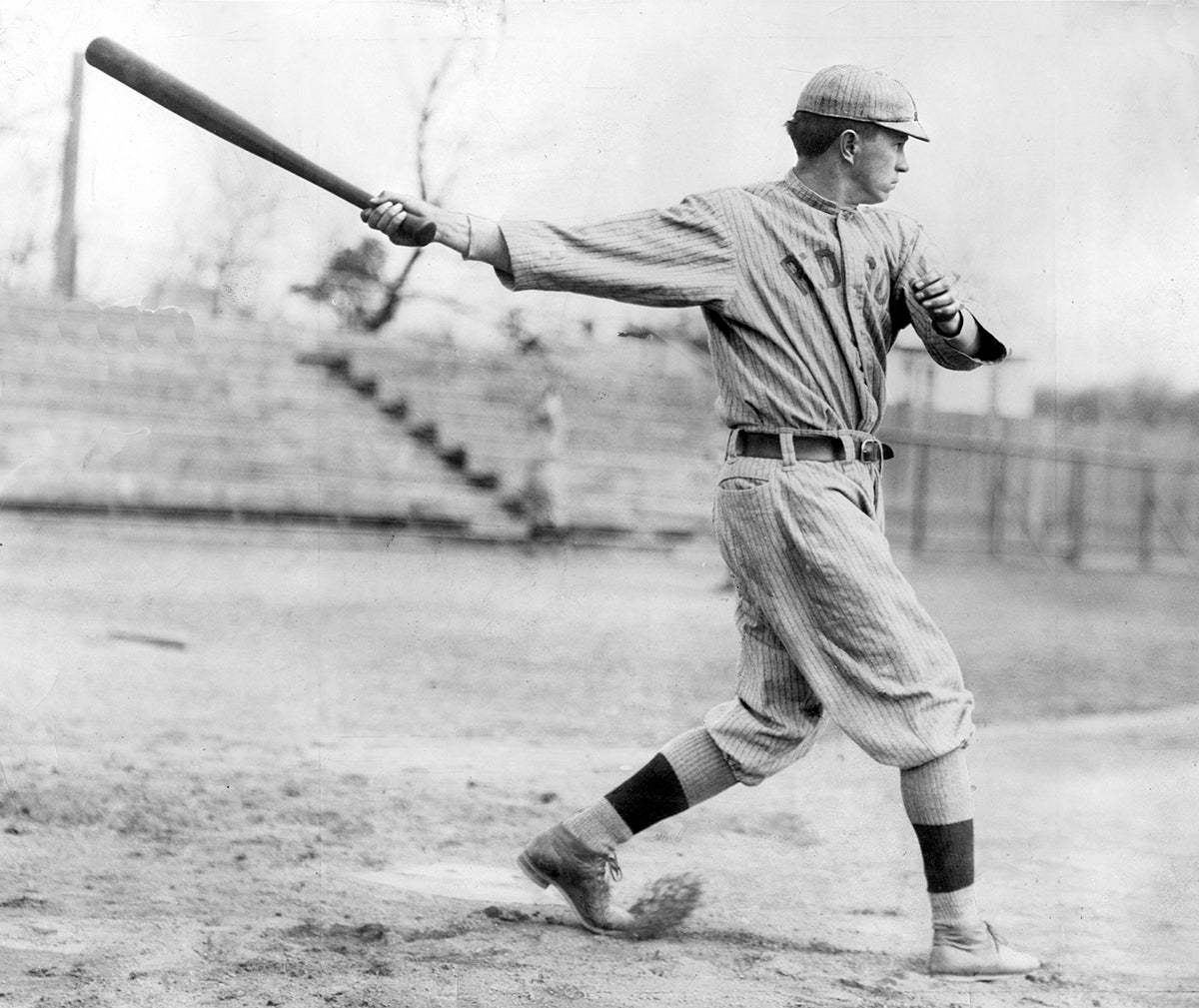
Hooper was part of Boston’s “Million Dollar Outfield” – with Duffy Lewis in left field, Tris Speaker in center and Hooper in right. The trio won their first championship in 1912, and Hooper played the hero by hitting .290 in the World Series against the Giants.
Hooper would hit .350 in the 1915 World Series win over the Phillies in a season that saw 20-year-old Babe Ruth win 18 games on the mound for Boston and Speaker lead the team with a .322 batting average and 108 runs scored.
But when Speaker and the Red Sox could not agree on a contract for 1916, he was traded to Cleveland on April 9.
Hooper, Lewis and Ruth would power the Red Sox to another title in 1916, and the Red Sox would win again in 1918. In four World Series, Hooper hit .293 and cemented a reputation as being one of the best clutch hitters in the game.
“If there was any one characteristic of Harry Hooper’s, it was that he was a clutch player,” said teammate Smoky Joe Wood. “When the chips were down, that guy played like wildfire.”
But following the 1918 season, the Red Sox traded Lewis – who sat out the year while serving in the United States Navy – to the Yankees. Then following the 1919 campaign, Boston sent Ruth to New York in what became the most famous transaction in baseball history.
With only Hooper remaining from the team’s championship core, Boston went 72-81 in 1920. But Hooper flourished with the advent of a league-wide livelier baseball, hitting .312 and posting a .411 on-base percentage.
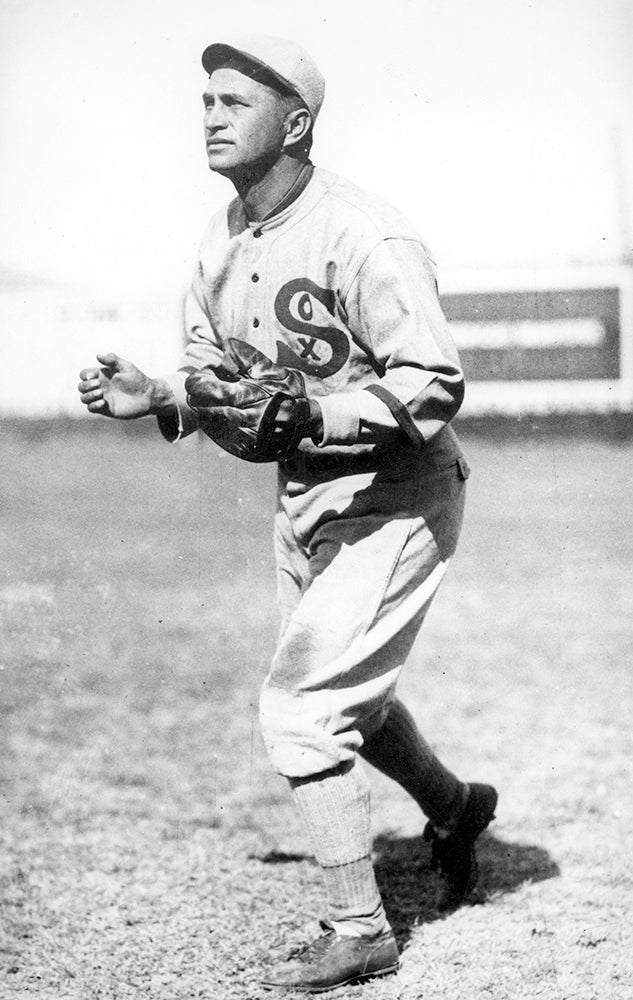
In the spring of 1921, however, Hooper – who had flirted with retirement for several years – could not come to terms with Frazee on a new contract. Frazee responded by trading his captain to the White Sox for outfielders Shano Collins and Nemo Leibold.
“Each year there has always been a question whether Harry Hooper would play ball,” Frazee told The Boston Globe. “In past seasons he has reserved his decision until very late, and the Boston club has been placed in a very uncertain position. I am sure that he will not play more than one year longer and feel that as the owner of the Boston team I should make preparations for the future.”
The White Sox, however, were thrilled to land Hooper.
“He’s a veteran, but he’s got a lot of baseball left in him and he’s a smart player, too,” White Sox manager Kid Gleason told The Globe. “You don’t know how happy I am to get Hooper on my ballclub.”
Hooper received a raise of more than 60 percent of his 1920 salary with the White Sox and played for five years with Chicago, averaging .302 at the plate while twice scoring more than 100 runs. He retired following the 1925 season and worked in real estate before becoming the postmaster in Capitola, Calif. (south of San Jose) for two decades.
A career .281 hitter, Hooper remains the all-time assist leader among right fielders with 335 and retired as the all-time games played leader in right field.
He was elected to the Hall of Fame in 1971.
“For years, Harry Hooper has been considered one of the greatest outfielders that ever lived,” Hall of Fame manager John McGraw said. “He is also one of the most dangerous hitters in a pinch that the game has ever known.”
Craig Muder is the director of communications for the National Baseball Hall of Fame and Museum