#CardCorner: 1981 Topps Larry Gura
A late-developing lefty who didn’t hit his stride until his 30s, Larry Gura was ahead of the curve in one aspect of his career: Fitness and nutrition.
It helped Gura become one of the most consistent starters of the early 1980s.
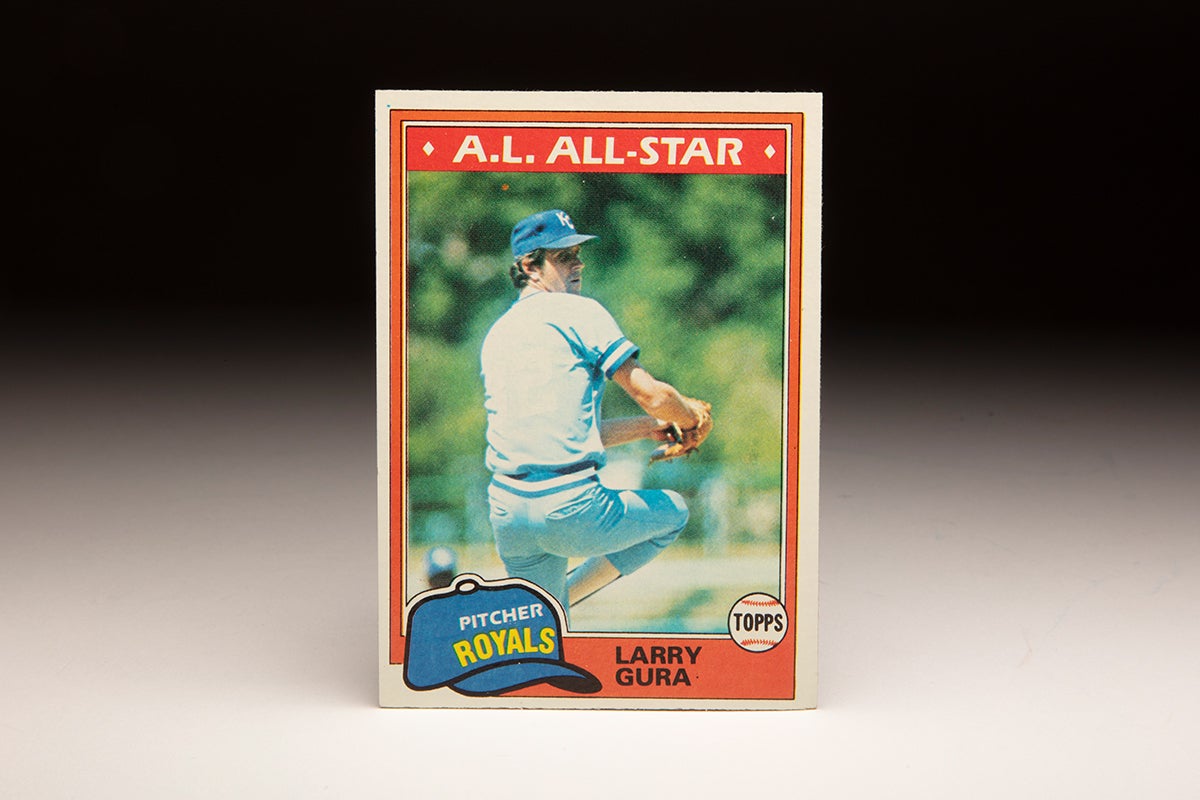
Lawrence Cyril Gura was born Nov. 26, 1947, in Joliet, Ill. He was among a group of athletes of the postwar generation who helped put the town on the map when it came to professional baseball.
“I remember when I was growing up, I looked at guys like Larry Gura and I thought: ‘Boy, I want that to happen to me,’” former big league pitcher Bill Gullickson, another Joliet athlete, told the Chicago Tribune in 1983. “We had such good developers (in Joliet). We had coaches who were knowledgeable about the game and who gave up their time for the players. We couldn’t have asked for more.”
Gura starred for the Joliet Colt League All-Star team that advanced to the Colt League World Series in 1964. Joliet eventually lost to a team from Houston, but Gura had established himself as a pitching prospect by going 11-0 in Colt games that summer.
After starring for East High School in Joliet, Gura enrolled at Arizona State University. Under head coach Bobby Winkles, the Sun Devils were building a dynasty and won their first College World Series title in 1965. They would claim the title again in 1967 and 1969 as Gura became a star, earning first-team All-America and College World Series All-Tournament Team honors in the latter year.
As a senior in 1969, Gura pitched three straight games as the Sun Devils rolled to the crown. He started the championship game against Tulsa – facing future big leaguer Steve Rogers – and led ASU to a 10-1 win, finishing the year with a 19-2 record.
Gura was selected in the second round of the June 1969 MLB Draft by the Cubs – and among the 39 players selected in front of him, only J.R. Richard compiled a better career Wins Above Replacement figure than Gura’s 21.4.
Gura’s hometown team sent him to Triple-A Tacoma that summer, and Gura went 4-8 with a 3.17 ERA over 88 innings. After dominating hitters in the Arizona Instructional League, Gura was a non-roster invitee to Spring Training, where he pitched effectively for veteran manager Leo Durocher.
But the Cubs sent Gura back to Tacoma to start the season, the first of five straight years where Gura would bounce between Triple-A and the majors.
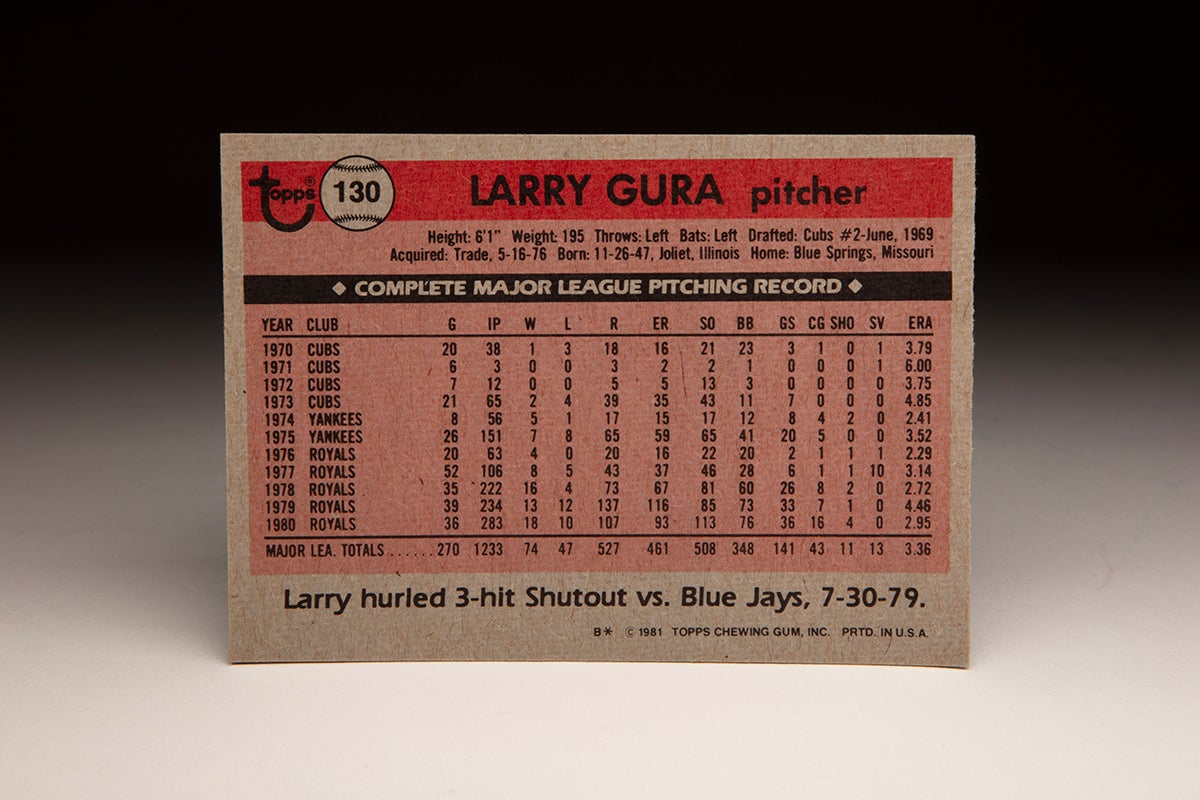
Gura made his big league debut on April 30, 1970, vs. the Braves before another stint with Tacoma. Then in June, Gura returned to Chicago, where he allowed only one run over 8.1 innings in relief before earning his first start on July 7 vs. Montreal. But despite entering the fifth inning with an 8-2 lead, Gura was unable to complete the frame and register his first big league win.
“I wasn’t thinking of (completing the fifth inning),” Gura told the Chicago Tribune. “We have to get through nine innings to win, not five.”
Gura returned to the bullpen for most of the rest of the season and finished the year with a 1-3 record, one save and a 3.79 ERA over 38 innings.
“When I was up here in ’70, it was terrible,” Gura told the Daily Chronicle of DeKalb, Ill., during the 1973 season. “(Leo) Durocher was the manager then, and I didn’t like him. He wouldn’t tell you when you were going to pitch but just walk up to you and hand you the ball. If you did poorly, he’d sit you on the bench for a month. He didn’t like young ballplayers.”
Durocher also apparently thought that Gura’s fastball was not adequate for the majors. The Cubs sent Gura back to Tacoma for the 1971 season, where he went 11-8 with a 3.55 ERA over 190 innings. The Cubs brought Gura back to the majors in September, and he appeared in six games out of the bullpen – logging a total of three innings.
Gura had a strong spring in 1972 and earned a spot in the Cubs’ Opening Day bullpen. But after just two appearances, he was sent back to Triple-A – this time to Wichita. He went 11-4 with a 3.67 ERA for the Aeros before being recalled in September, where he got into five more games with the Cubs.
But during Gura’s time in Wichita, the Cubs fired Durocher. And when the 1973 season began, Gura found a regular role in new manager Whitey Lockman’s bullpen.
Given a spot start against the Pirates on April 22, Gura recorded his first big league win in three years. He maintained his role into August but was sent back to Wichita after a rough outing against the Expos that inflated his ERA to 4.82.
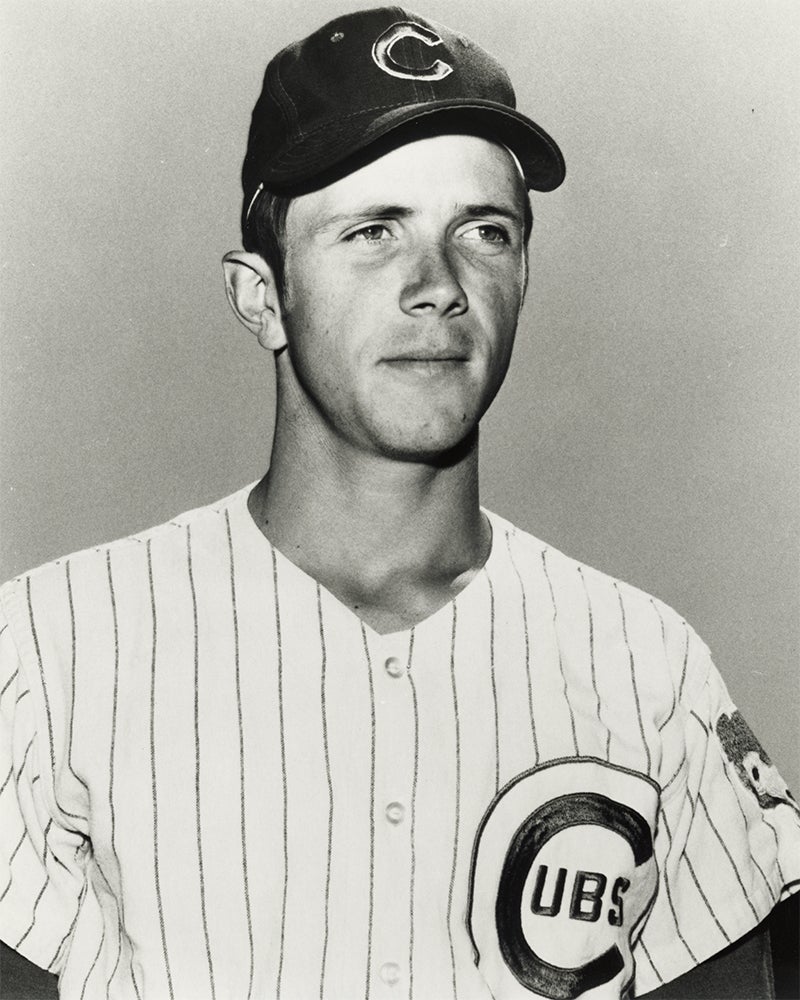
After going 1-2 in five starts in Triple-A, Gura returned to Chicago. The Cubs then gave up on Gura, sending him to the Rangers on Nov. 14 as the player to be named later in a deal that brought pitcher Mike Paul to Chicago near the end of the season.
In Texas, Gura found himself working for Billy Martin, who had taken over the team late in the 1973 season and would supervise a 27-game improvement in 1974. But Martin was uninspired by Gura in Spring Training and sent him to Spokane, which was then the Rangers’ Triple-A team. After just seven appearances, Gura was traded to the Yankees in exchange for catcher Duke Sims on May 7.
“(Martin) said I had to work on my control, and that’s my asset,” Gura told Newsday in 1976. “I went to him then and told him he was making a mistake.”
Reporting to the Yankees’ Triple-A team in Syracuse, Gura found the form he had a half-decade earlier at Arizona State – going 7-7 with a 2.14 ERA over 118 innings while recording four shutouts. The Yankees brought him to New York at the end of August, and Gura tossed a complete game against the Angels in his first appearance – allowing only one unearned run.
In eight starts down the stretch, Gura pitched four complete games and two shutouts as the Yankees fell just two games short of the Orioles in the AL East race.
The Yankees were expected to contend for the division title in 1975, and Gura spent most of the season in the rotation. He went 7-8 with a 3.51 ERA in 20 starts, but his future in New York changed when manager Bill Virdon was fired after 104 games and replaced by Martin, who had long coveted the Yankees’ managerial job.
Martin did not pitch Gura in a single game before the Yankees traded him to the Royals on May 16, 1976, in a deal that sent catcher Fran Healy to New York.
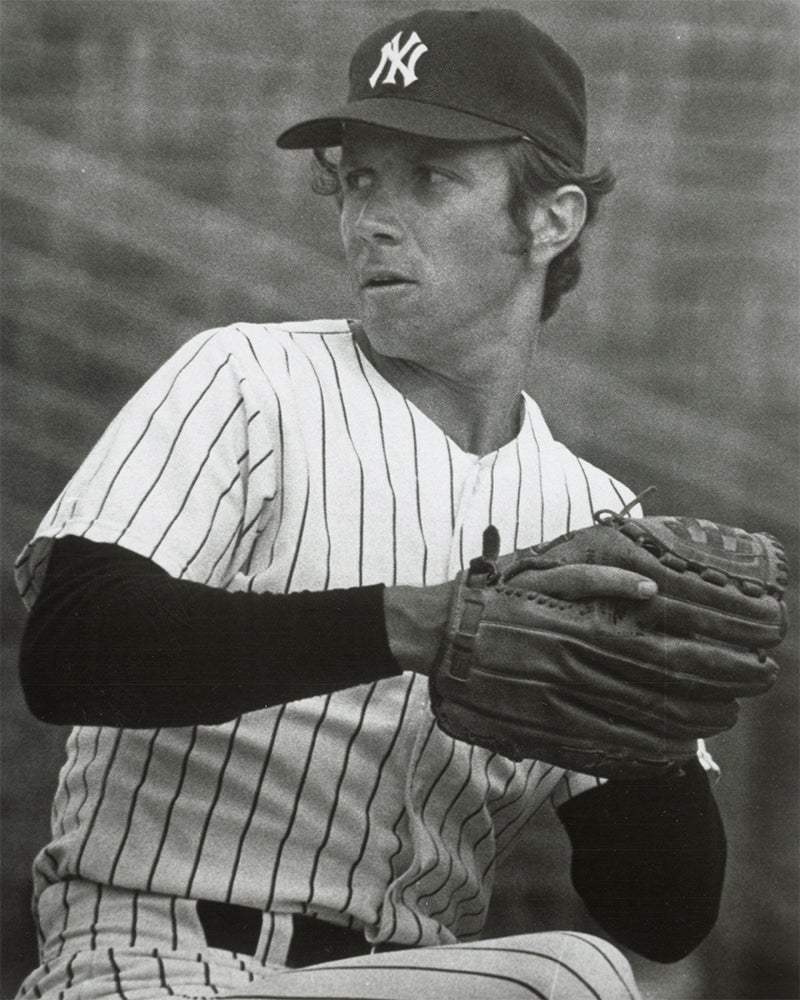
“My boyhood dream was to play for the Yankees,” Gura told Newsday after the trade. “Through Little League, Pony League, high school.
“Martin just kept leading me on all the time. When I first saw him (in the spring of 1976), he said I was going to start every fourth game in Spring Training. I didn’t start one regular game in Spring Training. And then, when the season was going to start, I talked to him and he says he’s going to use me as a long man and spot starter. But every time the situation came up for the long reliever, he called on someone else. Shoot, he just wasted six weeks of my life.”
But Gura made up for lost time with the Royals, who nearly ended up with Ron Guidry instead of Gura.
“I had a deal in place for the Royals to get Ron Guidry (from the Yankees) for (catcher) Fran Healy, but the Yankees wanted to see more of Guidry,” Hall of Fame manager Whitey Herzog told the Herald News of Joliet in 2016. “He pitched two great games and they backed off. We couldn’t get him. Then the deal to get Larry for Healy came up, and we got him.”
But even though he wasn’t pitching, it was in the spring of 1976 that Gura began to gain notice for his unorthodox training regimen. He played tennis regularly – something that he long claimed Martin disliked and caused more friction between the pair. And a Newsday story noted that Gura put on 12 pounds of muscle in the offseason by working with Jon Cole, a former Arizona State discus thrower.
At the time, pitchers – and baseball players in general – were discouraged from working with weights under the belief that it made them “muscle-bound.”
“(Cole’s) simple thing is athletic and physical conditioning through weightlifting,” Gura said. “I went in there and told him I would like to gain 12 to 15 pounds. I told him I wanted to strengthen the muscles involved in pitching. I didn’t care if I got any faster; I just wanted to develop and get stronger. I wanted to feel strong the entire nine innings.
“When I was with the Cubs one year, they told me to gain weight, so I ate and gained the weight, but I felt sluggish. This is 12 extra pounds of strength that I didn’t have last year or in previous years.”
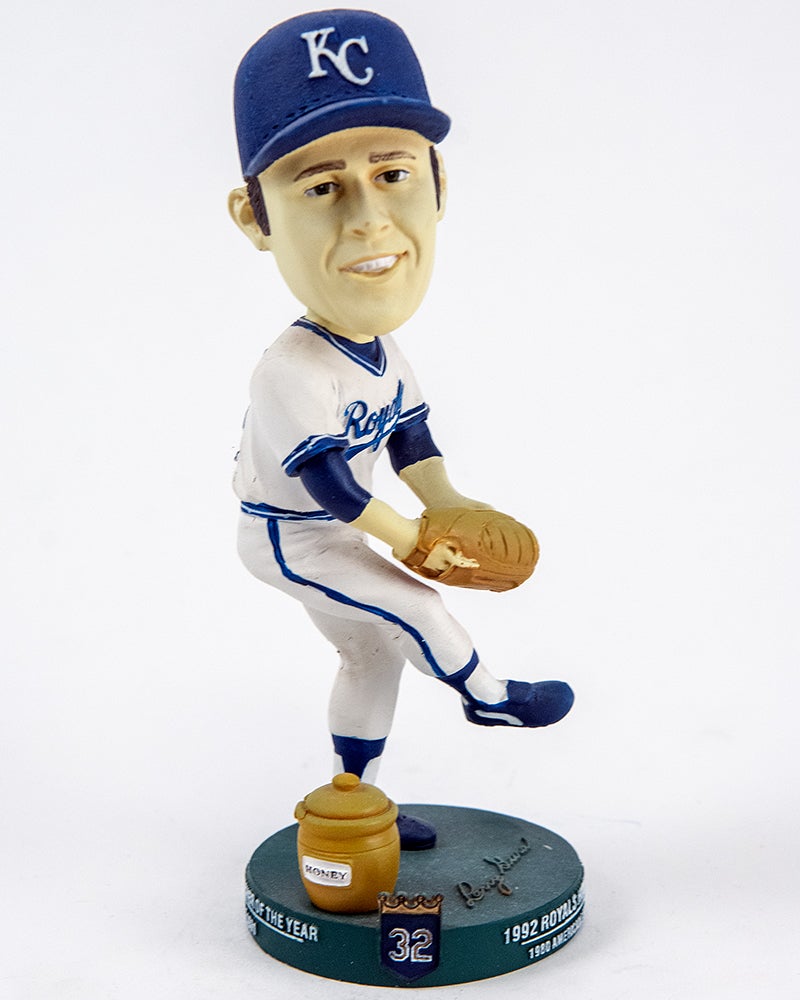
Gura also adhered to a unique diet that featured a daily breakfast shake containing three raw eggs, honey, protein power and whole milk. It was part of a high-protein, low-carb menu that took him from 182 pounds to 194 pounds.
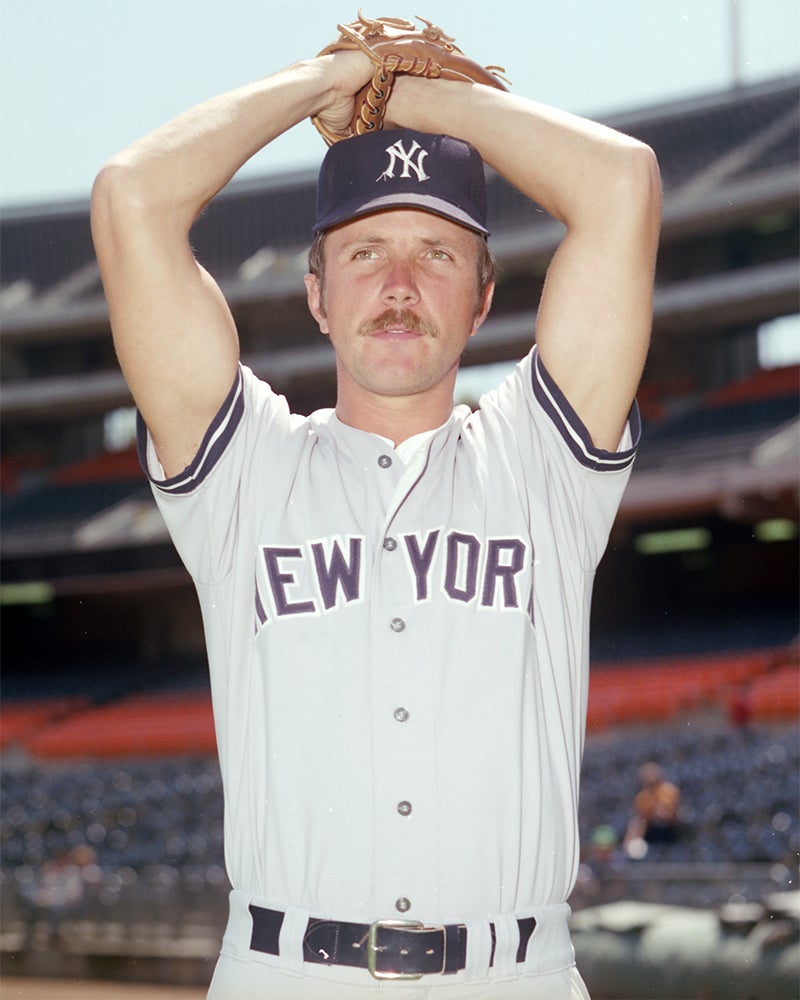
Gura joined a young Royals team that was making a push for the American League West title. He pitched almost exclusively out of the bullpen save for one spot start in August – until Herzog called on him for a critical start against Oakland in late September.
“He wasn’t in our rotation that year, in 1976,” Herzog told the Herald News. “Except he pitched the biggest game in Royals history.”
Herzog was referring to Sept. 29, 1976, when Gura shut out the Athletics on four hits in a 4-0 Kansas City win. The night before, the Royals lost to the A’s 1-0 to move Oakland to two-and-a-half games back of the Royals in the American League West with four games to play. But Gura’s win put Kansas City up by three games in the loss column with three to play, effectively ending Oakland’s chances at claiming a sixth straight AL West title.
When the Royals faced the Yankees in Game 1 of the ALCS, Gura drew the starting assignment.
“I thought (Herzog) was leaning my way after the game in Oakland,” Gura told the Kansas City Times. “Going into that game, I wanted to help the team like everybody else. I’m more nervous on the bench than when I’m out there.”
Gura gutted his way through 8.2 innings in Game 1, allowing 12 hits. Two runs (one earned) came in the first inning and two more in the ninth as Roy White’s two-run double turned a 2-1 Yankees advantage into a 4-1 win.
Gura returned to start Game 4 but was lifted after allowing a leadoff single to Thurman Munson in the bottom of the third inning with the Royals clinging to a 3-2 lead in a game they had to win to extend the series. Kansas City eventually won 7-4 before falling in the deciding Game 5 on Chris Chambliss’ walk-off home run.
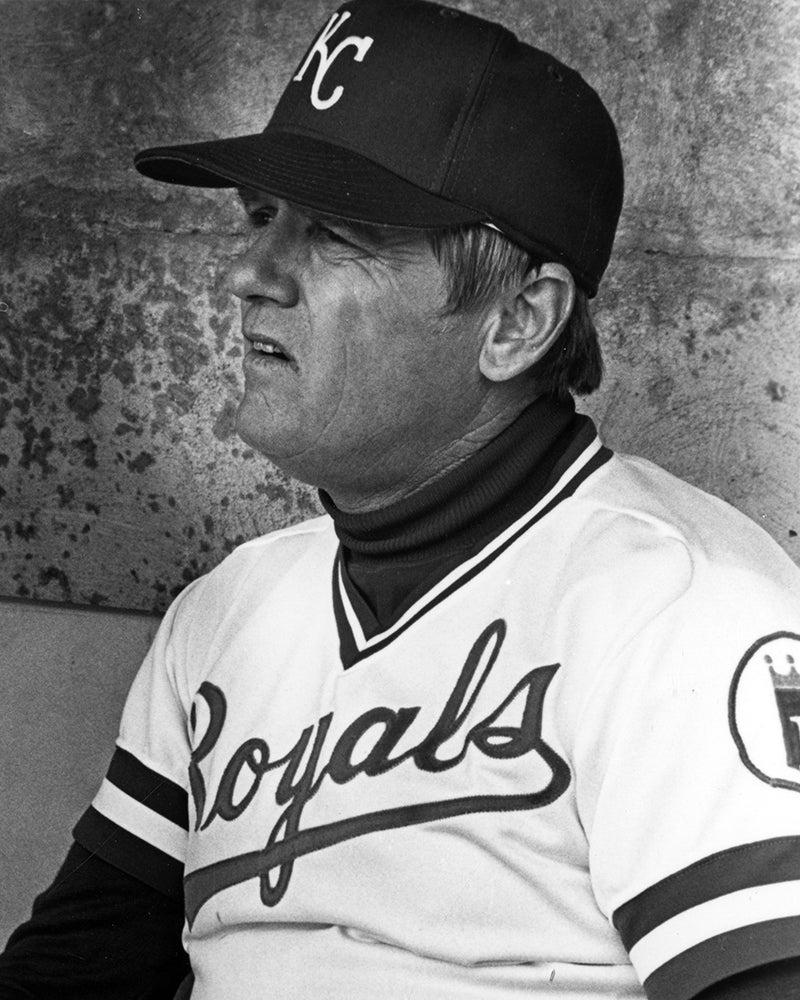
Gura began the 1977 season in the bullpen and totaled three saves in April before making a start against Toronto on May 1. He allowed just one run over seven innings but Herzog still preferred Gura as a reliever.
“It’s a tough decision to make,” Herzog told the Times. “He’s done such a great job out of the bullpen.”
Gura made just five more starts the rest of the season, finishing 8-5 with 10 saves and a 3.13 ERA over 52 games. But though Herzog preferred Gura as a reliever in the regular season, he trusted no one more in the postseason. He started Gura in game No. 159 to get him ready for the playoffs, then called on him to start Game 4 of the ALCS vs. the Yankees.
The Royals entered that game needing just one win to advance to the World Series. But Gura allowed three runs over the first two innings before letting the first two New York batters reach base in the third, prompting Herzog to call on Marty Pattin in relief. The Yankees won 6-4 to force a fifth-and-deciding game.
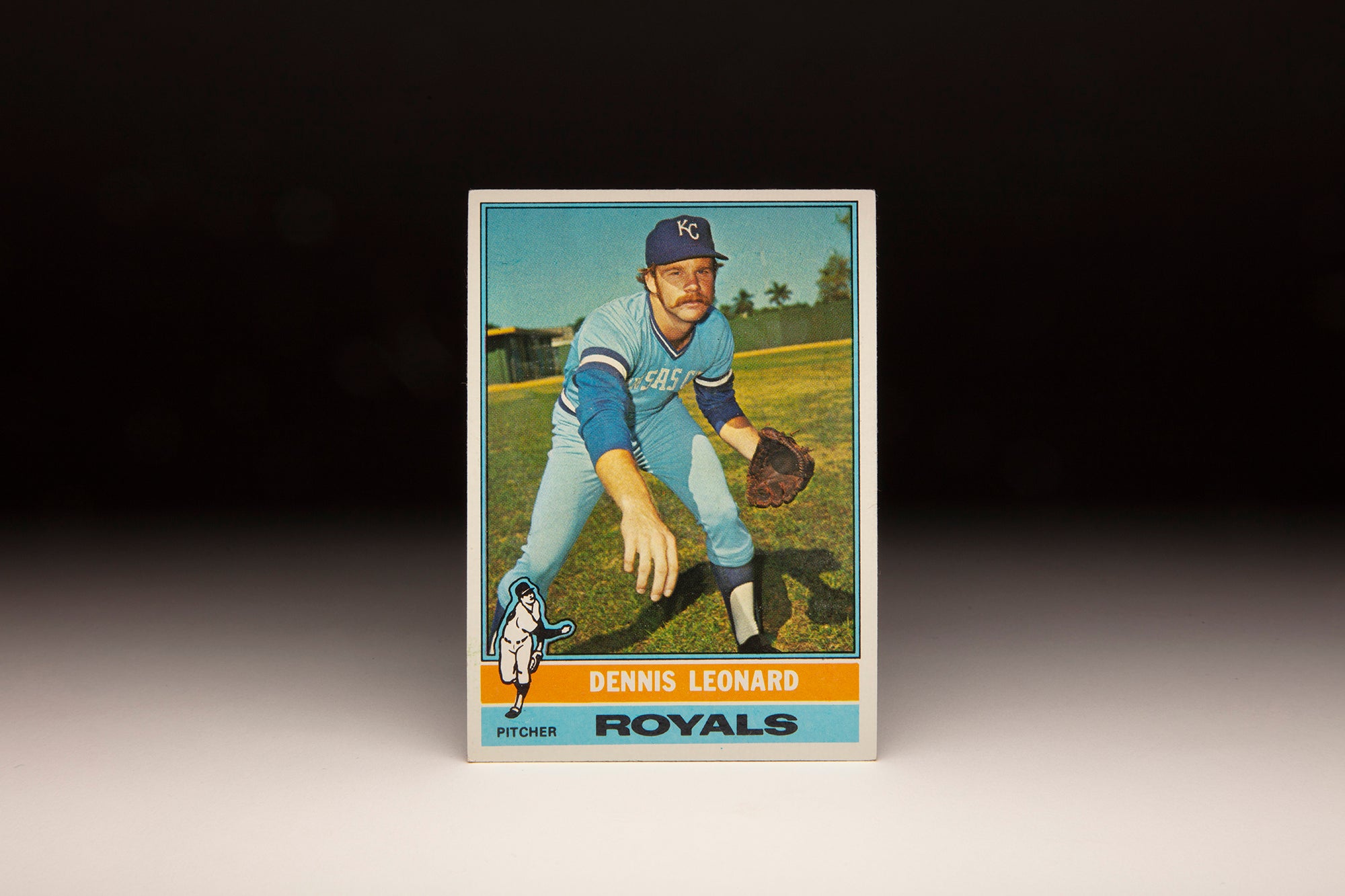
This time, the Royals led 3-2 going to the top of the ninth. Needing three outs to advance to the World Series, Herzog called on his ace – starter Dennis Leonard – in relief. Leonard allowed a single to Paul Blair and walked Roy White before Herzog countered with Gura to face the lefty-swinging Mickey Rivers.
Rivers singled to right to score Blair to tie the game, and Herzog then brought in Mark Littell, who allowed two runs (one on a sacrifice fly and one on an error) to give New York a 5-3 lead. Sparky Lyle shut down Kansas City in the ninth, and New York once again advanced to the World Series.
“With Rivers up, Gura’s my best fielding pitcher,” Herzog told reporters after the game as the media second-guessed his decisions. “I figured if they were going to make a play at third (on a bunt), I wanted Gura in there.”
The crestfallen Royals defended their manager after the game.
“He’s got an outstanding record,” Paul Splittorff, who started Game 5, told the Times. “He plays the percentages. It’s not his fault. He went with what we had.
“Tonight was just one of those times when the percentages haven’t worked. It’s probably the first time that he’s been a manager that they haven’t worked.”
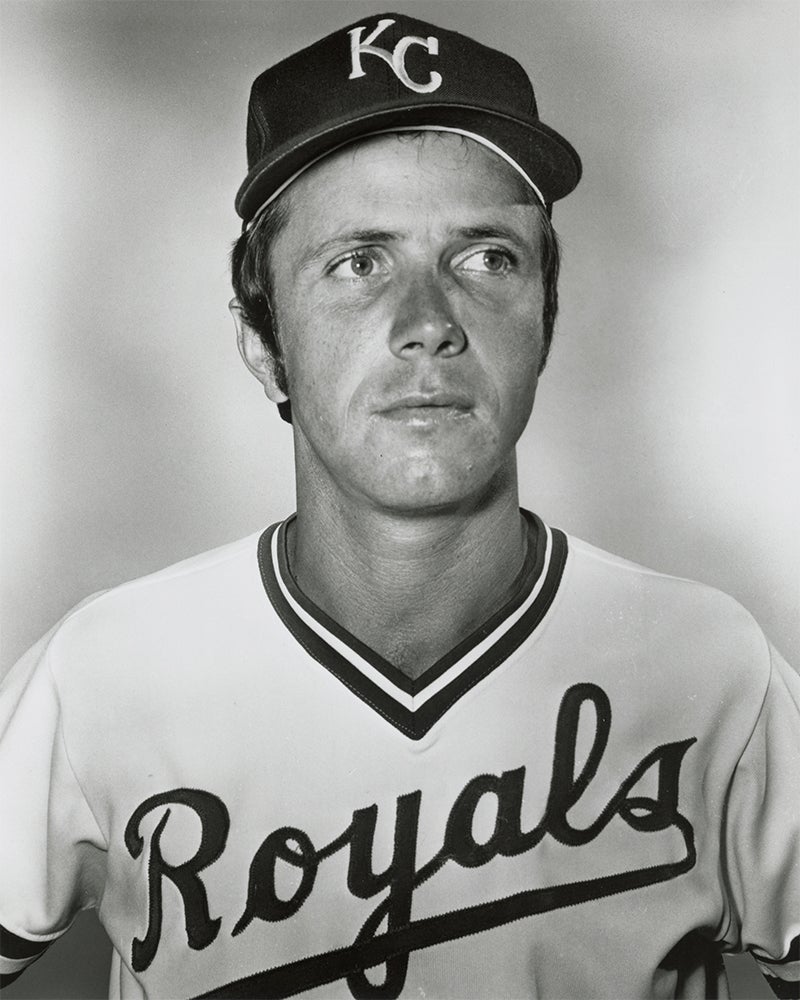
Gura began the 1978 season back in the bullpen but made a start on April 17 against the Blue Jays, allowing one run over seven innings. He continued to spot start and work in long relief until after the All-Star break, when Herzog moved him into the rotation permanently. Gura responded with seven complete games in his final 16 starts to finish the season 16-4 with a 2.72 ERA over 221.2 innings.
The Royals won their third straight AL West title, and Gura drew the start in Game 2 of the ALCS vs. the Yankees. He allowed just two runs over 6.1 innings as Kansas City won 10-4 to even the series at a game apiece. But New York won the next two games to capture its third straight AL pennant.
Eligible for free agency after the season, Gura tested the open market and was selected by the maximum 13 teams in the re-entry draft. But he returned to the Royals on Nov. 13, becoming the first free agent in the two-year history of the market to return to his original team. Gura agreed to a five-year deal that was reportedly worth about $1 million.
“Really, the only team to offer me more money (than the Royals) was the Yankees,” Gura told the Kansas City Times. “But I wouldn’t know what I would be doing for the Yankees. That’s the thing about the Yankees – you don’t know what you would be doing. You might start one year and be in the bullpen the next.”
After three straight ALCS defeats, the Royals struggled through the 1979 season and finished second in the AL West. Gura, who had finished seventh in the AL Cy Young Award voting in 1978 and even garnered some MVP Award support, went 13-12 with a 4.47 ERA.
But in 1980, the Royals got over the hump as Gura settled in as a staff workhorse. Under new manager Jim Frey, Gura made 36 starts and totaled 16 complete games, going 18-10 with a 2.95 ERA in a staff-high 283.1 innings. Named to what would be his only All-Star Game, Gura was 18-5 with a 2.28 ERA through August before dropping his final five decisions. It hardly mattered, however, as the Royals won 97 games and finished 14 games in front of second-place Oakland.
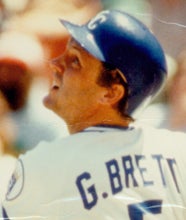
“He was terrible the last month,” Royals teammate George Brett said. “He’s up front about it – he was just awful. If there had been a pennant race, Larry Gura would have pitched well.”
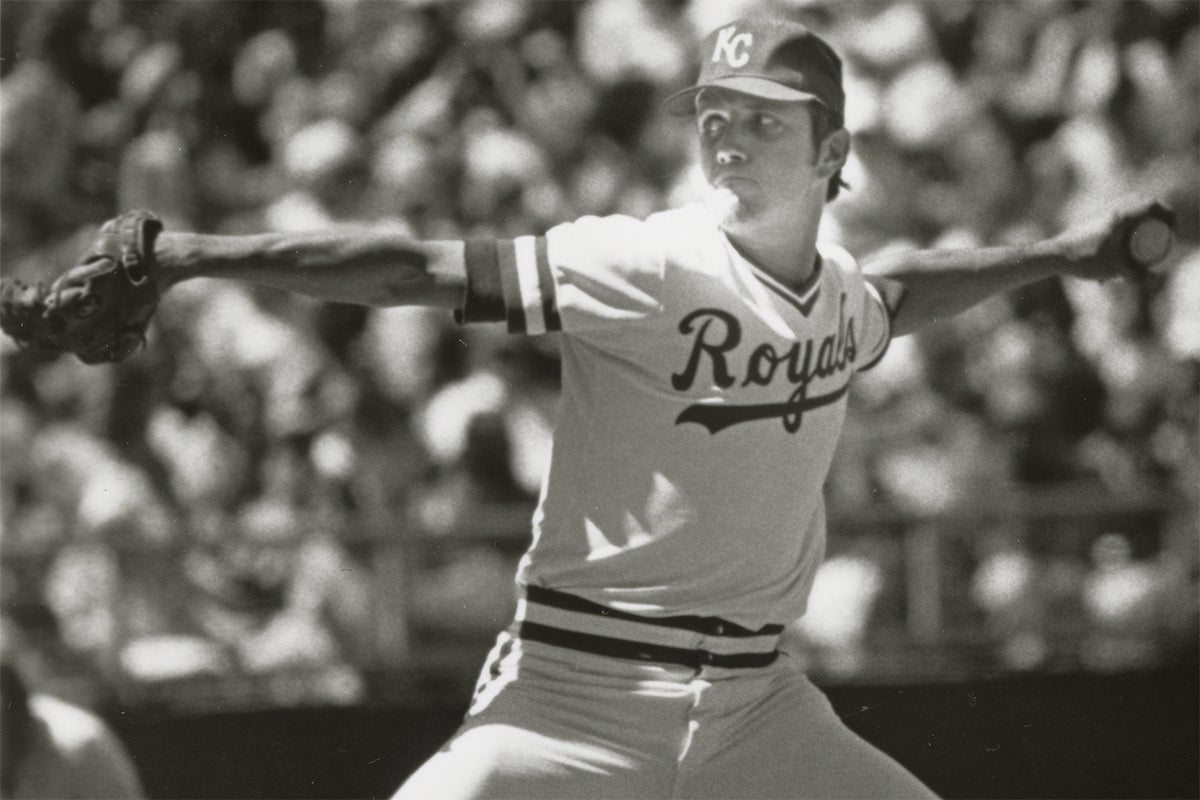
Gura started in Game 1 of the ALCS – once again against the Yankees – and pitched a complete game, allowing 10 hits but just two runs in a 7-2 victory. The Royals swept the series to earn their first trip to the World Series in franchise history.
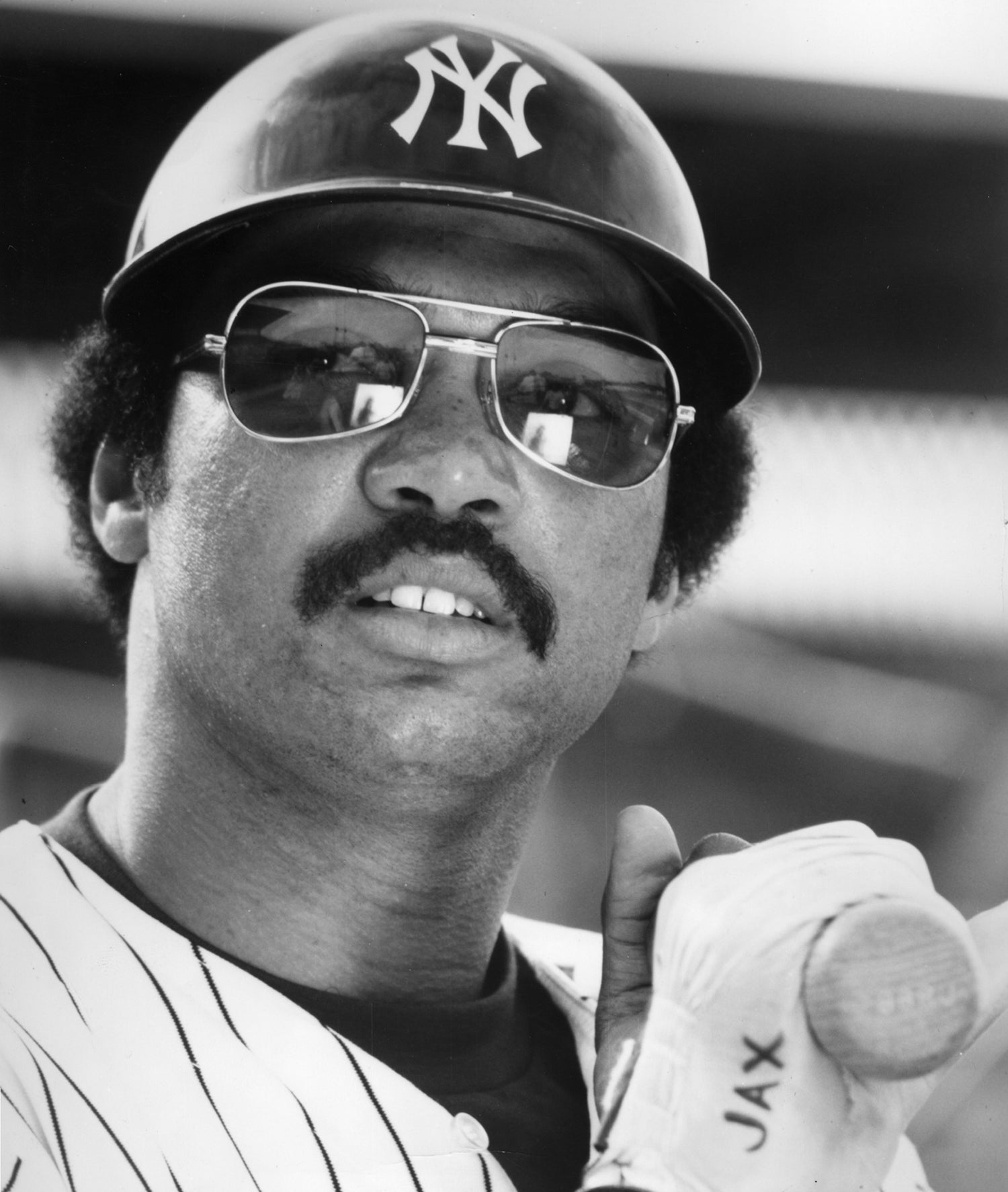
The talk after Game 1, however, was how Gura retired Reggie Jackson in each of his four at-bats – stranding a total of five men on base.
“I just couldn’t see the ball,” Jackson told the Kansas City Times. “How can you hit what you can’t see?”
Gura accomplished his vanishing act not with blinding speed but with cagey control.
“I wasn’t worried about my pitches because they were where I wanted them,” Gura said.
The Royals faced the Phillies in the World Series – and Philadelphia had a similar postseason history, having lost three straight NLCS from 1976-78. Frey called on Leonard to start Game 1, but the Phillies won 7-6 behind rookie pitcher Bob Walk – called into action because of the Phillies’ long NLCS series against the Astros.
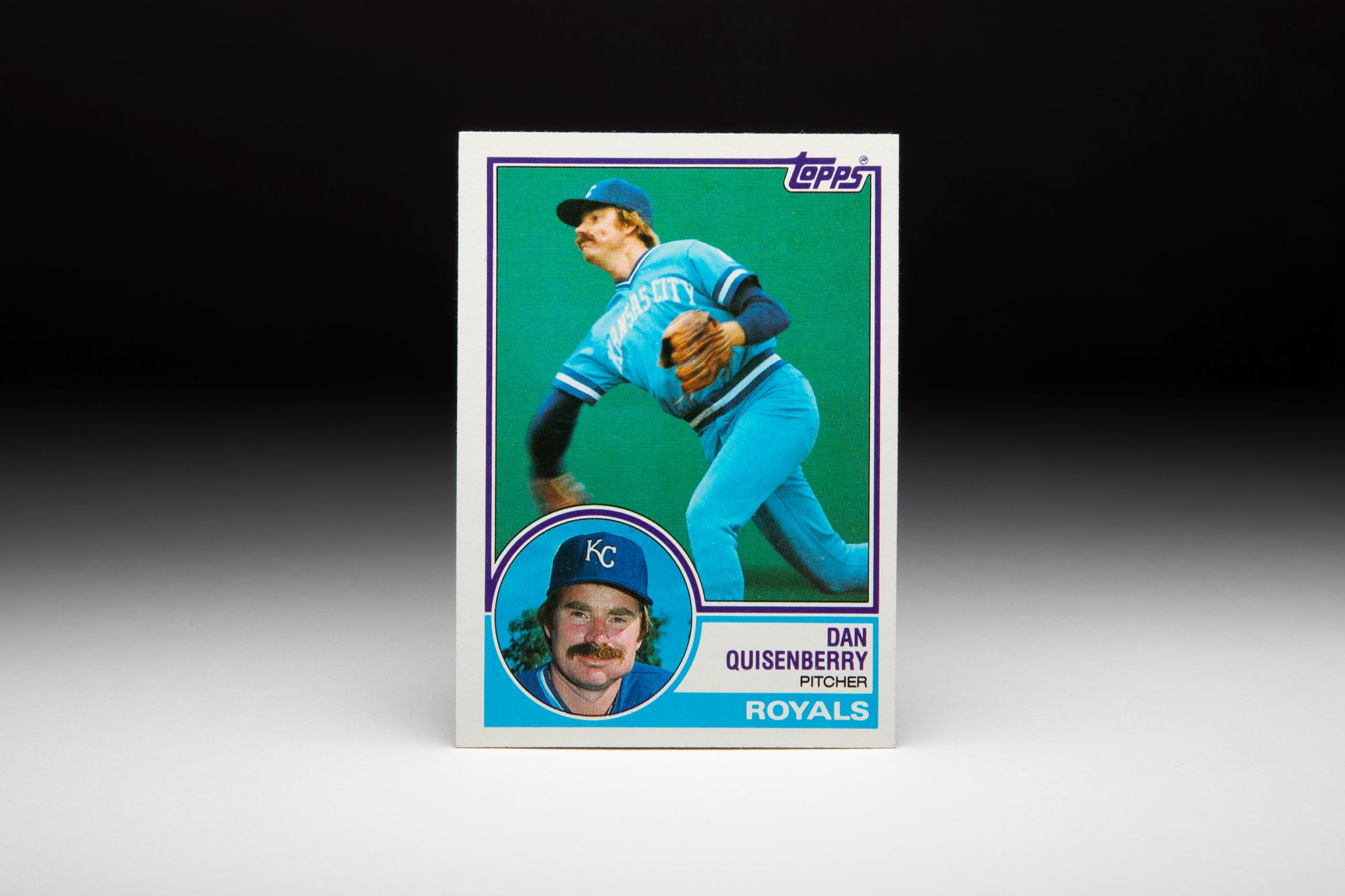
In Game 2, Gura faced Philadelphia ace Steve Carlton – and Gura retired the first 13 batters he faced and allowed just two runs over six innings before Kansas City scored three times in the seventh to take a 4-2 lead. But after Dan Quisenberry retired the Phillies in order in the seventh, Philadelphia scored four times off Quisenberry in the eighth. Ron Reed retired the Royals in the ninth to give the Phillies a 6-4 win and leave Gura with a hard-luck no decision.
The Royals, however, won the next two games and gave the ball to Gura in Game 5. The Phillies scored twice in the fourth on a two-run homer by Mike Schmidt, with only one run charged to Gura after Bake McBride reached on an error before Schmidt came to the plate. But Kansas City scored a run in the fifth and two more in the sixth to take a 3-2 lead.
Gura allowed a walk and a single in the seventh, prompting Frey to call on Quisenberry, who extinguished the rally. But in the ninth, Philadelphia scored twice off the Royals’ ace reliever to take a 4-3 lead, and Tug McGraw worked around three walks in the bottom of the ninth to save the game.
The Phillies won Game 6 the next night to capture the title.
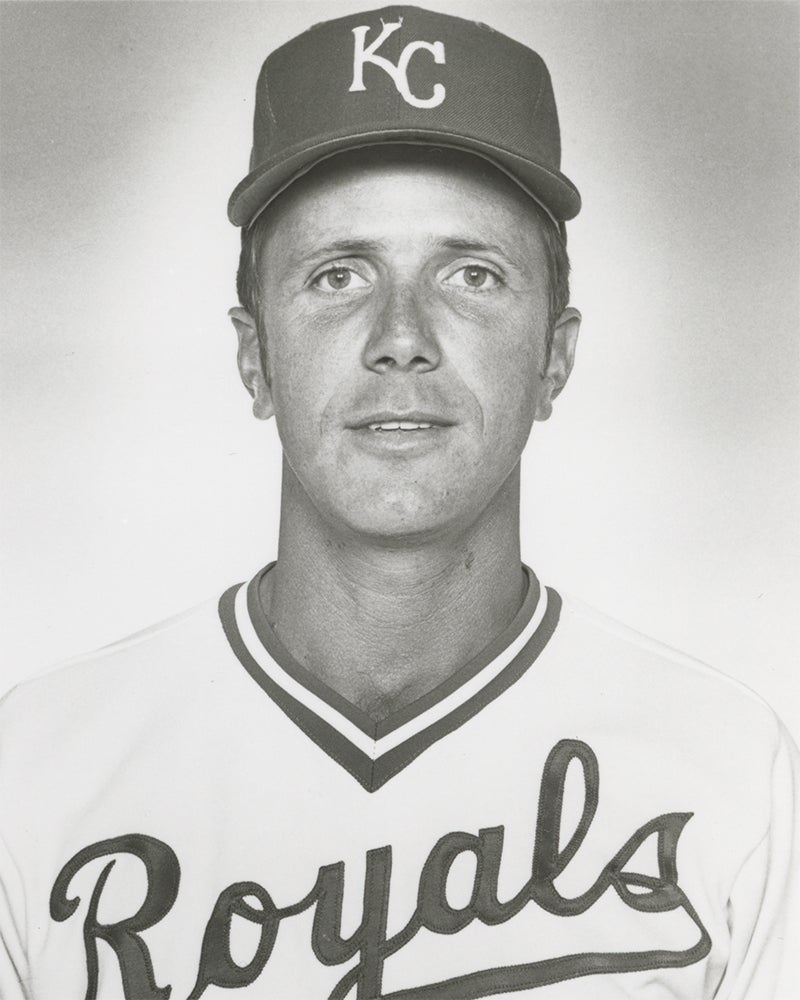
Gura and the Royals stayed strong in 1981 – with Kansas City winning the second half AL West title. Gura made his first Opening Day start and went 11-8 with a 2.72 ERA while finishing ninth in the Cy Young Award voting. With the Royals trailing the Athletics 2-games-to-none in the best-of-5 Division Series, Gura started Game 3 and was charged with four runs (three earned) in 3.2 innings. A Dwayne Murphy double in the fourth inning chased him from the game, and Oakland – managed by Billy Martin – won 4-1 to advance to the ALCS.
It would be the final postseason game of Gura’s career.
Gura continued to anchor the Royals’ staff in 1982, going 18-12 with a 4.03 ERA over 37 starts. His pinpoint control allowed him to work 248 innings while striking out just 98 batters – and no pitcher with fewer than 100 Ks in one season has worked as many innings in a season since. The Royals rewarded him with a three-year extension worth a reported $2.225 million that carried him through the 1987 season.
But at age 35 in 1983, however, Gura started showing signs of age. He made his second Opening Day start but went 11-18 – leading all of MLB in losses – with a 4.90 ERA while walking more batters (76) than he fanned (57) for the first time since his rookie campaign. Gura even flirted with a knuckleball in his final start of the season, searching for any answer he could find.
Then in 1984, Gura won his first four decisions but saw his ERA sail north of 5.00 into the summer and was dropped from the rotation in August. He finished the year 12-9 with a 5.18 ERA in 168.2 innings.
“It seems like every mistake ends up being a home run,” said Gura, who gave up 26 long balls that season. “It almost seems the only time they score off me is on home runs.”
The Royals won the AL West in 1984 and Gura was placed on the postseason roster. But he did not appear in any games as the Tigers swept Kansas City in the ALCS.
Gura began the 1985 season in the bullpen, experimenting with a screwball, and was charged with six runs over 2.1 innings against Toronto on April 24 in his second outing of the year. He would pitch in one more game – working a scoreless inning against the Yankees on May 3 – before the Royals released him on May 18.
“I’m still a little bitter about it,” Gura told the Kansas City Times about his release. “When I watch a game, I see guys I know I’m as good as, if not better. But they are there, and I’m not. That’s when the hurt comes in.”
Gura signed with his hometown Cubs on May 28. But after just two appearances, he was designated for assignment on June 7 when Rick Sutcliffe returned from the disabled list. Gura wound up pitching in 10 games for Triple-A Iowa and went 7-3 with a 2.54 ERA. But in three more appearances for the Cubs in July, Gura did not win a game and finished the big league campaign 0-3 with an 9.12 ERA.
He retired at the end of the season, heading home to his farm in Buckner, Mo.
In 16 big league seasons, Gura was 126-97 with a 3.76 ERA over 2,047 innings. His 801 strikeouts make him one of three pitchers whose careers began in 1970 or later – along with Jim Barr and Ross Grimsley – to work at least 2,000 innings and fan fewer than 850 batters.
But at his peak, Larry Gura never needed to overpower hitters to get them out.
“It’s all location,” Royals catcher Jerry Grote told the Kansas City Times in 1981 about Gura’s success. “You can throw 95 miles an hour, but sooner or later somebody’s gonna hit the ball back just as hard. He just (pitches) the ball where they (can’t) hurt him.”
Craig Muder is the director of communications for the National Baseball Hall of Fame and Museum