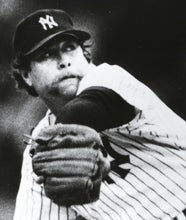
#CardCorner: 1987 Topps Ron Davis
Heading into the 1981 World Series, Ron Davis was one of the most respected relief pitchers in the game.
He had led the American League in winning percentage during his rookie season in 1979. A year later, he pitched an incredible 131 innings out of the Yankees bullpen as a setup man for Goose Gossage as the Yankees went 77-2 in games in which they took a lead into the seventh inning.
In 1981, the Davis/Gossage combination accounted for 56 percent of the Yankees’ regular season wins, and New York entered the Fall Classic as favorites to capture the title.
Eight days later, the Dodgers were champions and Davis was the target of criticism after posting a 23.14 ERA in four appearances – leading to a trade on the eve of the 1982 opener. But Davis would have a second career act, one that produced 108 saves as a closer for the pre-championship Minnesota Twins.
In both the eighth and ninth innings, Davis found success during an 11-year career in the big leagues.
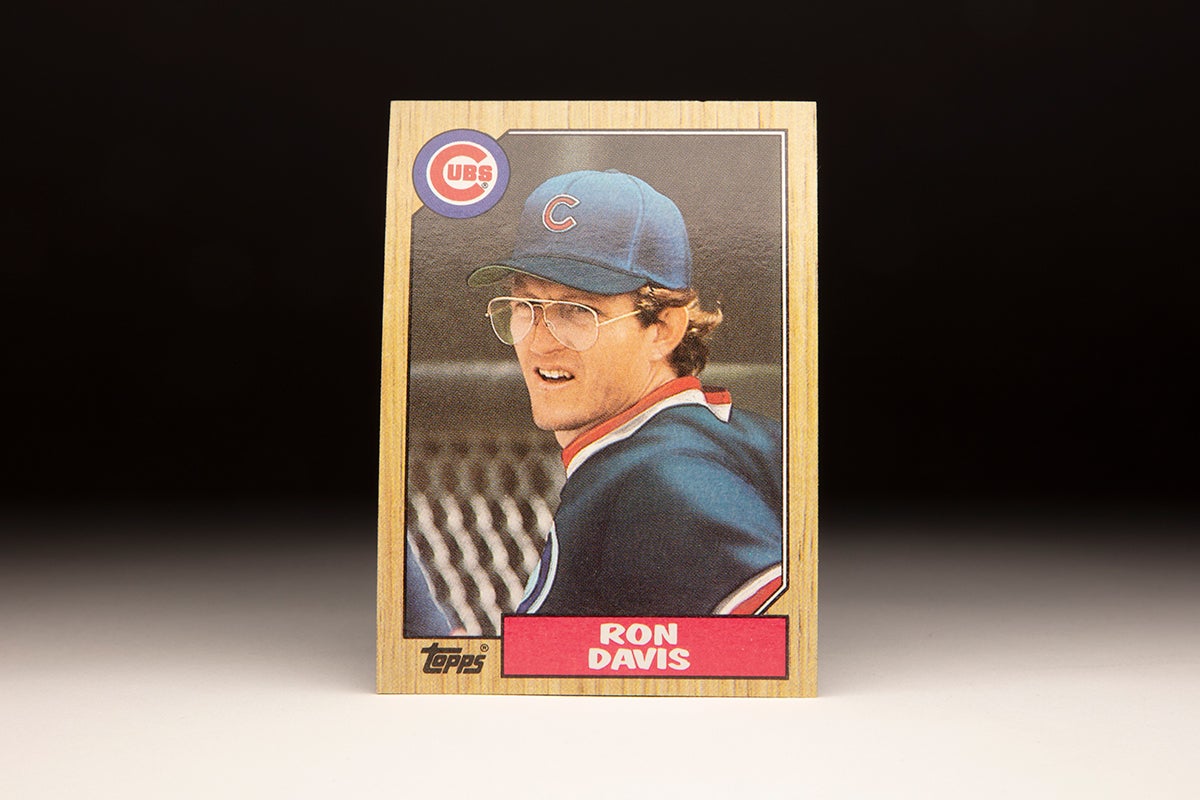
Born Aug. 6, 1955, in Houston, Davis was not a prospect in high school but made the team based on his 6-foot-4 frame and ability to throw a fastball. His uncle, Red Murff, was a pitcher with the Milwaukee Braves in 1956-57 before transitioning to minor league manager and later a scout. Murff became famous for signing Nolan Ryan to a Mets contract in 1965 and encouraged Davis to continue his playing career at Blinn College in Brenham, Texas.
As Davis filled out, his fastball sped up. By 1976, he was a first-team National Junior College Athletic Association All-America pick with a 10-4 record. The Cubs selected Davis in the third round of the January 1976 MLB Draft but let him complete his college season before sending him to Pompano Beach of the Class A Florida State League.
“I supposed I’m not much to look at on first impression,” Davis told the Springfield (Mass.) Morning Union. “My uncle (Murff) is the head scout for the Montreal Expos. You’d think they’d have drafted me, but they didn’t.”
Davis went 8-8 for Pompano Beach in 1976, working 115 innings over 18 appearances, including 17 starts. He struggled with the Florida weather for a while as the humidity fogged up his eyeglasses.
“I had to keep calling (time out) to wipe off my glasses,” Davis told the Fort Lauderdale News after notching his second victory on June 9 – a game where he struck out seven and walked seven. “When the rain wasn’t (steaming up the glasses), the humidity was.”
But former big league catcher Jack Hiatt, who was managing Pompano Beach, saw clearly what he had in Davis.
“This kid may be the spark this club needs,” Hiatt told the Fort Lauderdale News soon after Davis arrived. “He throws hard. In fact, he does everything hard. He even warms up hard.”
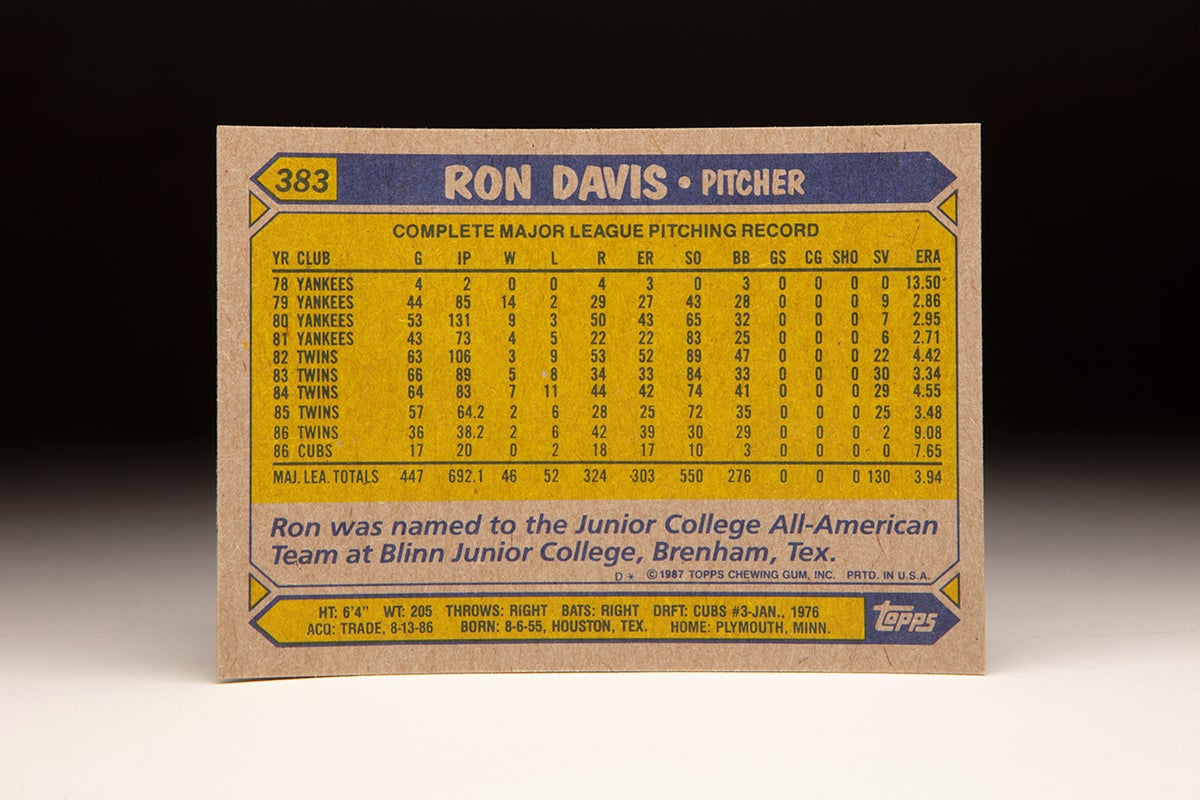
Davis returned to the Florida State League in 1977, going 8-7 with a 4.14 ERA over 111 innings. Then in 1978, Davis was working on a 6.35 ERA with Double-A Midland of the Texas League when he was identified as the player to be named later in a deal that sent Ken Holtzman from the Yankees to the Cubs on June 10. It was the only return the Yankees got for Holtzman, who had accumulated 168 big league wins over 14 MLB seasons but had fallen out of favor in New York.
The trade was widely viewed as a salary dump by the Yankees.
“I don’t think the Cubs thought they had much,” Davis told the Morning Union. “They put me in that (darn) Texas League where the wind blows 40 miles an hour – every day – in the pitcher’s face.”
The Yankees immediately converted Davis into a reliever, sent him to West Haven of the Double-A Eastern League and watched as he went 9-2 with a 1.50 ERA over 21 games. He earned a quick call-up to the big leagues on July 29 against the Twins – where he allowed a walk to Butch Wynegar, a single by Hosken Powell and a walk to Roy Smalley before being relieved and sent back to the minors – before finishing the Eastern League season and then returning to New York for three more games in September.
It all added up to an invitation to big league Spring Training in 1979, where he posted a 1.28 ERA over six appearances in the exhibition season before being among the last cuts and heading for Triple-A Columbus.
“I knew I was going to get sent down regardless of whether I struck out every man I faced in every inning I pitched,” Davis told the Associated Press. “It was a matter of numbers. Everyone knew it.”
The Yankees brought Davis back to New York in late April when Gossage suffered a thumb injury in a clubhouse brouhaha with teammate Cliff Johnson, but he was soon returned to Columbus after one outing – one where he allowed a first-pitch, two-run single to Willie Horton in the ninth inning of a game where Seattle rallied to win 6-5.
But when Davis was recalled again in late May, he recorded wins in his first two games and was 6-0 with three saves by the end of June.
“I won, won again and kept on winning,” Davis told the Morning Union. “And here I am. Life looks pretty good.”
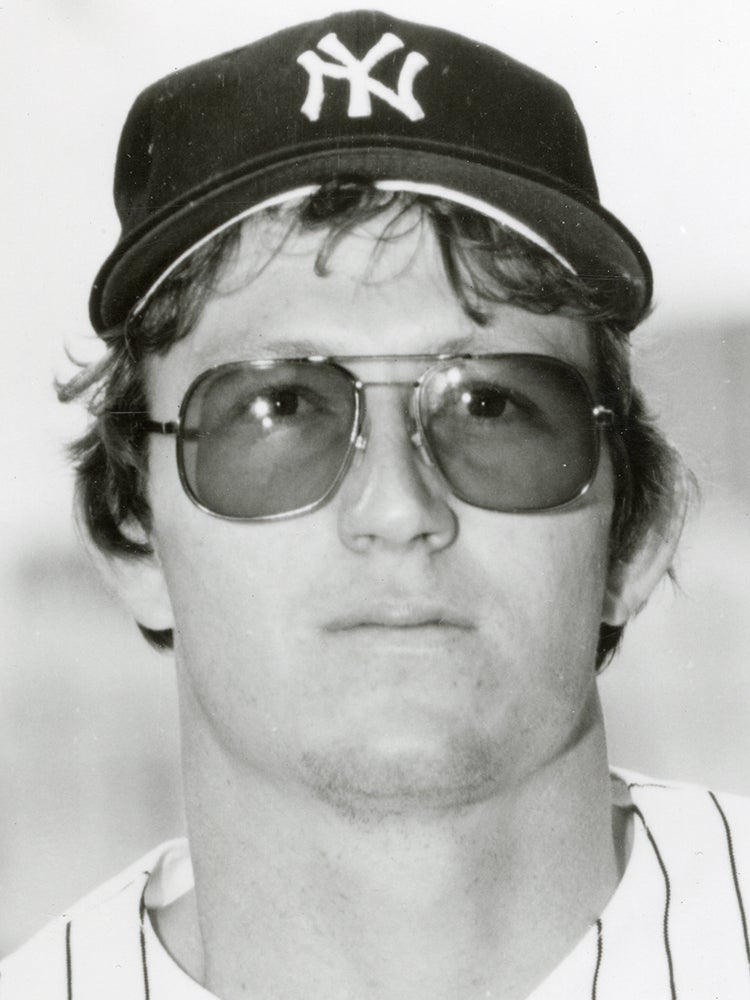
In Davis’ second outing with the Yankees in 1979, he entered in the bottom of the eighth against the Brewers with the game tied at 1.
“Thurman Munson was the catcher, and he told me to throw one ball so I’d be sure to get more action than the last time,” Davis told the AP.
Davis pitched 2.2 scoreless innings that day and picked up his first win when Mickey Rivers homered in the top of the 10th inning. He finished the season with a 14-2 record, good for an .875 winning percentage that led all of baseball. He also posted nine saves, giving him a decision or a save in almost 57 percent of his appearances.
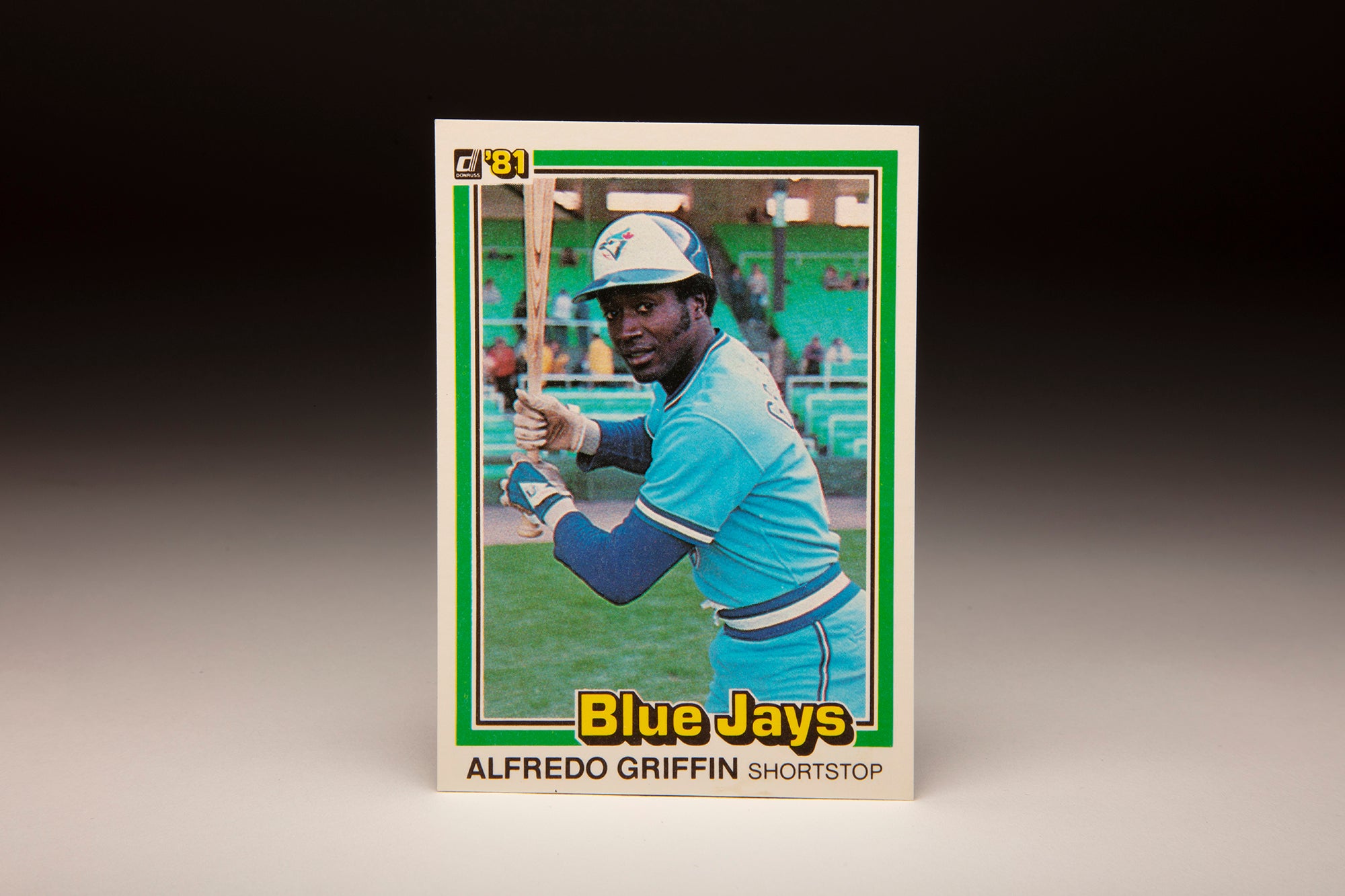
Davis undoubtedly benefited from some luck as four of his wins came following blown save opportunities. But he was also remarkably durable, working 85.1 innings – including eight appearances where he pitched at least three innings. He finished fourth in the American League Rookie of the Year voting where six players got at least one first place vote as John Castino and Alfredo Griffin tied for top honors.
In the spring of 1980, Davis was assured of a spot in the Yankees’ bullpen.
“There’s enough room for (Gossage) and me,” Davis told the AP. “He can’t pitch every day.
“I won’t get as many wins or saves as I did last year because I won’t have the opportunity.”
But Davis didn’t need to worry about inactivity. He appeared in 53 games, going 9-3 with seven saves in 131 innings as the Yankees won the AL East title.
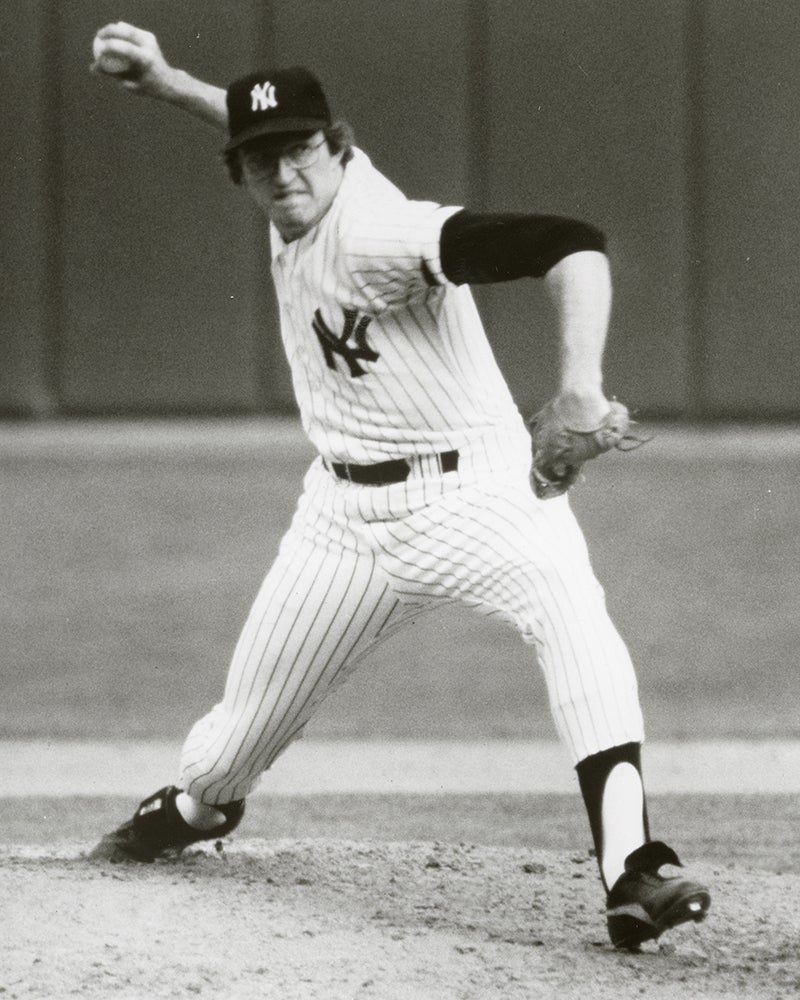
In the ALCS vs. the Royals, Davis entered Game 1 in relief of starter Ron Guidry in the fourth inning with the Yankees trailing 4-2. He blanked Kansas City for the next three frames but the Yankees could not score off Larry Gura. Then in the seventh, George Brett homered off Davis to give the Royals a 5-2 lead in a game they would eventually win 7-2.
Davis allowed three hits, one walk and one run over his four innings of work. He did not pitch again in the series as the Royals swept the Yankees in three games.
The Yankees considered moving Davis to the starting rotation in the spring of 1981 but ultimately kept him in the bullpen as they looked for a right-hander to join lefties Tommy John, Rudy May, Tom Underwood and Guidry in the rotation.
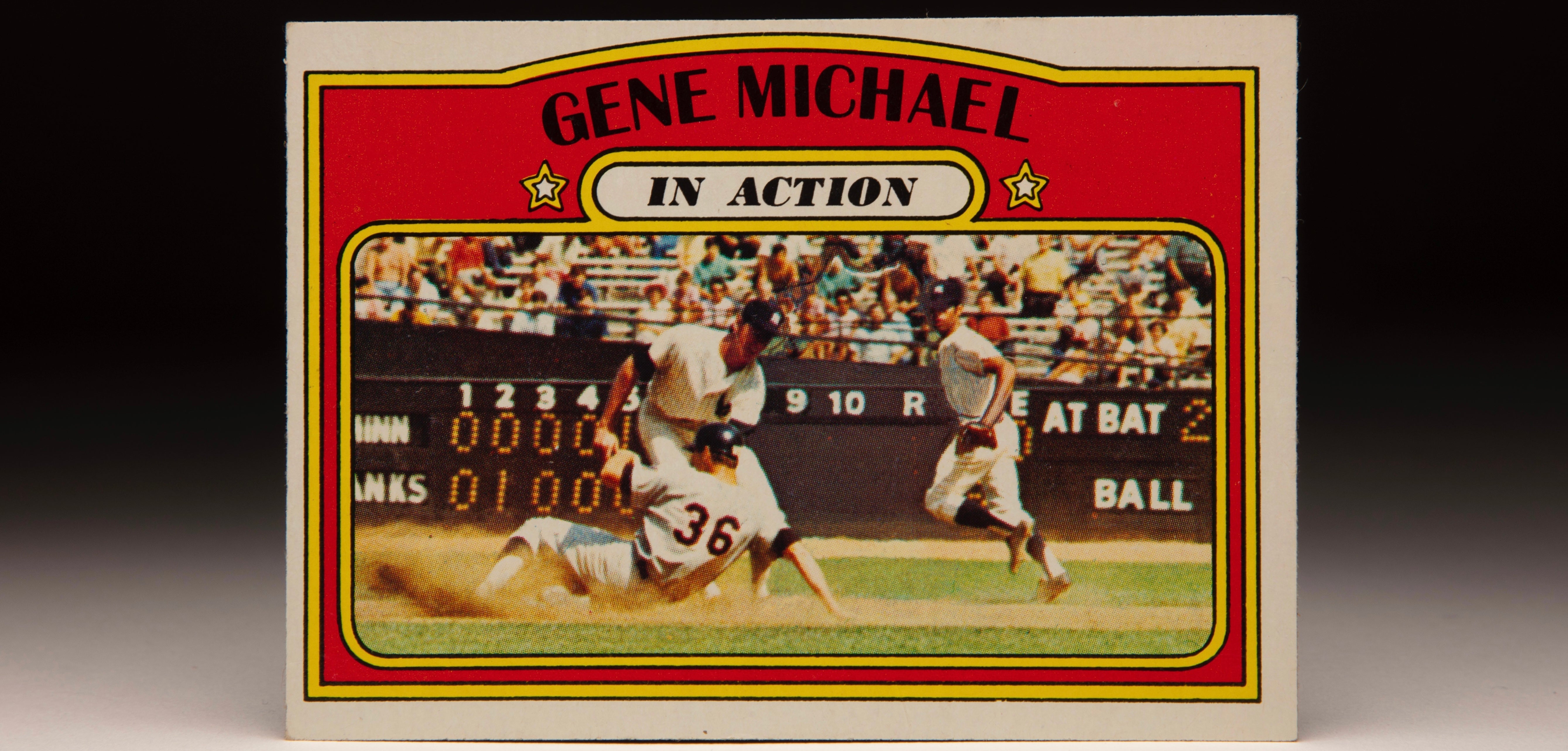
“There’s always a possibility of Davis being a starter but that’s not necessarily the way we’re going,” Yankees manager Gene Michael told the AP.
Davis thrived in the bullpen and vastly increased his strikeout totals in 1981. During 1979 and 1980, Davis fanned a total of 108 batters over 216.1 innings – or 4.5 per nine innings of work. But in 1981, Davis averaged 10.2 strikeouts per nine innings – a ratio that was aided by his May 4 outing against the Angels when he tied an AL record by striking out eight straight batters – the last eight batters he faced in a 4-2 New York win. It marked the most consecutive batters ever fanned by a relief pitcher.
Among Davis’ victims were Dan Ford, Fred Lynn and future Hall of Famer Rod Carew.
“Nothing special to me,” Davis told Newsday after the game. “I just came in to get the save. Doesn’t matter to me if they hit the ball on the ground or pop up or strike out. Just get (the) out.”
Davis was 2-2 with four saves and a 1.86 ERA when the strike interrupted the season in June.
“He’s a completely different pitcher than I faced last year,” Rick Burleson, who was the fifth of the eight Angels batters Davis fanned on May 4, told Newsday. “The ball sails into the strike zone instead of sinking like it used to. He doesn’t need a breaking ball. He doesn’t need anything with pitches like that.”
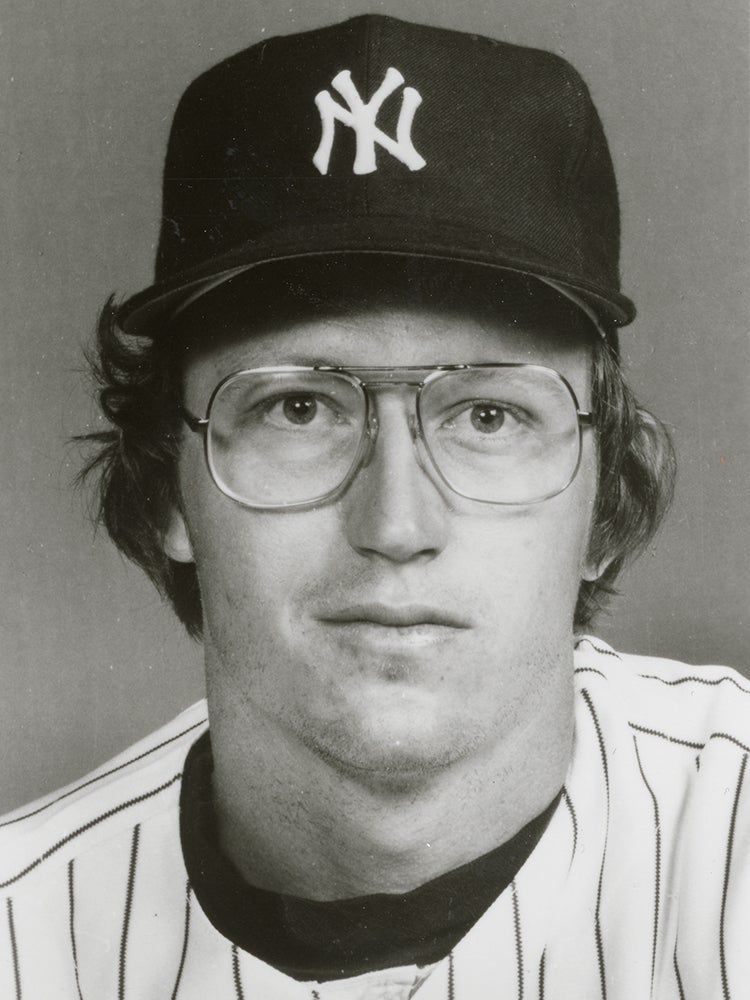
When the season resumed, the Yankees leaned heavily on their bullpen. Through the first four games of the second half of the season, the team had already used Davis twice.
“I was hoping someone would hit a bullet somewhere and end it,” Davis said after picking up the save with 2.2 innings of work against the Tigers on Aug. 13 in a 3-0 win – striking out Alan Trammell to end the game. “I had nothing left. I was exhausted.”
Davis finished the season with a 4-5 record, six saves and a 2.71 ERA over 73 innings while fanning 83 batters and allowing just 47 hits. His WHIP of 0.986 was the best of his big league career.
In the postseason, Davis was nearly perfect until the World Series. He picked up the win in Game 1 of the ALDS vs. Milwaukee, retiring all eight batters he faced in 2.2 innings of relief of Ron Guidry.
New Yankees manager Bob Lemon brought Davis back the next day in Game 2 in relief of Dave Righetti – who struck out 10 over six shutout innings – as New York clung to a 1-0 lead entering the bottom of the seventh. After getting Sal Bando to pop out to start the frame, Davis walked Roy Howell, allowed a single to Jim Gantner and walked Paul Molitor before Lemon called on Gossage with the bases loaded and one out. Gossage protected the lead by getting Robin Yount to pop out and then fanning Cecil Cooper before closing out what became a 3-0 Yankees victory.
“It was a one-run game and it only takes one pitch,” Lemon told the AP about his decision to pull Righetti and go to Davis. “The way (Righetti) was pitching, I sure didn’t want him to lose it, especially with our gold dust twins (Davis and Gossage) in the bullpen.”
Gossage and Davis were deemed unavailable for Game 3, which became a 5-3 Milwaukee win. Then in Game 4, Davis entered in the top of the seventh with Milwaukee leading 2-1. Davis pitched three perfect innings but New York was unable to score, setting up the deciding Game 5.
With no off day between Game 4 and Game 5, Davis was unavailable – but Gossage was and pitched two shutout innings for the save in a 7-3 New York win that sent the Yankees to the ALCS vs. Oakland.
The Yankees swept the A’s in three games, with Davis working 3.1 shutout innings. To that point, Davis had appeared in five postseason games in 1981, pitching 9.1 innings while allowing one hit and no runs.
The World Series, however, would be a different matter.
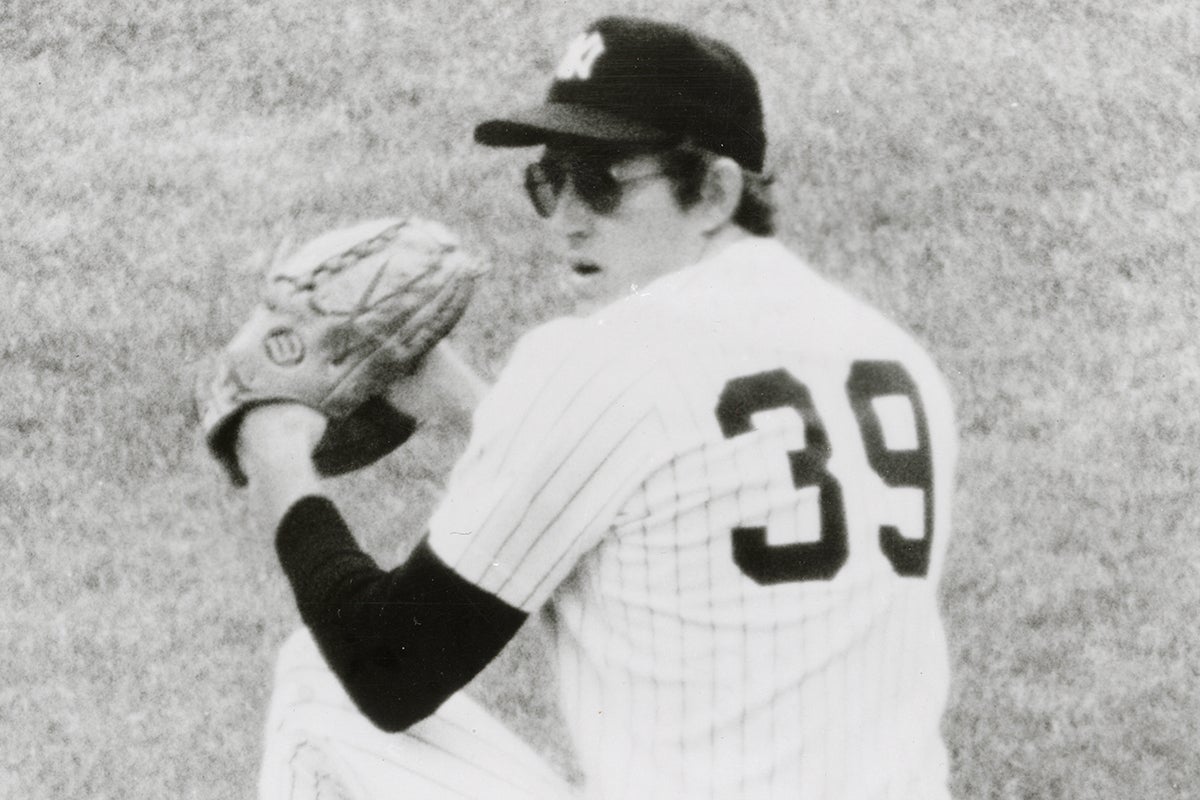
The Yankees led the Dodgers 5-1 through seven innings in Game 1 when Lemon pulled Guidry in favor of Davis. But Derrel Thomas and Davey Lopes drew consecutive walks off Davis to start the eighth, and Lemon called on Gossage – who allowed an RBI single to Jay Johnstone and a sacrifice fly to Dusty Baker before squelching the rally.
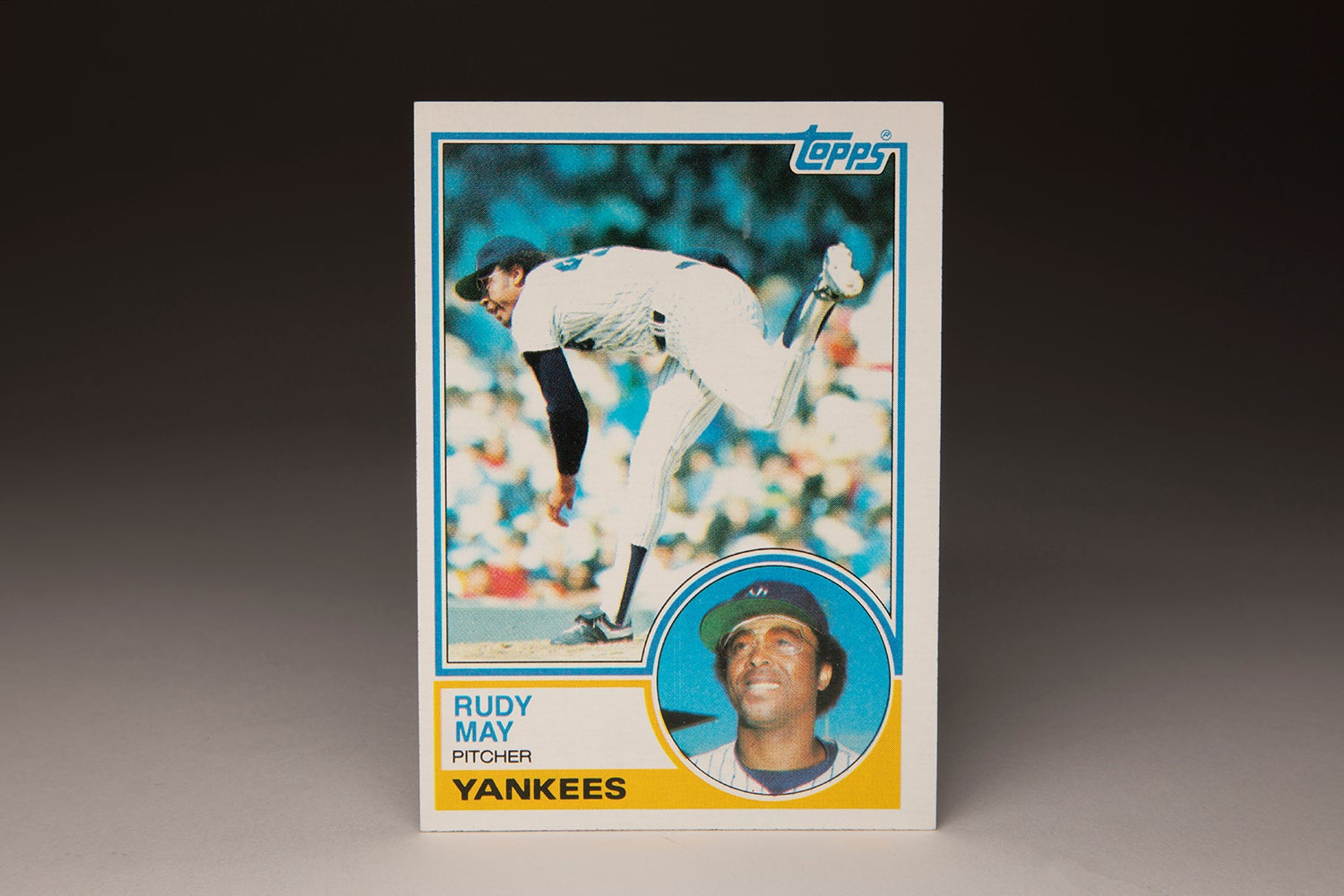
Both runs were charged to Davis, and Gossage was called on to close the game in a 5-3 New York win. Davis returned in Game 3 to pitch a scoreless inning in New York’s 5-4 loss. Then in Game 4, Davis relieved Rudy May in the fifth inning and fanned Baker and Rick Monday to preserve the Yankees’ 4-3 advantage.
But after New York scored two runs in the top of the sixth, Davis allowed a walk to Mike Scioscia and a two-run homer to Johnstone to make the score 6-5. An error charged to Reggie Jackson allowed Lopes – the next batter – to reach second base, and Bill Russell followed with an RBI single to tie the game at 6, prompting Lemon to relieve Davis with George Frazier.
The Dodgers, who had trailed Game 4 by a 4-0 score at one point, would win the game 8-7 to knot the series at two games apiece.
When Johnstone was asked after the game if the pitch he hit against Davis was a fastball, he replied: “Does he throw anything else?”
After Los Angeles won Game 5, Davis would make his final appearance of the series in Game 6 – entering the game in the sixth with the Dodgers leading 4-1. He allowed one-out walks to pitcher Burt Hooton and Lopes before an RBI single by Russell made the score 5-1. Rick Reuschel relieved Davis at that point and allowed an RBI groundout to Thomas, and Davis would be charged with an additional unearned run in that inning when Baker reached on an error following Thomas’ RBI.
The Dodgers won the game 9-2 to clinch the title, and Davis was left with a World Series line that included four hits and five walks over 2.1 innings.
On April 10, 1982, the Yankees decided they could afford to part with Davis. Frazier, who had gone 0-3 in the World Series, was seen as capable of handling the setup role behind Gossage – and the Yankees sent Davis to the Twins along with pitcher Paul Boris and minor league shortstop Greg Gagne in exchange for Roy Smalley.
“The Twins didn’t need me and the Yankees didn’t need Smalley,” Davis told reporters after the trade. “Someone didn’t want someone pretty badly.”
The Twins, however, were happy to have Davis.
“(The Yankees) wanted Smalley so badly, we figured we might as well ask for some money, too,” Twins owner Calvin Griffith told the media. “But I would have traded him for Davis even up.”
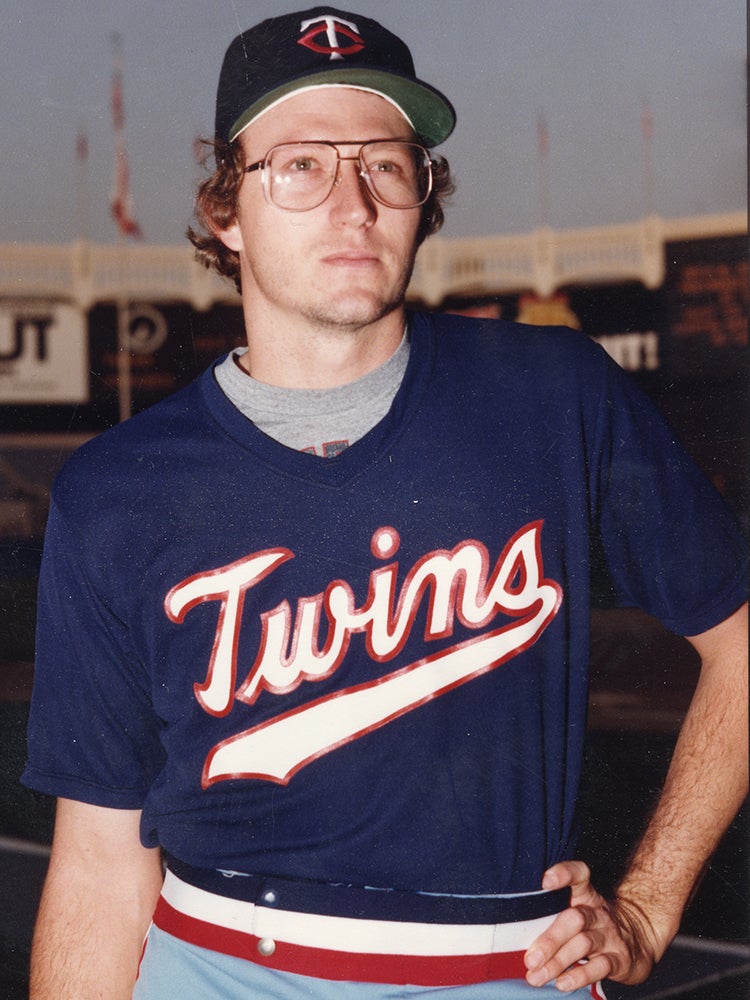
Twins closer Doug Corbett led the majors with 45 games finished in 1981 and posted 17 saves, but Davis’ presence made him expendable. The Twins sent Corbett and Rob Wilfong to the Angels on May 12, 1982, for Tom Brunansky, Mike Walters and $400,000. Davis recorded his first save for the Twins on April 15 and got more comfortable in the closer’s role as the season progressed, recording 14 saves from July 20 through the end of the season. He finished the year with a 3-9 record, 22 saves and a 4.42 ERA in 63 games.
Davis won an arbitration hearing in the spring of 1983 to clinch a $475,000 salary then delivered his best season as a closer going 5-8 with 30 saves and a 3.34 ERA over 66 games while fanning 84 batters in 89 innings. The Twins made him the recipient of the richest contract in team history that December, signing him to a four-year deal worth $2.7 million.
Davis’ contract also contained a clause that stated he could not be traded until after Jan. 15, 1984 – a provision designed by his agent to make sure Davis could not be dealt to a team that signed free agent closers Kent Tekulve or Goose Gossage. Davis was also able to designate 14 teams after Jan. 15 to which he could not be traded.
“I don’t know what (the Twins) are going to do,” Davis told the New York Times News Service, “but they won’t be able to trade me until Gossage and Tekulve sign.
“(Calvin Griffith) might have already made a deal for me. (Being the Twins’ top-paid player) doesn’t say much because they haven’t paid players very much.”
Davis saved 29 games in 1984 but was 7-11 with a 4.55 ERA in 64 games while tying a record with 14 blown saves. He bounced back in 1985 with 25 saves and a 3.48 ERA over 57 games while cutting his blown saves to three – and credited a standing ovation from Twins fans on May 16, after striking out three Tigers batters to preserve a 7-5 win, as the turning point in the season.
“I got off to a bad start with the fans in Minnesota when I criticized Cal Griffith as soon as I got there,” Davis told the AP. “They viewed me as an over-priced outsider who was biting the hand that fed him. They never forgave me (until May 16, 1985).
“It was the damnedest thing. I’m still not exactly sure why they did it. All I know is, they might have saved my career.”
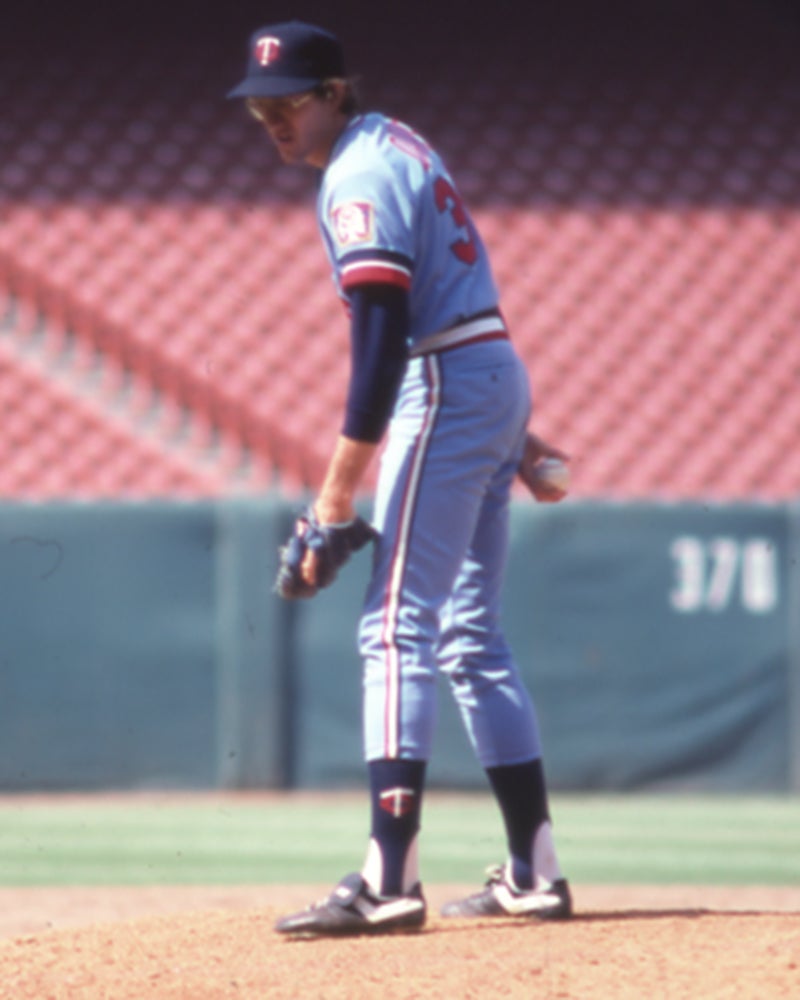
But in 1986, three disastrous outings at the end of April left Davis with a 15.43 ERA and prompted manager Ray Miller to remove Davis from the closer’s role. On Aug. 13 – with Davis carrying a 2-6 record and 9.08 ERA in 36 games – the Twins traded him to the Cubs along with a minor leaguer for Ray Fontenot, a minor leaguer and former Yankees teammate George Frazier.
Davis finished the season with a 2-8 record, two saves and an 8.59 ERA in 53 games.
In 1987, Davis worked in low-leverage situations with the Cubs, posting a 5.85 ERA in 21 games before being released on Aug. 4. He signed with the Dodgers nine days later and worked in four more games before the end of the season.
With his contract now expired, Davis signed a minor league contract with the Giants on May 11, 1988, and pitched well at Triple-A Phoenix to earn a late-season call-up with San Francisco, where he went 1-1 in nine games. He pitched in the minors with the Giants in 1989 before signing with the Yakult Swallows of the Japan Central League, where he was 4-5 with seven saves and a 3.97 ERA at the end of the 1989 campaign. Then in 1990, he appeared in 10 games with the Yankees’ Triple-A affiliate in Columbus, Ohio.
Aside from a stint in the Senior Professional Baseball Association in 1990, his time with Triple-A Columbus would mark Davis’ last games as a pro pitcher. But his name would return to pro baseball when his son, Ike Davis, became a first-round draft pick of the Mets in 2008. Ike Davis would play seven big league seasons and total 81 home runs.
Ron Davis, meanwhile, finished his career with a 47-53 record with 130 saves and 4.05 ERA over 481 games. His 108 saves still rank fifth on the Twins’ all-time list.
The high-pressure job of being a closer never seemed to change the demeanor of the low-key Davis.
“It’s no different than what I threw after the All-Star break last year,” Davis told Newsday during the 1981 season when he made national headlines by striking out eight batters in a row. “(The batters are) just missing it.”
Craig Muder is the director of communications for the National Baseball Hall of Fame and Museum