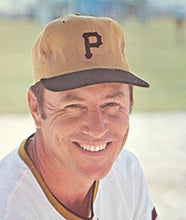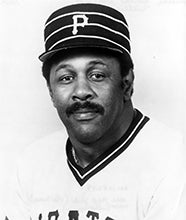
#CardCorner: 1970 Topps Gene Alley
One of only 11 shortstops in history with multiple Defensive WAR seasons of 3.5 or better, Gene Alley teamed with future Hall of Famer Bill Mazeroski to give the Pittsburgh Pirates one of the best middle infields the game has known.
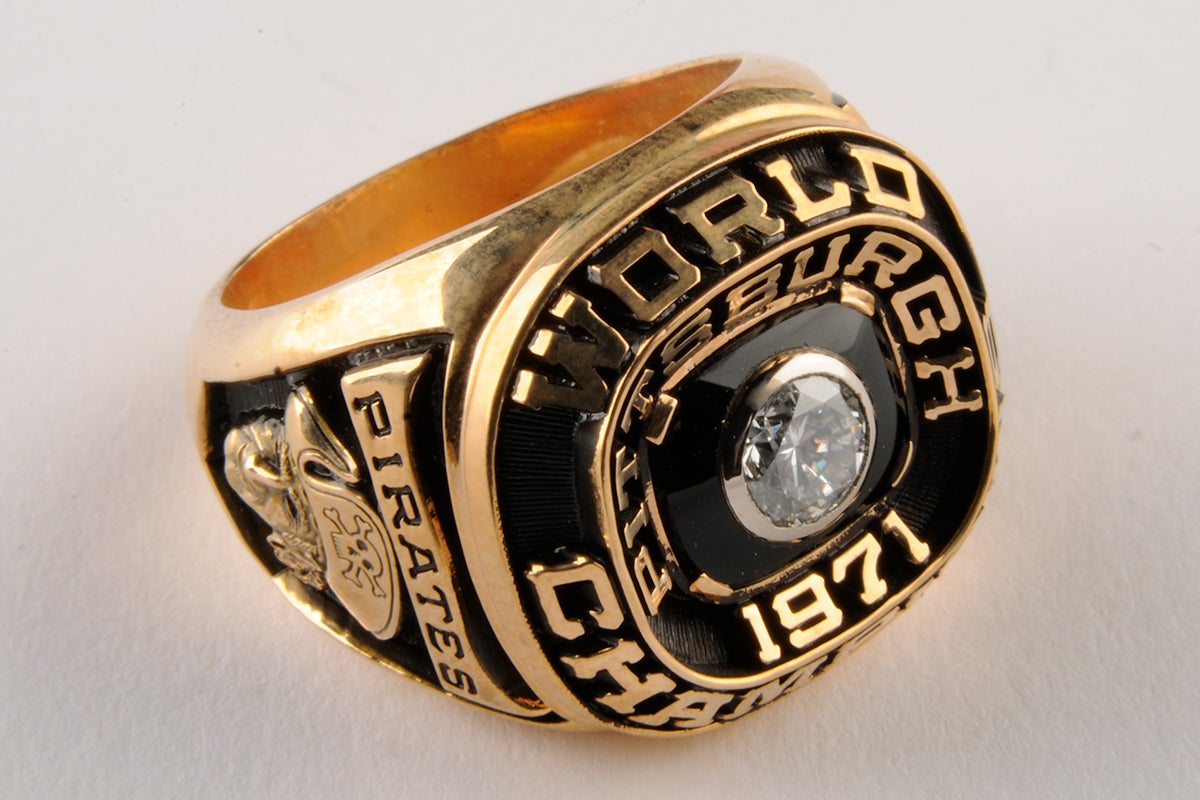
Though both were past their peak performance level by 1971, they were still good enough to help the Pirates win a World Series title.
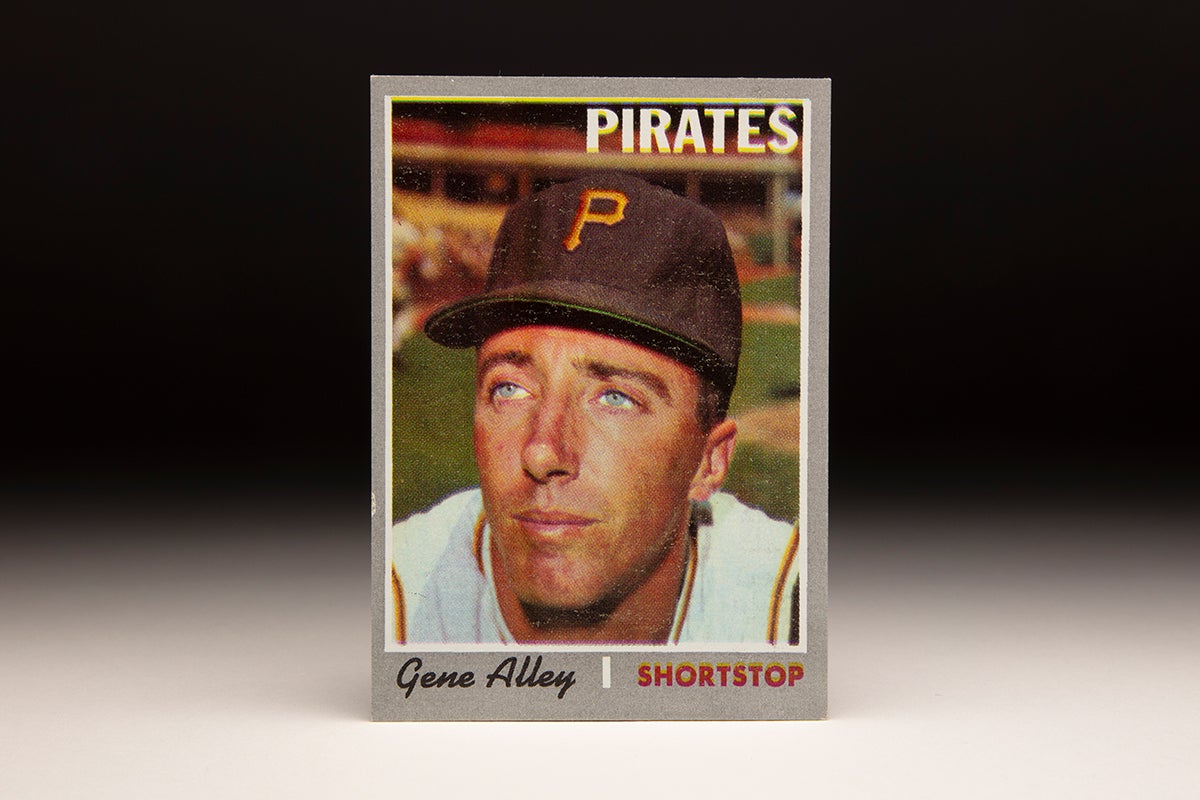
Leonard Eugene Alley was born July 10, 1940, in Richmond, Va. His father died in a car crash soon after Alley was born, leaving him and his siblings to be raised by his mother.
Alley starred in basketball and baseball at Richmond’s Hermitage High School but was not considered a top pro prospect.
“I worked out the summer after I finished Hermitage High (in 1958) with the Richmond club (a Triple-A team affiliated with the Yankees) but the Yankees weren’t interested in me,” Alley told the Richmond Times-Dispatch in 1964. “I had wanted to go to the University of Richmond or Randolph-Macon College, but I didn’t have money to pay my way and I couldn’t get a full scholarship. So I took…$2,000 from Pittsburgh that winter.”
Signed by Pirates scout Joe Bowen in February of 1959, Alley was assigned to Dubuque of the Class D Midwest League that spring and hit .287 with 98 runs scored, 15 homers, 67 RBI and 23 steals while playing mostly at shortstop, where he was charged with 30 errors. But late in the season, Alley shifted to the outfield after he hurt his arm following being hit on the shoulder by a bad-hop grounder.
The Pirates moved Alley to third base in 1960 and assigned him to Grand Forks of the Class C Northern League, where he hit .280 with 14 homers and 78 RBI before earning brief promotions to Class B Burlington and Triple-A Columbus.
Then in 1961, Alley – who had been battling arm issues since his first pro season – moved to second base and spent the season with Class A Asheville, where he hit .263 with 86 runs scored, 14 homers and 61 RBI. With Mazeroski already established as MLB’s best fielding second baseman, Alley had no future in Pittsburgh at the position but continued to move up the Pirates ladder.
“Mazeroski is the greatest infielder I’ve ever seen,” Alley told the Times-Dispatch in 1964 when he was impressing observers in Pittsburgh’s Spring Training camp. “You watch him one day and he does everything so effortlessly and smoothly that you may not be overly impressed. But when he does it day after day you come to realize just how good he is.”
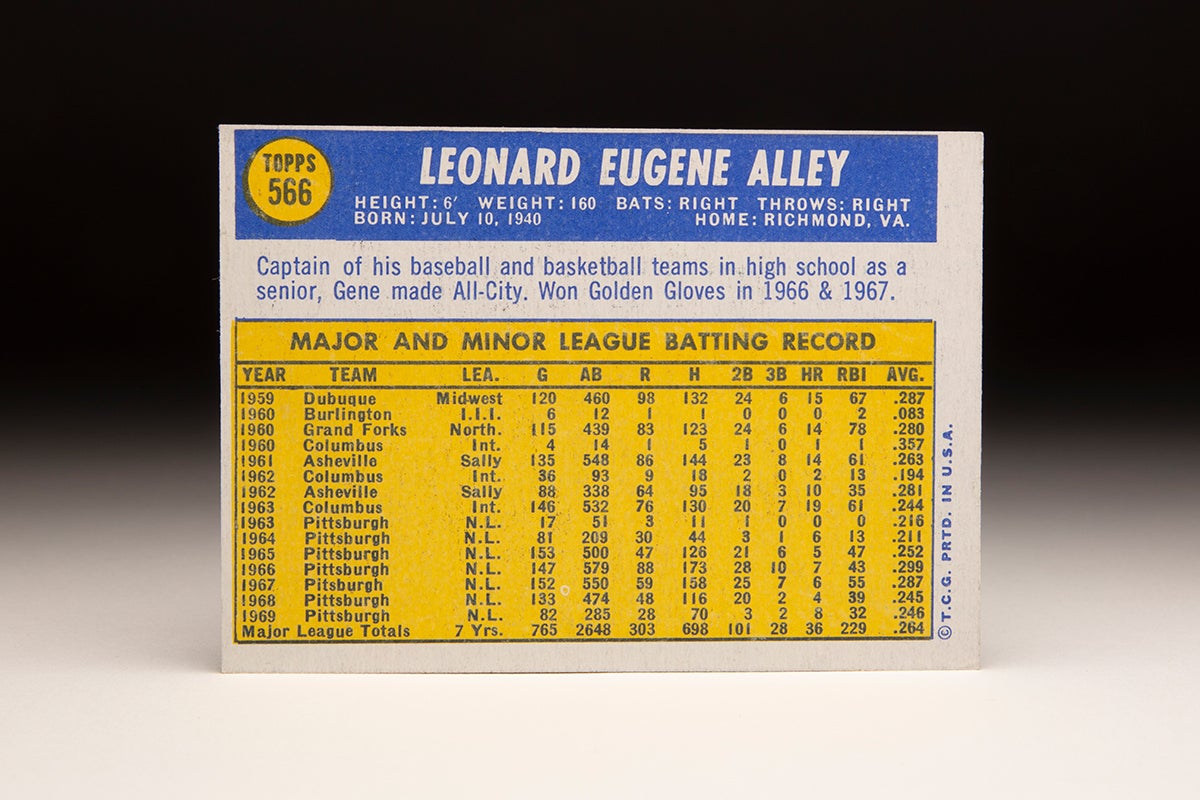
Alley began the 1962 season back at Asheville before earning a promotion to Triple-A Columbus. Once again playing second base, Alley hit a combined .262 with 73 runs scored, 12 homers and 48 RBI while posting a .969 fielding percentage.
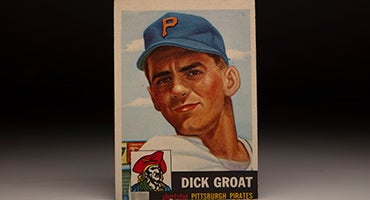
Then in 1963, Alley was invited to the Pirates Spring Training camp and showed flashes of what would be his trademark glovework. The Pirates had traded shortstop Dick Groat, the 1960 NL Most Valuable Player, to the Cardinals following the 1962 season and then sent Alley to the Arizona Instructional League to work out at shortstop.
Alley hit better than .300 in Arizona and easily adapted to his new position.
“My arm has been a lot stronger than I thought it would be,” Alley told the Times-Dispatch in the spring of 1963. “I’ll play anywhere, just so I play.”
Sent back to Columbus to start the season, Alley appeared in each of his 144 games in the field that season at shortstop, compiling a .963 fielding percentage on 722 chances while turning 94 double plays. At the plate, Alley hit .244 with 19 homers and 61 RBI.
When rosters expanded in September, the Pirates brought Alley to Pittsburgh. The Pirates used Dick Schofield as their regular shortstop that year, and Alley hit .216 in 17 games in a utility role in September.
He made his big league debut on Sept. 4, 1963, in a game at County Stadium against Milwaukee ace Warren Spahn.
“As a kid, I saved baseball cards,” Alley told The New York Times in 1967. “One that I cherished was of Warren Spahn. And in my first big league game, I came to bat against one of my idols, Spahn. I was too scared to get a hit off him. I grounded out.”
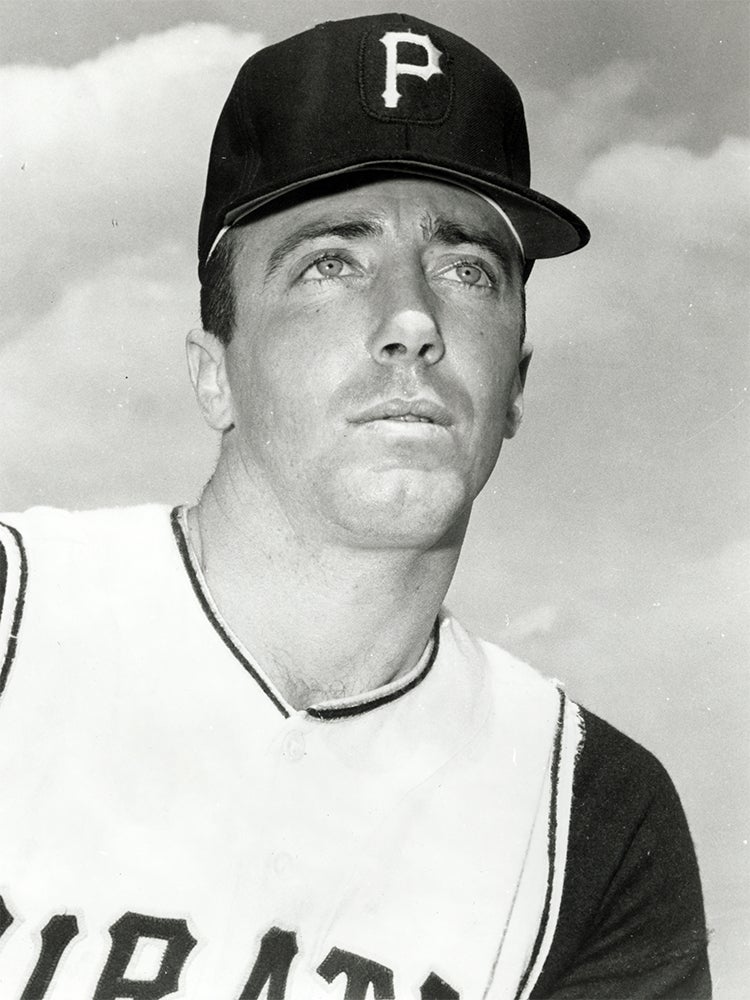
Alley won a job on the Pirates bench in 1964 after his outstanding showing in Spring Training.
“I’m playing him everywhere in the infield, except first base,” Pirates manager Danny Murtaugh told the Times-Dispatch, “and he looks good whether he’s playing third base, shortstop or second base.”
Alley appeared in 81 games that season, batting .211 with 30 runs scored. Schofield again served as Pittsburgh’s primary shortstop, but Alley ate into his playing time as the season progressed.
Then in the spring of 1965, Mazeroski broke a bone in his right foot in a game against the White Sox. New Pirates manager Harry Walker made Alley his Opening Day starter at second base before moving him to shortstop – replacing Schofield – when Mazeroski returned in May. The Pirates traded Schofield to the Giants two weeks after Mazeroski came back, leaving Alley as the unquestioned starter.
With the injury to Mazeroski and Roberto Clemente recovering from malaria, the Pirates lost 24 of their first 33 games to fall into last place in the National League. But from that point, Pittsburgh went 81-48 for a .628 winning percentage that moved them into third in the 10-team NL.
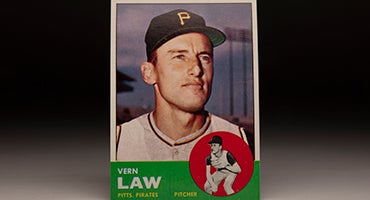
In 153 games that year, Alley hit .252 with 21 doubles, five homers and 47 RBI. He made 26 errors across 785 chances at second base and shortstop – finishing fourth among NL shortstops with a .968 fielding percentage. His 4.4 Wins Above Replacement mark ranked third on the Pirates behind Clemente – who won the NL batting title – and pitcher Vern Law.
Alley’s WAR was largely powered by his defense, as his 3.5 dWAR led all of baseball.
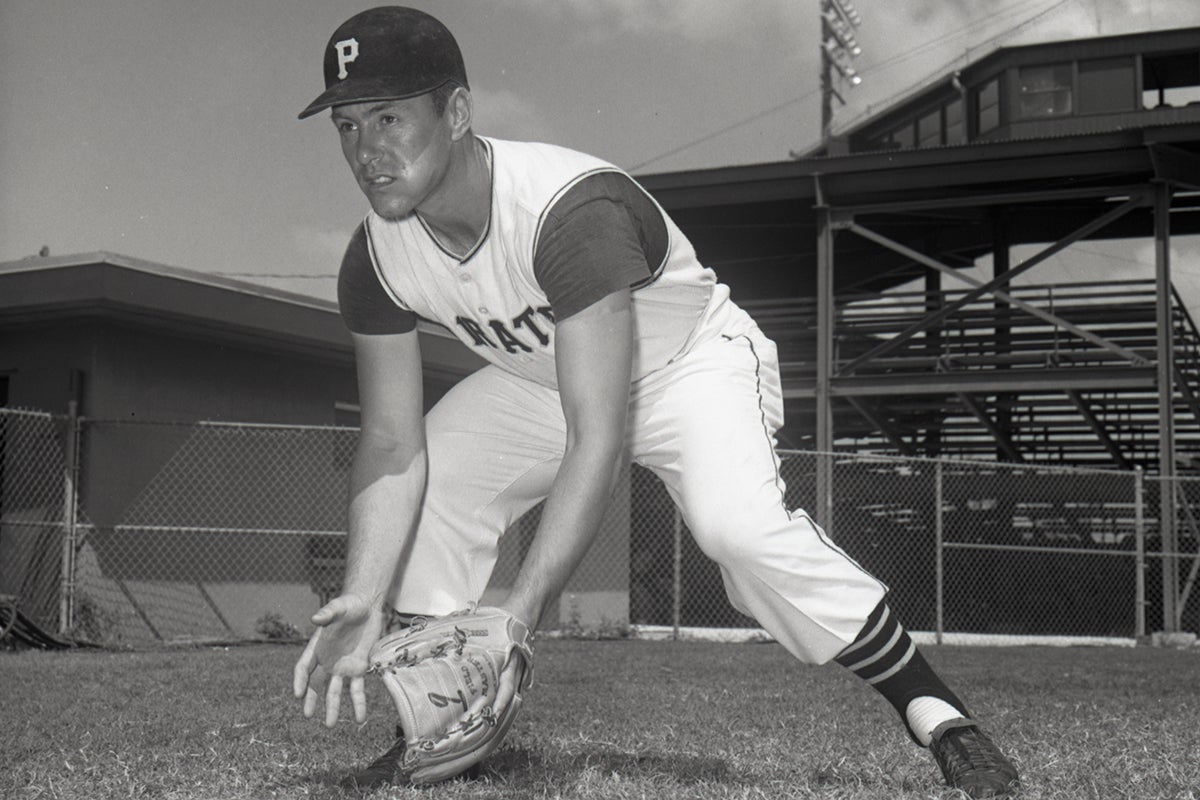
In 1966, Alley made the first of three straight Opening Day starts at shortstop for the Pirates. Pittsburgh got off to a better start this year despite Alley missing two weeks in late April with a left elbow injury. When he returned, Alley and Mazeroski played so well together that Hall of Famer Pie Traynor – a longtime Pirates third baseman – called the duo “better than Tinker to Evers to Chance” when it came to turning the double play.
Pittsburgh entered the final weekend of the season trailing the first-place Dodgers by two games. But while the Dodgers lost to the Phillies on Sept. 30, the Pirates and Giants were rained out at Pittsburgh’s Forbes Field – necessitating a doubleheader the next day. The Giants swept those two games, eliminating the Pirates from the race.
Alley finished the season with a .299 batting average, 88 runs scored, 28 doubles, 10 triples and 43 RBI. He finished second among NL shortstops with a .979 fielding percentage and assists (472) while leading in double plays (128) as the Pirates set a new NL record with 215 twin killings. Alley’s 5.3 WAR ranked second on the team behind only Clemente, who was named the NL’s Most Valuable Player.
Alley finished 11th in the NL MVP vote, ahead of future Hall of Famers like Ron Santo (12th), Orlando Cepeda (13th), Willie Stargell (15th), Joe Torre (16th) and Willie McCovey (17th). He also won his first Gold Glove Award.
“I rate Alley the best (shortstop in baseball),” Walker told The New York Times in the spring of 1967. “He has a great arm, he’s quick, he has marvelous range, he has better than average speed, he hits to all fields, he’s one of the best bunters in the game, he’s an alert baserunner and he has a wonderful attitude.
“I won’t say he’s the best shortstop I ever saw, but if you give him time he’ll be up there with Pee Wee Reese and Phil Rizzuto.”
In 1967, Alley led NL shortstops in assists (500), putouts (257) and double plays (105). He batted .287 and drove in 55 runs but his runs scored total dropped to 59 as hitting declined throughout baseball.
Mazeroski and Alley once again each won Gold Glove Awards, becoming just the second middle infield duo to that point with two-or-more such seasons – joining Luis Aparicio and Nellie Fox of the White Sox from 1959-60.
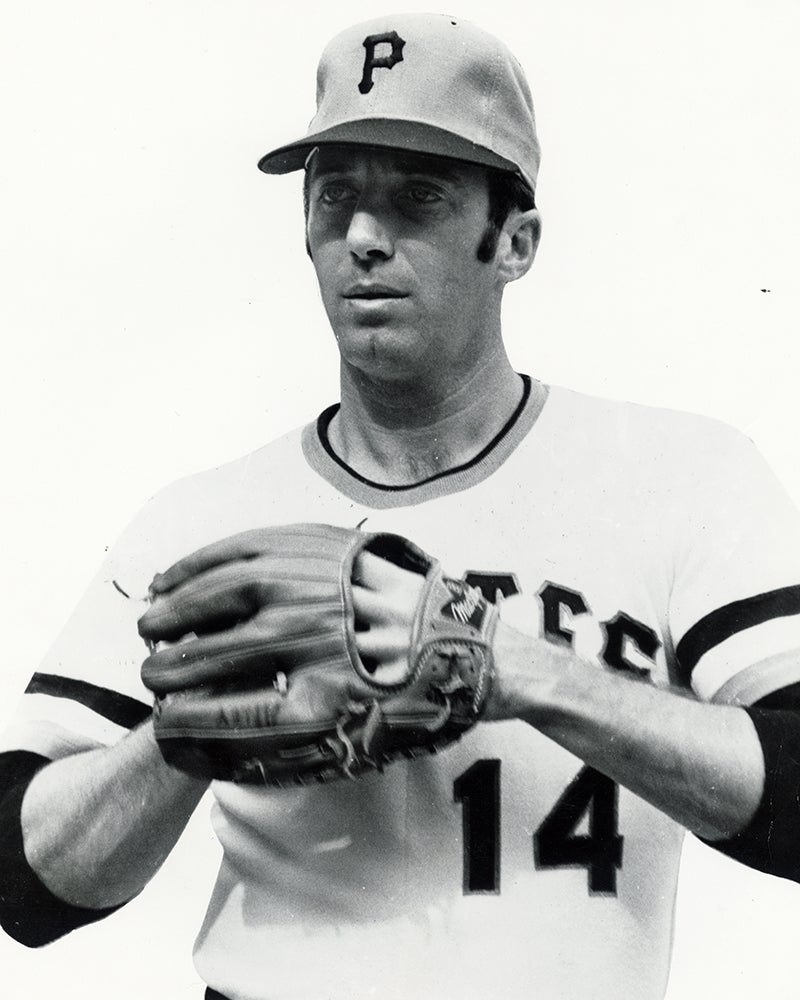
The Pirates, however, fell to 81-81, and Murtaugh returned to replace Walker midway through the season. Meanwhile, Alley received what he called his “greatest thrill” in baseball when he was named the National League starter in the All-Star Game. And though he didn’t get a hit, he played all 15 innings of the National League’s 2-1 victory.
“That’s a real birthday present,” Alley told United Press International about the Midsummer Classic that was played the day after he turned 27 years old.
Now at the peak of his career, Alley credited Pirates first base coach Johnny Pesky with helping him evolve into an All-Star.
“One of the hardest things I had to learn in the big leagues was to gain self-confidence,” Alley told UPI. “Johnny would stay with me in Spring Training, encouraging me and giving me pointers.”
Alley missed time on-and-off in 1968 with an aching shoulder that was injured while making an off-balance throw in August of 1967. He endured a cortisone injection while his batting average dropped to .245 – but he was still named to his second straight All-Star Game (he was unable to play due to his shoulder) thanks to his stellar defense that resulted in a .974 fielding percentage (second in the NL) and a 5.45 range factor/nine innings at shortstop that led the league.
Though the Cardinals’ Dal Maxvill supplanted Alley as the Gold Glove Award winner, Alley’s dWAR of 3.7 far outpaced Maxvill’s 1.2.
But Alley’s shoulder continued to bother him throughout the offseason, leaving his status for 1969 in doubt.
“The medical reports state that Gene’s shoulder is starting to come around,” Pirates general manager Joe L. Brown told the Daily Herald of Monongahela, Pa., in February of 1969. “But we’ll just have to wait until Spring Training to see.”
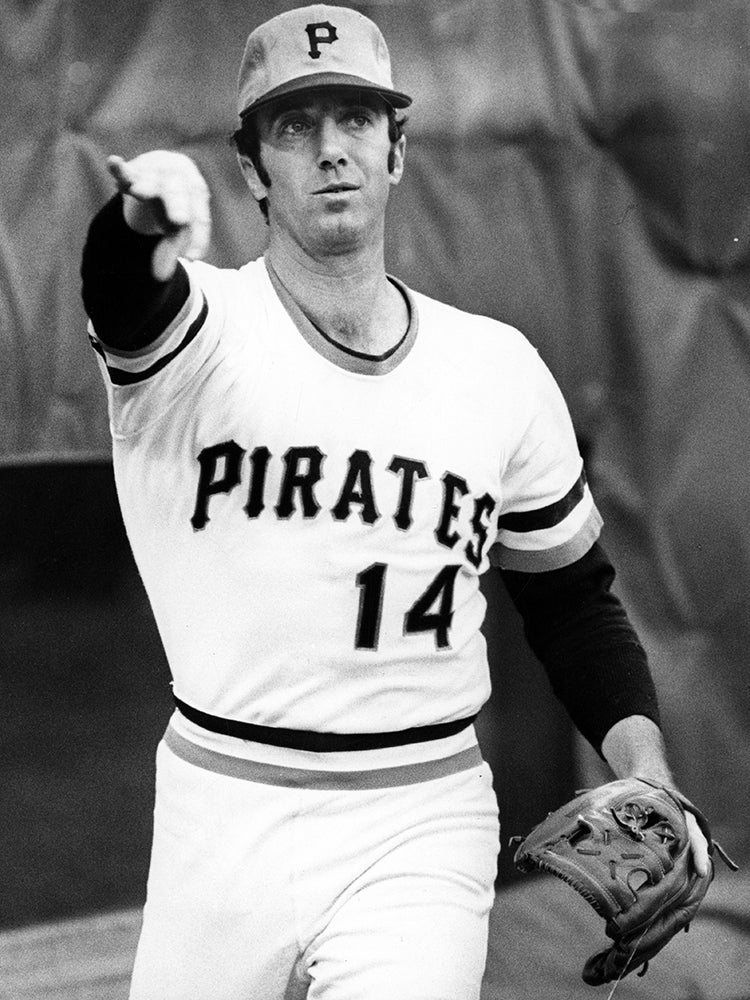
Alley, however, appeared in just one Spring Training game – as a pinch-runner – and was placed on the 21-day disabled list at the start of the season.
“It’s just as well that I stay down here,” Alley told the Pittsburgh Press about his time in extended Spring Training in Florida. “I wouldn’t get as much work if I stayed with the team opening the season.
“The big thing is throwing. I really haven’t been able to cut loose with the ball yet.”
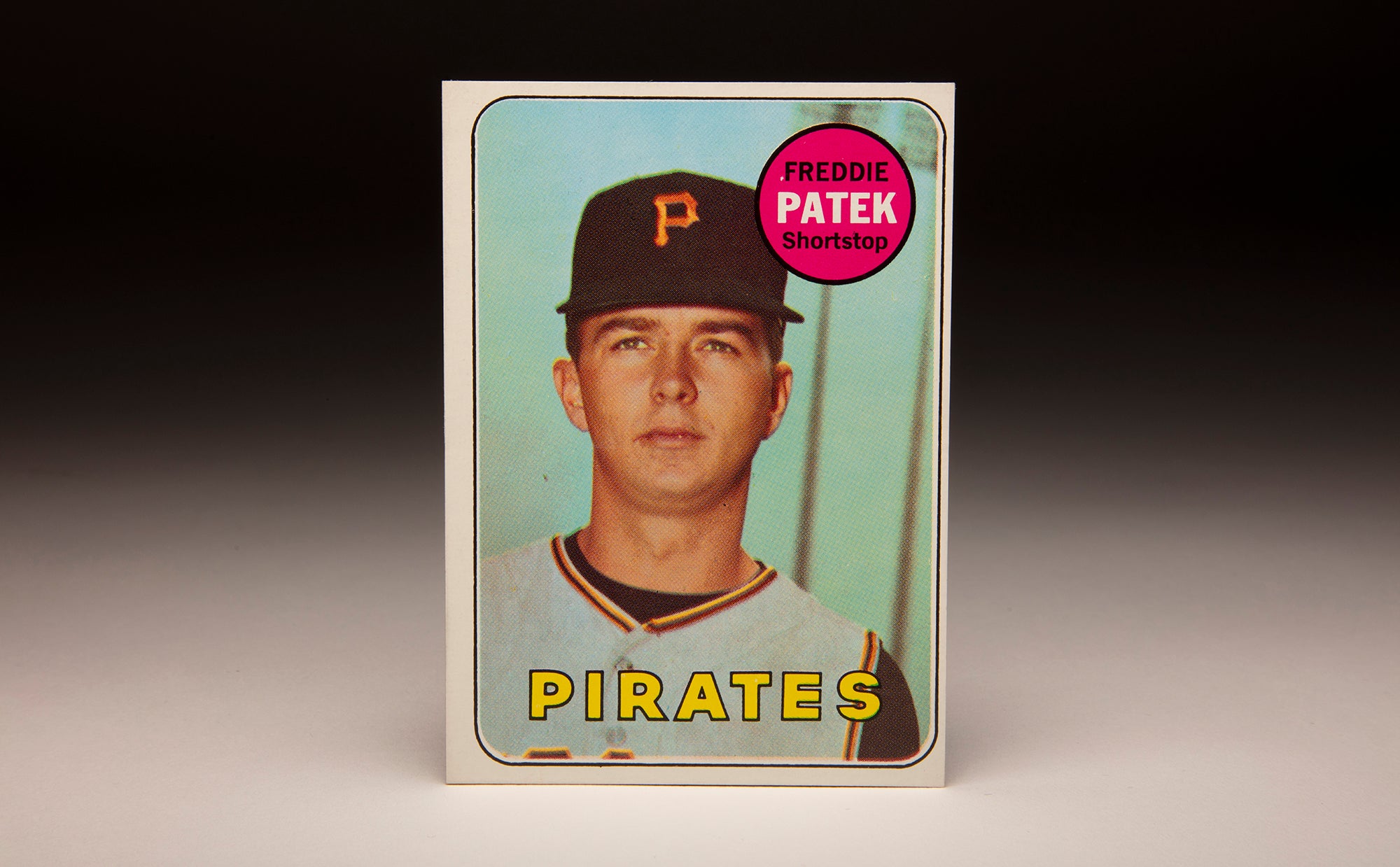
Alley did not make his season debut until May 7, and was serving as a utility infielder as Freddie Patek took over at shortstop and Richie Hebner stepped in at third base. But on June 11, Alley suffered a knee injury on a force play at second base against the Astros. He missed the next three weeks but returned to the starting lineup in July at second base when Mazeroski was sidelined with leg injuries.
Alley started most of the rest of the season at second base, hitting .246 with eight homers and 32 RBI in 82 games. He also compiled a 21-game hitting streak from Aug. 13-Sept. 8.
Then in 1970, Murtaugh returned for a third time as Pirates manager. Alley seemed to regain his throwing arm during Spring Training, and Murtaugh named Alley his Opening Day shortstop and put Patek on the bench.
Mazeroski, meanwhile, recovered enough to start at second base in the opener.
“They’ve both been revelations to me this spring,” Murtaugh told the Pittsburgh Press. “I went to camp with the idea I wouldn’t get an inning out of Alley or Mazeroski. Now…I feel like I’m gonna get a lot of innings out of them and get their former abilities out of them.”
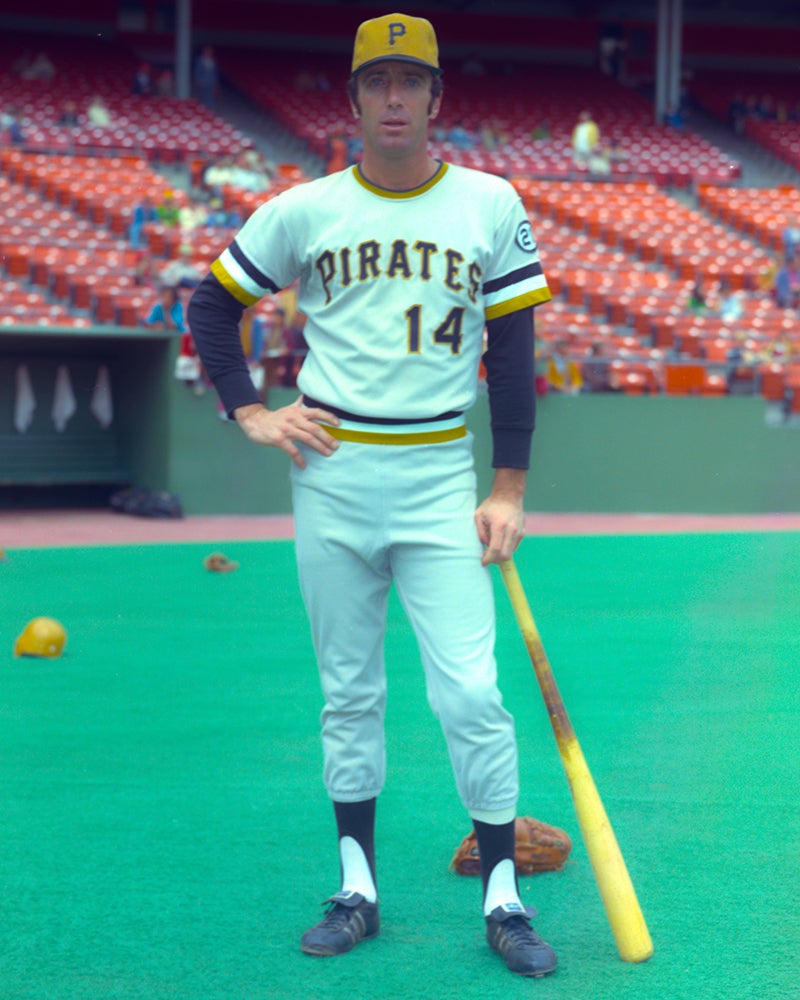
But while Alley and Mazeroski played the most games for the Pirates at shortstop and second base, respectively, that season, Patek and youngster Dave Cash began to see more playing time. By the end of the season, Alley was hitting .244 over 121 games. And while his dWAR of 1.5 ranked among the Top 20 in baseball, his range continued to decline.
The Pirates, however, advanced to the postseason for the first time in Alley’s career by winning the NL East. Alley helped the cause by recording 13 of his 41 RBI that season in the month of September, including an inside-the-park grand slam against the Expos on Sept. 2.
The Pirates clinched the division on Sept. 27 with a 2-1 win over the Mets, and Alley scored the winning run in the fourth inning when he was hit by a pitch, went to second on a ground out, advanced to third on a single and came home on a sacrifice fly by Cash.
Alley started the first two games of the NLCS vs. the Reds at shortstop but went hitless in seven at-bats. He did not play in Game 3 as Patek went 0-for-3 with a walk as the Reds swept the series.
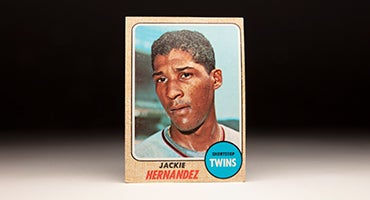
The Pirates, however, were encouraged by Alley’s play in 1970 and traded Patek to the Royals following the season in a six-player swap. One of the players coming back from the Royals, Jackie Hernández, would save the Pirates’ 1971 season when Alley got hurt.
On the first day of Spring Training in 1971, Alley broke his left hand when he was hit by a ball thrown by a pitching machine. He did not play in a Spring Training game until March 28, and then only appeared in the field.
“We don’t want to rush Gene at the plate because his hand’s a little tender yet,” Murtaugh, who arranged with opponents to let Alley play only in the field and have Hernández take his plate appearances, told the Pittsburgh Press. “Even in batting practice, our pitchers have instructions to throw to him as though it were the first day of Spring Training.”
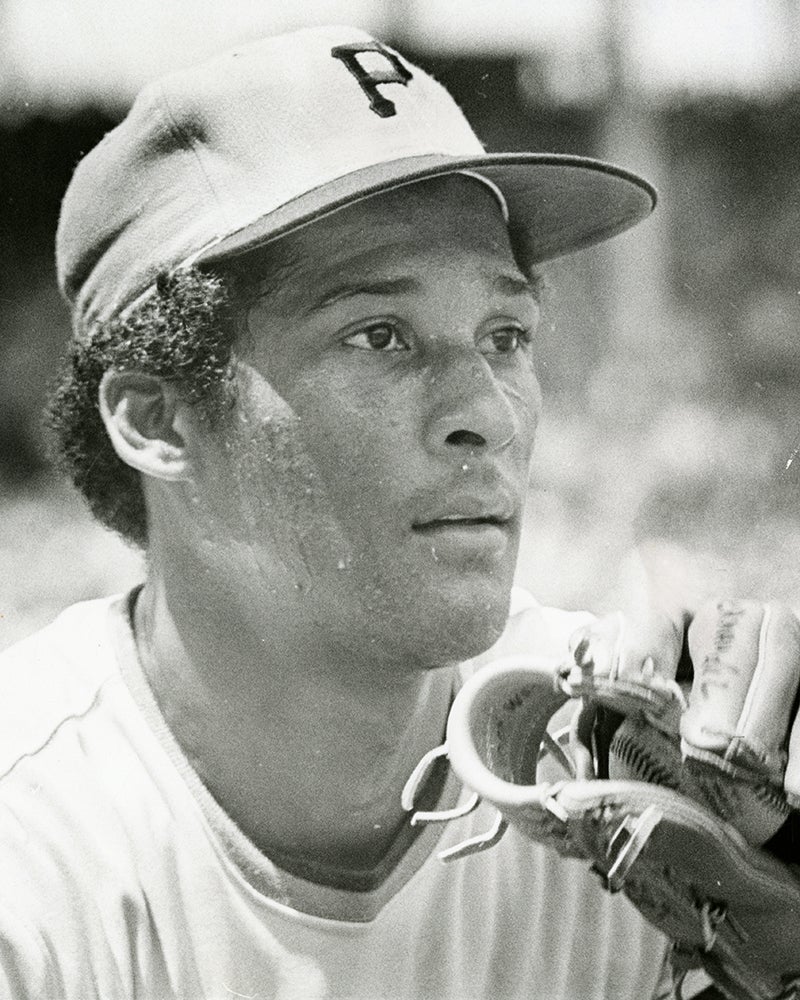
Hernández started at shortstop on Opening Day and hit safely in each of Pittsburgh’s first eight games. Alley, meanwhile, began to see more starting assignments in late April and continued to start at shortstop as much as his body would allow. The knee injury that sidelined him in 1969, however, continued to plague him throughout the season.
Alley finished the year batting .227 in 114 games, with a dWAR of -0.5. The Pirates repeated as NL East champions, and Murtaugh made the decision to go with Hernández as his primary shortstop in the postseason.
Alley appeared in one game in relief of Hernández in the NLCS vs. the Giants, entering Game 1 in the sixth inning after Vic Davalillo pinch-hit for Hernández. Alley singled in the top of the seventh and scored on an Al Oliver single, but the Giants won the game 5-4.
Pittsburgh, however, swept the next three games to advance to the World Series.
Alley played in two games in the Fall Classic vs. the Orioles, starting Game 3 and going 0-for-2 with a walk before Hernández replaced him in Pittsburgh’s 5-1 win. Alley also appeared in Game 4 as a pinch-runner for Milt May, who singled home what proved to be the game-winning run in the seventh inning. Alley remained in the game at shortstop as the Pirates knotted the series at two games apiece with a 4-3 win.
Alley, however, did not appear in any of the final three games as Hernández played errorless ball and recorded the final assist in Game 7 on a series-ending groundout by Merv Rettenmund.
Nonetheless, Alley was undoubtedly a key cog in the Pirates’ championship. And he wanted to continue to play for a team that seemed poised to contend for years to come.
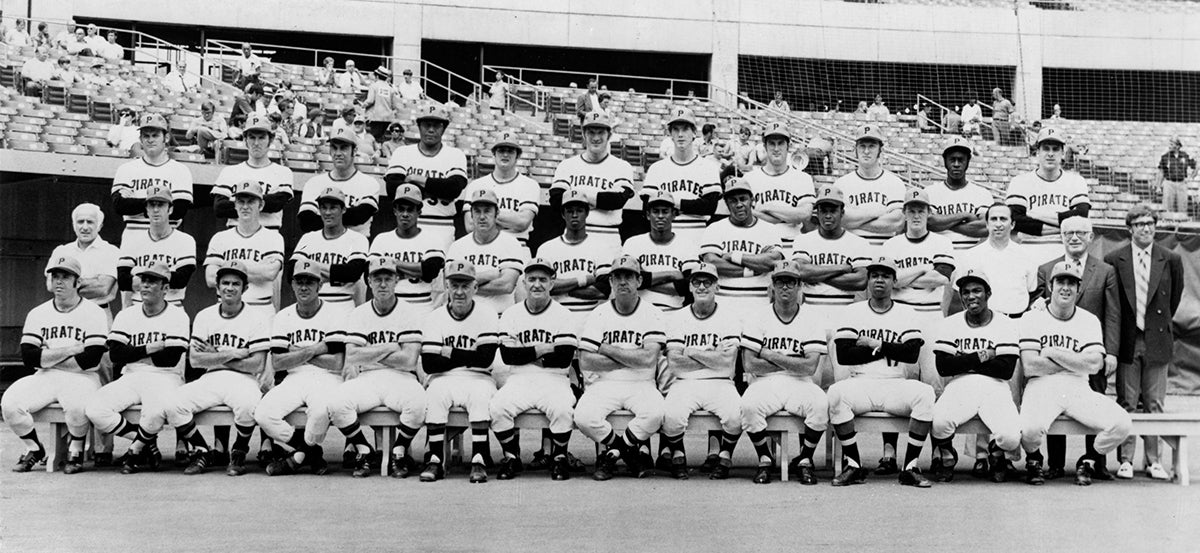
To facilitate that goal, Alley had surgery to remove cartilage from his left knee on Nov. 8, 1971.
“I haven’t been a good ballplayer for four or five years,” Alley told the Tampa Tribune in the spring of 1972. “I’d like to know what it feels like once more.
“It’s tough to quit when you’re on a team like this.”
Murtaugh retired after the 1971 season, and new manager Bill Virdon went with Hernández as his Opening Day shortstop in 1972. But once again, Alley played more and more as the season progressed, finishing the year with a .248 batting average, three homers and 36 RBI in 119 games while posting a dWAR of 0.9.
The Pirates won the NL East for the third straight year, and Alley played every inning of each of the five NLCS games vs. the Reds. But he was 0-for-16 at the plate, reaching base just once when he was hit by a pitch.
Alley underwent another left knee operation following the 1972 campaign and began Spring Training in 1973 with the hopes of putting his injury woes behind him.
“The knee feels so much better this year,” Alley told the Pittsburgh Post-Gazette. “It’s like having a new leg.”
But after getting the Opening Day nod at shortstop – his first since 1970 and his sixth overall (fifth at shortstop) – Alley began to feel the effects of time once again.
“You don’t know how it is to be able to do something and then not be able to do it anymore,” Alley told the Pittsburgh Press in April of 1973. “It hurts when you should have been enjoying a bunch of productive years and it’s all cut short.
“I don’t think I’ll ever get back to where I was.”
Alley finished the season batting .203 with two homers and eight RBI in 76 games. The Pirates acquired Maxvill, who beat Alley out for the Gold Glove Award in 1968, from the Athletics on July 7 – and Maxvill served as the starting shortstop for most of the rest of the season.
The Pirates, who never got untracked after Clemente was killed in a plane crash following the 1972 season, finished 80-82 and in third place in the NL East.
In November, Alley asked the team to place him on the voluntarily retired list.
“They offered me a good contract (for 1974),” Alley told the Richmond Times-Dispatch. “(Manager Danny) Murtaugh (who returned to the bench following the 1973 season) wanted to use me as a utility infielder, but I didn’t think I’d been helping them, and it was time to get out.”
Alley turned his interests to an engraving firm he owned in the Richmond area and stayed with that company for decades. He finished his 11-year big league career with 999 hits, good for a .254 batting average with 442 runs scored and 342 RBI.
His career WAR of 24.2 ranks in the Top 100 all-time among those who played at least 50 percent of their games at shortstop, and his dWAR of 14.7 ranks in the Top 75 of that same list.
Injuries aside, Alley left his mark on a game that rewarded him for his fundamental play.
“Alley is a throwback to the old-time shortstops,” Pie Traynor told The New York Times in 1967. “He can do everything and he can hit the long ball. He’s one of the finest shortstops I ever saw.”
Craig Muder is the director of communications for the National Baseball Hall of Fame and Museum