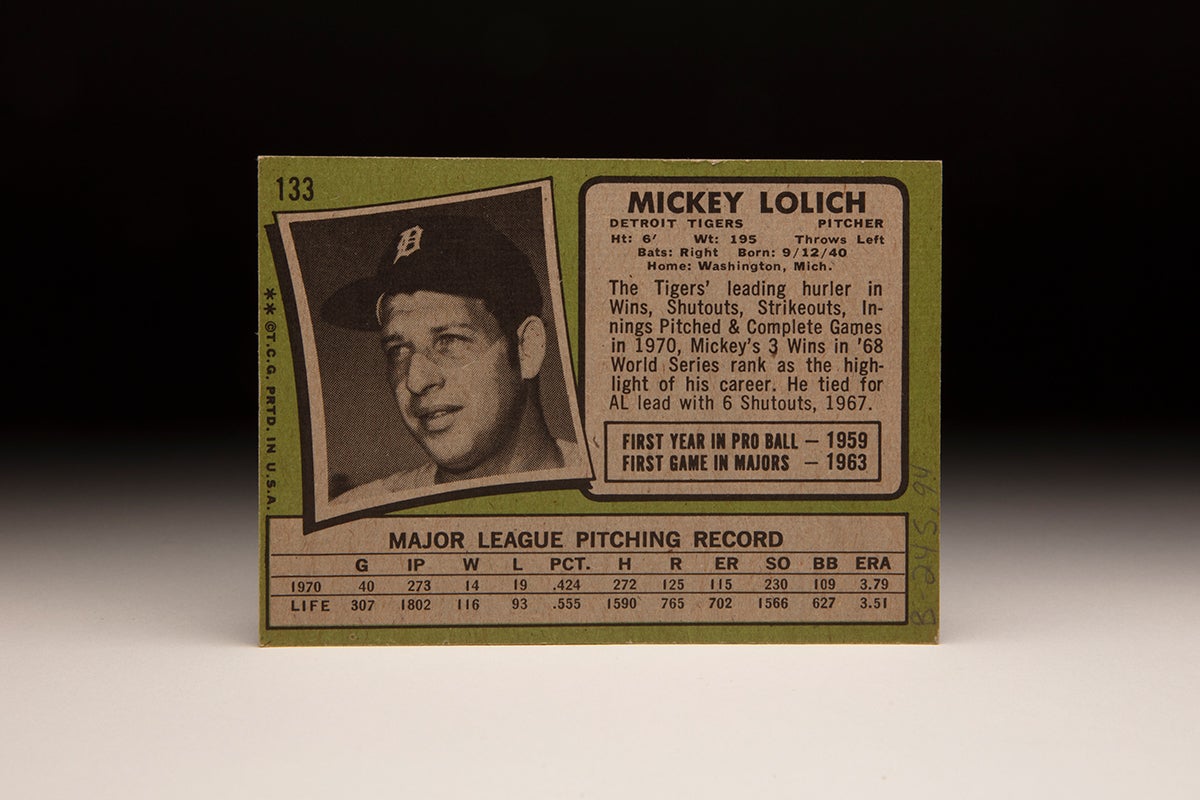
#CardCorner: 1971 Topps Mickey Lolich
Since the Live Ball Era began in 1920, two pitchers have worked more than 375 innings in one season.
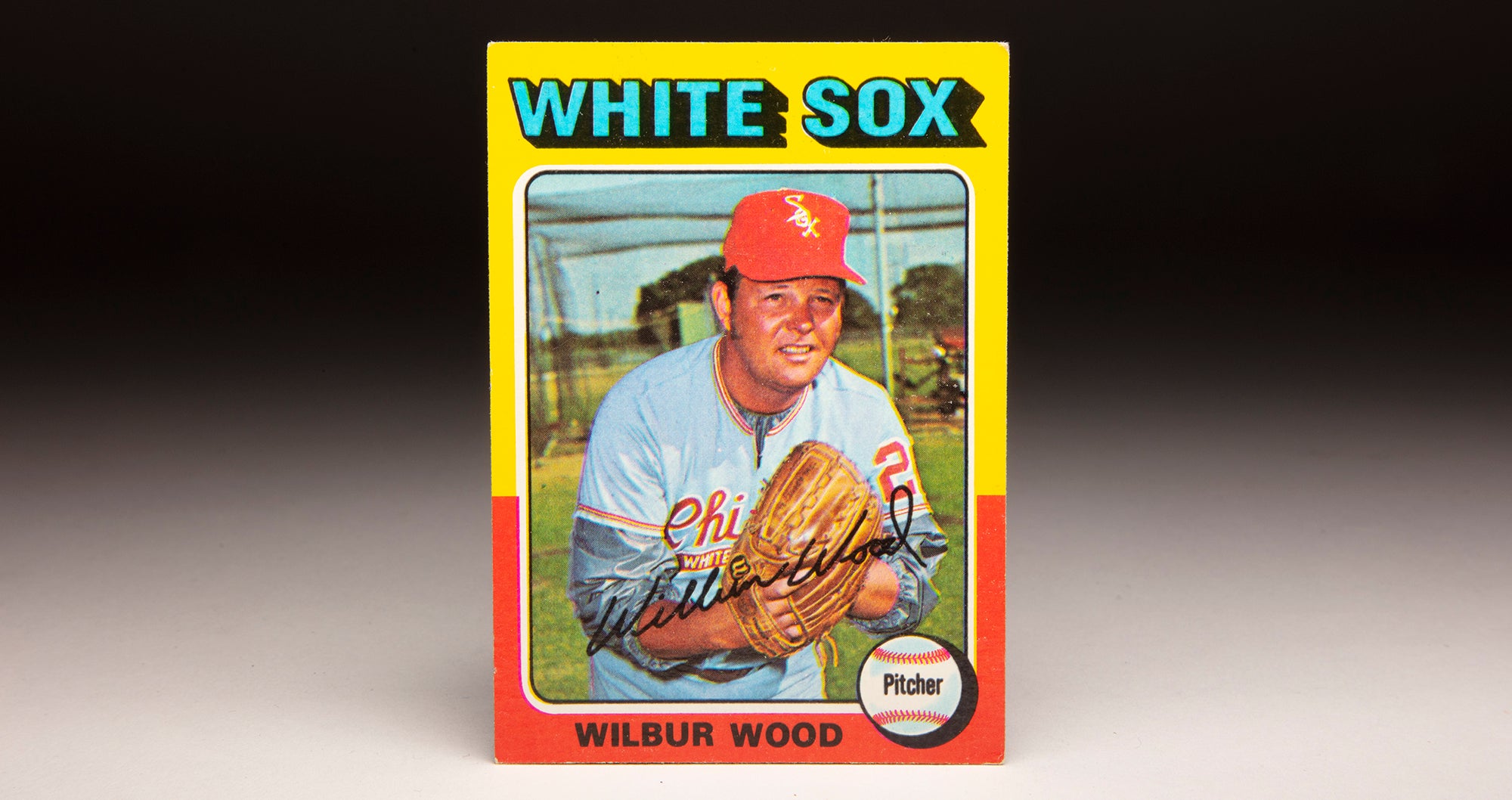
One was knuckleballer Wilbur Wood, who set the high-water mark with 376.2 innings in 1972. That was two-thirds of an inning more than Mickey Lolich – a seemingly out-of-shape lefty who relied mostly on his fastball – pitched a year earlier.
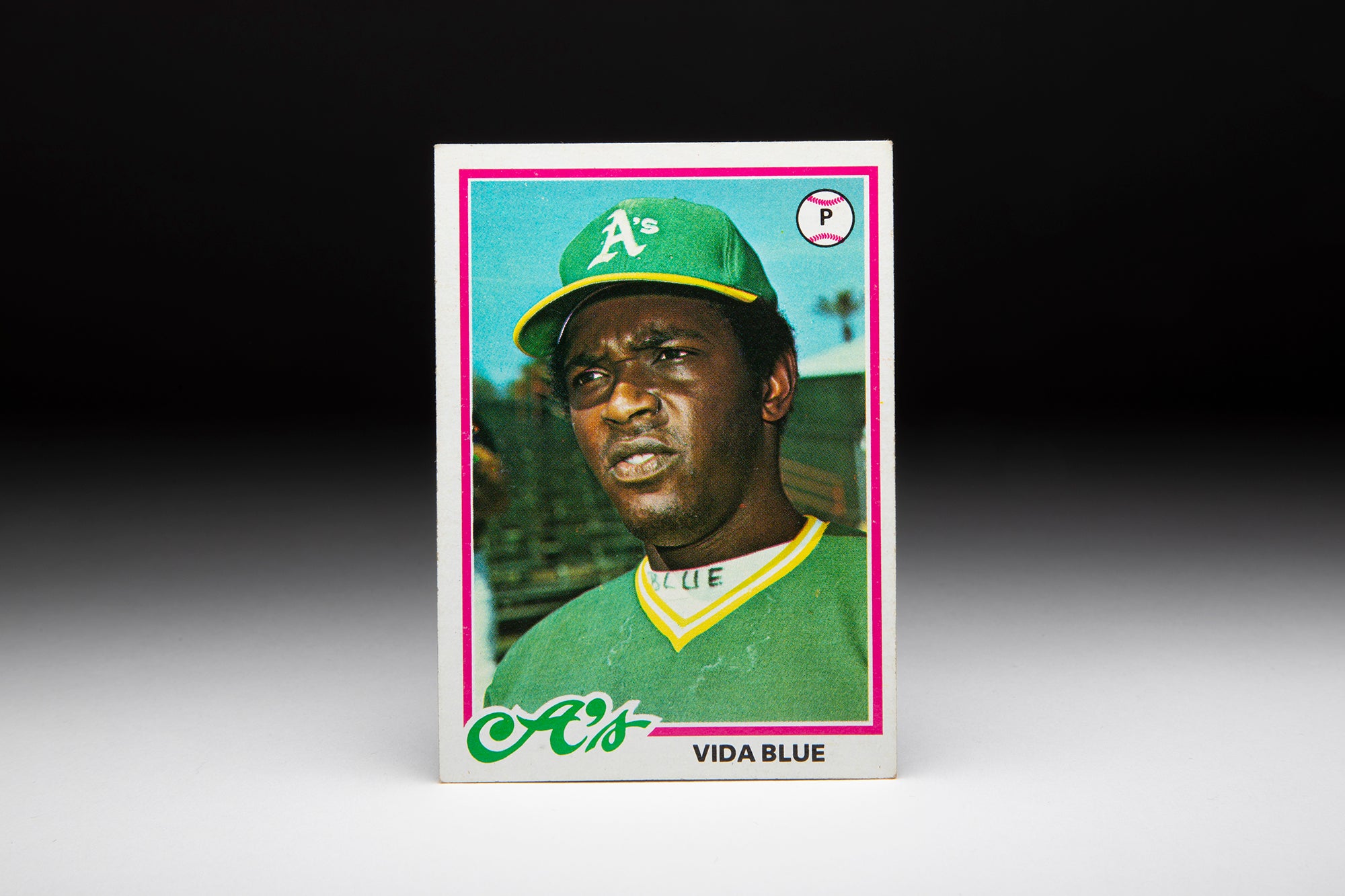
Only a legendary season by Vida Blue denied Lolich a Cy Young Award in 1971. But Lolich’s legacy is one that will remain stellar for all-time in Detroit Tigers lore.
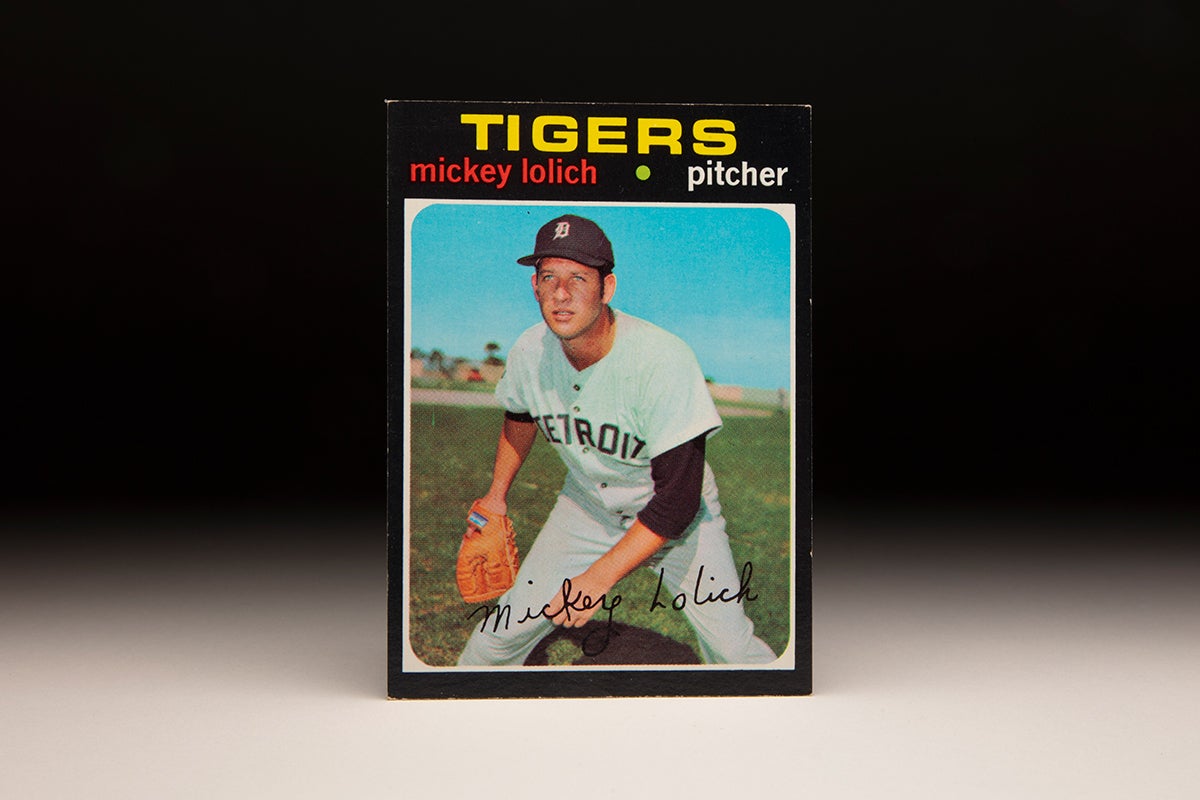
Born Michael Stephen Lolich on Sept. 12, 1940, in Portland, Ore., one of the game’s most famous lefties was a natural right-hander as a youngster until a tricycle accident changed his destiny.
“As I approached this big, 470-pound motorcycle parked at the curb, I got so interested looking at it (that) I lost control and ran into it,” Lolich told the Enterprise-Courier of Charleston, Mo., in 1968. “The thing toppled over on me, pinning me to the ground. I lay there quite a spell before someone came along. When they lifted it off and carried me away, they discovered I had a broken left collarbone.
“Until then, I’d always thrown a ball right-handed, as I did everything else. But when I got my left arm out of the sling, they made me exercise it every day. One of the exercises was a motion similar to throwing a ball. So all of a sudden, I was a lefty. My arm eventually got so strong I could throw a lot harder with it than my right.”
Lolich won the Most Valuable Player Award at the 1955 Babe Ruth World Series in Texas and then starred on the mound for Portland’s Columbia Prep and Lincoln high schools, tying for the Portland Interscholastic League lead in strikeouts as a sophomore and junior before finishing second as a senior with 71 Ks in 42 innings. He compiled a 61-10 record as an amateur – including his time in high school, with Babe Ruth teams and in American Legion play.
After his high school graduation in 1958, he signed with the Tigers, who allowed him to remain at home and pitch for a Connie Mack team before reporting to pro ball in the spring of 1959.
Reporting to Class A Knoxville of the South Atlantic League after impressing Tigers’ management in Spring Training, Lolich played for fellow Portland native Johnny Pesky, who was managing the Smokies. Lolich was 3-6 with a 2.55 ERA in 67 innings for Knoxville before he was sent down to Class B Durham due to a roster squeeze. He finished the year 4-8 with a 3.12 ERA, walking 98 batters in 104 innings.
Lolich split the 1960 season between Knoxville and Durham once again, going 5-11 with a 4.50 ERA and 107 walks in 128 innings. He repeated the pattern in 1961, posting an 8-10 record between the two teams with 149 walks in 174.2 innings. But he also struck out 195 batters.
After getting roughed up in nine appearances with Triple-A Denver to start the 1962 season, Lolich was told to report back to Class A Knoxville. But Lolich – who did not get along with Smokies manager Frank Carswell – balked at the move and told the Tigers he was going home to Portland.
The Tigers put Lolich on the ineligible list, and a compromise was found when the Tigers arranged for Lolich to pitch for Triple-A Portland, which was an Athletics’ affiliate in the Pacific Coast League. Lolich learned to harness his pitches with the Beavers, going 10-9 with a 3.95 ERA while walking just 57 batters over 130 innings.
Lolich was late reporting to Tigers camp in 1963 as he took the civil service exam with the intention of being a letter carrier if his pitching career flamed out. But he impressed Tigers management in the spring before being sent to Triple-A Syracuse, where he struck out 21 batters over 22 innings before being summoned to Detroit on May 8 along with third baseman Don Wert.
Five years later, Lolich and Wert would prove crucial in the Tigers’ championship run.
“The boy has a great arm,” Tigers manager Charlie Dressen told the Knoxville News-Sentinel in the spring of 1964. “He throws hard and he now has control. He can still throw but now he can pitch.”
Lolich made his big league debut with two innings of shutout ball in relief against Cleveland on May 12. He made his first start nine days later against the Orioles, striking out seven and allowing three runs over six innings in a 4-2 loss.
A week later, Lolich allowed eight hits and one unearned run in a complete game against the Angels to notch his first victory. On July 29, he made headlines around the country when he locked horns with Robin Roberts of the Orioles in a duel that saw Lolich take a one-hitter into the ninth inning. But while nursing a 1-0 lead, Lolich allowed a one-out single to Al Smith before retiring Luis Aparicio.
Dressen then visited the mound to advise Lolich on how to pitch pinch-hitter Dick Brown. But Brown hit a high curve over the wall to give Baltimore and Roberts a 2-1 win.
“I’ve been around long enough to know that good luck and bad luck evens out,” Roberts told the Baltimore Evening Sun. “Lolich pitched well, but that’s the way it goes. He found that out the hard way.”
Lolich finished the season with a 5-9 record and 3.55 ERA while striking out 103 batters in 144.1 innings. It would be the last time he would fail to reach the 200-inning mark until he was 36 years old.
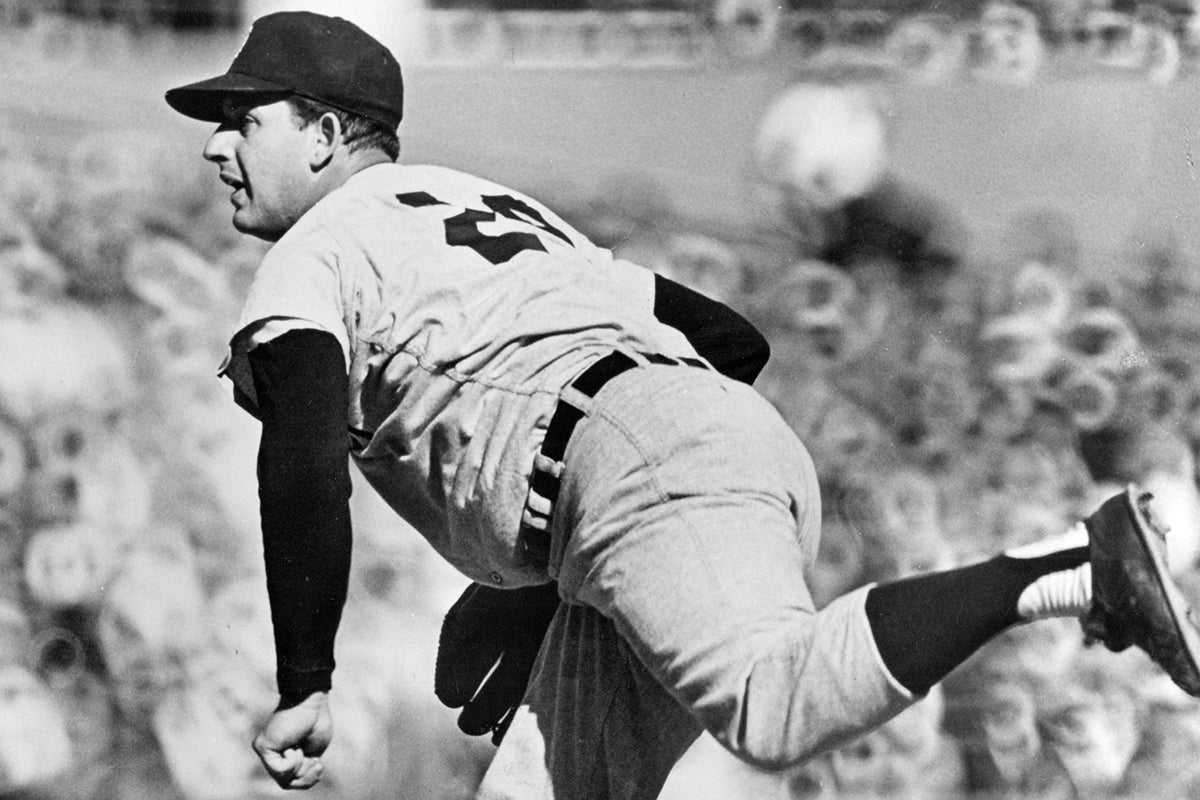
Lolich started the 1964 season as a spot starter/reliever before moving into the rotation for good at the end of July. He defeated the White Sox with a complete game effort on July 28, improving to 10-7. From that point, Lolich went 8-2 with a 2.50 ERA over 93.2 innings to finish 18-9. He pitched six shutouts and strung together 30 straight scoreless innings.
Tigers interim manager Bob Swift – who was serving while Dressen recuperated from a heart attack – named Lolich as the Tigers’ Opening Day starter in 1965.
“I guess I proved that I am basically a good pitcher,” Lolich told the Associated Press in the spring of 1965. “But if I win less than 18 games this year, there will be talk that I had a fluke year in 1964.
“I have complete confidence in my curveball. I know I can hit the corners and don’t have to throw a fastball in a 3-and-2 situation to get the batter out.”
Lolich went 15-9 with a 3.44 ERA and 226 strikeouts (second in the AL, albeit 99 back of leader Sam McDowell) in 243.2 innings in 1965. He made his second Opening Day start in 1966 but struggled during a year when both Dressen and Swift passed away, going 14-14 with a 4.77 ERA.
In 1967, new Tigers manager Mayo Smith tabbed Denny McLain to start on Opening Day, and Lolich followed in Game 2. He led the AL in shutouts that year with six despite missing time with the Michigan National Guard while helping quell riots in Detroit.
Lolich lost 10 straight decisions in May, June and July before winning nine of his last 11 starts. He credited pitching coach Johnny Sain with the turnaround.
“Sain straightened me out,” Lolich told the Associated Press in 1969 right after the Tigers dismissed Sain. “I would say John Sain has had quite an influence on my career.”
Lolich also had to work through missing time due to his National Guard duties.
“During the riot, I was on duty for five days and on standby for another week,” Lolich told United Press International. “I was feeling like I was back on track and then the riots came, just when I was getting squared away.”
Lolich’s hot stretch at season’s end coincided with one of the greatest pennant races in league history. The Tigers, Twins, Red Sox and White Sox battled down to the final week, with the Twins leading the Red Sox and Tigers by one game entering the season’s final two days.
The Tigers, however, were forced to play back-to-back doubleheaders (due to rainouts) against the Angels, while Boston hosted the Twins at Fenway Park in single-game dates.
On Saturday, Sept. 30, Lolich shut out California on three hits in Game 1, striking out 11 batters in a 5-0 win. But the Angels won the second game, and when the Red Sox beat the Twins, it left Boston and Minnesota tied atop the standings at 91-70, with the Tigers a half-game behind at 90-70.
The next day, the Red Sox eliminated the Twins with a 5-3 win but did not clinch the outright title when Detroit beat California in the first game of their doubleheader. But in the nightcap, the Angels bludgeoned the Tigers’ pitchers in an 8-5 victory that gave the Red Sox the pennant.
Lolich – working on zero days’ rest – retired the final five Angels batters of the game for Detroit, allowing no hits and striking out three over 1.2 innings.
A year later, autumn would be much more pleasant for the Tigers and Lolich.
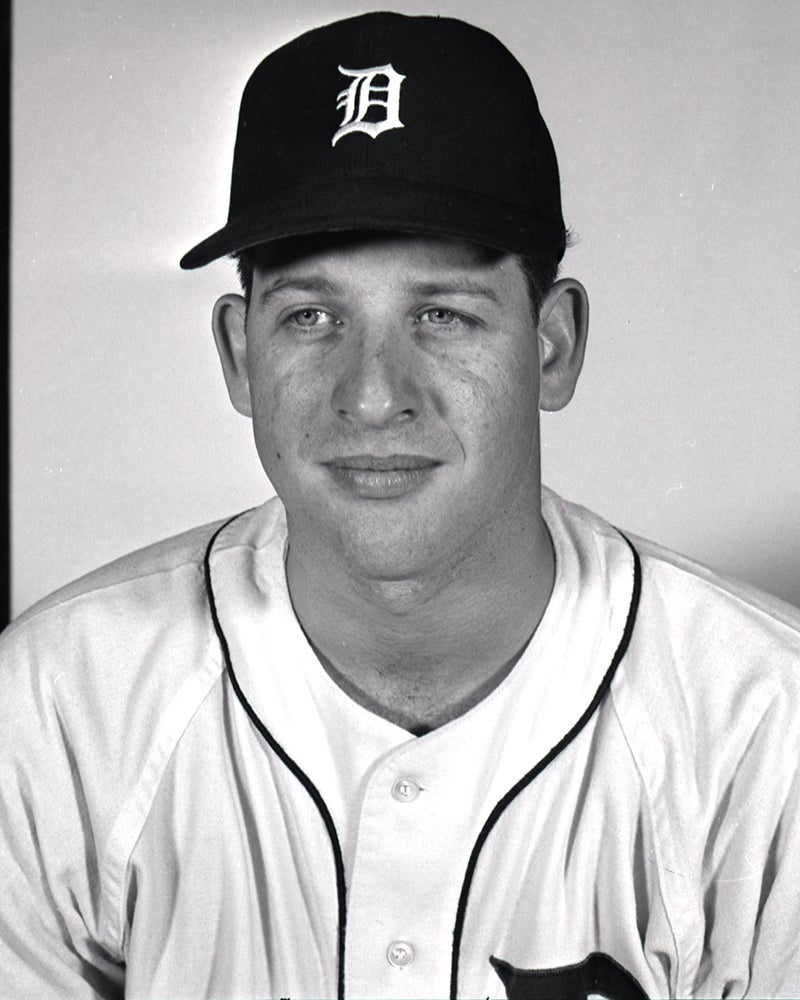
In the season that would become known as the Year of the Pitcher, Lolich was not at his best for the first few months. After striking out 14 Angels batters in a complete game win on July 1, he failed to complete any of his next six starts and was 7-7 with a 3.61 ERA when he was moved to the bullpen.
“I don’t like it,” Lolich told the Detroit News about being removed from the rotation. “But I’ll do it.”
Trade rumors swirled around Lolich as teammate Denny McLain became a national phenomenon with his winning ways. But after picking up four wins in a relief role, Lolich returned to the rotation and went 6-2 in his last nine starts to finish 17-9 with 197 strikeouts and a 3.19 ERA over 220 innings.
McLain, meanwhile, went 31-6 to become the majors’ first 30-game winner since 1934 while leading Detroit to the AL pennant. Smith named McLain to start Game 1 of the World Series against the Cardinals and Bob Gibson, with Lolich slated to start Game 2.
Gibson outdueled McLain in the opener, striking out a record 17 batters while McLain allowed three runs over five innings in a 4-0 St. Louis win. But Lolich evened the series the next day, allowing only one run over nine innings in an 8-1 victory. A notoriously poor hitter who finished his career with a .110 batting average, Lolich had two hits in Game 2 – including a solo home run in the third inning off Nelson Briles.
The Cardinals, however, won Game 3 and then moved one win away from the title in Game 4 when Gibson again outpitched McLain, fanning 10 batters in a 10-1 win. Lolich then took the mound in Game 5 with the season on the line.
St. Louis scored three in the first, with two runs coming on a home run by Orlando Cepeda. But Lolich settled down at that point, and Detroit scored twice in the fourth but still trailed 3-2 entering the bottom of the seventh. With one out and no one on, Smith let Lolich bat instead of sending up a pinch-hitter – and Lolich delivered a pop fly single to right. Lolich later scored the tying run on an Al Kaline single that plated two runs to give Detroit the lead.
Lolich took over from there, going the distance in a 5-3 victory. Game 6 was still to be played, but Lolich was already looking to Game 7.
“There’s no reason I can’t go a few innings with two days of rest,” Lolich told the Detroit News. “No reason at all.”
In Game 6, Smith brought McLain – who had pitched just 2.2 innings in Game 4 – on two days’ rest, and McLain pitched a complete game as Detroit won 10-1. Smith then tabbed Lolich to start Game 7 against Gibson, who to that point in his career had started eight World Series games and completed seven of them while going 7-1.
With no score entering the bottom of the sixth, Lou Brock singled to start the frame but was picked off first base by Lolich. After Julián Javier lined out, Curt Flood singled. But with Cepeda at the plate, Lolich picked off Flood – keeping the Cardinals off the scoreboard.
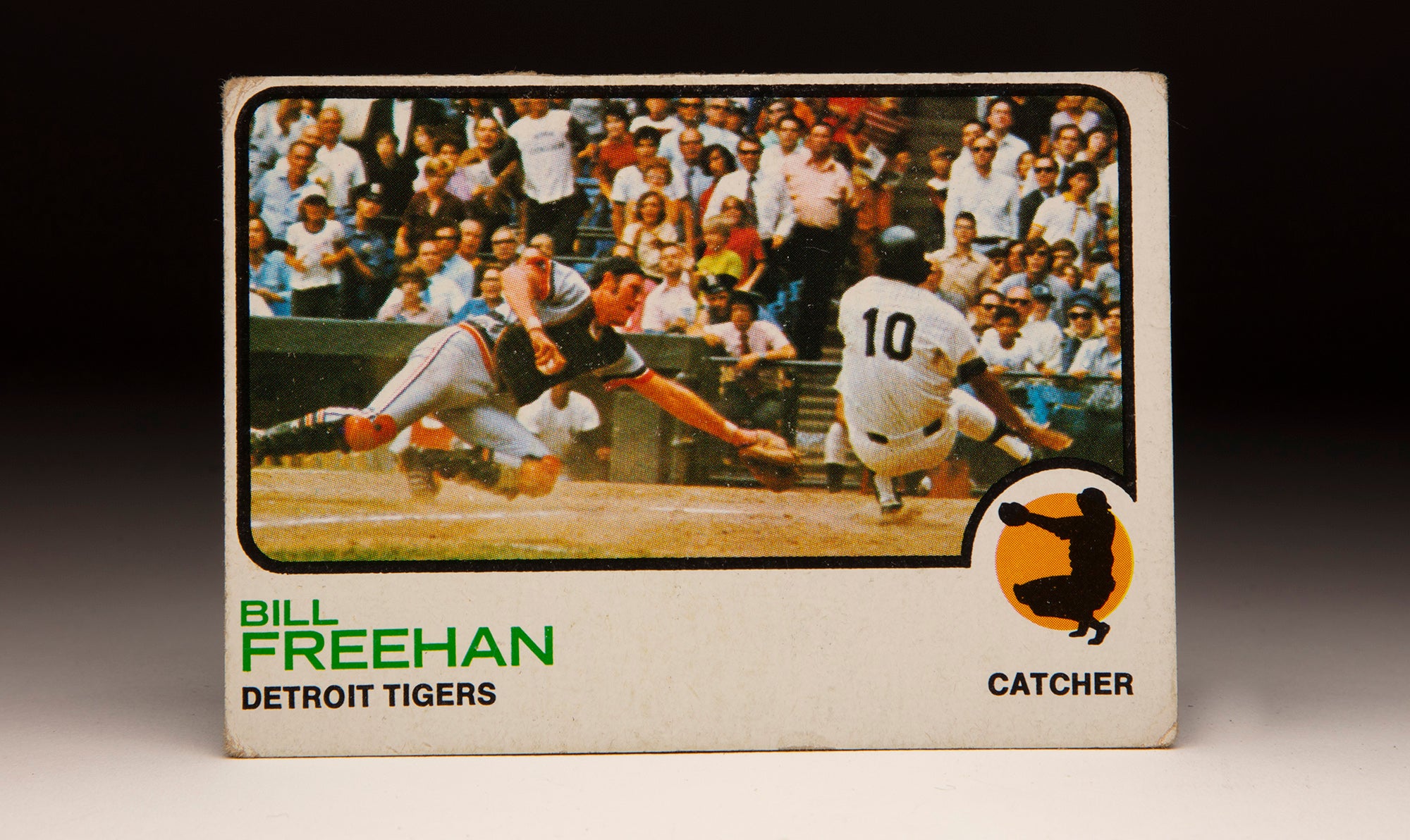
Then in the top of the seventh, Jim Northrup came up with two on and two out and hit a ball to center field that Flood misplayed into a triple. Bill Freehan followed with a double to score Northrup, giving Detroit a 3-0 lead.
The Tigers tacked on another run off Gibson in the ninth. Lolich was one out from a shutout when Mike Shannon homered to make the score 4-1 – but Tim McCarver popped out to Freehan to end the game and give Lolich his third victory of the Fall Classic.
He became the 12th pitcher in AL/NL history with three wins in a single World Series and was named the Most Valuable Player.
“What a game (Lolich) pitched,” Smith told the Rochester (N.Y.) Democrat and Chronicle. “Honestly, though, I wasn’t sure of him when he warmed up. He didn’t look sharp to me.
“That’s the great thing about Mickey. He can stick in there for you even when he’s so tired, so tired.”
Lolich earned his first All-Star Game selection in 1969, going 19-11 with a 3.14 ERA while striking out 271 batters over 280.2 innings – including 16 strikeouts apiece in consecutive home starts in late May and early June. He was 13-2 at the All-Star break but cooled off in the second half amidst a public spat with McLain when a misunderstanding left Lolich and his wife stranded at the All-Star Game when McLain flew home in his private plane.
In 1970 – with McLain serving a suspension – Lolich started on Opening Day but endured a five-game midseason losing streak and finished 14-19 (the most losses in MLB) with a 3.80 ERA.
“I’ve never received so much ridicule from Detroit fans in all my life, but this year I’ve been getting it just because I have a losing record,” Lolich told the AP. “People like a winner, that’s all there is to it.”
In 1971, Lolich returned to his winning ways. He worked on perfecting his slider in Spring Training before he made his fourth Opening Day start, striking out eight batters in a complete game win over Cleveland. Tigers manager Billy Martin then kept Lolich on a consistent schedule with three days off between outings as Lolich piled up innings, wins and strikeouts. By the All-Star break, Lolich was 14-6 but was passed over for the Midsummer Classic starting assignment in favor of the Athletics’ Vida Blue, who was 17-3 with a 1.42 ERA.
Lolich, however, got the save for the AL in the All-Star Game (which was played at Tiger Stadium) and kept winning in the second half. He was 25-11 through Sept. 18 before losing his final three starts – all complete games in a month where he completed seven of his eight outings.
Over his 376 innings that season, Lolich struck out 308 batters. Blue and Lolich each recorded their 300th strikeout that year on Sept. 26, becoming just the fourth and fifth left-handers in the Modern Era (post 1900) with a 300-strikeout season.
Blue won the AL Cy Young Award and Most Valuable Player Award that season. Lolich finished second in the Cy Young vote (getting nine first-place votes compared to 14 for Blue) and fifth in the MVP balloting.
“Don’t ask me about the Cy Young Award,” Lolich told a dinner group at an event in Kalamazoo, Mich., as reported by the Kalamazoo Gazette. “I had the greatest year of my career and that should mean something. The Cy Young Award is a popularity contest and I don’t think it should be. I feel very sad. It meant very much to me and the more I talk about it the more bitter I become.”
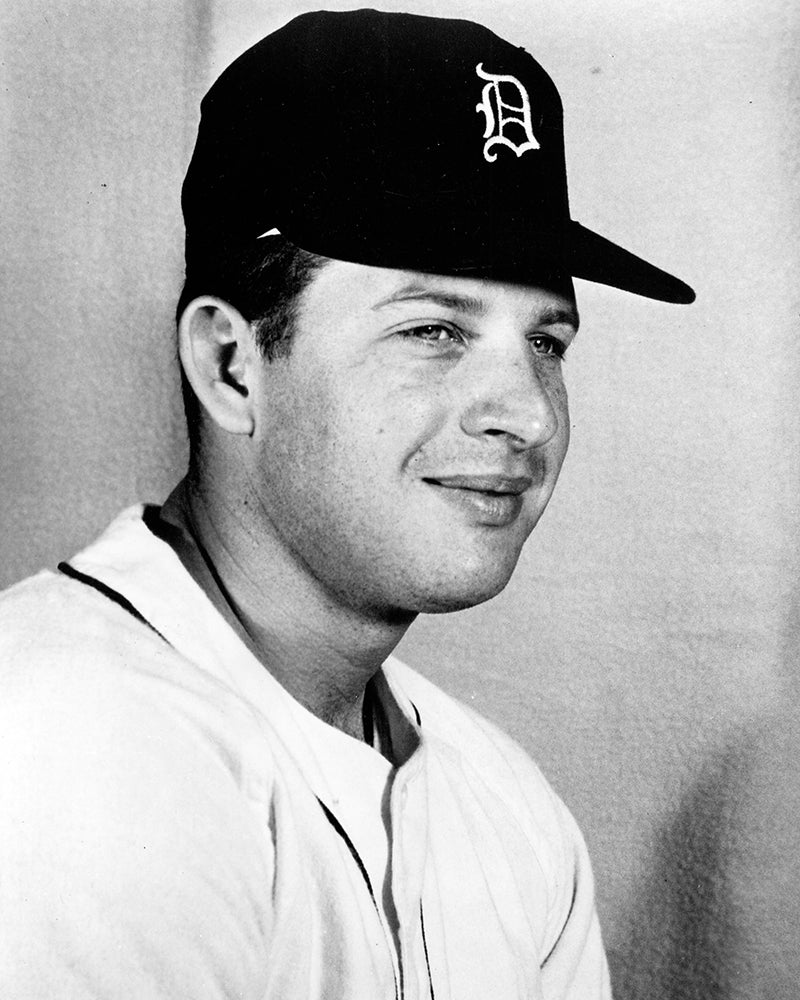
Lolich held out for a multiyear contract in 1972 but eventually agreed to a one-year deal worth a reported $85,000. Only Al Kaline had ever earned more in a Tigers uniform.
“I don’t care if he holds out all year,” Tigers general manager Jim Campbell told the Windsor Star during the impasse. “He’s not going to get a multiyear contract. There’s never been one on this club and I’m not going to start with Mickey Lolich.”
The dispute, however, did not affect Lolich on the field. He went 22-14 with a 2.50 ERA in 1972, striking out 250 batters over 327.1 innings. On Oct. 2, he made his final regular season start of the season, allowing just six hits and one run while striking out 15 Boston batters in a 4-1 Detroit win that vaulted the Tigers past the Red Sox and into first place in the AL East. The next day, the Tigers beat Boston again to clinch the division.
In the ALCS vs. the Athletics, Lolich was once again masterful. He allowed just one run through 10 innings in Game 1, and Detroit took a 2-1 lead in the top of the 11th on a Kaline home run. But in the bottom of the 11th, Lolich returned to the mound and allowed singles to Sal Bando and Mike Epstein to start the inning. Chuck Seelbach relieved Lolich and recorded the first out when Gene Tenace bunted into a force out at third base. But Gonzalo Márquez followed with a single that scored two runs when Kaline was charged with an error trying to throw out Tenace at third base. The ball skipped away from third baseman Aurelio Rodríguez and Tenace scored, giving Oakland a 3-2 win.
“It was just one of those things that happen in baseball,” Kaline told UPI. “We’ve come back before and I think we can come back again.”
The A’s won Game 2 before Detroit captured Game 3. Lolich then returned to the mound in Game 4 and allowed only one run over nine innings, departing the game with the contest tied at 1. Oakland scored two runs off Seelbach in the top of the 10th but Detroit rallied with three in the bottom of the inning to win 4-3 and force Game 5.
But with no off days between games, Lolich was unavailable – and Oakland won 2-1 to advance to the World Series. It would mark the last postseason series for Lolich, who was 3-1 with a 1.57 ERA over 46 innings in five starts in the postseason, averaging better than nine innings per outing.
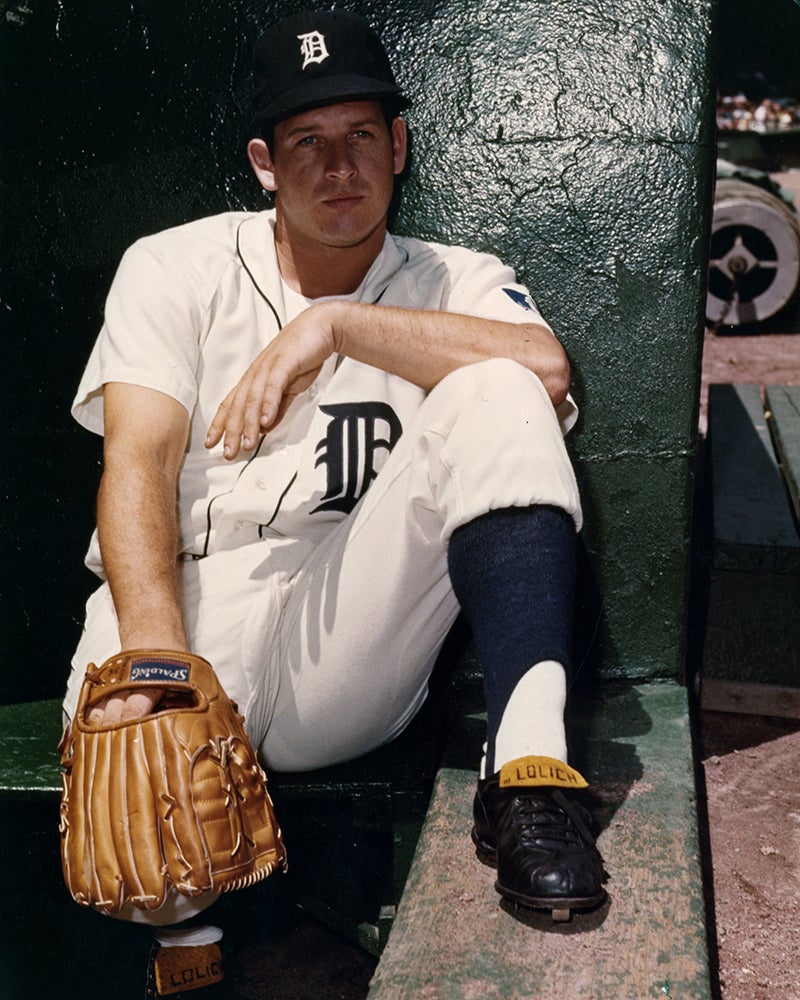
Lolich and the Tigers quickly came to an agreement on a 1973 contract reportedly worth $100,000. He was 1-4 with a 4.15 ERA through his first eight starts and was subject to criticism about his conditioning and questions about the mileage on his arm.
“I don’t know what more I can do,” Lolich told the AP after falling to 1-4. “I know what people expect. I heard them booing me, and it hurts a little bit.”
Lolich recovered to finish the season 16-15 but his ERA jumped to 3.82 over 308.2 innings. In 1974, Lolich posted his fourth-straight season with at least 300 innings but was 16-21 (leading the AL in losses) with a 4.15 ERA.
Lolich won his 201st career game on June 1, 1975, moving past Hal Newhouser to the top of the Tigers’ all-time list among left-handers. He also struck out three White Sox batters in a complete game that day, giving him 2,582 Ks for his career – good for sixth place all-time, one better than Bob Feller.
In his next start against Oakland, he would move past Warren Spahn into fifth place – and first all-time among left-handers to that point in history.
“Maybe instead of calling me a fat left-hander they’ll say I hold the strikeout record for left-handers and get off that other bit,” Lolich told the AP. “I get tired of reading about (his belly).”
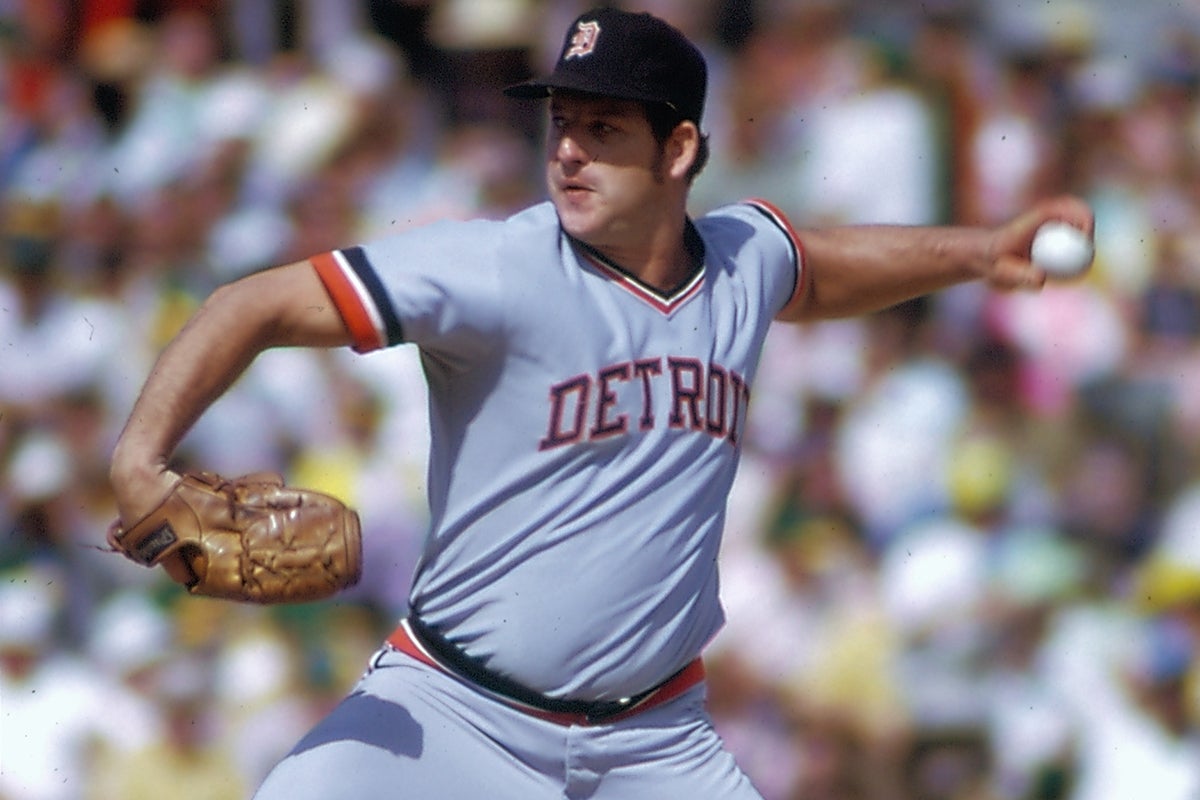
But Lolich’s workload was more important – or impressive – than his stomach. He began to tire in 1975 and went 12-18 with a 3.78 ERA. He struck out just 139 batters over 240.2 innings, his lowest strikeout total since his rookie season.
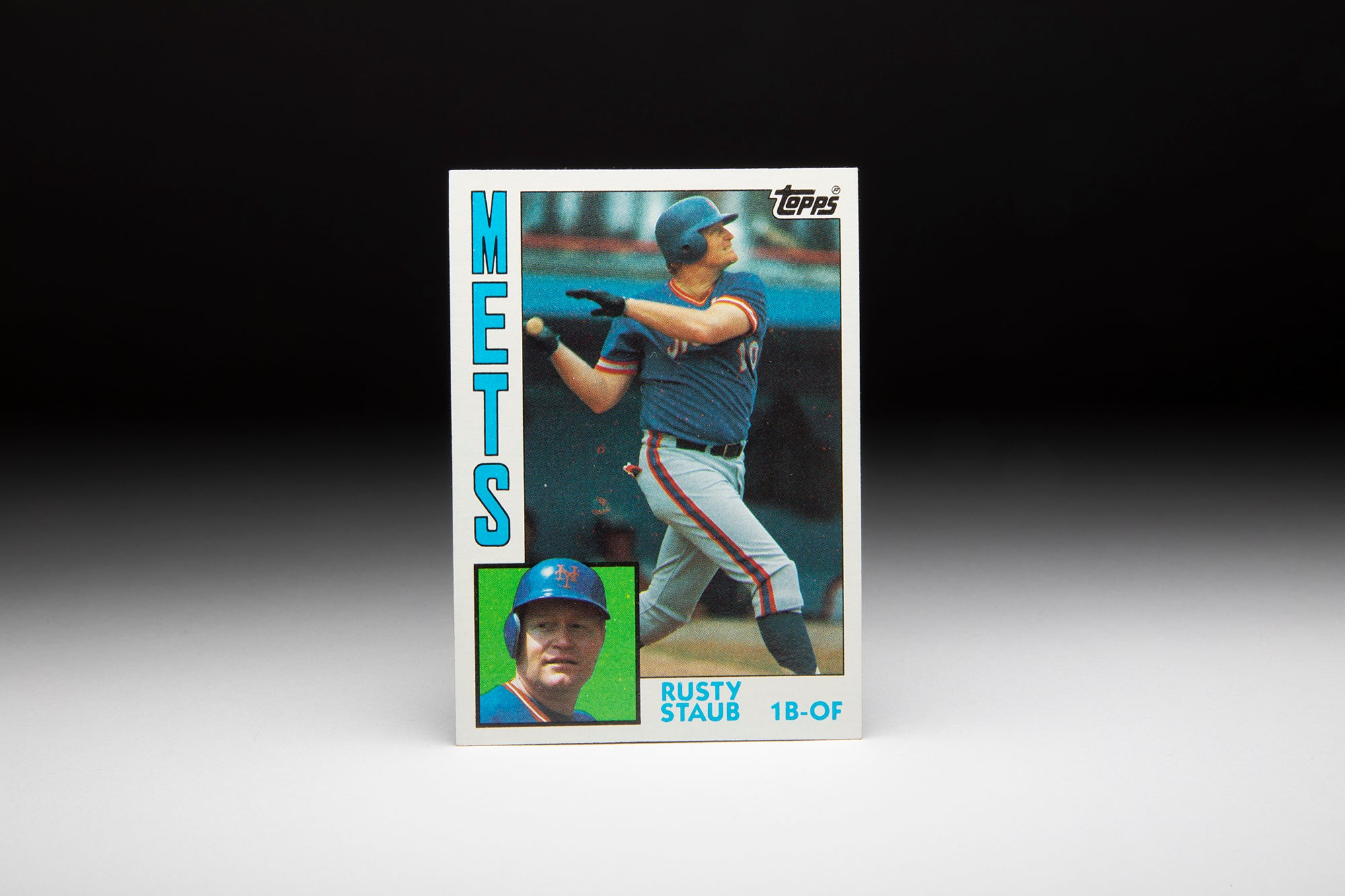
The Tigers – sensing Lolich was nearing the end of his career – traded him to the Mets with Billy Baldwin on Dec. 12, 1975, in exchange for Bill Laxton and Rusty Staub. Lolich initially vetoed the deal (as was his right as a player with 10 years of service and five with the most recent team) but accepted when his agent negotiated a new contract for Lolich.
“I realize this was a very traumatic decision for Mickey,” Robert Fenton, Lolich’s agent, told the Detroit Free Press. “It’s a tremendous emotional adjustment to think after all these years he’ll be playing in a different uniform in a strange city. And he was hurt to think that the Tigers would trade him after all he has done.”
Lolich agreed to a two-year contract worth a reported $250,000 and was 8-13 with a 3.22 ERA for the Mets in 1976. But Lolich’s family remained in Detroit, and Lolich did not enjoy the New York City experience. He retired that winter, walking away from more than $100,000 in salary.
“I had made up my mind halfway through (1976) to call it quits at the end of the season despite the fact that I had another year to go on my contract,” Lolich told the Windsor Star. “I really don’t miss the game.”
But Lolich changed his mind after sitting out all of 1977. On Feb. 2, 1978, Lolich signed with the Padres. At that point, he was only 201 strikeouts away from the 3,000 mark.
Lolich won a spot in the Padres bullpen and pitched effectively when he wasn’t sidelined with knee problems (he missed three months), going 2-1 with one save and a 1.56 ERA over 20 appearances. In 1979, Lolich announced he was going to begin throwing a knuckleball.
“If I can master it,” Lolich told the AP at Padres Spring Training camp, “I figure it will add four or five years onto my career.”
But after three outings, Lolich abandoned the knuckler. He spent the season as a mop-up man in the San Diego bullpen, going 0-2 with a 4.74 ERA in 27 games. The Padres were 1-26 in games where Lolich pitched.
Lolich retired following the season. He worked in private business and was always in demand for appearances in Detroit, where he remained a legend.
He passed away on Feb. 4, 2026.
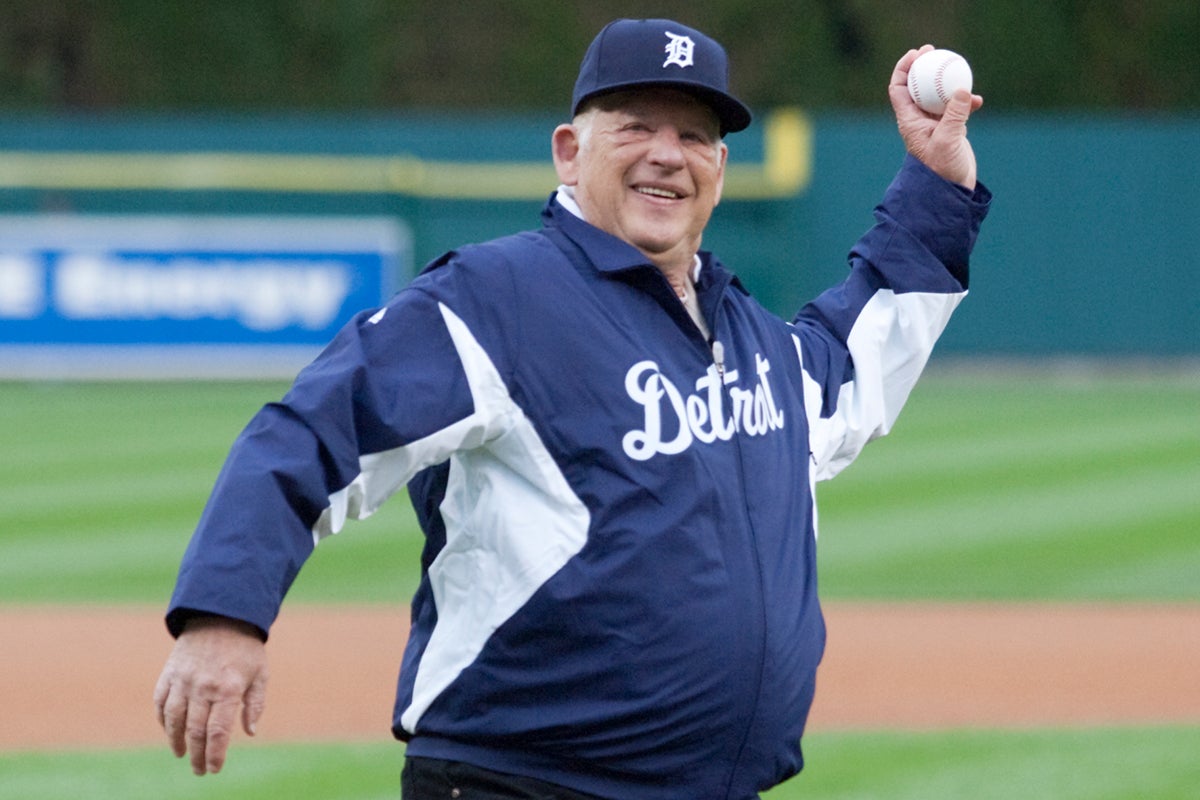
Lolich finished his career with a record of 217-191 and a 3.44 ERA over 16 seasons. His 2,832 strikeouts ranked in the Top 10 all-time when he retired, and among left-handers only CC Sabathia has totaled more American League strikeouts than Lolich’s 2,679.
He remains one of just six AL pitchers to record a 300-strikeout season – something he did in a year when he posted numbers that may never be approached again.
“My whole style of pitching changed (in 1971),” Lolich told the AP. “I used to throw a fastball, sinker, curve…then all of a sudden I was fooling around in Spring Training with a slider. I used it in 1971 and became a pitcher.
“I was in control from then on.”
Craig Muder is the director of communications for the National Baseball Hall of Fame and Museum